Bags of Spices

Favorite Recipes

The Huggins Family

  • Chicken Fajitas

    Chicken Fajitas

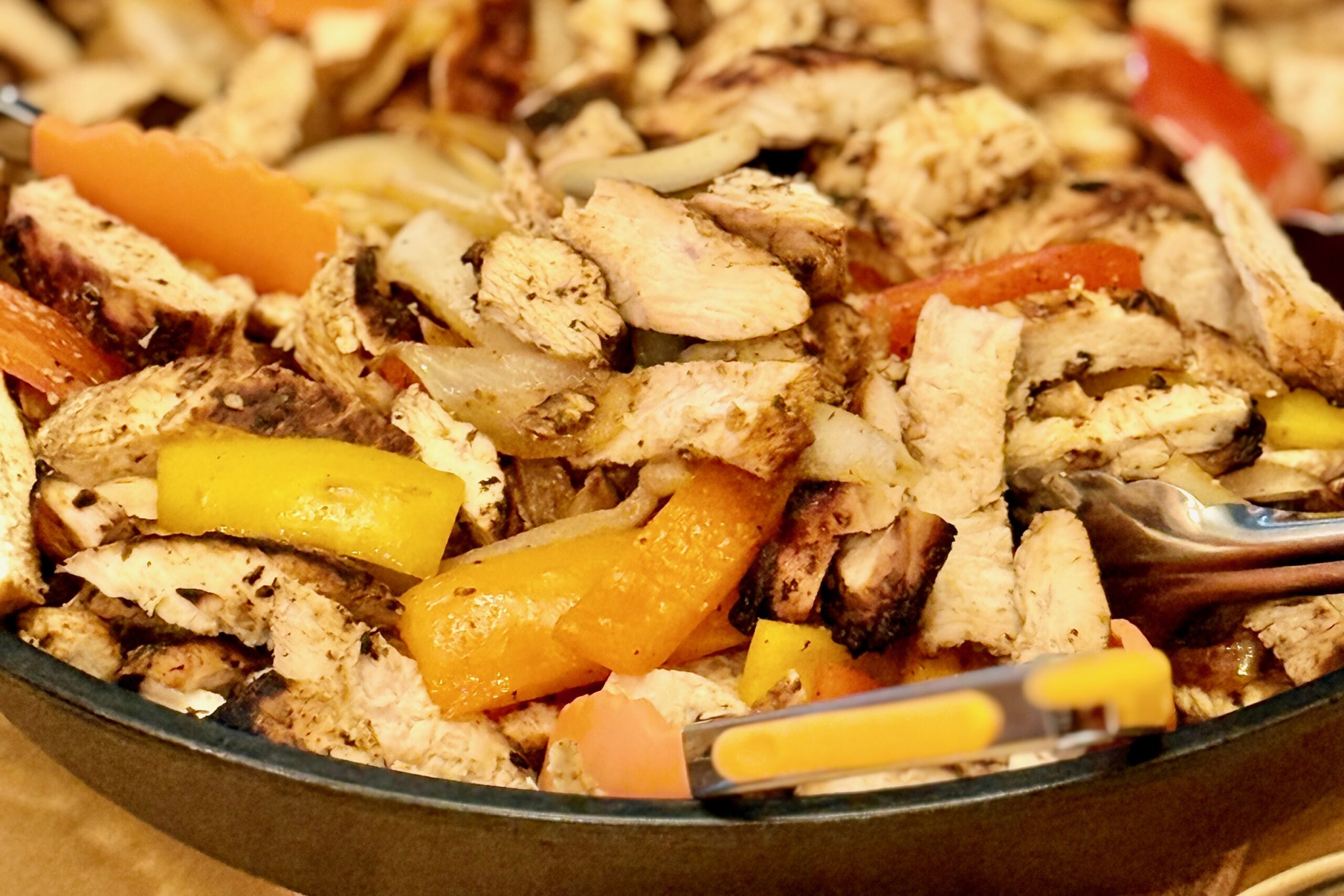
    Juicy, smoky chicken tossed with sizzling peppers and onions—these restaurant-style fajitas bring the flavor and drama of a classic Mexican grill to your table. Balanced citrus marinade, caramelized edges, and a final squeeze of lime create a bright, sizzling finish.


    Ingredients

    • 1½ lbs skinless, boneless chicken thighs and/or breasts (1 part thighs and 1 part breasts recommended)
    • Marinade

    • 3 tbsp canola oil
    • 2 tbsp lime juice
    • 1 tbsp orange juice
    • 1 tbsp soy sauce
    • 1 tbsp water
    • 2 garlic cloves, minced
    • ½ tsp chipotle chile powder
    • 1 tsp ancho chile powder
    • 1½ tsp ground cumin
    • ¼ tsp ground coriander
    • ¹⁄₁₆ tsp ground cinnamon
    • 1 tsp smoked paprika
    • 1 tsp dried Mexican oregano
    • 1 tsp kosher salt
    • ½ tsp black pepper
    • 1 tsp brown sugar (optional, helps caramelization)
    • ½ tsp liquid smoke (optional, if not cooking over charcoal)
    • Vegetables

    • 1 red bell pepper, sliced
    • 1 green bell pepper, sliced
    • 1 yellow bell pepper, sliced
    • 1 large white onion, sliced
    • 1–2 tbsp oil
    • Pinch of kosher salt
    • Squeeze of lime juice
    • To Serve

    • Warm flour tortillas
    • Pico de gallo
    • Guacamole or avocado slices
    • Crema or sour cream
    • Shredded cheese (cheddar, Monterey Jack, or Oaxaca)
    • Refried beans
    • Mexican rice
    • Fresh lime wedges
    • Fresh cilantro, chopped
    • Cotija cheese, crumbled (optional for garnish)

    Directions

    Marinate the Chicken

    Combine marinade ingredients in a bowl or resealable container. Add chicken and coat thoroughly, reserving 1–2 tbsp of the marinade for use later with the vegetables.

    Cover and refrigerate for 4–12 hours, turning occasionally.

    Prepare the Serving Skillet

    Preheat oven to 450–500°F (230–260°C). Place a large cast-iron fajita platter or skillet in the oven to heat for at least 15 minutes before serving.

    Cook the Chicken

    Heat a grill or cast-iron skillet over high heat. Cook chicken until nicely charred on the outside and reaches 160–165°F internally.

    Transfer to a plate, tent loosely with foil, and rest 5 minutes. Slice into thin strips across the grain.

    Caramelize and Combine

    Return the hot skillet to the stove (or use the same grill pan). Add sliced chicken and about 1 tbsp of the reserved marinade. Toss over high heat for 30–45 seconds to lightly caramelize and glaze the edges. Remove from heat and keep warm.

    Cook the Vegetables

    In a separate large skillet (or grill pan), heat 1–2 tbsp oil over high heat. Add sliced peppers and onions. Cook until blistered and tender-crisp, stirring occasionally, about 4–5 minutes.

    Add a pinch of salt and a squeeze of lime juice at the end of cooking for brightness and balance.

    Assemble and Serve

    Combine the vegetables with the sliced chicken. Carefully remove the preheated cast-iron skillet from the oven and transfer the chicken and peppers into it.

    Add a final squeeze of fresh lime juice—the skillet will sizzle and steam. Serve immediately on a heat-safe surface with warmed tortillas and all accompaniments.

    Garnish

    Sprinkle with fresh chopped cilantro and a light dusting of cotija cheese just before serving.


    Notes

    Preparation

    • The balanced 3:3 oil-to-citrus ratio prevents over-acidification and improves browning.
    • Adding 1 tbsp water ensures even coating and full marinade coverage.
    • Optional liquid smoke adds authentic char aroma when not using a charcoal grill.
    • A brief toss of sliced chicken in reserved marinade creates a restaurant-style glossy finish.
    • Seasoning vegetables with salt and lime at the end enhances flavor and color.
    • The sizzling lime finish releases steam and aroma when the hot skillet hits the table.

    Serving Suggestions

    • Serve with warm tortillas, Mexican rice, and refried beans.
    • Offer pico de gallo, guacamole, crema, or cheese for build-your-own fajitas.
    • Top with extra cilantro, cotija, and a squeeze of lime just before serving.

    Make-Ahead & Storage

    • Marinate chicken up to 12 hours in advance for maximum flavor.
    • Cooked chicken and vegetables can be refrigerated for up to 3 days.
    • Reheat gently in a skillet or oven before serving; add a squeeze of lime to refresh flavor.
  • Browned Butter Sage Sauce

    Browned Butter Sage Sauce

    A quick, elegant sauce that pairs beautifully with ricotta or potato gnocchi. Simple to prepare, it highlights the nutty aroma of browned butter and the earthy perfume of fresh sage. When served with gnocchi, a pinch of nutmeg in the dough adds warm, slightly sweet notes that complement the savory depth of the sage. This classic combination appears throughout Italian cooking—in pasta, meatballs, gnocchi, and creamy soups—where sage contributes its herbaceous edge and nutmeg lends a subtle, cozy warmth.


    Ingredients

    • 6 tbsp unsalted butter (85 g)
    • 8–10 fresh sage leaves
    • ⅛ tsp table salt (or to taste)
    • freshly ground black pepper (to taste)
    • 2 tbsp grated parmesan (optional, for finishing)
    • ½ tsp lemon juice (optional, brightens flavor)

    Directions

    Brown the Butter

    In a medium skillet or saucepan, melt the butter over medium heat. Add the sage leaves and cook, swirling occasionally, until the butter turns deep golden and smells nutty, about 4–5 minutes. The sage will crisp slightly as it fries.


    Finish the Sauce

    Remove from heat and stir in salt, black pepper, and lemon juice if using. Serve the sage leaves whole or remove them depending on preference.


    Serve

    Toss hot, drained gnocchi directly in the pan with the brown butter sauce until evenly coated. Serve immediately with freshly grated parmesan.


    Notes

    Preparation

    • Watch closely—brown butter goes from nutty to burnt quickly. Remove from heat as soon as the milk solids turn golden.
    • Create a silkier sauce by swirling in 1–2 tbsp pasta or gnocchi cooking water to form a light emulsion.
    • For deeper sage flavor, crisp the leaves for an extra 30 seconds before removing the pan from heat.

    Serving Suggestions

    • Drizzle over ricotta gnocchi, potato gnocchi, or sweet potato gnocchi.
    • Excellent on cheese ravioli, butternut squash ravioli, or spinach ravioli.
    • Also delicious over roasted vegetables, grilled chicken, or sautéed mushrooms.

    Variations

    • Garlic Brown Butter: Add one lightly crushed garlic clove to the skillet during browning; remove before serving.
    • Brown Butter & Walnut: Stir in ¼ cup toasted chopped walnuts for added crunch.
    • Lemon-Sage Butter: Increase lemon juice to 1 tsp and add ½ tsp lemon zest for brightness.

    Make-Ahead & Storage

    • Best served immediately after browning.
    • Refrigerate leftover sauce up to 3 days; rewarm gently over low heat before serving.
    • Sage leaves soften in storage—crisp fresh leaves separately if reheating.
  • Maple Whipped Cream

    Maple Whipped Cream

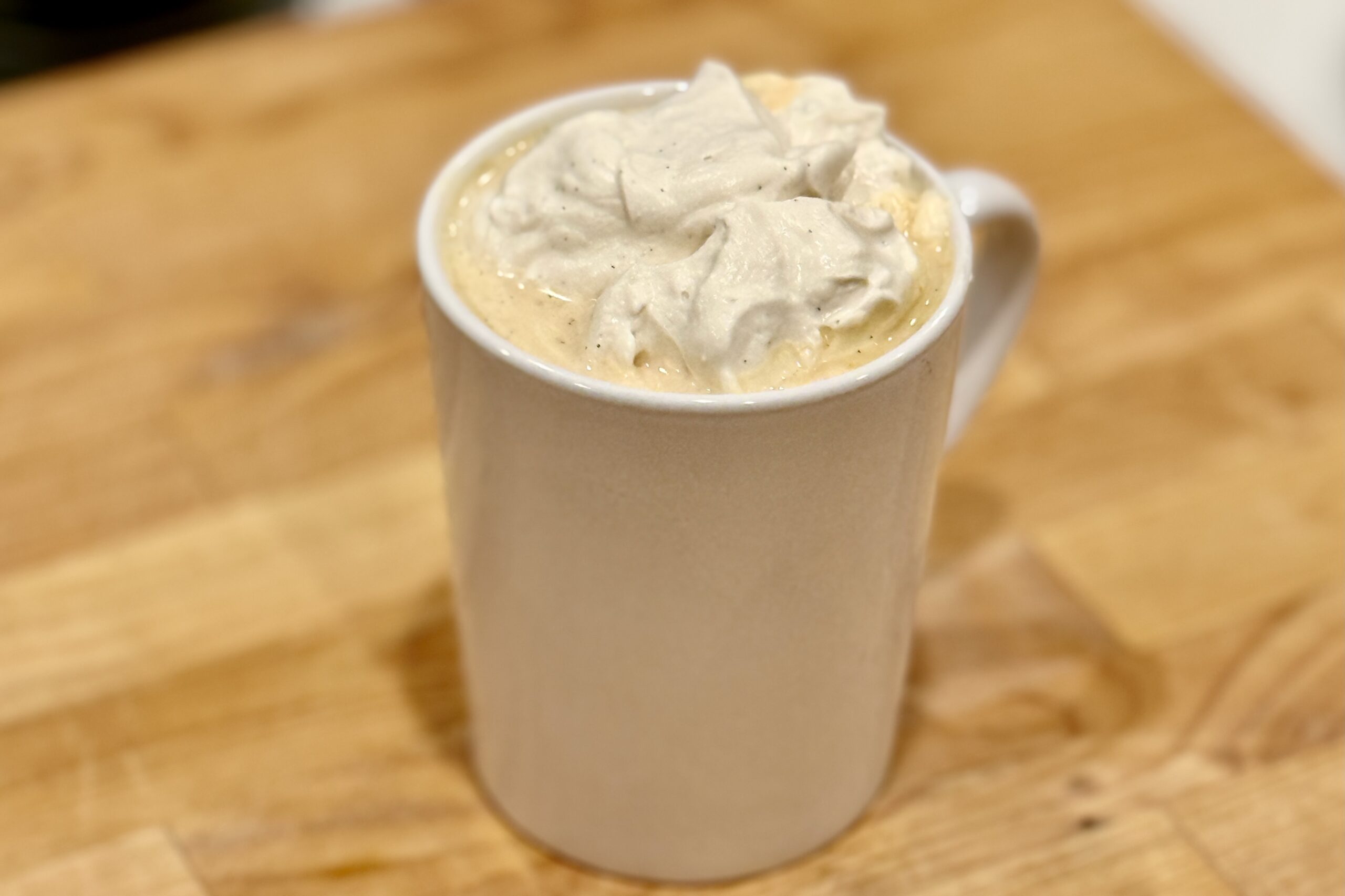
    Maple whipped cream is one of those simple upgrades that instantly feels special. Sweetened naturally with pure maple syrup, it brings a warm, woodsy depth you can’t get from powdered sugar alone. It’s perfect on pumpkin desserts, fall cakes, waffles, pies, hot chocolate, and cozy holiday drinks — anywhere you want a little real maple character without overpowering the main dish.


    Ingredients

      Base Whipped Cream

    • 1 cup heavy whipping cream, cold
    • 2–3 tbsp pure maple syrup (Grade A dark/robust preferred), warmed and cooled
    • ½ tsp vanilla extract
    • ½ tsp vanilla bean paste (for flecks)
    • Pinch of table salt (added during syrup warming)
    • Optional Stabilizer

    • ½ tsp gelatin bloomed in 1 tbsp cold water, melted and cooled
    • Scaling Options

      • Half Batch: ½ cup cream + 1–1½ tbsp maple syrup; scale remaining ingredients accordingly.
      • Double Batch: 2 cups cream + 4–6 tbsp maple syrup; double stabilizer if using.

    Directions

    Warm the Maple Syrup

    Place the maple syrup in a small saucepan and warm just until steaming. Add the pinch of table salt and stir until fully dissolved. Remove from heat and allow to cool completely.

    Whip the Cream

    Combine the cold heavy cream, cooled maple syrup, vanilla extract, and vanilla bean paste in a mixing bowl. If using gelatin, drizzle in the cooled melted gelatin as you begin whipping.

    Beat with a hand mixer (or whisk vigorously by hand) until soft to medium peaks form.

    Adjust & Serve

    Taste and add more maple syrup if needed. Serve immediately, or refrigerate up to 24 hours and re-whip lightly before use.

    Variations

    Customize the flavor to pair with different desserts or drinks:

    • Cinnamon-Maple: Add ⅛–¼ tsp ground cinnamon to the cream before whipping.
    • Maple-Bourbon or Maple-Rum: Add 1–2 tsp spirit to the maple syrup before warming; simmer 20–30 seconds to cook off alcohol, then cool.
    • Orange-Maple: Fold in ½ tsp finely grated orange zest after whipping.
    • Salted Maple: Increase salt to ⅛–¼ tsp (added during syrup warming).
    • Berry-Infused Maple: Warm 2 tbsp maple syrup with 1–2 tbsp crushed berries; simmer 1–2 minutes, strain, cool, and substitute for plain maple syrup.
    • Browned-Butter Maple: Brown 1–2 tbsp butter until golden and nutty; cool until just warm, whisk into the maple syrup during the warming step, then cool completely before whipping.

    Notes

    Preparation

    • Warming the maple syrup enhances flavor and dissolves the salt smoothly.
    • Vanilla bean paste adds flavor and appealing flecks throughout the cream.
    • Gelatin optional stabilizer helps the whipped cream hold up longer on pies, cakes, and drinks.

    Serving Suggestions

    • Serve on our family’s Pumpkin Spice Steamer, pumpkin milk, pies, crisps, spice cakes, waffles, or hot chocolate.
    • A great topping for fall desserts and holiday gatherings.

    Variations

    • Try the browned-butter version with apple or pear desserts.
    • Berry-infused maple pairs nicely with chocolate or vanilla bases.

    Make-Ahead & Storage

    • Whipped cream can be stored up to 24 hours; re-whip lightly to refresh texture.
    • Stabilized versions hold their shape longer and are good for piping.
  • What I Cook With: Kitchen Tools I Use and Trust

    Over the years, I’ve learned that good tools don’t make you a better cook—but the right tools make cooking more enjoyable, more consistent, and far less frustrating. I’m fairly picky about what earns a place in my kitchen. Everything listed here is something I use regularly, rely on, and would replace without hesitation if it wore out. This page is a reference for anyone curious about what I cook with day to day, and it evolves as my kitchen does.


    Cookware

    Stainless Steel

    My favorite stainless steel cookware is DEMEYERE. The build quality is exceptional, with excellent heat distribution that makes precise cooking much easier. I especially appreciate the welded handles—no rivets to trap food, which makes cleanup simple.

    While these pans are dishwasher safe, I hand wash them. That’s just a personal preference—I like taking care of my tools. The saucier, in particular, is my go-to pan for custards, sauces, and anything that benefits from even, gentle heat.

    Cast Iron

    I’m a big believer in cast iron for certain recipes. Some Southern dishes just don’t taste quite right when they’re cooked in anything else. My most-used cast iron pan is a 10-inch skillet that’s slightly deeper than average—about 3 inches—which makes it more versatile for both shallow frying and saucy dishes. I also keep several others on hand, including a wok and standard 10-inch, 12-inch, and 15-inch skillets. They’re inexpensive, durable, and incredibly functional. Mine are mostly from Lodge.

    Cutting Boards

    Wood

    I use wood cutting boards exclusively. I like them for their natural antibacterial properties, and because they’re much gentler on knife edges than other materials. Cleanup is simple—just warm, soapy water—and they age beautifully with regular use.

    Thermometers

    Instant Read

    My instant-read thermometer is the Thermoworks Thermapen ONE. I’ve tried several over the years, and this is by far the most accurate, fastest, and best-built thermometer I’ve used.

    Infrared

    I also keep a Thermoworks IRK-2 infrared thermometer on hand for checking surface temperatures, especially when cooking on cast iron, steel, or the grill.

    Ice Cream & Frozen Desserts

    Freezer

    My ice cream freezer is the Breville Smart Scoop. Reliability and ease of use were important to me, and I specifically wanted a machine with a built-in condenser. I knew that if making ice cream felt like a hassle, I wouldn’t do it as often. This machine has been consistent, dependable, and easy to live with.

    Portioning

    For portioning ice cream, I rely on the OXO Large Cookie Scoop. It’s the only scoop I’ve found that’s durable enough to handle firm ice cream without bending or breaking.

    Mixers & Food Prep

    Blender

    My blender is a Vitamix 750 series. It replaced my previous Vitamix, which I used for about 25 years before finally wearing it out. That kind of longevity earns loyalty.

    Hand Mixer

    I use a Breville hand mixer and have been impressed with its power and build quality. I’ve tried many other brands over the years, but none have come close for everyday use.

    Stand Mixers & Attachments

    We have two KitchenAid stand mixers. I prefer the 5.5-quart bowl-lift model, while my wife prefers the 4.5-quart tilt-head version. Both are excellent, and you really can’t go wrong with either.

    I also regularly use the pasta attachments—especially for rolling pasta sheets for from-scratch lasagna—and the fruit and vegetable strainer for processing tomatoes from the garden into homemade sauce.

    Food Processor

    My food processor is also a Breville. It was my first Breville purchase, and what really stood out was the quality and durability—you can feel it in the weight and construction. It’s handled everything I’ve thrown at it without complaint.

    Sous-Vide

    I use Joule sous-vide circulators, which are in regular rotation in my kitchen. They’ve been invaluable when cooking for large groups, especially for our annual Christmas Eve dinner, where we often serve 45 to 75 people. Sous-vide cooking makes that scale manageable with a bit of planning and creativity.

    Microwave & Small Appliances

    Microwave, Convection, Air Fryer

    My microwave is a Breville Combi Wave 3-in-1. It’s quiet, efficient, and also functions as an air fryer and convection oven.

    Range Hood

    I replaced an over-the-range microwave with a simple stainless steel range hood, and I don’t miss the old setup at all. With a large family, working around a low-hanging microwave was always a hassle.

    Electric Kettle

    I use an electric kettle frequently. The brand doesn’t matter much to me—I prefer models with glass sides so I can see the water boil. For me, it’s simply the best way to boil water.

    Pressure Cooker

    I use an Instant Pot Pro 10-in-1. I like the thickness of the inner pot, the built-in handles, and the overall build quality. It’s also black, which doesn’t hurt.

    Grills & Outdoor Cooking

    Pellet Grill

    I own two pellet grills, but the only one I’d recommend is the Green Mountain Daniel Boone. It’s well-built, reliable, and backed by a company with excellent customer service.

    Charcoal Grill

    My charcoal grill is a large Weber kettle. I’ve used gas grills in the past, but these days I stick to charcoal or pellet grilling exclusively.

    Discada / Disco / Cowboy Wok

    I also use a 20-inch rimmed discada (sometimes called a disco or cowboy wok) made by Southwest Disk. It’s heavy, beautifully made, and my go-to tool for cooking carnitas.

    Baking & Pizza

    Pizza Steel

    I use NerdChef pizza steels that are 0.25 inches thick. I considered going thicker, but in practice this thickness has proven more than sufficient for producing excellent Neapolitan-style pizzas in a home oven, with great heat retention and recovery.

    Entertaining

    Serving & Plating

    I prefer plain white plates, bowls, and serving dishes. The food should be the star—not the tableware.

    Warming Tray

    For larger gatherings, I use a Chefman Large Warming Tray. It’s been a significant upgrade from traditional chafing dishes and works especially well when serving multiple dishes buffet-style.