Bags of Spices

Favorite Recipes

Sauces

Classic and global sauces — creamy, spicy, tangy, sweet, and everything in between.

  • Southern-Style Sausage Gravy

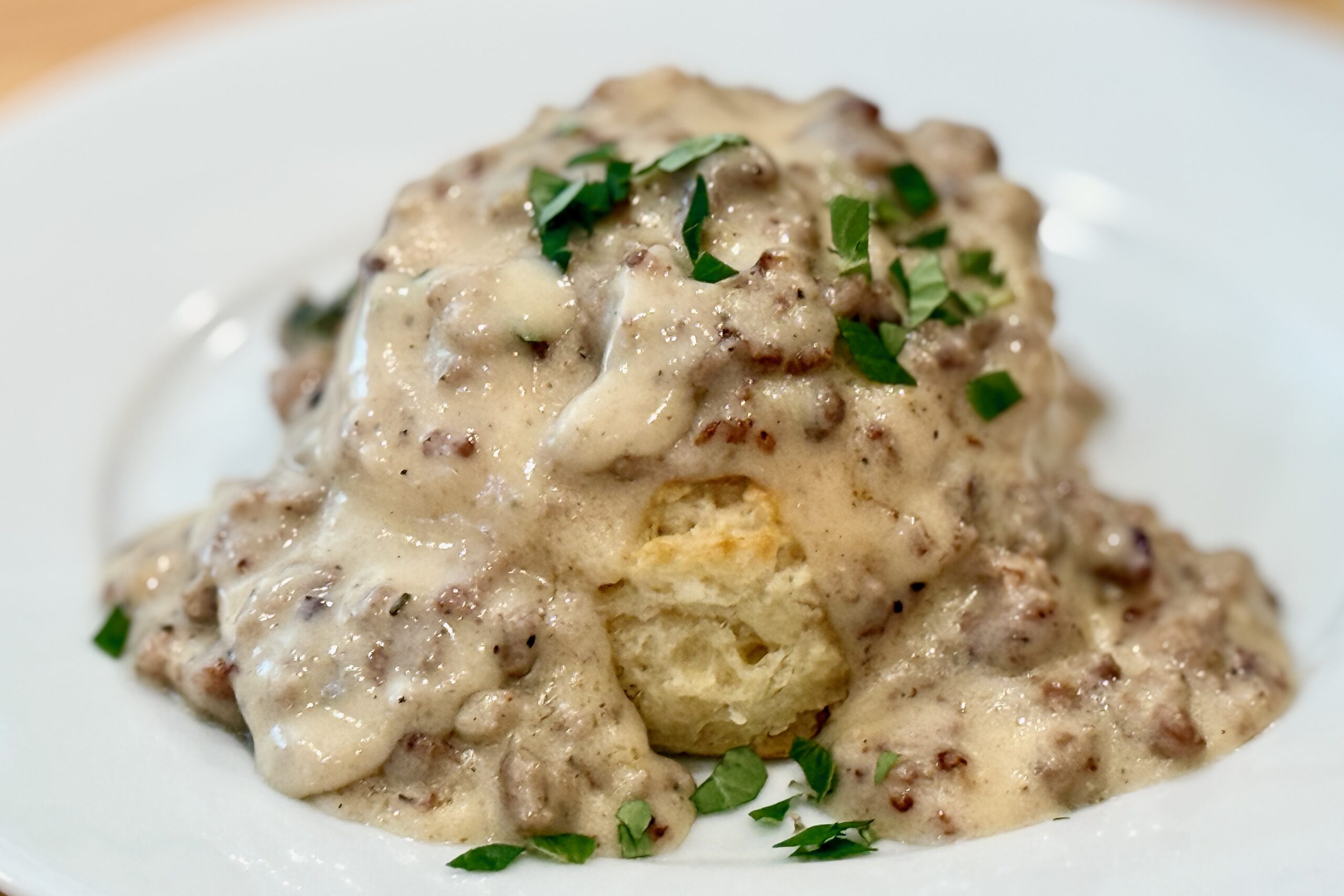
    Southern-Style Sausage Gravy

    Sausage gravy, a Southern staple, has been a Huggins family favorite for generations. No true Southern breakfast is complete without buttery biscuits smothered in creamy sausage gravy. The sage sausage pays homage to my grandma Lena — a true Southern lady who loved using sage in her cooking. I learned to make this gravy watching my mom prepare it time and time again in our family kitchen in Southern California. I may just be superstitious, but I swear the gravy tastes best when it’s made in my favorite cast iron pan!


    Ingredients

    • 1 lb sage breakfast sausage
    • ½ cup (1 stick) butter
    • ½ cup flour, lightly mounded
    • 4–6 cups whole milk, divided (start with 4 cups and add more to adjust thickness)
    • salt, to taste
    • freshly ground black pepper or white pepper, to taste

    Directions

    Cook the Sausage:

    In a large skillet or cast iron pan over medium heat, cook the sausage until browned and crumbled, breaking it into small pieces as it cooks. When fully cooked, push the sausage to one side of the pan, leaving the drippings in the skillet.

    Make the Roux:

    Add the butter to the sausage drippings and let it melt completely. Sprinkle the flour over the melted butter and drippings, stirring constantly to form a smooth paste. Cook the roux for 2–4 minutes, stirring continuously, until it turns a pale blond color and smells lightly nutty. Do not let it brown.

    Add the Milk:

    Reduce the heat to medium-low. Slowly pour in about 6 cups of the milk while whisking or stirring constantly, scraping along the bottom of the pan to prevent scorching (especially when using cast iron). Continue to cook and stir until the gravy thickens and begins to gently bubble.

    Finish and Season:

    Stir the cooked sausage back into the thickened gravy. If the gravy is thicker than you prefer, add additional milk ½ cup at a time, stirring well heating after each addition, until it reaches your desired consistency—smooth, creamy, and thick enough to coat the back of a spoon while still pouring easily.

    Season with salt to taste and a generous amount of freshly ground black pepper or white pepper. Traditional Southern-style gravy is fairly pepper-forward, so don’t be shy unless you prefer it milder.

    Serve:

    Serve hot over warm buttermilk biscuits. This gravy is also excellent with fried eggs, soft-scrambled eggs, or grated boiled eggs alongside your biscuits.


    Notes

    Preparation

    • Milk scorches easily, especially in cast iron. Once the milk is added, keep the heat at medium-low and stir frequently, scraping along the bottom of the pan.
    • A pale blond roux (2–4 minutes of cooking) helps remove any raw flour taste while keeping the gravy light in color and flavor.
    • The gravy will continue to thicken as it sits off heat. If it becomes too thick, gently rewarm and whisk in a little extra milk until it loosens to your preferred consistency.

    Serving Suggestions

    • Serve over hot buttermilk biscuits for a classic Southern breakfast.
    • Pair with fried eggs, soft-scrambled eggs, or grated boiled eggs for added protein and richness.
    • Try serving with hash browns, breakfast potatoes, or over toasted bread when biscuits aren’t available.

    Variations

    • Add a few drops of Worcestershire sauce to the gravy for deeper savoriness.
    • Stir in a dash of your favorite hot sauce (such as Crystal or Tabasco) for gentle heat that complements the sage and sausage.
    • If your sausage is not very sage-forward, add a tiny pinch of rubbed sage toward the end of cooking, tasting as you go to avoid overpowering the gravy.
    • Use white pepper instead of black pepper if you prefer a smoother look while keeping a robust, peppery flavor.

    Make-Ahead & Storage

    • Sausage gravy can be made up to 2 days in advance and cooled completely before refrigerating in an airtight container.
    • Reheat gently over low heat, adding a splash of milk as needed to loosen the gravy back to a smooth, creamy consistency.
    • For food safety, avoid leaving the gravy at room temperature for extended periods; promptly refrigerate leftovers.
  • Nacho Cheese Sauce

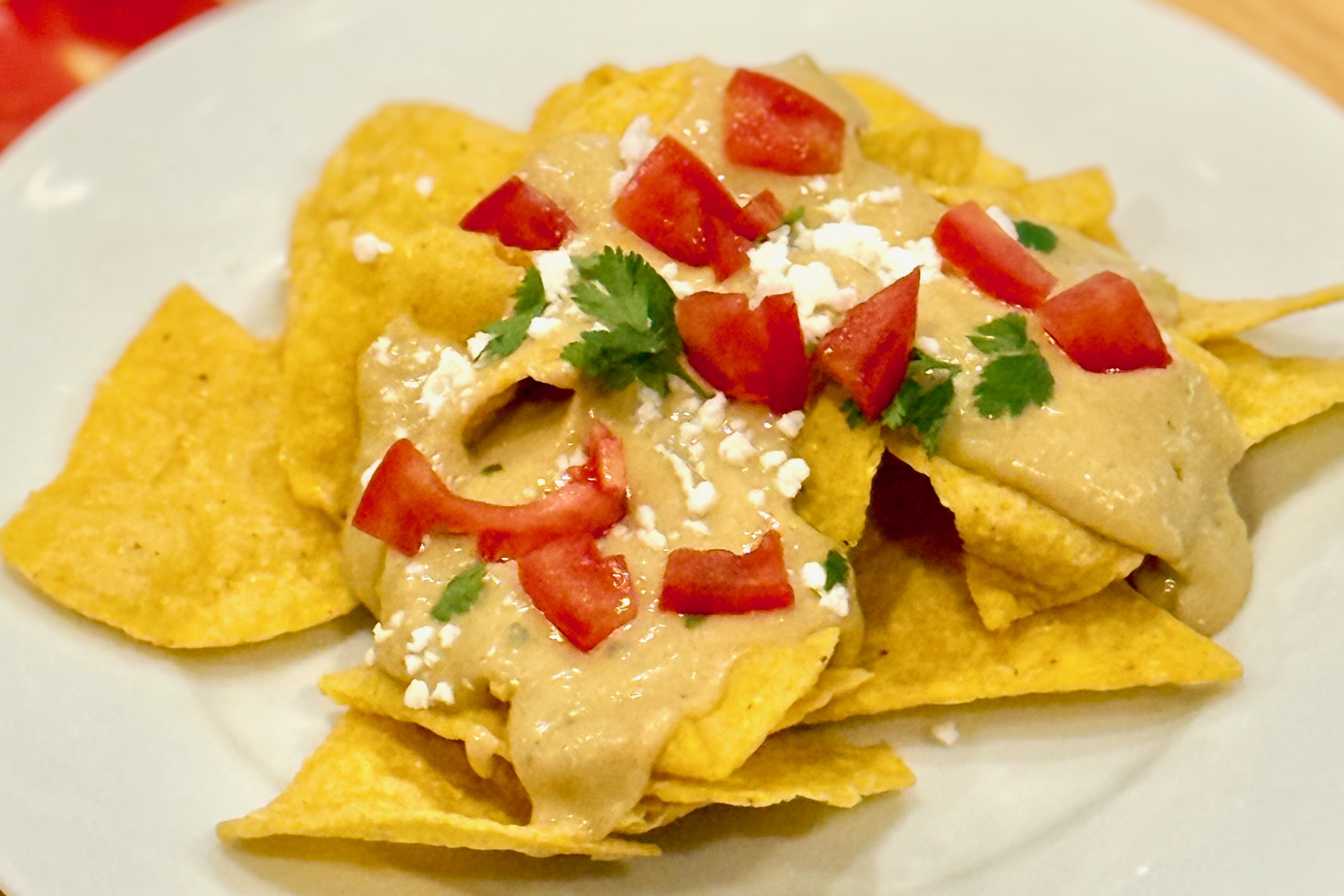
    Nacho Cheese Sauce

    This smooth and flavorful nacho cheese sauce blends cheddar, colby jack, green chiles, warm spices, and a touch of cream cheese for richness—perfect for dipping, drizzling, or spooning over anything that needs a bold, melty kick.


    Ingredients

    • 2 tbsp butter
    • ¼ tsp powdered annatto (optional)
    • ¼ tsp garlic powder
    • ¼ tsp onion powder
    • ¼ tsp ground cumin
    • ¼ tsp chipotle chile powder
    • 2 tbsp flour
    • 1½ cups milk
    • 1½ tsp sodium citrate (optional)
    • 4 oz cream cheese, cut into small chunks
    • 4 oz cheddar cheese, grated
    • 4 oz colby jack cheese, grated
    • ½ tsp table salt
    • ¼ tsp fish sauce (optional)
    • 2–4 oz diced green chiles

    Directions

    Make the Sauce

    Heat butter in a skillet over medium heat. When melted and bubbling, add annatto (if using) and bloom for 15 seconds.

    Add garlic powder, onion powder, cumin, and chipotle chile powder; whisk briefly to bloom the spices. Add flour to form a roux and cook until the mixture is bubbling and the raw flour scent dissipates.

    Dissolve sodium citrate in the milk, then whisk the milk mixture into the roux. Continue whisking until the mixture thickens and reaches a gentle boil.

    Whisk in the cream cheese until fully incorporated. Remove the skillet from heat.

    Add the cheddar and colby jack a handful at a time, whisking thoroughly between additions until smooth. Stir in salt, fish sauce (if using), and green chiles.


    Notes

    Preparation

    Powdered annatto gives a warm reddish color and mimics classic cheddar coloring. It is a natural antioxidant with additional health benefits.

    Sodium citrate enhances smooth meltability, adds gentle tanginess, and helps prevent the sauce from separating. Increasing to 1½ tsp improves stability, especially during reheating.

    Fish sauce adds subtle umami depth and rounds out the flavors but remains undetectable as a distinct ingredient.

    Serving Suggestions

    For extra heat, stir in a splash of your favorite hot sauce just before serving.

    Pickled jalapeños or 1–2 tsp jalapeño brine may be added for brightness and acidity.

    Variations

    Optional Add-Ins:

    • Diced pickled jalapeños
    • Jalapeño brine for acidity
    • Extra green chiles for mild heat

    These additions adjust heat and acidity without changing the core sauce flavor.

    Make-Ahead & Storage

    Store cooled sauce in an airtight container for up to 4 days.

    Reheat gently over low heat on the stovetop or in the microwave in 20–30 second bursts, stirring between intervals.

    If the sauce thickens during storage or reheating, whisk in 1–3 tbsp milk as needed to adjust consistency.

  • Salsa Huancaína

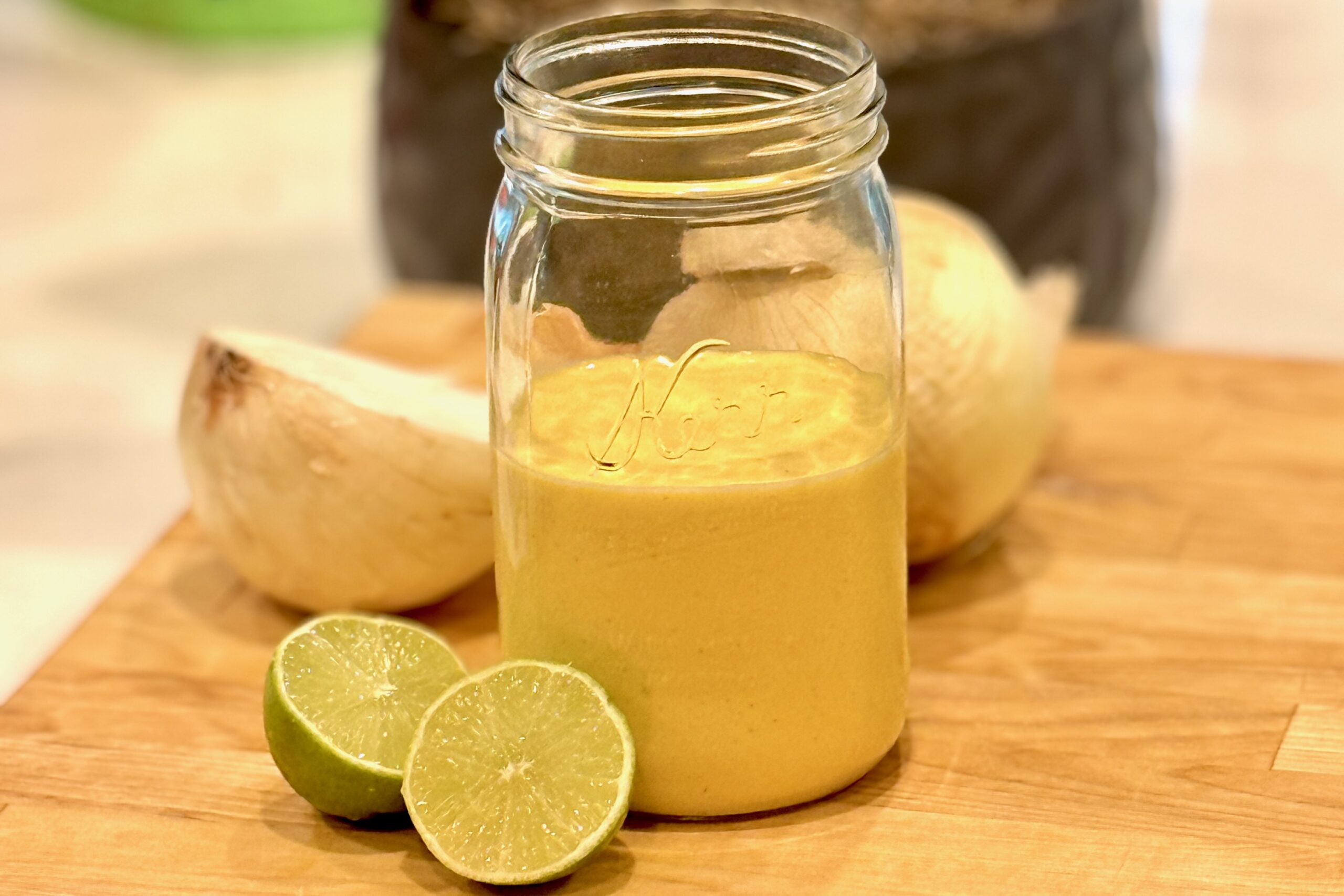
    Salsa Huancaína

    This creamy Central Peruvian classic blends peppers, queso fresco, and milk into a silky, vibrant sauce with gentle heat and rich, comforting flavor. Enjoyed throughout Peru, salsa huancaína is one of those dishes that feels deeply personal—nearly every family has their own version, adjusted by memory, preference, or what’s on hand. Traditionally spooned generously over tender potatoes, it’s just as delicious used as a dip, drizzle, or spread, bringing its unmistakable balance of warmth and creaminess to countless dishes.


    Ingredients

      Sauce Base

    • ½ medium yellow onion, diced and sautéed until translucent
    • 1 large yellow or orange bell pepper, roasted, peeled, and seeded
    • ½ habanero (to taste)
    • ¼ cup whole or evaporated milk
    • ⅓–½ cup queso fresco
    • 6–8 saltine crackers (adjust to desired thickness)
    • 1–2 tbsp vegetable oil
    • salt to taste
    • Optional Add-Ins

    • 1 clove garlic
    • splash of lime juice (for brightness)

    Directions

    Sauté the Aromatics

    Sauté the diced onion in a small amount of oil until soft and fragrant, then let cool slightly.

    Prepare the Peppers

    Roast, peel, and seed the bell pepper. Adjust heat by adding part or all of the habanero.

    Blend the Sauce

    Blend the onion, roasted bell pepper, habanero, milk, and queso fresco until smooth.

    Add 6 saltine crackers and blend again. Adjust consistency by adding more crackers to thicken or additional milk to thin.

    Blend in a small amount of oil for a silkier, more emulsified texture. Season with salt to taste.


    Notes

    Preparation

    • Peruvian recipes traditionally use ají amarillo (2–3 peppers, roasted, peeled, and seeded). If you have access to frozen or paste ají amarillo, use it for the most authentic flavor.
    • Evaporated milk gives a creamier, more traditional consistency, but whole milk works well in a pinch.
    • Queso fresco is classic, but queso blanco or feta can be used for a saltier, brinier profile.
    • Saltines thicken the sauce while keeping the flavor mild; stale bread is a suitable substitute.

    Serving Suggestions

    • Classic: Over boiled yellow potatoes (papas a la huancaína) with hard-boiled eggs, black olives, and lettuce.
    • As a dip: Pairs beautifully with potato fries, yuca fries, fresh vegetables, or plantain chips.
    • As a sauce: Drizzle over grilled chicken, steak, or roasted vegetables for a creamy, pepper-forward accent.
    • For best texture, lightly chill before serving so it thickens and clings beautifully to potatoes or vegetables.

    Variations

    • Increase or decrease the habanero to adjust heat, or add a pinch of yellow chili paste if you have it.
    • Add a garlic clove for deeper aroma, or a splash of lime juice for additional brightness.

    Make-Ahead & Storage

    This sauce improves after a few hours as the flavors meld.

    • Refrigerator: Store in an airtight container for 3–4 days.
    • Freezing is not recommended due to separation of dairy and crackers.
  • Alabama White Barbecue Sauce

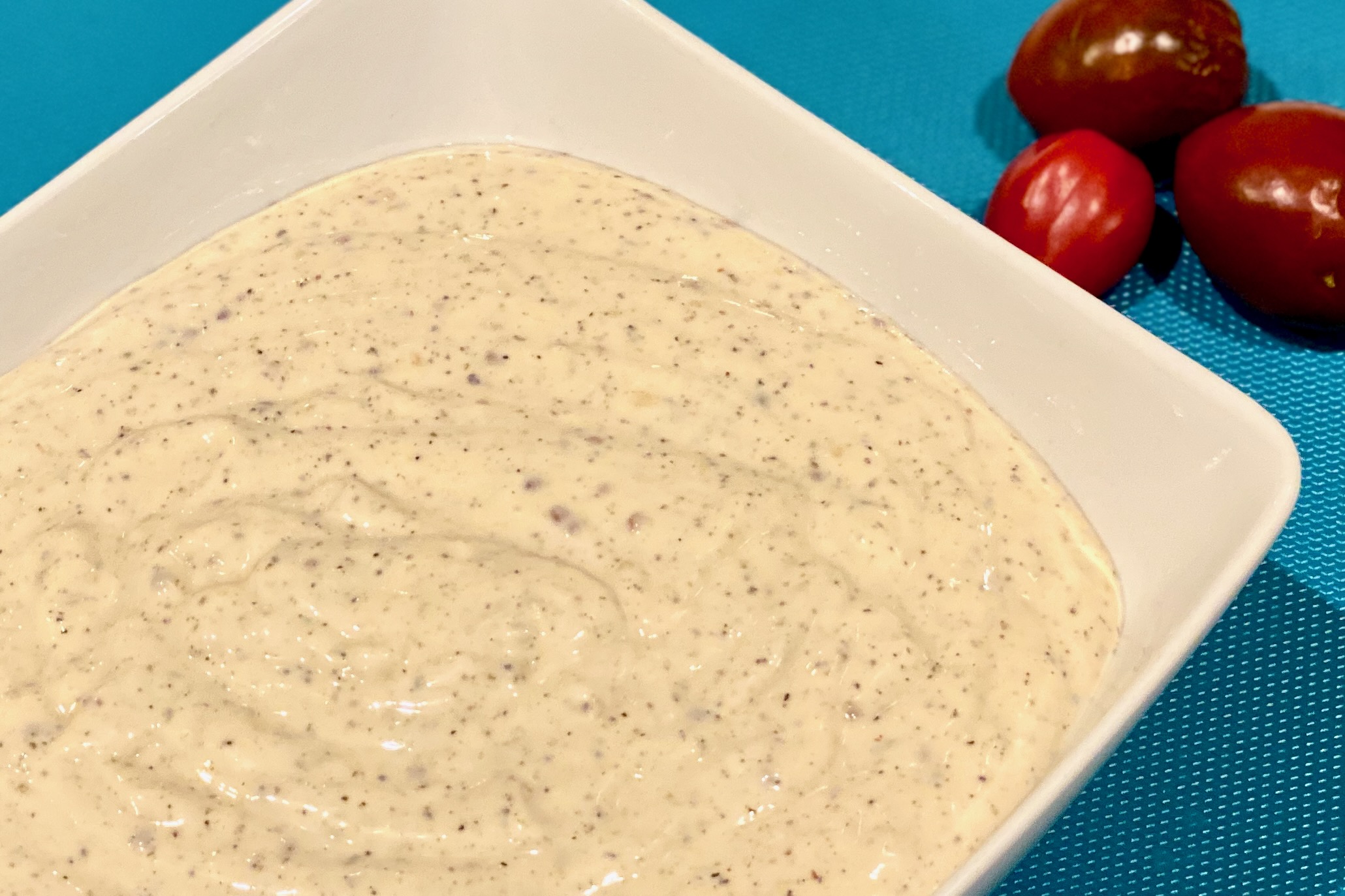
    Alabama White Barbecue Sauce

    Alabama white barbecue sauce is one of those condiments that quietly steals the show—sharp, peppery, and creamy enough to cling to smoked chicken and pulled pork without ever feeling heavy. This version leans into that classic tang with apple cider vinegar, stone-ground mustard, horseradish, and plenty of black pepper, plus just enough optional sweetness and umami to round the bite. It’s the kind of sauce people remember after a cookout and ask for by name, whether you’re brushing it on grilled chicken thighs, serving it alongside ribs, or drizzling it over a piled-high pulled pork sandwich.


    Ingredients

    • 1 cup mayonnaise
    • 3 tbsp apple cider vinegar
    • 1½ tbsp prepared stone-ground mustard
    • 2–3 tsp prepared horseradish, to taste
    • 2 tsp coarsely ground black pepper (lightly toasted, optional)
    • ¾ tsp table salt
    • ½ tsp garlic powder
    • ¾ tsp onion powder
    • ¾ tsp Worcestershire sauce
    • ½ tsp hot sauce (such as Louisiana-style), or to taste
    • ½–1 tsp honey or sugar, to taste (optional, recommended)
    • ½ tsp fresh lemon juice (optional, for brightness)
    • ⅛ tsp MSG or 1–2 tsp dill pickle brine (optional, for extra depth)

    Directions

    Mix the Sauce

    If using the toasted pepper option, place the coarsely ground black pepper in a small dry skillet over medium-low heat and toast for 20–30 seconds, just until fragrant. Remove from heat and let cool slightly.

    In a medium bowl, whisk together the mayonnaise, apple cider vinegar, stone-ground mustard, horseradish, black pepper, salt, garlic powder, onion powder, Worcestershire sauce, hot sauce, honey or sugar (if using), lemon juice (if using), and either MSG or dill pickle brine (if using) until completely smooth and well combined.

    Adjust and Chill

    Taste and adjust seasoning: add a splash more vinegar for extra tang, a bit more honey or sugar to round the acidity, or additional hot sauce and horseradish for more heat. The sauce should taste slightly sharper and more intense than you want it to finish, as the flavors will mellow while chilling.

    Cover and refrigerate for at least 2 hours, preferably overnight, to allow the flavors to blend and the pepper to soften. Stir well before serving. Use within about 1 week.


    Notes

    Preparation

    • Use a good-quality, full-fat mayonnaise for best texture and flavor; reduced-fat mayo will make the sauce thinner and less stable.
    • Prepared horseradish varies in strength—start on the low end and add more to taste once everything is mixed.
    • The optional honey or sugar doesn’t make the sauce noticeably sweet; it simply softens the acidity and heat for a more rounded, restaurant-style finish.
    • Toasting the black pepper is optional but enhances its aroma and adds a slightly deeper, smokier note.

    Serving Suggestions

    • Brush over grilled or smoked chicken during the last 3–5 minutes of cooking, then serve extra on the side for dipping.
    • Drizzle over pulled pork sandwiches or use as a sandwich spread in place of plain mayonnaise.
    • Serve as a dipping sauce for smoked turkey, ribs, or grilled vegetables.
    • Thin slightly with water or buttermilk to create a drizzle for grain bowls, roasted potatoes, or chopped salads.

    Variations

    • Salad Dressing: For a creamy, tangy salad dressing, whisk in 2–3 tbsp buttermilk per 1 cup of sauce until pourable. Adjust salt and pepper to taste.
    • Sandwich Spread: For a slightly looser spread for sandwiches or pulled pork, whisk in about 1 tbsp buttermilk per 1 cup of sauce, or simply use the sauce as-is.
    • Extra-Spicy Version: Increase the hot sauce to 1–1½ tsp, add more horseradish to taste, and consider a pinch of cayenne for a lingering heat.
    • Smoky Version: Add ⅛–¼ tsp smoked paprika or a few drops of liquid smoke for a subtle smoky note.
    • Herb Variation: Stir in 1–2 tbsp finely chopped fresh parsley, chives, or dill just before serving for a fresher, greener profile.

    Make-Ahead & Storage

    • This sauce is best made at least a few hours in advance; overnight chilling gives the most balanced flavor.
    • Store in an airtight container in the refrigerator for up to 1 week, stirring before each use.
    • Because the base is mayonnaise, do not freeze; the emulsion will break once thawed.
    • Always use clean utensils when dipping into the sauce to maximize its shelf life.
  • Buttermilk Syrup

    Buttermilk Syrup

    Rich, creamy, and lightly caramelized, this buttermilk syrup is a warm, velvety topping for pancakes, waffles, or French toast. It bubbles up as it cooks, creating a smooth, frothy texture that perfectly balances sweetness with a hint of tang from the buttermilk.


    Ingredients

    • 1½ cups sugar
    • ¾ cup buttermilk
    • ½ cup butter
    • 2 tbsp corn syrup (optional)
    • 1 tsp baking soda
    • 2 tsp vanilla extract

    Directions

    Cook the Syrup

    In a large saucepan, combine all ingredients except baking soda and vanilla. Stir constantly over medium heat until the mixture reaches a steady boil.

    Boil for about 3½ minutes, watching carefully — the syrup will foam up once baking soda is added, so ensure your saucepan is large enough to accommodate expansion.

    Finish and Serve

    Remove from heat and whisk in baking soda and vanilla extract. Stir until the mixture becomes frothy and smooth. Serve warm over pancakes, waffles, or French toast.


    Notes

    Preparation

    • Use a large saucepan (at least 3 quarts) since the syrup will triple in volume when baking soda is added.
    • Thickness control: The 3½-minute boil is the baseline. For a thicker syrup, extend the boil to 4–5 minutes before adding baking soda; for a lighter/thinner syrup, boil 2½–3 minutes. It will thicken further as it cools, so rewarm gently to loosen before serving.
    • Whisk continuously after adding baking soda to achieve a light, foamy texture.

    Serving Suggestions

    • Serve warm over French toast, pancakes, waffles, or crêpes.
    • Top French toast made with chunky cinnamon bread and garnish with strawberries and whipped cream for a restaurant-style brunch.

    Variations

    • Maple Buttermilk Syrup: Substitute maple syrup for corn syrup.
    • Orange Buttermilk Syrup: Stir in 1 tsp orange zest after adding vanilla extract.
    • Coconut Buttermilk Syrup: Reduce vanilla extract to ½ tsp and add ½ tsp coconut flavoring.

    Make-Ahead & Storage

    • Store in an airtight container in the refrigerator for up to 1 week.
    • Reheat gently on the stovetop or in the microwave, stirring before serving.
    • Do not boil again after reheating to preserve its smooth, creamy consistency.
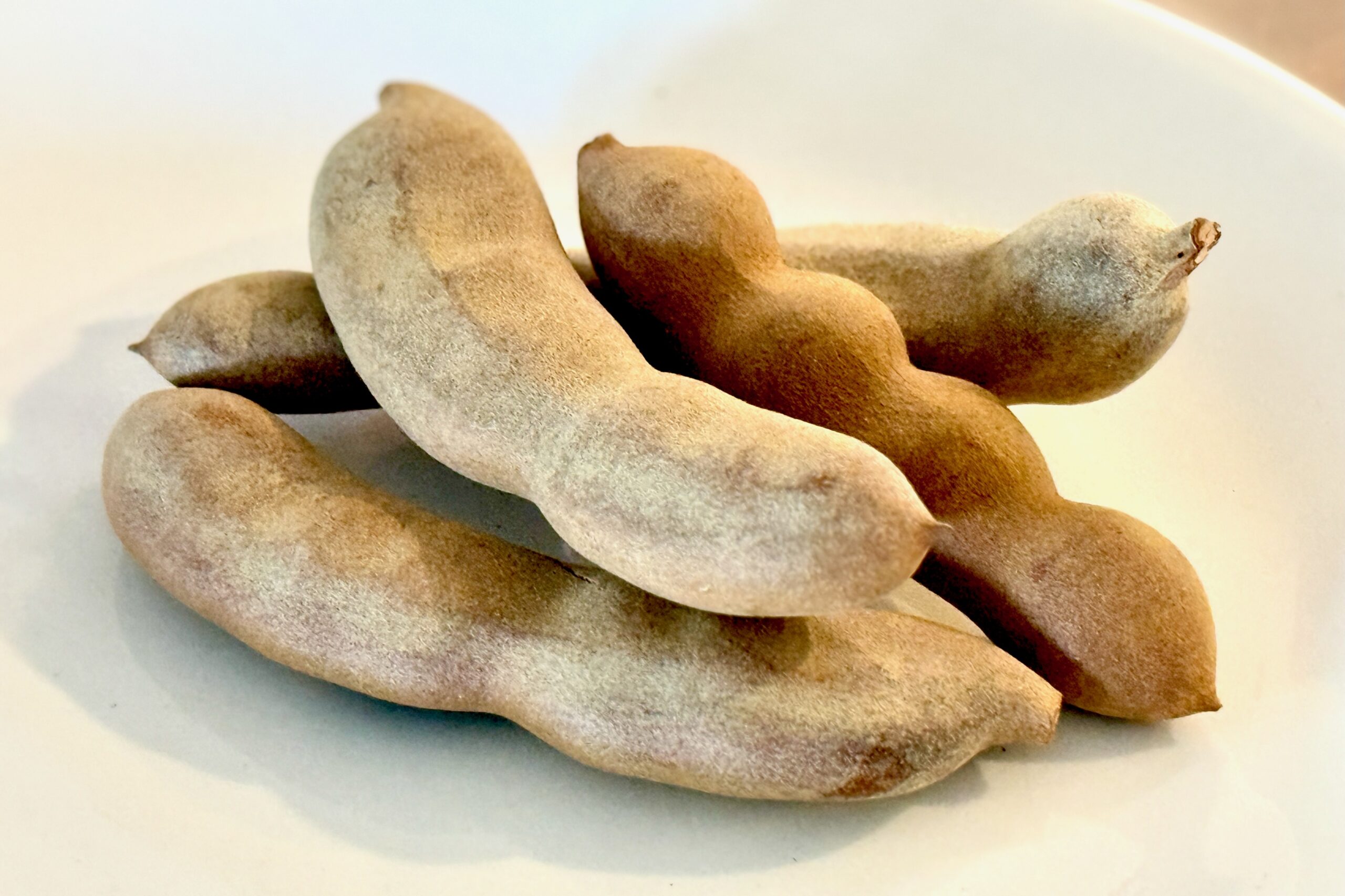
  • Tamarind Paste from Whole Tamarind Pods

    Tamarind Paste from Whole Tamarind Pods

    Homemade tamarind concentrate is deeper, brighter, and more aromatic than anything from a jar. Starting with whole tamarind pods, you strip away the shells, soak and mash the pulp, then slowly reduce it to a thick, spoonable paste that keeps well and adds complex sweet-sour flavor to curries, chutneys, sauces, and marinades.


    Ingredients

    • 200 g (about 7 oz) whole dried tamarind pods
    • 240 ml (1 cup) hot water, plus more as needed to barely cover the pulp

    Directions

    Prepare the Tamarind Pods

    Crack and peel away the brittle outer shells of the tamarind pods. Remove and discard any stringy veins. You should be left with sticky, dark brown pulp with seeds and fibers attached.

    Soak and Soften the Pulp

    Place the cleaned tamarind pulp in a heatproof bowl. Pour hot water over the pulp, using just enough to barely cover it (start with about 1 cup). Let soak for 15–20 minutes, or until the pulp is very soft and pliable.

    Mash and Extract the Pulp

    Using clean hands or a sturdy spoon, squeeze, mash, and knead the softened tamarind in the water. Work the pulp thoroughly to dissolve as much as possible into the liquid. The mixture should become thick, cloudy, and pulpy, with seeds and tough fibers separating out.

    Strain the Tamarind

    Set a fine-mesh strainer over a clean bowl. Working in batches if needed, pour the tamarind mixture into the strainer and press firmly with the back of a spoon or a spatula to force the smooth pulp through.

    Scrape the underside of the strainer to collect any clinging pulp. Discard the seeds and fibrous solids when they are mostly dry and no longer release pulp. You should now have a thick, pourable tamarind purée.

    Reduce to a Concentrate (Optional but Recommended)

    Transfer the strained tamarind purée to a small saucepan. Set over low heat and bring to a gentle simmer, stirring frequently to prevent sticking or scorching.

    Simmer for 5–10 minutes, or until the purée thickens into a glossy, spoonable paste similar to tomato paste. The goal is to evaporate excess water and intensify the flavor, not to boil vigorously. Remove from heat and let cool to room temperature.

    Cool, Portion, and Store

    Once completely cool, transfer the tamarind concentrate to a clean, dry jar, or portion it into 1–2 tbsp amounts in an ice cube tray for easy use in recipes.

    Refrigerate the concentrate for up to 3–4 weeks, or freeze for longer storage (up to 6 months). Thaw frozen portions in the refrigerator or at room temperature before using.


    Notes

    Preparation

    • From 200 g whole tamarind pods, you can expect roughly 40–60 g of thick concentrate once reduced, depending on how much water you use and how far you cook it down.
    • Use only enough hot water to barely cover the pulp; extra water makes the reduction step longer and can dilute the flavor.
    • Stir constantly near the end of the simmering step—tamarind is high in natural sugars and can stick or scorch if left unattended.
    • If you prefer a slightly looser paste (closer to some commercial tamarind pastes), shorten the simmering time and stop as soon as the purée coats the back of a spoon.

    Serving Suggestions

    • Use 1–2 tsp concentrate to add tangy depth to curries, dals, and lentil soups.
    • Whisk into chutneys, dipping sauces, and barbecue glazes for a sweet-sour backbone.
    • Stir a spoonful into pad thai sauce, tamarind-based stir-fries, or noodle dishes.
    • Combine with sugar, salt, and spices for tamarind drinks, aguas frescas, or sherbets.

    Variations

    • From Tamarind Block: Substitute 200 g compressed tamarind block for the pods. Break into chunks, soak in hot water as directed, then mash, strain, and reduce in the same way.
    • Tamarind Purée (No Reduction): Skip the simmering step and use the strained tamarind purée as-is when recipes call for “tamarind pulp” or “tamarind purée” rather than concentrate.
    • Stronger or Milder Concentrate: For a stronger concentrate, simmer a bit longer to a very thick paste; for a milder one, keep the paste slightly looser and use more by volume in recipes.

    Make-Ahead & Storage

    • Refrigerator: Store tamarind concentrate in a clean, airtight jar for up to 3–4 weeks.
    • Freezer: Portion into 1–2 tbsp amounts (for example, in an ice cube tray) and freeze for up to 6 months.
    • Use Clean Utensils: Always use a clean spoon to scoop out concentrate to help maximize shelf life and prevent spoilage.
    • Thawing: Thaw frozen portions in the refrigerator or at cool room temperature before stirring into sauces or liquids.
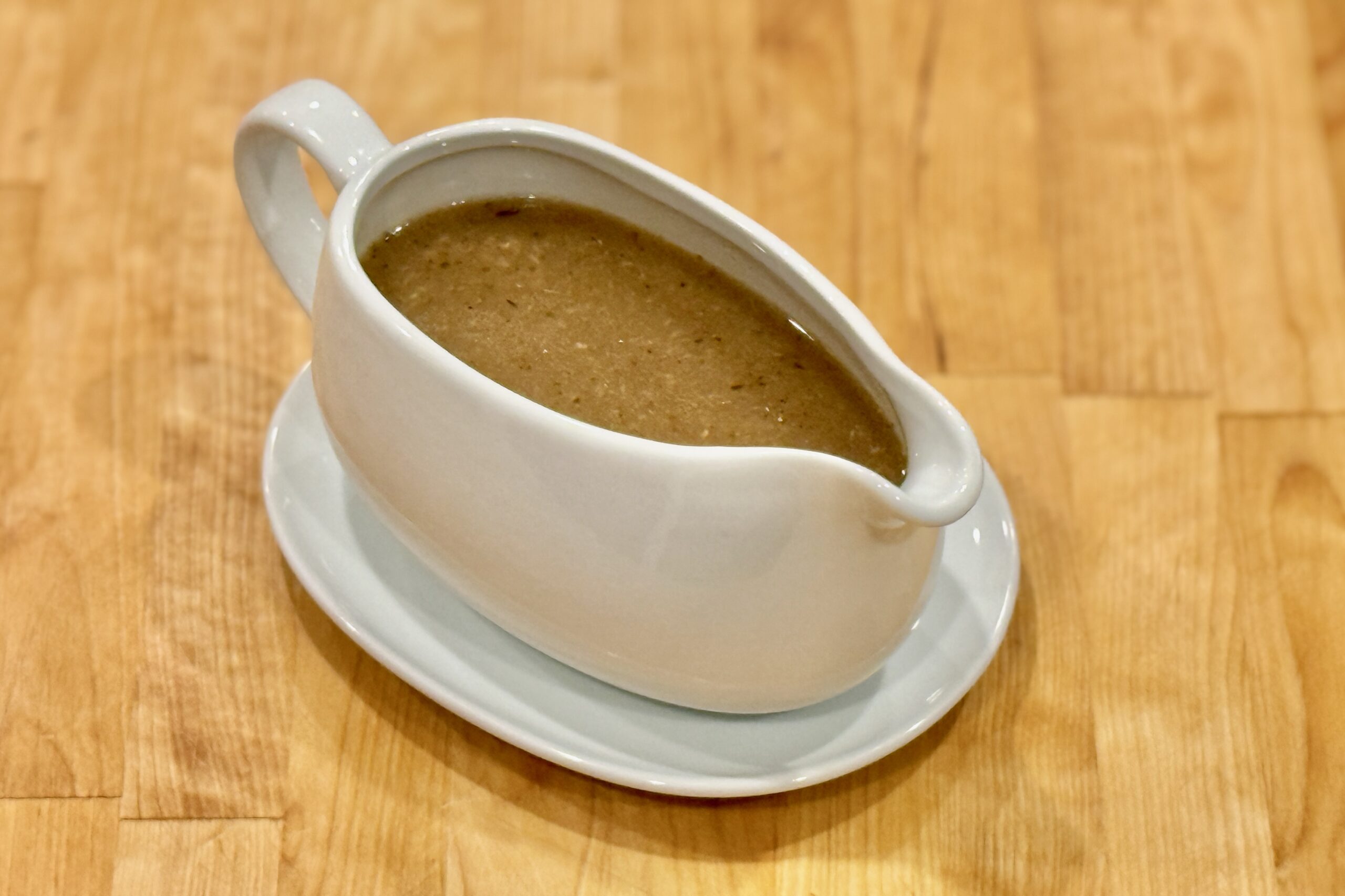
  • Southern-Style Brown Gravy

    Southern-Style Brown Gravy

    Rich, savory, and silky smooth, this Southern-style brown gravy combines beef and chicken base for perfectly balanced depth. A touch of butter adds luxurious body, while optional MSG and soy sauce enhance umami. Choose your preferred thickener—each yields a slightly different texture, from velvety to glossy restaurant-style richness.


    Ingredients

    • 2½ cups boiling water
    • 1½ tbsp beef base
    • 1½ tbsp chicken base
    • ½ tsp onion powder
    • ½ tsp black pepper
    • ¼ tsp dried sage
    • ⅛ tsp dried thyme
    • ⅛ tsp dried marjoram (or rosemary)
    • ½ tsp MSG (Aji-no-moto, Accent, etc.), optional but highly recommended
    • 2–3 tbsp butter
    • Meat drippings, fat skimmed (optional)
    • ½ tsp soy sauce, Worcestershire sauce, or coconut aminos (optional, to taste)
    • Choose One Thickening Method

      • Potato Starch (silky consistency): Mix 2 tbsp potato starch with 2 tbsp cold water to form a slurry; whisk into simmering gravy until thickened.
      • Cornstarch + Xanthan Gum (stable): Mix 2 tbsp cornstarch + ⅛ tsp xanthan gum with 2 tbsp cold water; whisk thoroughly, then whisk into simmering gravy. The xanthan gum can be omitted, but the gravy will be more stable and glossy if included.
      • Clear Jel (silky & stable): For regular Clear Jel (not instant), mix 2 tbsp Clear Jel with 2 tbsp cold water and whisk into simmering gravy until smooth. This is my go-to method.

    Directions

    Prepare the Broth

    In a medium saucepan, combine boiling water, beef base, chicken base, onion powder, black pepper, sage, thyme, marjoram, and MSG (if using). Stir in meat drippings, if available, and bring to a boil over medium-high heat.

    Thicken the Gravy

    Stir your chosen slurry to recombine, then slowly whisk it into the simmering broth in a thin, steady stream. Cook 1–2 minutes, whisking constantly, until the gravy thickens and becomes smooth.

    Finish and Adjust

    Remove from heat and whisk in butter until fully incorporated. Taste and adjust seasoning as needed. If too salty, add a splash of water or chicken broth. Stir in soy sauce, Worcestershire sauce, or coconut aminos for extra depth, if desired. If too thick, whisk in a little hot water or broth; if too thin, add a small amount of slurry and simmer until thickened.


    Notes

    Preparation

    • Potato starch creates a soft, silky finish; Clear Jel gives the most stable, restaurant-quality texture.
    • Adding both beef and chicken bases produces the most balanced flavor—rich but not overpowering.
    • For a more chicken-forward flavor, use 2 tbsp chicken base and 1 tbsp beef base; for beef-forward flavor, use 2 tbsp beef base and 1 tbsp chicken base.
    • Better Than Bouillon bases work especially well for this recipe.

    Serving Suggestions

    • Perfect alongside mashed potatoes, chicken-fried steak, meatloaf, or Semmelknödel (Bavarian bread dumplings).
    • Use as a finishing gravy for roast beef or pork, or as a dipping sauce for biscuits.

    Make-Ahead & Storage

    • This gravy reheats beautifully and can be prepared in advance for convenience.
    • Refrigerate in an airtight container for up to 4 days.
    • Reheat gently on the stove over low heat, whisking to restore texture.
    • For longer storage, freeze for up to 2 months; thaw overnight in the refrigerator and reheat slowly.
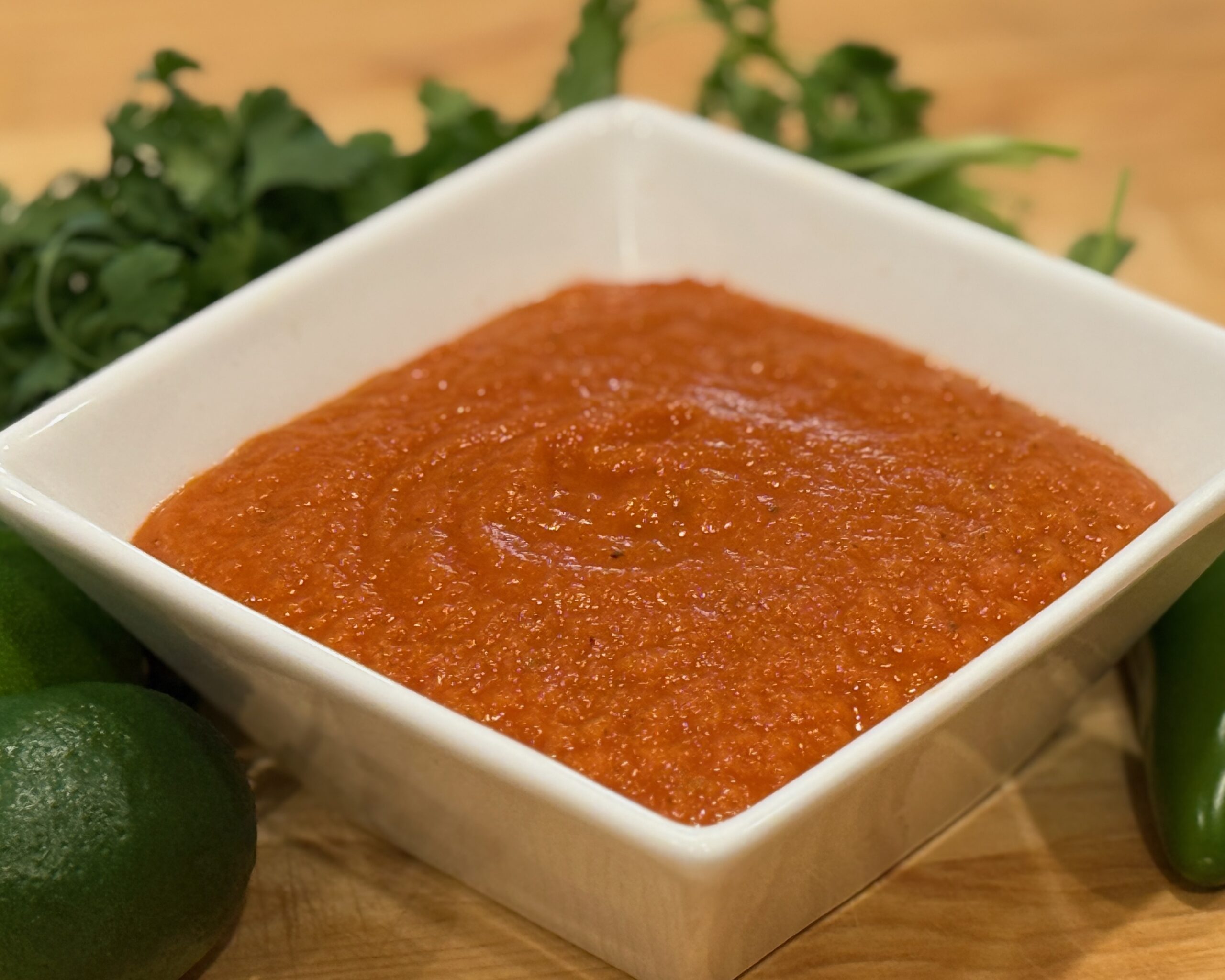
  • Neapolitan-Style Tomato Sauce

    Neapolitan-Style Tomato Sauce

    This uncooked Neapolitan-style pizza sauce preserves the bright, fresh flavor of San Marzano tomatoes—sweet, rich, and perfectly balanced for high-heat baking. Using true DOP-certified tomatoes gives an authentic taste of Naples, with a smooth texture and naturally sweet finish that perfectly complements a light, airy crust.


    Ingredients

    • (For about 6–8 pizzas)
    • 1 can (28 oz / 800 g) whole peeled San Marzano tomatoes (DOP if possible)
    • ½ tbsp table salt (adjust to taste)
    • 2 tbsp extra-virgin olive oil
    • 2–4 fresh basil leaves, torn (optional but recommended)

    Directions

    Prepare the Sauce

    Drain excess juice from tomatoes into a bowl, reserving it in case the sauce needs thinning. Crush tomatoes by hand until mostly smooth but still slightly textured—avoid over-crushing for best flavor and body.

    Stir in salt, olive oil, and basil until evenly mixed.

    Use the Sauce

    Spread thinly over stretched dough just before baking (Neapolitan Pizza Dough works beautifully). Use approximately 2–2½ oz (60–70 g) of sauce per 10–12″ pizza.

    Do not pre-cook the sauce—the natural sugars in the tomatoes caramelize under high oven heat, producing rich, authentic flavor.


    Notes

    Preparation

    • Use only high-quality San Marzano tomatoes with the DOP seal for the sweetest, least acidic results.
    • Do not blend the sauce completely smooth; a slightly rustic texture gives better flavor and adhesion.

    Serving Suggestions

    • Use as the base for Pizza Margherita—add mozzarella, parmesan, and fresh basil.
    • Try on Pizza Marinara with garlic, oregano, and a drizzle of olive oil.
    • Use in Shoarma Pizza or Carnitas Pizza for a Dutch or Mexican-inspired twist.

    Variations

    • For a smoother sauce, pulse briefly with an immersion blender (1–2 seconds only).
    • For a hint of depth, add a tiny pinch of sugar if your tomatoes are unusually acidic.
    • For a garlic-forward version, rub a cut clove of garlic over the dough before adding sauce.

    Make-Ahead & Storage

    • Store sauce in an airtight container in the refrigerator for up to 5 days.
    • Freeze for up to 3 months; thaw in the refrigerator overnight before using.
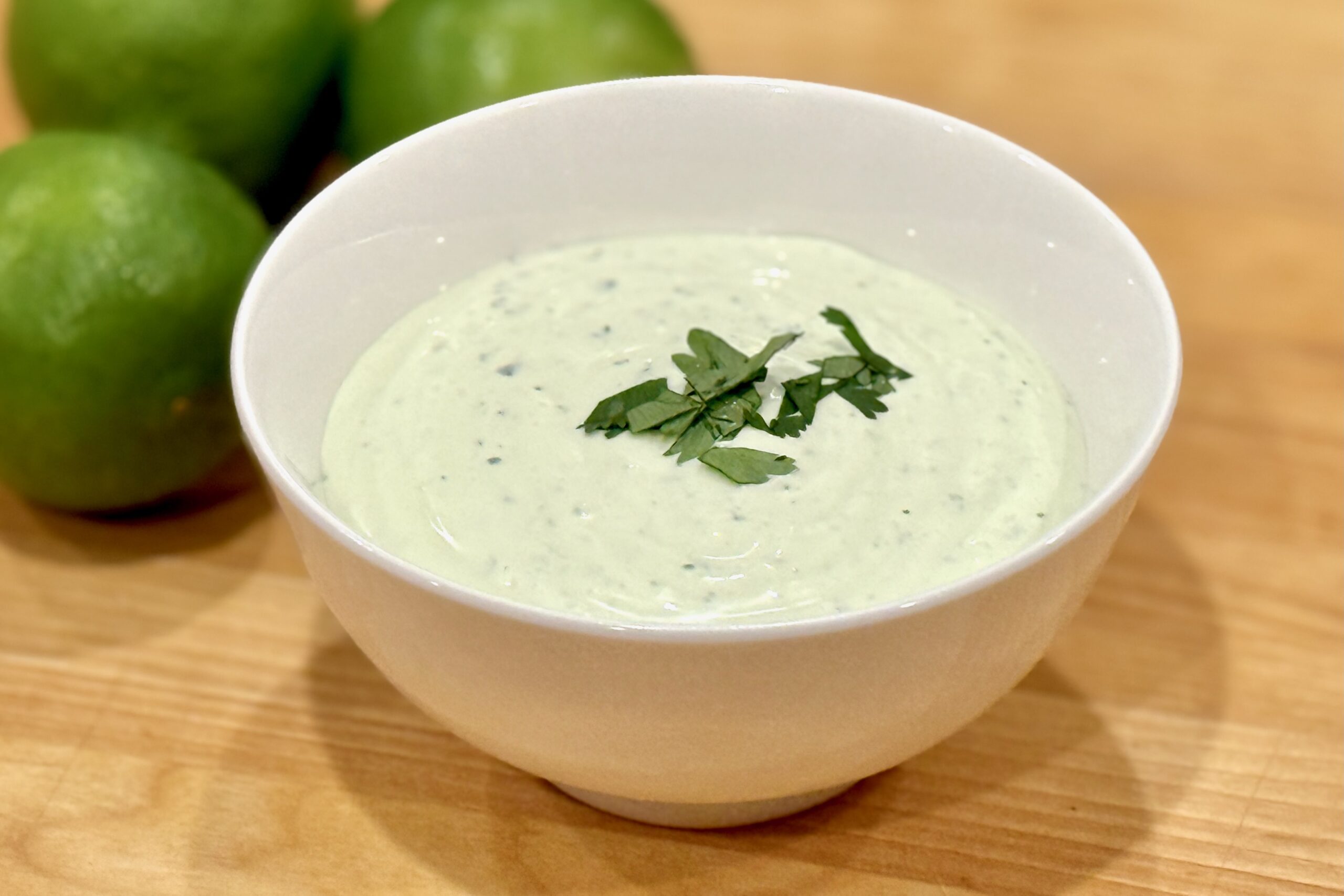
  • Cilantro-Lime Crema

    Cilantro-Lime Crema

    Smooth, tangy, and fresh—this cilantro-lime crema adds a bright, herby finish to tacos, enchiladas, grilled meats, and especially Chilaquiles Verdes. The balance of sour cream and mayonnaise gives it a silky texture that clings beautifully while staying light and refreshing.


    Ingredients

    • ¾ cup sour cream
    • ¼ cup mayonnaise
    • ½ cup fresh cilantro (leaves plus tender stems)
    • 1½ tbsp lime juice (plus ½ tsp reserved for finishing)
    • 1 tsp lime zest
    • 1 small clove garlic, grated or minced
    • ¼ tsp table salt
    • 1–2 tbsp water, as needed to thin

    Optional Add-Ins

    • ½ small jalapeño (seeded) for mild heat and vibrant color
    • 1 tsp pickled jalapeño brine for extra tang and brightness
    • A few drops chipotle adobo liquid for a smoky, savory variation

    Directions

    Blend the Crema

    Combine sour cream, mayonnaise, cilantro, lime juice, lime zest, garlic, salt, and 1 tbsp water in a blender or small food processor.

    Pulse several times, then blend until smooth and light green. If too thick, add more water a teaspoon at a time until the crema reaches a drizzleable consistency.

    Finish and Adjust

    Stir in the reserved ½ tsp lime juice for a burst of fresh citrus at the end. Taste and adjust seasoning—add more salt or lime juice to balance tang and creaminess.

    For a thinner drizzle, whisk in an extra splash of water.

    Serve or Chill

    Transfer to an airtight container and refrigerate for at least 30 minutes to let flavors meld. Stir before using. Serve cold or at cool room temperature.


    Notes

    Preparation

    • Combining sour cream and mayonnaise gives the crema a silky body that clings beautifully to food.
    • Include cilantro stems for extra aroma and a brighter green hue.
    • Blend briefly (10–15 seconds) to preserve color; over-blending can dull the green.
    • Add reserved lime juice at the end to refresh flavor after blending.

    Serving Suggestions

    • Drizzle over tacos, enchiladas, burrito bowls, or grilled meats.
    • Perfect accompaniment for Chilaquiles Verdes.
    • Use as a dipping sauce for vegetables or empanadas.

    Variations

    • Add ½ small jalapeño for mild heat and brighter color.
    • Blend in ¼ avocado for a creamier, thicker crema; reduce water slightly.
    • For smoky flavor, replace garlic with ½ tsp chipotle adobo sauce.

    Make-Ahead & Storage

    • Refrigerate in an airtight container up to 5 days; stir before serving.
    • Flavor deepens after a few hours as the lime and garlic infuse.
    • Not suitable for freezing—fresh herbs and dairy will separate.
  • Hot Fudge Sauce

    Hot Fudge Sauce

    This classic hot fudge sauce delivers the rich, chewy texture and glossy finish of an old-fashioned ice cream parlor fudge. Thick and silky when warm, it sets with just a hint of chew where it meets cold ice cream—perfect for sundaes or swirling into homemade ice cream. A small batch of true nostalgia, made from real chocolate, cocoa, and butter.


    Ingredients

    • ½ cup sugar
    • ⅓ cup light corn syrup
    • ⅓ cup water (for chewier texture, reduce to ¼ cup)
    • ¼ cup Dutch-process cocoa powder
    • 2 oz dark chocolate (60–70%), finely chopped
    • 2 tbsp unsalted butter
    • ¼ tsp vanilla extract
    • pinch table salt

    Directions

    Make the Fudge Base

    In a small saucepan, whisk together the sugar, corn syrup, water, and cocoa powder until smooth. Bring to a gentle boil over medium heat, stirring constantly. Continue cooking 3–5 minutes, until the mixture thickens slightly and develops a glossy sheen. Longer cooking creates a chewier, old-fashioned texture.

    Finish the Sauce

    Remove from heat and whisk in the chopped chocolate, butter, vanilla, and salt until melted and smooth. Avoid excessive stirring as the sauce cools to maintain gloss and elasticity.

    Cool & Store

    Let cool to your preferred consistency before using. The sauce thickens as it cools but should remain spoonable. For nostalgic, chewy fudge, drizzle slightly warm over cold ice cream.


    Notes

    Preparation

    • For deeper chocolate flavor, increase chopped chocolate to 3 oz.
    • Cooking the syrup mixture longer produces a chewier, more traditional fudge texture.
    • If using natural cocoa instead of Dutch-process, add ⅛ tsp baking soda during heating to neutralize acidity and preserve smoothness.
    • Use dark chocolate between 60–70% cacao for ideal balance.

    Serving Suggestions

    • Drizzle over ice cream for a glossy, chewy hot fudge topping.
    • Layer into homemade ice cream as a ripple.
    • Serve warm over brownies, cheesecake, or banana splits.
    • Pairs beautifully with peppermint, peanut butter, vanilla, or coffee ice creams.

    Make-Ahead & Storage

    • Store in a sealed jar up to 2 weeks.
    • Warm gently before serving using a double boiler or short microwave bursts.
    • If too thick after chilling, whisk in 1–2 tsp warm cream or milk to loosen.