Bags of Spices

Favorite Recipes

Cooktop

Everyday stovetop meals — simmered, sautéed, and pan-cooked favorites ready for weeknights or family gatherings.

  • Blue Cheese Steak Sauce

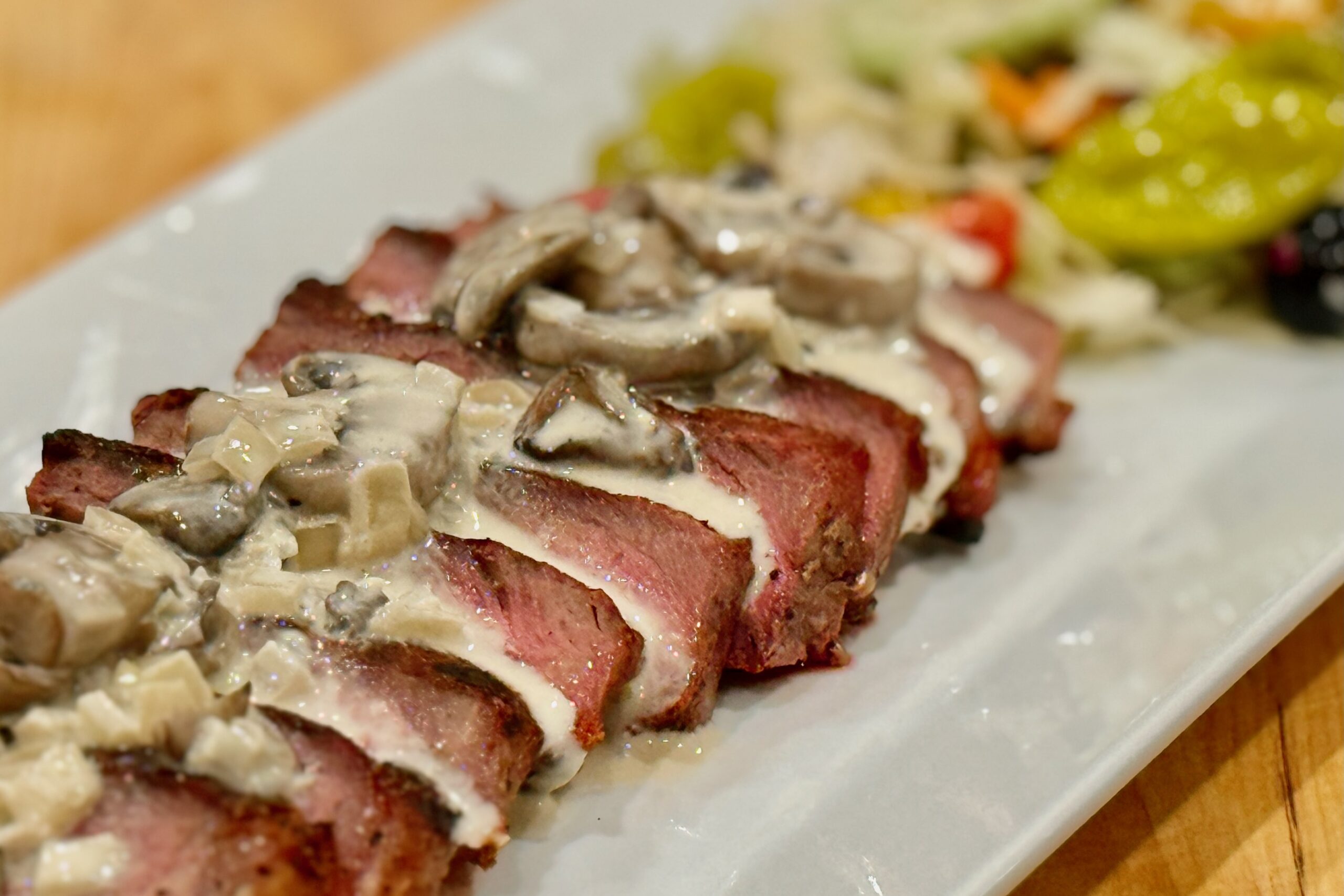
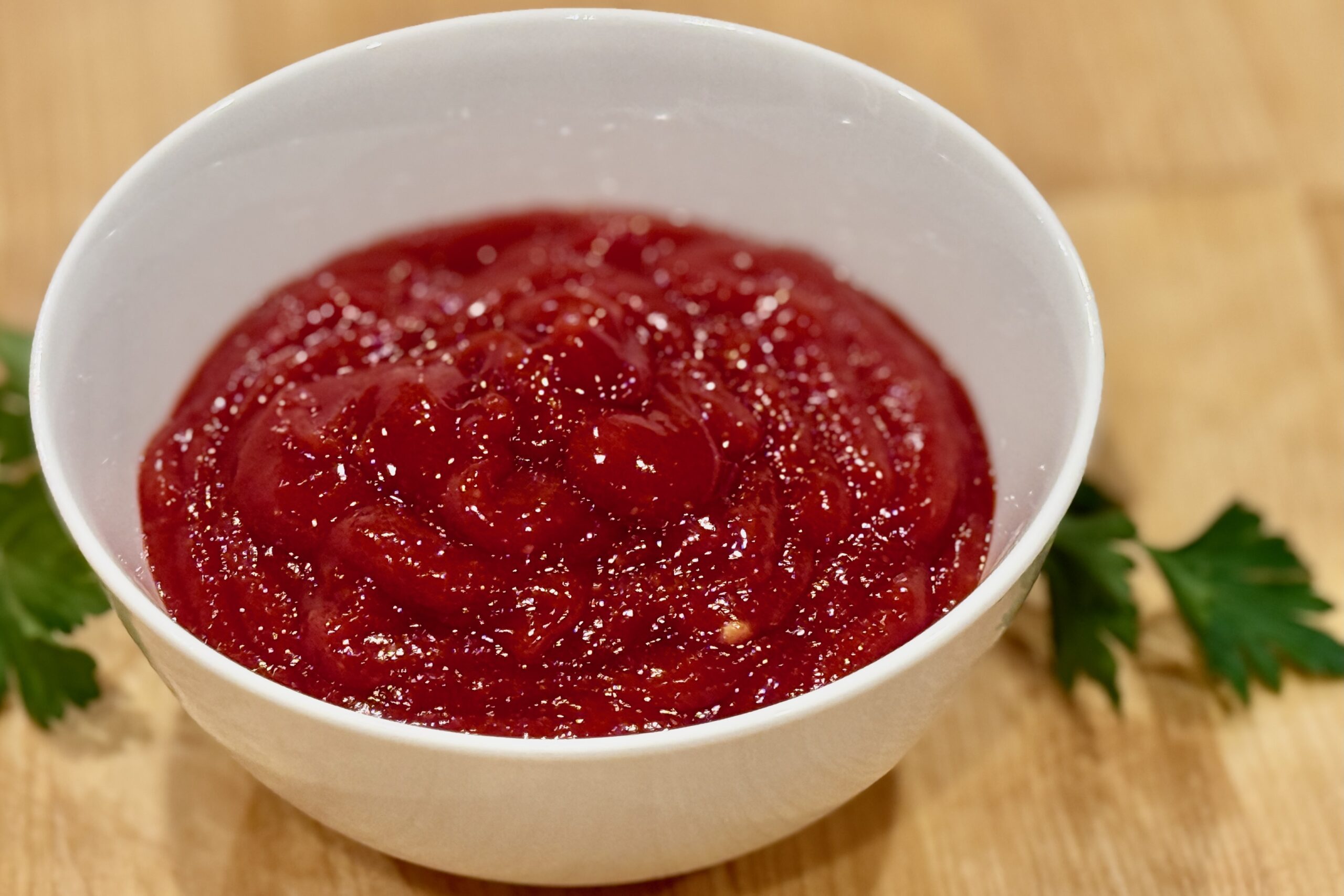
    Blue Cheese Steak Sauce

    This steakhouse-style blue cheese sauce is built for ribeyes: deeply savory mushrooms, sweet sautéed onions, and a creamy gorgonzola finish that clings to the meat without overpowering it. A small splash of Shaoxing wine or dry sherry lifts the whole pan, and a touch of sambal adds mild background warmth (not heat). Spoon it over grilled steaks and finish with freshly ground black pepper for that final, restaurant-quality edge.


    Ingredients

    • ¼ cup butter
    • 1½ lb mushrooms, sliced
    • 1 large yellow onion, sliced pole-to-pole
    • 2 tbsp Shaoxing cooking wine or dry sherry
    • ½ tsp sambal oelek
    • 2 cups Alfredo sauce (homemade or store-bought)
    • 6 oz gorgonzola cheese, crumbled
    • Freshly ground black pepper, for finishing

    Directions

    Brown the Mushrooms

    Melt the butter in a large sauté pan over medium-high heat. Add the mushrooms and cook, stirring occasionally, until they release their liquid, the liquid evaporates, and the mushrooms begin to brown.

    Add the onion and continue cooking until softened and lightly caramelized.

    Deglaze and Build the Sauce

    Add the Shaoxing wine or sherry, stirring to loosen any browned bits. Cook until the liquid is mostly evaporated, then stir in the sambal oelek.

    Reduce heat to medium. Add the Alfredo sauce and warm gently.

    Stir in the gorgonzola and heat until mostly melted and integrated, leaving some small pieces intact for texture. Taste and add salt only if needed.

    Serve

    Spoon the sauce over grilled or barbecued ribeye steaks and finish with freshly ground black pepper just before serving.


    Notes

    Preparation

    • Different Alfredo sauces and blue cheeses vary in saltiness—taste at the end and add salt only if needed.
    • For the best steakhouse flavor, let the mushrooms cook until their liquid evaporates and they actually brown before adding the onions.

    Serving Suggestions

    • Yield: Enough for 6–8 steaks (as a generous topping).
    • Finish with freshly ground black pepper on the plated, sauced steak for the brightest aroma and cleanest bite.

    Variations

    • The ½ tsp sambal oelek is meant as mild background warmth. For very mild, reduce to ¼ tsp.
    • A small pinch of cayenne pepper may be substituted for the sambal oelek.

    Make-Ahead & Storage

    • Refrigerate in an airtight container for up to 4 days.
    • Reheat gently over low heat, stirring often. If the sauce thickens too much, loosen with a splash of milk or cream.
    • Avoid boiling after the cheese is added to help prevent separation.
  • Pindasaus — Dutch-Indonesian Peanut Sauce

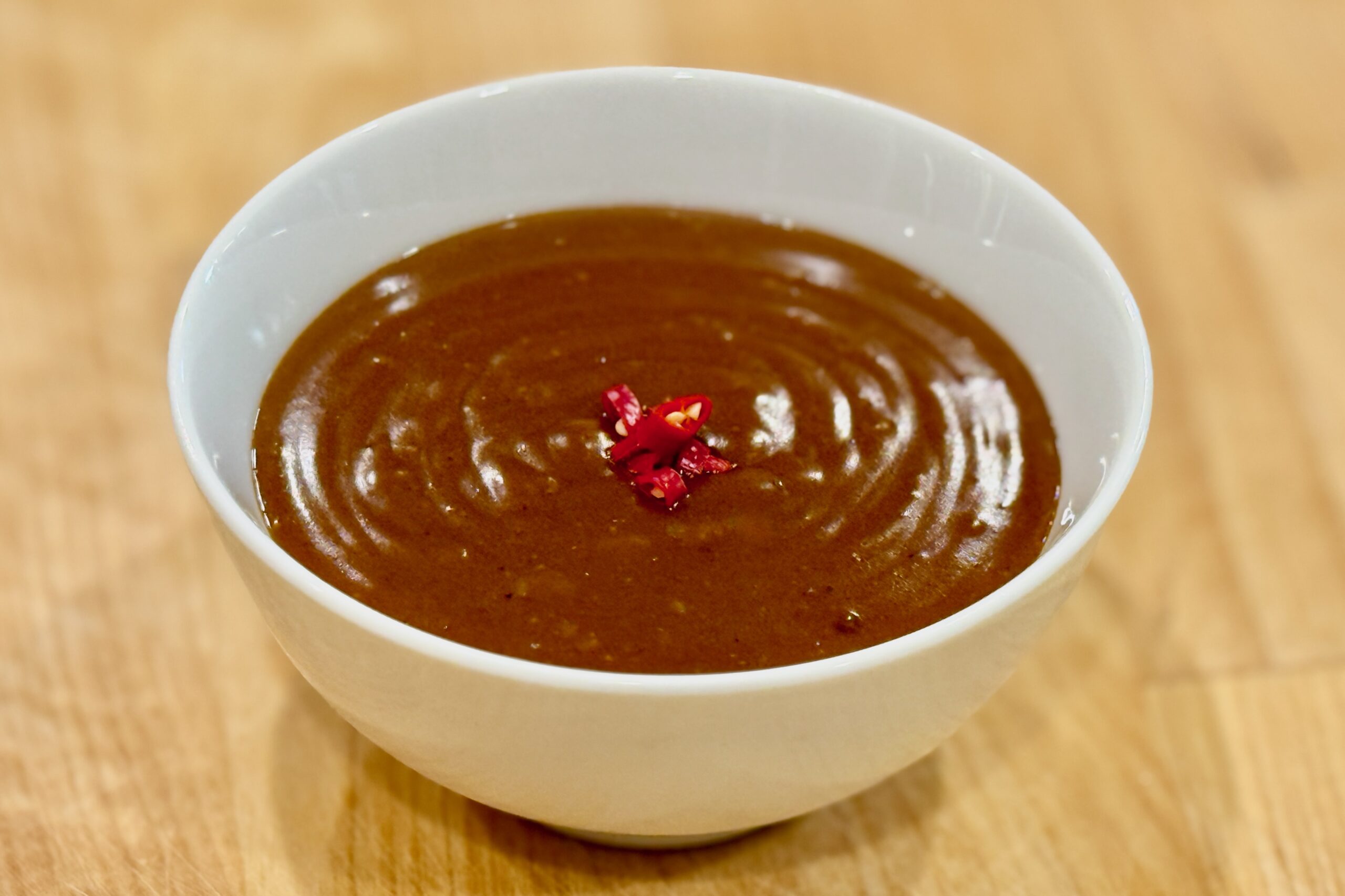
    Pindasaus — Dutch-Indonesian Peanut Sauce

    I learned to love peanut sauce (pindasaus) while living in the Netherlands. An Indonesian meal just isn’t right without it. This delicious sauce is a favorite of every member of our family. We use it most often to smother skewers of chicken (Saté Ajam) or beef (Saté Sapi), over vegetables for gado gado, or with mayonnaise and diced onions to top Frites for patatje oorlog. There are two kinds of people in the world: those who love peanut sauce, and those who haven’t eaten it often enough to crave it… yet.


    Ingredients

    Sauce

    • 2 tbsp peanut or vegetable oil
    • 2 cloves garlic, minced
    • ½ tsp hot red curry powder
    • ½ tsp ground coriander
    • 1 cup smooth peanut butter
    • ¼ cup ketjap manis
    • 2 tbsp lime juice
    • 2 tbsp brown sugar
    • 1–2 tsp sambal oelek, to taste
    • 2 tsp tamarind paste (store-bought; or use our homemade Tamarind Paste from Whole Pods)
    • 1 can (14.5 oz/400 ml) coconut milk
    • ¼ tsp aji-no-moto, or to taste
    • Warm water, as needed to thin

    Optional

    • 1 tsp dark soy sauce, for a deeper Dutch-Indonesian satay-house flavor

    Directions

    Bloom the Aromatics

    Heat the oil in a saucepan over medium-low heat. Add the garlic and cook just until fragrant, stirring constantly so it does not brown.

    Add the curry powder and ground coriander and cook for about 30 seconds, stirring, until aromatic.

    Build the Sauce

    Stir in the peanut butter, ketjap manis, lime juice, brown sugar, sambal oelek, and tamarind paste. Mix until smooth and evenly combined.

    Add the Coconut Milk

    Gradually whisk in the coconut milk until the sauce is creamy and smooth. If using the optional dark soy sauce, stir it in now.

    Reduce the heat to low and warm gently for 2–3 minutes, stirring often. Do not let the sauce boil hard.

    Finish and Adjust

    Stir in the aji-no-moto. Thin with warm water as needed until the sauce reaches your preferred consistency.

    Taste and adjust with additional tamarind for tang, sambal for heat, brown sugar for sweetness, or a little more MSG for deeper savory flavor. Keep warm for serving, or cool and refrigerate for later use.

    Serve

    Serve warm over satay, spoon over blanched vegetables for gado gado, or drizzle over Frites with mayonnaise and diced onions for patatje oorlog.


    Notes

    Preparation

    • Blooming the curry powder and coriander briefly in the oil deepens their flavor and helps them blend more fully into the sauce.
    • Tamarind gives the sauce a brighter, more balanced finish and keeps it from tasting too sweet or heavy.
    • MSG is optional, but even a small amount gives the sauce a fuller, more savory satay-stall character.
    • Use warm water for thinning so the sauce stays smooth and emulsified.

    Serving Suggestions

    • This sauce is especially good with Saté Ajam.
    • It also pairs beautifully with saté babi, grilled Saté Sapi, gado gado, or spooned over Frites with mayonnaise and diced onions for patatje oorlog.
    • For a satay platter, serve with lime wedges, Acar Ketimun, fried shallots, and steamed rice or lontong.

    Variations

    • Add the optional dark soy sauce for a slightly deeper, more savory Dutch-Indonesian satay-house flavor.
    • For a milder sauce, start with 1 tsp sambal oelek and increase to taste.
    • For a tangier sauce, add an extra 1–2 tsp tamarind paste or a little more lime juice.
    • For a looser sauce for gado gado or fries, thin with a bit more warm water until spoonable and pourable.

    Make-Ahead & Storage

    • The sauce can be made up to 3 days ahead and refrigerated in an airtight container.
    • It will thicken considerably when chilled. Rewarm gently over low heat and thin with warm water as needed before serving.
    • Leftovers are excellent repurposed as a dip for grilled chicken, a sauce for noodles, or a dressing for blanched vegetables.
  • Classic Tamarind Chutney

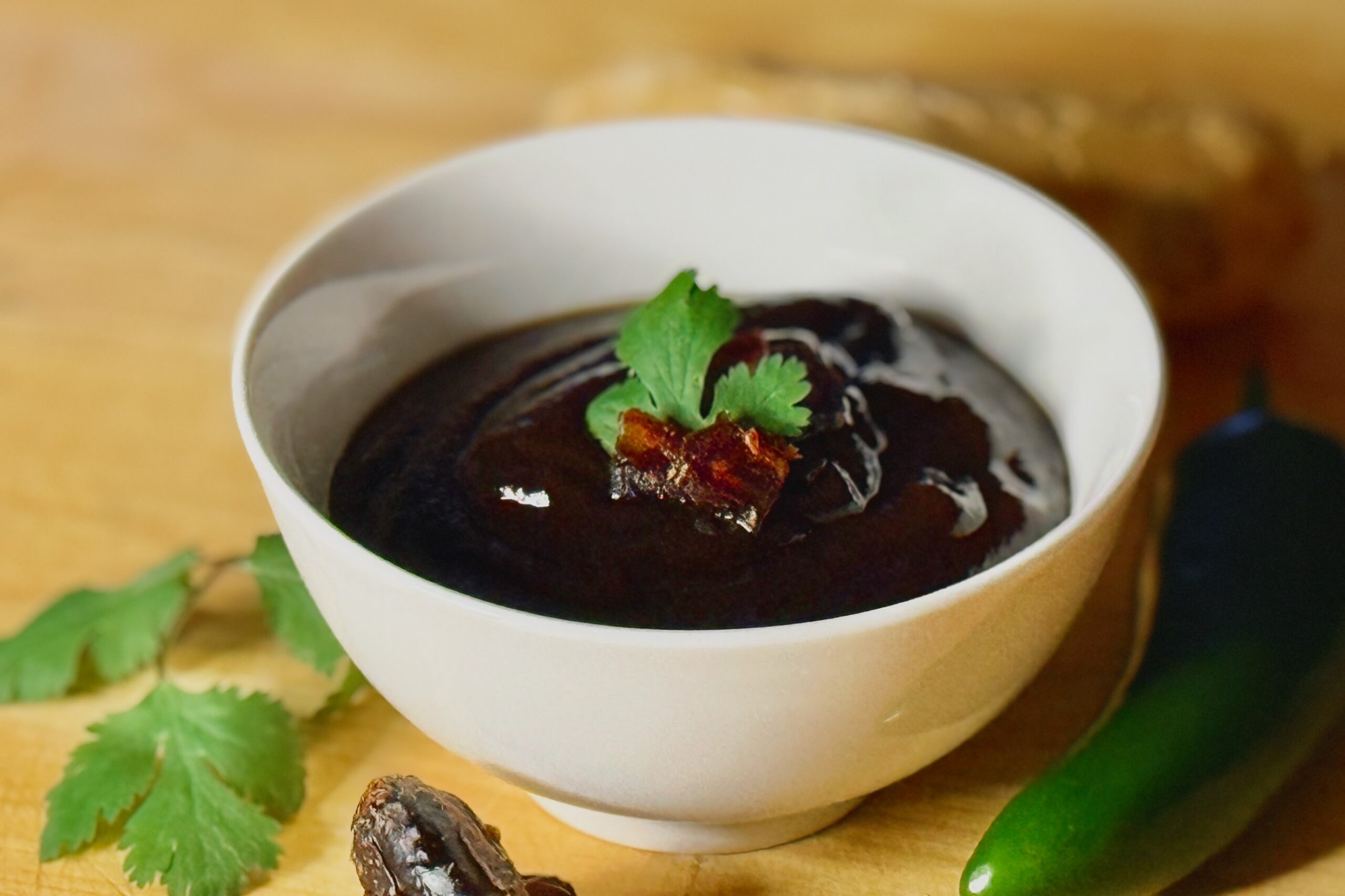
    Classic Tamarind Chutney

    This classic tamarind chutney is clean, bright, and beautifully balanced—sweet enough to round the sharp acidity of tamarind, but not heavy or syrupy. Made from tamarind paste, sugar, and a few simple seasonings, it’s the foundation for countless chaat dishes and sauces. Kept simple for maximum versatility and easily customizable with dates and spices for richer variations.


    Ingredients

    • ½ cup tamarind paste (store-bought; or use our homemade Tamarind Paste from Whole Pods)
    • ¾ cup water
    • ⅓–½ cup sugar (start with ⅓ cup; adjust to taste)
    • ½ tsp table salt
    • ¼ tsp ground cumin (preferably roasted)

    Directions

    Simmer the Chutney

    In a small saucepan, whisk together tamarind paste and water until smooth.

    Add sugar, table salt, and ground cumin. Bring to a gentle simmer over medium heat.

    Simmer 5–8 minutes, stirring occasionally, until slightly thickened and glossy. The chutney should lightly coat the back of a spoon but remain pourable.

    Remove from heat and cool completely. The chutney will thicken slightly as it cools.


    Notes

    Preparation

    • Taste and adjust sweetness after simmering. Tamarind acidity varies by brand; add sugar gradually until balanced.
    • If using jaggery, substitute equal weight for sugar and dissolve fully before simmering.
    • For a more traditional chaat flavor, replace up to half the table salt with black salt (kala namak).

    Serving Suggestions

    • Use as a chutney for chaat, drizzle over roasted snacks, or serve as a dipping sauce for pakoras and samosas.

    Variations

    • Mild Heat: Add a pinch of Kashmiri red chili powder while simmering.
    • Hot: Add ¼ tsp cayenne or finely minced fresh chili.
    • Date–Tamarind Style: Simmer with 2–3 finely chopped Medjool dates and blend smooth for a richer, deeper sweetness (great for date–tamarind reductions).

    Make-Ahead & Storage

    • Refrigerate in an airtight container up to 2 weeks.
    • If thickened too much after refrigeration, whisk in 1–2 tsp warm water.
    • This chutney freezes well for up to 3 months.
  • Italian-American Meatball Subs

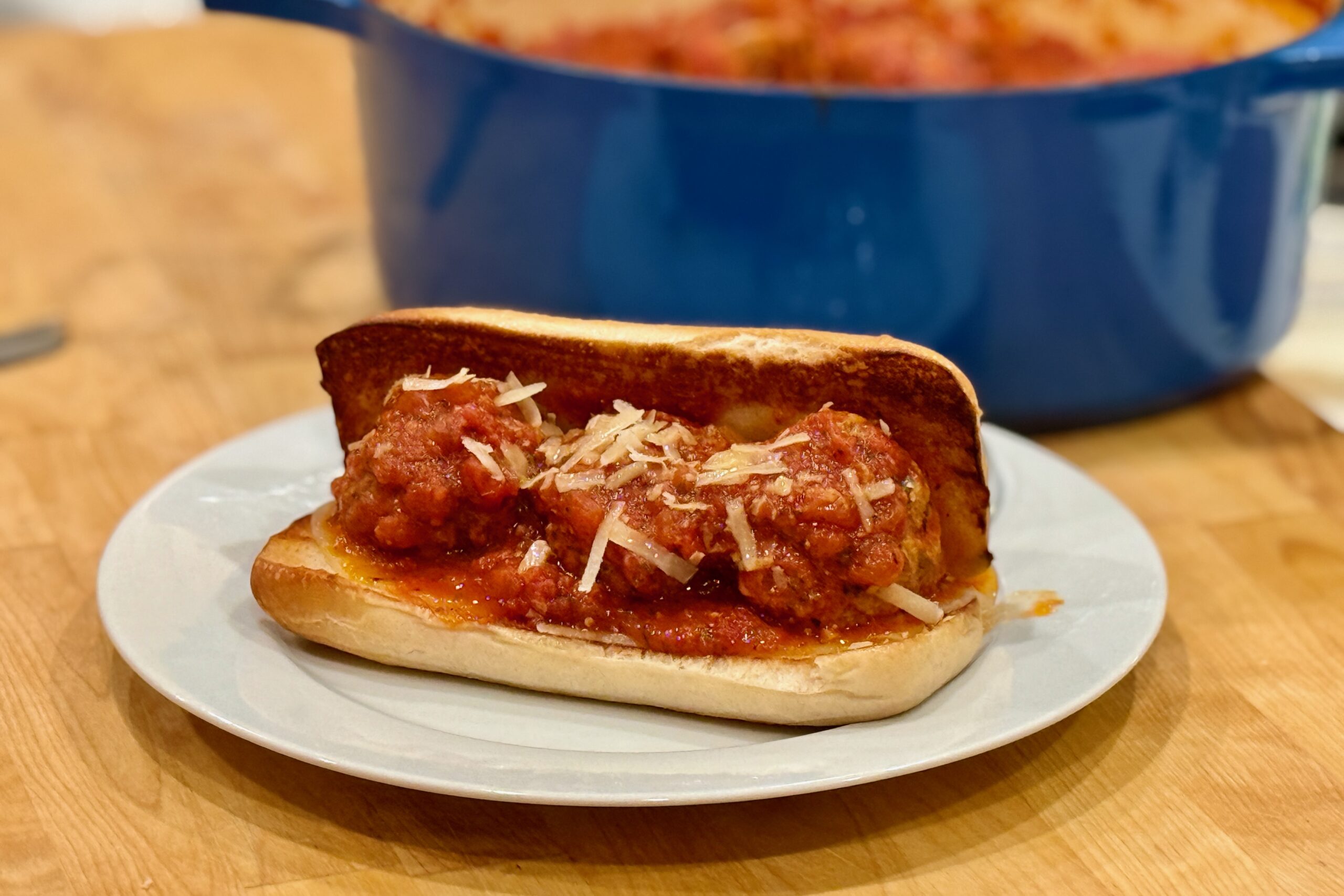
    Italian-American Meatball Subs

    Italian-American meatball subs built the classic way: tender, juicy roasted meatballs finished in a deeply savory red sauce, tucked into toasted rolls, and blanketed with melted provolone — comfort-food perfection with just enough structure to hold together.


    Ingredients

    Meatballs

    • 6 oz bread crumbs
    • 1½ cups buttermilk
    • 1 pkg powdered gelatin (about ½ tbsp), bloomed in ¼ cup cold water
    • 3 eggs, slightly beaten
    • 1+ tbsp garlic, minced
    • ⅓ cup (packed) fresh parsley leaves, finely chopped
    • ½ tbsp table salt
    • ½ tsp black pepper
    • 3 oz Parmesan cheese, grated
    • 6 oz prosciutto, finely chopped
    • 2 lbs ground beef
    • 1 lb ground pork

    Sauce

    • 2 tbsp olive oil
    • 1 cup (8 oz) onion, chopped
    • 5 cloves garlic, minced
    • 1 can (28 oz) crushed tomatoes
    • 1 can (15 oz) tomato sauce
    • 1 can (6 oz) tomato paste
    • 1½ cups chicken broth
    • ½ cup dry white wine (optional)
    • 1 tbsp fish sauce
    • 2 tsp dried basil
    • 2 tsp dried parsley
    • 1 tsp dried oregano
    • ½ tsp ground fennel
    • ¼ tsp dried thyme leaves
    • 2 whole cloves, crushed
    • 2 bay leaves
    • ½ tsp freshly ground black pepper
    • 1 tsp table salt

    For Serving

    • 10–12 Italian sub rolls or hoagie rolls
    • 10–12 oz provolone, sliced (about 1 oz per sub)
    • Optional: garlic oil or olive oil, for brushing rolls
    • Optional: dried oregano, for finishing the rolls
    • Optional: grated Parmesan, for finishing
    • Optional: chopped parsley and/or a light basil chiffonade, for finishing

    Directions

    Prepare the Oven and Pans

    Preheat oven to 450ºF with racks positioned mid-top and mid-bottom.

    Line 2 half sheet pans with foil. Set wire racks in the pans and spray racks with cooking spray.

    Make the Meatballs

    Combine bread crumbs and buttermilk. Soak 10 minutes, then mash into a paste.

    Bloom gelatin in ¼ cup cold water for 8–10 minutes.

    In a mixing bowl, combine the bread crumb mixture and bloomed gelatin. Mix in eggs, garlic, parsley, salt, pepper, Parmesan, and prosciutto until well combined.

    Place ground beef and pork in a large bowl. Pour the egg/bread crumb mixture over the meat and mix gently by hand until thoroughly combined.

    Portion and form into 3-oz meatballs (about 29–30 meatballs). If needed, refrigerate briefly to firm.

    Arrange meatballs on prepared racks and bake about 30 minutes, rotating trays and rack positions after 20 minutes.

    Make the Sauce

    In a Dutch oven over medium heat, heat olive oil until shimmering. Add onion and garlic and sauté until onion is translucent and tender.

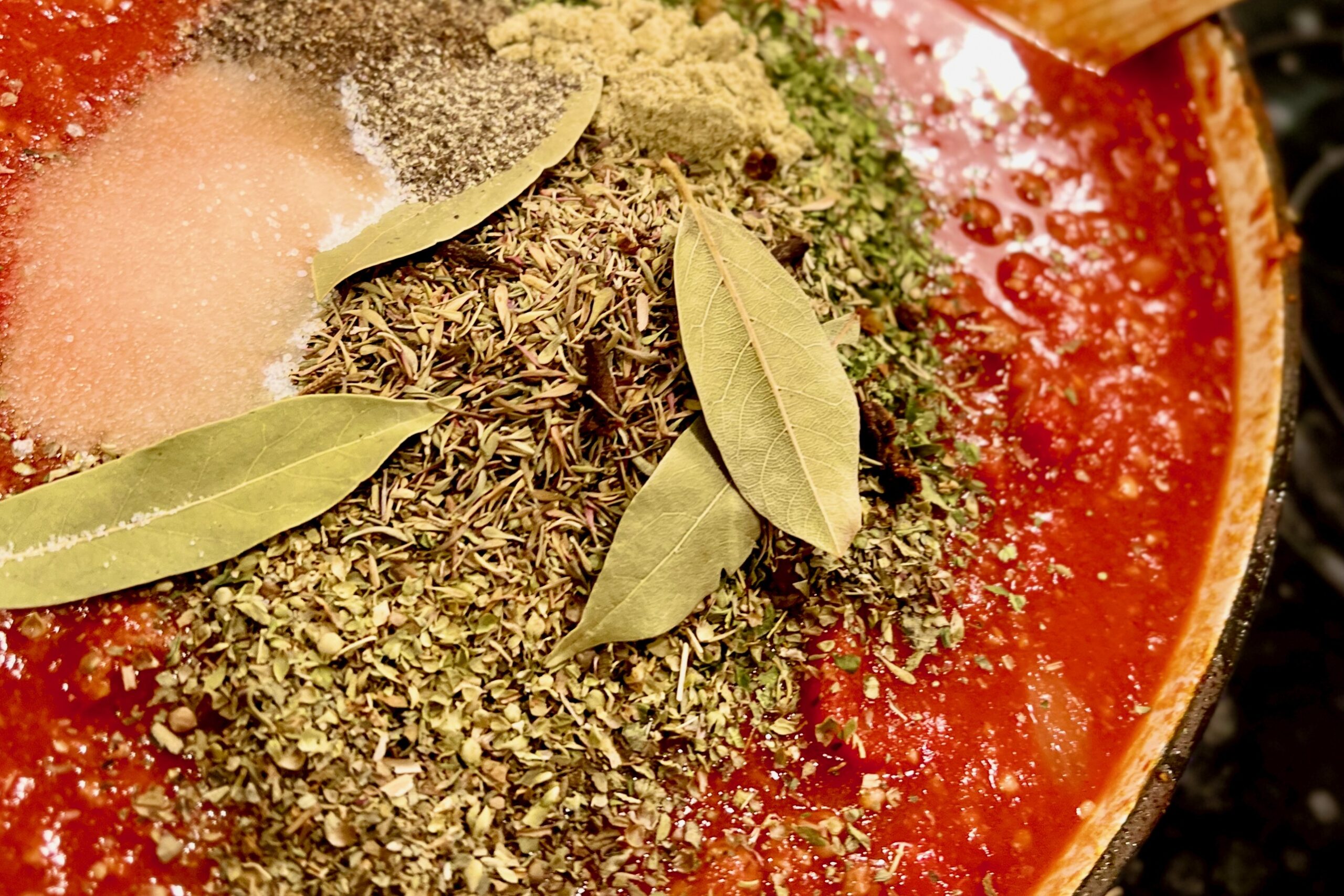
    Stir in crushed tomatoes, tomato sauce, tomato paste, chicken broth, wine (optional), and fish sauce. Add remaining herbs, spices, and seasonings.

    Bring to a simmer, then reduce heat to low and simmer covered for 15 minutes.

    Braise the Meatballs in the Sauce

    After removing the cooked meatballs from the oven, lower oven temperature to 300ºF.

    Add meatballs to the sauce. Cover and place in the oven for 1 hour.

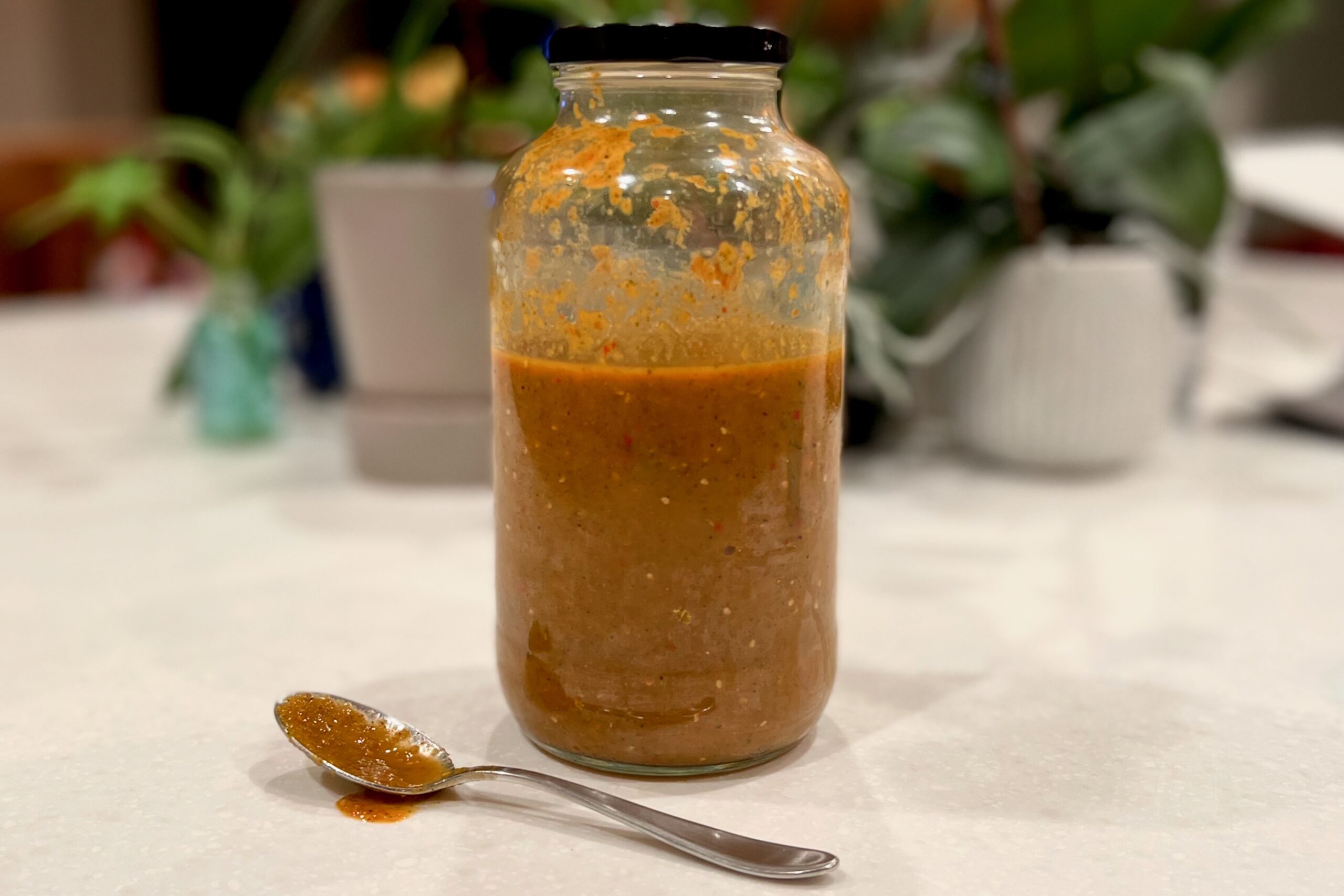
    Remove and discard bay leaves before serving.

    Assemble and Bake the Subs

    Heat oven to 425ºF. Split rolls lengthwise, leaving a hinge.

    Optional: brush cut sides lightly with garlic oil or olive oil. Toast rolls cut-side up on a sheet pan for 3–5 minutes, just until lightly crisp. If desired, finish with a very light dusting of dried oregano.

    Place a slice of provolone in each roll and return to the oven for 1–2 minutes to melt.

    Add 2–3 meatballs per sub. For easier bites and cleaner eating, slice meatballs in half before loading.

    Spoon sauce over the meatballs (go light under the meatballs to avoid soggy bread). Top with another small piece of provolone if desired.

    Bake 5–8 minutes, until the cheese is fully melted and bubbling at the edges.


    Notes

    Preparation

    • Fish sauce can be replaced with 4–6 anchovy filets, finely minced.
    • For meatball subs, sauce texture matters. If the sauce is still runny after braising, remove the meatballs and simmer the sauce uncovered until it reaches your desired thickness, then return the meatballs to the pot to rewarm.
    • Before serving, taste the sauce and adjust if needed. A splash (1–2 tsp) of red wine vinegar or a small squeeze of lemon can help brighten and balance the richness.
    • For extra color on the cheese, finish the assembled subs under the broiler for 30–90 seconds, watching closely.

    Serving Suggestions

    • Serve with extra warm sauce on the side for dipping rather than over-saucing the roll.
    • Classic sub-shop add-ons include hot cherry pepper relish, pickled pepperoncini, or sautéed onions and green peppers.
    • Optional finish: garnish with a light basil chiffonade and/or a sprinkle of chopped parsley for extra brightness.

    Variations

    • Parmesan can be swapped for a mixture of Parmesan and Romano cheeses.
    • Swap provolone for mozzarella if you want a milder, stretchier melt.

    Make-Ahead & Storage

    • Meatballs and sauce taste even better the next day and reheat beautifully.
    • To reheat a chilled batch, add ¾ cup water to the pot and reheat covered at 325ºF until hot.
    • For best texture, store rolls separately and assemble subs just before baking.
  • Chile de Arbol Salsa

    Chile de Arbol Salsa

    This Salsa de Chile de Árbol is designed as a bold, heat-forward accent salsa—deeply savory, lightly smoky, and intensely flavorful. It’s meant to be used sparingly, adding sharp chile heat and depth rather than serving as the primary salsa. Paired with milder options, it brings balance and flexibility to the table, letting everyone tailor heat to their own comfort level.


    Ingredients

    • 6–8 dried chile de árbol, stems removed
    • 5–6 tomatillos, husked and rinsed
    • ⅓ medium onion
    • 1 roma tomato
    • 2 cloves garlic (1 roasted, 1 raw)
    • ½ tsp chicken & tomato bouillon, plus more to taste
    • Salt, to taste

    Directions

    Toast and Soak the Chiles

    Lightly toast the chile de árbol in a dry skillet over medium heat just until fragrant, being careful not to darken or burn them.

    Transfer the chiles to a bowl, cover with hot water, and soak for about 10 minutes. Drain well.

    For a slightly more controlled heat, split 2–3 of the chiles and shake out the seeds before blending.

    Roast the Vegetables

    Roast the tomatillos and onion (and garlic clove if roasting both) on a hot skillet, griddle, or under a broiler until blistered and lightly charred.

    Add the roma tomato late and roast just until the skin splits and lightly browns.

    Blend the Salsa

    Add the soaked chiles, roasted vegetables, remaining raw garlic, and bouillon to a blender. Blend until smooth and thick.

    Adjust consistency with a small amount of reserved soaking liquid if needed. Taste and adjust salt or bouillon to preference.


    Notes

    Preparation

    • This salsa is intentionally concentrated and heat-forward; a small amount goes a long way.
    • Removing seeds from a portion of the chiles moderates heat without sacrificing chile flavor.

    Serving Suggestions

    • Serve as the hot component alongside a milder salsa verde.
    • Pair with cooling elements such as crema, sour cream, avocado crema, or cilantro-lime crema.
    • Excellent with tacos, eggs, grilled meats, beans, or rice—use sparingly for heat and depth.

    Variations

    • For a slightly smokier profile, toast the chiles a bit longer while staying below the point of bitterness.
    • Add ½ tsp neutral oil to the blender for a rounder mouthfeel and aroma carry.

    Make-Ahead & Storage

    • Store refrigerated in a sealed container for up to 5 days.
    • Flavor improves slightly after resting overnight.
  • Rendang

    Rendang

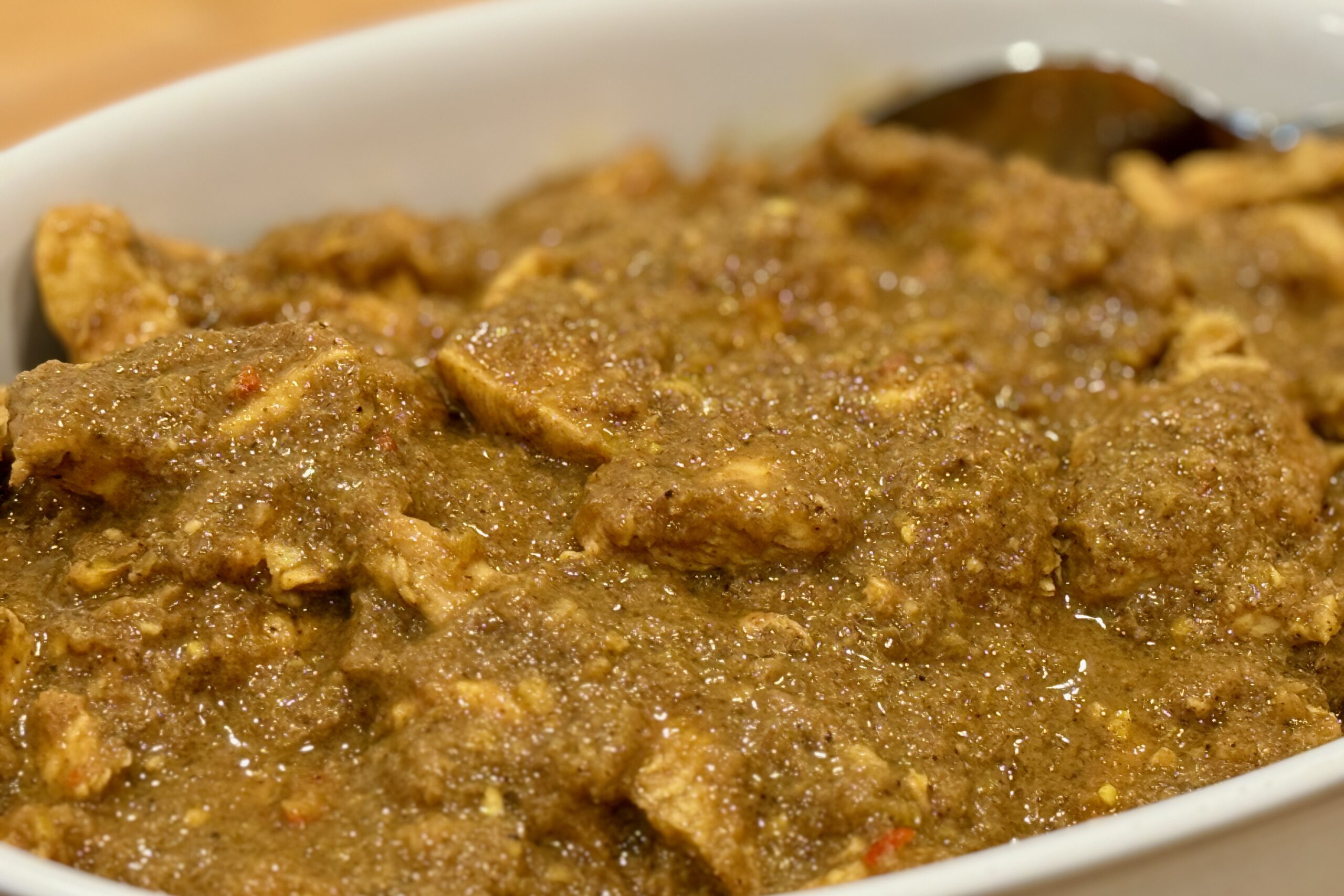
    Often mistaken for curry, this traditional Sumatran dish is celebrated throughout Indonesia for its incredible depth of flavor. Slowly simmered in coconut milk and fragrant spices, it’s served on very special occasions. In a 2011 CNN poll, rendang was voted the world’s most delicious dish.


    Ingredients

    • 1 whole chicken, cut into small to medium-size pieces (or 2 lb boneless chicken thighs or breast chunks)

    Beef or Pork Variation

    • 2 lb beef chuck or pork shoulder, cut into 1½-inch cubes
    • (Increase coconut milk to 1½ cans and simmer longer—about 90 minutes or until dark and caramelized.)

    Sauce

    • 1 can (13.5 oz) good-quality full-fat coconut milk
    • ½ cup water or unsalted chicken stock
    • 2 tbsp fresh lemongrass, finely chopped (tender inner portion only)
    • 1 onion, peeled and quartered
    • 4 cloves garlic
    • 1 thumb-size piece galangal (or ginger)
    • 1–2 red chillies or 1 tbsp sambal oelek
    • ¾ tbsp tamarind paste
    • 1 tbsp brown sugar
    • 2 tsp dark soy sauce
    • 2 tbsp fish sauce (use 3 tbsp for beef or pork)
    • ½ tsp turmeric
    • 1 heaping tbsp ground coriander
    • 1 tbsp ground cumin
    • 1 small cinnamon stick (or 1½ tsp ground cinnamon)
    • ¼ tsp ground nutmeg
    • ¼ tsp ground cloves
    • 2 whole star anise
    • 2–3 kaffir lime leaves (optional but recommended)

    Garnish (Optional)

    • Fresh cilantro leaves
    • Dry shredded coconut or toasted coconut (kerisik)

    Directions

    Make the Spice Paste

    Place all sauce ingredients except the star anise and kaffir lime leaves in a food processor (or crush with a mortar and pestle) and blend into a thick, smooth paste.

    Taste the blended paste before cooking. It should be slightly under-seasoned—saltiness will intensify as the sauce reduces. Add a touch of sugar if too sour, or more chili if you prefer extra heat. If using sambal oelek, reduce fish sauce slightly and adjust at the end.

    Bloom the Paste

    Transfer the paste to a wok or large, deep-sided pan and cook over medium heat for 3–5 minutes, stirring constantly, until fragrant and slightly darker in color.

    Simmer and Reduce

    Add the chicken (or beef/pork), the star anise, and kaffir lime leaves. Stir to coat the meat evenly.

    Bring to a gentle boil over medium-high heat, then reduce to a low simmer. Do not cover—the sauce should reduce gradually. Stir occasionally to prevent sticking.

    For chicken: simmer 45–60 minutes until the sauce thickens and the meat is tender. For beef or pork: simmer about 90 minutes, stirring occasionally, until the sauce darkens and the oil separates (you’ll see pools of oil bubbling at the surface), and the meat is deeply caramelized.

    Finish and Serve

    If the sauce reduces too quickly or becomes overly thick, add a splash of water or coconut milk as needed. Adjust salt near the end of cooking if necessary.

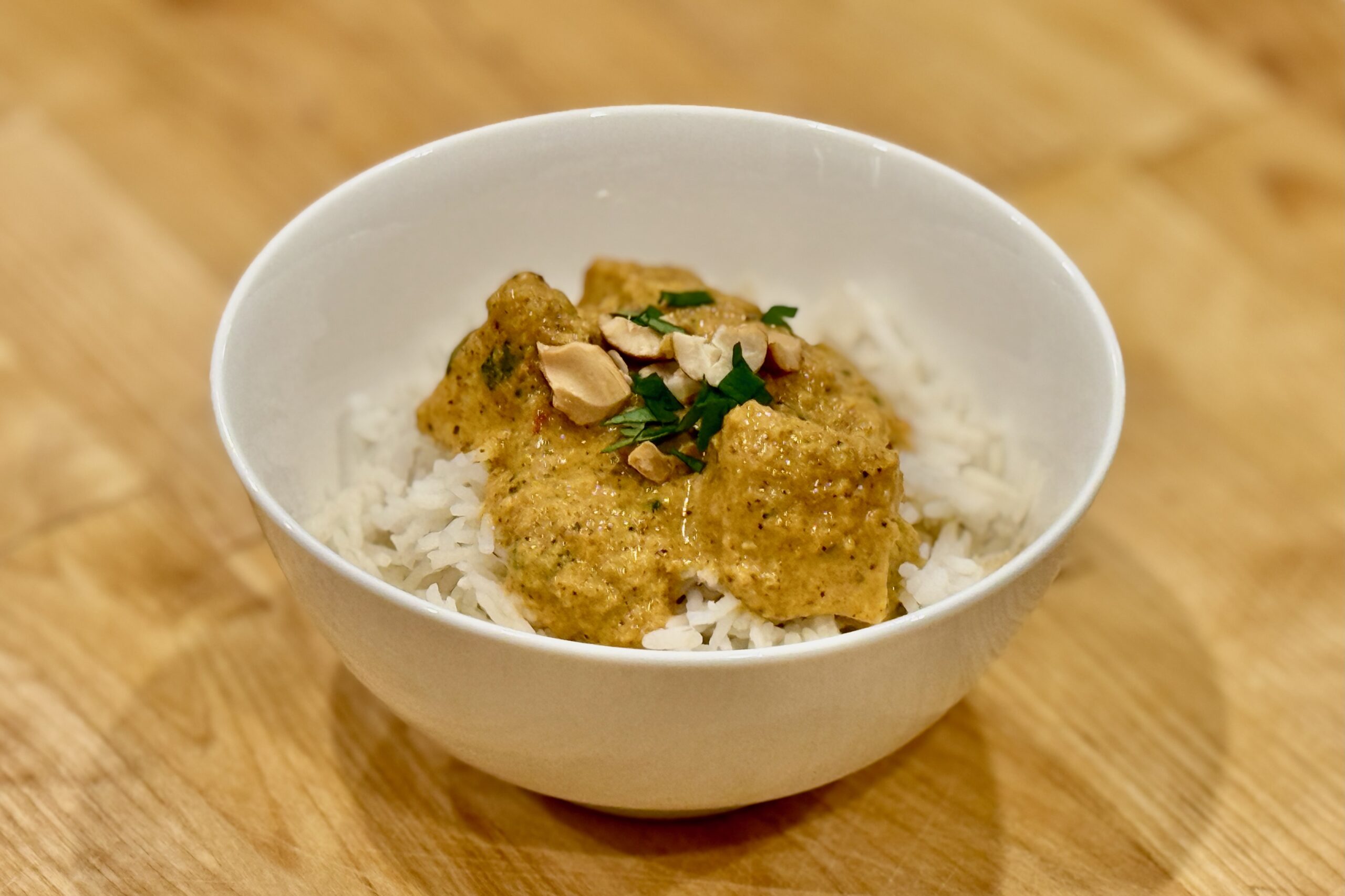
    Serve hot, garnished with shredded or toasted coconut and fresh cilantro. Pairs beautifully with jasmine or glutinous rice.


    Notes

    Preparation

    • Using full-fat coconut milk helps prevent curdling and creates the signature silky texture.
    • The added water or stock allows longer reduction time without oversalting.
    • If using sambal oelek instead of fresh chilies, reduce fish sauce slightly and adjust at the end.
    • For a drier, traditional beef rendang, continue simmering until nearly all liquid has evaporated and the sauce clings darkly to the meat.
    • For extra depth, optionally stir in 1–2 tbsp toasted coconut (kerisik) near the end of cooking.
    • Taste and adjust seasoning only at the end—salt intensifies as the sauce reduces.

    Serving Suggestions

    • Serve with jasmine rice or glutinous rice to soak up the rich sauce.
    • Finish with fresh cilantro and a sprinkle of shredded or toasted coconut (kerisik), if desired.

    Variations

    • Beef or Pork: Use 2 lb beef chuck or pork shoulder (1½-inch cubes). Increase coconut milk to 1½ cans and simmer about 90 minutes or until dark and caramelized.

    Make-Ahead & Storage

    • Rendang improves in flavor overnight; refrigerate up to 3 days.
    • Reheat gently with a splash of water or coconut milk to loosen the sauce.
    • Freeze up to 2 months; thaw in the refrigerator before reheating.
  • Italian-American Meat Sauce

    Italian-American Meat Sauce

    This Meat Sauce is a classic Italian-American style simmered sauce built for depth and balance: well-browned meat, layered tomato flavor, dried herbs, and just enough savory backbone to make it craveable without tipping into heaviness. Blooming the tomato paste adds richness and sweetness, while a short covered simmer softens acidity before finishing uncovered to concentrate flavor. It’s a sauce that’s excellent fresh, but even better the next day—exactly what a great red sauce should be.


    Ingredients

    • 2 tbsp olive oil
    • 1 cup (8 oz) onion, chopped
    • 5 cloves garlic, minced
    • 1 lb ground chuck beef (or ½ lb ground chuck and ½ lb uncased Italian sausage)
    • 1 can (28 oz) crushed tomatoes
    • 1 can (15 oz) tomato sauce
    • 1 can (6 oz) tomato paste
    • 1 cup chicken broth
    • ¼–½ cup dry white or dry red wine (optional)
    • 1 tbsp fish sauce
    • 2 tsp dried basil
    • 2 tsp dried parsley
    • 1 tsp dried oregano
    • ½ tsp dried ground fennel
    • ¼ tsp dried thyme leaves
    • 2 whole cloves, crushed
    • 2 bay leaves
    • ½ tsp freshly ground black pepper (to taste)
    • 1 tsp table salt

    Directions

    Build the Sauce

    In a Dutch oven over medium heat, heat the olive oil until shimmering. Add the onion and sauté until translucent and tender, about 5–7 minutes. Add the garlic and cook for 1–2 minutes more, just until fragrant.

    Add the ground meat and cook, breaking it up with a spoon, until well browned and any excess moisture has cooked off.

    Stir in the tomato paste and cook for 1–2 minutes, allowing it to bloom and darken slightly to deepen sweetness and round acidity.

    Stir in the crushed tomatoes, tomato sauce, chicken broth, wine (if using), and fish sauce. Add the dried herbs, fennel, thyme, crushed cloves, bay leaves, pepper, and salt. Bring the sauce to a gentle simmer.

    Simmer

    Reduce heat to low and simmer covered for 30 minutes to soften acidity and allow the flavors to meld.

    Uncover and continue simmering for 15 minutes, allowing excess moisture to evaporate and the sauce to thicken. Remove and discard the bay leaves and crushed cloves before serving.

    Finish the Pasta

    Boil pasta as directed until al dente. Drain, reserving some of the pasta cooking water.

    Place enough warmed meat sauce in a serving bowl to lightly coat the pasta. Stir in a small splash of the reserved pasta water to loosen the sauce, then add the pasta and toss gently to coat. Serve topped with additional meat sauce and freshly grated Romano and/or Parmesan cheese.


    Notes

    Preparation

    • Anchovy Option: The fish sauce may be replaced with 4–6 anchovy fillets, finely minced. Add them with the garlic so they dissolve into the oil and meat as the sauce cooks.

    Make-Ahead & Storage

    This sauce improves with time and is best when made a day ahead and reheated.

    • Refrigerate in airtight containers for up to 3 days.
    • Freeze for up to 3 months.
    • Reheat gently on the stovetop over low heat, adding a splash of water or broth as needed to loosen the sauce.
  • Murgh Makhani — Indian Butter Chicken

    Murgh Makhani — Indian Butter Chicken

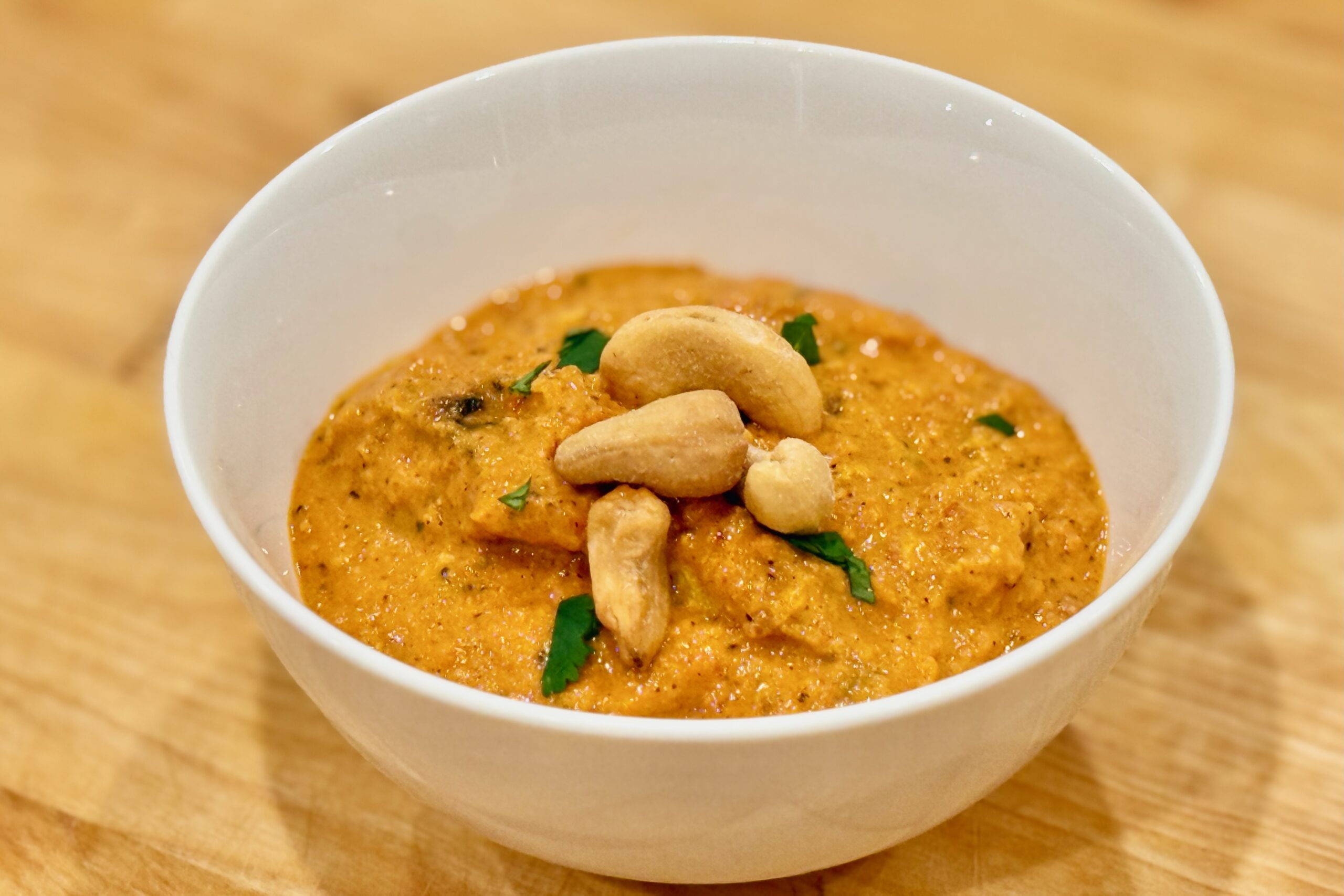
    Butter Chicken (Murgh Makhani) is a rich, comforting classic—tender yogurt-marinated chicken folded into a velvety tomato-cream sauce fragrant with ginger, fenugreek, and warm garam masala. It’s the kind of dish that fills the kitchen with incredible aromas and brings everyone running to the table, perfect for family nights when you want something deeply satisfying without being complicated.


    Ingredients

      Sauce

    • 4 tbsp butter, divided (chilled, cut into 4 pieces)
    • 1 large onion, chopped fine
    • 5 garlic cloves, minced
    • 4 tsp grated fresh ginger
    • 1 serrano chile, stemmed, seeded, and minced (optional, to taste)
    • 1 tbsp garam masala
    • 1 tsp ground coriander
    • ½ tsp ground cumin
    • ½ tsp turmeric
    • ½–1 tsp Kashmiri chili powder (or mild paprika for color)
    • ½ tsp black pepper
    • 1 cup crushed or puréed tomatoes (San Marzano–style preferred)
    • 1 cup water (or as needed)
    • 1 tbsp honey or jaggery (or 1 tbsp sugar)
    • 1 tsp table salt (plus more to taste)
    • 1 cup heavy cream
    • 1 tsp dried fenugreek leaves (kasuri methi), lightly crushed
    • Chicken

    • 2 lbs boneless, skinless chicken thighs, trimmed
    • ½ cup plain Greek yogurt
    • 1 tbsp lemon juice
    • 1 tsp garam masala
    • ½ tsp turmeric
    • 1 tsp table salt
    • 3 tbsp chopped fresh cilantro, divided
    • Garnish

    • Additional chopped fresh cilantro
    • Optional drizzle of cream

    Directions

    Marinate the Chicken

    In a medium bowl, mix yogurt, lemon juice, garam masala, turmeric, and salt. Add chicken thighs and coat well. Cover and refrigerate at least 30 minutes or up to overnight.

    Make the Sauce Base

    In a large saucepan, melt 2 tbsp butter over medium heat. Add onion, garlic, ginger, and serrano (if using). Cook, stirring often, until onions are deep golden brown, about 10–12 minutes.

    Add garam masala, coriander, cumin, turmeric, Kashmiri chili powder, and black pepper. Stir constantly for 1–2 minutes until fragrant.

    Stir in tomatoes and 1 cup water, scraping up browned bits. Add honey and salt. Simmer 10 minutes, then stir in cream.

    Off heat, blend with an immersion blender until smooth. Return to low heat and simmer gently for 5 minutes.

    Add more water as needed if sauce becomes too thick.

    Cook the Chicken

    Adjust oven rack 6 inches from the broiler. Line a baking sheet with foil and place a wire rack on top. Arrange marinated chicken on the rack.

    Broil until lightly charred and chicken registers 175°F, 16–20 minutes, flipping halfway. Let rest 5 minutes, then cut into ¾-inch chunks.

    Alternatively, grill or pan-sear if preferred.

    Finish the Sauce

    Add chicken to the sauce. Stir in kasuri methi and 2 tbsp chopped cilantro. Remove from heat and whisk in remaining 2 tbsp chilled butter until glossy.

    Adjust seasoning with salt or honey as needed.

    Serve

    Transfer to a serving dish. Drizzle with cream if desired and sprinkle with more cilantro. Serve with basmati rice and/or Naan.


    Notes

    Preparation

    • For the deepest flavor, marinate chicken overnight, but reduce lemon juice to 1 tsp to prevent the meat from becoming mushy.
    • Broiling creates a slight char that mimics tandoori-style cooking at home.
    • Kashmiri chili powder adds color and mild heat; paprika works as a substitute if you prefer less spice.
    • Fenugreek (kasuri methi) is essential to the classic restaurant-style flavor—don’t skip it if you can find it.

    Serving Suggestions

    • Serve with basmati rice, Naan, roti, or even roasted potatoes.
    • A side of cucumber raita helps balance the richness.
    • Goes beautifully with Mango Lassi for contrast.

    Variations

    • For a lighter version, replace half the cream with whole milk.
    • For extra heat, add an additional serrano or a pinch of cayenne.
    • For a smokier finish, add ½ tsp smoked paprika or a tiny dash of liquid smoke.
    • Make it vegetarian by using paneer or roasted cauliflower instead of chicken.

    Make-Ahead & Storage

    • The sauce can be made up to 3 days ahead. Reheat gently and whisk in fresh butter before serving.
    • Leftovers keep 3–4 days refrigerated.
    • Freezes well for up to 2 months; thaw overnight and reheat gently to avoid splitting.
  • Chicken Tikka Masala

    Chicken Tikka Masala

    Chicken Tikka Masala is one of those comforting, crowd-pleasing dishes where tender marinated chicken meets a rich, warmly spiced tomato-cream sauce. This version balances classic aromatics, gentle heat, and layered spice blooming for a deeply flavorful, restaurant-quality finish perfect for serving with basmati rice or warm naan.


    Ingredients

      Chicken Tikka

    • 2 lb boneless, skinless chicken thighs, trimmed
    • 1 tbsp lemon juice
    • 1 tsp table salt
    • 1 cup plain whole-milk yogurt
    • 2 tbsp vegetable oil
    • 2 cloves garlic, minced
    • 1 tbsp grated fresh ginger
    • 1 tsp ground cumin
    • 1 tsp ground coriander
    • 1 tsp paprika (or Kashmiri chili powder, for color)
    • ½ tsp cayenne pepper (to taste)
    • ½ tsp ground turmeric
    • ½ tsp garam masala
    • Masala Sauce

    • 3 tbsp vegetable oil (or ghee)
    • 1 tsp ground cumin
    • 1 tsp ground coriander
    • 1 tsp paprika (or Kashmiri chili powder, for color)
    • 1 tsp garam masala
    • ½ tsp ground cinnamon
    • 1 medium onion, finely diced
    • 3 cloves garlic, minced
    • 1 tbsp grated fresh ginger
    • 1 serrano chile, minced (optional)
    • 1 tbsp tomato paste
    • 1 can (28 oz) fire-roasted crushed tomatoes
    • ¼ cup raw cashews, blended
    • 2 tsp sugar (to taste)
    • 1 tsp table salt (plus more to taste)
    • ⅔ cup heavy cream
    • 1 tsp dried kasuri methi leaves, crumbled
    • 2 tbsp butter (optional, for richness)
    • ¼ cup fresh cilantro, chopped (plus more for garnish)

    Directions

    Prepare the Chicken Tikka

    Toss chicken with lemon juice and salt; let rest for 20 minutes.

    Whisk yogurt, oil, garlic, ginger, cumin, coriander, paprika, cayenne, turmeric, and garam masala in a large bowl. Add chicken and coat thoroughly. Cover and refrigerate at least 1 hour, up to 8 hours.

    Heat oven broiler. Arrange chicken on a wire rack set over a foil-lined baking sheet. Broil 10–15 minutes, flipping halfway, until lightly charred and chicken reaches 165°F. Rest 5 minutes.

    Cut chicken into 1-inch chunks.

    Make the Masala Sauce

    Heat oil or ghee in a Dutch oven over medium heat until shimmering. Add cumin, coriander, paprika, garam masala, and cinnamon. Bloom spices for 30–45 seconds, stirring constantly.

    Add onion and cook 8–10 minutes until golden brown. Stir in garlic, ginger, serrano chile, and tomato paste; cook 1–2 minutes until fragrant.

    Stir in crushed tomatoes, blended cashews, sugar, and salt. Simmer 15 minutes, stirring occasionally, until slightly thickened.

    Add cream and butter (if using), then crumble in kasuri methi. Simmer 2–3 minutes more to meld flavors.

    Adjust seasoning with additional salt or sugar as needed.

    Finish

    Stir the broiled chicken pieces into the sauce just to coat. Warm through gently.

    Garnish with cilantro and an optional swirl of cream. Serve with basmati rice or Naan.


    Notes

    Preparation

    • Blooming the spices in oil at the beginning deepens their aroma and gives the sauce its signature restaurant-style richness.
    • For extra char flavor, grill the chicken instead of broiling; aim for light blistering on the edges.
    • Cashews provide natural thickening and creaminess; you may substitute 2–3 tbsp cashew butter if preferred.
    • Salt levels vary by brand of tomatoes—taste and adjust after simmering.
    • Altitude Adjustment (~4,750 ft): Increase simmer time by 3–5 minutes to concentrate flavors; sauce may reduce slightly slower at elevation.

    Serving Suggestions

    • Serve with steamed basmati rice, jeera rice, Naan, or paratha.
    • A side of cucumber raita or kachumber salad adds cooling freshness.
    • For a richer presentation, drizzle extra cream and add a few cilantro sprigs just before serving.

    Variations

    • Spicier: Add an extra serrano or increase cayenne to 1 tsp.
    • Smoky: Add ½ tsp smoked paprika or finish with a pinch of dried fenugreek for deeper aroma.
    • Dairy-Free: Swap cream for full-fat coconut milk and omit the butter.

    Make-Ahead & Storage

    • Marinated chicken keeps 12–18 hours in the refrigerator.
    • Masala sauce improves overnight; flavors deepen as it rests.
    • Store leftovers in an airtight container 3–4 days in the refrigerator.
    • Freezes well for 2–3 months; thaw overnight and rewarm gently to avoid cream separation.
  • Garlic-Sesame Green Beans

    Garlic-Sesame Green Beans

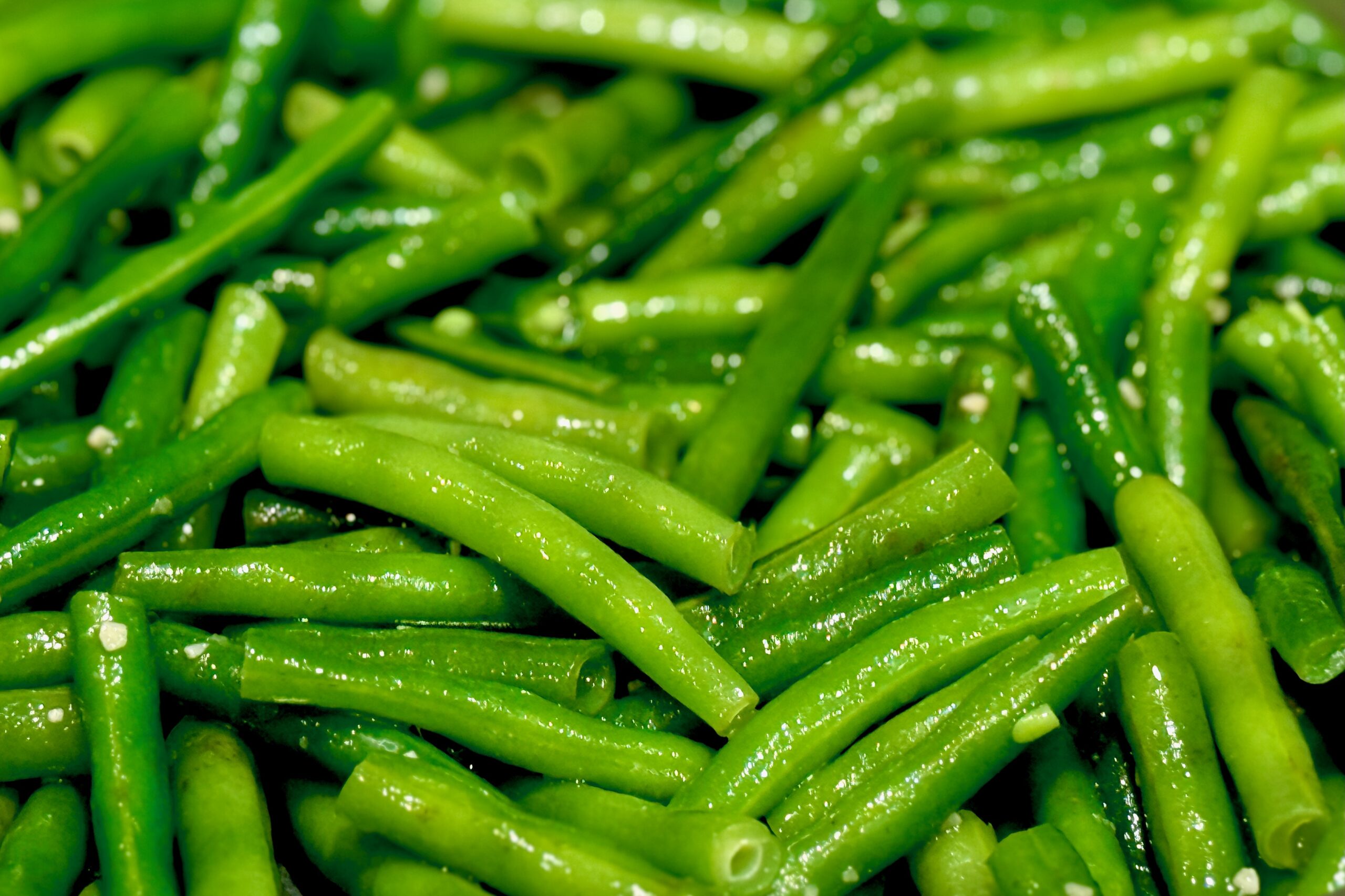
    These Simple Garlic–Sesame Green Beans are designed to be a quiet, versatile side—clean, fresh, and adaptable to a wide range of Southeast Asian and Indonesian-inspired dishes. Blanched until just tender-crisp, then lightly warmed with garlic and finished with a restrained touch of sesame oil, they provide contrast and balance without competing with bold mains like babi panggang, caramelized meats, or richly sauced stir-fries.


    Ingredients

    • 1 lb green beans, trimmed
    • 1 tsp kosher salt (for blanching water)
    • 1 tsp neutral oil
    • 1 small clove garlic, finely minced (optional)
    • ¼–½ tsp toasted sesame oil (to taste)
    • Pinch of table salt, to finish

    Directions

    Blanch the Green Beans

    Bring a large pot of water to a boil and season generously with kosher salt. Add the green beans and cook until just tender-crisp, about 2–3 minutes.

    Drain immediately and spread on a tray or plate to cool slightly. (Ice shocking is optional but not necessary if the beans will be used right away.)

    Warm and Season

    Heat a wide skillet over medium heat and add the neutral oil. If using garlic, add it and cook briefly just until fragrant—do not brown.

    Add the blanched green beans and toss to warm through, about 1–2 minutes. Remove from heat and drizzle lightly with sesame oil. Toss once more and season with a small pinch of table salt if needed.

    Serve

    Serve warm or at room temperature as a simple vegetable side.


    Notes

    Preparation

    • Keep the sesame oil restrained—it should add aroma, not dominate the dish.
    • Garlic is optional and can be omitted for an even cleaner, more neutral side.

    Serving Suggestions

    • Pairs well with Indonesian and Southeast Asian dishes such as babi panggang, ginger caramel chicken, grilled meats, and rice-based meals.
    • Works especially well alongside rich or sweet-salty mains, helping to refresh the palate.

    Variations

    • No sesame: Omit the sesame oil entirely for a fully neutral vegetable side.
    • Indonesian-leaning: Finish with a few drops of neutral oil infused with garlic or shallot instead of sesame oil.

    Make-Ahead & Storage

    • Blanch the green beans up to 24 hours ahead and refrigerate; finish just before serving.
    • Leftovers keep well for up to 3 days and can be enjoyed cold or gently reheated.
  • Ramen

    Ramen

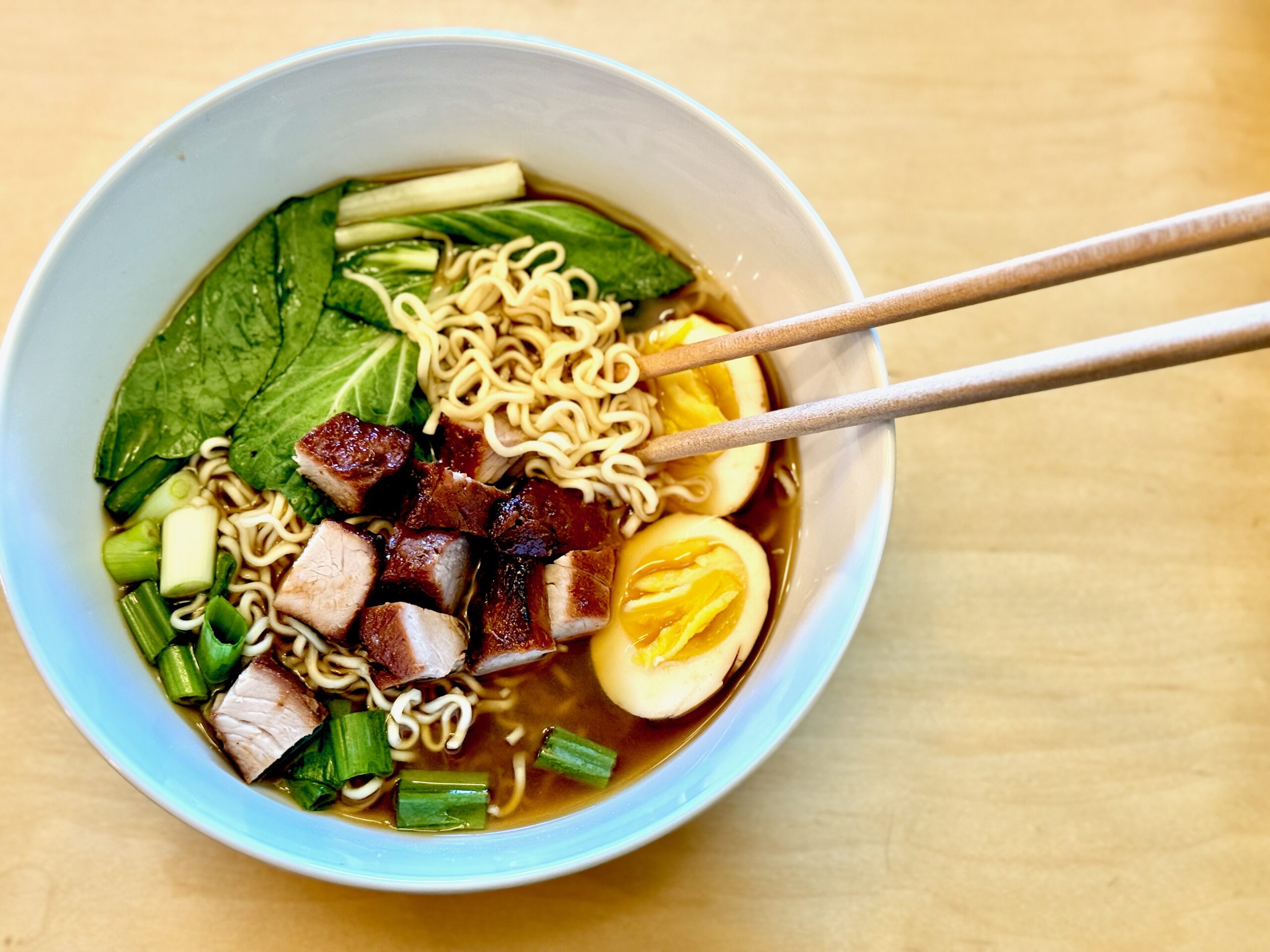
    This modular ramen guide gives you several broth options, multiple tare (seasoning sauces), and a flexible set of toppings so you can build your ideal bowl—light and clear, rich and creamy, or deeply savory with miso or soy. To prepare a delicious bowl of ramen, choose one of the three broths and combine it with one of the four tare (flavoring sauces). Finish your bowl with items from the Prepare to Serve section or with your own favorite toppings.


    Ingredients

    Chicken Broth

    • 1 rotisserie chicken carcass, most skin and meat removed
    • ½ onion, quartered
    • ½ tbsp garlic, minced
    • 1 oz ginger, thinly sliced
    • 2 green onions, quartered
    • ½ cup sake
    • 3 qt cold water
    • 3 packets (¼ oz each) gelatin, bloomed on ½ cup cold water

    Chicken & Dashi Broth

    • 1 recipe mizudashi
    • 1 recipe chicken broth (above)

    Chicken & Pork Broth

    • 1 recipe chicken broth or chicken & dashi broth
    • 1–1½ tbsp (or 3–4 cubes) pork bouillon
    • 1 tbsp lard
    • ½ tsp xanthan gum

    Shio Tare

    • ¼ cup dashi
    • 2 tbsp sake
    • 1 tbsp mirin
    • 1 tbsp salt

    Shoyu Tare

    • ¼ cup dashi
    • ¼ cup soy sauce
    • 2 tbsp sake
    • 2 tbsp mirin

    Miso Tare

    • ½ onion, finely chopped
    • 1 clove garlic, minced
    • 1 tbsp ginger, finely minced
    • 1 green onion, white portion only
    • 2 tbsp smooth peanut butter
    • 1 tbsp sake
    • 2 tbsp mirin
    • 1 tsp rayu chili oil
    • ½ cup white miso paste

    Char Siu Tare

    Prepare to Serve

    • Traditional ramen noodles
    • Ajitsuke tamago (soft-boiled marinated egg)
    • Diced char siu
    • Sliced green onion
    • Bok choy
    • Nori sheets
    • Menma (fermented bamboo shoots)
    • Thinly sliced onion

    Directions

    Make the Chicken Broth

    Place the chicken carcass, onion, garlic, ginger, green onions, and sake into an Instant Pot. Add water to the maximum fill line. Using the sauté function, heat and simmer for about 30 minutes, skimming off any foam or impurities.

    Secure the lid and pressure cook on high for 45 minutes. Allow pressure to release naturally for at least 30 minutes.

    Strain broth through a lined fine-mesh strainer and discard solids. Adjust with water if the broth is overly strong. Stir in the bloomed gelatin until fully dissolved.

    Make the Chicken & Dashi Broth

    Combine 2 parts dashi with 3 parts chicken broth in a pot. Heat until small bubbles form but do not boil. Simmer gently for 10 minutes or up to 2 hours to intensify flavor, monitoring to prevent boiling or over-reduction.

    Make the Chicken & Pork Broth

    Dissolve pork bouillon into hot broth. Mix lard with xanthan gum until smooth and lump-free. Add to the broth and blend with an immersion blender until emulsified.

    Make Shio Tare

    Combine dashi, sake, mirin, and salt in a saucepan over low heat. Simmer until salt dissolves. Use 2–3 tbsp tare per 2 cups broth.

    Make Shoyu Tare

    Combine dashi, soy sauce, sake, and mirin in a saucepan over low heat. Simmer briefly. For deeper flavor, make 1 day ahead. Use 2–3 tbsp tare per 2 cups broth.

    Make Miso Tare

    Blend onion, garlic, ginger, green onion, peanut butter, sake, mirin, and rayu until creamy. Cook the mixture in a saucepan over low heat for about 3 minutes. Remove from heat, stir in miso, and blend until smooth. Use 2–3 tbsp tare per 2 cups broth and blend into broth with an immersion blender.

    Use Char Siu Tare

    Use 2–3 tbsp tare per 2 cups broth.

    Assemble the Ramen

    Cook ramen noodles according to package directions or your preferred texture.

    Combine your chosen broth with your chosen tare, starting with about 2 tbsp tare per 2 cups broth and adjusting to taste.

    Add noodles to bowls, ladle broth over the top, and finish with desired toppings.


    Notes

    Preparation

    • Adding bloomed gelatin to the chicken broth enhances body and gives a collagen-rich texture similar to tonkotsu.
    • Skimming foam during the initial simmer produces a clearer broth but may be skipped if cloudiness is acceptable.
    • The chicken & pork broth provides a simplified method to mimic tonkotsu without long boiling of pork bones.
    • Lard added to the pork broth contributes richness and a silky mouthfeel typical of pork-based ramen.
    • Xanthan gum helps emulsify fats into the broth for a smoother texture.

    Serving Suggestions

    • Customize toppings with mushrooms, corn, sautéed greens, chili crisp, or flavored oils.
    • Increase tare for a saltier, more intense bowl or reduce for a lighter profile.

    Variations

    • Use mushroom dashi for a vegetarian-friendly broth base.
    • Add a small amount of sesame paste to miso tare for a richer Hokkaido-style bowl.
    • Infuse the broth with garlic oil, chili oil, or schmaltz for additional complexity.

    Make-Ahead & Storage

    • Broths keep refrigerated for 4–5 days or frozen for up to 3 months.
    • Tare keeps refrigerated for 1–2 weeks; miso tare lasts longest due to its salt content.
    • Store toppings separately for best texture.
  • Ajitsuke Tamago — Marinated Ramen Eggs

    Ajitsuke Tamago — Marinated Ramen Eggs

    These marinated ramen eggs—ajitsuke tamago—bring that silky, jammy yolk and savory-sweet flavor you expect from a good bowl of ramen. A balanced shoyu-mirin marinade and a precise cook time create restaurant-quality results every time.


    Ingredients

      Eggs

    • 6 large eggs, room temperature
    • Marinade

    • ½ cup soy sauce or tamari
    • ½ cup water
    • ½ cup mirin
    • ¼ cup sake
    • 3 tbsp sugar (or ¼ cup for a sweeter flavor)
    • Optional Aromatics

      • 1 crushed garlic clove
      • 1 thin slice fresh ginger
      • 1 small piece kombu (1×2 in), added off-heat
      • 1 dried shiitake mushroom
      • ⅛ piece star anise

    Directions

    Make the Marinade

    In a saucepan over medium heat, combine soy sauce or tamari, mirin, sake, water, and sugar.

    Stir just until the sugar dissolves; do not boil.

    Remove from heat and add any optional aromatics.

    Cool quickly using an ice bath or refrigerate until fully chilled.

    Cook the Eggs

    Bring a pot of water to a rolling boil. Lower the eggs gently into the boiling water.

    Cook for 6 minutes 30 seconds for a softer, molten-jam yolk, or 7 minutes for a firmer, jammy yolk.

    Transfer immediately to an ice bath and chill completely.

    Peel carefully once cooled.

    Marinate

    Ensure the marinade is fully chilled.

    Place peeled eggs in the marinade and use a folded paper towel to keep them submerged.

    Refrigerate for 4–8 hours for ideal flavor, or up to 12 hours for a stronger cure.

    Serve

    Remove eggs from the marinade and rest at room temperature for 10–15 minutes before serving.

    Slice cleanly using a damp knife (wipe between cuts) or use plain dental floss for perfect halves.


    Notes

    Preparation

    • For the most consistent yolk texture, start with room-temperature eggs.
    • For a richer umami profile, kombu or dried shiitake are the most impactful optional aromatics.
    • Use a slotted spoon or spider skimmer to lower eggs into the water to prevent cracking.

    Serving Suggestions

    • Serve atop shoyu, shio, or Ramen.
    • Delicious with rice bowls, soba, or cold noodle dishes.
    • Can be served whole or halved depending on presentation preference.

    Variations

    • For sweeter eggs (common in tsukemen), use the full ¼ cup sugar.
    • Add a few drops of toasted sesame oil to the marinade for a nutty aroma.
    • For a soy-forward, darker exterior, increase soy sauce by 2–3 tbsp and reduce water accordingly.

    Make-Ahead & Storage

    • Marinated eggs keep well for 3–4 days in the refrigerator.
    • The flavor deepens with time; if storing longer, taste intermittently to avoid over-salting.
    • Store eggs fully submerged in marinade for best results.
  • Southern-Style Sausage Gravy

    Southern-Style Sausage Gravy

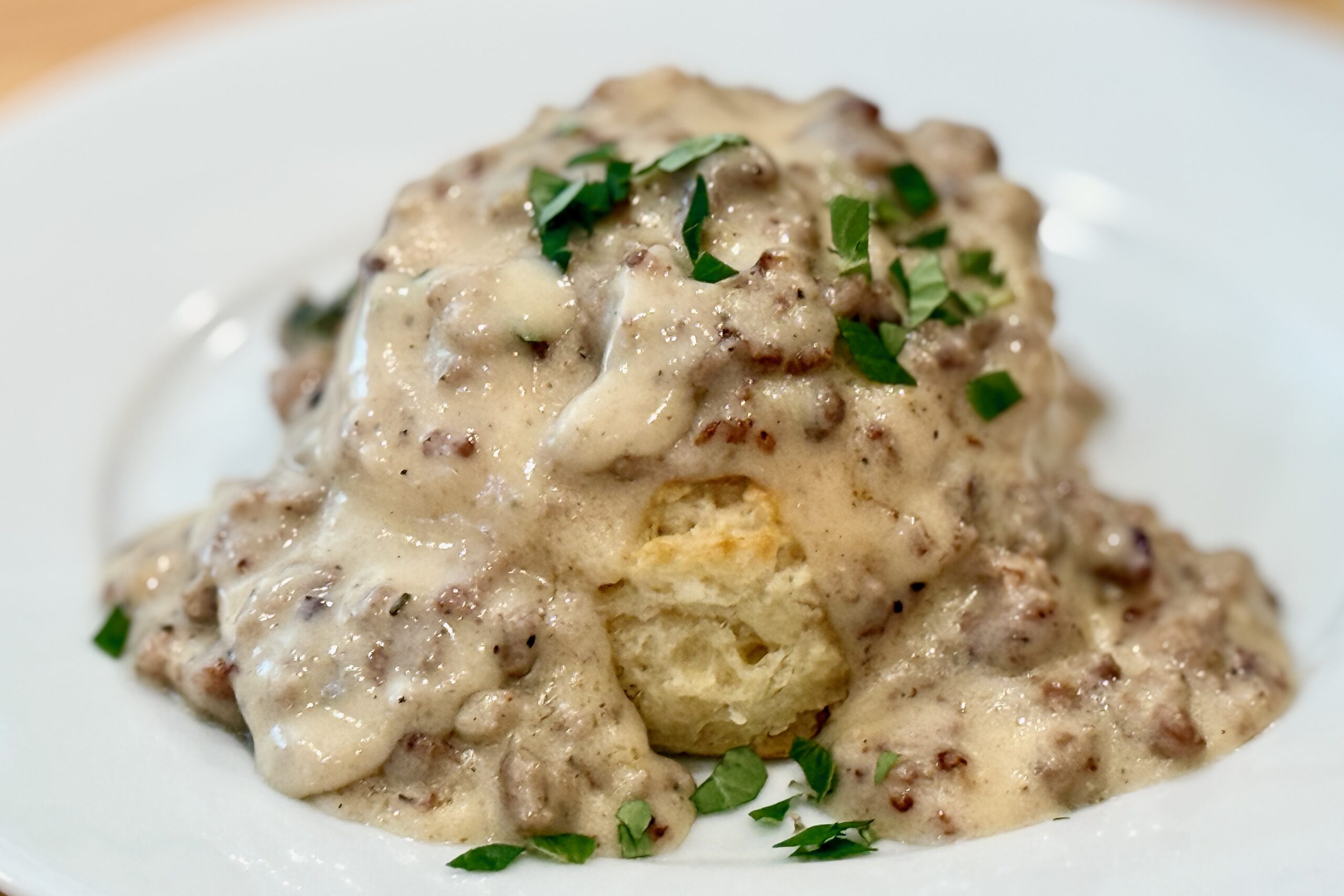
    Sausage gravy, a Southern staple, has been a Huggins family favorite for generations. No true Southern breakfast is complete without buttery biscuits smothered in creamy sausage gravy. The sage sausage pays homage to my grandma Lena — a true Southern lady who loved using sage in her cooking. I learned to make this gravy watching my mom prepare it time and time again in our family kitchen in Southern California. I may just be superstitious, but I swear the gravy tastes best when it’s made in my favorite cast iron pan!


    Ingredients

    • 1 lb sage breakfast sausage
    • ½ cup (1 stick) butter
    • ½ cup flour, lightly mounded
    • 4–6 cups whole milk, divided (start with 4 cups and add more to adjust thickness)
    • salt, to taste
    • freshly ground black pepper or white pepper, to taste

    Directions

    Cook the Sausage:

    In a large skillet or cast iron pan over medium heat, cook the sausage until browned and crumbled, breaking it into small pieces as it cooks. When fully cooked, push the sausage to one side of the pan, leaving the drippings in the skillet.

    Make the Roux:

    Add the butter to the sausage drippings and let it melt completely. Sprinkle the flour over the melted butter and drippings, stirring constantly to form a smooth paste. Cook the roux for 2–4 minutes, stirring continuously, until it turns a pale blond color and smells lightly nutty. Do not let it brown.

    Add the Milk:

    Reduce the heat to medium-low. Slowly pour in about 6 cups of the milk while whisking or stirring constantly, scraping along the bottom of the pan to prevent scorching (especially when using cast iron). Continue to cook and stir until the gravy thickens and begins to gently bubble.

    Finish and Season:

    Stir the cooked sausage back into the thickened gravy. If the gravy is thicker than you prefer, add additional milk ½ cup at a time, stirring well heating after each addition, until it reaches your desired consistency—smooth, creamy, and thick enough to coat the back of a spoon while still pouring easily.

    Season with salt to taste and a generous amount of freshly ground black pepper or white pepper. Traditional Southern-style gravy is fairly pepper-forward, so don’t be shy unless you prefer it milder.

    Serve:

    Serve hot over warm Buttermilk Biscuits. This gravy is also excellent with fried eggs, soft-scrambled eggs, or grated boiled eggs alongside your biscuits.


    Notes

    Preparation

    • Milk scorches easily, especially in cast iron. Once the milk is added, keep the heat at medium-low and stir frequently, scraping along the bottom of the pan.
    • A pale blond roux (2–4 minutes of cooking) helps remove any raw flour taste while keeping the gravy light in color and flavor.
    • The gravy will continue to thicken as it sits off heat. If it becomes too thick, gently rewarm and whisk in a little extra milk until it loosens to your preferred consistency.

    Serving Suggestions

    • Serve over hot buttermilk biscuits for a classic Southern breakfast.
    • Pair with fried eggs, soft-scrambled eggs, or grated boiled eggs for added protein and richness.
    • Try serving with hash browns, breakfast potatoes, or over toasted bread when biscuits aren’t available.

    Variations

    • Add a few drops of Worcestershire sauce to the gravy for deeper savoriness.
    • Stir in a dash of your favorite hot sauce (such as Crystal or Tabasco) for gentle heat that complements the sage and sausage.
    • If your sausage is not very sage-forward, add a tiny pinch of rubbed sage toward the end of cooking, tasting as you go to avoid overpowering the gravy.
    • Use white pepper instead of black pepper if you prefer a smoother look while keeping a robust, peppery flavor.

    Make-Ahead & Storage

    • Sausage gravy can be made up to 2 days in advance and cooled completely before refrigerating in an airtight container.
    • Reheat gently over low heat, adding a splash of milk as needed to loosen the gravy back to a smooth, creamy consistency.
    • For food safety, avoid leaving the gravy at room temperature for extended periods; promptly refrigerate leftovers.
  • Gnocchi

    Gnocchi

    Light, pillowy gnocchi made from baked potatoes for the best possible texture. Rooted in northern Italian tradition, this simple dish traveled across the Atlantic with generations of Italian immigrants and found a second home in Argentina. Our family’s version emphasizes gentle handling, minimal flour, and a buttery golden finish—echoing the gnocchi Jane enjoyed while living in the mountains of Argentina, where gracious families gathered around humble tables to share food, laughter, and the quiet joy of good company.


    Ingredients

    • 2 lbs (900 g) russet or Yukon Gold potatoes
    • ¾ tsp table salt
    • 1–1½ cups all-purpose flour (start with 1 cup; add only as needed)
    • 1 large egg, lightly beaten (see variation)

    Directions

    Bake the Potatoes

    Bake whole, unpeeled potatoes at 400°F (200°C) until tender, about 1 hour. Split immediately after baking to allow steam to escape—this prevents sogginess.

    Scoop out the flesh and rice or mash while still warm.

    Prepare the Dough

    Spread the riced potatoes out on a board or tray and allow to cool slightly until just warm to the touch. Sprinkle evenly with salt.

    Add about ¾ of the flour over the potatoes, then drizzle the beaten egg over the top. Using your hands or a bench scraper, gently fold and press the mixture together, adding only enough additional flour to form a soft dough.

    Turn out onto a lightly floured surface and gently knead for 15–20 seconds, just until smooth. The dough should feel soft and slightly tacky, but not sticky—avoid overworking.

    Shape the Gnocchi

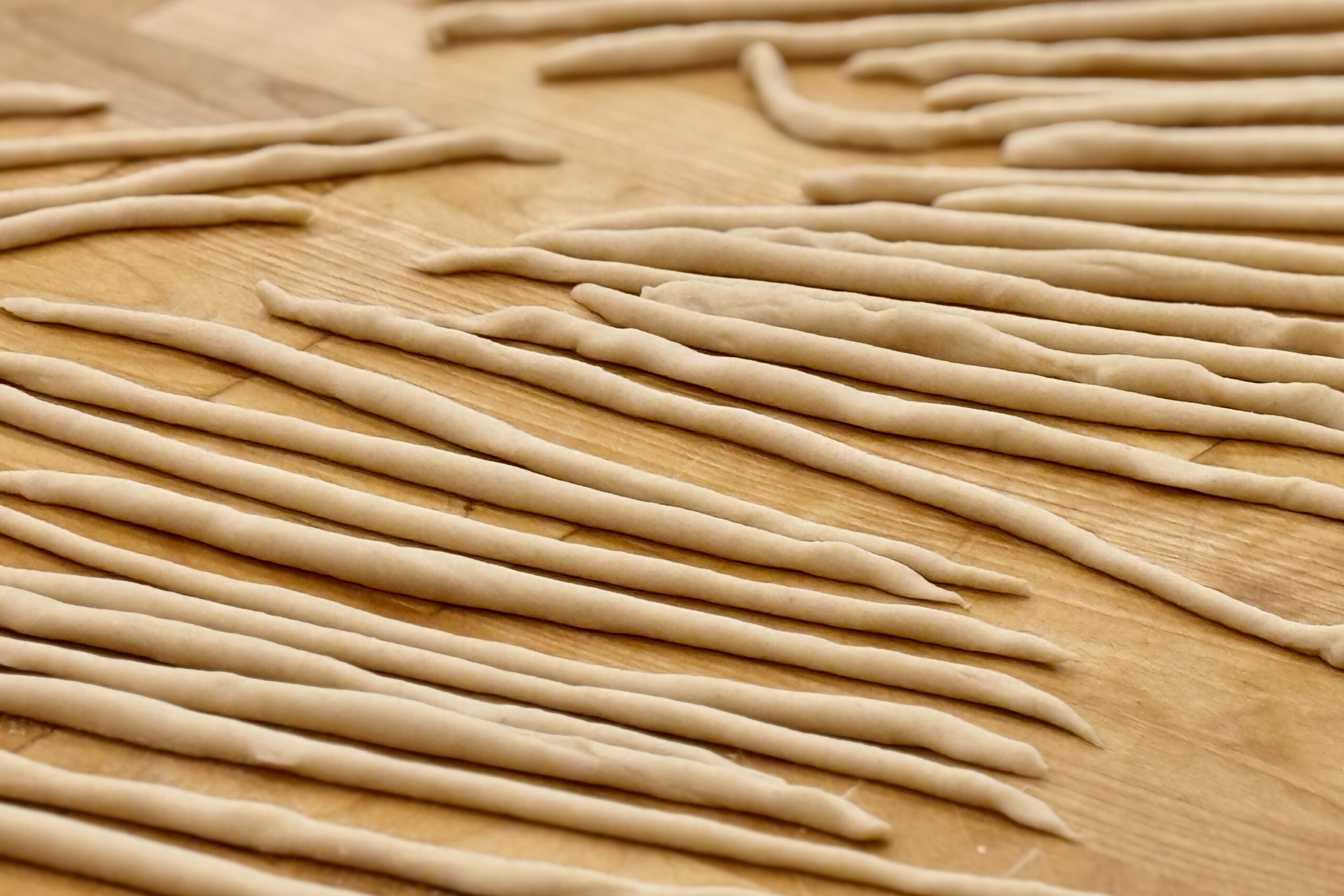
    Roll dough into ¾-inch ropes. Cut into ¾–1 inch pieces using a bench scraper for cleaner cuts.

    Shape on a fork or gnocchi board if desired. Lightly dust formed gnocchi with semolina or flour to prevent sticking.

    Cook the Gnocchi

    Bring a large pot of salted water (as for pasta) to a boil. Cook gnocchi in 2–3 batches until they float, then cook 30 seconds longer. Remove gently with a strainer and keep warm.


    Notes

    Preparation

    • Russets make the lightest gnocchi; Yukon Golds give a slightly richer, denser texture.
    • Flour should equal roughly 20–30% of potato weight. Less flour yields lighter, more delicate gnocchi.
    • Chill dough for 10–15 minutes before shaping if it feels too soft.
    • Salt cooking water generously—about 1–2 tbsp per gallon.
    • Test one gnocchi before cooking the full batch. If it falls apart, gently knead in 1–2 tbsp more flour.
    • For best texture, avoid kneading more than 15–20 seconds.
    • Remember: once gnocchi float, cook for an additional 30 seconds.

    Serving Suggestions

    • Toss with Browned Butter Sage Sauce and finish with parmesan and a squeeze of lemon.
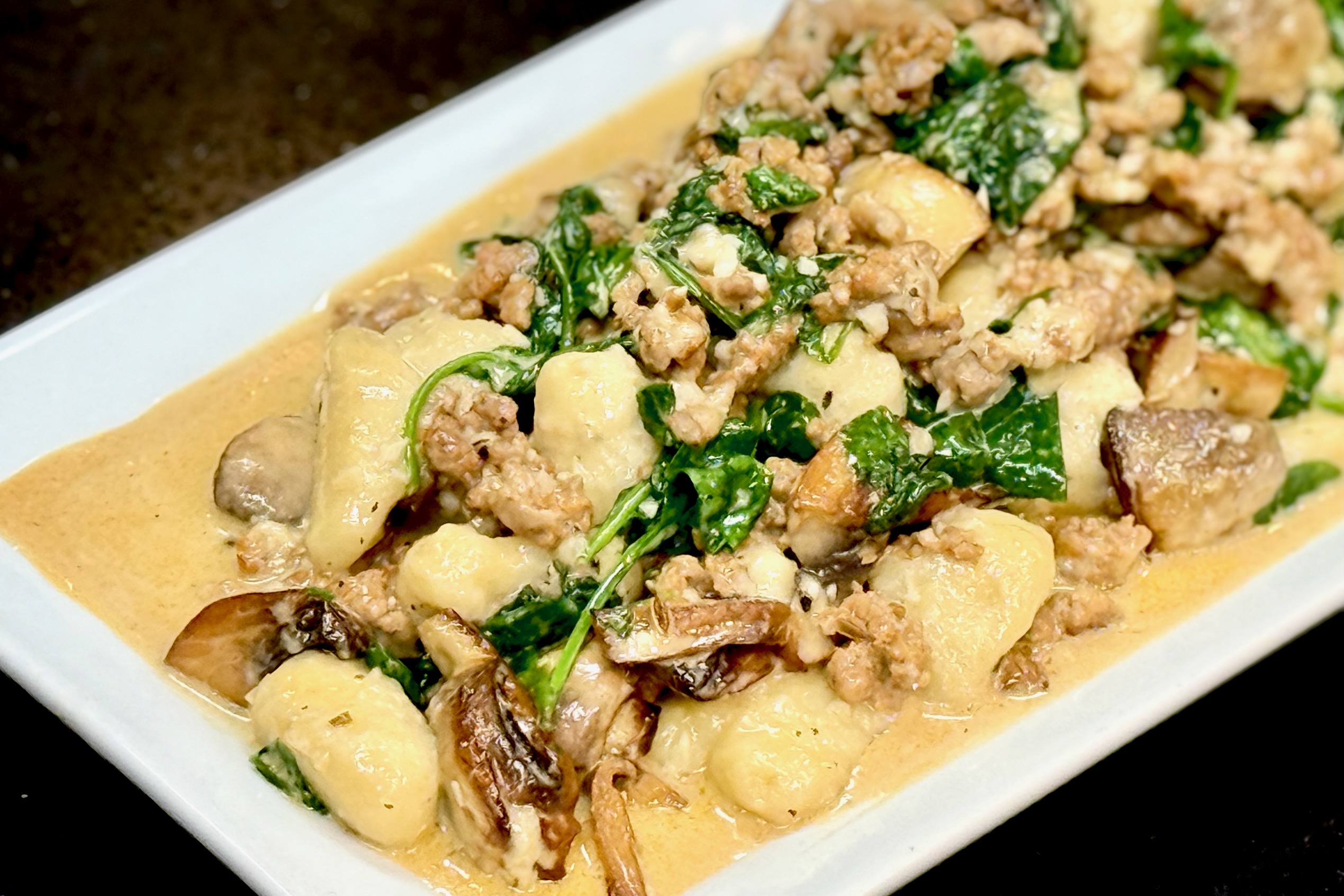
    • Sauté boiled gnocchi in butter until golden, then toss with a light cream sauce, browned mushrooms, spinach, and spicy Italian sausage.
    • Serve with Pomodoro, Pesto alla Genovese, or Gorgonzola Cream Sauce.

    Variations

    • Use 1 egg for pillowy, restaurant-style gnocchi. Add a second egg for a firmer, rustic dough.
    • Add a pinch of nutmeg and 1–2 tbsp ricotta for a richer dough (add flour as needed).
    • For a classic eggless northern Italian version, omit the egg and increase flour slightly to reach a soft, workable dough.

    Make-Ahead & Storage

    • Shaped gnocchi may be refrigerated on a lightly floured tray for up to 4 hours before cooking.
    • To freeze, arrange uncooked gnocchi in a single layer until solid, then transfer to a freezer bag. Cook directly from frozen—do not thaw.
    • Cooked gnocchi can be refrigerated for 2–3 days and pan-seared in butter just before serving.
  • Nacho Cheese Sauce

    Nacho Cheese Sauce

    This smooth and flavorful nacho cheese sauce blends cheddar, colby jack, green chiles, warm spices, and a touch of cream cheese for richness—perfect for dipping, drizzling, or spooning over anything that needs a bold, melty kick.


    Ingredients

    • 2 tbsp butter
    • ¼ tsp powdered annatto (optional)
    • ¼ tsp garlic powder
    • ¼ tsp onion powder
    • ¼ tsp ground cumin
    • ¼ tsp chipotle chile powder
    • 2 tbsp flour
    • 1½ cups milk
    • 1½ tsp sodium citrate (optional)
    • 4 oz cream cheese, cut into small chunks
    • 4 oz cheddar cheese, grated
    • 4 oz colby jack cheese, grated
    • ½ tsp table salt
    • ¼ tsp fish sauce (optional)
    • 2–4 oz diced green chiles

    Directions

    Make the Sauce

    Heat butter in a skillet over medium heat. When melted and bubbling, add annatto (if using) and bloom for 15 seconds.

    Add garlic powder, onion powder, cumin, and chipotle chile powder; whisk briefly to bloom the spices. Add flour to form a roux and cook until the mixture is bubbling and the raw flour scent dissipates.

    Dissolve sodium citrate in the milk, then whisk the milk mixture into the roux. Continue whisking until the mixture thickens and reaches a gentle boil.

    Whisk in the cream cheese until fully incorporated. Remove the skillet from heat.

    Add the cheddar and colby jack a handful at a time, whisking thoroughly between additions until smooth. Stir in salt, fish sauce (if using), and green chiles.


    Notes

    Preparation

    Powdered annatto gives a warm reddish color and mimics classic cheddar coloring. It is a natural antioxidant with additional health benefits.

    Sodium citrate enhances smooth meltability, adds gentle tanginess, and helps prevent the sauce from separating. Increasing to 1½ tsp improves stability, especially during reheating.

    Fish sauce adds subtle umami depth and rounds out the flavors but remains undetectable as a distinct ingredient.

    Serving Suggestions

    For extra heat, stir in a splash of your favorite hot sauce just before serving.

    Pickled jalapeños or 1–2 tsp jalapeño brine may be added for brightness and acidity.

    Variations

    Optional Add-Ins:

    • Diced pickled jalapeños
    • Jalapeño brine for acidity
    • Extra green chiles for mild heat

    These additions adjust heat and acidity without changing the core sauce flavor.

    Make-Ahead & Storage

    Store cooled sauce in an airtight container for up to 4 days.

    Reheat gently over low heat on the stovetop or in the microwave in 20–30 second bursts, stirring between intervals.

    If the sauce thickens during storage or reheating, whisk in 1–3 tbsp milk as needed to adjust consistency.

  • Ensalada Serrana — Peruvian Mountain Salad

    Ensalada Serrana — Peruvian Mountain Salad

    This bright, colorful, heavily-dressed salad from the Andean highlands of Peru brings together tender vegetables, a creamy oregano-lime dressing, and the sweet earthiness of beets—a refreshing side inspired by the rustic cooking of Central Peru. It’s simple, vibrant, and pairs beautifully with grilled meats or roasted chicken.


    Ingredients

      Dressing

    • ¾ cup mayonnaise
    • ¼ cup whole milk
    • juice of 1 lime
    • 1 tbsp prepared yellow mustard
    • 1 tsp garlic, minced
    • 1 tbsp dry Mexican or Peruvian oregano, crushed
    • ½ tsp black pepper, coarsely ground
    • ¼ tsp kosher salt (to taste)
    • ½–1 tsp ají amarillo paste (optional)
    • ¼ cup water
    • Salad

    • 4 oz fresh green beans, strings removed and halved
    • 2 small carrots, thinly sliced on a bias or julienned
    • 1 large beet, roasted until tender and sliced
    • 1 large tomato, cored, seeded, and sliced into strips
    • ½ cup frozen peas, defrosted
    • 2 oz lettuce, washed and spun dry
    • ½ cup dressing (from above)

    Directions

    Make the Dressing

    In a blender, combine all ingredients except the water; blend until smooth and creamy. Thin with water to reach your desired consistency. Adjust salt to taste. Dressing will thicken in the refrigerator; thin with additional water as needed.

    Prepare the Salad

    Blanch green beans for 4–5 minutes, or until crisp-tender; transfer immediately to a bowl of ice water. Blanch carrots until crisp-tender and add them to the same ice water bowl. Dry beans and carrots thoroughly. Combine beans, carrots, and remaining salad ingredients in a large bowl; toss gently with dressing.


    Notes

    Preparation

    For the optional ají amarillo paste, you can create a reasonable substitute by blending 1 roasted, peeled, and seeded yellow or orange bell pepper with ½ of a seeded habanero. This provides similar fruitiness and gentle heat.

    Beets can be roasted ahead of time and chilled until ready to assemble the salad.

    Serving Suggestions

    This salad pairs beautifully with roasted chicken, grilled steaks, anticuchos, or Peruvian-style rice dishes.

    Variations

    Try adding thinly sliced red onion, diced avocado, or boiled potatoes for a heartier version.

    Make-Ahead & Storage

    Store dressing separately from the vegetables to keep the salad crisp.

    • Dressing keeps 4–5 days refrigerated.
    • Prepared vegetables keep 2–3 days in an airtight container.
    • Toss just before serving for best texture.
  • Anijsmelk — Dutch Star-Anise Steamer

    Anijsmelk — Dutch Star-Anise Steamer

    Anijsmelk, the classic star-anise–flavored steamer of the Netherlands, is one of my favorite Dutch treats—simple, soothing, and steeped in nostalgia. Traditionally made by stirring anise-flavored sugar cubes (Anijsblokjes) into warm milk, it’s a comforting drink to warm your soul on a cold winter’s night. This homemade version captures that flavor with whole star anise and a touch of sweetness.


    Ingredients

    • 1 qt milk
    • 5–10 whole star anise
    • ⅛ tsp ground anise seed (optional, for rounder flavor)
    • 1–4 tbsp sugar, to taste (about 1 tsp per cup)
    • Small knob of butter or splash of cream (optional, for richness)

    Directions

    Infuse the Milk

    In a medium saucepan, warm the milk with the star anise over medium-low heat until steaming but not boiling. Reduce heat to low and let steep gently for 5–10 minutes, tasting occasionally to check flavor strength.

    Finish the Drink

    When the milk reaches your desired anise intensity, remove from heat and discard the star anise pods. Stir in sugar to taste and, if desired, add a small knob of butter or splash of cream for extra richness. Whisk briefly to create a light froth.

    Serve

    Pour hot into a teacup or mug and enjoy immediately. Optionally dust with a pinch of ground anise or cinnamon. Serve alongside a small Dutch biscuit or slice of buttered bread for an authentic touch.


    Notes

    Preparation

    • For the most authentic flavor, use a mix of whole star anise and a small pinch of ground anise seed.
    • Warm gently—avoid boiling, which can cause the milk to curdle or the flavor to become harsh.
    • Steep covered to preserve the delicate aroma of the anise.

    Serving Suggestions

    • Traditionally enjoyed as a bedtime drink or on cold evenings.
    • Serve in a warm ceramic cup with a dusting of ground anise, cinnamon, or nutmeg.
    • Pair with speculaas cookies or buttered toast for a cozy Dutch treat.

    Variations

    • Substitute honey or vanilla sugar for a more nuanced sweetness.
    • Add a drop of almond or vanilla extract for a gentle twist.
    • For a creamier version, replace 1 cup of milk with light cream.
  • Bananas Foster

    Bananas Foster

    Rich, buttery, and unmistakably indulgent, this Bananas Foster brings a taste of New Orleans to your table. Created in 1951 at Brennan’s in the French Quarter—at the height of the city’s banana-import boom and named for civic leader Richard Foster—it’s crafted from ripe bananas, rich caramel, rum, and banana liqueur. The flambéed presentation still thrills diners today, while the warm bananas and syrupy sauce spooned over creamy vanilla ice cream evoke both drama and comfort. In our family, it’s a go-to when we want something classic, bold, and effortlessly shared—every bite layered with caramel sweetness, a hint of cinnamon, and the smooth warmth of rum, all wrapped up in an experience that can make a simple dinner feel like a celebration.


    Ingredients

    • 2 tbsp butter
    • ¼ cup packed brown sugar
    • ⅛ tsp ground cinnamon
    • 1 banana, firm-ripe, sliced lengthwise or into thick rounds
    • ¼ cup crème de banane (banana liqueur)
    • 3 tbsp Grand Marnier (or other orange liqueur)
    • 3 tbsp dark or amber rum
    • vanilla ice cream, for serving

    Directions

    Prepare the Sauce:

    In a large sauté pan over medium heat, melt butter. Stir in brown sugar and cinnamon, cooking until the sugar dissolves and the mixture bubbles into a smooth caramel (1–2 minutes).

    Add the Liqueurs and Bananas:

    Stir in crème de banane and Grand Marnier. Bring just to a gentle boil, then add sliced banana. Cook for about 2–3 minutes, turning occasionally until the bananas are lightly caramelized but still hold their shape.

    Flambé the Rum:

    Remove the pan from the flame before adding rum. Carefully ignite using a long lighter or match, allowing the flames to subside naturally. Return to the stovetop and simmer for 30–60 seconds until the raw alcohol flavor cooks off and the sauce slightly thickens.

    Serve:

    Spoon the warm bananas and caramel sauce over vanilla ice cream. Serve immediately.


    Notes

    Preparation

    • Use firm, ripe bananas so they hold their shape during cooking.
    • For a deeper caramel flavor, cook the sugar mixture an extra minute before adding the liqueurs.
    • If you prefer not to flambé, simmer the rum gently for a few minutes to cook off the alcohol instead.

    Serving Suggestions

    • Serve over classic vanilla ice cream, or try butter pecan for extra richness.
    • For a brunch twist, serve over pancakes, waffles, or French toast.
    • Top with toasted pecans or a light sprinkle of sea salt for added texture and contrast.

    Variations

    • For a tropical version, substitute some or all of the rum with coconut rum.
    • Add a splash of pineapple juice for a lighter, fruitier finish.
    • Use plantains instead of bananas for a heartier, more caramel-forward dessert.

    Make-Ahead & Storage

    • This dessert is best prepared and served immediately for optimal texture and presentation.
    • If you need to make ahead, prepare the sauce up to the flambé step, cool, and refrigerate up to 1 day; rewarm gently, add fresh bananas, and finish before serving.
  • Chile Verde Burritos

    Chile Verde Burritos

    The 9th of 11, Grandma grew up in a large family that loved to sing together while washing dishes after a delicious meal. Nobody ever walked away hungry–a tradition that continues to this day. Every year Grandma’s family would meet for a week-long family reunion. Our family and Uncle Jay’s (#10 of 11) would never miss. We’d always extend the reunion by a week, spending extra time with Uncle Jay, Aunt Barbara, and their four kids. Our adventures were so memorable that many of my favorite childhood memories include Uncle Jay’s family. The first time I remember eating these burritos was at a dinner in their home in San Jose. I still drool a little every time I think about it! This recipe is a variation of Uncle Jay’s, specifically designed around cooking the pork in an Instant Pot. Also, in his the meat is not marinated and he uses red Los Palmas sauce. I’ve added the marinade, along with the Instant Pot preparation to make this recipe faster and easier to prepare for a larger group. The marinade is completely optional—and highly recommended!


    Ingredients

    • 3–4 lbs pork shoulder (½ of a boneless shoulder)
    • 1 tbsp lard plus 2 tbsp avocado oil, divided
    • 2 lg onions, chopped
    • 1 recipe Refried Beans
    • 1 can (7 oz) Ortega diced green chiles, undrained
    • 1–2 cups homemade green enchilada sauce (or Los Palmas), to taste
    • jack cheese, grated
    • flour tortillas
    • Brazing Liquid

    • 1½ cups chicken broth
    • ½ cup cilantro
    • ⅓ cup avocado oil
    • ¼ cup soy sauce
    • ¼ cup orange juice
    • 2 tbsp lime juice
    • 2 tsp salt
    • 1 jalapeño, minced
    • 1 tsp cumin
    • 1 tsp chipotle chili powder
    • 1 tsp ancho chili powder
    • ½ tsp garlic powder
    • ½ tsp onion powder
    • ½ tsp mexican oregano
    • ¼ tsp cinnamon

    Directions

    Braze

    Slice pork shoulder into chunks (about 1 lb each). In an Instant Pot, combine all brazing liquid ingredients.

    In a skillet, heat 1 tbsp avocado oil and 1 tbsp lard; brown pork chunks on all sides and place in brazing liquid.

    Place lid on Instant Pot and close steam vent. Process on high pressure for 45 minutes.

    Allow pressure to release naturally for 30 minutes.

    Combine Ingredients

    Add an additional tbsp avocado oil to skillet and heat until shimmering. Add onion and sauté until softened and slightly browned.

    Place refried beans in a large mixing bowl; stir in sautéed onions, green chiles, and enchilada sauce.

    Remove meat from brazing liquid and cut into chunks or shred; stir into refried bean mixture.

    Serve

    Serve rolled in a warm tortilla with grated jack cheese, diced white onion, and chopped cilantro.

    Serve with Salsa Verde, a side of Mexican Rice, and a tomato-cucumber salad with Espiau’s Vinaigrette.

    For smothered burritos, heat 1 can (28 oz) Los Palmas green enchilada sauce. Add 1 tbsp sugar and ⅓ cup of the remaining brazing liquid; heat to boiling. Whisk in ¼–½ tsp xanthan gum to thicken slightly. Spoon some into the burrito, then smother with sauce and cheese; broil to melt.


    Notes

    Preparation

    • The marinade-style brazing liquid gives the pork deep flavor quickly, making this ideal for serving large groups.
    • For a milder filling, use only 1 cup enchilada sauce; for richer sauciness, use the full 2 cups.
    • Be sure to sauté the onions until lightly browned—this adds sweetness and depth to the bean mixture.
    • The original version of this family recipe can be found here: Original Chile Verde Burritos.

    Serving Suggestions

    • Great served with Mexican Rice, Salsa Verde, and plenty of fresh cilantro.
    • For a crowd, keep tortillas warm in a low oven and serve burrito fillings buffet-style.

    Variations

    • Substitute half the pork with chicken thighs for a lighter filling.
    • Use Hatch green chiles in place of Ortega for a smokier, more robust flavor.
    • To make it spicier, add an extra minced jalapeño to the bean mixture.

    Make-Ahead & Storage

    • Filling can be prepared 1–2 days in advance; flavor improves as it rests.
    • Store filling separately from tortillas to prevent sogginess.
    • Leftovers freeze well for up to 3 months—thaw and reheat gently before serving.
  • Birria de Res

    Birria de Res

    Rich, smoky, and deeply spiced, this family favorite Birria de Res captures the essence of traditional Jalisco-style beef birria. Slow-simmered with a blend of toasted chiles and warm spices, it can be served as a hearty stew or transformed into crispy, cheesy Quesabirria tacos with plenty of the rich consommé for dipping. A perfect centerpiece for any gathering.


    Ingredients

      Birria Base

    • 7 dried guajillo chiles
    • 7 dried morita chiles
    • 4 dried ancho chiles
    • 3 dried chiles de árbol (optional for heat)
    • 1 liter boiling water
    • 5 lb beef chuck, cut into 4-inch chunks
    • 2 lb beef short ribs
    • Salt and freshly ground black pepper
    • 2 tbsp neutral oil
    • 2 tsp Mexican oregano
    • 2 tsp cumin seeds
    • 1 tsp black peppercorns
    • 1 tsp whole cloves
    • 1 tsp allspice berries
    • 3 bay leaves
    • 1 tbsp onion powder
    • 1 tsp paprika
    • 1 tsp ground cinnamon
    • 1 can (28 oz) whole tomatoes with juice
    • 1 tbsp minced garlic (about 3 cloves)
    • 2 tbsp table salt
    • 2 tbsp vinegar (white or apple cider)
    • ½ cup vegetable oil
    • For Quesabirria Tacos

    • Corn tortillas
    • Oaxaca, mozzarella, or jack cheese (shredded)
    • Diced onion
    • Chopped cilantro
    • Lime wedges, for serving

    Directions

    Prepare the Chiles

    Remove stems and seeds from the dried chiles. Toast lightly in a dry skillet over medium heat, pressing gently until fragrant (about 15–20 seconds per side). Transfer to a bowl and cover with boiling water. Soak for 30 minutes until softened.

    Toast and Grind Spices

    In a spice grinder or mortar and pestle, grind Mexican oregano, cumin seeds, peppercorns, cloves, allspice, and bay leaves into a coarse powder. Stir in onion powder, paprika, and cinnamon; set aside.

    Brown the Meat

    Pat beef dry and season generously with salt and pepper. In a large Dutch oven, heat 2 tbsp oil over medium-high heat until shimmering. Brown the meat in batches on all sides until deeply golden; transfer to a bowl and set aside.

    Build the Chile Base

    In the same Dutch oven, add the spice mixture and toast briefly (15–30 seconds) until aromatic. Add tomatoes with their juice, crushing them with the back of a wooden spoon. Stir in garlic, salt, and vinegar. Blend the softened chiles with their soaking liquid until smooth and add to the pot. Let the mixture simmer over medium heat for 2–3 minutes to bloom the chile flavors before adding the browned meat back. Scrape up any browned bits from the bottom as you stir.

    Simmer Low and Slow

    Add ½ cup oil, stir, and reduce heat to low. Cover partially and simmer gently for 3–4 hours, or until meat is tender enough to shred easily. If the liquid reduces too much, add a splash of hot water or beef broth as needed.

    Adjust and Strain (Optional)

    Remove the meat and shred. Skim off the red chile oil that rises to the top and reserve for frying tortillas. For a more refined consommé, strain the sauce through a fine sieve. For a more rustic texture (as our family prefers), leave it unstrained.

    Serve as Stew or Tacos

    For stew service, return shredded meat to the sauce and serve in bowls with diced onion, cilantro, and lime wedges. For Quesabirria tacos, continue below.

    Quesabirria Tacos

    Shred the beef and moisten with a few tablespoons of birria sauce. Reserve the skimmed chile oil for frying. Dip a corn tortilla into the red oil and lay it on a hot skillet or griddle. Spoon shredded meat and cheese onto one side; fold and press lightly. Cook until crisp and golden on both sides, about 1–2 minutes per side.

    Serve tacos with diced onion, chopped cilantro, and lime wedges. Include a small bowl of the birria sauce for dipping (consommé).


    Notes

    Preparation

    • Toasting the chiles deepens their smoky flavor and prevents bitterness — avoid burning them.
    • Blooming the chile-tomato base briefly enhances color and richness before simmering.
    • Use beef chuck and short ribs for the perfect balance of tenderness and flavor.
    • For a richer taco crust, mix the reserved chile oil with a bit of ghee or butter before frying.
    • Birria tastes even better the next day as the flavors meld and intensify.

    Serving Suggestions

    • Serve the birria as a stew with warm corn tortillas, onion, cilantro, and lime wedges.
    • Use the same base for Quesabirria tacos — crisp, cheesy tacos dipped in the rich chile consommé.
    • Offer lime wedges on the table for brightness and balance.

    Variations

    • For milder heat, reduce or omit chiles de árbol.
    • Add a touch of smoked paprika for a subtle, smoky accent if morita chiles are unavailable.
    • Try goat or lamb shoulder for traditional birria de chivo or birria de borrego.