Bags of Spices

Favorite Recipes

Japanese

Japanese comfort and simplicity — from home-style meals and street food favorites to clean broths, rice bowls, marinades, and noodle dishes.

  • Ginger Salad Dressing

    Ginger Salad Dressing

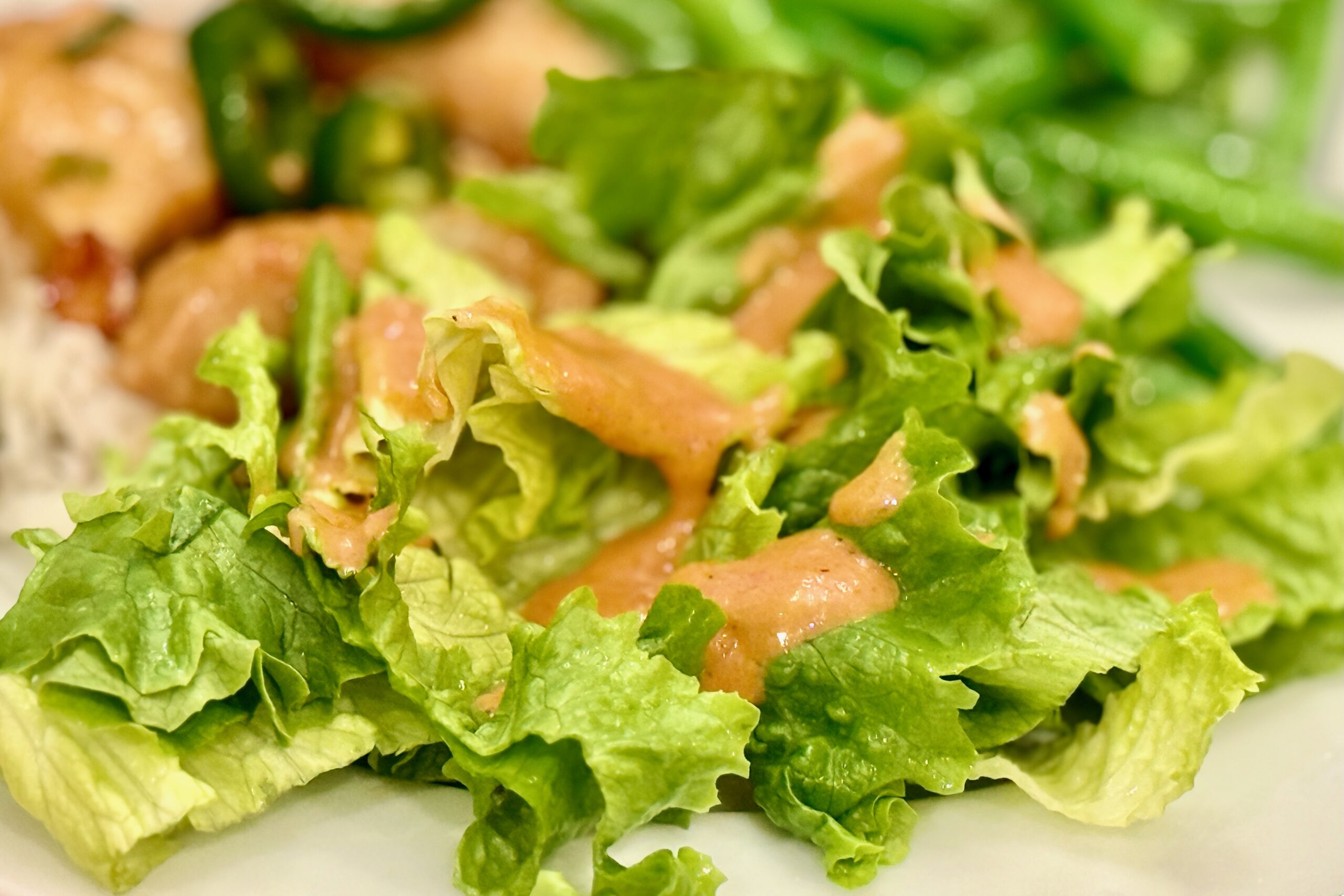
    This bright, restaurant-style ginger dressing brings together aromatic ginger, sweet onion, and balanced acidity for a flavor reminiscent of Japanese steakhouse salads. Blooming the ginger in oil enhances its fragrance, while rinsing the onion keeps the flavor clean and smooth. It’s quick to blend, deeply flavorful, and even better after an overnight rest.


    Ingredients

    • ½ cup neutral oil
    • ½ cup onion, diced, rinsed under cold water and drained
    • 3 tbsp ginger, minced
    • ⅓ cup rice vinegar
    • 2 tbsp ketchup
    • 1½ tbsp soy sauce
    • 1 tbsp sugar or honey
    • 1 tbsp lemon juice
    • 1–2 tsp fresh orange juice (optional)
    • 1 tbsp celery, minced
    • 1 tbsp water
    • ½ tsp minced garlic
    • ¼ tsp table salt
    • ¼ tsp ground black pepper
    • ⅛ tsp MSG (optional)
    • ⅛ tsp xanthan gum (optional, for thicker texture and less separation)

    Directions

    Prepare the Base:

    Add the minced ginger and neutral oil to a blender. Blend on high for 30–45 seconds to bloom the ginger and release its aroma.

    Add the rinsed and drained onion, celery, garlic, and ketchup. Blend until the mixture becomes smooth and the onion pieces are finely broken down.

    Add Seasonings & Liquids:

    Add rice vinegar, soy sauce, sugar or honey, lemon juice, optional orange juice, water, salt, pepper, and optional MSG.

    If using xanthan gum, sprinkle it evenly over the surface before blending; do not add it in a clump.

    Blend & Chill:

    Blend on high for 30–90 seconds, or until smooth with tiny visible flecks of ginger and celery.

    Chill at least 1 hour before serving; overnight is preferred for best flavor and texture.


    Notes

    Preparation

    • Rinsing the onion removes harsh sulfur compounds for a cleaner, sweeter dressing.
    • Blooming ginger in oil amplifies fragrance and rounds the flavor.
    • For deeper umami, add ½–1 tsp white miso.
    • If using xanthan gum, sprinkle evenly to avoid clumping.

    Serving Suggestions

    • Use on crisp iceberg salads for a classic Japanese steakhouse experience.
    • Drizzle over grilled chicken bowls or grain bowls for added brightness.
    • Serve as a dipping sauce for raw vegetables.

    Variations

    • For a spicier version, add a pinch of cayenne or a few drops of hot sauce.
    • For a sweeter style, increase the honey or sugar slightly.
    • For brighter acidity, add an additional teaspoon of lemon juice.

    Make-Ahead & Storage

    This dressing improves significantly after an overnight rest.

    • Refrigerator: Up to 5–7 days.
    • Shake or stir before serving if separation occurs (less likely if using xanthan gum).
  • Ramen

    Ramen

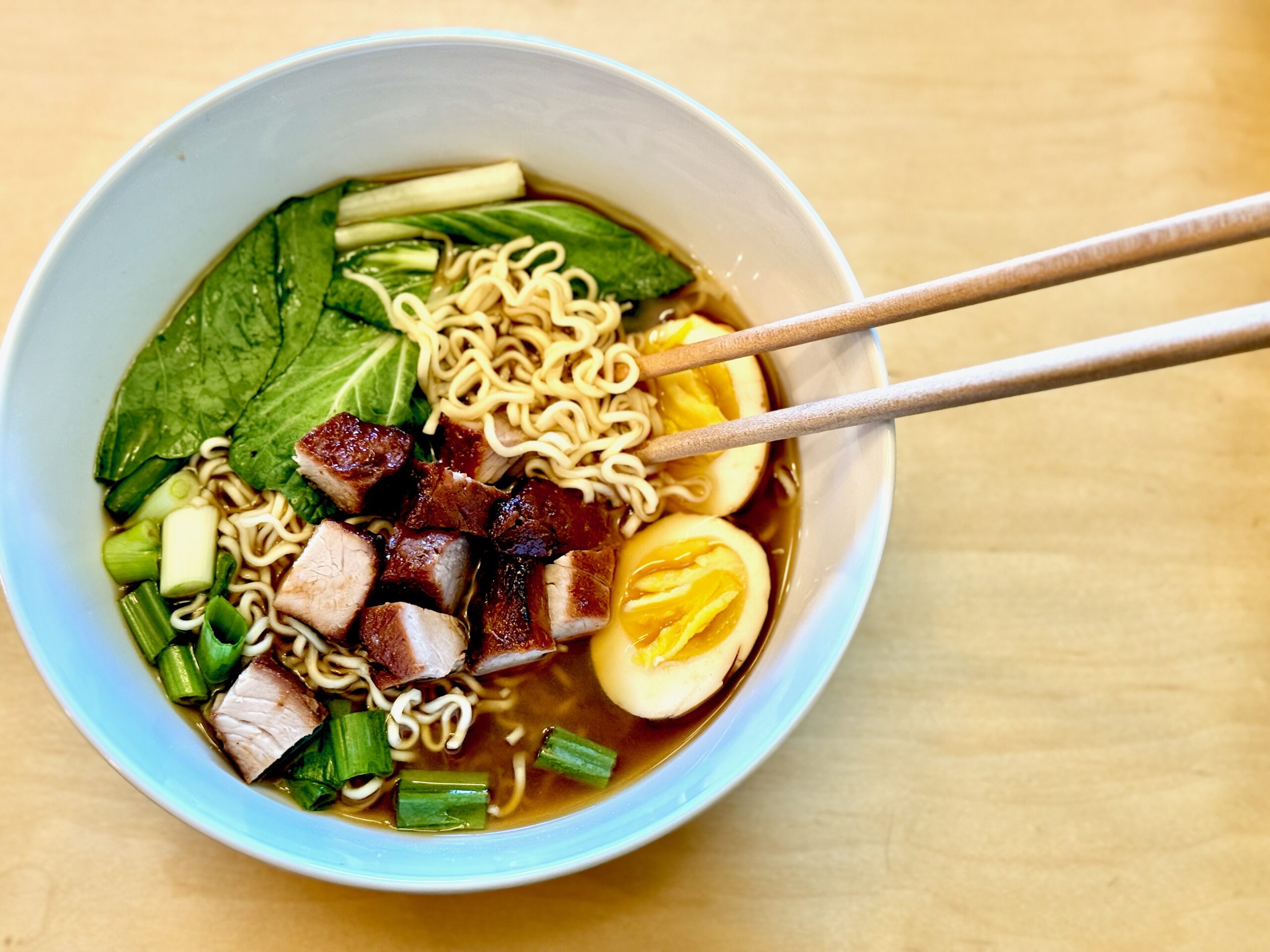
    This modular ramen guide gives you several broth options, multiple tare (seasoning sauces), and a flexible set of toppings so you can build your ideal bowl—light and clear, rich and creamy, or deeply savory with miso or soy. To prepare a delicious bowl of ramen, chose one of the three broths and combine with one of the four tare (flavoring sauces). Finish your bowl of ramen with items from the Prepare to Serve section, or your own finishing touches.


    Ingredients

    Chicken Broth

    • 1 rotisserie chicken carcass, most skin and meat removed
    • ½ onion, quartered
    • ½ tbsp garlic, minced
    • 1 oz ginger, thinly sliced
    • 2 green onions, quartered
    • ½ cup sake
    • 3 qt cold water
    • 3 packets (¼ oz each) gelatin, bloomed on ½ cup cold water

    Chicken & Dashi Broth

    • 1 recipe mizudashi
    • 1 recipe chicken broth (above)

    Chicken & Pork Broth

    • 1 recipe chicken broth or chicken & dashi broth
    • 1–1½ tbsp (or 3–4 cubes) pork bouillon
    • 1 tbsp lard
    • ½ tsp xanthan gum

    Shio Tare

    • ¼ cup dashi
    • 2 tbsp sake
    • 1 tbsp mirin
    • 1 tbsp salt

    Shoyu Tare

    • ¼ cup dashi
    • ¼ cup soy sauce
    • 2 tbsp sake
    • 2 tbsp mirin

    Miso Tare

    • ½ onion, finely chopped
    • 1 clove garlic, minced
    • 1 tbsp ginger, finely minced
    • 1 green onion, white portion only
    • 2 tbsp smooth peanut butter
    • 1 tbsp sake
    • 2 tbsp mirin
    • 1 tsp rayu chili oil
    • ½ cup white miso paste

    Char Siu Tare

    Prepare to Serve

    • Traditional ramen noodles
    • Ajitsuke tamago (soft-boiled marinated egg)
    • Diced char siu
    • Sliced green onion
    • Bok choy
    • Nori sheets
    • Menma (fermented bamboo shoots)
    • Thinly sliced onion

    Directions

    Make the Chicken Broth

    Place the chicken carcass, onion, garlic, ginger, green onions, and sake into an Instant Pot. Add water to the maximum fill line. Using the sauté function, heat and simmer for 30 minutes, skimming off any foam or impurities.

    Secure the lid and pressure cook on high for 45 minutes. Allow pressure to release naturally for at least 30 minutes.

    Strain broth through a lined fine-mesh strainer and discard solids. Adjust with water if the broth is overly strong. Stir in the bloomed gelatin until fully dissolved.

    Make the Chicken & Dashi Broth

    Combine 2 parts dashi with 3 parts chicken broth in a pot. Heat until small bubbles form but do not boil. Simmer gently for 10 minutes or up to 2 hours to intensify flavor, monitoring to prevent boiling or over-reduction.

    Make the Chicken & Pork Broth

    Dissolve pork bouillon into hot broth. Mix lard with xanthan gum until smooth and lump-free. Add to the broth and blend with an immersion blender until emulsified.

    Make Shio Tare

    Combine dashi, sake, mirin, and salt in a saucepan over low heat. Simmer until salt dissolves. Use 2–3 tbsp tare per 2 cups broth.

    Make Shoyu Tare

    Combine dashi, soy sauce, sake, and mirin in a saucepan over low heat. Simmer briefly. For deeper flavor, make 1 day ahead. Use 2–3 tbsp tare per 2 cups broth.

    Make Miso Tare

    Blend onion, garlic, ginger, green onion, peanut butter, sake, mirin, and rayu until creamy. Cook mixture in a saucepan over low heat for about 3 minutes. Remove from heat, stir in miso, and blend until smooth. Use 2–3 tbsp tare per 2 cups broth and blend into broth with an immersion blender.

    Use Char Siu Tare

    Use 2–3 tbsp tare per 2 cups broth.

    Assemble the Ramen

    Cook ramen noodles according to package or desired texture.

    Combine chosen broth with chosen tare, starting with 2 tbsp tare and adjusting to taste.

    Top with desired additions and adjust seasoning and richness to taste.


    Notes

    Preparation

    • Adding bloomed gelatin to the chicken broth enhances body and gives a collagen-rich texture similar to tonkotsu.
    • Skimming foam from the chicken broth during the initial simmer leads to a clearer broth but may be skipped if cloudiness is acceptable.
    • The chicken & pork broth is a simplified method to mimic tonkotsu without long boiling of pork bones.
    • Lard added to the pork broth contributes richness and a silky mouthfeel typical of pork-based ramen.
    • Xanthan gum in the pork broth helps keep fats and liquids emulsified for a smoother broth.

    Serving Suggestions

    • Customize toppings with mushrooms, corn, sautéed greens, chili crisp, or flavored oils.
    • Increase tare for a saltier, more intense bowl; reduce for a lighter profile.

    Variations

    • Use mushroom dashi for a vegetarian-friendly broth base.
    • Add a small amount of sesame paste to miso tare for a richer Hokkaido-style bowl.
    • Infuse the broth with garlic oil, chili oil, or schmaltz for additional complexity.

    Make-Ahead & Storage

    • Broths keep refrigerated for 4–5 days or frozen for 3 months.
    • Tare keeps refrigerated 1–2 weeks; miso tare lasts longest due to its salt content.
    • Store toppings (char siu, eggs, greens) separately for best texture.
  • Ajitsuke Tamago — Marinated Ramen Eggs

    Ajitsuke Tamago — Marinated Ramen Eggs

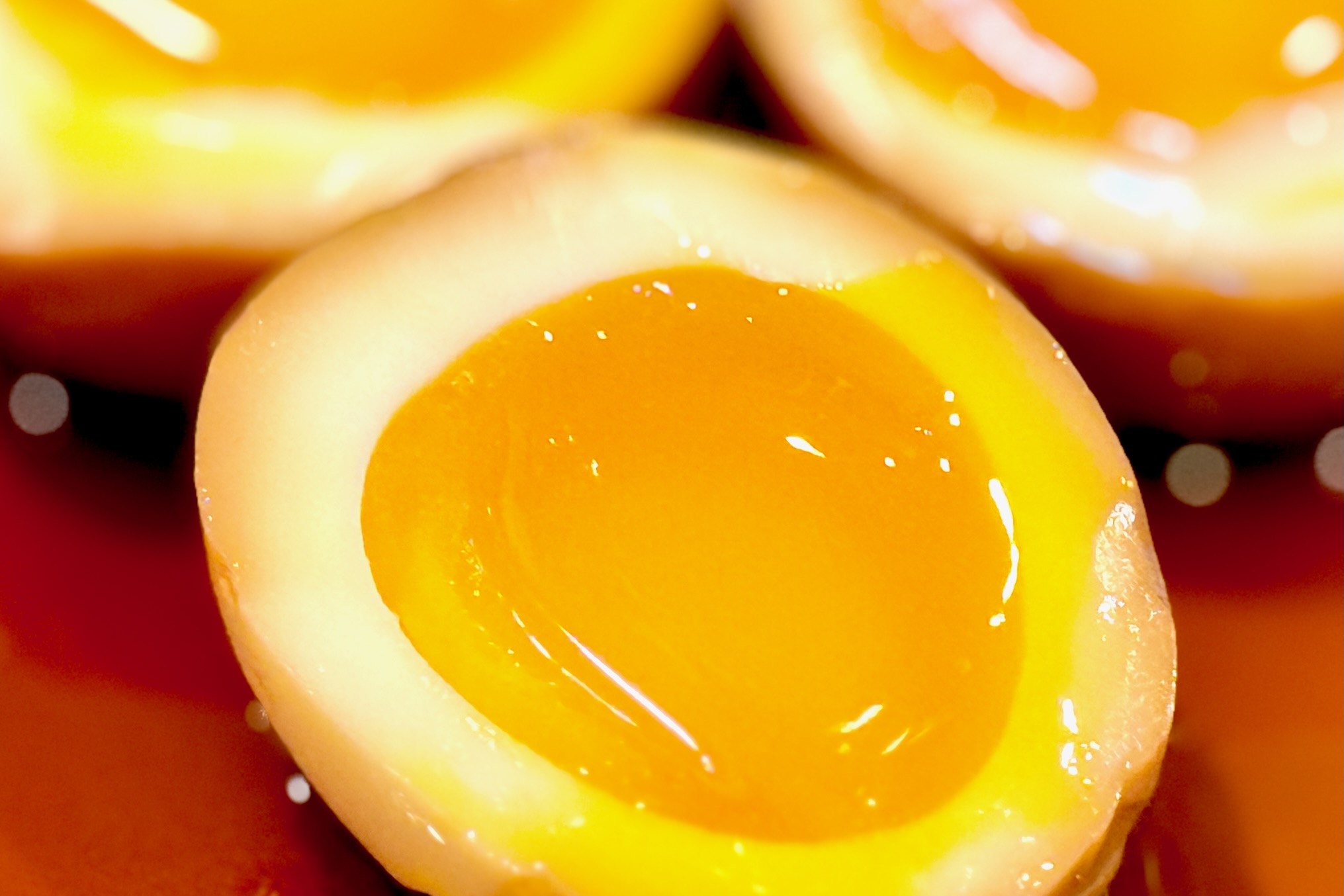
    These marinated ramen eggs—ajitsuke tamago—bring that silky, jammy yolk and savory-sweet flavor you expect from a good bowl of ramen. A balanced shoyu-mirin marinade and a precise cook time create restaurant-quality results every time.


    Ingredients

      Eggs

    • 6 large eggs, room temperature
    • Marinade

    • ½ cup soy sauce or tamari
    • ½ cup water
    • ½ cup mirin
    • ¼ cup sake
    • 3 tbsp sugar (or ¼ cup for a sweeter flavor)
    • Optional Aromatics

      • 1 crushed garlic clove
      • 1 thin slice fresh ginger
      • 1 small piece kombu (1×2 in), added off-heat
      • 1 dried shiitake mushroom
      • ⅛ piece star anise

    Directions

    Make the Marinade

    In a saucepan over medium heat, combine soy sauce or tamari, mirin, sake, water, and sugar.

    Stir just until the sugar dissolves; do not boil.

    Remove from heat and add any optional aromatics.

    Cool quickly using an ice bath or refrigerate until fully chilled.

    Cook the Eggs

    Bring a pot of water to a rolling boil. Lower the eggs gently into the boiling water.

    Cook for 6 minutes 30 seconds for a softer, molten-jam yolk, or 7 minutes for a firmer, jammy yolk.

    Transfer immediately to an ice bath and chill completely.

    Peel carefully once cooled.

    Marinate

    Ensure the marinade is fully chilled.

    Place peeled eggs in the marinade and use a folded paper towel to keep them submerged.

    Refrigerate for 4–8 hours for ideal flavor, or up to 12 hours for a stronger cure.

    Serve

    Remove eggs from the marinade and rest at room temperature for 10–15 minutes before serving.

    Slice cleanly using a damp knife (wipe between cuts) or use plain dental floss for perfect halves.


    Notes

    Preparation

    • For the most consistent yolk texture, start with room-temperature eggs.
    • For a richer umami profile, kombu or dried shiitake are the most impactful optional aromatics.
    • Use a slotted spoon or spider skimmer to lower eggs into the water to prevent cracking.

    Serving Suggestions

    • Serve atop shoyu, shio, or miso ramen.
    • Delicious with rice bowls, soba, or cold noodle dishes.
    • Can be served whole or halved depending on presentation preference.

    Variations

    • For sweeter eggs (common in tsukemen), use the full ¼ cup sugar.
    • Add a few drops of toasted sesame oil to the marinade for a nutty aroma.
    • For a soy-forward, darker exterior, increase soy sauce by 2–3 tbsp and reduce water accordingly.

    Make-Ahead & Storage

    • Marinated eggs keep well for 3–4 days in the refrigerator.
    • The flavor deepens with time; if storing longer, taste intermittently to avoid over-salting.
    • Store eggs fully submerged in marinade for best results.