Bags of Spices

Favorite Recipes

Greek

Mediterranean comfort — grilled dishes, fresh salads, olive-rich sauces, herbs, and classic favorites inspired by Greek home cooking and tradition.

  • Greek Lemon Potatoes

    Greek Lemon Potatoes

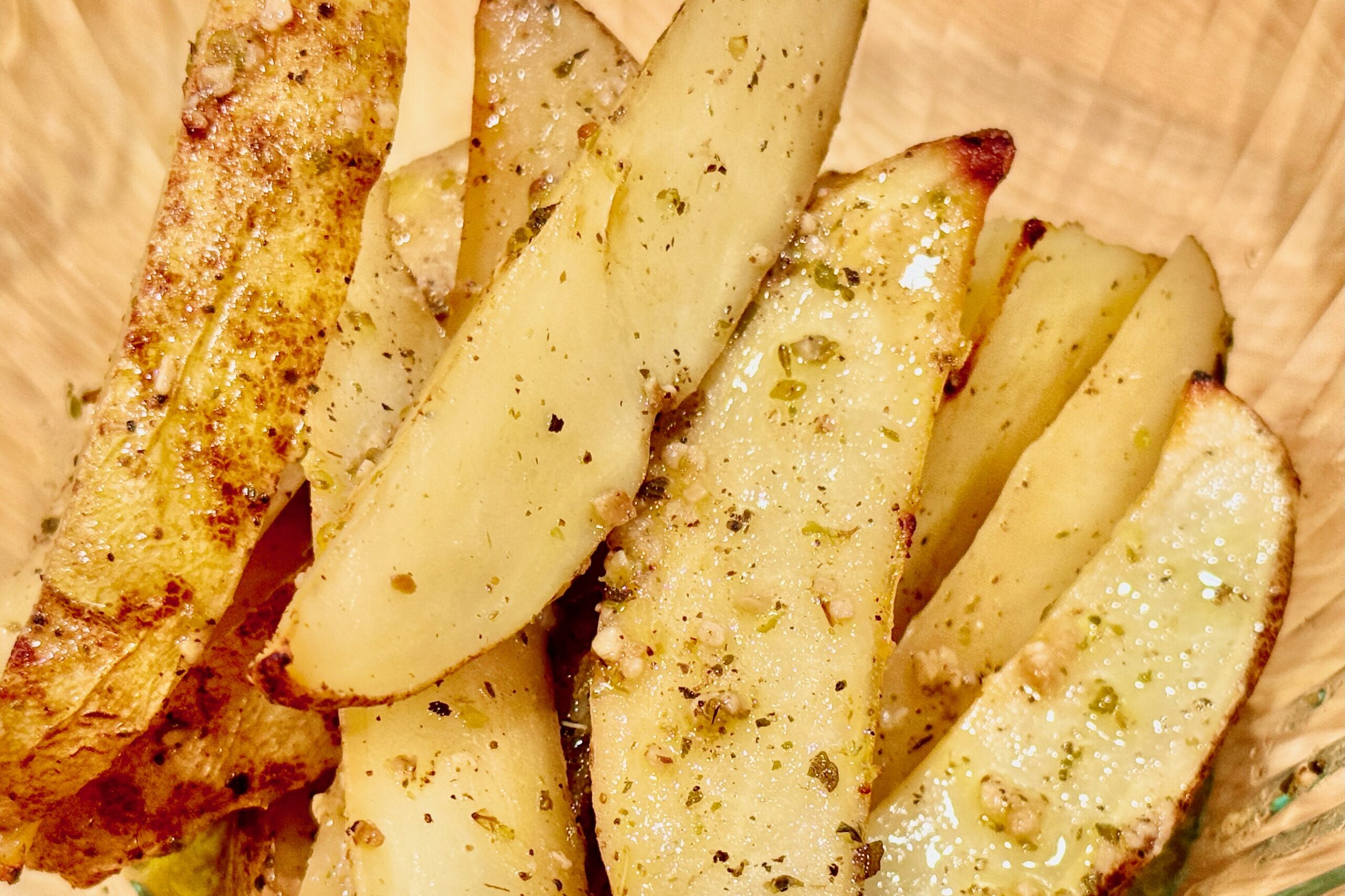
    These Greek Lemon Potatoes are built around the classic taverna method: potatoes gently braised in lemony broth until creamy inside, then roasted uncovered so the liquid reduces and the edges turn deeply golden and crisp. Yukon Golds hold their shape while soaking up bright lemon, oregano, and garlic, and a small finish of butter rounds the acidity without dulling it. The result is a side dish that’s bold, savory, and unmistakably Greek—equally at home next to roast chicken, lamb, or a simple grilled protein.


    Ingredients

    • 2½ lbs Yukon Gold potatoes
    • ⅓ cup olive oil
    • ¼ cup fresh lemon juice
    • Zest of 1 lemon
    • 2 tsp dried oregano
    • Pinch dried thyme
    • 1 tbsp garlic, minced (see note for whole garlic option)
    • ½ tbsp table salt, divided
    • ½ tsp black pepper
    • 1¼ cups chicken broth
    • 1–2 tbsp unsalted butter
    • 1–2 tsp fresh parsley, finely chopped

    Directions

    Prepare the Potatoes

    Wash the potatoes and slice into thick wedges (skin on or peeled). Place in a large bowl of cold water and soak for at least 30 minutes to remove excess surface starch. Drain well and pat thoroughly dry.

    Prepare the Seasoned Oil

    In a small saucepan, gently warm the olive oil over low heat. Add the oregano, thyme, and garlic and cook just until fragrant, 30–60 seconds, taking care not to brown the garlic. Remove from heat.

    Stir in the lemon juice, ¾ of the salt, and the black pepper.

    Roast – Phase One (Braise & Steam)

    Preheat the oven to 400°F (200°C).

    Arrange the potatoes in a single layer in a 9×13-inch baking dish. Pour the seasoned oil mixture evenly over the potatoes and toss gently to coat.

    Carefully pour the chicken broth into the sides of the baking dish, avoiding pouring directly over the potatoes. The potatoes should be partially submerged, with their tops exposed.

    Cover loosely with foil and roast for 30 minutes.

    Roast – Phase Two (Reduce & Crisp)

    Remove the foil. Dot the butter between the potatoes, allowing it to melt into the broth as it reduces.

    Continue roasting uncovered until most of the liquid has reduced and the bottoms of the potatoes are deeply golden, about 30–35 minutes. Toss once only after the potatoes release cleanly from the pan.

    Return to the oven and roast an additional 20–30 minutes, until the potatoes are golden, crisp-edged, and fork-tender. Broil briefly if desired for extra color.

    Finish

    Transfer the potatoes to a serving dish and spoon over any remaining pan juices. Sprinkle with lemon zest and parsley. Taste and adjust with the remaining salt if needed. Serve immediately.


    Notes

    Preparation

    • Soaking the potatoes removes excess surface starch, helping the wedges roast with crisper edges instead of turning gummy.
    • Blooming the oregano and garlic in warm oil softens oregano’s bitterness and prevents raw garlic harshness, resulting in a rounder, more integrated flavor.
    • Avoid pouring broth directly over the potatoes. Keeping the tops dry allows them to roast while the bottoms gently braise.
    • Salt is added in stages: most goes in early to season the interior, with a final adjustment once the liquid has reduced and flavors have concentrated.

    Serving Suggestions

    • Serve alongside roast chicken, lamb, or grilled meats.
    • Pairs well with a simple cucumber–tomato salad or tzatziki to balance the richness and lemony depth.
    • Best served hot from the oven, when the edges are crisp and the centers are creamy.

    Variations

    • Whole Garlic Option: Whole garlic cloves (lightly smashed) may be used in place of minced garlic. As they roast, the cloves soften and sweeten, lending a gentler, more rounded garlic flavor without the sharper bite of minced garlic.

    Make-Ahead & Storage

    • These potatoes are best served fresh, but leftovers keep well.
    • Refrigerate in an airtight container for up to 3 days.
    • Reheat uncovered in a hot oven (400°F / 200°C) to restore crisp edges. Avoid microwaving, which softens the exterior.
  • Spanakopita Triangles

    Spanakopita Triangles

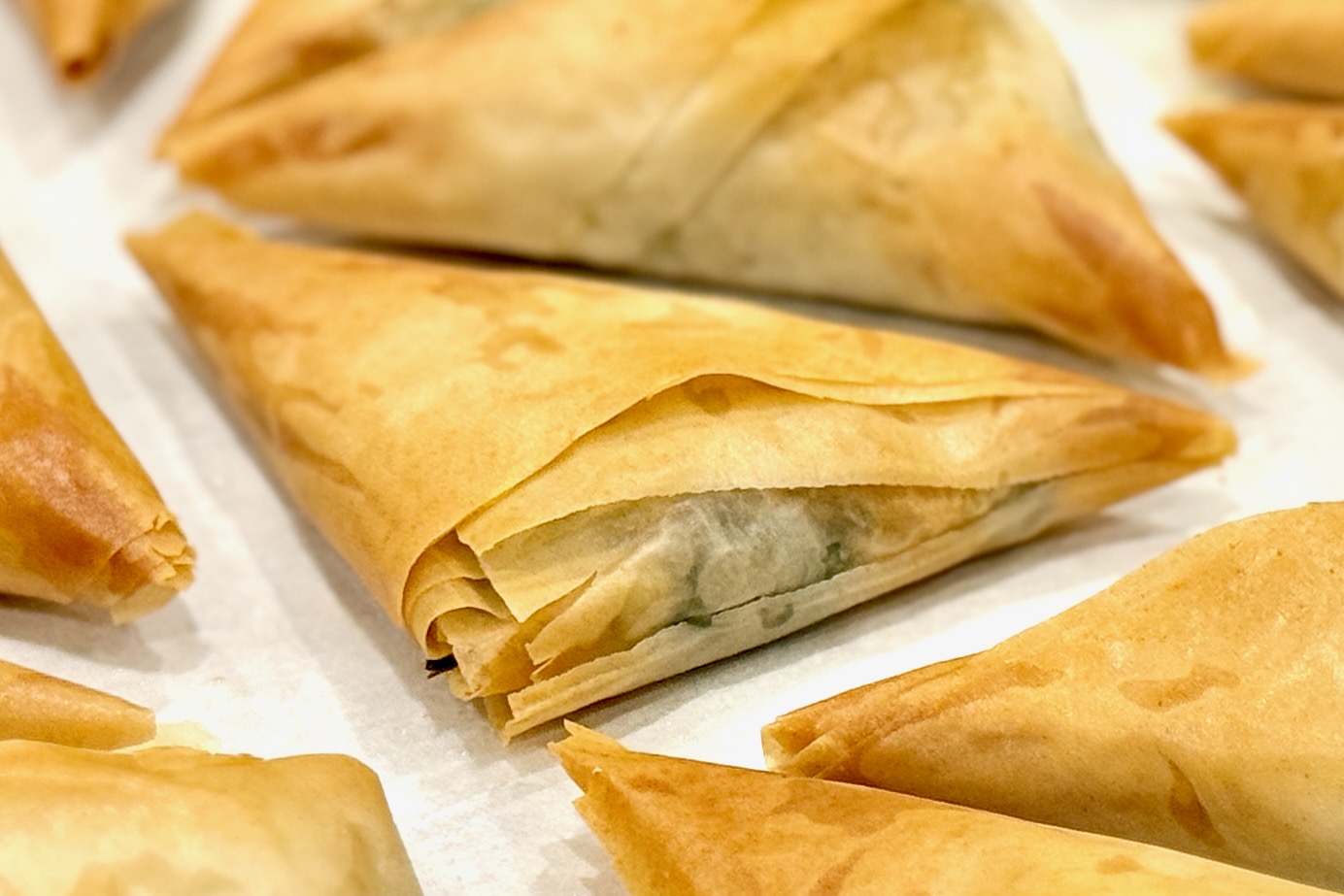
    These spanakopita triangles are crisp, buttery, and filled with a savory blend of spinach, feta, and fresh herbs. Dill leads the flavor, supported by parsley and a subtle hint of mint, creating a filling that’s bright, aromatic, and unmistakably Mediterranean. Baked until golden and shatteringly crisp, they’re perfect as an appetizer, mezze platter addition, or make-ahead snack.


    Ingredients

    • 1 tbsp olive oil (or butter)
    • ½ onion, finely diced
    • 1 tsp garlic, finely chopped
    • 2 tbsp fresh dill, finely chopped (or 2 tsp dried dill)
    • 1 tbsp fresh parsley, finely chopped (or 1 tsp dried parsley)
    • ¼ tsp dried mint
    • ¾–1 tsp shoarma spice mix (optional)
    • 1 package (12–16 oz) frozen spinach, thawed and very well squeezed dry, or equivalent fresh spinach, cooked down and drained
    • 1 egg, lightly beaten
    • ½ cup crumbled feta
    • salt & freshly ground black pepper, to taste
    • frozen phyllo dough, thawed
    • butter, melted

    Directions

    Prepare the Filling

    Preheat oven to 375ºF. Line two half-sheet pans with parchment. Heat a skillet over medium heat and add olive oil (or butter). Add onion and cook until softened but not browned.

    Stir in garlic, dill, parsley, mint, and shoarma spice mix (if using) and cook just until fragrant.

    Use a clean tea towel to squeeze as much liquid as possible from the spinach; coarsely chop if needed. Add spinach to the skillet and heat through. Remove from heat and let cool slightly, then stir in egg and feta. Season with salt and pepper to taste.

    Assemble the Triangles

    While the phyllo is still wrapped, use a sharp knife to cut it into 3 equal sections (about 3″ wide strips). Work with one section at a time, keeping the remaining dough covered with plastic or a lightly damp towel to prevent drying.

    Place one strip of phyllo on the work surface and brush lightly with melted butter. Top with a second strip and brush again. Place about ½ tbsp of filling near the bottom corner. Fold the corner over the filling to form a triangle, then continue folding in a flag pattern up the strip, maintaining the triangle shape. Transfer to the prepared baking sheet.

    Bake

    Repeat with remaining phyllo and filling, spacing triangles slightly apart. Bake for 18–22 minutes, until crisp and golden brown.


    Notes

    Preparation

    • Spinach must be squeezed very dry to prevent soggy filling and torn phyllo.

    Variations

    • Shoarma Spice Mix: This is a non-traditional addition. Classic Greek spanakopita relies on fresh herbs rather than warm spice blends. Used sparingly here, it adds subtle warmth and depth; omit it for a fully traditional Greek flavor.

    Make-Ahead & Storage

    • Unbaked triangles may be frozen solid and baked from frozen, adding 3–5 minutes to the bake time.
  • Greek Salad Dressing with Feta & Olives

    Greek Salad Dressing with Feta & Olives

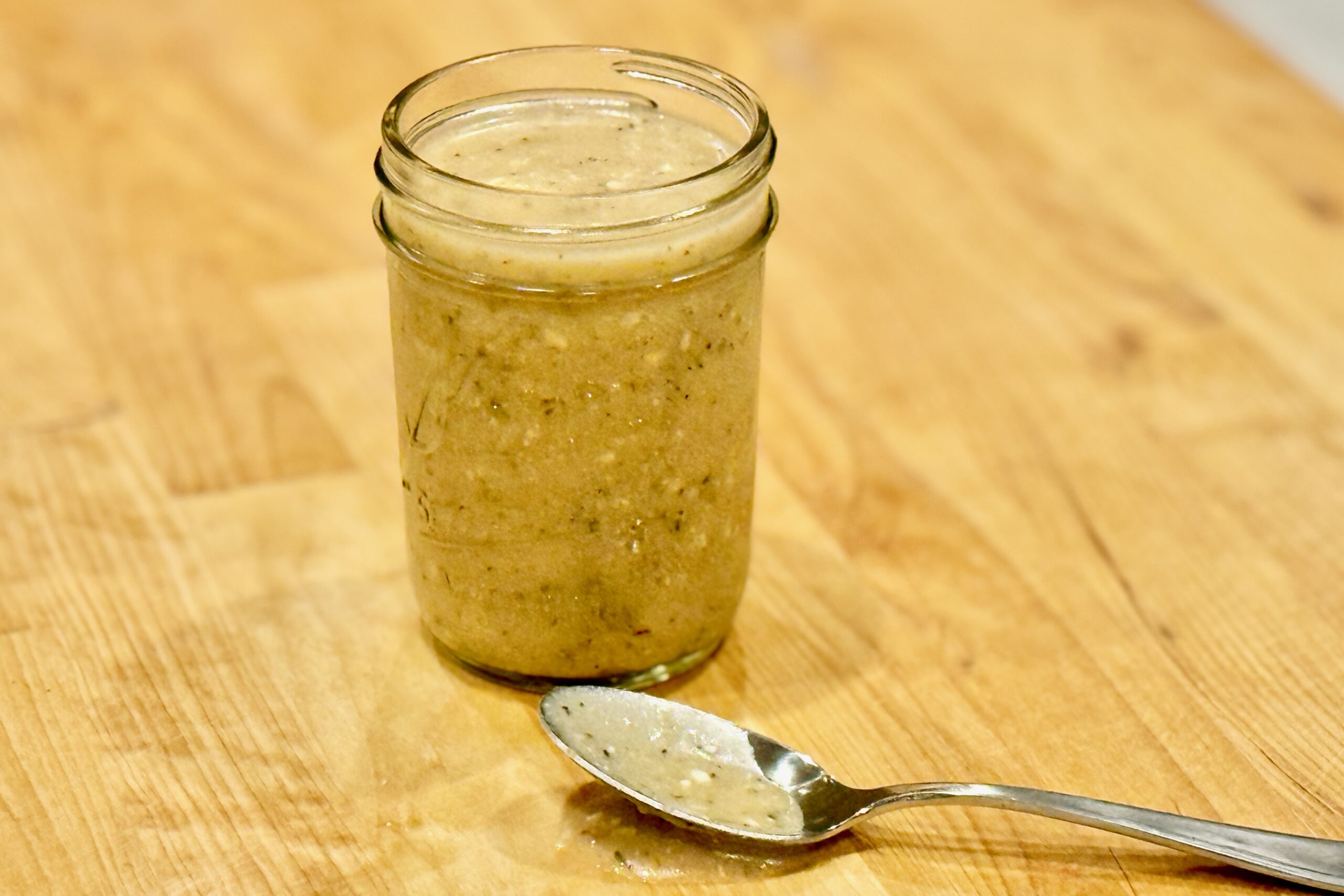
    This Greek-inspired salad dressing layers bright red wine vinegar and lemon juice with briny feta, savory anchovy, and a whisper of olives for a bold, restaurant-style flavor. It’s thick enough to cling to crisp lettuce and chopped vegetables, yet pourable enough for drizzling over Greek salads, grain bowls, and grilled chicken.


    Ingredients

    • ¼ cup red wine vinegar
    • ¼ cup lemon juice
    • ¼ cup water
    • 1 tbsp sugar
    • ½ tbsp dried oregano
    • 1 tsp garlic powder
    • 1 tsp onion powder
    • 1 tsp table salt
    • ¼ tsp xanthan gum
    • 2 anchovy fillets (or ½ tbsp fish sauce)
    • ⅓ cup extra virgin olive oil
    • ⅓ cup avocado oil (or canola)
    • ¼ cup feta, crumbled
    • 2 tbsp black or Kalamata olives, finely chopped (optional)
    • Black pepper, to taste

    Directions

    Blend the Base:

    In a food processor or blender, combine the red wine vinegar, lemon juice, water, sugar, dried oregano, garlic powder, onion powder, salt, xanthan gum, and anchovy fillets (or fish sauce). Blend until smooth and the seasonings are fully combined.

    Emulsify the Oils:

    With the food processor or blender running on low speed, slowly drizzle in the olive oil and avocado oil in a thin, steady stream. Continue blending until the dressing is fully emulsified and slightly thickened.

    Add Feta and Olives:

    Add the crumbled feta and, if using, the finely chopped olives. Pulse just until the feta and olives are broken up and evenly distributed for a slightly chunky, textured dressing.

    For a creamier, smoother dressing, blend a bit longer until the feta is mostly incorporated into the emulsion.

    Season and Chill:

    Taste and adjust the seasoning, adding more salt if needed and black pepper to taste.

    Transfer the dressing to a jar or bottle and refrigerate for at least 30 minutes before serving to allow the flavors to meld and the dressing to thicken slightly.


    Notes

    Preparation

    • Blend the base long enough to fully dissolve the sugar and hydrate the dried oregano before adding the oils.
    • Drizzle the oils in slowly for the most stable emulsion, especially if not using xanthan gum.
    • Use good-quality, briny feta for the best flavor and a creamy, rich finish.
    • Finely chop the olives so they distribute evenly without creating large salty bites.
    • Shake or stir well before each use, especially if the dressing has been refrigerated overnight.

    Serving Suggestions

    • Drizzle over classic Greek salads with romaine, cucumbers, tomatoes, red onion, olives, and extra feta.
    • Toss with chopped salads, grain bowls, or pasta salads for a bright, tangy kick.
    • Use as a quick marinade for chicken, pork, or shrimp before grilling or roasting.
    • Spoon over sliced tomatoes, cucumbers, and red onions for a simple side dish.

    Variations

    • Extra Creamy: Blend the feta fully into the dressing and add an extra 2 tbsp feta for a thicker, more luxurious texture.
    • Olive-Forward: Increase the chopped olives to 3–4 tbsp and leave the feta slightly chunky for more bursts of briny flavor.
    • Milder Anchovy: Start with 1 anchovy fillet or 2 tsp fish sauce, then adjust to taste if you prefer a subtler umami note.
    • No Xanthan Gum: Omit the xanthan gum for a more traditional vinaigrette-style dressing—just shake well before serving as it will separate over time.

    Make-Ahead & Storage

    • Refrigeration: Store in an airtight jar or bottle in the refrigerator.
    • Storage Time: For best quality and food safety, use within 4–5 days due to the feta and anchovy/fish sauce.
    • Before Serving: The dressing will thicken when chilled; let it sit at room temperature for 10–15 minutes and shake or stir well before using.
    • Separation: Some separation is normal. If not using xanthan gum, shake vigorously to re-emulsify before each use.