Bags of Spices

Favorite Recipes

Greek

Mediterranean comfort — grilled dishes, fresh salads, olive-rich sauces, herbs, and classic favorites inspired by Greek home cooking and tradition.

  • Chicken Gyro

    Chicken Gyro

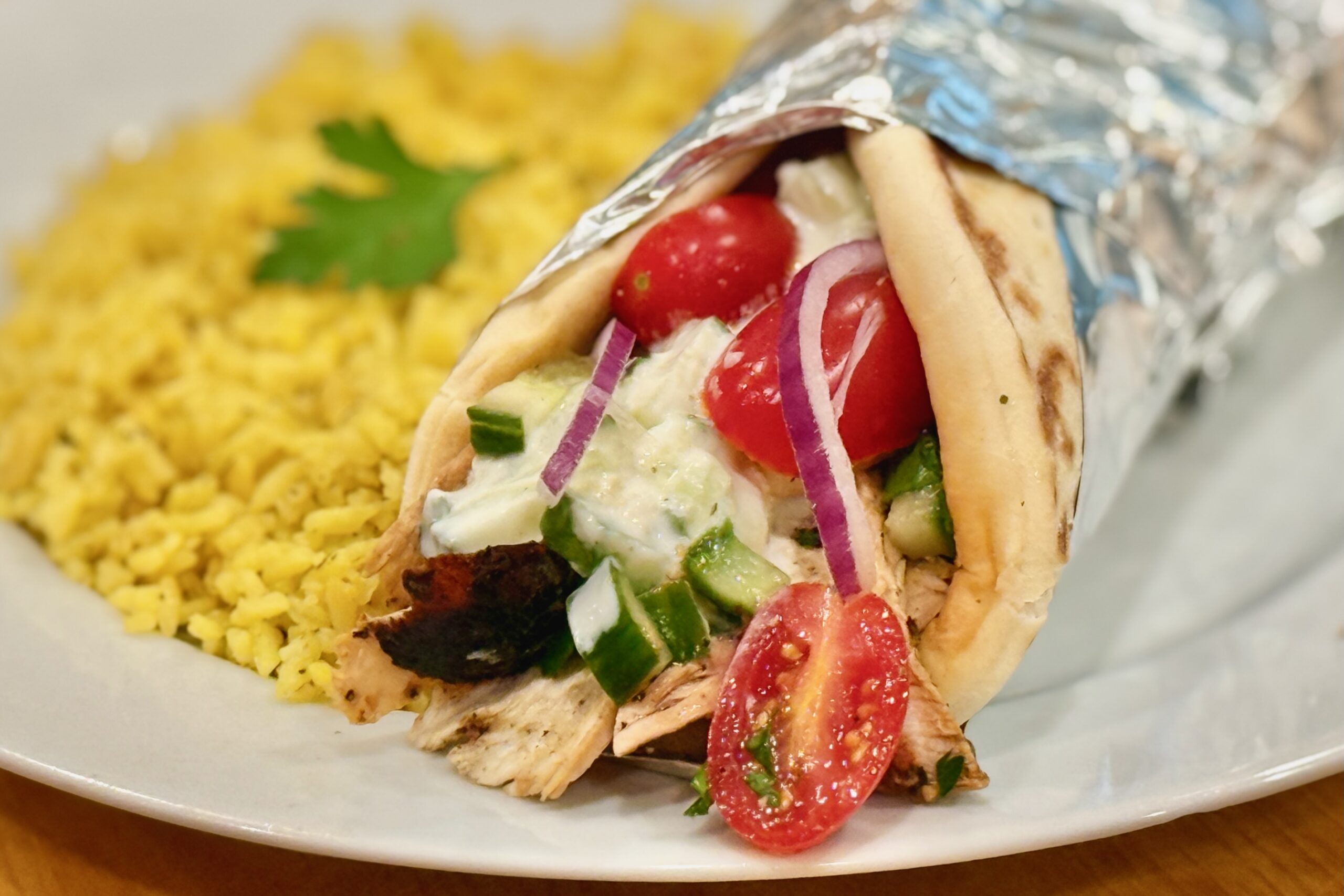
    On a family trip to Corfu, we stopped at a small waterside restaurant and ordered one of the best gyros we had ever tasted. The chicken was deeply seasoned, moist, and tender, with bright lemon, garlic, and oregano and none of the heavy, meatloaf-like texture so common in the United States. This version is our home tribute to that meal—grilled whole for juiciness, sliced and crisped in a hot skillet for authentic gyro-style edges, then wrapped in warm pita with fresh salad and cool tzatziki.


    Ingredients

    Chicken

    • 4 lb boneless, skinless chicken thighs

    Marinade

    • 2 tbsp garlic, minced
    • ⅓ cup lemon juice
    • ⅓ cup plain Greek yogurt
    • 2 tbsp white wine vinegar
    • 2 tbsp extra virgin olive oil
    • 3 tbsp dried oregano, rubbed between your palms before adding
    • 1 tsp paprika
    • ½ tsp ground cumin
    • ½ tsp ground coriander
    • 1 tbsp table salt
    • 1 tsp freshly ground black pepper

    Tzatziki

    • 1 English cucumber, diced or grated
    • 1½ cups plain Greek yogurt
    • 2 tbsp lemon juice
    • 2 tbsp extra virgin olive oil
    • 1 tsp garlic, minced
    • ½ tsp table salt
    • Freshly ground black pepper, to taste

    Salad

    • 2 English cucumbers, diced
    • 4 to 5 tomatoes, seeded and diced
    • ½ large red onion, thinly sliced
    • ¼ cup fresh parsley, chopped
    • 1 to 2 tbsp lemon juice, or to taste
    • 1 to 2 tbsp extra virgin olive oil, or to taste
    • ½ tsp dried oregano, crushed
    • Salt and freshly ground black pepper, to taste

    For Serving

    • Flatbread or pita
    • Olive oil, for warming the pita
    • Lemon wedges, for finishing
    • A small pinch of dried oregano for each gyro, optional but recommended

    Directions

    Marinate the Chicken

    In a large bowl or resealable container, combine the garlic, lemon juice, Greek yogurt, white wine vinegar, olive oil, oregano, paprika, cumin, coriander, salt, and black pepper. Rub the oregano between your palms before adding to help release its aroma.

    Add the chicken thighs and turn well to coat. Cover and refrigerate for 3 to 24 hours. Overnight is ideal.

    Make the Tzatziki

    In a medium bowl, stir together the cucumber, Greek yogurt, lemon juice, olive oil, garlic, salt, and black pepper.

    Refrigerate for at least 30 minutes before serving to let the flavors meld.

    Prepare the Salad

    In a separate bowl, combine the cucumbers, tomatoes, red onion, and parsley.

    Toss with the lemon juice, olive oil, crushed oregano, salt, and black pepper to taste. Refrigerate until ready to serve.

    Grill the Chicken

    Preheat a grill to medium-high heat. Remove the chicken from the marinade and grill the thighs whole until cooked through and nicely marked, about 5 to 7 minutes per side depending on thickness.

    Cook until the thickest part of the chicken reaches an internal temperature of 165°F (74°C).

    Transfer to a cutting board and let rest for 5 to 10 minutes.

    Slice and Crisp

    Slice the rested chicken into thin strips. Heat a large skillet over high heat and add a small amount of oil.

    Add the sliced chicken and cook briefly, tossing for 60 to 90 seconds, until the edges crisp and brown in spots.

    Finish with a small squeeze of lemon juice.

    Warm the Pita and Assemble

    Lightly brush the pita or flatbread with olive oil and warm on a hot skillet, grill, or griddle for 20 to 30 seconds per side, just until soft, hot, and lightly toasted.

    To serve, place chicken on the warm pita, spoon over tzatziki, add the salad, and finish with a small pinch of dried oregano if desired.


    Notes

    Preparation

    • For the best flavor, marinate the chicken overnight.
    • Chicken breast can be substituted for thighs. Grill to an internal temperature of 150°F (65.6°C) and hold at or above that temperature for about 3 minutes to achieve pasteurization. Use an instant-read thermometer to verify the temperature in the thickest part of the meat.
    • If using regular cucumbers for the tzatziki, dice or grate them, salt lightly, let rest 10 to 15 minutes, then squeeze dry in a kitchen towel before mixing into the yogurt.
    • English cucumbers usually contain less moisture, so that draining step is often unnecessary, though a light squeeze is still helpful if they seem especially juicy.
    • You may use diced cucumber, grated cucumber, or a combination in the tzatziki. A 50/50 mix of diced and grated cucumber gives an especially nice texture—creamy, but still fresh and crisp.

    Serving Suggestions

    • Serve with Greek Lemon Rice, fries, roasted potatoes, or a simple Greek-style salad for a full meal.
    • For a traditional Greek gyro-shop feel, wrap the finished gyro loosely in parchment or foil before serving.
    • Extra lemon wedges on the side are excellent for brightening each bite.

    Variations

    • For a traditional herb note in the tzatziki, add 1 to 2 tsp finely chopped fresh dill or mint.
    • Flatbread works well here, but warm pita gives the most classic gyro-style presentation.
    • A few fries tucked into the gyro are a very Greek addition and make it even closer to the style commonly served in Greece.

    Make-Ahead & Storage

    • The chicken can be marinated up to 24 hours ahead.
    • The tzatziki can be made 1 day ahead and kept refrigerated.
    • The salad is best made the day of serving, though the vegetables can be chopped ahead and dressed shortly before assembling.
    • Leftover cooked chicken keeps well in the refrigerator for up to 3 days. Reheat in a hot skillet to restore some of the crisp edges before serving.
  • Greek Lemon Rice

    Greek Lemon Rice

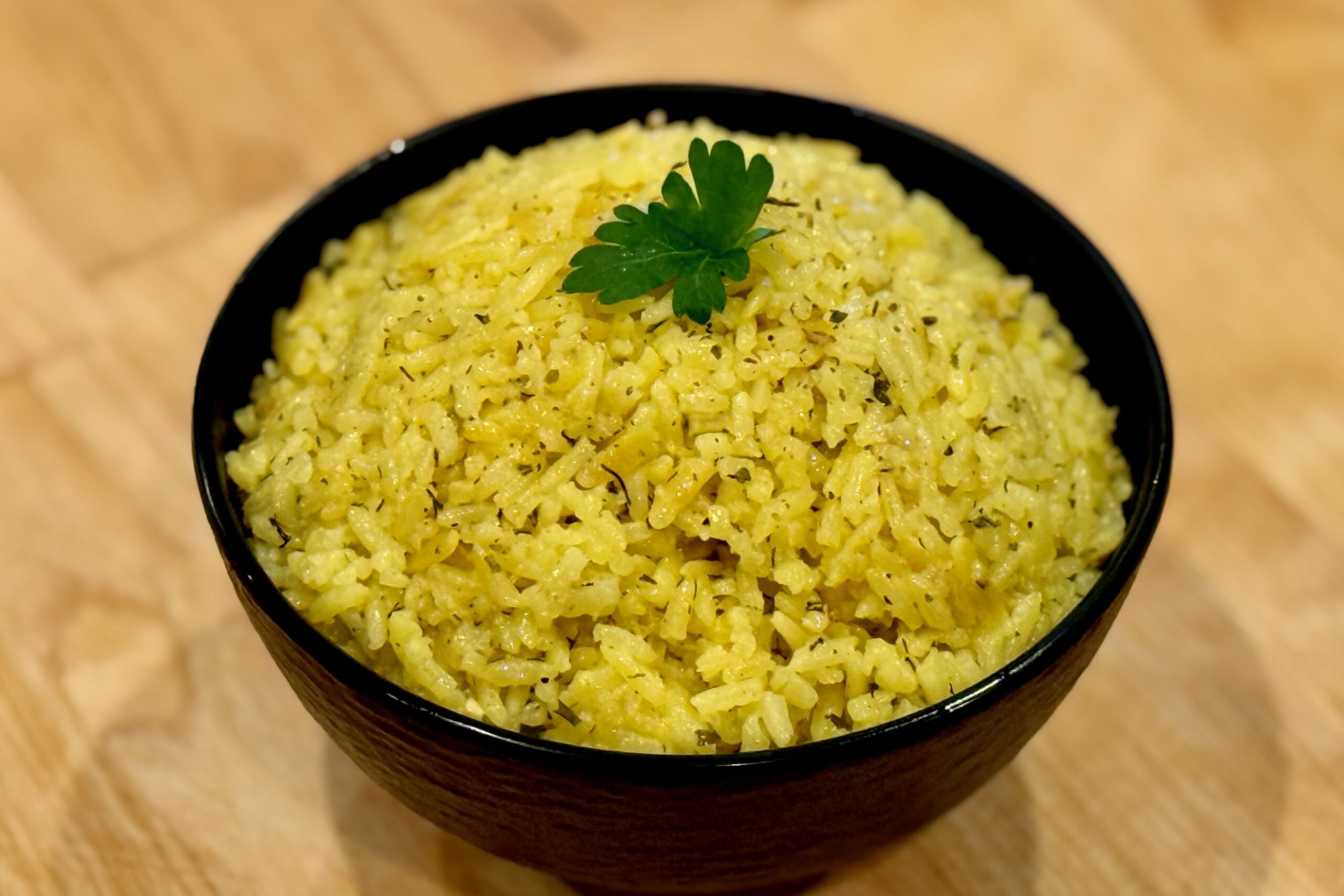
    Bright, savory, and finished with plenty of lemon, this Greek-style rice is an easy way to round out a chicken gyro dinner. Onion, garlic, broth, dill, and parsley build a simple but flavorful base, while a touch of butter adds richness and a tiny pinch of turmeric gives the rice a warm golden color without changing the flavor.


    Ingredients

    • 1 cup long-grain white rice, rinsed
    • 1 tbsp orzo pasta (optional)
    • 1¼ cups chicken broth
    • 2 tbsp olive oil
    • ¼ cup finely diced onion
    • 2 cloves garlic, minced
    • 1½ tsp fresh dill, chopped (or ½ tsp dried)
    • 1½ tsp fresh parsley, finely chopped (or ½ tsp dried)
    • ¼ tsp black pepper
    • ⅛ tsp turmeric
    • ¼ tsp onion powder
    • 1 small bay leaf
    • 1 tsp chicken bouillon (optional but recommended, preferably Better Than Bouillon)
    • 2 tbsp fresh lemon juice
    • 1 tsp lemon zest (optional)
    • 1 tbsp butter
    • table salt, to taste

    Directions

    Sauté the Aromatics

    Heat a medium skillet over medium heat. Add the olive oil and cook the onion for about 5–7 minutes, stirring occasionally, until softened and lightly golden.

    Add the garlic and cook for 30 seconds, just until fragrant.

    Toast the Rice

    Add the rinsed rice and optional orzo to the skillet. Cook for 1 to 2 minutes, stirring frequently, until lightly toasted and coated in the oil.

    Transfer the mixture to the Instant Pot insert.

    Add the Liquid and Seasonings

    Stir in the chicken broth, dill, parsley, black pepper, turmeric, onion powder, bay leaf, and chicken bouillon, if using. Do not add the lemon juice yet.

    Pressure Cook

    Lock the lid and cook on High Pressure for 4 minutes.

    Let the pressure release naturally for 10 minutes, then carefully vent any remaining pressure.

    Finish the Rice

    Remove the bay leaf. Fluff the rice gently with a fork. Stir in the lemon juice, lemon zest if using, and butter.

    Taste and season with table salt as needed. Serve warm, with an extra squeeze of lemon if desired.


    Notes

    Preparation

    • Rinsing the rice helps the finished texture stay fluffy and prevents excess stickiness.
    • The turmeric is used only for color and should remain subtle so the rice keeps its classic Greek flavor profile.
    • Cooking the onion until lightly golden adds depth and sweetness that helps balance the bright lemon flavor.
    • The sauté step can also be done directly in the Instant Pot using the Sauté function if preferred.

    Serving Suggestions

    • Serve alongside chicken gyros, souvlaki, grilled chicken, or lamb.
    • Finish with extra lemon wedges and a spoonful of tzatziki for a full taverna-style plate.

    Variations

    • The optional orzo adds texture and gives the rice a more traditional Greek pilaf character.
    • Fresh herbs provide the brightest flavor, but dried dill and parsley work very well for a convenient pantry version.
    • A small pinch of dried oregano can be added if you want the rice to echo the flavors in gyro-seasoned meat.

    Make-Ahead & Storage

    This rice reheats well and can be made ahead for meal prep or larger dinners.

    • Refrigerate leftovers in an airtight container for up to 4 days.
    • Reheat gently with a small splash of broth or water to loosen the rice.
    • Add a fresh squeeze of lemon after reheating to brighten the flavor.
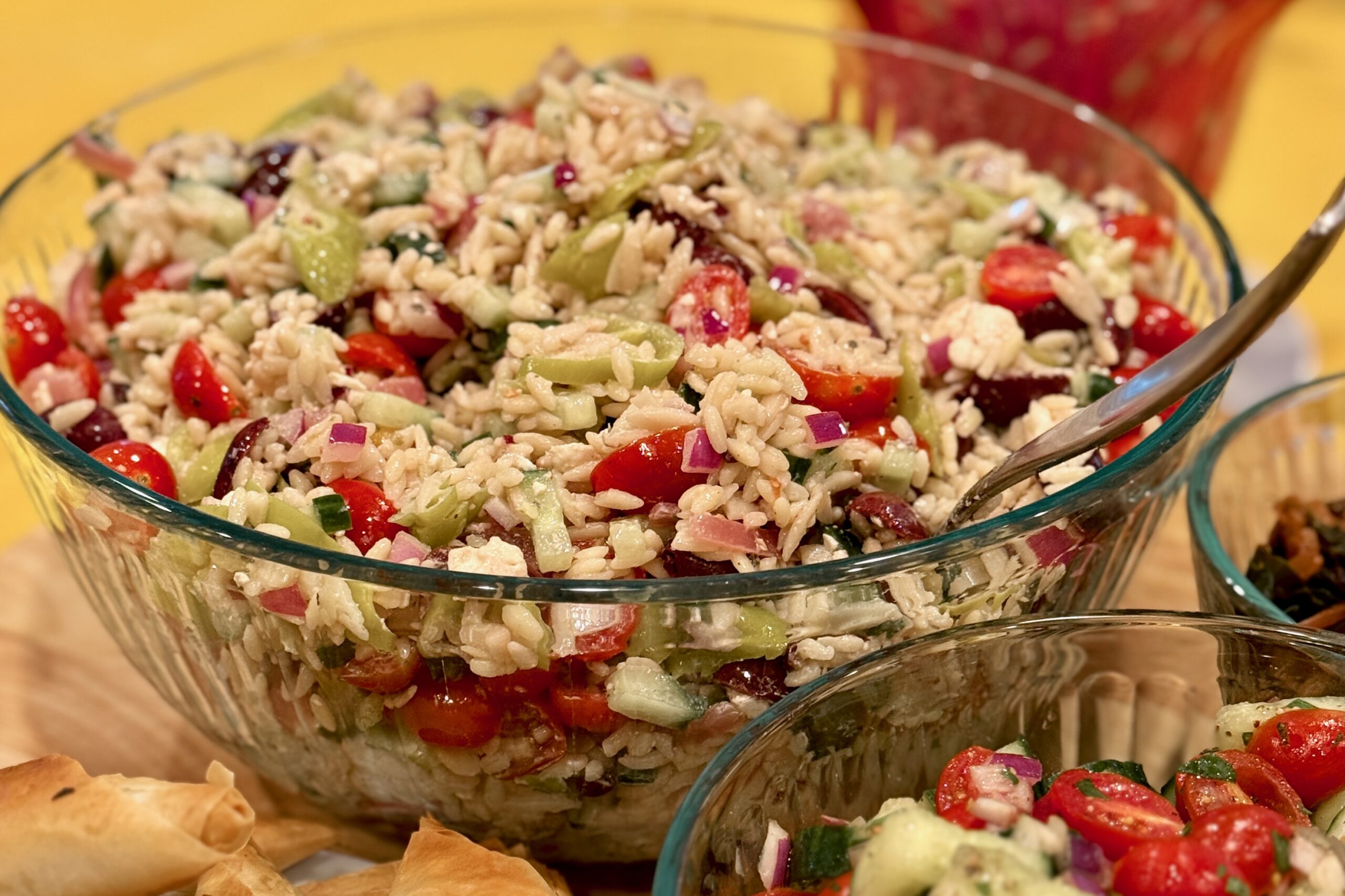
  • Greek Pasta Salad

    Greek Pasta Salad

    This Greek Pasta Salad has become a family staple for warm-weather meals and gatherings—bright, briny, and generously loaded with fresh vegetables, feta, and bold Mediterranean flavors. Built around tender orzo and tossed with our homemade Greek Salad Dressing, it’s the kind of dish that tastes even better after a little time to mingle and is easy to adapt to whatever you have on hand.


    Ingredients

    • 1 lb orzo, cooked in well-salted water and cooled
    • 1 bottle (16 oz) sliced peperoncini, drained
    • 1 bottle (16 oz) sliced Kalamata olives, drained
    • 1–2 lbs cherry tomatoes, halved
    • 1–2 English cucumbers, diced
    • 1 red onion, finely diced
    • 1 recipe Greek Salad Dressing with Feta & Olives
    • 12 oz feta cheese, crumbled

    Directions

    Prepare the Salad Base

    In a large bowl, combine the cooked and cooled orzo, peperoncini, olives, tomatoes, cucumbers, and red onion.

    Add about three-quarters of the feta and gently toss to combine.

    Dress and Rest

    Add Greek Salad Dressing gradually, tossing until lightly coated. Avoid fully dressing the salad all at once.

    Let the salad rest for 10–15 minutes, then toss again and adjust with additional dressing as needed.

    Finish and Serve

    Fold in or sprinkle the remaining feta just before serving. Taste and adjust balance if needed, keeping in mind that the olives, peperoncini, feta, and dressing all contribute salt.


    Notes

    Preparation

    • Cook the orzo in generously salted water and cool it fully before assembling the salad to prevent excess absorption of dressing.
    • For a milder onion flavor, briefly soak the diced red onion in cold water, then drain well before adding.

    Serving Suggestions

    • Serve chilled or at cool room temperature as a side dish for grilled meats, seafood, or pita-based meals.
    • Garnish with a small handful of fresh parsley or oregano if desired.

    Variations

    • Add grilled chicken, shrimp, or chickpeas to turn this into a complete meal.
    • Adjust the ratio of vegetables, olives, and peperoncini freely—this recipe is intentionally flexible.

    Make-Ahead & Storage

    • This salad can be made several hours ahead and improves as the flavors meld.
    • Before serving, toss again and refresh with a small amount of additional dressing if needed.
    • Store leftovers covered in the refrigerator for up to 3 days.

    Shortcut Option: Ken’s Steak House Greek Dressing with Feta Cheese and Black Olives may be used in place of the homemade dressing; start with a smaller amount and adjust to taste.

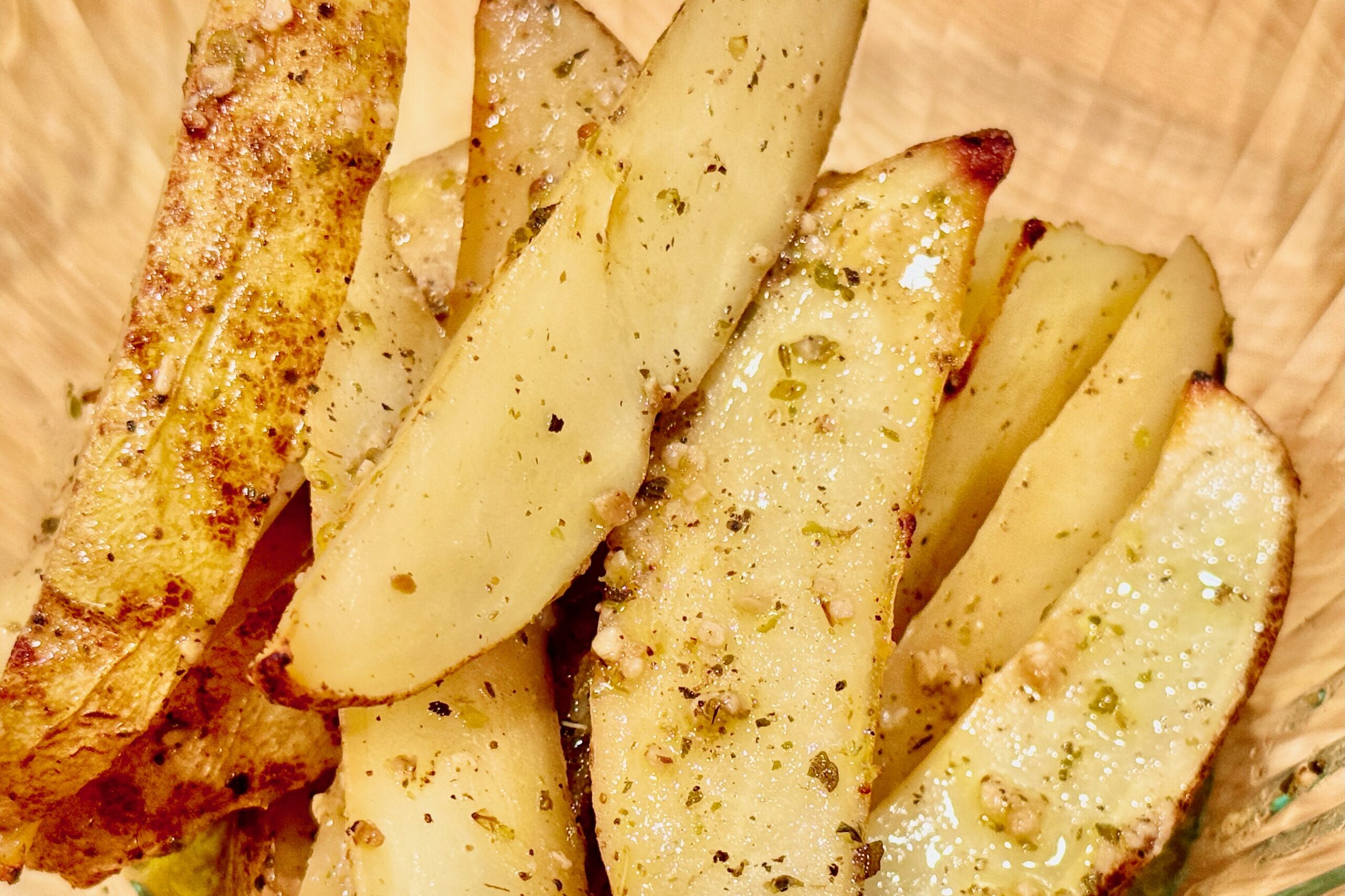
  • Greek Lemon Potatoes

    Greek Lemon Potatoes

    These Greek Lemon Potatoes are built around the classic taverna method: potatoes gently braised in lemony broth until creamy inside, then roasted uncovered so the liquid reduces and the edges turn deeply golden and crisp. Yukon Golds hold their shape while soaking up bright lemon, oregano, and garlic, and a small finish of butter rounds the acidity without dulling it. The result is a side dish that’s bold, savory, and unmistakably Greek—equally at home next to roast chicken, lamb, or a simple grilled protein.


    Ingredients

    • 2½ lbs Yukon Gold potatoes
    • ⅓ cup olive oil
    • ¼ cup fresh lemon juice
    • Zest of 1 lemon
    • 2 tsp dried oregano
    • Pinch dried thyme
    • 1 tbsp garlic, minced (see note for whole garlic option)
    • ½ tbsp table salt, divided
    • ½ tsp black pepper
    • 1¼ cups chicken broth
    • 1–2 tbsp unsalted butter
    • 1–2 tsp fresh parsley, finely chopped

    Directions

    Prepare the Potatoes

    Wash the potatoes and slice into thick wedges (skin on or peeled). Place in a large bowl of cold water and soak for at least 30 minutes to remove excess surface starch. Drain well and pat thoroughly dry.

    Prepare the Seasoned Oil

    In a small saucepan, gently warm the olive oil over low heat. Add the oregano, thyme, and garlic and cook just until fragrant, 30–60 seconds, taking care not to brown the garlic. Remove from heat.

    Stir in the lemon juice, ¾ of the salt, and the black pepper.

    Roast – Phase One (Braise & Steam)

    Preheat the oven to 400°F (200°C).

    Arrange the potatoes in a single layer in a 9×13-inch baking dish. Pour the seasoned oil mixture evenly over the potatoes and toss gently to coat.

    Carefully pour the chicken broth into the sides of the baking dish, avoiding pouring directly over the potatoes. The potatoes should be partially submerged, with their tops exposed.

    Cover loosely with foil and roast for 30 minutes.

    Roast – Phase Two (Reduce & Crisp)

    Remove the foil. Dot the butter between the potatoes, allowing it to melt into the broth as it reduces.

    Continue roasting uncovered until most of the liquid has reduced and the bottoms of the potatoes are deeply golden, about 30–35 minutes. Toss once only after the potatoes release cleanly from the pan.

    Return to the oven and roast an additional 20–30 minutes, until the potatoes are golden, crisp-edged, and fork-tender. Broil briefly if desired for extra color.

    Finish

    Transfer the potatoes to a serving dish and spoon over any remaining pan juices. Sprinkle with lemon zest and parsley. Taste and adjust with the remaining salt if needed. Serve immediately.


    Notes

    Preparation

    • Soaking the potatoes removes excess surface starch, helping the wedges roast with crisper edges instead of turning gummy.
    • Blooming the oregano and garlic in warm oil softens oregano’s bitterness and prevents raw garlic harshness, resulting in a rounder, more integrated flavor.
    • Avoid pouring broth directly over the potatoes. Keeping the tops dry allows them to roast while the bottoms gently braise.
    • Salt is added in stages: most goes in early to season the interior, with a final adjustment once the liquid has reduced and flavors have concentrated.

    Serving Suggestions

    • Serve alongside roast chicken, lamb, or grilled meats.
    • Pairs well with a simple cucumber–tomato salad or tzatziki to balance the richness and lemony depth.
    • Best served hot from the oven, when the edges are crisp and the centers are creamy.

    Variations

    • Whole Garlic Option: Whole garlic cloves (lightly smashed) may be used in place of minced garlic. As they roast, the cloves soften and sweeten, lending a gentler, more rounded garlic flavor without the sharper bite of minced garlic.

    Make-Ahead & Storage

    • These potatoes are best served fresh, but leftovers keep well.
    • Refrigerate in an airtight container for up to 3 days.
    • Reheat uncovered in a hot oven (400°F / 200°C) to restore crisp edges. Avoid microwaving, which softens the exterior.
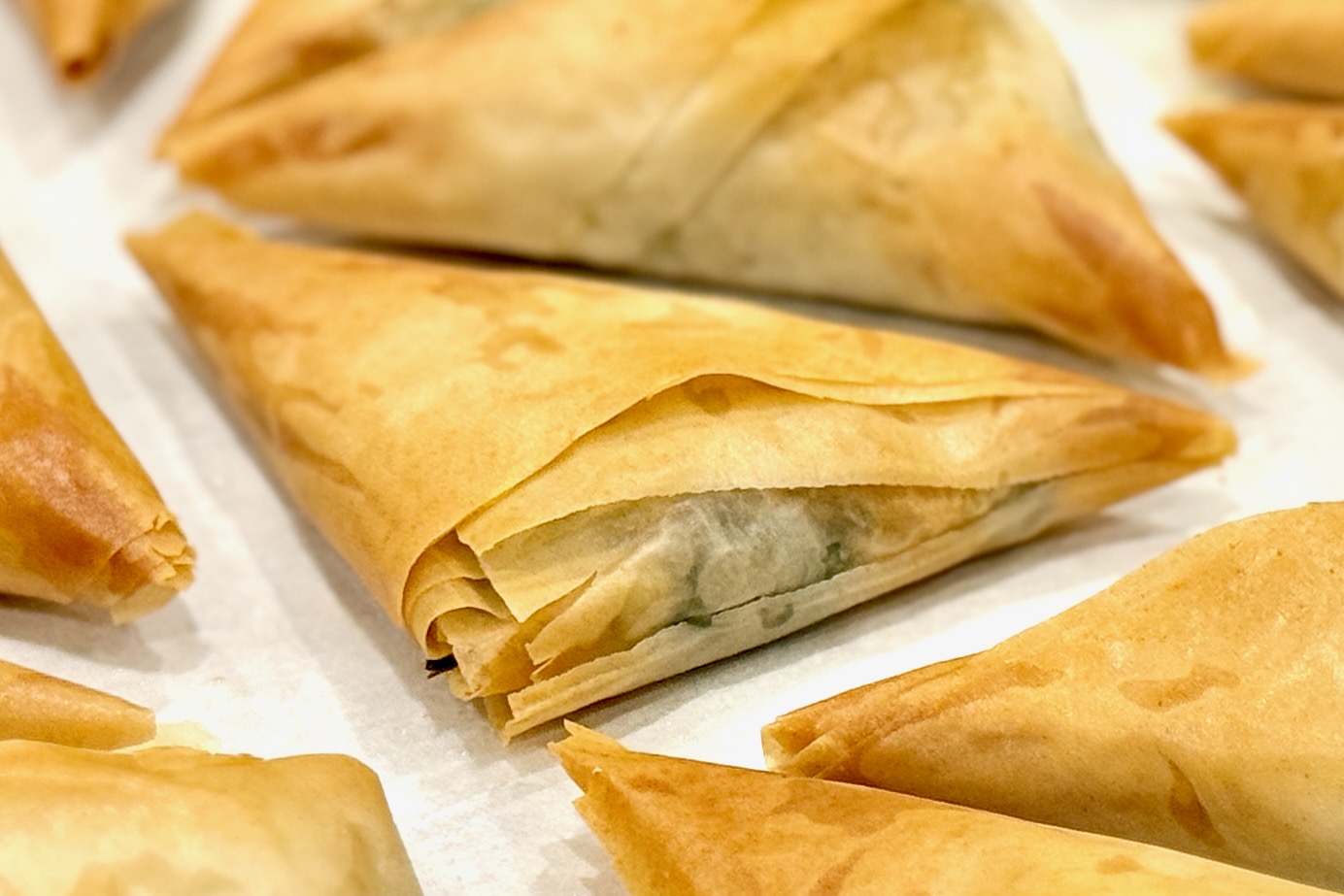
  • Spanakopita Triangles

    Spanakopita Triangles

    These spanakopita triangles are crisp, buttery, and filled with a savory blend of spinach, feta, and fresh herbs. Dill leads the flavor, supported by parsley and a subtle hint of mint, creating a filling that’s bright, aromatic, and unmistakably Mediterranean. Baked until golden and shatteringly crisp, they’re perfect as an appetizer, mezze platter addition, or make-ahead snack.


    Ingredients

    • 1 tbsp olive oil (or butter)
    • ½ onion, finely diced
    • 1 tsp garlic, finely chopped
    • 2 tbsp fresh dill, finely chopped (or 2 tsp dried dill)
    • 1 tbsp fresh parsley, finely chopped (or 1 tsp dried parsley)
    • ¼ tsp dried mint
    • ¾–1 tsp shoarma spice mix (optional)
    • 1 package (12–16 oz) frozen spinach, thawed and very well squeezed dry, or equivalent fresh spinach, cooked down and drained
    • 1 egg, lightly beaten
    • ½ cup crumbled feta
    • salt & freshly ground black pepper, to taste
    • frozen phyllo dough, thawed
    • butter, melted

    Directions

    Prepare the Filling

    Preheat oven to 375ºF. Line two half-sheet pans with parchment. Heat a skillet over medium heat and add olive oil (or butter). Add onion and cook until softened but not browned.

    Stir in garlic, dill, parsley, mint, and shoarma spice mix (if using) and cook just until fragrant.

    Use a clean tea towel to squeeze as much liquid as possible from the spinach; coarsely chop if needed. Add spinach to the skillet and heat through. Remove from heat and let cool slightly, then stir in egg and feta. Season with salt and pepper to taste.

    Assemble the Triangles

    While the phyllo is still wrapped, use a sharp knife to cut it into 3 equal sections (about 3″ wide strips). Work with one section at a time, keeping the remaining dough covered with plastic or a lightly damp towel to prevent drying.

    Place one strip of phyllo on the work surface and brush lightly with melted butter. Top with a second strip and brush again. Place about ½ tbsp of filling near the bottom corner. Fold the corner over the filling to form a triangle, then continue folding in a flag pattern up the strip, maintaining the triangle shape. Transfer to the prepared baking sheet.

    Bake

    Repeat with remaining phyllo and filling, spacing triangles slightly apart. Bake for 18–22 minutes, until crisp and golden brown.


    Notes

    Preparation

    • Spinach must be squeezed very dry to prevent soggy filling and torn phyllo.

    Variations

    • Shoarma Spice Mix: This is a non-traditional addition. Classic Greek spanakopita relies on fresh herbs rather than warm spice blends. Used sparingly here, it adds subtle warmth and depth; omit it for a fully traditional Greek flavor.

    Make-Ahead & Storage

    • Unbaked triangles may be frozen solid and baked from frozen, adding 3–5 minutes to the bake time.
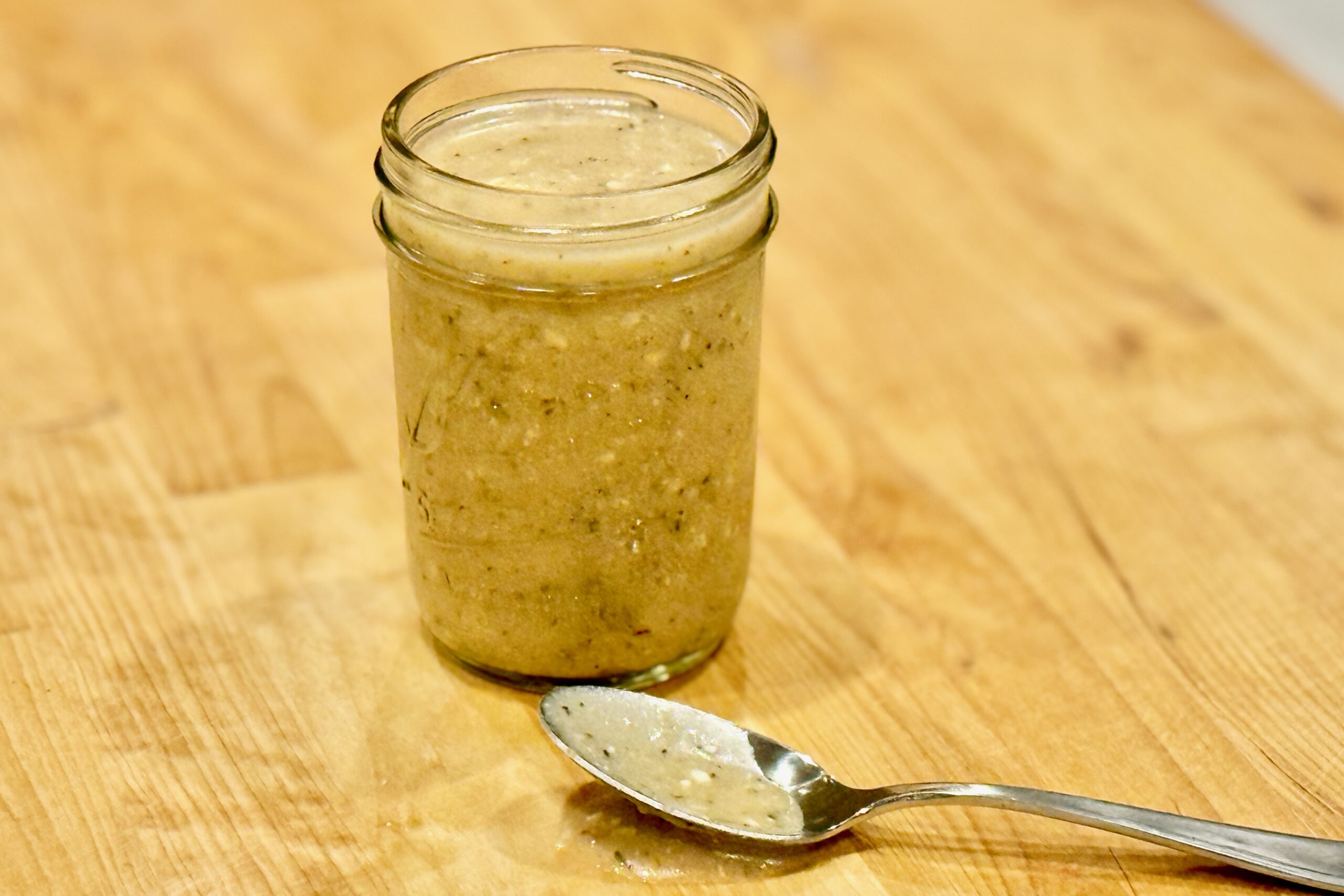
  • Greek Salad Dressing with Feta & Olives

    Greek Salad Dressing with Feta & Olives

    This Greek-inspired salad dressing layers bright red wine vinegar and lemon juice with briny feta, savory anchovy, and a whisper of olives for a bold, restaurant-style flavor. It’s thick enough to cling to crisp lettuce and chopped vegetables, yet pourable enough for drizzling over Greek salads, grain bowls, and grilled chicken.


    Ingredients

    • ¼ cup red wine vinegar
    • ¼ cup lemon juice
    • ¼ cup water
    • 1 tbsp sugar
    • ½ tbsp dried oregano
    • 1 tsp garlic powder
    • 1 tsp onion powder
    • 1 tsp table salt
    • ¼ tsp xanthan gum
    • 2 anchovy fillets (or ½ tbsp fish sauce)
    • ⅓ cup extra virgin olive oil
    • ⅓ cup avocado oil (or canola)
    • ¼ cup feta, crumbled
    • 2 tbsp black or Kalamata olives, finely chopped (optional)
    • Black pepper, to taste

    Directions

    Blend the Base:

    In a food processor or blender, combine the red wine vinegar, lemon juice, water, sugar, dried oregano, garlic powder, onion powder, salt, xanthan gum, and anchovy fillets (or fish sauce). Blend until smooth and the seasonings are fully combined.

    Emulsify the Oils:

    With the food processor or blender running on low speed, slowly drizzle in the olive oil and avocado oil in a thin, steady stream. Continue blending until the dressing is fully emulsified and slightly thickened.

    Add Feta and Olives:

    Add the crumbled feta and, if using, the finely chopped olives. Pulse just until the feta and olives are broken up and evenly distributed for a slightly chunky, textured dressing.

    For a creamier, smoother dressing, blend a bit longer until the feta is mostly incorporated into the emulsion.

    Season and Chill:

    Taste and adjust the seasoning, adding more salt if needed and black pepper to taste.

    Transfer the dressing to a jar or bottle and refrigerate for at least 30 minutes before serving to allow the flavors to meld and the dressing to thicken slightly.


    Notes

    Preparation

    • Blend the base long enough to fully dissolve the sugar and hydrate the dried oregano before adding the oils.
    • Drizzle the oils in slowly for the most stable emulsion, especially if not using xanthan gum.
    • Use good-quality, briny feta for the best flavor and a creamy, rich finish.
    • Finely chop the olives so they distribute evenly without creating large salty bites.
    • Shake or stir well before each use, especially if the dressing has been refrigerated overnight.

    Serving Suggestions

    • Drizzle over classic Greek salads with romaine, cucumbers, tomatoes, red onion, olives, and extra feta.
    • Toss with chopped salads, grain bowls, or pasta salads for a bright, tangy kick.
    • Use as a quick marinade for chicken, pork, or shrimp before grilling or roasting.
    • Spoon over sliced tomatoes, cucumbers, and red onions for a simple side dish.

    Variations

    • Extra Creamy: Blend the feta fully into the dressing and add an extra 2 tbsp feta for a thicker, more luxurious texture.
    • Olive-Forward: Increase the chopped olives to 3–4 tbsp and leave the feta slightly chunky for more bursts of briny flavor.
    • Milder Anchovy: Start with 1 anchovy fillet or 1 tsp fish sauce, then adjust to taste if you prefer a subtler umami note.
    • No Xanthan Gum: Omit the xanthan gum for a more traditional vinaigrette-style dressing—just shake well before serving as it will separate over time.

    Make-Ahead & Storage

    • Refrigeration: Store in an airtight jar or bottle in the refrigerator.
    • Storage Time: For best quality and food safety, use within 4–5 days due to the feta and anchovy/fish sauce.
    • Before Serving: The dressing will thicken when chilled; let it sit at room temperature for 10–15 minutes and shake or stir well before using.
    • Separation: Some separation is normal. If not using xanthan gum, shake vigorously to re-emulsify before each use.