Bags of Spices

Favorite Recipes

Italian

Pasta, sauces, gelato, breads, and comforting regional staples worth repeating often.

  • Italian-American Meat Sauce

    Italian-American Meat Sauce

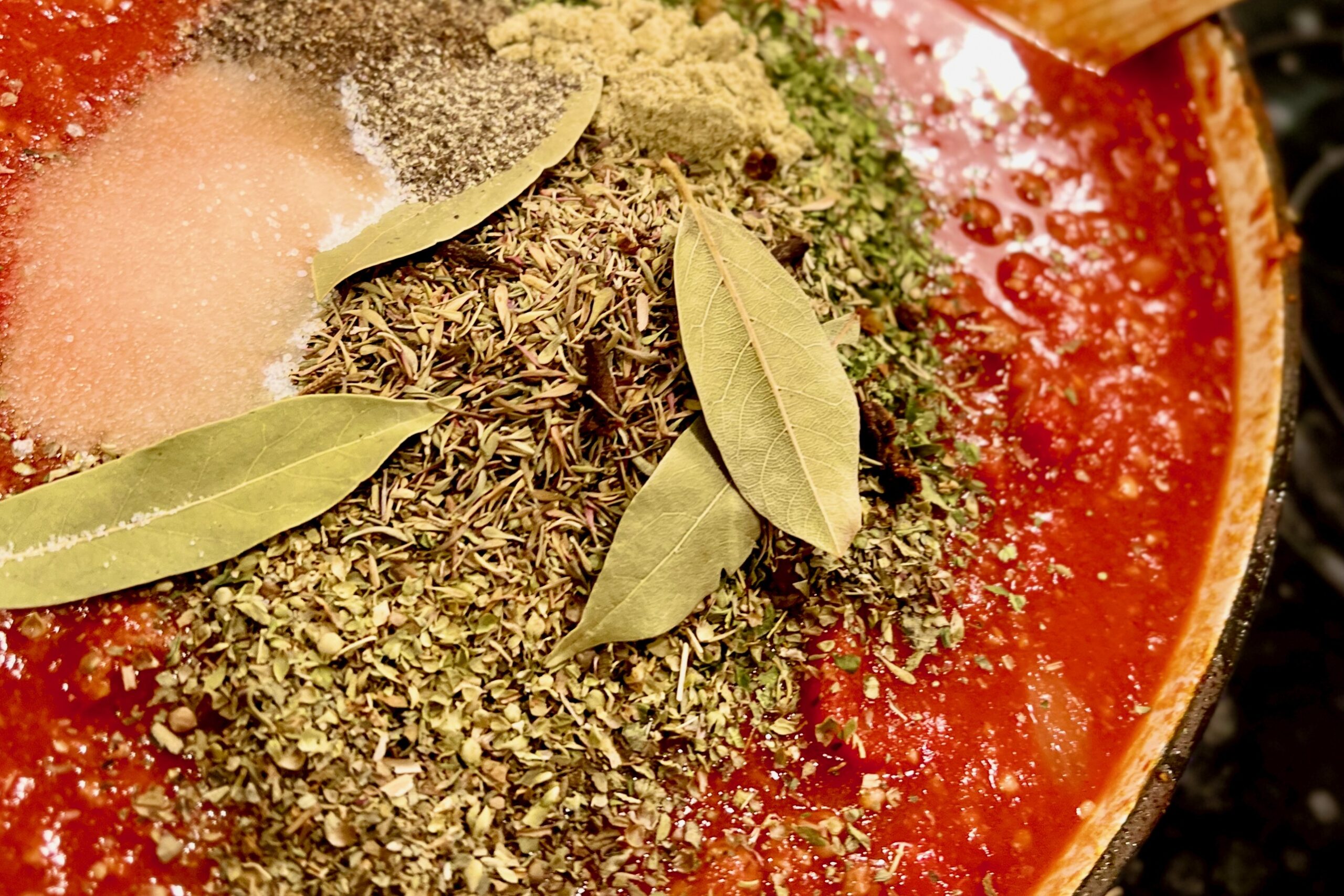
    This Meat Sauce is a classic Italian-American style simmered sauce built for depth and balance: well-browned meat, layered tomato flavor, dried herbs, and just enough savory backbone to make it craveable without tipping into heaviness. Blooming the tomato paste adds richness and sweetness, while a short covered simmer softens acidity before finishing uncovered to concentrate flavor. It’s a sauce that’s excellent fresh, but even better the next day—exactly what a great red sauce should be.


    Ingredients

    • 2 tbsp olive oil
    • 1 cup (8 oz) onion, chopped
    • 5 cloves garlic, minced
    • 1 lb ground chuck beef (or ½ lb ground chuck and ½ lb uncased Italian sausage)
    • 1 can (28 oz) crushed tomatoes
    • 1 can (15 oz) tomato sauce
    • 1 can (6 oz) tomato paste
    • 1 cup chicken broth
    • ¼–½ cup dry white or dry red wine (optional)
    • 1 tbsp fish sauce
    • 2 tsp dried basil
    • 2 tsp dried parsley
    • 1 tsp dried oregano
    • ½ tsp dried ground fennel
    • ¼ tsp dried thyme leaves
    • 2 whole cloves, crushed
    • 2 bay leaves
    • ½ tsp freshly ground black pepper (to taste)
    • 1 tsp table salt

    Directions

    Build the Sauce

    In a Dutch oven over medium heat, heat the olive oil until shimmering. Add the onion and sauté until translucent and tender, about 5–7 minutes. Add the garlic and cook for 1–2 minutes more, just until fragrant.

    Add the ground meat and cook, breaking it up with a spoon, until well browned and any excess moisture has cooked off.

    Stir in the tomato paste and cook for 1–2 minutes, allowing it to bloom and darken slightly to deepen sweetness and round acidity.

    Stir in the crushed tomatoes, tomato sauce, chicken broth, wine (if using), and fish sauce. Add the dried herbs, fennel, thyme, crushed cloves, bay leaves, pepper, and salt. Bring the sauce to a gentle simmer.

    Simmer

    Reduce heat to low and simmer covered for 30 minutes to soften acidity and allow the flavors to meld.

    Uncover and continue simmering for 15 minutes, allowing excess moisture to evaporate and the sauce to thicken. Remove and discard the bay leaves and crushed cloves before serving.

    Finish the Pasta

    Boil pasta as directed until al dente. Drain, reserving some of the pasta cooking water.

    Place enough warmed meat sauce in a serving bowl to lightly coat the pasta. Stir in a small splash of the reserved pasta water to loosen the sauce, then add the pasta and toss gently to coat. Serve topped with additional meat sauce and freshly grated Romano and/or Parmesan cheese.


    Notes

    Preparation

    • Anchovy Option: The fish sauce may be replaced with 4–6 anchovy fillets, finely minced. Add them with the garlic so they dissolve into the oil and meat as the sauce cooks.

    Make-Ahead & Storage

    This sauce improves with time and is best when made a day ahead and reheated.

    • Refrigerate in airtight containers for up to 3 days.
    • Freeze for up to 3 months.
    • Reheat gently on the stovetop over low heat, adding a splash of water or broth as needed to loosen the sauce.
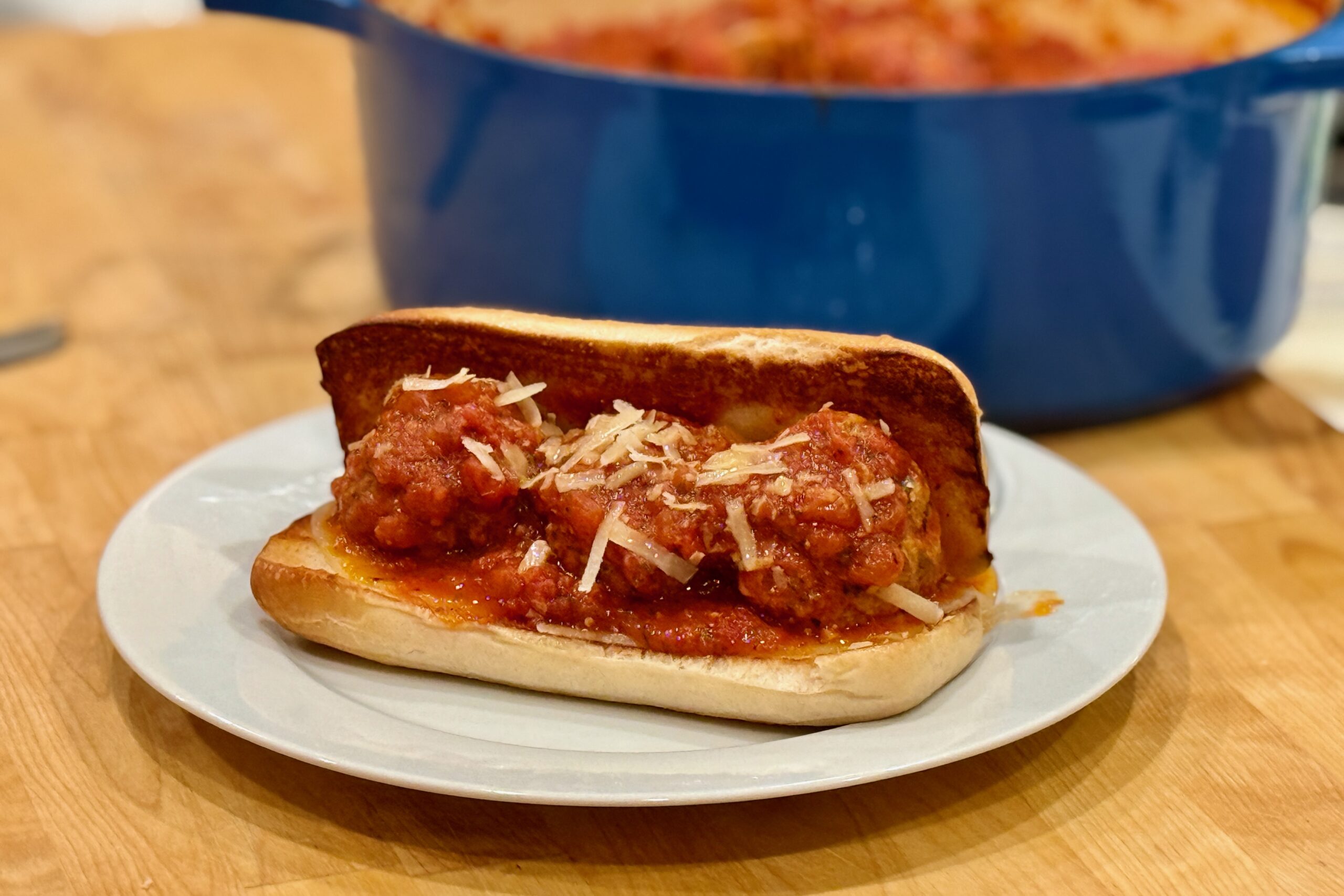
  • Spaghetti & Meat Balls

    Spaghetti & Meat Balls

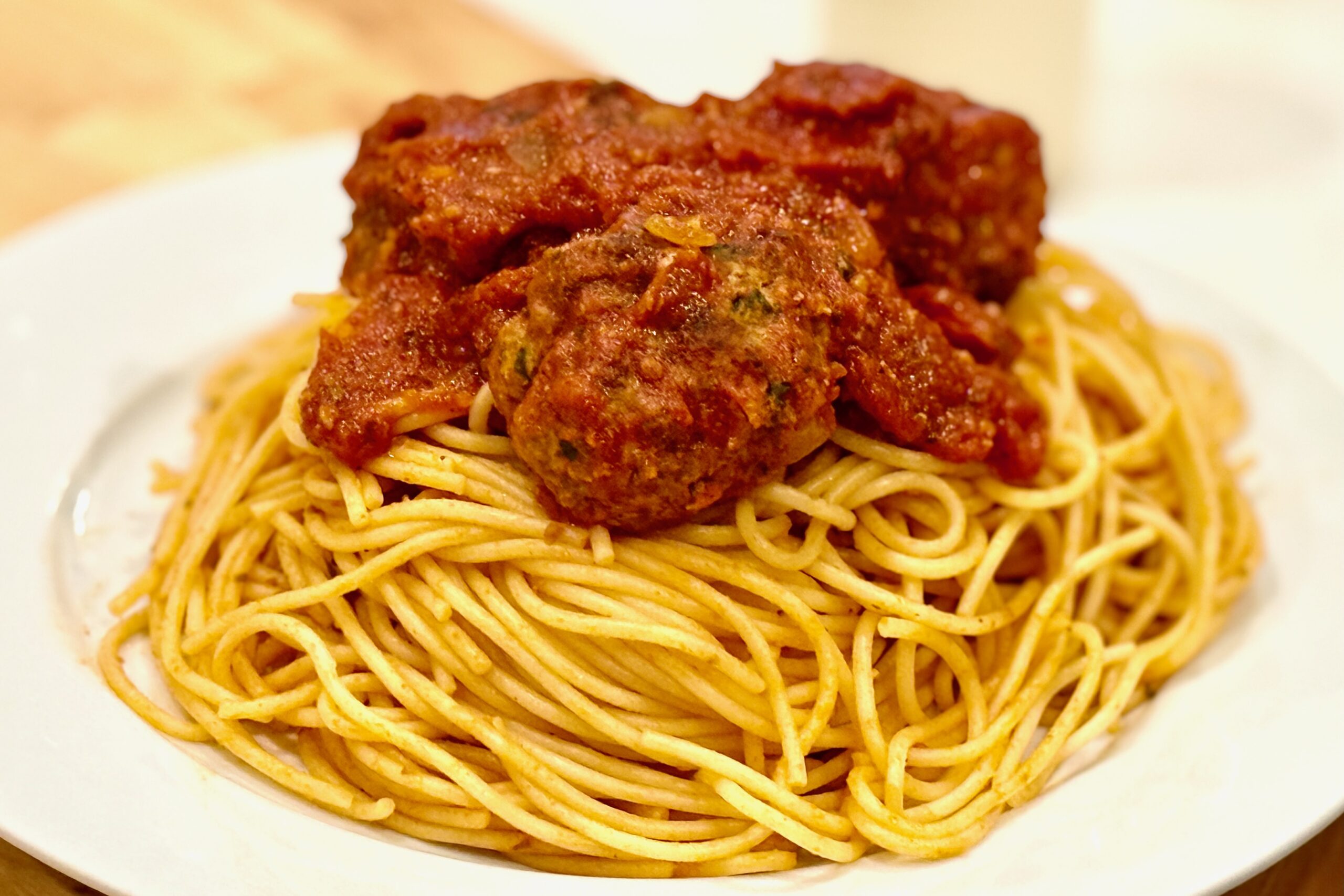
    This Spaghetti & Meatballs is built the way a great red-sauce Sunday dinner should be: deeply savory, richly tomatoey, and unapologetically comforting. The meatballs are intentionally tender and juicy—thanks to a buttermilk panade and a little gelatin—then roasted for browning before finishing in the sauce so everything tastes like it belongs together. It’s a big-batch, make-ahead-friendly classic that feels special on a weeknight and even better the next day.


    Ingredients

    Meatballs

    • 6 oz bread crumbs
    • 1½ cups buttermilk
    • 1 pkg (+/- ½ tbsp) powdered gelatin, bloomed in ¼ cup water
    • 3 eggs, slightly beaten
    • 1+ tbsp garlic, minced
    • ⅓ cup (packed) fresh parsley leaves, finely chopped
    • ½ tbsp table salt
    • ½ tsp pepper
    • 3 oz Parmesan cheese, grated
    • 6 oz prosciutto, finely chopped
    • 2 lbs ground beef
    • 1 lb ground pork

    Sauce

    • 2 tbsp olive oil
    • 1 cup (8-oz) onion, chopped
    • 5 cloves garlic, minced
    • 1 can (28-oz) crushed tomatoes
    • 1 can (15-oz) tomato sauce
    • 1 can (6-oz) tomato paste
    • 1½ cups chicken broth
    • ½ cup dry white wine (optional)
    • 1 tbsp fish sauce
    • 2 tsp dried basil
    • 2 tsp dried parsley
    • 1 tsp dried oregano
    • ½ tsp dried ground fennel
    • ¼ tsp dried thyme leaves
    • 2 whole cloves, crushed
    • 2 bay leaves
    • ½ tsp fresh ground pepper
    • 1 tsp table salt
    • 1–2 lbs dry spaghetti

    Directions

    Prepare the Oven and Pans

    Preheat oven to 450ºF with cooking racks mid-top and mid-bottom of oven.

    Place foil and wire racks in 2 half sheet pans; spray racks with cooking spray.

    Make the Meatballs

    Combine bread crumbs and buttermilk and stir to completely combine. Soak bread crumbs to fully hydrate, about 10 minutes, then mash into a paste.

    Bloom gelatin in ¼ cup cold water for 8–10 minutes.

    Place bread crumb mixture into a mixing bowl. Mix in bloomed gelatin, followed by all remaining ingredients except beef and pork; mix well to combine.

    Place meats in a large mixing bowl; pour egg/bread crumb mixture over meat and mix gently by hand until thoroughly combined.

    Portion and form into individual balls, about 3-oz each (29–30 meatballs). If necessary, refrigerate to firm.

    Place meatballs on the greased racks and bake for about 30 minutes, rotating trays and tray locations after 20 minutes.

    Make the Sauce

    In a Dutch oven over medium heat, heat olive oil until shimmering; add onion and garlic and sauté until onion is translucent and tender.

    Stir in crushed tomatoes, tomato sauce, tomato paste, chicken broth, wine (optional), and fish sauce; add remaining herbs, spices, and seasonings.

    Bring to a simmer, then reduce heat to low and simmer covered for 15 minutes.

    Braise the Meatballs in the Sauce

    After removing cooked meatballs from oven, lower oven temperature to 300ºF.

    Add meatballs to sauce; cover with lid and place in oven for 1 hour.

    Remove and discard bay leaves before serving.

    Cook the Pasta and Serve

    Prepare spaghetti as directed; drain, retaining some of the pasta water in a separate bowl.

    Add pasta back to the cooking pot along with a small amount of pasta water and about ¼ cup sauce; toss until pasta is coated.

    Serve pasta topped with meatballs, additional sauce, and grated Parmesan.


    Notes

    Preparation

    • Fish sauce can be replaced by 4–6 anchovy filets, finely minced.

    Serving Suggestions

    • Optional finish: garnish bowls with a light chiffonade of fresh basil and/or a sprinkle of fresh parsley for extra brightness.

    Variations

    • Parmesan can be swapped for a mixture of Parmesan and Romano cheeses.

    Make-Ahead & Storage

    • Can be made a day in advance and reheated.
    • Add ¾ cup water over mixture and reheat covered at 325ºF.
  • Gnocchi

    Gnocchi

    Light, pillowy gnocchi made from baked potatoes for the best possible texture. Rooted in northern Italian tradition, this simple dish traveled across the Atlantic with generations of Italian immigrants and found a second home in Argentina. Our family’s version emphasizes gentle handling, minimal flour, and a buttery golden finish—echoing the gnocchi Jane enjoyed while living in the mountains of Argentina, where gracious families gathered around humble tables to share food, laughter, and the quiet joy of good company.


    Ingredients

    • 2 lbs (900 g) russet or Yukon Gold potatoes
    • ¾ tsp table salt
    • 1–1½ cups all-purpose flour (start with 1 cup; add only as needed)
    • 1 large egg, lightly beaten (see variation)

    Directions

    Bake the Potatoes

    Bake whole, unpeeled potatoes at 400°F (200°C) until tender, about 1 hour. Split immediately after baking to allow steam to escape—this prevents sogginess.

    Scoop out the flesh and rice or mash while still warm.

    Prepare the Dough

    Spread the riced potatoes out on a board or tray and allow to cool slightly until just warm to the touch. Sprinkle evenly with salt.

    Add about ¾ of the flour over the potatoes, then drizzle the beaten egg over the top. Using your hands or a bench scraper, gently fold and press the mixture together, adding only enough additional flour to form a soft dough.

    Turn out onto a lightly floured surface and gently knead for 15–20 seconds, just until smooth. The dough should feel soft and slightly tacky, but not sticky—avoid overworking.

    Shape the Gnocchi

    Roll dough into ¾-inch ropes. Cut into ¾–1 inch pieces using a bench scraper for cleaner cuts.

    Shape on a fork or gnocchi board if desired. Lightly dust formed gnocchi with semolina or flour to prevent sticking.

    Cook the Gnocchi

    Bring a large pot of salted water (as for pasta) to a boil. Cook gnocchi in 2–3 batches until they float, then cook 30 seconds longer. Remove gently with a strainer and keep warm.


    Notes

    Preparation

    • Russets make the lightest gnocchi; Yukon Golds give a slightly richer, denser texture.
    • Flour should equal roughly 20–30% of potato weight. Less flour yields lighter, more delicate gnocchi.
    • Chill dough for 10–15 minutes before shaping if it feels too soft.
    • Salt cooking water generously—about 1–2 tbsp per gallon.
    • Test one gnocchi before cooking the full batch. If it falls apart, gently knead in 1–2 tbsp more flour.
    • For best texture, avoid kneading more than 15–20 seconds.
    • Remember: once gnocchi float, cook for an additional 30 seconds.

    Serving Suggestions

    • Toss with Browned Butter Sage Sauce and finish with parmesan and a squeeze of lemon.
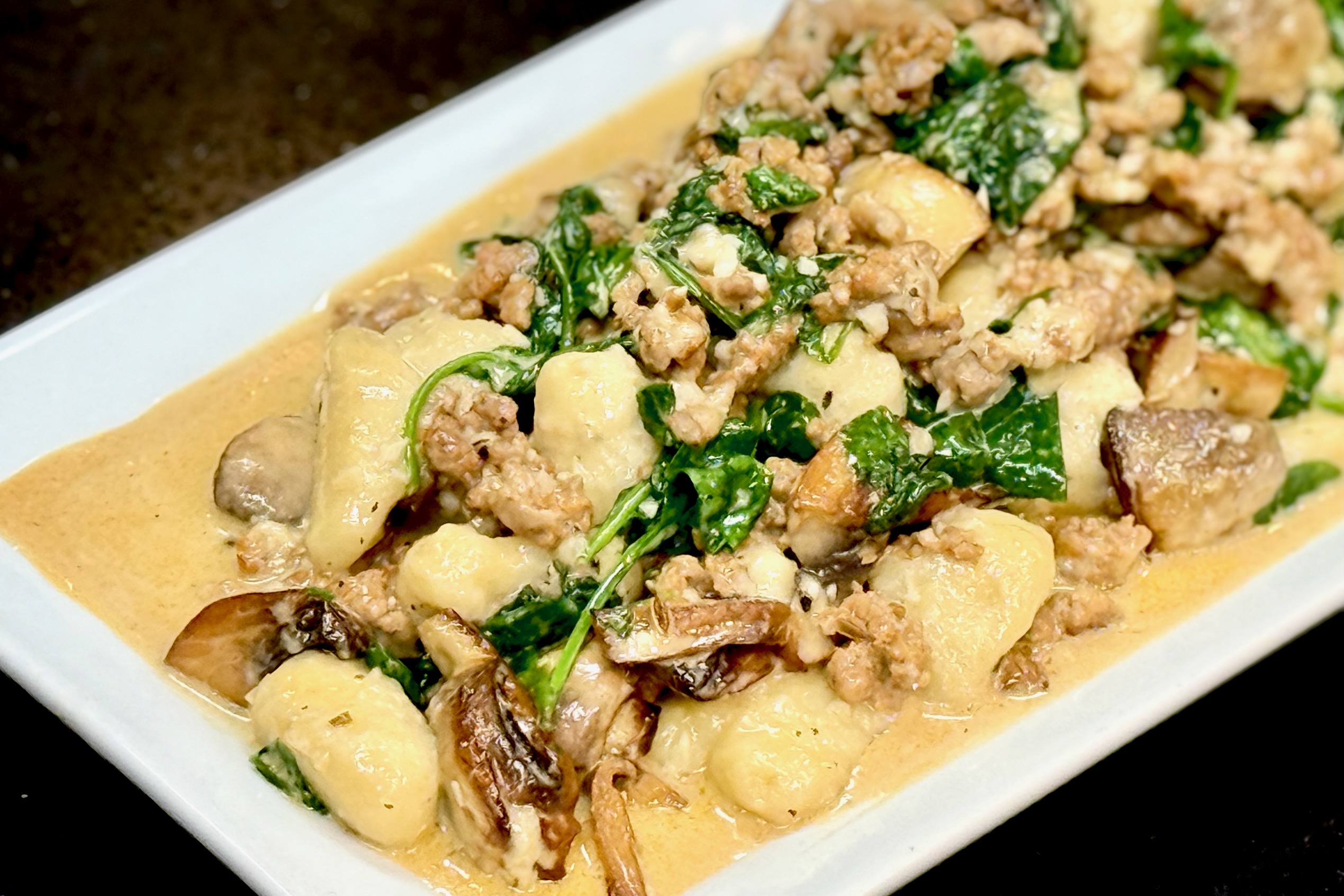
    • Sauté boiled gnocchi in butter until golden, then toss with a light cream sauce, browned mushrooms, spinach, and spicy Italian sausage.
    • Serve with Pomodoro, Pesto alla Genovese, or Gorgonzola Cream Sauce.

    Variations

    • Use 1 egg for pillowy, restaurant-style gnocchi. Add a second egg for a firmer, rustic dough.
    • Add a pinch of nutmeg and 1–2 tbsp ricotta for a richer dough (add flour as needed).
    • For a classic eggless northern Italian version, omit the egg and increase flour slightly to reach a soft, workable dough.

    Make-Ahead & Storage

    • Shaped gnocchi may be refrigerated on a lightly floured tray for up to 4 hours before cooking.
    • To freeze, arrange uncooked gnocchi in a single layer until solid, then transfer to a freezer bag. Cook directly from frozen—do not thaw.
    • Cooked gnocchi can be refrigerated for 2–3 days and pan-seared in butter just before serving.
  • Coconut Gelato

    Coconut Gelato

    There’s a quiet beauty to coconut when you let it stand on its own—clean, fragrant, and naturally sweet. This gelato leans into that simplicity with a smooth, silky texture and a pure coconut flavor that shines without distraction. Lightly toasted coconut infuses the base for depth, then strains away to keep every bite incredibly smooth.


    Ingredients

    Coconut Base

    • 1 can (13.5–14 oz) full-fat coconut milk
    • 1 cup whole milk
    • ⅔ cup granulated sugar
    • 3 large egg yolks
    • ⅛ tsp xanthan gum
    • ½ cup unsweetened shredded coconut, lightly toasted
    • ¼ tsp fine salt
    • 1 tsp vanilla extract
    • ¼ tsp coconut extract (optional)

    Directions

    Prepare the Coconut Base

    Toast the shredded coconut in a dry skillet over medium heat until lightly golden and fragrant. Set aside.

    In a medium saucepan, whisk together the coconut milk, whole milk, half the sugar, and salt. Warm over medium heat until steaming but not boiling.

    In a separate bowl, whisk the remaining sugar with the egg yolks until pale. Slowly ladle in some of the warm coconut milk mixture while whisking constantly, then return everything to the saucepan.

    Cook gently over medium heat, stirring constantly, until the custard reaches 175–178°F and thickens slightly, just enough to coat the back of a spoon (nappe consistency). Do not boil.

    Infuse, Strain, Stabilize & Chill

    Remove from heat, stir in the toasted coconut, cover, and let steep for 20–30 minutes.

    Strain the custard through a fine mesh sieve to remove the coconut solids. While the base is still warm, stir in the vanilla extract and optional coconut extract.

    Sprinkle the xanthan gum evenly over the surface and blend with an immersion blender (or regular blender) for 10–15 seconds to fully disperse.

    Chill completely, preferably overnight.

    Churn

    Churn the gelato in your ice cream maker until smooth and thick. Transfer to a lidded container and freeze for 4–6 hours to set.


    Notes

    Preparation

    • Lightly toasting the coconut deepens flavor without adding texture, since it is strained out.
    • Xanthan gum prevents iciness and preserves a clean coconut profile without thickening the custard.
    • Use an instant-read thermometer to monitor the custard temperature; keeping it in the 175–178°F range ensures safety and proper thickening without curdling the yolks.

    Serving Suggestions

    • Serve with fresh pineapple or mango.
    • Pair with chocolate sauce or shaved dark chocolate.
    • Excellent alongside tropical cakes or fruit tarts.

    Variations

    • Dark Chocolate Coconut Gelato: Fold in ¾ cup chopped dark chocolate during the last minute of churning. Optional: add ½ tsp almond extract for an Almond-Joy style profile.
    • Pineapple Swirl: Simmer 1 cup pineapple with 2 tbsp sugar and a pinch of salt for 5–7 minutes. Blend smooth, chill, and layer into the gelato as you transfer it from the machine.
    • Mango Swirl: Blend 1 cup ripe mango with 2–3 tbsp sugar, chill fully, and swirl into the gelato for a marbled effect.

    Make-Ahead & Storage

    • Best texture is within the first 3–4 days.
    • Store tightly covered to prevent absorption of freezer odors.
  • Neapolitan-Style Tomato Sauce

    Neapolitan-Style Tomato Sauce

    This uncooked Neapolitan-style pizza sauce preserves the bright, fresh flavor of San Marzano tomatoes—sweet, rich, and perfectly balanced for high-heat baking. Using true DOP-certified tomatoes gives an authentic taste of Naples, with a smooth texture and naturally sweet finish that perfectly complements a light, airy crust.


    Ingredients

    • (For about 6–8 pizzas)
    • 1 can (28 oz / 800 g) whole peeled San Marzano tomatoes (DOP if possible)
    • ½ tbsp table salt (adjust to taste)
    • 2 tbsp extra-virgin olive oil
    • 2–4 fresh basil leaves, torn (optional but recommended)

    Directions

    Prepare the Sauce

    Drain excess juice from tomatoes into a bowl, reserving it in case the sauce needs thinning. Crush tomatoes by hand until mostly smooth but still slightly textured—avoid over-crushing for best flavor and body.

    Stir in salt, olive oil, and basil until evenly mixed.

    Use the Sauce

    Spread thinly over stretched dough just before baking (Neapolitan Pizza Dough works beautifully). Use approximately 2–2½ oz (60–70 g) of sauce per 10–12″ pizza.

    Do not pre-cook the sauce—the natural sugars in the tomatoes caramelize under high oven heat, producing rich, authentic flavor.


    Notes

    Preparation

    • Use only high-quality San Marzano tomatoes with the DOP seal for the sweetest, least acidic results.
    • Do not blend the sauce completely smooth; a slightly rustic texture gives better flavor and adhesion.

    Serving Suggestions

    • Use as the base for Pizza Margherita—add mozzarella, parmesan, and fresh basil.
    • Try on Pizza Marinara with garlic, oregano, and a drizzle of olive oil.
    • Use in Shoarma Pizza or Carnitas Pizza for a Dutch or Mexican-inspired twist.

    Variations

    • For a smoother sauce, pulse briefly with an immersion blender (1–2 seconds only).
    • For a hint of depth, add a tiny pinch of sugar if your tomatoes are unusually acidic.
    • For a garlic-forward version, rub a cut clove of garlic over the dough before adding sauce.

    Make-Ahead & Storage

    • Store sauce in an airtight container in the refrigerator for up to 5 days.
    • Freeze for up to 3 months; thaw in the refrigerator overnight before using.
  • Neapolitan Pizza Dough

    Neapolitan Pizza Dough

    Pizza has always been a go-to meal for our family. Who can resist the combination of chewy dough, flavorful sauce, tasty toppings, and gooey cheese? Our first taste of true Neapolitan-style pizza was on our family trip to Italy—staying across the square from the Pantheon, exploring the Colosseum and Vatican museums, and often ending the day with perfectly blistered pizza from a tiny Roman restaurant. This recipe recreates that chewy, flavorful crust at home, whether you choose the cold-ferment version for deep flavor, the quick version for same-day pizza, or the freezer version for easy make-ahead dough.


    Ingredients

    • 1360 g (~3 lb) 00 flour (100%)
    • 952 g cold water (70%)
    • 27 g table salt (2%)
    • Active Dry Yeast

    • Cold Ferment: 0.41 g for 72 hours (0.03%) or 0.82 g for 48 hours (0.06%)
    • Quick Version: 2.72 g for same-day use (0.2%)
    • Freezer Version: 3.54 g for use the same day as thawed (0.26%)

    Note: Use a digital scale accurate to 0.01 g for yeast precision, or approximate to the nearest small pinch if unavailable.

    Directions

    Select Fermentation Version

    Cold Ferment (48–72 hours)

    In a large bowl, combine flour, yeast, and cold water. Mix until no dry bits remain (shaggy dough). Cover and rest 20–30 minutes.

    After resting, sprinkle salt over dough and gently pinch and squeeze to incorporate. Every 30 minutes for 2 hours, perform a set of stretch and folds (see Notes).

    After the final folds, place dough in a clean bowl, cover, and rest at room temperature (75–80°F / 23–27°C) for 1–2 hours. Divide into 8 oz (225 g) balls, lightly oil, and place in individual containers or on a floured tray covered tightly. Refrigerate 48–72 hours. Remove from refrigerator 2–3 hours before baking to come to room temperature.

    Quick Version (Same-Day)

    In a large bowl, combine flour and cold water. Mix until no dry bits remain; cover and rest 20–30 minutes.

    In a small cup, dissolve yeast in 2 tbsp warm water (105°F / 40°C) and let stand 5–10 minutes until foamy.

    Sprinkle salt over dough, then add yeast mixture. Gently pinch and squeeze to incorporate. Every 30 minutes for 2 hours, perform a set of stretch and folds (see Notes).

    After the final folds, cover and rest at warm room temperature (75–80°F / 23–27°C) for 2–3 hours, until nearly doubled. Divide into 8 oz (225 g) balls, lightly oil, and place in proofing containers or on a floured tray. Cover and proof 1–2 hours, until puffy and relaxed.

    Freezer Version (Make-Ahead)

    In a large bowl, combine flour and cold water. Mix until no dry bits remain; cover and rest 20–30 minutes.

    In a small cup, dissolve yeast in 2 tbsp warm water (105°F / 40°C) and let stand 5–10 minutes until foamy.

    Sprinkle salt over dough, then add yeast mixture. Gently pinch and squeeze to incorporate. Every 30 minutes for 2 hours, perform a set of stretch and folds (see Notes).

    After the final folds, cover and rest at warm room temperature (75–80°F / 23–27°C) for 2–3 hours, until nearly doubled. Divide into 8 oz (225 g) balls. Lightly oil, wrap tightly in plastic wrap, and place in freezer-safe bags or airtight containers. Freeze up to 3 months.

    To thaw, transfer to refrigerator for 24 hours. Then allow 1–3 hours at room temperature before stretching and baking.

    Bake the Pizzas

    Place a pizza steel on the top rack of the oven and preheat to 500–550°F (260–290°C) for at least 45 minutes. Just before baking, switch to broil for 5–10 minutes to superheat the surface.

    Stretch a dough ball gently by hand (don’t roll), top lightly with sauce, cheese, and desired toppings, and slide onto the steel. Bake 4–5 minutes, rotating halfway through. For extra char, broil the final 30–60 seconds.

    For an even closer match to wood-fired results, bake in an outdoor pizza oven at 750–850°F (400–455°C) for 60–90 seconds.


    Notes

    Preparation

    • Hydration note: The 70% hydration gives the dough an open crumb and extensible texture typical of Neapolitan-style pizza. Adjust slightly based on flour absorbency.
    • Stretch & Folds: With wet hands, grab one edge, stretch it up, and fold it over. Rotate 90°, repeat until all four sides are folded. After 3–4 rounds, the dough will feel smoother and more elastic.
    • Use minimal toppings and well-drained mozzarella to prevent sogginess during high-heat baking.
    • This dough also works for homemade pita: reduce hydration to 65%, roll ⅛–¼ inch thick, and bake 1½–2 minutes at 475–500°F (245–260°C).

    Serving Suggestions

    • Top with traditional Neapolitan tomato sauce, fresh mozzarella, and basil for a Pizza Margherita.
    • Drizzle with extra virgin olive oil after baking to enhance flavor and aroma.
    • Pair with a simple arugula salad or Italian antipasti for a complete meal.

    Variations

    • Pizza MargheritaNeapolitan tomato sauce, mozzarella, parmesan, basil; after baking add a drizzle of extra virgin olive oil.
    • Pizza MarinaraNeapolitan tomato sauce, garlic, oregano, salt; after baking add a drizzle of extra virgin olive oil.
    • Pizza CapricciosaNeapolitan tomato sauce, mozzarella, ham, artichokes, mushrooms, olives; after baking add a drizzle of extra virgin olive oil.
    • Pizza BoscaiolaNeapolitan tomato sauce, mozzarella, mushrooms, Italian sausage, and parmesan; after baking add a drizzle of extra virgin olive oil.
    • Pizza Quattro FormaggiNeapolitan tomato sauce (optional), mozzarella, ricotta, gorgonzola, parmesan, garlic, oregano (or, more traditionally, mozzarella, gorgonzola, parmigiano-reggiano, fontina; and after baking add a drizzle of extra virgin olive oil).
    • Pizza alla NapoletanaNeapolitan tomato sauce (optional), mozzarella, anchovies, capers, oregano; and after baking add a drizzle of extra virgin olive oil.
    • Pizza Prosciutto e FunghiNeapolitan tomato sauce, mozzarella, prosciutto, mushrooms; and after baking add a drizzle of extra virgin olive oil.
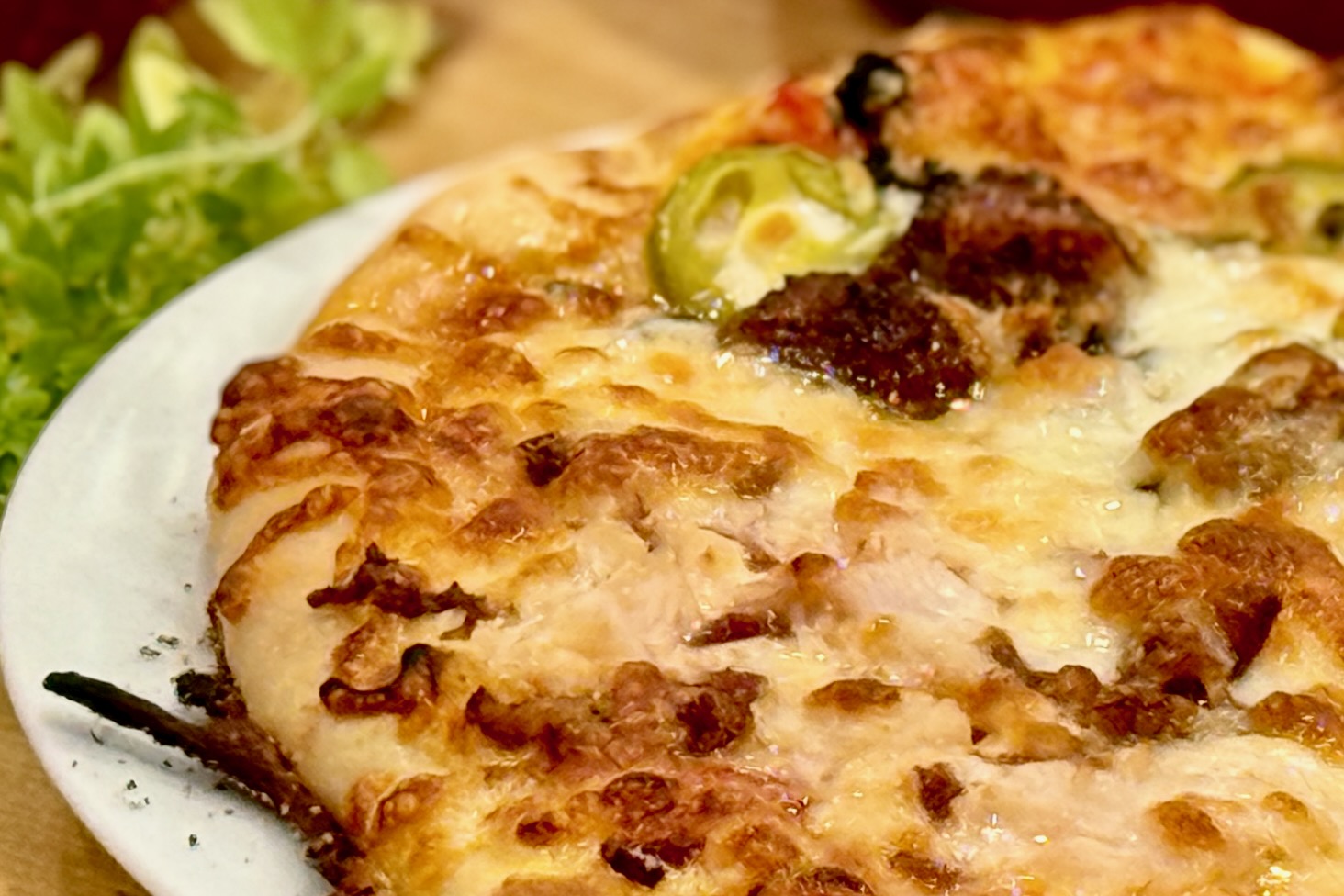
    • Spicy SausageNeapolitan tomato sauce, mozzarella, spicy Italian sausage, pickled jalapeños.
    • Sweet & SpicyNeapolitan tomato sauce, mozzarella, spicy Italian sausage, pickled jalapeños; after baking add a drizzle of honey.
    • Spinach & Sun-dried TomatoNeapolitan tomato sauce, mozzarella, provolone, ricotta, Parmesan, spinach, sun-dried tomatoes; after baking add fresh basil and a drizzle of extra virgin olive oil.
    • Loaded HawiianNeapolitan tomato sauce, mozzarella, ham, rotisseri chicken, bacon, pineapple, red onion, pickled jalapeños.
    • Shoarma PizzaNeapolitan tomato sauce, mozzarella, chicken shoarma; after baking add a drizzle of knoflooksaus (Dutch Garlic Sauce) and poestasaus.
    • Barbecue ChickenDr Pepper barbecue sauce, mozzarella, rotisseri chicken, bacon, pickled jalapeños.
    • Fig & PigNeapolitan tomato sauce, mozzarella, fresh sliced figs, fig jam, prosciutto, honey.
    • Fig, Pig, & GoatNeapolitan tomato sauce, goat cheese, fresh sliced figs, caramelized onions, prosciutto; after baking add arugula and a drizzle of honey.
    • Chicken Pestopesto sauce, mozzarella, rotisseri chicken, ricotta, thinly sliced tomatoes.
    • Mushroom & OliveNeapolitan tomato sauce, mozzarella, ham, mushroom, olives, pickled jalapeños.
    • Pear & Gorgonzolagarlic oil pizza base, thinly sliced pear, gorgonzola, mozzarella, walnuts or pecans; after baking add arugula and balsamic glaze.
    • Prosciutto & BurrataNeapolitan tomato sauce, mozzarella; after baking add torn burrata, prosciutto, arugula, and olive oil.
    • The MeatsNeapolitan tomato sauce, mozzarella, pepperoni, Italian sausage, ham, bacon.
    • Chicken, Spinach, & Fetagarlic oil pizza base , rotisserie chicken, spinach, feta, Parmesan, mozzarella.
    • Indo Satépeanut sauce thinned with coconut milk, saté ayam, mozzarella, blanched vegetables (thinly sliced carrots, small pieces of green beans, thin shavings of cabbage); after baking add bean sprouts tossed in lime juice and roasted sesame oil, thin cucumber slices, sambal, fresh cilantro, and a drizzle of ketjap manis.
    • Chicken FajitaNeapolitan tomato sauce with a sprinkle of cumin & paprika, mozzarella, Jack cheese, fajita chicken, red onion, roasted bell pepper strips, and pickled jalapeños; after baking add a drizzle of salsa verde and crema, with a squeeze of lime juice.
    • Saag Paneer—Pureed spinach “saag” base (spinach, blanched & puréed, sautéed onion, garlic, ginger, garam masala, cumin, coriander, a little chili, finished with cream or yogurt for silkiness) spread in a thin, even layer topped with paneer cubes, red onion, serrano chile slices; after baking add fresh cilantro, a light dusting of crumbled kasoori methi, and a drizzle of yogurt.
    • Carnitasgarlic oil pizza base, carnitas, mozzarella, red onion, roasted poblano chile strips, pickled jalapeños; after baking add fresh cilantro, diced white onion, crumbled cotija cheese or queso fresco, and a drizzle of salsa verde and crema.
  • Sweet Potato Gnocchi

    Sweet Potato Gnocchi

    After our family took a cooking class together—where we learned to make and shape classic gnocchi—we gathered again on a Sunday evening and had a light-bulb moment: what if we made gnocchi with roasted sweet potatoes? Roasting the sweet potatoes deepens their flavor and keeps the dumplings light yet richly savory. Finished in a nutty browned butter and crisp sage leaves, each pillowy bite evokes cozy autumn warmth—without drifting into dessert territory.


    Ingredients

    • Gnocchi:

    • 2 lb (900 g) orange-flesh sweet potatoes (about 2 large)
    • 1 large egg yolk
    • ¾–1 cup (90–120 g) all-purpose flour, plus more for dusting (start with ¾ cup)
    • ½ tsp table salt
    • ¼ tsp white pepper (or black pepper)
    • pinch nutmeg (optional; up to ⅛ tsp)
    • 2–3 tbsp finely grated parmesan (optional; adds savory depth)
    • semolina or additional flour, for dusting the tray
    • To Serve:

    • 1 batch Browned Butter & Sage Sauce
    • finely grated parmesan, for finishing (optional)

    Directions

    Roast the Sweet Potatoes

    Roast sweet potatoes at 400ºF (205ºC) until completely tender, 45–60 minutes. Split open and let steam escape for 10–15 minutes to reduce moisture. Scoop out the flesh.

    Rice and Cool

    Pass warm sweet potato flesh through a ricer (or mash very thoroughly). Measure 2 packed cups (450–500 g). Spread briefly on a sheet pan to steam off residual moisture, then cool until just warm.

    Make the Dough

    In a bowl, combine sweet potato, egg yolk, salt, pepper, optional nutmeg, and parmesan. Sprinkle ¾ cup (90 g) flour over the top. Fold gently with a bench scraper or spatula until a soft dough forms. It should be supple and just slightly tacky. If sticky, add flour 1 tbsp at a time.

    Test for Texture

    Bring a small pot of well-salted water to a boil. Roll and boil a small test nugget. If it falls apart or tastes mushy, knead in 1 tbsp flour and test again. Avoid overworking the dough.

    Shape the Gnocchi

    Lightly flour the counter and divide dough into four pieces. Roll each into a ¾-inch (2 cm) rope and cut into ¾-inch (2 cm) pieces. Optionally roll on a gnocchi board or fork. Transfer pieces to a semolina- or flour-dusted sheet pan.

    Boil

    Bring a large pot of well-salted water to a boil. Cook gnocchi in batches. They will sink, then float. Cook 30–60 seconds after floating, then lift gently with a spider directly into a warm bowl.

    Serve

    Toss gently with Browned Butter & Sage Sauce, loosening with a splash of cooking water as needed. Finish with parmesan and serve immediately.


    Notes

    Preparation

    • Roasting reduces moisture and prevents dense or gummy dough.
    • Flour amounts vary based on moisture. Add just enough to make dough manageable.
    • A potato ricer ensures the lightest texture; avoid food processors, which make puree gluey.
    • Nutmeg is optional. Keep to a tiny pinch for a savory balance.
    • Parmesan in the dough deepens savoriness and firms texture slightly.

    Serving Suggestions

    • Classic pairing: Browned Butter & Sage Sauce.
    • Also works with simple garlic–olive oil or a light gorgonzola cream.
    • Top with toasted breadcrumbs for added texture.

    Variations

    • Add 1–2 tbsp minced fresh herbs (sage, thyme, chives) to the dough.
    • Use purple sweet potatoes for a more earthy, colorful version; flour amount may vary.
    • Add ¼ cup ricotta for softer, pillowy gnocchi (increase flour slightly).

    Make-Ahead & Storage

    • Freeze uncooked gnocchi on a floured tray, then store in freezer bags up to 2 months. Boil from frozen; add 1–2 minutes to cook time.
    • Refrigerate cooked gnocchi lightly coated in oil up to 2 days. Rewarm gently in sauce.
    • Refrigerate raw dough tightly wrapped up to 24 hours; dust with a little flour if it hydrates.
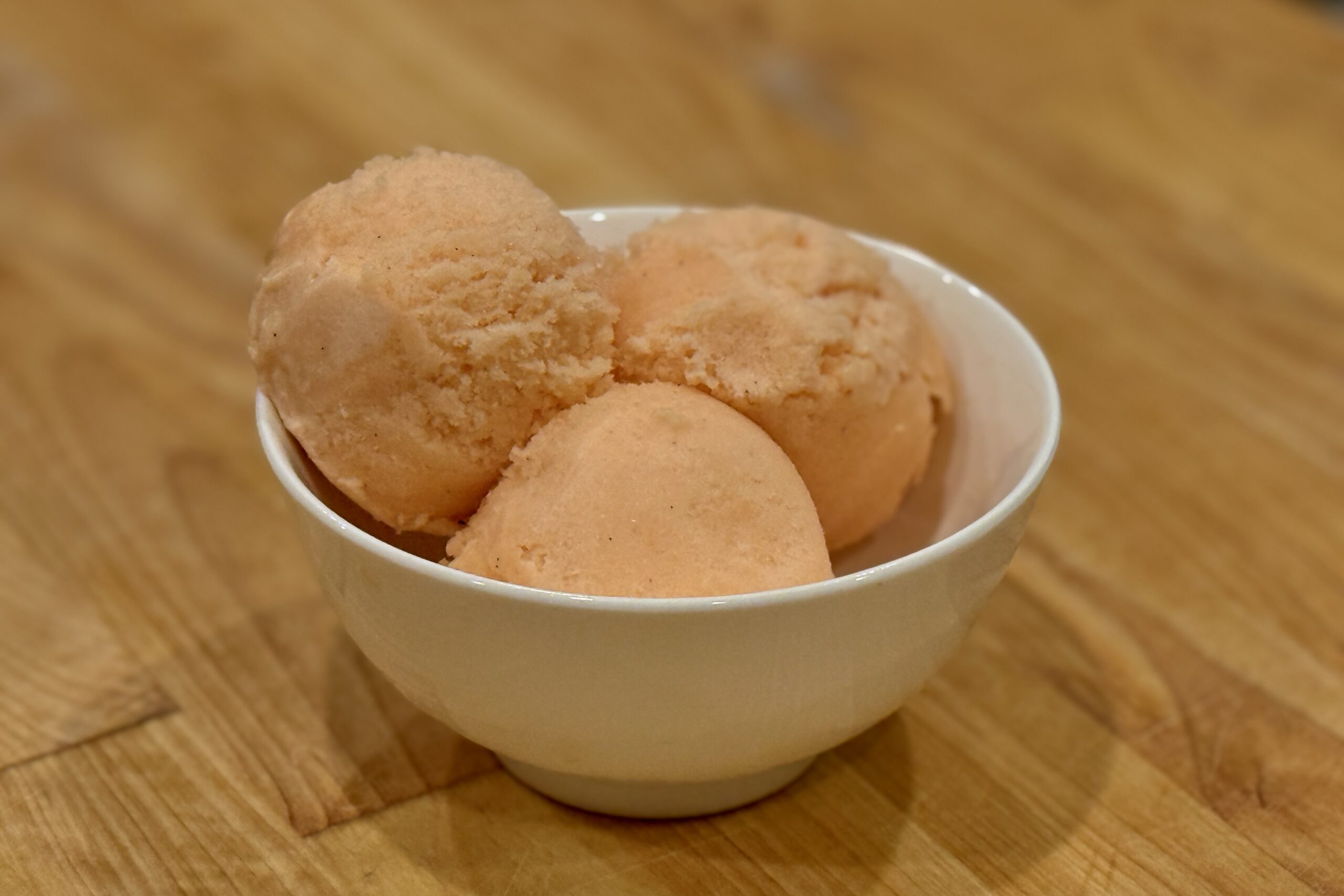
  • Mango Gelato

    Mango Gelato

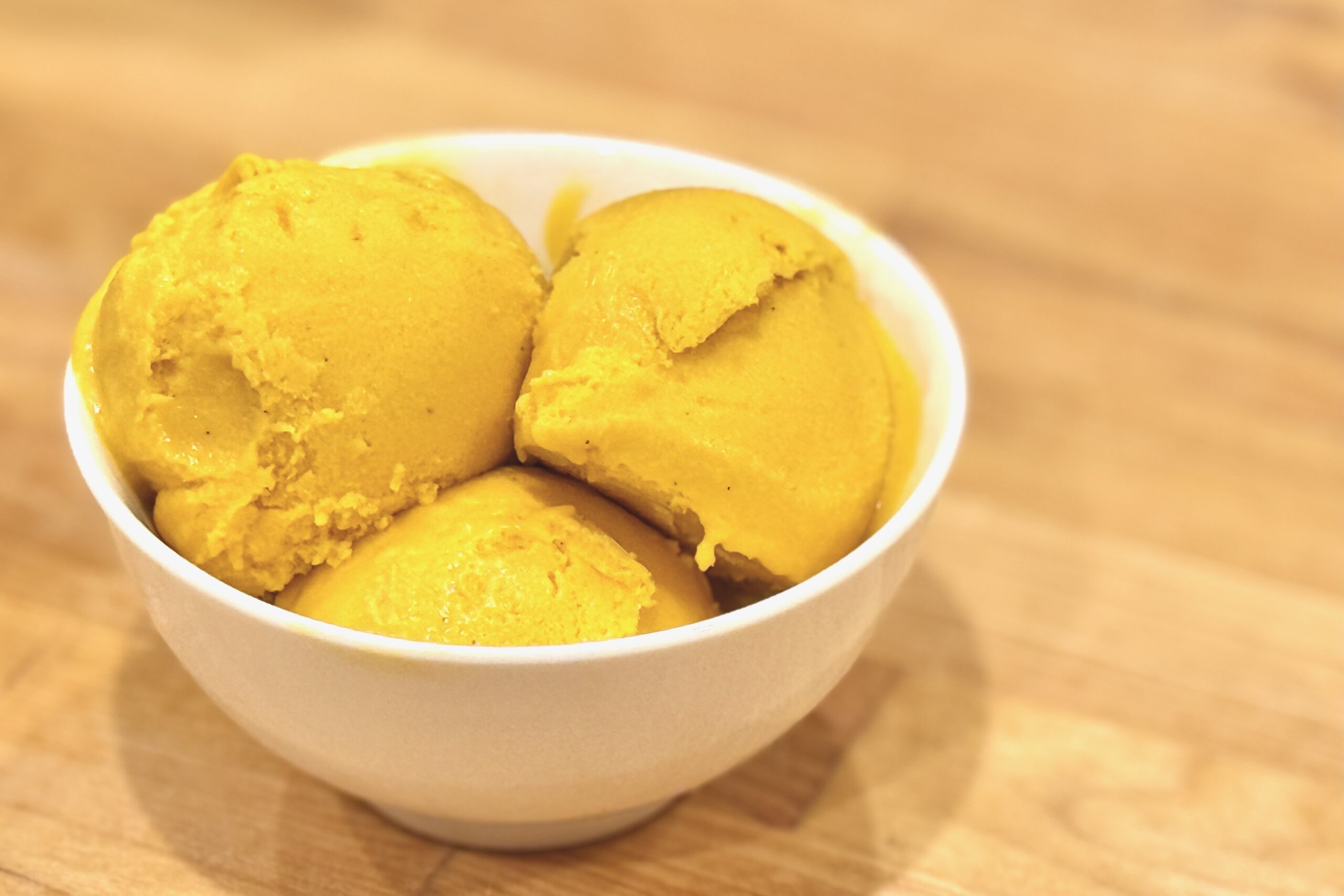
    This bright and silky gelato captures the pure flavor of ripe mangoes in classic Italian style—smooth, dense, and refreshingly balanced. The natural sweetness of the fruit shines through a light dairy base, while a touch of vanilla or spiced rum adds warmth and depth. Each scoop feels like a taste of summer, golden, fragrant, and intensely mango-forward.


    Ingredients

      Base:

    • 2 cups ripe mango purée (strained to remove fibers; from about 3–4 large mangoes or 16 oz frozen mango)
    • 1 cup whole milk
    • ¼ cup heavy cream
    • ⅔ cup sugar
    • ⅛ tsp xanthan gum (stabilizer)
    • 1 tbsp fresh lemon juice
    • pinch table salt
    • ½ tsp vanilla extract (optional; rounds flavor)
    • 1 tbsp spiced rum (optional; softens texture and adds warmth)

    Directions

    Prepare the Mango Purée

    Peel and cube ripe mangoes, or use thawed frozen mango chunks. Purée until completely smooth in a blender or food processor, then strain through a fine mesh sieve to remove fibers. Measure 2 cups purée, cover, and refrigerate.

    Make the Dairy Base

    In a small saucepan, whisk together milk, cream, sugar, and salt. Heat gently over medium heat until steaming and the sugar is fully dissolved. Remove from heat and cool slightly, about 10–15 minutes.

    Combine & Stabilize

    In a blender, combine the cooled milk mixture, mango purée, lemon juice, vanilla, and rum (if using). Sprinkle xanthan gum evenly over the surface and immediately blend on high for 30–45 seconds until emulsified and slightly thickened.

    Chill the Base

    Transfer to a covered container and refrigerate until very cold, at least 4 hours or overnight for best texture.

    Churn & Freeze

    Churn the chilled base in an ice cream maker according to manufacturer instructions until thick and velvety. Transfer to a container and freeze 3–4 hours to firm fully.


    Notes

    Preparation

    • Xanthan gum improves creaminess and prevents iciness; a little goes a long way.
    • Lemon juice brightens the mango flavor and balances natural sweetness.
    • If mangoes are less sweet, increase sugar slightly (up to ¾ cup total).
    • For a richer variation, substitute coconut milk for the whole milk.

    Serving Suggestions

    • Serve with diced fresh mango or mango coulis for extra fruit intensity.
    • Top with toasted coconut flakes or macadamia nuts for added texture.
    • Pair with lime cookies or shortbread for contrast.

    Make-Ahead & Storage

    • Refrigerate the blended base for up to 2 days before churning.
    • Store churned gelato in an airtight container for up to 1 week.
    • Allow to soften at room temperature for 5–10 minutes before scooping.