Bags of Spices

Favorite Recipes

Origin

Explore recipes by their culinary heritage — international flavors, cultural traditions, and global comfort foods.

  • Bananas Foster

    Bananas Foster

    Rich, buttery, and unmistakably indulgent, this Bananas Foster brings a taste of New Orleans to your table. Created in 1951 at Brennan’s in the French Quarter—at the height of the city’s banana-import boom and named for civic leader Richard Foster—it’s crafted from ripe bananas, rich caramel, rum, and banana liqueur. The flambéed presentation still thrills diners today, while the warm bananas and syrupy sauce spooned over creamy vanilla ice cream evoke both drama and comfort. In our family, it’s a go-to when we want something classic, bold, and effortlessly shared—every bite layered with caramel sweetness, a hint of cinnamon, and the smooth warmth of rum, all wrapped up in an experience that can make a simple dinner feel like a celebration.


    Ingredients

    • 2 tbsp butter
    • ¼ cup packed brown sugar
    • ⅛ tsp ground cinnamon
    • 1 banana, firm-ripe, sliced lengthwise or into thick rounds
    • ¼ cup crème de banane (banana liqueur)
    • 3 tbsp Grand Marnier (or other orange liqueur)
    • 3 tbsp dark or amber rum
    • vanilla ice cream, for serving

    Directions

    Prepare the Sauce:

    In a large sauté pan over medium heat, melt butter. Stir in brown sugar and cinnamon, cooking until the sugar dissolves and the mixture bubbles into a smooth caramel (1–2 minutes).

    Add the Liqueurs and Bananas:

    Stir in crème de banane and Grand Marnier. Bring just to a gentle boil, then add sliced banana. Cook for about 2–3 minutes, turning occasionally until the bananas are lightly caramelized but still hold their shape.

    Flambé the Rum:

    Remove the pan from the flame before adding rum. Carefully ignite using a long lighter or match, allowing the flames to subside naturally. Return to the stovetop and simmer for 30–60 seconds until the raw alcohol flavor cooks off and the sauce slightly thickens.

    Serve:

    Spoon the warm bananas and caramel sauce over vanilla ice cream. Serve immediately.


    Notes

    Preparation

    • Use firm, ripe bananas so they hold their shape during cooking.
    • For a deeper caramel flavor, cook the sugar mixture an extra minute before adding the liqueurs.
    • If you prefer not to flambé, simmer the rum gently for a few minutes to cook off the alcohol instead.

    Serving Suggestions

    • Serve over classic vanilla ice cream, or try butter pecan for extra richness.
    • For a brunch twist, serve over pancakes, waffles, or French toast.
    • Top with toasted pecans or a light sprinkle of sea salt for added texture and contrast.

    Variations

    • For a tropical version, substitute some or all of the rum with coconut rum.
    • Add a splash of pineapple juice for a lighter, fruitier finish.
    • Use plantains instead of bananas for a heartier, more caramel-forward dessert.

    Make-Ahead & Storage

    • This dessert is best prepared and served immediately for optimal texture and presentation.
    • If you need to make ahead, prepare the sauce up to the flambé step, cool, and refrigerate up to 1 day; rewarm gently, add fresh bananas, and finish before serving.
  • Alabama White Barbecue Sauce

    Alabama White Barbecue Sauce

    Alabama white barbecue sauce is one of those condiments that quietly steals the show—sharp, peppery, and creamy enough to cling to smoked chicken and pulled pork without ever feeling heavy. This version leans into that classic tang with apple cider vinegar, stone-ground mustard, horseradish, and plenty of black pepper, plus just enough optional sweetness and umami to round the bite. It’s the kind of sauce people remember after a cookout and ask for by name, whether you’re brushing it on grilled chicken thighs, serving it alongside ribs, or drizzling it over a piled-high pulled pork sandwich.


    Ingredients

    • 1 cup mayonnaise
    • 3 tbsp apple cider vinegar
    • 1½ tbsp prepared stone-ground mustard
    • 2–3 tsp prepared horseradish, to taste
    • 2 tsp coarsely ground black pepper (lightly toasted, optional)
    • ¾ tsp table salt
    • ½ tsp garlic powder
    • ¾ tsp onion powder
    • ¾ tsp Worcestershire sauce
    • ½ tsp hot sauce (such as Louisiana-style), or to taste
    • ½–1 tsp honey or sugar, to taste (optional, recommended)
    • ½ tsp fresh lemon juice (optional, for brightness)
    • ⅛ tsp MSG or 1–2 tsp dill pickle brine (optional, for extra depth)

    Directions

    Mix the Sauce

    If using the toasted pepper option, place the coarsely ground black pepper in a small dry skillet over medium-low heat and toast for 20–30 seconds, just until fragrant. Remove from heat and let cool slightly.

    In a medium bowl, whisk together the mayonnaise, apple cider vinegar, stone-ground mustard, horseradish, black pepper, salt, garlic powder, onion powder, Worcestershire sauce, hot sauce, honey or sugar (if using), lemon juice (if using), and either MSG or dill pickle brine (if using) until completely smooth and well combined.

    Adjust and Chill

    Taste and adjust seasoning: add a splash more vinegar for extra tang, a bit more honey or sugar to round the acidity, or additional hot sauce and horseradish for more heat. The sauce should taste slightly sharper and more intense than you want it to finish, as the flavors will mellow while chilling.

    Cover and refrigerate for at least 2 hours, preferably overnight, to allow the flavors to blend and the pepper to soften. Stir well before serving. Use within about 1 week.


    Notes

    Preparation

    • Use a good-quality, full-fat mayonnaise for best texture and flavor; reduced-fat mayo will make the sauce thinner and less stable.
    • Prepared horseradish varies in strength—start on the low end and add more to taste once everything is mixed.
    • The optional honey or sugar doesn’t make the sauce noticeably sweet; it simply softens the acidity and heat for a more rounded, restaurant-style finish.
    • Toasting the black pepper is optional but enhances its aroma and adds a slightly deeper, smokier note.

    Serving Suggestions

    • Brush over grilled or smoked chicken during the last 3–5 minutes of cooking, then serve extra on the side for dipping.
    • Drizzle over pulled pork sandwiches or use as a sandwich spread in place of plain mayonnaise.
    • Serve as a dipping sauce for smoked turkey, ribs, or grilled vegetables.
    • Thin slightly with water or buttermilk to create a drizzle for grain bowls, roasted potatoes, or chopped salads.

    Variations

    • Salad Dressing: For a creamy, tangy salad dressing, whisk in 2–3 tbsp buttermilk per 1 cup of sauce until pourable. Adjust salt and pepper to taste.
    • Sandwich Spread: For a slightly looser spread for sandwiches or pulled pork, whisk in about 1 tbsp buttermilk per 1 cup of sauce, or simply use the sauce as-is.
    • Extra-Spicy Version: Increase the hot sauce to 1–1½ tsp, add more horseradish to taste, and consider a pinch of cayenne for a lingering heat.
    • Smoky Version: Add ⅛–¼ tsp smoked paprika or a few drops of liquid smoke for a subtle smoky note.
    • Herb Variation: Stir in 1–2 tbsp finely chopped fresh parsley, chives, or dill just before serving for a fresher, greener profile.

    Make-Ahead & Storage

    • This sauce is best made at least a few hours in advance; overnight chilling gives the most balanced flavor.
    • Store in an airtight container in the refrigerator for up to 1 week, stirring before each use.
    • Because the base is mayonnaise, do not freeze; the emulsion will break once thawed.
    • Always use clean utensils when dipping into the sauce to maximize its shelf life.
  • Southern Sweet Potato Ice Cream

    Southern Sweet Potato Ice Cream

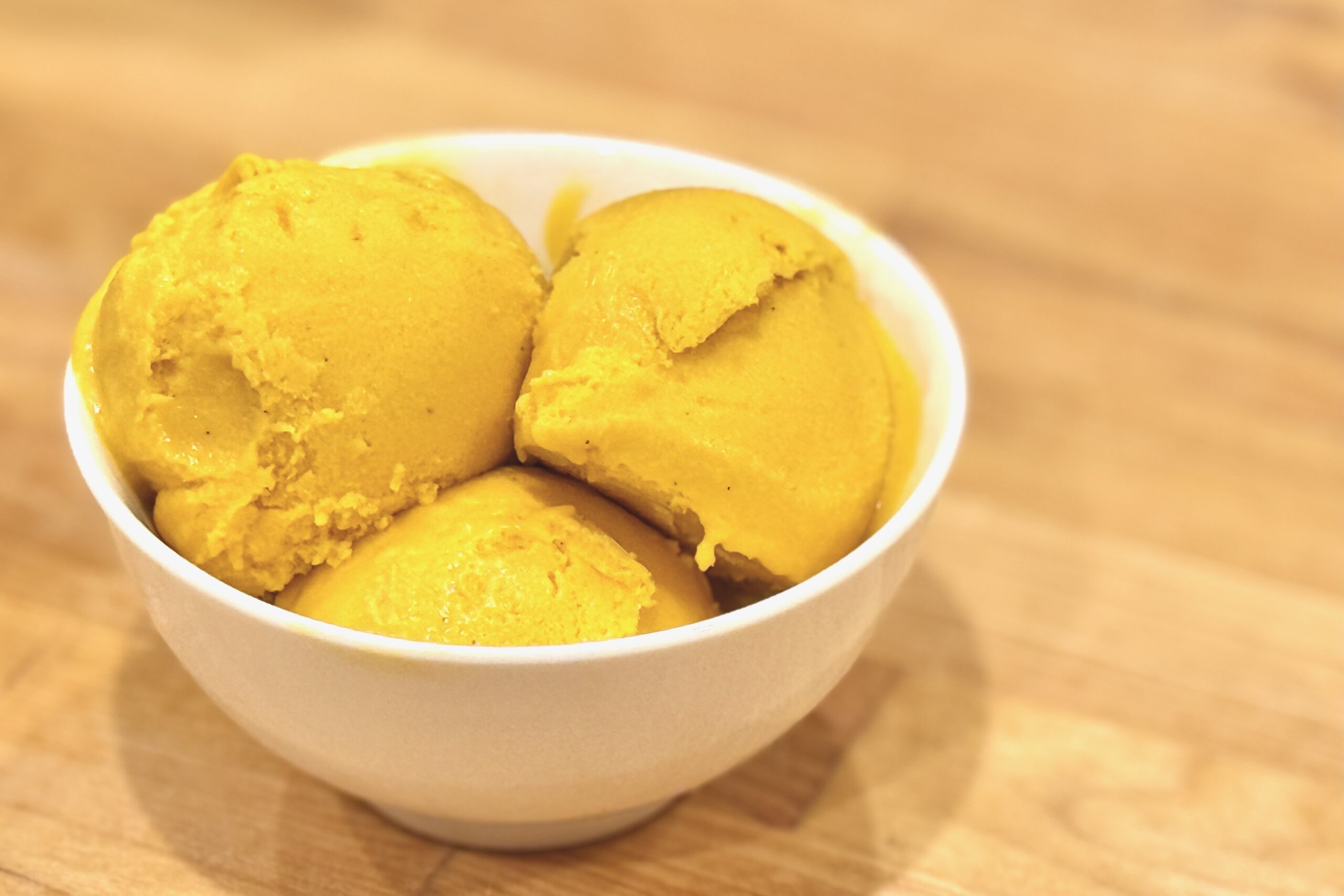
    Hearing the name Southern Sweet Potatoes has always made me smile—especially because it carries the warmth of Great Grandma Lena’s kitchen and the familiar aroma of roasted sweet potatoes, brown sugar, and butter. Turning those same comforting flavors into an ice cream feels a little unexpected, but the result is pure Southern magic: a silky sweet-potato custard ribboned with buttery praline cream and studded with crisp pecan pralines. It’s everything we love about the holiday casserole—just in a frozen, spoon-ready form.


    Ingredients

    Sweet Potato Ice Cream Base

    • 1 cup roasted sweet potato purée (from about 1 large roasted sweet potato)
    • 1 cup heavy cream
    • 1 cup whole milk
    • ¾ cup brown sugar
    • 4 large egg yolks
    • 2 tbsp unsalted butter
    • 2 tbsp buttermilk
    • 1 tsp vanilla extract
    • ½ tsp table salt
    • ⅛ tsp cinnamon (optional; keep subtle)
    • ⅛ tsp xanthan gum (optional, for extra smooth texture)

    Praline-Cream Swirl

    • ¼ cup unsalted butter
    • 6 tbsp brown sugar
    • 2 tbsp heavy cream
    • ½ tsp table salt
    • 1 tsp vanilla extract

    Mix-Ins

    • 1 cup chopped pecan pralines, frozen before use

    Directions

    Prepare the Sweet Potato Purée

    Roast a whole sweet potato at 400ºF (200ºC) until very soft, about 45–60 minutes. Scoop out the flesh and purée until completely smooth. Measure 1 cup and set aside.

    Make the Custard Base

    In a medium saucepan, whisk together brown sugar, egg yolks, and salt until well combined. Add the milk and cream and cook over medium heat, stirring constantly, until the custard thickens enough to coat the back of a spoon (170–175ºF / 77–80ºC). Do not boil.

    Remove from heat and whisk in the butter, sweet potato purée, vanilla, buttermilk, and cinnamon (if using). If using xanthan gum, sprinkle it in while blending with an immersion blender to avoid clumping.

    Chill the base for at least 4 hours or overnight.

    Make the Praline-Cream Swirl

    In a small saucepan, melt the butter with the brown sugar and cream. Simmer 1–2 minutes until lightly thickened. Remove from heat, stir in salt and vanilla, and cool completely. Refrigerate until cold.

    Churn & Assemble

    Churn the chilled sweet potato custard in an ice cream maker according to manufacturer instructions. When nearly finished, fold in the chopped frozen praline pecans.

    As you transfer the ice cream to a container, alternate layers of sweet potato ice cream and thin ribbons of praline-cream swirl. Gently marble with a butter knife and freeze until firm.


    Notes

    Preparation

    • Roasting sweet potatoes concentrates their natural sweetness and deepens flavor.
    • Adding buttermilk after cooking the custard keeps its flavor bright and prevents curdling.
    • Pecan pralines should be fully frozen before folding in to maintain crunch.
    • Keep the praline-cream swirl cold but pourable for clean ribbons.

    Serving Suggestions

    • Serve on its own as a holiday-inspired treat.
    • Pair with pecan pie, pumpkin pie, or warm apple crisp.
    • Add extra pralines or a warm caramel drizzle for richer servings.
    • Great with the Praline-Cream Swirl or just sprinkled with chopped pralines or roasted pecans.

    Variations

    • Add a toasted marshmallow swirl for a “sweet potato casserole” twist.
    • Use browned butter instead of regular butter in the custard for deeper caramel notes.
    • Swap praline pecans for toasted pecans if you prefer less sweetness.

    Make-Ahead & Storage

    • Ice cream keeps up to 2 months in an airtight container.
    • Store praline-cream swirl separately up to 1 week refrigerated or 2 months frozen.
    • Let ice cream sit at room temperature 5–10 minutes before scooping for best texture.
  • Crêpes

    Crêpes

    Light, delicate, and endlessly versatile, these classic French crêpes strike the perfect balance between tender centers and gently crisped edges. This refined version builds on traditional technique with small upgrades—like melted butter in the batter, a touch of sugar for browning, and a splash of water for that signature lace-like edge—making them ideal for both sweet and savory fillings.


    Ingredients

    • 4 large eggs
    • 1½ cups milk
    • ¼ cup water
    • 1¼ cups flour
    • ¼ tsp table salt
    • 2 tbsp melted butter
    • 1 tsp sugar (optional, for browning)

    Directions

    Make the Batter

    In a large mixing bowl, whisk together flour, salt, and sugar (if using).

    Make a well in the center. Add eggs and about half of the milk. Whisk from the center outward, slowly drawing in the flour until a smooth, thick paste forms.

    Add remaining milk and the water; whisk until completely smooth.

    Whisk in melted butter until incorporated.

    Rest the Batter

    Strain through a fine-mesh sieve to remove any remaining lumps. Let the batter rest for at least 30 minutes, or refrigerate up to overnight. If resting overnight, thin with a splash of milk before cooking if it has thickened.

    Cook the Crêpes

    Heat a nonstick or crêpe pan over medium heat and brush lightly with melted butter.

    Pour about ¼ cup of batter into the center of the pan and immediately swirl to coat the bottom in a thin, even layer.

    Cook until the top surface looks dry and the edges lift from the pan. Flip and cook briefly on the second side.

    Repeat, brushing the pan with more butter as needed.


    Notes

    Preparation

    • Resting the batter relaxes gluten and improves spreadability and tenderness.
    • The splash of water helps create crisp, lacy edges—a classic French technique.
    • For savory crêpes, omit the sugar; for dessert crêpes, you may increase it to 2 tsp.
    • Altitude (~4,750 ft): Batter may thicken slightly during resting. Add 1–2 tbsp extra milk as needed before cooking.

    Serving Suggestions

    • Sweet: lemon and sugar, fresh berries, Nutella, jam, honey, or pastry cream.
    • Savory: ham and cheese, sautéed mushrooms, spinach and gruyère, or smoked salmon with crème fraîche.

    Variations

    • Add ½ tsp vanilla or 1 tbsp rum for dessert crêpes.
    • Swap ¼ cup of milk for ¼ cup heavy cream for richer, more custardy crêpes.
    • Use buckwheat flour for a rustic Breton-style crêpe (best for savory fillings).

    Make-Ahead & Storage

    • Refrigerate cooked crêpes for up to 3 days with parchment between each layer.
    • Freeze for up to 2 months; thaw and warm briefly in a pan before serving.
    • Batter can be made up to 24 hours ahead; stir and thin with milk before cooking if needed.
  • Double-Fried Belgian Frites

    Double-Fried Belgian Frites

    Ok, my friends, don’t get me started! Just believe me when I say, Fries are NOT French! Whether it be because of the style of the cut (frenched) or the native language of many of their early purveyors, french and fries have been erroneously linked as the name of a true Belgian creation, Frites! Calling these spears of deliciousness French is, well, just wrong.

    Real frites are presoaked and double fried, delivering a soft and fluffy interior and crisp exterior. They are traditionally salted and served with mayonnaise. But, if you are feeling a bit more adventurous, try some of the typical toppings for Frites from the Netherlands and Belgium found under Serving Suggestions at the end of the recipe. My personal favorite… Patat Speciaal!


    Ingredients

    • Large potatoes (Russet or Bintje preferred)
    • Cold water
    • Neutral oil for frying (peanut or canola)
    • Salt, to taste
    • Pepper (optional)

    Directions

    Prepare the Potatoes

    Wash and scrub potatoes well. Peel if desired, then cut into thick fries (about ⅜–½ inch / 1 cm thick). Place in a large bowl of cold water and soak for at least 20 minutes, or up to several hours, to remove excess starch.

    Drain and pat the fries completely dry with paper towels before frying.

    First Fry (Par-Cook)

    Heat oil in a deep fryer or heavy pot to 275–300°F (135–150°C). Fry the potatoes in batches for about 4–6 minutes, just until tender but not browned. Avoid overcrowding to maintain temperature.

    Remove fries and transfer to a paper towel–lined tray or a large paper bag to drain and cool. Let rest at least 20–30 minutes.

    Second Fry (Crisp & Golden)

    Increase oil temperature to 375–400°F (190–205°C). Fry the cooled potatoes again in batches for 3–5 minutes, until golden brown and crisp.

    Transfer to fresh paper towels to drain. Immediately season with salt (and pepper, if desired).

    Serve

    Serve hot in a paper cone, bowl, or basket—Belgian style—with plenty of mayonnaise or one of the regional variations listed below.


    Notes

    Preparation

    • For the most authentic texture, use starchy potatoes such as Russets or Bintjes.
    • Soaking the potatoes helps remove starch for crisper results—don’t skip this step.
    • Always cool fries completely between the first and second fry for best crispness.
    • Use a thermometer to maintain accurate oil temperature during frying.

    Serving Suggestions

    • Patat Met – Fries with mayonnaise.
    • Patat Speciaal – Fries with mayonnaise, curry ketchup, and chopped onions.
    • Patatje Oorlog – Fries with mayonnaise, peanut sauce, sambal oelek, and chopped onions.
    • Patatje Joppie – Fries with mayonnaise mixed with yellow curry spices and topped with onions.
    • Frieten met Stoofvlees – Fries served with Belgian beef stew.
  • Carne Asada Tacos

    Carne Asada Tacos

    Carne asada tacos are all about bold, bright flavors—citrus, chiles, and fire meeting the smoky heat of the grill. This version brings together a vibrant, well-balanced marinade, a hot charcoal sear, and classic taquería toppings for tacos that taste like they came straight from a late-night stand in Mexico. Served with warm corn tortillas, diced onion, fresh cilantro, and your choice of salsa verde or chile de árbol salsa, these tacos are simple, deeply flavorful, and perfect for any cookout.


    Ingredients

      Marinade

    • ½ cup cilantro, roughly chopped
    • ⅓ cup avocado oil
    • ¼ cup soy sauce
    • ¼ cup orange juice
    • 2 tbsp lime juice (see note for overnight marinade)
    • 1 jalapeño, minced
    • 3–4 garlic cloves, crushed
    • 2–3 tbsp grated white onion
    • 1 tsp cumin
    • 1 tsp chipotle chili powder
    • 1 tsp ancho chili powder
    • ½ tsp mexican oregano
    • ¼ tsp cinnamon
    • 1–2 tbsp Mexican Coke (optional, enhances caramelization)
    • 1 tsp Worcestershire sauce
    • Optional Dry Substitutions (If Fresh Aromatics Are Unavailable)

    • ½ tsp garlic powder (instead of fresh garlic)
    • ½ tsp onion powder (instead of fresh onion)
    • Meat

    • 1–2 lbs flank or skirt steak
    • ½–1 tsp kosher salt, for seasoning before grilling
    • Finishings

    • Corn tortillas
    • 1 white onion, diced
    • 1 bunch cilantro, stemmed and chopped
    • Salsa Verde or Chile de Árbol Salsa
    • Limes, cut into wedges

    Directions

    Prepare the Marinade

    In a bowl, combine cilantro, avocado oil, soy sauce, orange juice, lime juice, jalapeño, garlic, grated onion, cumin, chipotle chili powder, ancho chili powder, oregano, cinnamon, Mexican Coke (if using), and Worcestershire sauce.

    Mix well to blend.

    Marinate the Steak

    Place steak in a resealable plastic bag or shallow dish and pour the marinade over the top. Seal or cover tightly, pressing out excess air.

    Marinate for 2–4 hours.

    For overnight marinating, reduce lime juice to 1 tbsp to avoid surface mushiness.

    Preheat the Grill

    Heat a charcoal grill to very high heat (550–650°F) for proper searing.

    Grill the Steak

    Remove the steak from the marinade and pat completely dry with paper towels for better browning. Season both sides with ½–1 tsp kosher salt.

    Place the steak on the grill and flip every minute for even charring and tenderness, grilling 3–4 minutes per side or until medium-rare (130–135°F).

    Optional:

    • Boil ¼ cup reserved marinade for 1 minute and lightly baste the steak during the final minute of cooking for deeper color and flavor.

    Rest and Slice

    Let the steak rest for 5–10 minutes to allow juices to redistribute.

    Slice thinly on the bias, making sure to cut against the grain for maximum tenderness.

    Assemble the Tacos

    Warm corn tortillas until soft and pliable.

    Fill with sliced steak and top with diced onion, chopped cilantro, your choice of salsa verde or chile de árbol salsa, and a squeeze of lime.


    Notes

    Preparation

    Skirt steak is more traditional for carne asada and tends to grill quickly with excellent flavor, though flank steak also works beautifully. Cutting on the bias gives each slice more surface area, enhancing tenderness and making the meat easier to layer into tacos.

    If using the optional Mexican Coke, it adds caramelization and depth without making the marinade taste sweet.

    Serving Suggestions

    • Great with Mexican Rice, Refried Beans, or Lime-Pickled Red Onions.
    • Offer both salsas—verde for brightness, chile de árbol for heat.

    Variations

    • Add a pinch of smoked paprika for a subtle smoky note without overpowering the grill flavor.
    • Swap jalapeño for serrano for more heat.

    Make-Ahead & Storage

    • Marinade can be made 2–3 days in advance.
    • Leftover carne asada keeps 3 days refrigerated.
    • Reheat sliced steak briefly in a hot skillet to avoid drying out.
  • Pumpkin Spice Steamer

    Pumpkin Spice Steamer

    This cozy pumpkin-spice drink, adapted from Aunt Laurie’s holiday favorite, fills the kitchen with warmth and nostalgia. Creamy, fragrant, and gently spiced, it’s perfect for Thanksgiving, Sinterklaas, and Christmas gatherings—or any chilly evening.


    Ingredients

    • 5 cups whole milk (or 4 cups milk + 1 cup half-and-half)
    • ⅓ cup sugar (adjust to taste)
    • ¾ cup pumpkin purée (not pie filling)
    • ½ tsp pumpkin pie spice
    • ½ tsp vanilla extract
    • Pinch of salt
    • Optional: 2 tbsp nonfat dry milk powder (adds creaminess)
    • Optional: ⅛ tsp xanthan gum (improves texture and body)
    • Whipped cream, for serving
    • Optional: ground cinnamon or nutmeg, for garnish

    Directions

    Heat the Base

    In a medium saucepan, whisk together the milk, sugar, pumpkin purée, pumpkin pie spice, and salt. If using nonfat dry milk powder or xanthan gum, whisk them in thoroughly at this stage. Warm gently over medium heat, stirring frequently, until the mixture is hot and steaming but not boiling.

    Finish and Serve

    Remove from heat and stir in the vanilla extract. Whisk or blend briefly with an immersion blender until lightly frothy. Pour into mugs, top with whipped cream, and sprinkle with a touch of cinnamon or nutmeg, if desired.

    Optional Variation

    For a richer drink, replace 1 cup of milk with half-and-half or add 1 tbsp butter before serving. For an extra aromatic touch, garnish with a cinnamon stick or star anise.


    Notes

    Preparation

    • Do not allow the mixture to boil—this helps maintain a smooth texture and prevents scorching.
    • Whisk dry milk powder and xanthan gum well before heating to avoid clumping.
    • A small pinch of salt enhances the pumpkin and spice notes while balancing sweetness.

    Serving Suggestions

    • Serve as a warm holiday drink for Thanksgiving, Sinterklaas, or Christmas gatherings.
    • Top with Maple Whipped Cream, or traditional whipped cream and a dusting of cinnamon or nutmeg for presentation.
    • Pairs well with pumpkin pie, spice cake, or gingerbread cookies.

    Make-Ahead & Storage

    • The spiced milk mixture can be prepared a few hours in advance and reheated gently before serving.
    • Store leftovers in the refrigerator for up to 2 days; reheat slowly over low heat, whisking to restore texture.
  • Buttermilk Biscuits

    Buttermilk Biscuits

    Tall, flaky, and tender, these buttermilk biscuits are our elevated take on a classic Southern staple. Grated butter, gentle folds, and a blast of high heat create dramatic layers, while buttermilk adds subtle tang and softness. Perfect for Sunday breakfast, sausage gravy, or warm from the oven with a generous swipe of butter.


    Ingredients

      Biscuits

    • 4 cups self-rising flour
    • 1–2 tbsp sugar (optional)
    • ¾ cup unsalted butter, grated and frozen 10–15 minutes
    • ¼ cup shortening (optional, adds tenderness)
    • 1 large egg (or omit for fluffier, more delicate biscuits)
    • 1½ cups buttermilk, plus more as needed
    • ½ tsp table salt (recommended for flavor balance)
    • Glaze

    • 1 egg, beaten
    • 1 tbsp buttermilk

    Directions

    Prepare the Dough

    Preheat oven to 475ºF (245ºC). Line a baking sheet with parchment paper.

    Whisk together self-rising flour, sugar (if using), and salt. Add grated frozen butter and shortening; toss lightly to distribute.

    Stir in the egg (if using), then add buttermilk. Mix gently with a wooden spoon until just combined; add an extra tablespoon of buttermilk at a time only if the dough seems dry.

    Fold & Shape

    Turn dough onto a lightly floured surface. Pat into a rough rectangle about ¾″ thick. Fold the right third over the center, then the left third (like an envelope). Pat back to ¾″, then repeat the fold 2–3 more times.

    Pat to a final thickness of about 1″. Cut biscuits with a sharp cutter, pressing straight down without twisting. Gather scraps, pat gently, and re-cut.

    Arrange biscuits on the prepared baking sheet with sides touching for higher rise.

    Glaze & Bake

    Whisk together egg and buttermilk; brush lightly over the tops.

    Bake at 475ºF for 5 minutes, then reduce heat to 450ºF (no need to open the oven) and bake 6–8 minutes more, or until deeply golden.

    Brush hot biscuits with melted butter. Let rest 5 minutes before serving.


    Notes

    Preparation

    • Freezing the grated butter helps create dramatic layers and prevents premature melting.
    • Using both butter and shortening gives restaurant-quality flakiness and tenderness.
    • For the tallest biscuits, keep dough cold and handle it as little as possible.
    • Patting dough to 1″ thickness produces higher, fluffier biscuits.
    • If substituting all-purpose flour for self-rising flour: use 1 cup all-purpose flour + 1½ tsp baking powder + ¼ tsp salt per cup. For this recipe: 4 cups all-purpose flour + 6 tsp (2 tbsp) baking powder + 1 tsp salt.

    Serving Suggestions

    • Serve with sausage gravy and fried eggs for a classic breakfast.
    • Pair with honey butter, jam, or sorghum molasses.
    • Split and toast leftovers for sandwiches.

    Variations

    • Cheddar & chive biscuits: fold in 1 cup shredded cheddar and ¼ cup chopped chives.
    • Sweet cream biscuits: omit egg and substitute sweet cream for buttermilk.
    • Cinnamon–brown sugar biscuits: add 1 tsp cinnamon and increase sugar to 3 tbsp.

    Make-Ahead & Storage

    • Refrigerate cut, unbaked biscuits up to 1 day; bake straight from fridge.
    • Freeze unbaked biscuits up to 1 month; bake from frozen, adding 2–3 minutes.
    • Baked biscuits keep 2–3 days at room temperature; reheat at 350ºF for 5–7 minutes.
  • Oven-Fried Fries

    Oven-Fried Fries

    Crisp on the outside and tender inside, these simple oven-fried fries are a quick family favorite. They deliver the satisfying crunch of classic fries without deep-frying—perfect for weeknight burgers, sandwiches, or snacking straight from the pan.


    Ingredients

    • potatoes, peeled and sliced
    • vegetable oil
    • salt, to taste

    Directions

    Prep the Oven

    Preheat oven to 450ºF. Lightly oil a baking sheet.

    Coat the Potatoes

    Place sliced potatoes on the baking sheet and drizzle with vegetable oil. Rub the potatoes together with your hands to evenly coat them.

    Bake

    Spread potatoes into a single even layer. Bake for 25–35 minutes, flipping after about 15 minutes, until golden and browned.


    Notes

    Preparation

    • For extra-crisp fries, soak sliced potatoes in cold water for 20–30 minutes, then dry thoroughly before oiling.
    • Be sure the potatoes are in a single layer to ensure even browning.
    • Season immediately after baking so the salt adheres well.

    Serving Suggestions

    • Serve with burgers, sandwiches, grilled meats, or alongside homemade chicken tenders.
    • Pair with fry sauce, ketchup, chipotle mayo, ranch, or garlic aioli.
    • Finish with chopped herbs such as parsley, chives, or rosemary for added aroma.

    Variations

    • Toss with garlic powder, smoked paprika, or black pepper before baking.
    • Make “steak fries” by cutting potatoes thicker and baking slightly longer.
    • Use Yukon Golds for a creamy interior or Russets for maximum crispness.

    Make-Ahead & Storage

    • Best served immediately for maximum crispness.
    • To reheat, bake at 425ºF for 8–10 minutes to refresh texture.
    • Leftovers can be stored in an airtight container in the refrigerator for up to 3 days.
  • German Chocolate Cake — From Scratch

    German Chocolate Cake — From Scratch

    The not-so-German, German Chocolate Cake is actually an American classic. The recipe comes from a Texas homemaker, Mrs. Clay, whose cake calling for German’s Sweet Chocolate was first published in the Dallas Morning News in 1957. German’s Sweet Chocolate itself was created much earlier, in 1852, by Samuel German—an American baker of English descent—for Baker’s Chocolate Company. Originally known as “German’s Chocolate Cake,” the possessive was eventually dropped, but the cake’s rich flavor and nostalgic charm have endured for generations.


    Ingredients

      Cake

    • 2¼ cups all-purpose flour
    • 1 pkg (4 oz) Baker’s German sweet chocolate
    • ½ cup water
    • 1 tsp baking soda
    • ¼ tsp table salt
    • 1 cup (2 sticks) butter, softened
    • 2 cups sugar
    • 4 eggs, separated
    • 1 tsp vanilla extract
    • 1 cup buttermilk
    • ⅛ tsp espresso powder (optional, enhances chocolate flavor)
    • Frosting

    • 4 egg yolks
    • 1 can (12 oz) evaporated milk
    • 1½ tsp vanilla extract
    • 1½ cups sugar
    • ¾ cup (1½ sticks) butter
    • 2⅔ cups unsweetened shredded coconut
    • 1½ cups pecans, chopped
    • ¼ tsp table salt (optional, to balance sweetness)

    Directions

    Prepare the Cake

    Preheat oven to 350°F (175°C). Line the bottoms of three 9-inch round cake pans with parchment or wax paper and lightly grease the sides.

    Microwave chocolate and water in a heatproof bowl for 1½–2 minutes, stirring every 30 seconds until almost melted. Stir until smooth and set aside to cool slightly.

    In a medium bowl, whisk together flour, baking soda, salt, and espresso powder (if using). Set aside.

    In a large mixing bowl, beat butter and sugar with an electric mixer on medium speed until light and fluffy, about 3 minutes. Add egg yolks one at a time, mixing well after each addition. Blend in melted chocolate and vanilla.

    Add the flour mixture alternately with the buttermilk, beginning and ending with flour, and beat until just combined.

    In a separate bowl, beat egg whites until soft peaks form. Gently fold into the batter using a spatula until evenly incorporated.

    Bake

    Divide batter evenly among prepared pans. Bake for 30 minutes or until a toothpick inserted in the center comes out clean. Immediately run a thin knife around the edges to loosen the cakes.

    Cool in pans for 15 minutes, then remove from pans and transfer to wire racks. Discard parchment and cool completely before frosting.

    Make the Frosting

    In a medium saucepan, whisk together egg yolks, evaporated milk, and vanilla until blended. Add sugar and butter. Cook over medium heat, stirring constantly, until the mixture thickens and turns golden brown (about 12 minutes).

    Remove from heat and stir in coconut, pecans, and salt (if using). Mix well and cool completely before spreading. The frosting will thicken as it cools.

    Assemble the Cake

    Spread frosting between layers and on top of the cake. Garnish with extra pecans if desired. This recipe yields about 16 servings. (For generous layers, we often double the frosting recipe — a must for a three-layer cake!)


    Notes

    Preparation

    • Ensure chocolate has cooled slightly before mixing into batter to prevent scrambling the eggs.
    • Adding espresso powder enhances chocolate depth without changing flavor.
    • Frosting thickens as it cools—spread only when fully cooled for best texture.
    • Double the frosting for a three-layer cake.

    Serving Suggestions

    • Serve at room temperature for the best flavor and texture.
    • Top with extra toasted pecans or a drizzle of melted chocolate for an elegant finish.

    Make-Ahead & Storage

    • Frosting can be made up to 3 days in advance; refrigerate and bring to room temperature before using.
    • Cake layers freeze beautifully—wrap individually and freeze up to 2 months. Thaw completely before frosting.
    • Store frosted cake covered at room temperature for up to 2 days, or refrigerated for up to 5 days.

    Shortcut Option

    • For a simpler approach with equally impressive results, try our German Chocolate Cake — Bakery Structure with Box Convenience, which upgrades a boxed mix for richer flavor, taller layers, and beautifully clean slices.