Bags of Spices

Favorite Recipes

Sides, Soups & Salads

Cozy bowls, fresh sides, and dishes that complete the plate — from warm stews to crisp salads and comforting vegetables.

  • Spanakopita Triangles

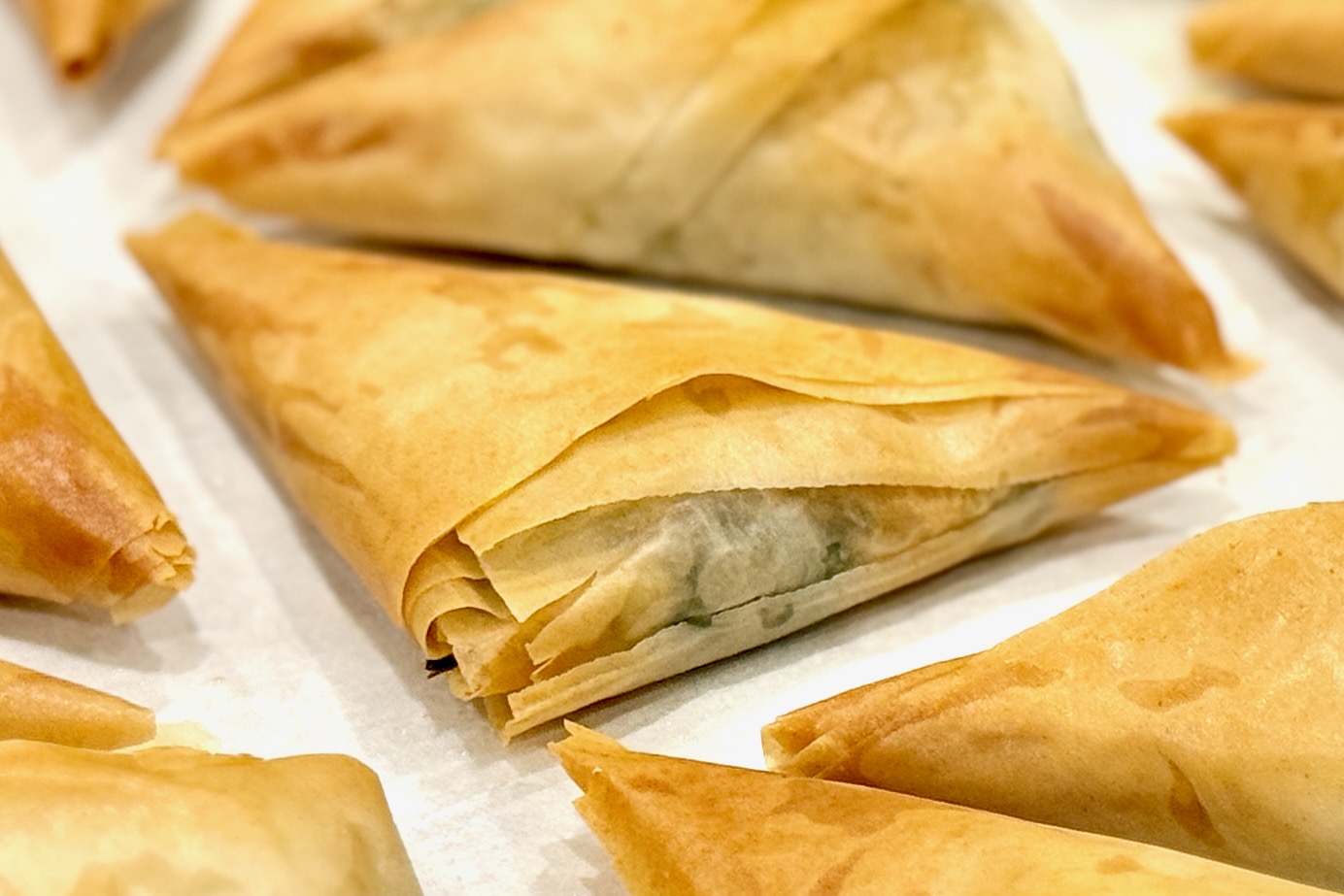
    Spanakopita Triangles

    These spanakopita triangles are crisp, buttery, and filled with a savory blend of spinach, feta, and fresh herbs. Dill leads the flavor, supported by parsley and a subtle hint of mint, creating a filling that’s bright, aromatic, and unmistakably Mediterranean. Baked until golden and shatteringly crisp, they’re perfect as an appetizer, mezze platter addition, or make-ahead snack.


    Ingredients

    • 1 tbsp olive oil (or butter)
    • ½ onion, finely diced
    • 1 tsp garlic, finely chopped
    • 2 tbsp fresh dill, finely chopped (or 2 tsp dried dill)
    • 1 tbsp fresh parsley, finely chopped (or 1 tsp dried parsley)
    • ¼ tsp dried mint
    • ¾–1 tsp shoarma spice mix (optional)
    • 1 package (12–16 oz) frozen spinach, thawed and very well squeezed dry, or equivalent fresh spinach, cooked down and drained
    • 1 egg, lightly beaten
    • ½ cup crumbled feta
    • salt & freshly ground black pepper, to taste
    • frozen phyllo dough, thawed
    • butter, melted

    Directions

    Prepare the Filling

    Preheat oven to 375ºF. Line two half-sheet pans with parchment. Heat a skillet over medium heat and add olive oil (or butter). Add onion and cook until softened but not browned.

    Stir in garlic, dill, parsley, mint, and shoarma spice mix (if using) and cook just until fragrant.

    Use a clean tea towel to squeeze as much liquid as possible from the spinach; coarsely chop if needed. Add spinach to the skillet and heat through. Remove from heat and let cool slightly, then stir in egg and feta. Season with salt and pepper to taste.

    Assemble the Triangles

    While the phyllo is still wrapped, use a sharp knife to cut it into 3 equal sections (about 3″ wide strips). Work with one section at a time, keeping the remaining dough covered with plastic or a lightly damp towel to prevent drying.

    Place one strip of phyllo on the work surface and brush lightly with melted butter. Top with a second strip and brush again. Place about ½ tbsp of filling near the bottom corner. Fold the corner over the filling to form a triangle, then continue folding in a flag pattern up the strip, maintaining the triangle shape. Transfer to the prepared baking sheet.

    Bake

    Repeat with remaining phyllo and filling, spacing triangles slightly apart. Bake for 18–22 minutes, until crisp and golden brown.


    Notes

    Preparation

    • Spinach must be squeezed very dry to prevent soggy filling and torn phyllo.

    Variations

    • Shoarma Spice Mix: This is a non-traditional addition. Classic Greek spanakopita relies on fresh herbs rather than warm spice blends. Used sparingly here, it adds subtle warmth and depth; omit it for a fully traditional Greek flavor.

    Make-Ahead & Storage

    • Unbaked triangles may be frozen solid and baked from frozen, adding 3–5 minutes to the bake time.
  • Garlic-Sesame Green Beans

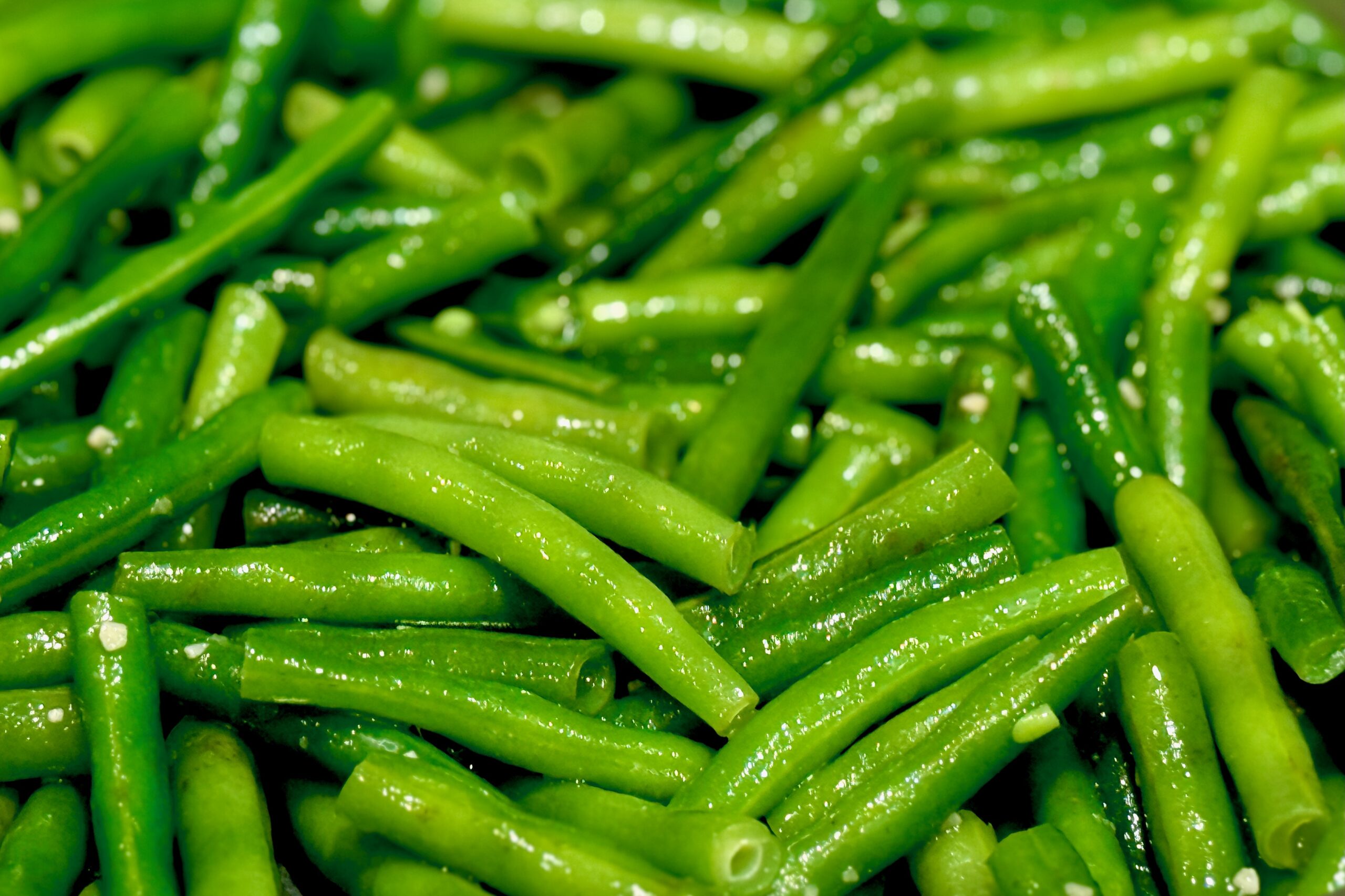
    Garlic-Sesame Green Beans

    These Simple Garlic–Sesame Green Beans are designed to be a quiet, versatile side—clean, fresh, and adaptable to a wide range of Southeast Asian and Indonesian-inspired dishes. Blanched until just tender-crisp, then lightly warmed with garlic and finished with a restrained touch of sesame oil, they provide contrast and balance without competing with bold mains like babi panggang, caramelized meats, or richly sauced stir-fries.


    Ingredients

    • 1 lb green beans, trimmed
    • 1 tsp kosher salt (for blanching water)
    • 1 tsp neutral oil
    • 1 small clove garlic, finely minced (optional)
    • ¼–½ tsp toasted sesame oil (to taste)
    • Pinch of table salt, to finish

    Directions

    Blanch the Green Beans

    Bring a large pot of water to a boil and season generously with kosher salt. Add the green beans and cook until just tender-crisp, about 2–3 minutes.

    Drain immediately and spread on a tray or plate to cool slightly. (Ice shocking is optional but not necessary if the beans will be used right away.)

    Warm and Season

    Heat a wide skillet over medium heat and add the neutral oil. If using garlic, add it and cook briefly just until fragrant—do not brown.

    Add the blanched green beans and toss to warm through, about 1–2 minutes. Remove from heat and drizzle lightly with sesame oil. Toss once more and season with a small pinch of table salt if needed.

    Serve

    Serve warm or at room temperature as a simple vegetable side.


    Notes

    Preparation

    • Keep the sesame oil restrained—it should add aroma, not dominate the dish.
    • Garlic is optional and can be omitted for an even cleaner, more neutral side.

    Serving Suggestions

    • Pairs well with Indonesian and Southeast Asian dishes such as babi panggang, caramelized chicken, grilled meats, and rice-based meals.
    • Works especially well alongside rich or sweet-salty mains, helping to refresh the palate.

    Variations

    • No sesame: Omit the sesame oil entirely for a fully neutral vegetable side.
    • Indonesian-leaning: Finish with a few drops of neutral oil infused with garlic or shallot instead of sesame oil.

    Make-Ahead & Storage

    • Blanch the green beans up to 24 hours ahead and refrigerate; finish just before serving.
    • Leftovers keep well for up to 3 days and can be enjoyed cold or gently reheated.
  • Ginger Salad Dressing

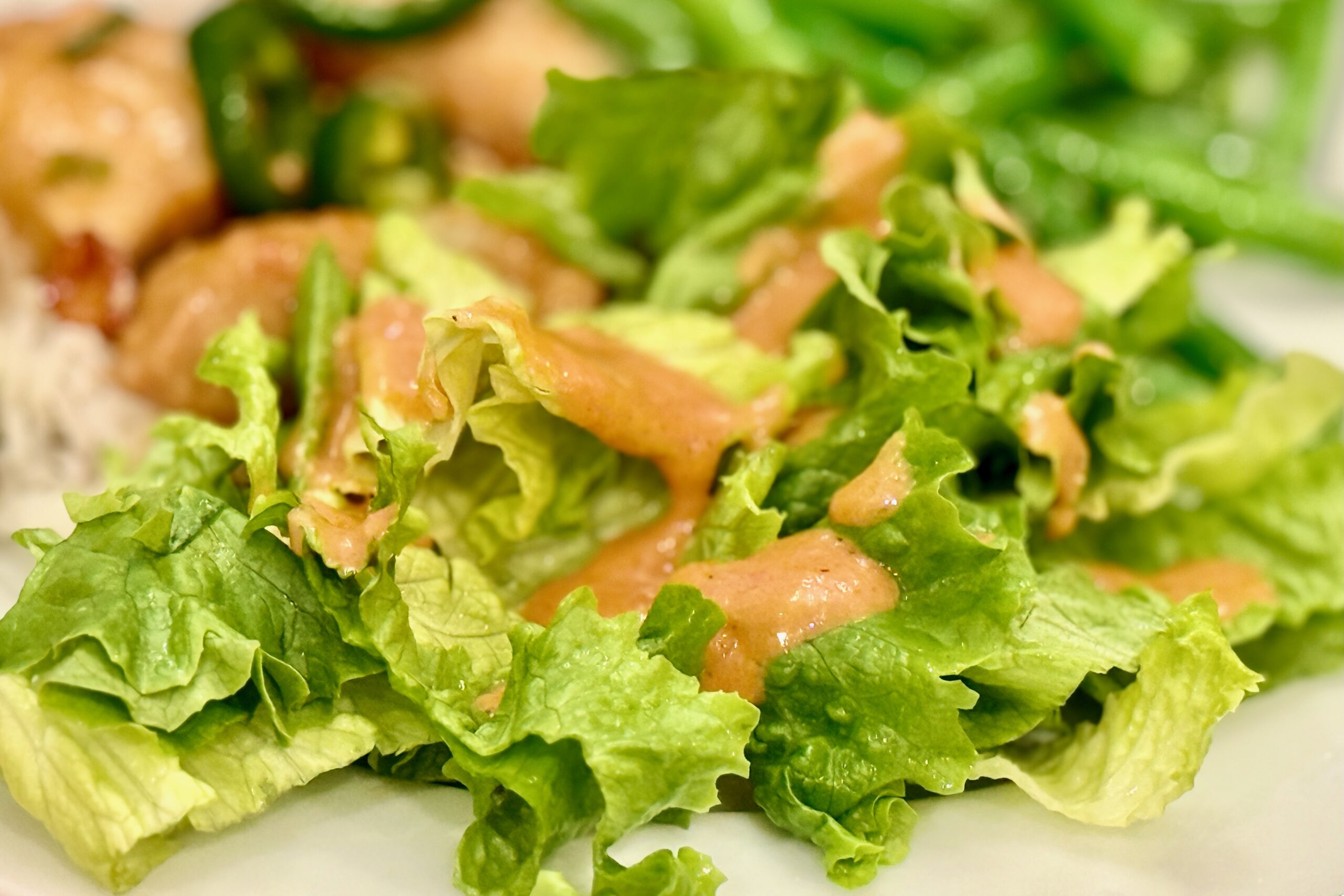
    Ginger Salad Dressing

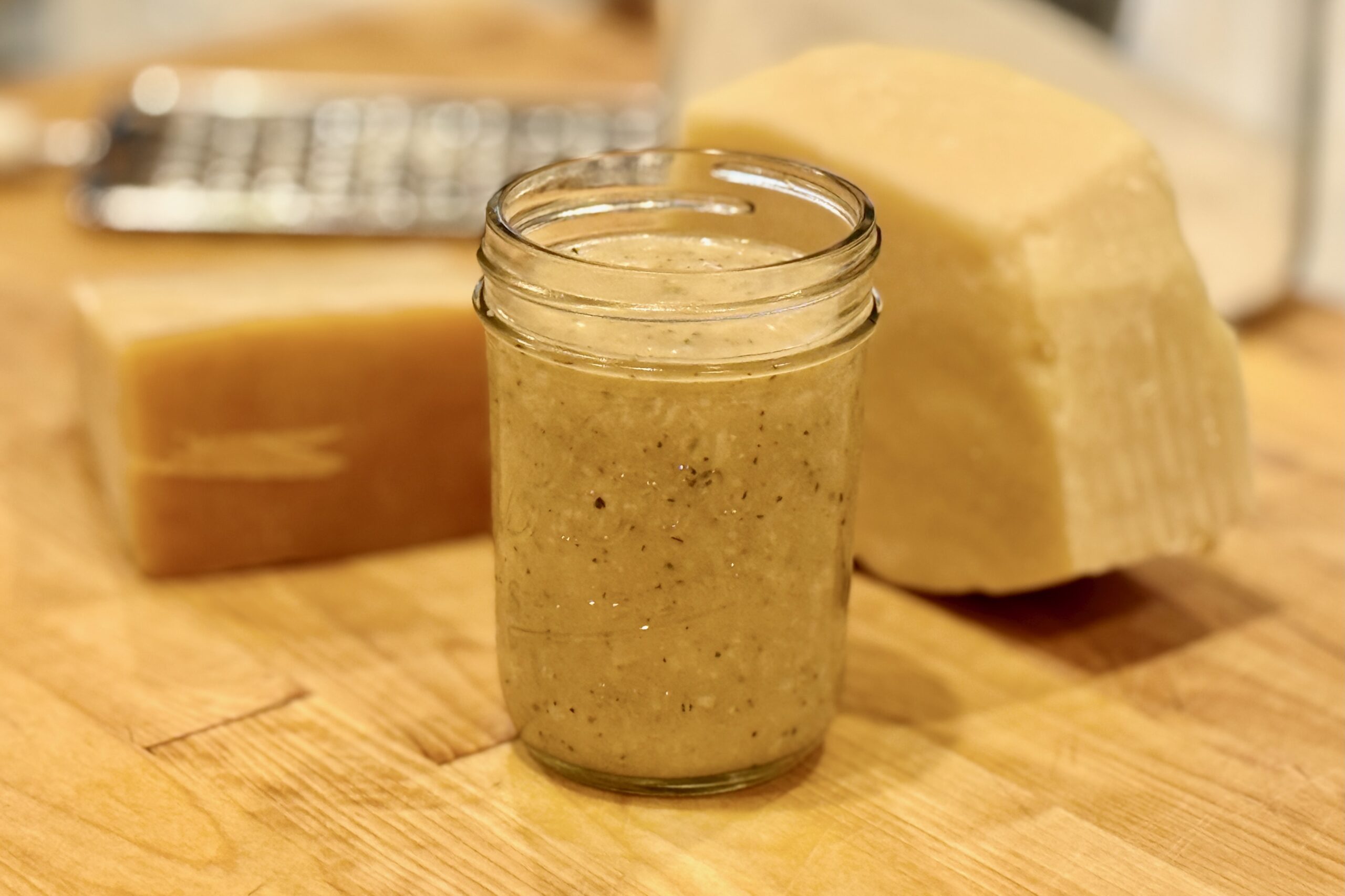
    This bright, restaurant-style ginger dressing brings together aromatic ginger, sweet onion, and balanced acidity for a flavor reminiscent of Japanese steakhouse salads. Blooming the ginger in oil enhances its fragrance, while rinsing the onion keeps the flavor clean and smooth. It’s quick to blend, deeply flavorful, and even better after an overnight rest.


    Ingredients

    • ½ cup neutral oil
    • ½ cup onion, diced, rinsed under cold water and drained
    • 3 tbsp ginger, minced
    • ⅓ cup rice vinegar
    • 2 tbsp ketchup
    • 1½ tbsp soy sauce
    • 1 tbsp sugar or honey
    • 1 tbsp lemon juice
    • 1–2 tsp fresh orange juice (optional)
    • 1 tbsp celery, minced
    • 1 tbsp water
    • ½ tsp minced garlic
    • ¼ tsp table salt
    • ¼ tsp ground black pepper
    • ⅛ tsp MSG (optional)
    • ⅛ tsp xanthan gum (optional, for thicker texture and less separation)

    Directions

    Prepare the Base:

    Add the minced ginger and neutral oil to a blender. Blend on high for 30–45 seconds to bloom the ginger and release its aroma.

    Add the rinsed and drained onion, celery, garlic, and ketchup. Blend until the mixture becomes smooth and the onion pieces are finely broken down.

    Add Seasonings & Liquids:

    Add rice vinegar, soy sauce, sugar or honey, lemon juice, optional orange juice, water, salt, pepper, and optional MSG.

    If using xanthan gum, sprinkle it evenly over the surface before blending; do not add it in a clump.

    Blend & Chill:

    Blend on high for 30–90 seconds, or until smooth with tiny visible flecks of ginger and celery.

    Chill at least 1 hour before serving; overnight is preferred for best flavor and texture.


    Notes

    Preparation

    • Rinsing the onion removes harsh sulfur compounds for a cleaner, sweeter dressing.
    • Blooming ginger in oil amplifies fragrance and rounds the flavor.
    • For deeper umami, add ½–1 tsp white miso.
    • If using xanthan gum, sprinkle evenly to avoid clumping.

    Serving Suggestions

    • Use on crisp iceberg salads for a classic Japanese steakhouse experience.
    • Drizzle over grilled chicken bowls or grain bowls for added brightness.
    • Serve as a dipping sauce for raw vegetables.

    Variations

    • For a spicier version, add a pinch of cayenne or a few drops of hot sauce.
    • For a sweeter style, increase the honey or sugar slightly.
    • For brighter acidity, add an additional teaspoon of lemon juice.

    Make-Ahead & Storage

    This dressing improves significantly after an overnight rest.

    • Refrigerator: Up to 5–7 days.
    • Shake or stir before serving if separation occurs (less likely if using xanthan gum).
  • Ramen

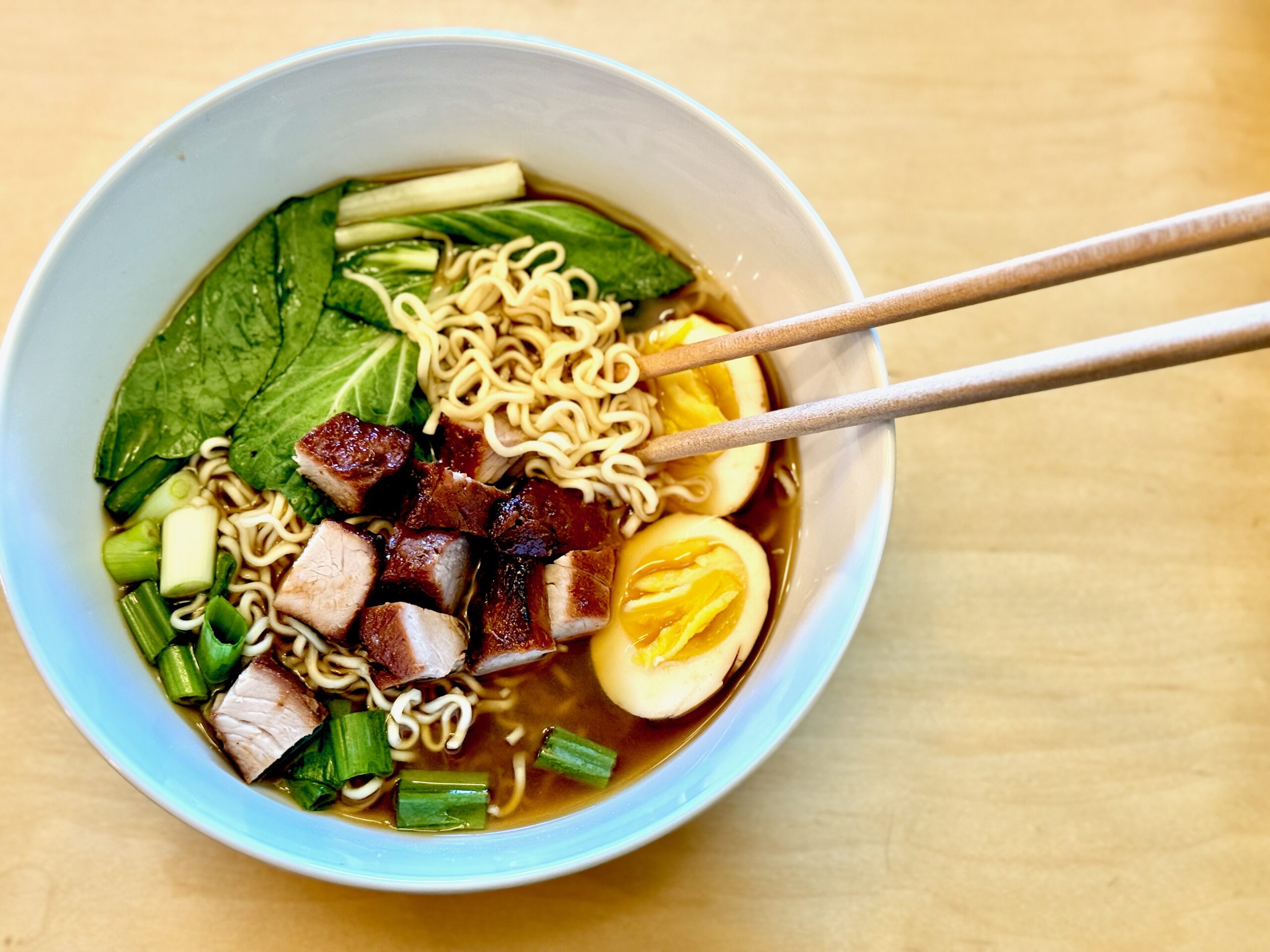
    Ramen

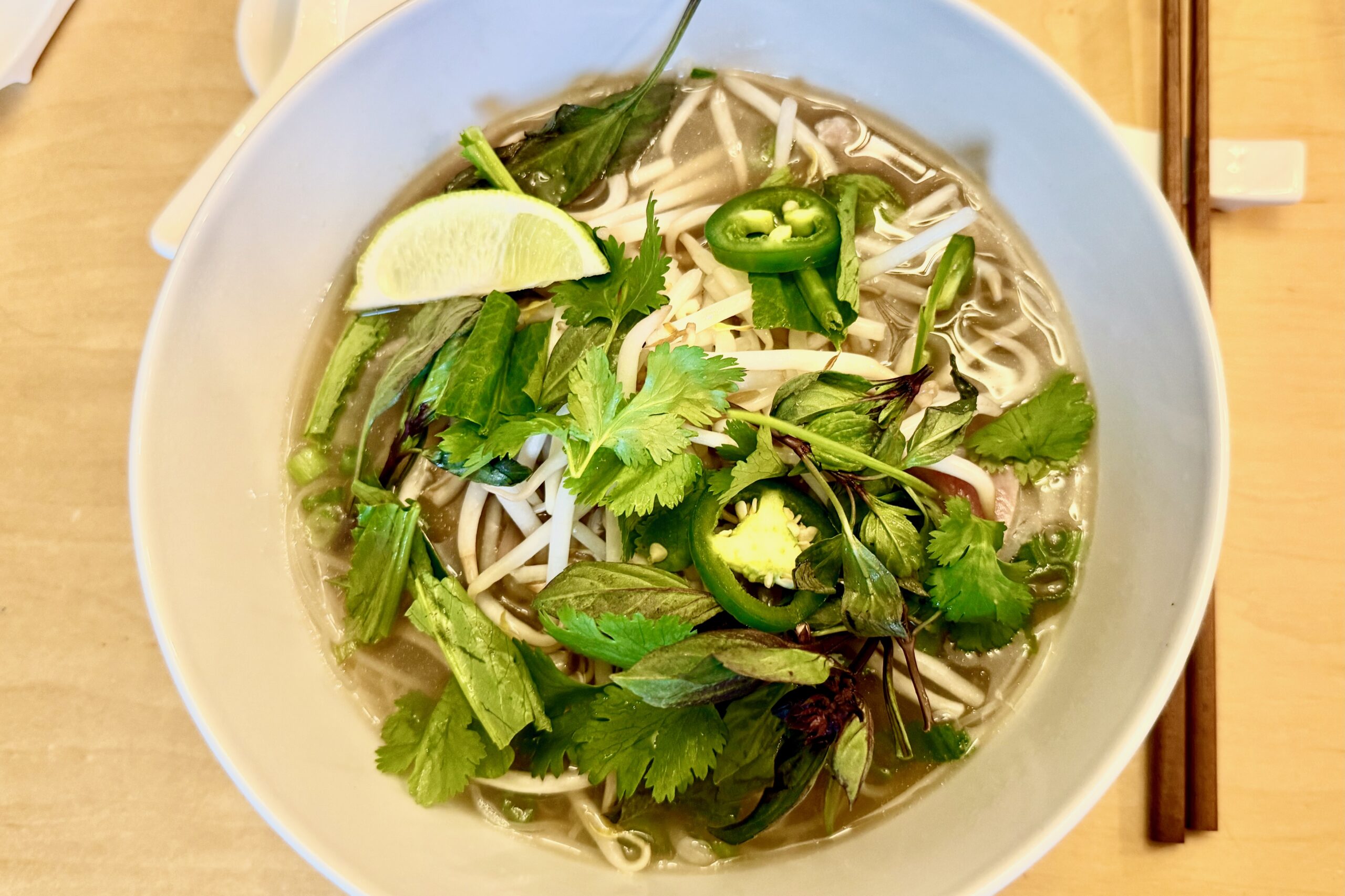
    This modular ramen guide gives you several broth options, multiple tare (seasoning sauces), and a flexible set of toppings so you can build your ideal bowl—light and clear, rich and creamy, or deeply savory with miso or soy. To prepare a delicious bowl of ramen, chose one of the three broths and combine with one of the four tare (flavoring sauces). Finish your bowl of ramen with items from the Prepare to Serve section, or your own finishing touches.


    Ingredients

    Chicken Broth

    • 1 rotisserie chicken carcass, most skin and meat removed
    • ½ onion, quartered
    • ½ tbsp garlic, minced
    • 1 oz ginger, thinly sliced
    • 2 green onions, quartered
    • ½ cup sake
    • 3 qt cold water
    • 3 packets (¼ oz each) gelatin, bloomed on ½ cup cold water

    Chicken & Dashi Broth

    • 1 recipe mizudashi
    • 1 recipe chicken broth (above)

    Chicken & Pork Broth

    • 1 recipe chicken broth or chicken & dashi broth
    • 1–1½ tbsp (or 3–4 cubes) pork bouillon
    • 1 tbsp lard
    • ½ tsp xanthan gum

    Shio Tare

    • ¼ cup dashi
    • 2 tbsp sake
    • 1 tbsp mirin
    • 1 tbsp salt

    Shoyu Tare

    • ¼ cup dashi
    • ¼ cup soy sauce
    • 2 tbsp sake
    • 2 tbsp mirin

    Miso Tare

    • ½ onion, finely chopped
    • 1 clove garlic, minced
    • 1 tbsp ginger, finely minced
    • 1 green onion, white portion only
    • 2 tbsp smooth peanut butter
    • 1 tbsp sake
    • 2 tbsp mirin
    • 1 tsp rayu chili oil
    • ½ cup white miso paste

    Char Siu Tare

    Prepare to Serve

    • Traditional ramen noodles
    • Ajitsuke tamago (soft-boiled marinated egg)
    • Diced char siu
    • Sliced green onion
    • Bok choy
    • Nori sheets
    • Menma (fermented bamboo shoots)
    • Thinly sliced onion

    Directions

    Make the Chicken Broth

    Place the chicken carcass, onion, garlic, ginger, green onions, and sake into an Instant Pot. Add water to the maximum fill line. Using the sauté function, heat and simmer for 30 minutes, skimming off any foam or impurities.

    Secure the lid and pressure cook on high for 45 minutes. Allow pressure to release naturally for at least 30 minutes.

    Strain broth through a lined fine-mesh strainer and discard solids. Adjust with water if the broth is overly strong. Stir in the bloomed gelatin until fully dissolved.

    Make the Chicken & Dashi Broth

    Combine 2 parts dashi with 3 parts chicken broth in a pot. Heat until small bubbles form but do not boil. Simmer gently for 10 minutes or up to 2 hours to intensify flavor, monitoring to prevent boiling or over-reduction.

    Make the Chicken & Pork Broth

    Dissolve pork bouillon into hot broth. Mix lard with xanthan gum until smooth and lump-free. Add to the broth and blend with an immersion blender until emulsified.

    Make Shio Tare

    Combine dashi, sake, mirin, and salt in a saucepan over low heat. Simmer until salt dissolves. Use 2–3 tbsp tare per 2 cups broth.

    Make Shoyu Tare

    Combine dashi, soy sauce, sake, and mirin in a saucepan over low heat. Simmer briefly. For deeper flavor, make 1 day ahead. Use 2–3 tbsp tare per 2 cups broth.

    Make Miso Tare

    Blend onion, garlic, ginger, green onion, peanut butter, sake, mirin, and rayu until creamy. Cook mixture in a saucepan over low heat for about 3 minutes. Remove from heat, stir in miso, and blend until smooth. Use 2–3 tbsp tare per 2 cups broth and blend into broth with an immersion blender.

    Use Char Siu Tare

    Use 2–3 tbsp tare per 2 cups broth.

    Assemble the Ramen

    Cook ramen noodles according to package or desired texture.

    Combine chosen broth with chosen tare, starting with 2 tbsp tare and adjusting to taste.

    Top with desired additions and adjust seasoning and richness to taste.


    Notes

    Preparation

    • Adding bloomed gelatin to the chicken broth enhances body and gives a collagen-rich texture similar to tonkotsu.
    • Skimming foam from the chicken broth during the initial simmer leads to a clearer broth but may be skipped if cloudiness is acceptable.
    • The chicken & pork broth is a simplified method to mimic tonkotsu without long boiling of pork bones.
    • Lard added to the pork broth contributes richness and a silky mouthfeel typical of pork-based ramen.
    • Xanthan gum in the pork broth helps keep fats and liquids emulsified for a smoother broth.

    Serving Suggestions

    • Customize toppings with mushrooms, corn, sautéed greens, chili crisp, or flavored oils.
    • Increase tare for a saltier, more intense bowl; reduce for a lighter profile.

    Variations

    • Use mushroom dashi for a vegetarian-friendly broth base.
    • Add a small amount of sesame paste to miso tare for a richer Hokkaido-style bowl.
    • Infuse the broth with garlic oil, chili oil, or schmaltz for additional complexity.

    Make-Ahead & Storage

    • Broths keep refrigerated for 4–5 days or frozen for 3 months.
    • Tare keeps refrigerated 1–2 weeks; miso tare lasts longest due to its salt content.
    • Store toppings (char siu, eggs, greens) separately for best texture.
  • Ajitsuke Tamago — Marinated Ramen Eggs

    Ajitsuke Tamago — Marinated Ramen Eggs

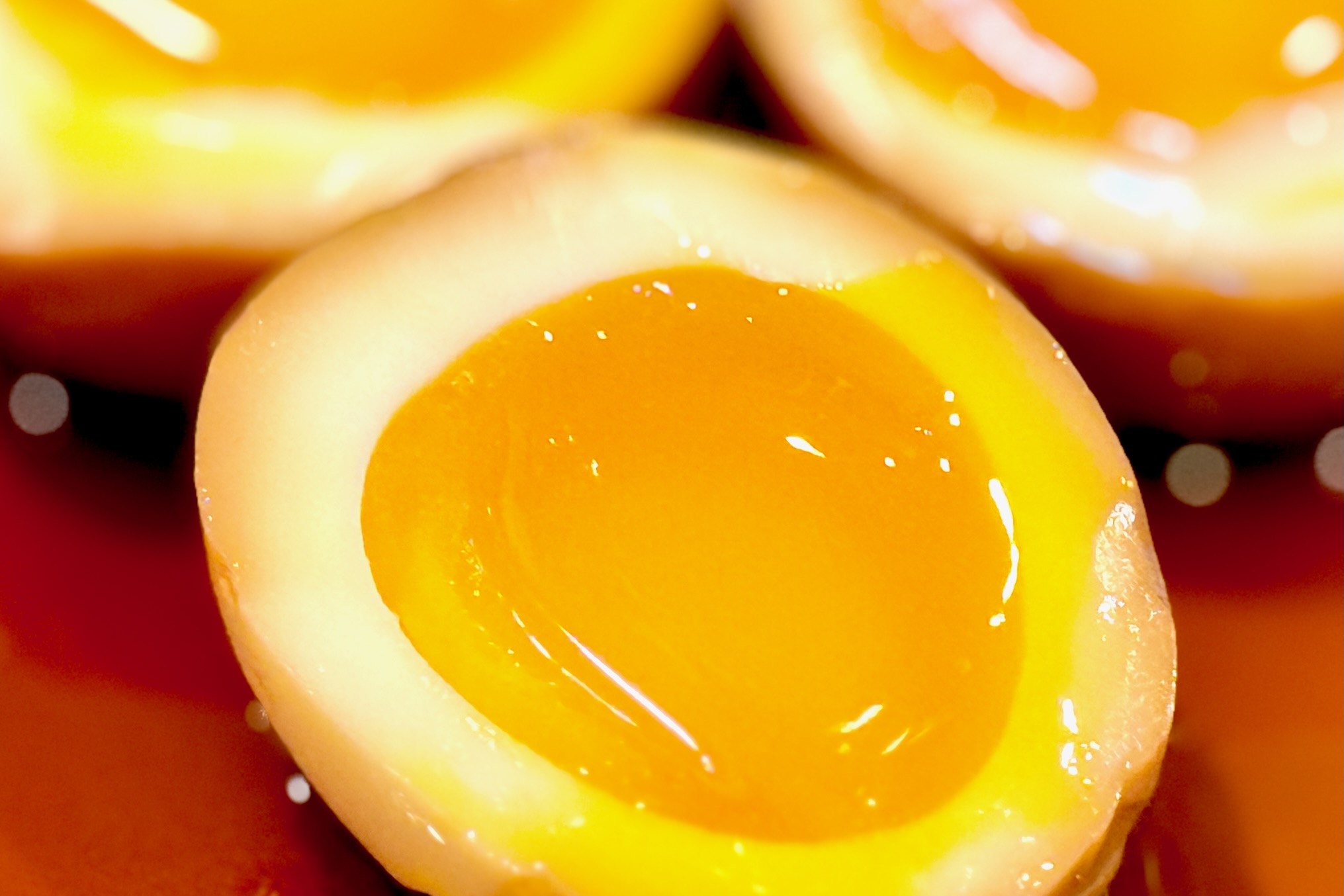
    These marinated ramen eggs—ajitsuke tamago—bring that silky, jammy yolk and savory-sweet flavor you expect from a good bowl of ramen. A balanced shoyu-mirin marinade and a precise cook time create restaurant-quality results every time.


    Ingredients

      Eggs

    • 6 large eggs, room temperature
    • Marinade

    • ½ cup soy sauce or tamari
    • ½ cup water
    • ½ cup mirin
    • ¼ cup sake
    • 3 tbsp sugar (or ¼ cup for a sweeter flavor)
    • Optional Aromatics

      • 1 crushed garlic clove
      • 1 thin slice fresh ginger
      • 1 small piece kombu (1×2 in), added off-heat
      • 1 dried shiitake mushroom
      • ⅛ piece star anise

    Directions

    Make the Marinade

    In a saucepan over medium heat, combine soy sauce or tamari, mirin, sake, water, and sugar.

    Stir just until the sugar dissolves; do not boil.

    Remove from heat and add any optional aromatics.

    Cool quickly using an ice bath or refrigerate until fully chilled.

    Cook the Eggs

    Bring a pot of water to a rolling boil. Lower the eggs gently into the boiling water.

    Cook for 6 minutes 30 seconds for a softer, molten-jam yolk, or 7 minutes for a firmer, jammy yolk.

    Transfer immediately to an ice bath and chill completely.

    Peel carefully once cooled.

    Marinate

    Ensure the marinade is fully chilled.

    Place peeled eggs in the marinade and use a folded paper towel to keep them submerged.

    Refrigerate for 4–8 hours for ideal flavor, or up to 12 hours for a stronger cure.

    Serve

    Remove eggs from the marinade and rest at room temperature for 10–15 minutes before serving.

    Slice cleanly using a damp knife (wipe between cuts) or use plain dental floss for perfect halves.


    Notes

    Preparation

    • For the most consistent yolk texture, start with room-temperature eggs.
    • For a richer umami profile, kombu or dried shiitake are the most impactful optional aromatics.
    • Use a slotted spoon or spider skimmer to lower eggs into the water to prevent cracking.

    Serving Suggestions

    • Serve atop shoyu, shio, or miso ramen.
    • Delicious with rice bowls, soba, or cold noodle dishes.
    • Can be served whole or halved depending on presentation preference.

    Variations

    • For sweeter eggs (common in tsukemen), use the full ¼ cup sugar.
    • Add a few drops of toasted sesame oil to the marinade for a nutty aroma.
    • For a soy-forward, darker exterior, increase soy sauce by 2–3 tbsp and reduce water accordingly.

    Make-Ahead & Storage

    • Marinated eggs keep well for 3–4 days in the refrigerator.
    • The flavor deepens with time; if storing longer, taste intermittently to avoid over-salting.
    • Store eggs fully submerged in marinade for best results.
  • North Woods Garlic Cheese Bread

    North Woods Garlic Cheese Bread

    This garlic cheese bread captures the rich, gooey, paprika-tinted flavor of the beloved North Woods Inn classic—warm, buttery, deeply savory, and loaded with cheddar. This version adds the option for an ultra-smooth melt while keeping the rustic cheese bits that make the original so iconic.


    Ingredients

    • ¾ lb cheddar cheese, grated (reserve ½ cup for pulsing in at the end)
    • 2 oz Romano cheese, grated
    • 8 oz butter, room temperature
    • 1 small clove garlic, grated (or ¾ tsp garlic powder)
    • 1 tsp Hungarian sweet paprika
    • ½ tsp Tabasco sauce
    • 2 tsp Worcestershire sauce
    • Optional: 1–2 tsp sodium citrate (for an extra-smooth, gooey melt)
    • salt, to taste
    • 2 loaves French or sourdough bread, sliced
    • Hungarian sweet paprika, for sprinkling after broiling

    Directions

    Prepare the Cheese Spread

    Combine all ingredients except ½ cup of the cheddar in a food processor. Blend until smooth, cohesive, and richly colored.

    Taste and adjust salt if needed—the mixture should be boldly savory.

    Add the reserved cheddar and pulse 2–3 times to leave small, visible cheese pieces suspended in the spread.

    Assemble & Broil

    Spread the cheese mixture generously onto sliced French or sourdough bread.

    Place under the broiler until the top is melted with darkened, blistered spots—this light caramelization is essential for authentic North Woods flavor.

    Remove from the broiler and lightly dust with Hungarian sweet paprika. Wrap in foil to keep warm until serving.


    Notes

    Preparation

    • French bread gives the most classic soft, gooey texture; sourdough creates a firmer, tangier base.
    • Sodium citrate is optional but helps the cheese melt into an ultra-smooth, cohesive layer without separating.
    • Taste the spread before adding salt—Romano and cheddar vary in saltiness.

    Serving Suggestions

    • Serve alongside steaks, ribs, or salad for a full North Woods–style meal.
    • Excellent as an appetizer when cut into strips or squares.

    Variations

    • Add a pinch of cayenne or smoked paprika for a spicy or smoky accent.
    • Use sharp white cheddar for a milder color and deeper tang.

    Make-Ahead & Storage

    • The cheese spread can be made up to 3 days ahead and refrigerated in an airtight container.
    • Bring to room temperature before spreading for smoothest application.
    • Bread is best enjoyed immediately after broiling.
  • Ensalada Serrana — Peruvian Mountain Salad

    Ensalada Serrana — Peruvian Mountain Salad

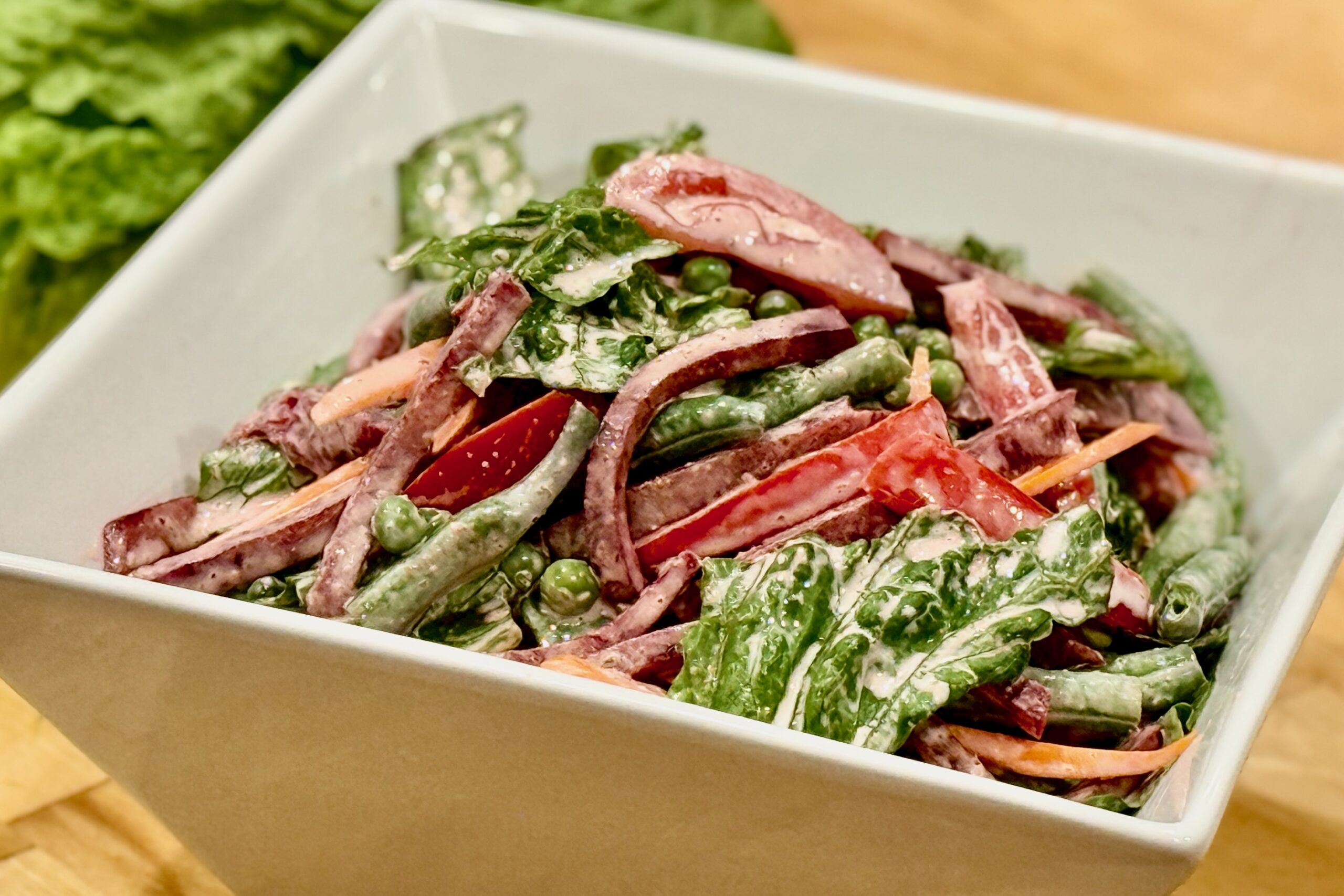
    This bright, colorful, heavily-dressed salad from the Andean highlands of Peru brings together tender vegetables, a creamy oregano-lime dressing, and the sweet earthiness of beets—a refreshing side inspired by the rustic cooking of Central Peru. It’s simple, vibrant, and pairs beautifully with grilled meats or roasted chicken.


    Ingredients

      Dressing

    • ¾ cup mayonnaise
    • ¼ cup whole milk
    • juice of 1 lime
    • 1 tbsp prepared yellow mustard
    • 1 tsp garlic, minced
    • 1 tbsp dry Mexican or Peruvian oregano, crushed
    • ½ tsp black pepper, coarsely ground
    • ¼ tsp kosher salt (to taste)
    • ½–1 tsp ají amarillo paste (optional)
    • ¼ cup water
    • Salad

    • 4 oz fresh green beans, strings removed and halved
    • 2 small carrots, thinly sliced on a bias or julienned
    • 1 large beet, roasted until tender and sliced
    • 1 large tomato, cored, seeded, and sliced into strips
    • ½ cup frozen peas, defrosted
    • 2 oz lettuce, washed and spun dry
    • ½ cup dressing (from above)

    Directions

    Make the Dressing

    In a blender, combine all ingredients except the water; blend until smooth and creamy. Thin with water to reach your desired consistency. Adjust salt to taste. Dressing will thicken in the refrigerator; thin with additional water as needed.

    Prepare the Salad

    Blanch green beans for 4–5 minutes, or until crisp-tender; transfer immediately to a bowl of ice water. Blanch carrots until crisp-tender and add them to the same ice water bowl. Dry beans and carrots thoroughly. Combine beans, carrots, and remaining salad ingredients in a large bowl; toss gently with dressing.


    Notes

    Preparation

    For the optional ají amarillo paste, you can create a reasonable substitute by blending 1 roasted, peeled, and seeded yellow or orange bell pepper with ½ of a seeded habanero. This provides similar fruitiness and gentle heat.

    Beets can be roasted ahead of time and chilled until ready to assemble the salad.

    Serving Suggestions

    This salad pairs beautifully with roasted chicken, grilled steaks, anticuchos, or Peruvian-style rice dishes.

    Variations

    Try adding thinly sliced red onion, diced avocado, or boiled potatoes for a heartier version.

    Make-Ahead & Storage

    Store dressing separately from the vegetables to keep the salad crisp.

    • Dressing keeps 4–5 days refrigerated.
    • Prepared vegetables keep 2–3 days in an airtight container.
    • Toss just before serving for best texture.
  • Snert — Erwtensoep — Dutch Split Pea Soup

    Snert — Erwtensoep — Dutch Split Pea Soup

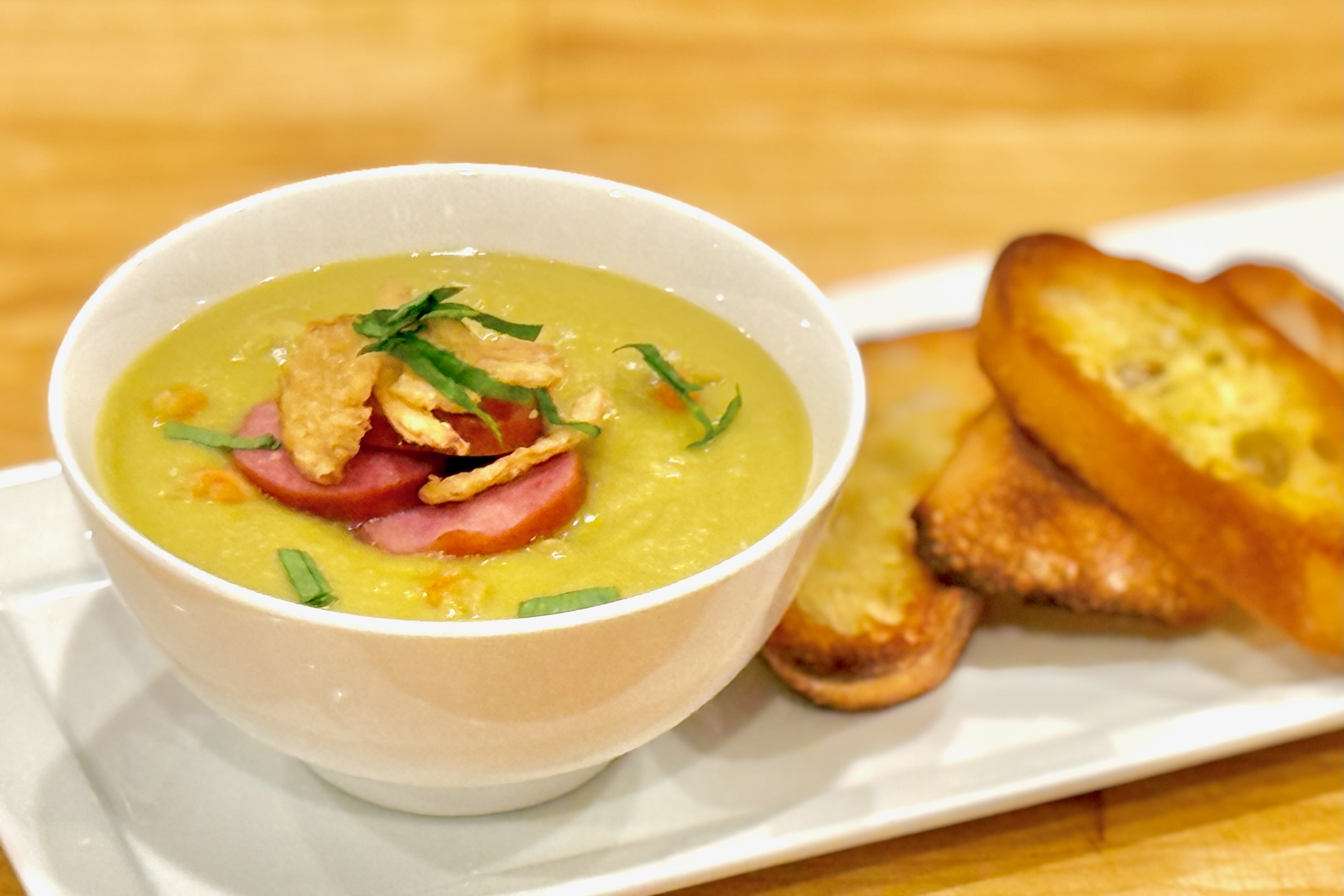
    Snert, or Dutch split pea soup, is a beloved winter tradition in the Netherlands. This hearty, comforting soup warms cold bodies after a day of skating on frozen canals. Every family has its own cherished version, often prepared a day in advance so the flavors can deepen and the soup can thicken to its signature consistency—thick enough that a spoon can stand upright in the bowl. I first tasted snert in the province of Friesland, just after watching ice skaters compete in the Elfstedentocht, the legendary eleven-city race that only takes place in years when the ice is thick enough to carry thousands of racers across the canals.


    Ingredients

      For the Stock

    • 2 smoked ham hocks (about 2 lb total)
    • 10 cups (2.4 L) low-sodium chicken stock
    • 1 onion, halved
    • 1 celery stalk, cut in chunks
    • 1 small carrot, cut in chunks
    • 1 bay leaf
    • 4 parsley stems
    • ½ tsp black peppercorns
    • For the Soup

    • 4 cups (800 g) dried green split peas, rinsed
    • 2 tbsp unsalted butter
    • 1 medium onion, finely diced
    • 1 leek (white and light green parts only), thinly sliced
    • 2 celery stalks, finely diced (reserve a few leaves for garnish)
    • 1 medium carrot, finely diced
    • ½ small celeriac (or 1 potato), finely diced
    • ½ tsp dried thyme
    • ¼ tsp white pepper
    • ½ cup (120 ml) dry white wine (optional but adds brightness)
    • To Finish

    • 8 oz (225 g) rookworst or smoked sausage, thinly sliced
    • 1–2 tsp apple cider vinegar (to taste)
    • Kosher or table salt, to taste
    • Small knob of butter or splash of cream (optional, for gloss)
    • Celery leaves, celery leaf oil or finely chopped parsley, for garnish

    Directions

    Make the Stock (Can Be Done a Day Ahead)

    Place ham hocks, chicken stock, onion, celery, carrot, bay leaf, parsley stems, and peppercorns in a large pot. Bring to a simmer and cook gently for 1½ hours, skimming foam as needed.

    Strain the stock through a fine mesh sieve and set aside. Discard the vegetables but reserve the hocks for meat later.

    Build the Flavor Base

    In a clean soup pot, melt the butter over medium heat. Add onion, leek, celery, carrot, and celeriac. Sweat gently (do not brown) for 6–8 minutes until softened and aromatic. Add thyme and white pepper.

    Deglaze and Simmer

    If using, pour in white wine and simmer 1–2 minutes to reduce slightly. Add split peas and enough of the strained ham stock to cover by about 1 inch (you’ll have some stock left to adjust consistency later). Bring to a simmer, then reduce heat to low and cook gently for 1½–2 hours, stirring occasionally, until peas have completely softened.

    Blend for Smoothness

    Remove from heat. Transfer about ¾ of the soup to a blender (or use an immersion blender) and puree until silky smooth. Pass through a fine mesh sieve or chinois for a restaurant-quality texture.

    Return the puree to the pot along with the remaining unblended portion for a touch of rustic body.

    Add Meats and Adjust Seasoning

    Remove skin and bones from the ham hocks, finely dice the meat, and stir it into the soup with the sliced sausage. Simmer gently for 15–20 minutes to meld flavors.

    Add vinegar, salt, and black pepper to taste. For a glossy finish, swirl in a small knob of butter or a splash of cream.

    Fine-Tune Texture

    Adjust consistency with reserved stock as needed. We prefer that it be thick enough to coat the back of a spoon, but not so dense that it feels heavy, although many like it thick enough to stand a spoon in it.

    Serve

    Ladle the soup into wide, shallow bowls. Arrange a few slices of sausage and cubes of ham neatly in the center. Garnish with a few drops of celery leaf oil or a drizzle of olive oil. Add finely chopped celery leaves or micro herbs for color and freshness. Optionally, serve with a crisp rye toast point or small bacon tuile on the rim.


    Notes

    Preparation

    • Keep heat gentle during simmering to preserve the soup’s bright green hue.
    • The vinegar is key—it sharpens the flavor and keeps it from feeling heavy.
    • Passing through a fine sieve gives the soup that unmistakable restaurant-level smoothness.
    • Like all good snert, it deepens in flavor overnight. Reheat gently and adjust texture before serving.

    EASY RUSTIC VERSION

    Ingredients

    • 4 cups dried split peas, rinsed
    • 2 ham hocks
    • 8 chicken bouillon cubes
    • 1 onion, finely diced
    • 1 bunch leeks, thinly sliced (green tops discarded)
    • 1 bunch celery (including leaves), finely chopped
    • 2 bay leaves
    • kielbasa (or smoked sausage), cut into disks
    • vinegar

    Directions

    Combine all ingredients except kielbasa and vinegar in a crock pot; add water to about 1 inch from the top of the crock pot. Cook on high for approximately 8 hours.

    Remove hocks and bay leaves; slice meat from hocks and add back to soup (discard bones and skin).

    Stir in kielbasa and cook for an additional hour. Add a small amount of vinegar just prior to serving to brighten the flavor.

  • Red Cabbage Salad

    Red Cabbage Salad

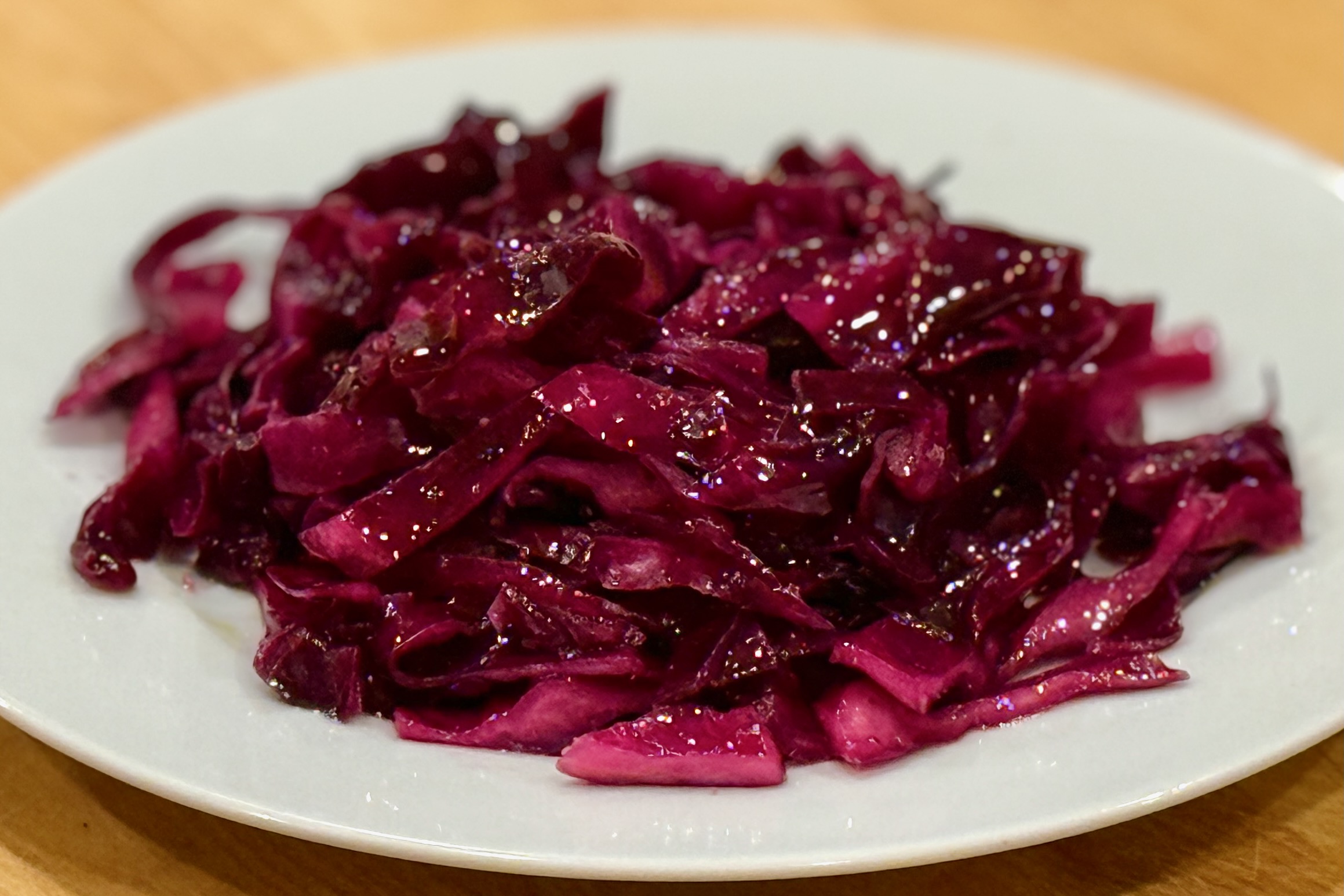
    This bright, sweet-tangy red cabbage salad is inspired by the legendary version served at North Woods Inn in Southern California. Its deep purple color, crunchy texture, and bold seasoning come from long marination and a perfectly balanced vinegar-sugar brine—just like the classic steakhouse favorite.


    Ingredients

    • 1 head red cabbage, shredded
    • ¾ cup seasoned rice vinegar
    • ½ cup sugar
    • 1½ tsp onion powder
    • 1 tsp Lawry’s seasoned salt
    • ½ tsp black pepper
    • ⅛ tsp garlic powder
    • ⅛ tsp celery seed (optional)
    • 1–1½ tsp table salt (for dry brine; not part of marinade)
    • ½ cup avocado oil (or canola or vegetable oil)

    Directions

    Dry Brine the Cabbage

    Toss the shredded cabbage with 1–1½ tsp table salt and let rest for 30–45 minutes. This softens the leaves slightly and helps them absorb the marinade more evenly.

    Rinse lightly under cold water, then drain thoroughly and pat or spin dry.

    Marinate

    In a large resealable container, combine the seasoned rice vinegar, sugar, onion powder, Lawry’s seasoned salt, black pepper, garlic powder, and celery seed (if using).

    Add the cabbage to the container, press out excess air, seal, and refrigerate for at least 8 hours and up to 4 days, turning occasionally to ensure even marination.

    The cabbage will deepen in color and develop the signature sweet-tangy North Woods flavor as it rests.

    Finish

    Add the avocado oil (or canola or vegetable oil) about 1 hour before serving and toss well to coat.


    Notes

    Preparation

    Dry brining is key for achieving the slightly softened yet crisp texture typical of the North Woods Inn salad. Don’t skip the rinse—it prevents the final salad from becoming too salty.

    For best flavor, allow at least 8 hours of marination, though the salad reaches peak texture and flavor on days 2–3.

    Optional celery seed adds a classic steakhouse-style background note but is not essential.

    Serving Suggestions

    Serve chilled alongside grilled or roasted meats, steakhouse entrées, or hearty sandwiches.

    Pairs especially well with rich dishes that benefit from sweet-tart contrast.

    Variations

    For a slightly lighter flavor, replace 2–3 tbsp of the seasoned rice vinegar with plain rice vinegar.

    For a richer mouthfeel, add the oil earlier (4–6 hours before serving), though the cabbage will soften more quickly.

    Make-Ahead & Storage

    This salad improves with time and can be prepared up to 4 days in advance.

    Once the oil is added, it is best enjoyed within 24 hours for peak texture.

    Store refrigerated in an airtight container.

  • Fried Rice with Shrimp & Char Siu

    Fried Rice with Shrimp & Char Siu

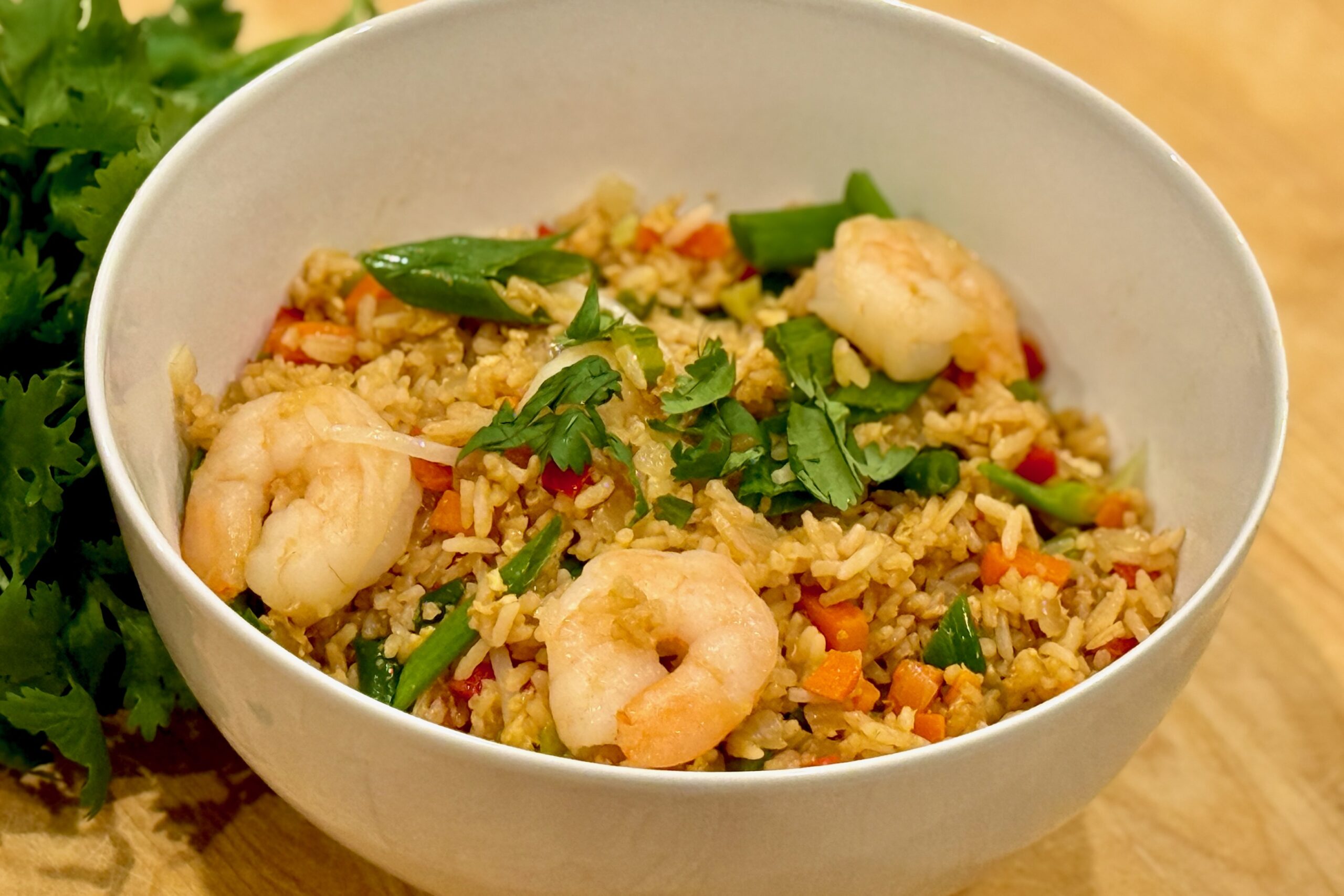
    Fried rice has always held a place of honor in our family meals—a dish that somehow feels both humble and celebratory at once. This version, with smoky char siu pork, tender shrimp, and crisp-tender vegetables, brings bold flavor and perfect balance to the table. The rice stays dry and lightly toasted, the shrimp are just sweet enough, and every bite carries the deep, savory notes that only come from a hot wok. It’s the kind of meal that fills the house with warmth and pulls everyone to the table—laughing, reaching for seconds, and sharing stories long after the plates are empty. Simple in spirit, but rich in tradition, it’s one of those dishes that reminds us why we love gathering together for a family meal.


    Ingredients

      Sauce / Seasoning Mix

    • 3 tbsp water
    • 2 tbsp light soy sauce
    • 1 tbsp dark or mushroom soy sauce
    • 1 tbsp oyster sauce
    • 1½ tbsp Shaoxing wine (or michiu)
    • 1 tsp sugar
    • ½ tsp chicken bouillon powder
    • ½ tsp white pepper
    • ½ tsp MSG (optional, for depth)
    • Slurry: 1 tsp cornstarch + 1 tsp water (optional, for thicker coating)
    • ½ tsp toasted sesame oil (add off heat, at the end)
    • Vegetables & Aromatics

    • 2–3 tbsp high-heat neutral oil (vegetable, peanut, or canola)
    • 1 medium onion, diced
    • 2 jalapeños, seeded and finely diced
    • 1 red bell pepper, diced small
    • ½ cup carrots, diced or julienned, blanched & patted dry
    • ½ cup celery, finely diced, blanched & patted dry
    • ½ cup green beans, cut into 1-inch pieces, blanched & patted dry
    • 2 cloves garlic, minced
    • 1 tbsp fresh ginger, grated or minced
    • ⅔ cup green onions (scallions), sliced — white parts for cooking, green parts for garnish
    • Proteins

    • 16 oz shrimp, cleaned, deveined, and thoroughly dried
    • 16 oz char siu, diced small
    • 3 large eggs, beaten
    • Rice

    • ~5 cups day-old jasmine rice (about 40 oz cooked), chilled and separated
    • Fresh Garnishes

    • Chopped cilantro
    • Reserved green onion tops
    • Lime wedges or a light squeeze of fresh lime juice
    • Optional: pinch of chili flakes or splash of fish sauce

    Directions

    Prepare the Sauce

    In a small saucepan, combine water, both soy sauces, oyster sauce, Shaoxing wine, sugar, chicken bouillon, white pepper, and MSG (if using). Bring to a gentle simmer and reduce slightly to concentrate flavor. Add slurry only if a thicker coating is desired. Remove from heat, stir in sesame oil, and set aside.

    Blanch & Dry the Vegetables

    Blanch carrots, celery, and green beans briefly (carrots & celery ~1 min; green beans ~2–3 min). Drain well, spread on paper towels, and pat dry completely before stir-frying.

    Cook Proteins Separately

    Heat wok over high heat. Add 1 tbsp oil and sear shrimp until just pink and cooked through; remove and set aside. Add char siu to the hot wok and fry until lightly caramelized on the edges; remove and set aside.

    Scramble the Eggs

    Add a drizzle of oil, then pour in beaten eggs. Let them set slightly before breaking into bite-sized curds. Remove and set aside.

    Stir-Fry Aromatics & Vegetables

    Wipe the wok clean if needed, then add 1 tbsp oil. Add onion and jalapeños; stir-fry until softened. Add garlic and ginger, cooking just until fragrant. Add bell pepper, carrots, celery, and green beans. Stir-fry until crisp-tender and slightly dry. Add white parts of the scallions and toss briefly.

    Fry the Rice

    Add more oil if needed. Increase heat to high. Add chilled rice, breaking up clumps with a spatula. Spread across the wok and let it rest for 20–30 seconds between stirs to allow slight browning and remove moisture. The rice should fry, not steam.

    Combine & Sauce

    Push rice aside to clear the center. Pour in sauce directly onto the hot metal to reduce briefly before folding into rice until evenly coated. Add shrimp, char siu, and scrambled eggs; toss rapidly to combine. Cook another 1–2 minutes over high heat.

    Finish & Garnish

    Turn off heat. Add a light squeeze of lime juice, toss once more, and taste for seasoning. Garnish with cilantro, scallion greens, and optional chili flakes. Serve hot.

    Notes

    Preparation

    • Well-dried, day-old rice is key. If using freshly cooked rice, spread it on a tray and refrigerate uncovered for at least 2 hours to dry out.
    • Use minimal oil and ensure vegetables are dry before stir-frying to prevent steaming.
    • Only add enough sauce to lightly coat the rice — start with about ¾ of the mix and add more as needed.
    • For better heat control at home, cook in two smaller batches to avoid steaming and maintain wok heat.