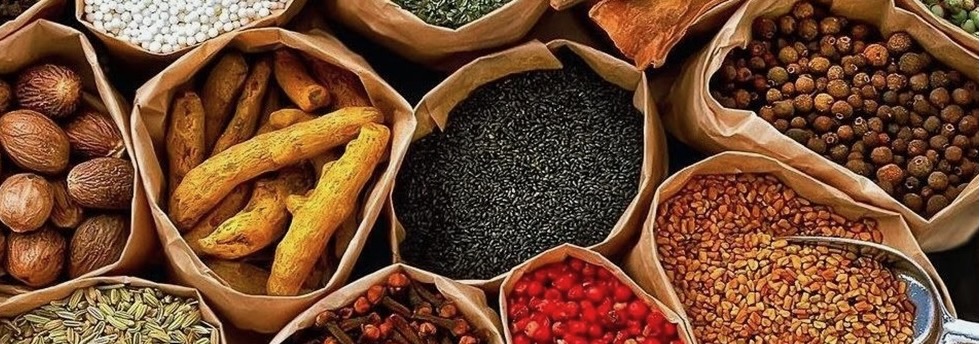
Bags of Spices

Favorite Recipes

Sides

Vegetables, starches, casseroles, comfort foods, and easy table-fillers.

  • Greek Lemon Potatoes

    Greek Lemon Potatoes

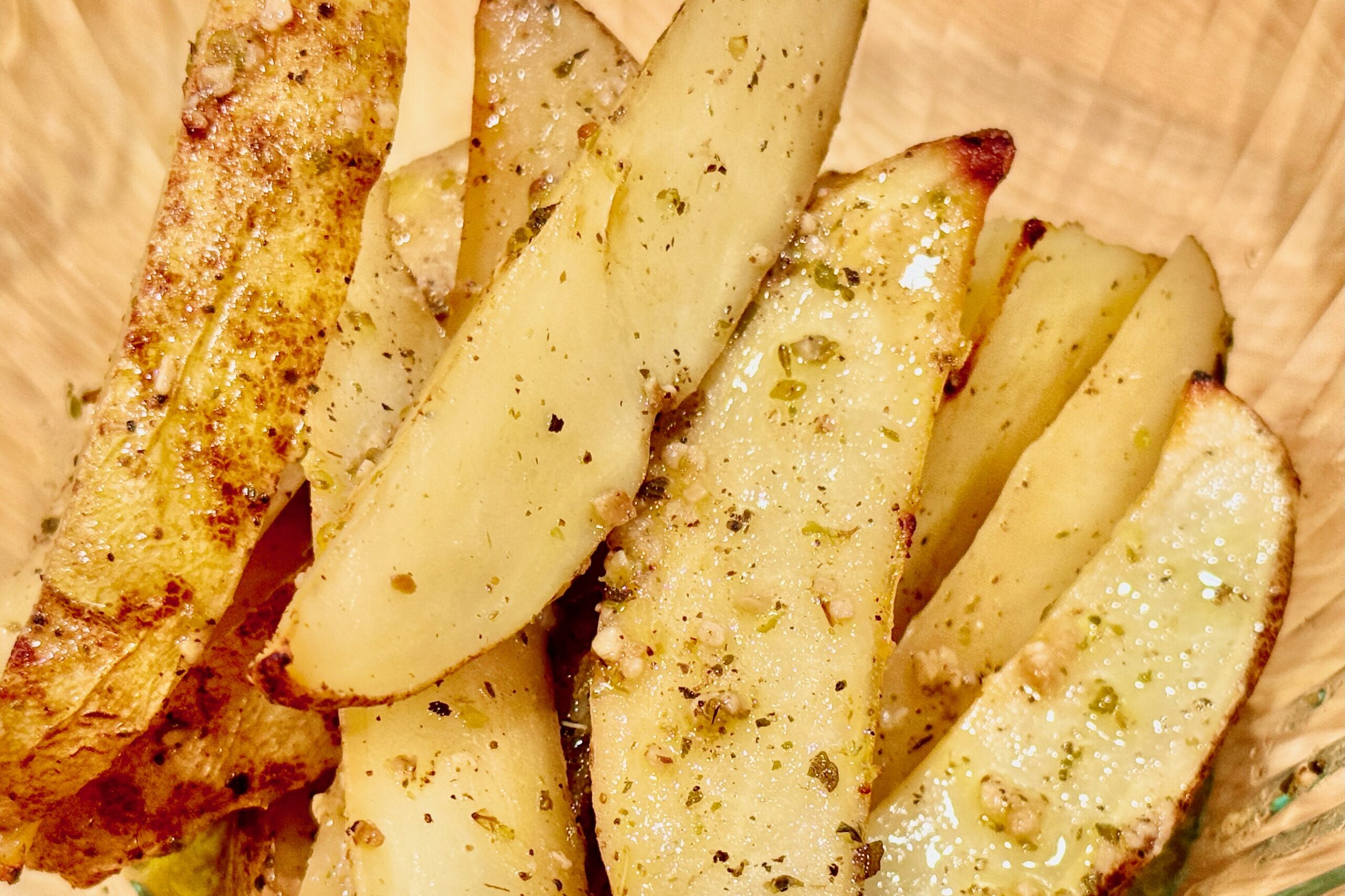
    These Greek Lemon Potatoes are built around the classic taverna method: potatoes gently braised in lemony broth until creamy inside, then roasted uncovered so the liquid reduces and the edges turn deeply golden and crisp. Yukon Golds hold their shape while soaking up bright lemon, oregano, and garlic, and a small finish of butter rounds the acidity without dulling it. The result is a side dish that’s bold, savory, and unmistakably Greek—equally at home next to roast chicken, lamb, or a simple grilled protein.


    Ingredients

    • 2½ lbs Yukon Gold potatoes
    • ⅓ cup olive oil
    • ¼ cup fresh lemon juice
    • Zest of 1 lemon
    • 2 tsp dried oregano
    • Pinch dried thyme
    • 1 tbsp garlic, minced (see note for whole garlic option)
    • ½ tbsp table salt, divided
    • ½ tsp black pepper
    • 1¼ cups chicken broth
    • 1–2 tbsp unsalted butter
    • 1–2 tsp fresh parsley, finely chopped

    Directions

    Prepare the Potatoes

    Wash the potatoes and slice into thick wedges (skin on or peeled). Place in a large bowl of cold water and soak for at least 30 minutes to remove excess surface starch. Drain well and pat thoroughly dry.

    Prepare the Seasoned Oil

    In a small saucepan, gently warm the olive oil over low heat. Add the oregano, thyme, and garlic and cook just until fragrant, 30–60 seconds, taking care not to brown the garlic. Remove from heat.

    Stir in the lemon juice, ¾ of the salt, and the black pepper.

    Roast – Phase One (Braise & Steam)

    Preheat the oven to 400°F (200°C).

    Arrange the potatoes in a single layer in a 9×13-inch baking dish. Pour the seasoned oil mixture evenly over the potatoes and toss gently to coat.

    Carefully pour the chicken broth into the sides of the baking dish, avoiding pouring directly over the potatoes. The potatoes should be partially submerged, with their tops exposed.

    Cover loosely with foil and roast for 30 minutes.

    Roast – Phase Two (Reduce & Crisp)

    Remove the foil. Dot the butter between the potatoes, allowing it to melt into the broth as it reduces.

    Continue roasting uncovered until most of the liquid has reduced and the bottoms of the potatoes are deeply golden, about 30–35 minutes. Toss once only after the potatoes release cleanly from the pan.

    Return to the oven and roast an additional 20–30 minutes, until the potatoes are golden, crisp-edged, and fork-tender. Broil briefly if desired for extra color.

    Finish

    Transfer the potatoes to a serving dish and spoon over any remaining pan juices. Sprinkle with lemon zest and parsley. Taste and adjust with the remaining salt if needed. Serve immediately.


    Notes

    Preparation

    • Soaking the potatoes removes excess surface starch, helping the wedges roast with crisper edges instead of turning gummy.
    • Blooming the oregano and garlic in warm oil softens oregano’s bitterness and prevents raw garlic harshness, resulting in a rounder, more integrated flavor.
    • Avoid pouring broth directly over the potatoes. Keeping the tops dry allows them to roast while the bottoms gently braise.
    • Salt is added in stages: most goes in early to season the interior, with a final adjustment once the liquid has reduced and flavors have concentrated.

    Serving Suggestions

    • Serve alongside roast chicken, lamb, or grilled meats.
    • Pairs well with a simple cucumber–tomato salad or tzatziki to balance the richness and lemony depth.
    • Best served hot from the oven, when the edges are crisp and the centers are creamy.

    Variations

    • Whole Garlic Option: Whole garlic cloves (lightly smashed) may be used in place of minced garlic. As they roast, the cloves soften and sweeten, lending a gentler, more rounded garlic flavor without the sharper bite of minced garlic.

    Make-Ahead & Storage

    • These potatoes are best served fresh, but leftovers keep well.
    • Refrigerate in an airtight container for up to 3 days.
    • Reheat uncovered in a hot oven (400°F / 200°C) to restore crisp edges. Avoid microwaving, which softens the exterior.
  • Spanakopita Triangles

    Spanakopita Triangles

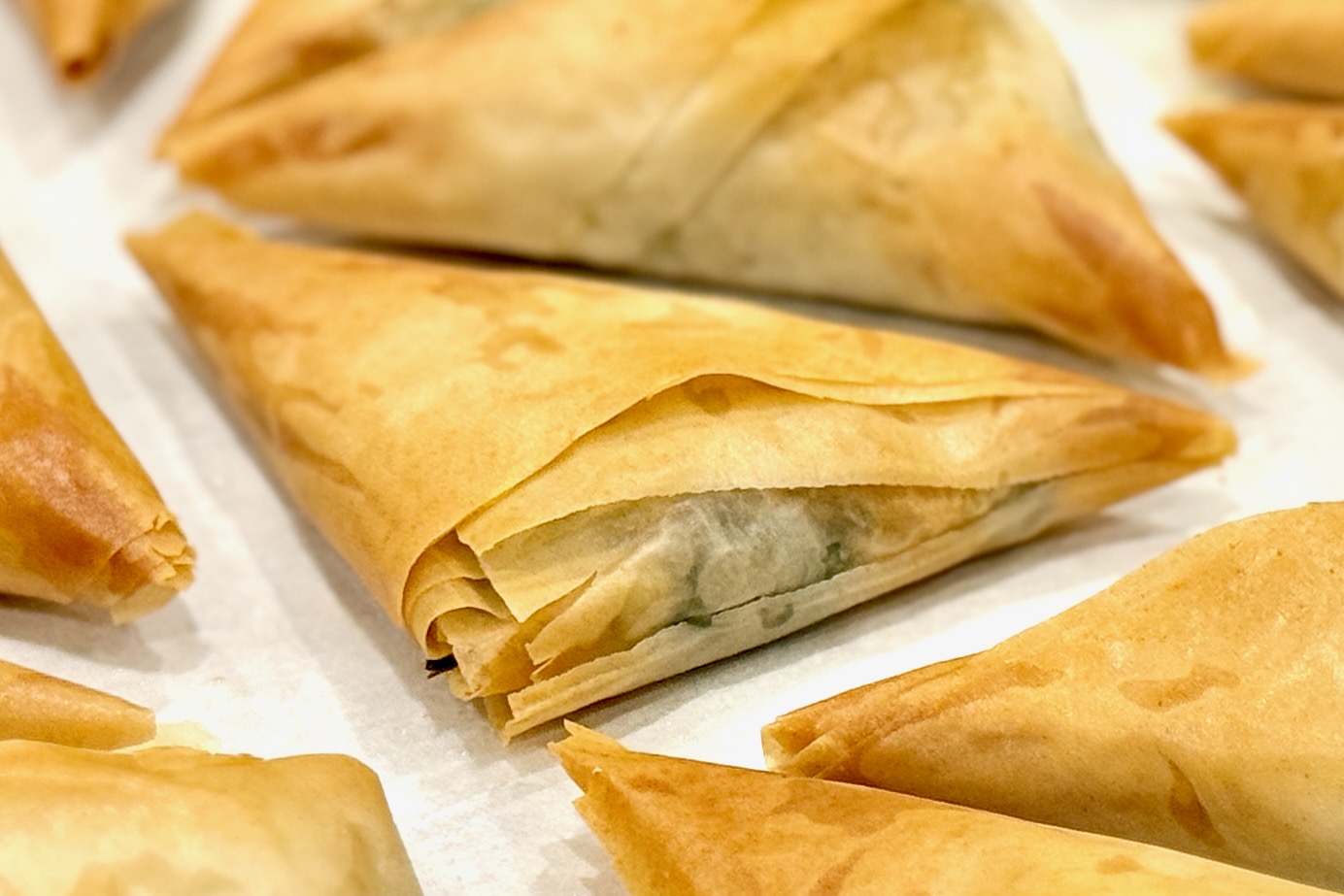
    These spanakopita triangles are crisp, buttery, and filled with a savory blend of spinach, feta, and fresh herbs. Dill leads the flavor, supported by parsley and a subtle hint of mint, creating a filling that’s bright, aromatic, and unmistakably Mediterranean. Baked until golden and shatteringly crisp, they’re perfect as an appetizer, mezze platter addition, or make-ahead snack.


    Ingredients

    • 1 tbsp olive oil (or butter)
    • ½ onion, finely diced
    • 1 tsp garlic, finely chopped
    • 2 tbsp fresh dill, finely chopped (or 2 tsp dried dill)
    • 1 tbsp fresh parsley, finely chopped (or 1 tsp dried parsley)
    • ¼ tsp dried mint
    • ¾–1 tsp shoarma spice mix (optional)
    • 1 package (12–16 oz) frozen spinach, thawed and very well squeezed dry, or equivalent fresh spinach, cooked down and drained
    • 1 egg, lightly beaten
    • ½ cup crumbled feta
    • salt & freshly ground black pepper, to taste
    • frozen phyllo dough, thawed
    • butter, melted

    Directions

    Prepare the Filling

    Preheat oven to 375ºF. Line two half-sheet pans with parchment. Heat a skillet over medium heat and add olive oil (or butter). Add onion and cook until softened but not browned.

    Stir in garlic, dill, parsley, mint, and shoarma spice mix (if using) and cook just until fragrant.

    Use a clean tea towel to squeeze as much liquid as possible from the spinach; coarsely chop if needed. Add spinach to the skillet and heat through. Remove from heat and let cool slightly, then stir in egg and feta. Season with salt and pepper to taste.

    Assemble the Triangles

    While the phyllo is still wrapped, use a sharp knife to cut it into 3 equal sections (about 3″ wide strips). Work with one section at a time, keeping the remaining dough covered with plastic or a lightly damp towel to prevent drying.

    Place one strip of phyllo on the work surface and brush lightly with melted butter. Top with a second strip and brush again. Place about ½ tbsp of filling near the bottom corner. Fold the corner over the filling to form a triangle, then continue folding in a flag pattern up the strip, maintaining the triangle shape. Transfer to the prepared baking sheet.

    Bake

    Repeat with remaining phyllo and filling, spacing triangles slightly apart. Bake for 18–22 minutes, until crisp and golden brown.


    Notes

    Preparation

    • Spinach must be squeezed very dry to prevent soggy filling and torn phyllo.

    Variations

    • Shoarma Spice Mix: This is a non-traditional addition. Classic Greek spanakopita relies on fresh herbs rather than warm spice blends. Used sparingly here, it adds subtle warmth and depth; omit it for a fully traditional Greek flavor.

    Make-Ahead & Storage

    • Unbaked triangles may be frozen solid and baked from frozen, adding 3–5 minutes to the bake time.
  • Garlic-Sesame Green Beans

    Garlic-Sesame Green Beans

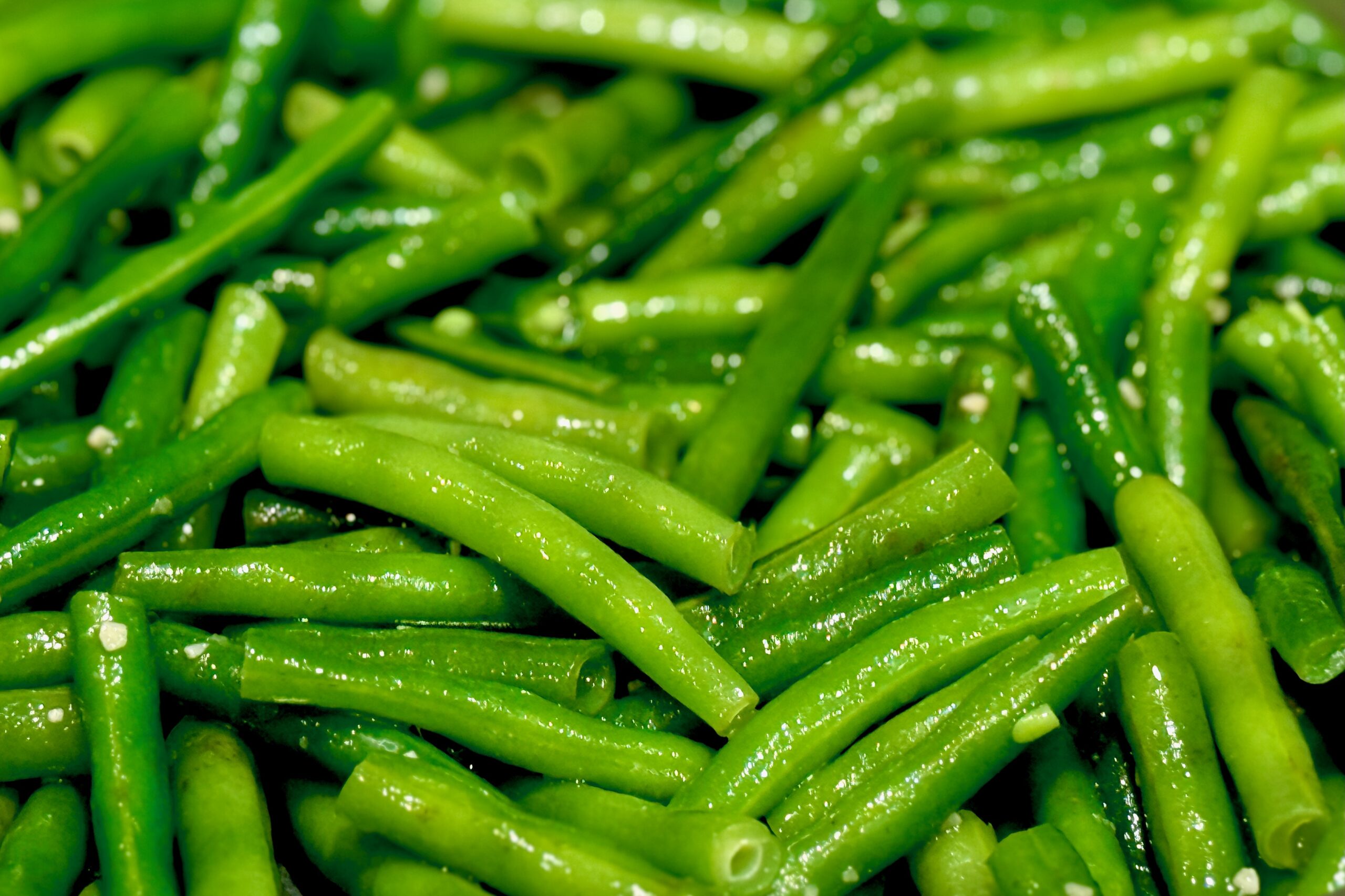
    These Simple Garlic–Sesame Green Beans are designed to be a quiet, versatile side—clean, fresh, and adaptable to a wide range of Southeast Asian and Indonesian-inspired dishes. Blanched until just tender-crisp, then lightly warmed with garlic and finished with a restrained touch of sesame oil, they provide contrast and balance without competing with bold mains like babi panggang, caramelized meats, or richly sauced stir-fries.


    Ingredients

    • 1 lb green beans, trimmed
    • 1 tsp kosher salt (for blanching water)
    • 1 tsp neutral oil
    • 1 small clove garlic, finely minced (optional)
    • ¼–½ tsp toasted sesame oil (to taste)
    • Pinch of table salt, to finish

    Directions

    Blanch the Green Beans

    Bring a large pot of water to a boil and season generously with kosher salt. Add the green beans and cook until just tender-crisp, about 2–3 minutes.

    Drain immediately and spread on a tray or plate to cool slightly. (Ice shocking is optional but not necessary if the beans will be used right away.)

    Warm and Season

    Heat a wide skillet over medium heat and add the neutral oil. If using garlic, add it and cook briefly just until fragrant—do not brown.

    Add the blanched green beans and toss to warm through, about 1–2 minutes. Remove from heat and drizzle lightly with sesame oil. Toss once more and season with a small pinch of table salt if needed.

    Serve

    Serve warm or at room temperature as a simple vegetable side.


    Notes

    Preparation

    • Keep the sesame oil restrained—it should add aroma, not dominate the dish.
    • Garlic is optional and can be omitted for an even cleaner, more neutral side.

    Serving Suggestions

    • Pairs well with Indonesian and Southeast Asian dishes such as babi panggang, caramelized chicken, grilled meats, and rice-based meals.
    • Works especially well alongside rich or sweet-salty mains, helping to refresh the palate.

    Variations

    • No sesame: Omit the sesame oil entirely for a fully neutral vegetable side.
    • Indonesian-leaning: Finish with a few drops of neutral oil infused with garlic or shallot instead of sesame oil.

    Make-Ahead & Storage

    • Blanch the green beans up to 24 hours ahead and refrigerate; finish just before serving.
    • Leftovers keep well for up to 3 days and can be enjoyed cold or gently reheated.
  • Ajitsuke Tamago — Marinated Ramen Eggs

    Ajitsuke Tamago — Marinated Ramen Eggs

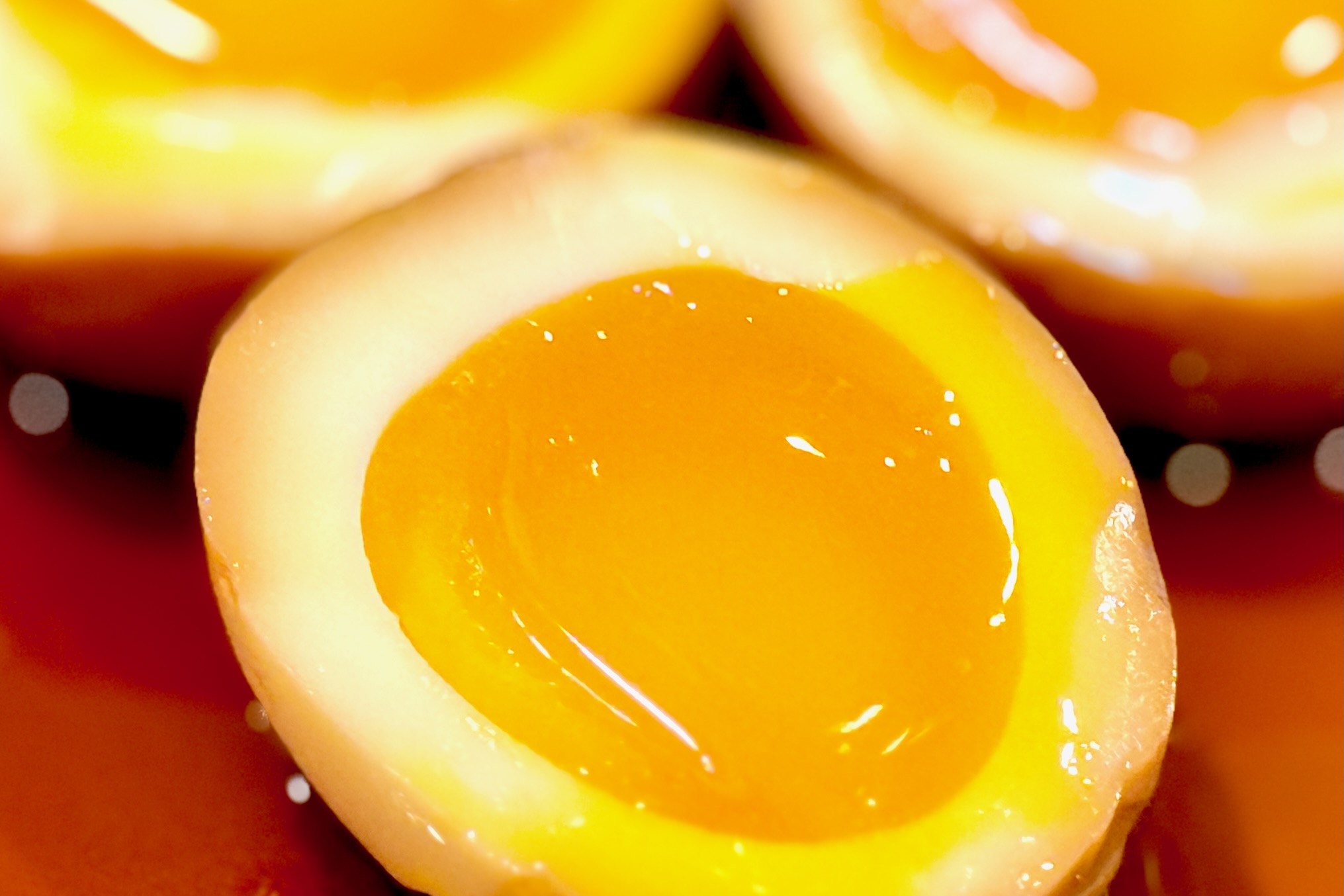
    These marinated ramen eggs—ajitsuke tamago—bring that silky, jammy yolk and savory-sweet flavor you expect from a good bowl of ramen. A balanced shoyu-mirin marinade and a precise cook time create restaurant-quality results every time.


    Ingredients

      Eggs

    • 6 large eggs, room temperature
    • Marinade

    • ½ cup soy sauce or tamari
    • ½ cup water
    • ½ cup mirin
    • ¼ cup sake
    • 3 tbsp sugar (or ¼ cup for a sweeter flavor)
    • Optional Aromatics

      • 1 crushed garlic clove
      • 1 thin slice fresh ginger
      • 1 small piece kombu (1×2 in), added off-heat
      • 1 dried shiitake mushroom
      • ⅛ piece star anise

    Directions

    Make the Marinade

    In a saucepan over medium heat, combine soy sauce or tamari, mirin, sake, water, and sugar.

    Stir just until the sugar dissolves; do not boil.

    Remove from heat and add any optional aromatics.

    Cool quickly using an ice bath or refrigerate until fully chilled.

    Cook the Eggs

    Bring a pot of water to a rolling boil. Lower the eggs gently into the boiling water.

    Cook for 6 minutes 30 seconds for a softer, molten-jam yolk, or 7 minutes for a firmer, jammy yolk.

    Transfer immediately to an ice bath and chill completely.

    Peel carefully once cooled.

    Marinate

    Ensure the marinade is fully chilled.

    Place peeled eggs in the marinade and use a folded paper towel to keep them submerged.

    Refrigerate for 4–8 hours for ideal flavor, or up to 12 hours for a stronger cure.

    Serve

    Remove eggs from the marinade and rest at room temperature for 10–15 minutes before serving.

    Slice cleanly using a damp knife (wipe between cuts) or use plain dental floss for perfect halves.


    Notes

    Preparation

    • For the most consistent yolk texture, start with room-temperature eggs.
    • For a richer umami profile, kombu or dried shiitake are the most impactful optional aromatics.
    • Use a slotted spoon or spider skimmer to lower eggs into the water to prevent cracking.

    Serving Suggestions

    • Serve atop shoyu, shio, or miso ramen.
    • Delicious with rice bowls, soba, or cold noodle dishes.
    • Can be served whole or halved depending on presentation preference.

    Variations

    • For sweeter eggs (common in tsukemen), use the full ¼ cup sugar.
    • Add a few drops of toasted sesame oil to the marinade for a nutty aroma.
    • For a soy-forward, darker exterior, increase soy sauce by 2–3 tbsp and reduce water accordingly.

    Make-Ahead & Storage

    • Marinated eggs keep well for 3–4 days in the refrigerator.
    • The flavor deepens with time; if storing longer, taste intermittently to avoid over-salting.
    • Store eggs fully submerged in marinade for best results.
  • North Woods Garlic Cheese Bread

    North Woods Garlic Cheese Bread

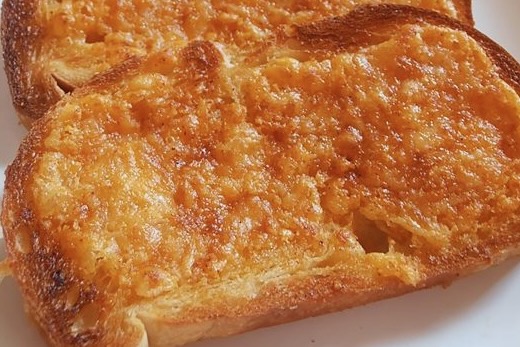
    This garlic cheese bread captures the rich, gooey, paprika-tinted flavor of the beloved North Woods Inn classic—warm, buttery, deeply savory, and loaded with cheddar. This version adds the option for an ultra-smooth melt while keeping the rustic cheese bits that make the original so iconic.


    Ingredients

    • ¾ lb cheddar cheese, grated (reserve ½ cup for pulsing in at the end)
    • 2 oz Romano cheese, grated
    • 8 oz butter, room temperature
    • 1 small clove garlic, grated (or ¾ tsp garlic powder)
    • 1 tsp Hungarian sweet paprika
    • ½ tsp Tabasco sauce
    • 2 tsp Worcestershire sauce
    • Optional: 1–2 tsp sodium citrate (for an extra-smooth, gooey melt)
    • salt, to taste
    • 2 loaves French or sourdough bread, sliced
    • Hungarian sweet paprika, for sprinkling after broiling

    Directions

    Prepare the Cheese Spread

    Combine all ingredients except ½ cup of the cheddar in a food processor. Blend until smooth, cohesive, and richly colored.

    Taste and adjust salt if needed—the mixture should be boldly savory.

    Add the reserved cheddar and pulse 2–3 times to leave small, visible cheese pieces suspended in the spread.

    Assemble & Broil

    Spread the cheese mixture generously onto sliced French or sourdough bread.

    Place under the broiler until the top is melted with darkened, blistered spots—this light caramelization is essential for authentic North Woods flavor.

    Remove from the broiler and lightly dust with Hungarian sweet paprika. Wrap in foil to keep warm until serving.


    Notes

    Preparation

    • French bread gives the most classic soft, gooey texture; sourdough creates a firmer, tangier base.
    • Sodium citrate is optional but helps the cheese melt into an ultra-smooth, cohesive layer without separating.
    • Taste the spread before adding salt—Romano and cheddar vary in saltiness.

    Serving Suggestions

    • Serve alongside steaks, ribs, or salad for a full North Woods–style meal.
    • Excellent as an appetizer when cut into strips or squares.

    Variations

    • Add a pinch of cayenne or smoked paprika for a spicy or smoky accent.
    • Use sharp white cheddar for a milder color and deeper tang.

    Make-Ahead & Storage

    • The cheese spread can be made up to 3 days ahead and refrigerated in an airtight container.
    • Bring to room temperature before spreading for smoothest application.
    • Bread is best enjoyed immediately after broiling.
  • Fried Rice with Shrimp & Char Siu

    Fried Rice with Shrimp & Char Siu

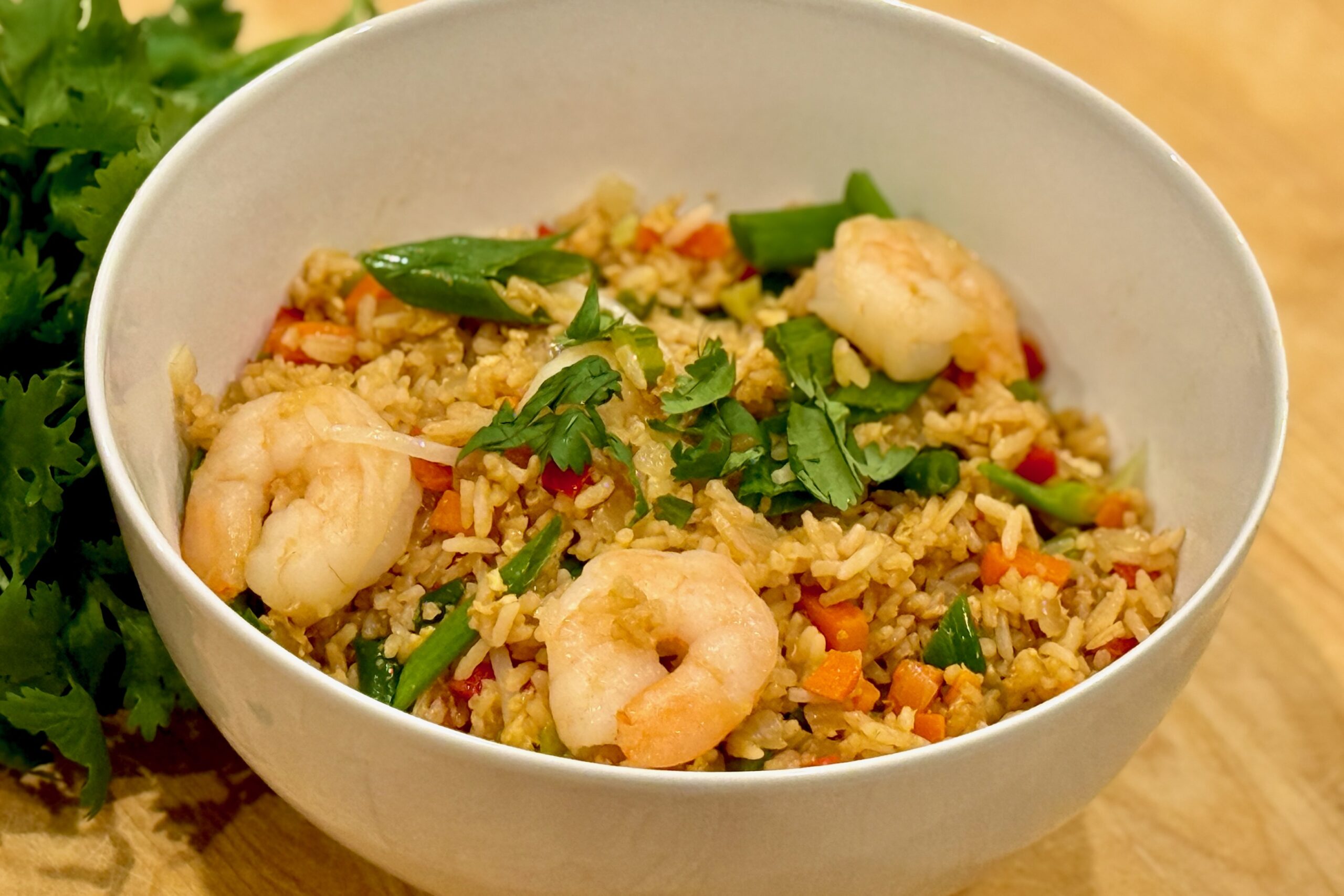
    Fried rice has always held a place of honor in our family meals—a dish that somehow feels both humble and celebratory at once. This version, with smoky char siu pork, tender shrimp, and crisp-tender vegetables, brings bold flavor and perfect balance to the table. The rice stays dry and lightly toasted, the shrimp are just sweet enough, and every bite carries the deep, savory notes that only come from a hot wok. It’s the kind of meal that fills the house with warmth and pulls everyone to the table—laughing, reaching for seconds, and sharing stories long after the plates are empty. Simple in spirit, but rich in tradition, it’s one of those dishes that reminds us why we love gathering together for a family meal.


    Ingredients

      Sauce / Seasoning Mix

    • 3 tbsp water
    • 2 tbsp light soy sauce
    • 1 tbsp dark or mushroom soy sauce
    • 1 tbsp oyster sauce
    • 1½ tbsp Shaoxing wine (or michiu)
    • 1 tsp sugar
    • ½ tsp chicken bouillon powder
    • ½ tsp white pepper
    • ½ tsp MSG (optional, for depth)
    • Slurry: 1 tsp cornstarch + 1 tsp water (optional, for thicker coating)
    • ½ tsp toasted sesame oil (add off heat, at the end)
    • Vegetables & Aromatics

    • 2–3 tbsp high-heat neutral oil (vegetable, peanut, or canola)
    • 1 medium onion, diced
    • 2 jalapeños, seeded and finely diced
    • 1 red bell pepper, diced small
    • ½ cup carrots, diced or julienned, blanched & patted dry
    • ½ cup celery, finely diced, blanched & patted dry
    • ½ cup green beans, cut into 1-inch pieces, blanched & patted dry
    • 2 cloves garlic, minced
    • 1 tbsp fresh ginger, grated or minced
    • ⅔ cup green onions (scallions), sliced — white parts for cooking, green parts for garnish
    • Proteins

    • 16 oz shrimp, cleaned, deveined, and thoroughly dried
    • 16 oz char siu, diced small
    • 3 large eggs, beaten
    • Rice

    • ~5 cups day-old jasmine rice (about 40 oz cooked), chilled and separated
    • Fresh Garnishes

    • Chopped cilantro
    • Reserved green onion tops
    • Lime wedges or a light squeeze of fresh lime juice
    • Optional: pinch of chili flakes or splash of fish sauce

    Directions

    Prepare the Sauce

    In a small saucepan, combine water, both soy sauces, oyster sauce, Shaoxing wine, sugar, chicken bouillon, white pepper, and MSG (if using). Bring to a gentle simmer and reduce slightly to concentrate flavor. Add slurry only if a thicker coating is desired. Remove from heat, stir in sesame oil, and set aside.

    Blanch & Dry the Vegetables

    Blanch carrots, celery, and green beans briefly (carrots & celery ~1 min; green beans ~2–3 min). Drain well, spread on paper towels, and pat dry completely before stir-frying.

    Cook Proteins Separately

    Heat wok over high heat. Add 1 tbsp oil and sear shrimp until just pink and cooked through; remove and set aside. Add char siu to the hot wok and fry until lightly caramelized on the edges; remove and set aside.

    Scramble the Eggs

    Add a drizzle of oil, then pour in beaten eggs. Let them set slightly before breaking into bite-sized curds. Remove and set aside.

    Stir-Fry Aromatics & Vegetables

    Wipe the wok clean if needed, then add 1 tbsp oil. Add onion and jalapeños; stir-fry until softened. Add garlic and ginger, cooking just until fragrant. Add bell pepper, carrots, celery, and green beans. Stir-fry until crisp-tender and slightly dry. Add white parts of the scallions and toss briefly.

    Fry the Rice

    Add more oil if needed. Increase heat to high. Add chilled rice, breaking up clumps with a spatula. Spread across the wok and let it rest for 20–30 seconds between stirs to allow slight browning and remove moisture. The rice should fry, not steam.

    Combine & Sauce

    Push rice aside to clear the center. Pour in sauce directly onto the hot metal to reduce briefly before folding into rice until evenly coated. Add shrimp, char siu, and scrambled eggs; toss rapidly to combine. Cook another 1–2 minutes over high heat.

    Finish & Garnish

    Turn off heat. Add a light squeeze of lime juice, toss once more, and taste for seasoning. Garnish with cilantro, scallion greens, and optional chili flakes. Serve hot.

    Notes

    Preparation

    • Well-dried, day-old rice is key. If using freshly cooked rice, spread it on a tray and refrigerate uncovered for at least 2 hours to dry out.
    • Use minimal oil and ensure vegetables are dry before stir-frying to prevent steaming.
    • Only add enough sauce to lightly coat the rice — start with about ¾ of the mix and add more as needed.
    • For better heat control at home, cook in two smaller batches to avoid steaming and maintain wok heat.
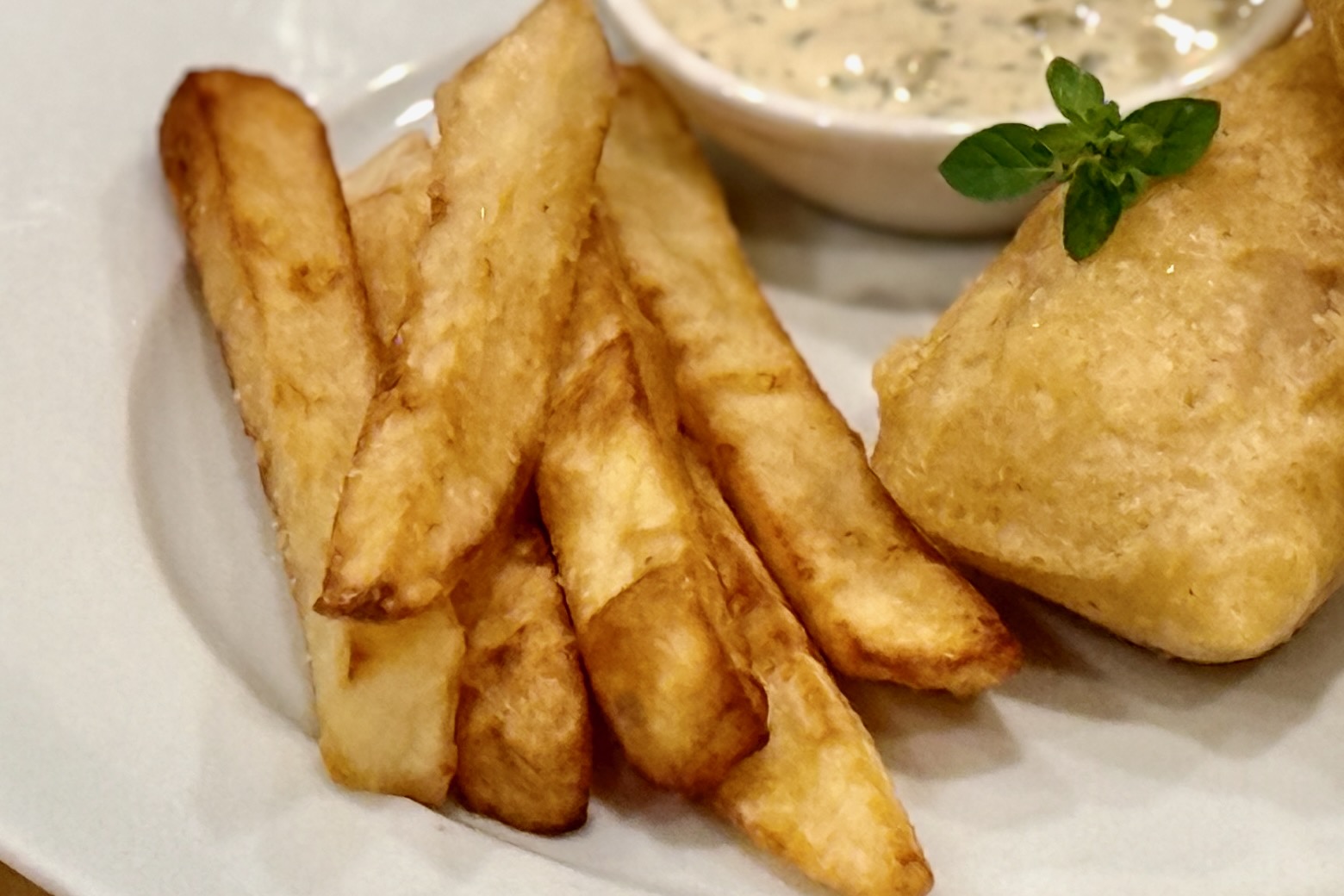
  • Double-Fried Belgian Frites

    Double-Fried Belgian Frites

    Ok, my friends, don’t get me started! Just believe me when I say, Fries are NOT French! Whether it be because of the style of the cut (frenched) or the native language of many of their early purveyors, french and fries have been erroneously linked as the name of a true Belgian creation, Frites! Calling these spears of deliciousness French is, well, just wrong.

    Real frites are presoaked and double fried, delivering a soft and fluffy interior and crisp exterior. They are traditionally salted and served with mayonnaise. But, if you are feeling a bit more adventurous, try some of the typical toppings for Frites from the Netherlands and Belgium found under Serving Suggestions at the end of the recipe. My personal favorite… Patat Speciaal!


    Ingredients

    • Large potatoes (Russet or Bintje preferred)
    • Cold water
    • Neutral oil for frying (peanut or canola)
    • Salt, to taste
    • Pepper (optional)

    Directions

    Prepare the Potatoes

    Wash and scrub potatoes well. Peel if desired, then cut into thick fries (about ⅜–½ inch / 1 cm thick). Place in a large bowl of cold water and soak for at least 20 minutes, or up to several hours, to remove excess starch.

    Drain and pat the fries completely dry with paper towels before frying.

    First Fry (Par-Cook)

    Heat oil in a deep fryer or heavy pot to 275–300°F (135–150°C). Fry the potatoes in batches for about 4–6 minutes, just until tender but not browned. Avoid overcrowding to maintain temperature.

    Remove fries and transfer to a paper towel–lined tray or a large paper bag to drain and cool. Let rest at least 20–30 minutes.

    Second Fry (Crisp & Golden)

    Increase oil temperature to 375–400°F (190–205°C). Fry the cooled potatoes again in batches for 3–5 minutes, until golden brown and crisp.

    Transfer to fresh paper towels to drain. Immediately season with salt (and pepper, if desired).

    Serve

    Serve hot in a paper cone, bowl, or basket—Belgian style—with plenty of mayonnaise or one of the regional variations listed below.


    Notes

    Preparation

    • For the most authentic texture, use starchy potatoes such as Russets or Bintjes.
    • Soaking the potatoes helps remove starch for crisper results—don’t skip this step.
    • Always cool fries completely between the first and second fry for best crispness.
    • Use a thermometer to maintain accurate oil temperature during frying.

    Serving Suggestions

    • Patat Met – Fries with mayonnaise.
    • Patat Speciaal – Fries with mayonnaise, curry ketchup, and chopped onions.
    • Patatje Oorlog – Fries with mayonnaise, peanut sauce, sambal oelek, and chopped onions.
    • Patatje Joppie – Fries with mayonnaise mixed with yellow curry spices and topped with onions.
    • Frieten met Stoofvlees – Fries served with Belgian beef stew.
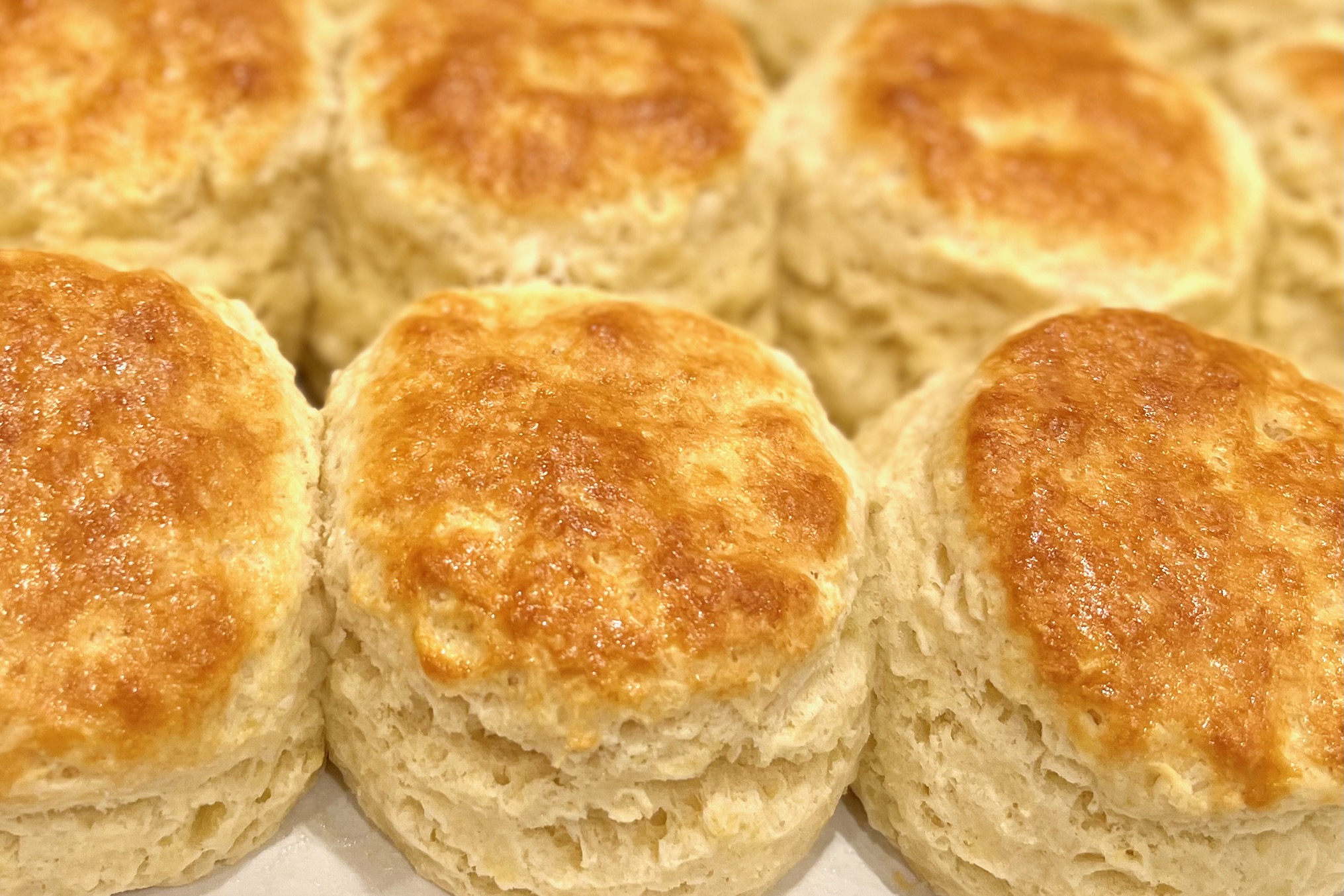
  • Buttermilk Biscuits

    Buttermilk Biscuits

    Tall, flaky, and tender, these buttermilk biscuits are our elevated take on a classic Southern staple. Grated butter, gentle folds, and a blast of high heat create dramatic layers, while buttermilk adds subtle tang and softness. Perfect for Sunday breakfast, sausage gravy, or warm from the oven with a generous swipe of butter.


    Ingredients

      Biscuits

    • 4 cups self-rising flour
    • 1–2 tbsp sugar (optional)
    • ¾ cup unsalted butter, grated and frozen 10–15 minutes
    • ¼ cup shortening (optional, adds tenderness)
    • 1 large egg (or omit for fluffier, more delicate biscuits)
    • 1½ cups buttermilk, plus more as needed
    • ½ tsp table salt (recommended for flavor balance)
    • Glaze

    • 1 egg, beaten
    • 1 tbsp buttermilk

    Directions

    Prepare the Dough

    Preheat oven to 475ºF (245ºC). Line a baking sheet with parchment paper.

    Whisk together self-rising flour, sugar (if using), and salt. Add grated frozen butter and shortening; toss lightly to distribute.

    Stir in the egg (if using), then add buttermilk. Mix gently with a wooden spoon until just combined; add an extra tablespoon of buttermilk at a time only if the dough seems dry.

    Fold & Shape

    Turn dough onto a lightly floured surface. Pat into a rough rectangle about ¾″ thick. Fold the right third over the center, then the left third (like an envelope). Pat back to ¾″, then repeat the fold 2–3 more times.

    Pat to a final thickness of about 1″. Cut biscuits with a sharp cutter, pressing straight down without twisting. Gather scraps, pat gently, and re-cut.

    Arrange biscuits on the prepared baking sheet with sides touching for higher rise.

    Glaze & Bake

    Whisk together egg and buttermilk; brush lightly over the tops.

    Bake at 475ºF for 5 minutes, then reduce heat to 450ºF (no need to open the oven) and bake 6–8 minutes more, or until deeply golden.

    Brush hot biscuits with melted butter. Let rest 5 minutes before serving.


    Notes

    Preparation

    • Freezing the grated butter helps create dramatic layers and prevents premature melting.
    • Using both butter and shortening gives restaurant-quality flakiness and tenderness.
    • For the tallest biscuits, keep dough cold and handle it as little as possible.
    • Patting dough to 1″ thickness produces higher, fluffier biscuits.
    • If substituting all-purpose flour for self-rising flour: use 1 cup all-purpose flour + 1½ tsp baking powder + ¼ tsp salt per cup. For this recipe: 4 cups all-purpose flour + 6 tsp (2 tbsp) baking powder + 1 tsp salt.

    Serving Suggestions

    • Serve with sausage gravy and fried eggs for a classic breakfast.
    • Pair with honey butter, jam, or sorghum molasses.
    • Split and toast leftovers for sandwiches.

    Variations

    • Cheddar & chive biscuits: fold in 1 cup shredded cheddar and ¼ cup chopped chives.
    • Sweet cream biscuits: omit egg and substitute sweet cream for buttermilk.
    • Cinnamon–brown sugar biscuits: add 1 tsp cinnamon and increase sugar to 3 tbsp.

    Make-Ahead & Storage

    • Refrigerate cut, unbaked biscuits up to 1 day; bake straight from fridge.
    • Freeze unbaked biscuits up to 1 month; bake from frozen, adding 2–3 minutes.
    • Baked biscuits keep 2–3 days at room temperature; reheat at 350ºF for 5–7 minutes.
  • Oven-Fried Fries

    Oven-Fried Fries

    Crisp on the outside and tender inside, these simple oven-fried fries are a quick family favorite. They deliver the satisfying crunch of classic fries without deep-frying—perfect for weeknight burgers, sandwiches, or snacking straight from the pan.


    Ingredients

    • potatoes, peeled and sliced
    • vegetable oil
    • salt, to taste

    Directions

    Prep the Oven

    Preheat oven to 450ºF. Lightly oil a baking sheet.

    Coat the Potatoes

    Place sliced potatoes on the baking sheet and drizzle with vegetable oil. Rub the potatoes together with your hands to evenly coat them.

    Bake

    Spread potatoes into a single even layer. Bake for 25–35 minutes, flipping after about 15 minutes, until golden and browned.


    Notes

    Preparation

    • For extra-crisp fries, soak sliced potatoes in cold water for 20–30 minutes, then dry thoroughly before oiling.
    • Be sure the potatoes are in a single layer to ensure even browning.
    • Season immediately after baking so the salt adheres well.

    Serving Suggestions

    • Serve with burgers, sandwiches, grilled meats, or alongside homemade chicken tenders.
    • Pair with fry sauce, ketchup, chipotle mayo, ranch, or garlic aioli.
    • Finish with chopped herbs such as parsley, chives, or rosemary for added aroma.

    Variations

    • Toss with garlic powder, smoked paprika, or black pepper before baking.
    • Make “steak fries” by cutting potatoes thicker and baking slightly longer.
    • Use Yukon Golds for a creamy interior or Russets for maximum crispness.

    Make-Ahead & Storage

    • Best served immediately for maximum crispness.
    • To reheat, bake at 425ºF for 8–10 minutes to refresh texture.
    • Leftovers can be stored in an airtight container in the refrigerator for up to 3 days.
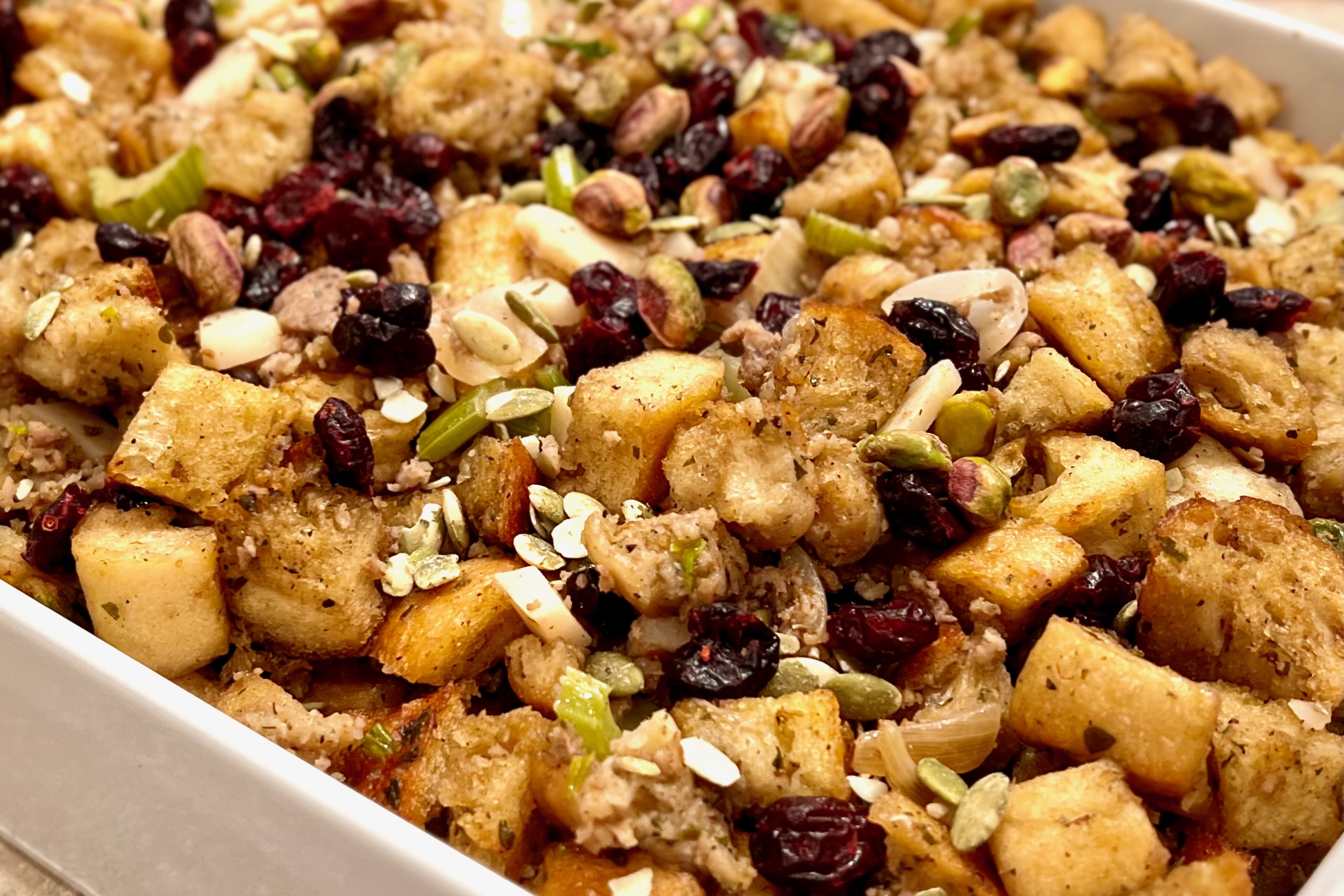
  • Stuffing

    Stuffing

    This hearty holiday dressing—my riff on Opa’s classic stuffing—has become a Huggins family favorite. Rich and savory from the sausage, brightened with dried cranberries, and full of satisfying texture from toasted bread, mushrooms, nuts, and water chestnuts, it’s a flavorful and festive side dish that perfectly complements any roast or holiday meal.


    Ingredients

      Sausage Mixture

    • 1 lb hot sausage, uncased
    • 1 lb sage (or regular) sausage, uncased
    • Vegetables

    • 2 cans (4 oz each) water chestnuts, drained and chopped
    • 2 onions, diced (divided)
    • 2–3 cups celery, thinly sliced (with leaves)
    • 1 lb mushrooms, sliced
    • Broth & Seasoning Base

    • 4-5 cups chicken stock (start with 4 cups and add more as needed)
    • ¾ cup (1½ sticks / 170 g) butter
    • 1 tbsp Italian seasoning (or Herbes de Provence)
    • 1 tbsp parsley flakes
    • 2 tsp marjoram flakes
    • 1 tsp ground sage (add ½ tsp more if not using sage sausage)
    • ¾ tsp white pepper
    • ¼ tsp oregano leaves
    • ¼–½ tsp MSG (optional, for umami)
    • Bread

    • 16 cups bread cubes from 2 large baguettes, cut ½–¾″ and dried overnight or lightly toasted
    • Add-Ins

    • 1 cup dried sweetened cranberries
    • ½ cup roasted pistachios or pine nuts
    • ¼ cup pepitas (optional)
    • 1 cup diced apple or pear (optional, for sweetness)
    • Fresh chopped parsley or sage (optional, for garnish)

    Directions

    Cook the Sausage

    Place both sausages in a large sauté pan and cook over medium heat, breaking into small pieces, just until no longer pink. Do not brown. Transfer to a bowl and drain excess fat, reserving 1–2 tbsp only if desired for added flavor.

    Wipe the pan clean before continuing.

    Sauté the Aromatics

    Add a pat of butter to the clean pan along with 1½ onions, the celery, and the chopped water chestnuts. Cook over medium heat until onions turn translucent with no browning. Transfer to a holding bowl.

    Add remaining onion, mushrooms, another small pat of butter, and a pinch of salt to the pan. Sauté until mushrooms soften and release their moisture, then add a splash of rice wine to help them stay light. Cook only until tender, not browned. Transfer to the vegetable bowl.

    Build the Flavor Base

    In a large stockpot, bring chicken stock and butter to a boil. Add Italian seasoning (or Herbes de Provence), parsley flakes, marjoram, sage, white pepper, oregano, and MSG (if using). Simmer 2–3 minutes to bloom the herbs.

    Stir in the onion–celery–mushroom mixture and return just to a simmer.

    Hydrate the Bread

    Remove pot from heat, add all dried bread cubes, and gently fold until moistened. Cover and let sit 5–10 minutes to absorb the liquid.

    Combine and Adjust

    Once the bread has absorbed the broth, gently fold in the sausage, cranberries, pistachios (or pine nuts), pepitas, and diced apple or pear if using. Reserve a handful of cranberries and nuts for topping.

    If too moist, spread stuffing on a baking sheet and dry briefly in a 350°F (175°C) oven.

    Bake

    Transfer stuffing to two greased 9×13-inch pans. Bake uncovered at 375°F (190°C) for 20–25 minutes, or until lightly crisped. Broil briefly if desired. Top with reserved cranberries and nuts; garnish with parsley or sage if using.


    Notes

    Preparation

    • Dry bread cubes in a 350°F (175°C) oven for 10–15 minutes, stirring once; aim to dry without browning.
    • Rehydrate cranberries in warm stock for plumper texture.
    • MSG adds clean umami depth without darkening the stuffing.
    • Keeping vegetables unbrowned and adding sausage/mushrooms after broth absorption helps maintain a lighter color.

    Serving Suggestions

    • Serve alongside roasted turkey, chicken, pork, or a holiday roast.
    • Pairs beautifully with Southern-style brown gravy or a mushroom gravy.
    • Finish with fresh parsley or sage for brightness.

    Variations

    • For vegetarian stuffing, replace sausage with extra mushrooms and add a bit more MSG for umami.
    • Use roasted hazelnuts or pecans in place of pistachios or pine nuts for a different flavor profile.
    • Add 1 cup diced apple or pear for gentle sweetness.

    Make-Ahead & Storage

    • Assemble unbaked stuffing up to 2 days in advance; cover and refrigerate. Let stand 30 minutes before baking.
    • Freeze unbaked stuffing up to 1 month; thaw overnight before baking.
    • Reheat leftovers covered with foil at 325°F (165°C) for 20–25 minutes.