Bags of Spices

Favorite Recipes

  • Ajitsuke Tamago — Marinated Ramen Eggs

    Ajitsuke Tamago — Marinated Ramen Eggs

    These marinated ramen eggs—ajitsuke tamago—bring that silky, jammy yolk and savory-sweet flavor you expect from a good bowl of ramen. A balanced shoyu-mirin marinade and a precise cook time create restaurant-quality results every time.


    Ingredients

      Eggs

    • 6 large eggs, room temperature
    • Marinade

    • ½ cup soy sauce or tamari
    • ½ cup water
    • ½ cup mirin
    • ¼ cup sake
    • 3 tbsp sugar (or ¼ cup for a sweeter flavor)
    • Optional Aromatics

      • 1 crushed garlic clove
      • 1 thin slice fresh ginger
      • 1 small piece kombu (1×2 in), added off-heat
      • 1 dried shiitake mushroom
      • ⅛ piece star anise

    Directions

    Make the Marinade

    In a saucepan over medium heat, combine soy sauce or tamari, mirin, sake, water, and sugar.

    Stir just until the sugar dissolves; do not boil.

    Remove from heat and add any optional aromatics.

    Cool quickly using an ice bath or refrigerate until fully chilled.

    Cook the Eggs

    Bring a pot of water to a rolling boil. Lower the eggs gently into the boiling water.

    Cook for 6 minutes 30 seconds for a softer, molten-jam yolk, or 7 minutes for a firmer, jammy yolk.

    Transfer immediately to an ice bath and chill completely.

    Peel carefully once cooled.

    Marinate

    Ensure the marinade is fully chilled.

    Place peeled eggs in the marinade and use a folded paper towel to keep them submerged.

    Refrigerate for 4–8 hours for ideal flavor, or up to 12 hours for a stronger cure.

    Serve

    Remove eggs from the marinade and rest at room temperature for 10–15 minutes before serving.

    Slice cleanly using a damp knife (wipe between cuts) or use plain dental floss for perfect halves.


    Notes

    Preparation

    • For the most consistent yolk texture, start with room-temperature eggs.
    • For a richer umami profile, kombu or dried shiitake are the most impactful optional aromatics.
    • Use a slotted spoon or spider skimmer to lower eggs into the water to prevent cracking.

    Serving Suggestions

    • Serve atop shoyu, shio, or miso ramen.
    • Delicious with rice bowls, soba, or cold noodle dishes.
    • Can be served whole or halved depending on presentation preference.

    Variations

    • For sweeter eggs (common in tsukemen), use the full ¼ cup sugar.
    • Add a few drops of toasted sesame oil to the marinade for a nutty aroma.
    • For a soy-forward, darker exterior, increase soy sauce by 2–3 tbsp and reduce water accordingly.

    Make-Ahead & Storage

    • Marinated eggs keep well for 3–4 days in the refrigerator.
    • The flavor deepens with time; if storing longer, taste intermittently to avoid over-salting.
    • Store eggs fully submerged in marinade for best results.
  • Grandma’s Taco Sauce

    Grandma’s Taco Sauce

    This simple, flavorful taco sauce is Grandma Honey’s creation. She is famous for her unique tostadas—requested at nearly every family birthday party and gathering—and this vibrant, tangy sauce is the one she always spooned over the top. Made from pantry-friendly ingredients, it delivers a bright balance of heat, acidity, and savory depth that brings her tostadas to life.


    Ingredients

    • 1 can peeled tomatoes
    • 2 or 3 hot yellow peppers
    • 2 tbsp juice from yellow peppers
    • 1 can Ortega green diced chilies
    • 3 tbsp vegetable oil
    • 1 tsp table salt
    • ½ tsp pepper
    • 3 or 4 tbsp white vinegar

    Directions

    Make the Sauce

    Drain the juice from the tomatoes and reserve.

    Place the tomatoes in a blender and blend for 2 seconds; add to the reserved tomato juice.

    Place the hot peppers and pepper juice in the blender with the vinegar and blend for 2 seconds; add to the tomato mixture.

    Add the chilies, salt, pepper, vegetable oil, and remaining vinegar, one at a time, stirring to combine.

    Best when served at room temperature.


    Notes

    Preparation

    • The hot yellow peppers provide most of the sauce’s signature heat and tang. Using 2 peppers keeps it mild; using 3 adds a noticeable kick.
    • The combination of canned tomatoes and green chilies gives the sauce a smooth but slightly rustic texture—exactly like Grandma’s.
    • The vegetable oil adds body and helps the flavors meld as the sauce rests.
    • Best served at room temperature, just as Grandma always prepared it for her tostadas.

    Serving Suggestions

    • Perfect on Grandma’s tostadas, tacos, enchiladas, or as a tangy topping for rice bowls.
    • Also works well as a base sauce for Mexican-style soups or stews.
  • Dutch Mayonnaise — Calvé-Style from American Mayo

    Dutch Mayonnaise — Calvé-Style from American Mayo

    Dutch mayonnaise is tangier, slightly sweeter, and noticeably lighter in flavor than most American mayonnaises. Brands like Calvé and Remia are designed to complement fries and snack-bar sauces without overwhelming them—especially when paired with shoarmasaus, kerrieketchup, or poestasaus. This simple adjustment transforms standard American mayonnaise (such as Best Foods or Hellmann’s) into a closer approximation of Dutch-style mayo, making it a better match for patat, broodjes, and classic Dutch snackbar dishes.


    Ingredients

    • 1 cup American mayonnaise (Best Foods / Hellmann’s recommended)
    • 1½–2 tsp white wine vinegar or distilled vinegar
    • 1 tsp sugar
    • 1–2 tbsp neutral oil or water (to lighten texture)
    • pinch table salt (optional, to taste)

    Directions

    Adjust the Mayonnaise

    In a bowl, whisk together the mayonnaise, vinegar, sugar, and 1 tbsp oil or water until smooth. Taste and adjust vinegar or sugar slightly if needed—the mayo should taste brighter and lighter than American-style mayonnaise.

    Set the Flavor

    Cover and refrigerate for at least 30 minutes to allow the flavor to settle. Whisk again before serving.


    Notes

    Preparation

    • Dutch mayonnaise is tangier than American mayo but not sharply acidic.
    • The small amount of sugar is important—it softens the acidity and mimics Dutch formulations.
    • Lightening with oil or water helps reduce the heavy mouthfeel typical of American mayonnaise.
    • Taste the mayo cold, as it will be served.

    Serving Suggestions

    Variations

    • Calvé-Leaning: Increase vinegar slightly and keep the texture light.
    • Remia-Leaning: Use the full 2 tbsp oil or water for a looser, more pourable mayo.
    • Frietsaus-Style: Replace half the mayonnaise with plain yogurt or milk for a lighter Dutch fry sauce.

    Make-Ahead & Storage

    • Refrigerate in an airtight container up to 1 week.
    • Whisk briefly before serving if the texture thickens.
  • Southern-Style Sausage Gravy

    Southern-Style Sausage Gravy

    Sausage gravy, a Southern staple, has been a Huggins family favorite for generations. No true Southern breakfast is complete without buttery biscuits smothered in creamy sausage gravy. The sage sausage pays homage to my grandma Lena — a true Southern lady who loved using sage in her cooking. I learned to make this gravy watching my mom prepare it time and time again in our family kitchen in Southern California. I may just be superstitious, but I swear the gravy tastes best when it’s made in my favorite cast iron pan!


    Ingredients

    • 1 lb sage breakfast sausage
    • ½ cup (1 stick) butter
    • ½ cup flour, lightly mounded
    • 4–6 cups whole milk, divided (start with 4 cups and add more to adjust thickness)
    • salt, to taste
    • freshly ground black pepper or white pepper, to taste

    Directions

    Cook the Sausage:

    In a large skillet or cast iron pan over medium heat, cook the sausage until browned and crumbled, breaking it into small pieces as it cooks. When fully cooked, push the sausage to one side of the pan, leaving the drippings in the skillet.

    Make the Roux:

    Add the butter to the sausage drippings and let it melt completely. Sprinkle the flour over the melted butter and drippings, stirring constantly to form a smooth paste. Cook the roux for 2–4 minutes, stirring continuously, until it turns a pale blond color and smells lightly nutty. Do not let it brown.

    Add the Milk:

    Reduce the heat to medium-low. Slowly pour in about 6 cups of the milk while whisking or stirring constantly, scraping along the bottom of the pan to prevent scorching (especially when using cast iron). Continue to cook and stir until the gravy thickens and begins to gently bubble.

    Finish and Season:

    Stir the cooked sausage back into the thickened gravy. If the gravy is thicker than you prefer, add additional milk ½ cup at a time, stirring well heating after each addition, until it reaches your desired consistency—smooth, creamy, and thick enough to coat the back of a spoon while still pouring easily.

    Season with salt to taste and a generous amount of freshly ground black pepper or white pepper. Traditional Southern-style gravy is fairly pepper-forward, so don’t be shy unless you prefer it milder.

    Serve:

    Serve hot over warm buttermilk biscuits. This gravy is also excellent with fried eggs, soft-scrambled eggs, or grated boiled eggs alongside your biscuits.


    Notes

    Preparation

    • Milk scorches easily, especially in cast iron. Once the milk is added, keep the heat at medium-low and stir frequently, scraping along the bottom of the pan.
    • A pale blond roux (2–4 minutes of cooking) helps remove any raw flour taste while keeping the gravy light in color and flavor.
    • The gravy will continue to thicken as it sits off heat. If it becomes too thick, gently rewarm and whisk in a little extra milk until it loosens to your preferred consistency.

    Serving Suggestions

    • Serve over hot buttermilk biscuits for a classic Southern breakfast.
    • Pair with fried eggs, soft-scrambled eggs, or grated boiled eggs for added protein and richness.
    • Try serving with hash browns, breakfast potatoes, or over toasted bread when biscuits aren’t available.

    Variations

    • Add a few drops of Worcestershire sauce to the gravy for deeper savoriness.
    • Stir in a dash of your favorite hot sauce (such as Crystal or Tabasco) for gentle heat that complements the sage and sausage.
    • If your sausage is not very sage-forward, add a tiny pinch of rubbed sage toward the end of cooking, tasting as you go to avoid overpowering the gravy.
    • Use white pepper instead of black pepper if you prefer a smoother look while keeping a robust, peppery flavor.

    Make-Ahead & Storage

    • Sausage gravy can be made up to 2 days in advance and cooled completely before refrigerating in an airtight container.
    • Reheat gently over low heat, adding a splash of milk as needed to loosen the gravy back to a smooth, creamy consistency.
    • For food safety, avoid leaving the gravy at room temperature for extended periods; promptly refrigerate leftovers.
  • Knoflooksaus — Dutch Garlic Sauce

    Knoflooksaus — Dutch Garlic Sauce

    This creamy, garlicky sauce is a staple of Dutch shoarma restaurants and late-night snack bars. Smooth, tangy, and richly flavored with garlic and parsley, it’s perfect for serving with shoarma, fries, grilled meats, or pita bread—bringing a taste of The Netherlands to your kitchen.


    Ingredients

    • 2 cups Dutch mayonnaise (e.g., Remia, Calvé, or Zaanse)
    • ¾ cup Greek yogurt
    • 3 tbsp finely grated fresh garlic (or 4–5 tbsp mild garlic paste)
    • 3 tbsp parsley, very finely minced
    • 2 tsp ketjap manis, plus more to taste
    • ¼ tsp table salt
    • ½ tsp white wine vinegar or lemon juice (optional, for a brighter tang)
    • ⅛ tsp white pepper (optional)

    Directions

    Mellow the Garlic

    In a bowl, combine the Greek yogurt and grated garlic. Let stand 10–15 minutes to lightly mellow the garlic before adding the mayonnaise.

    Mix the Sauce

    Add the Dutch mayonnaise, parsley, ketjap manis, salt, and (if using) the vinegar or lemon juice and white pepper. Stir until smooth and evenly blended.

    Chill and Develop Flavor

    Cover and refrigerate for at least 4 hours, or overnight, to allow the flavors to mellow and the sauce to thicken.


    Notes

    Preparation

    • For a milder garlic flavor, reduce the garlic to 2 tbsp and let the sauce rest overnight.
    • For the most authentic Dutch flavor, use Dutch mayonnaise (such as Calvé or Remia). If using American mayonnaise (e.g., Best Foods or Hellmann’s), adjust it first using our Dutch Mayonnaise — Calvé-Style from American Mayo recipe before making the sauce.
    • Use mild garlic paste if you prefer a smoother, less pungent profile.
    • Parsley should be minced very finely to avoid a chewy texture; adjust to taste.
    • Ketjap manis is meant to round the flavor, not sweeten the sauce—start with 2 tsp and add more only if needed.

    Serving Suggestions

    • Serve with Dutch-style shoarma.
    • Drizzle over fries, grilled meats, or kebabs.
    • Use as a dip for pita bread or fresh vegetables.

    Variations

    • Brighter tang: Add the optional vinegar or lemon juice (or increase slightly) for a lighter, snack-bar-style lift.
    • Smoother profile: Use mild garlic paste and reduce parsley slightly.

    Make-Ahead & Storage

    • Best made at least 4 hours in advance for full flavor development.
    • Refrigerate in an airtight container up to 5 days.
    • Stir before serving; sauce naturally thickens as it chills.
  • Shoarma Kruiden — Dutch-Inspired Shawarma Spice Mix

    Shoarma Kruiden — Dutch-Inspired Shawarma Spice Mix

    This shoarma kruiden blend captures the warm, paprika-forward flavor of Dutch shoarma shops—perfect for keeping on hand so you can quickly season meat for broodje shoarma, wraps, and grilled dishes whenever the craving hits.


    Ingredients

    Paprika Base

    • 2 tbsp paprika
    • 2 tsp garlic powder
    • 2 tsp onion powder

    Warm, Savory Spices

    • 2 tsp ground coriander
    • 1½ tsp ground cumin
    • 1 tsp ground ginger
    • ½ tsp ground cinnamon
    • ½ tsp ground black pepper
    • ¼ tsp ground nutmeg
    • ⅛ tsp ground mace
    • ⅛ tsp ground cloves

    Color & Heat

    • ½ tsp turmeric
    • ¼ tsp cayenne pepper (adjust to taste)

    Optional (Authentic for Some Shops)

    • ⅛ tsp ground fennel

    Directions

    Prepare the Spice Mix

    In a small bowl, combine the paprika, garlic powder, onion powder, coriander, cumin, ginger, cinnamon, black pepper, nutmeg, mace, cloves, turmeric, cayenne, and fennel (if using). Mix thoroughly until the spices are evenly blended.

    Transfer the shoarma kruiden to an airtight jar or spice container. Label and store in a cool, dark cupboard.

    For general use, plan on about 1 tbsp shoarma kruiden per 1 lb (450 g) meat, adjusting to taste.


    Notes

    Preparation

    • This blend is intentionally prepared without salt, since many Dutch shoarma shops season the meat separately. Salt your meat to taste before or during cooking.
    • For the most vibrant flavor, use fresh spices and replace the mix every 6 months or so; older spices are still safe but lose potency over time.
    • If your spices are coarse or slightly clumpy, you can pulse the finished blend a few times in a spice grinder to create a finer, more uniform texture.
    • Because this mix is quite aromatic, store it in a well-sealed container away from light and heat to preserve its Dutch shoarma character.

    Serving Suggestions

    • Use about 1 tbsp shoarma kruiden per 1 lb (450 g) thinly sliced chicken thigh, pork shoulder, turkey, or lamb for classic Dutch-style shoarma.
    • For a dry-style preparation common in shoarma shops, toss the seasoned meat with 1–2 tbsp neutral oil and cook in a hot skillet or on a griddle until browned and lightly crisp at the edges.
    • For a simple wet marinade, combine 1 tbsp shoarma kruiden with 1 tbsp oil or plain yogurt and 1 tsp lemon juice per 1 lb (450 g) meat. Marinate 1–12 hours before cooking.
    • Serve the cooked meat in warm pita or Turkish bread as a broodje shoarma, with shredded lettuce, tomato, onion, and Dutch-style garlic sauce (knoflooksaus).
    • This blend also works well for sheet-pan dinners, grilled skewers, or roasted vegetables for a Dutch shoarma-inspired twist.

    Variations

    • Sweeter Dutch-Snackbar Style: Add 1 tsp sugar to the full batch of shoarma kruiden. The sugar will lightly caramelize on the griddle and echo the slightly sweeter flavor of some late-night shoarma shops.
    • Spicier (Rotterdam-Lean): Increase the cayenne to ½–¾ tsp for a more assertive heat while still keeping the overall Dutch flavor profile.
    • Warmer Dutch-Indo Aroma: For a slightly richer, Amsterdam-leaning warmth, increase the ginger to 1½ tsp and the mace to ¼ tsp, keeping the other spices the same.
    • Salted Convenience Blend: If you prefer an all-in-one seasoning, you can add 1 tbsp table salt to the full batch. When using this salted version, reduce or omit any additional salt added directly to the meat.

    Make-Ahead & Storage

    • Prepare a double or triple batch and store it in a tightly sealed jar so you always have shoarma kruiden ready for quick meals.
    • For best flavor, use within about 6 months; the blend will remain safe beyond that, but the aromatics will gradually lose intensity.
    • If you live in a hot climate, you can store the jar in the refrigerator or freezer to help preserve the essential oils in the spices.
    • Always use a clean, dry measuring spoon when scooping from the jar to prevent moisture from clumping the spices.
  • North Woods Garlic Cheese Bread

    North Woods Garlic Cheese Bread

    This garlic cheese bread captures the rich, gooey, paprika-tinted flavor of the beloved North Woods Inn classic—warm, buttery, deeply savory, and loaded with cheddar. This version adds the option for an ultra-smooth melt while keeping the rustic cheese bits that make the original so iconic.


    Ingredients

    • ¾ lb cheddar cheese, grated (reserve ½ cup for pulsing in at the end)
    • 2 oz Romano cheese, grated
    • 8 oz butter, room temperature
    • 1 small clove garlic, grated (or ¾ tsp garlic powder)
    • 1 tsp Hungarian sweet paprika
    • ½ tsp Tabasco sauce
    • 2 tsp Worcestershire sauce
    • Optional: 1–2 tsp sodium citrate (for an extra-smooth, gooey melt)
    • salt, to taste
    • 2 loaves French or sourdough bread, sliced
    • Hungarian sweet paprika, for sprinkling after broiling

    Directions

    Prepare the Cheese Spread

    Combine all ingredients except ½ cup of the cheddar in a food processor. Blend until smooth, cohesive, and richly colored.

    Taste and adjust salt if needed—the mixture should be boldly savory.

    Add the reserved cheddar and pulse 2–3 times to leave small, visible cheese pieces suspended in the spread.

    Assemble & Broil

    Spread the cheese mixture generously onto sliced French or sourdough bread.

    Place under the broiler until the top is melted with darkened, blistered spots—this light caramelization is essential for authentic North Woods flavor.

    Remove from the broiler and lightly dust with Hungarian sweet paprika. Wrap in foil to keep warm until serving.


    Notes

    Preparation

    • French bread gives the most classic soft, gooey texture; sourdough creates a firmer, tangier base.
    • Sodium citrate is optional but helps the cheese melt into an ultra-smooth, cohesive layer without separating.
    • Taste the spread before adding salt—Romano and cheddar vary in saltiness.

    Serving Suggestions

    • Serve alongside steaks, ribs, or salad for a full North Woods–style meal.
    • Excellent as an appetizer when cut into strips or squares.

    Variations

    • Add a pinch of cayenne or smoked paprika for a spicy or smoky accent.
    • Use sharp white cheddar for a milder color and deeper tang.

    Make-Ahead & Storage

    • The cheese spread can be made up to 3 days ahead and refrigerated in an airtight container.
    • Bring to room temperature before spreading for smoothest application.
    • Bread is best enjoyed immediately after broiling.
  • Vanilla Bean Ice Cream

    Vanilla Bean Ice Cream

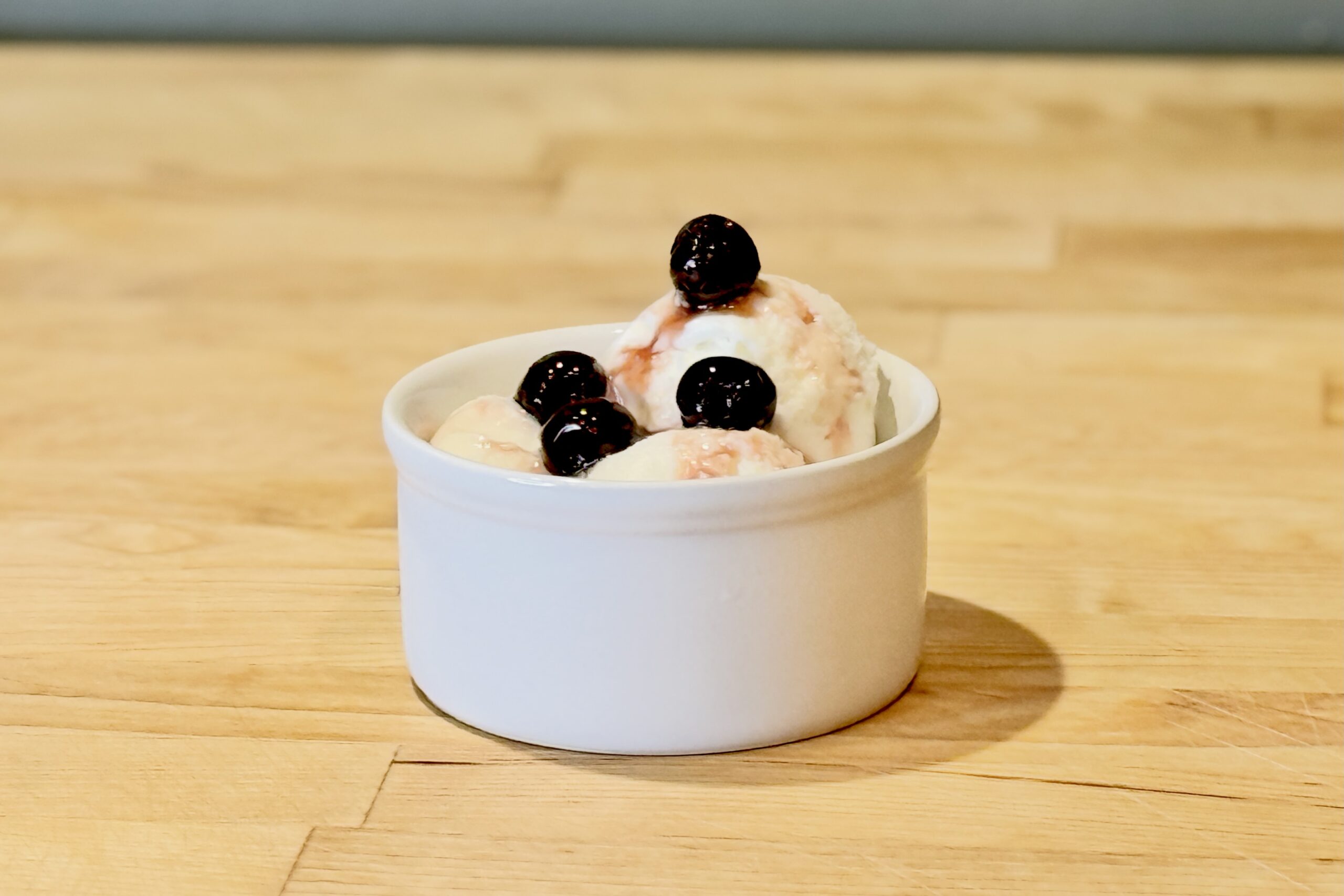
    This lighter-style vanilla bean ice cream puts the spotlight squarely on the ingredients—fresh cream, whole milk, and a full Madagascar vanilla bean. Cooking the custard to a slightly higher temperature strengthens the structure without adding heaviness, allowing the vanilla to shine with clean, bright aroma and a naturally silky texture.


    Ingredients

      Ice Cream Base

    • 2 cups whole milk
    • 1 cup heavy cream
    • ⅔ cup granulated sugar, divided
    • 4 large egg yolks
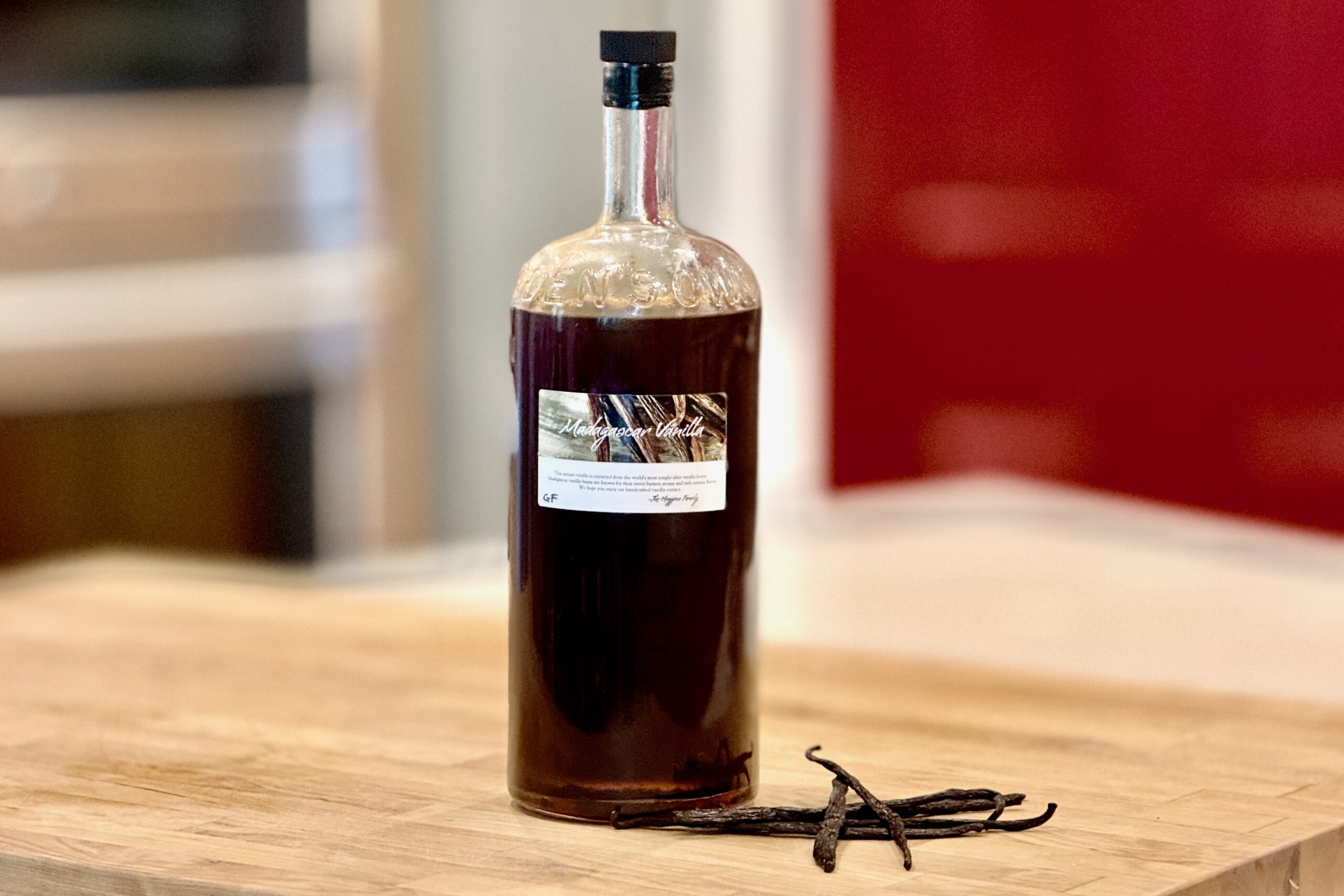
    • 1 Madagascar vanilla bean, split and scraped
    • 1 tbsp vanilla extract
    • ⅛ tsp xanthan gum
    • ¼ tsp fine salt
    • Optional

    • 1–2 tsp vanilla bean paste (for extra speckles and enhanced aroma)

    Directions

    Prepare the Vanilla Base

    In a medium saucepan, combine the whole milk, half of the sugar, salt, vanilla bean seeds, and the scraped pod. Heat over medium until steaming but not boiling.

    In a separate bowl, whisk the egg yolks with the remaining sugar until well combined and slightly lightened.

    Slowly ladle some of the warm milk into the yolks while whisking, then return the tempered yolk mixture to the saucepan.

    Cook the Custard

    Cook over medium heat, stirring constantly with a rubber spatula, until the custard thickens enough to coat the spatula and reaches 174–176°F.

    Remove from heat and whisk in the heavy cream.

    Add Xanthan Gum

    Sprinkle the xanthan gum over the warm custard and blend with an immersion blender (or whisk vigorously) to fully disperse.

    Let the mixture steep for 20–30 minutes for maximum vanilla extraction.

    Chill the Base

    Strain the custard through a fine-mesh sieve into a bowl, removing the vanilla pod.

    Stir in the vanilla extract (and vanilla bean paste, if using).

    Cover and refrigerate for at least 6 hours or overnight.

    Churn

    Churn the chilled base in your ice cream maker until soft-serve consistency.

    Transfer to a container, press parchment against the surface, and freeze until firm.


    Notes

    Preparation

    • Vanilla bean paste enhances the speckled appearance and boosts aroma without overwhelming the base.
    • Cook the custard slowly to avoid scrambling the yolks; constant stirring ensures even thickening.

    Serving Suggestions

    • Serve alongside pies, crisps, or berry desserts—its lighter profile pairs beautifully with richer sweets.
    • For extra aroma, add a light drizzle of warm caramel or a spoonful of fresh berries.

    Variations

    • Vanilla Bean–Tahitian: Replace Madagascar extract with homemade Tahitian for a floral, fruity aroma.
    • French Vanilla: Add an additional yolk and increase sugar to ¾ cup for a richer, custard-forward style.
    • Extra Speckles: Increase vanilla bean paste to 2–3 tsp for a visual “vanilla bean explosion” effect.

    Make-Ahead & Storage

    • Ice cream keeps best for 1–2 weeks when stored in an airtight container.
    • To prevent ice crystals, press parchment paper directly against the surface before freezing.
  • Gnocchi

    Gnocchi

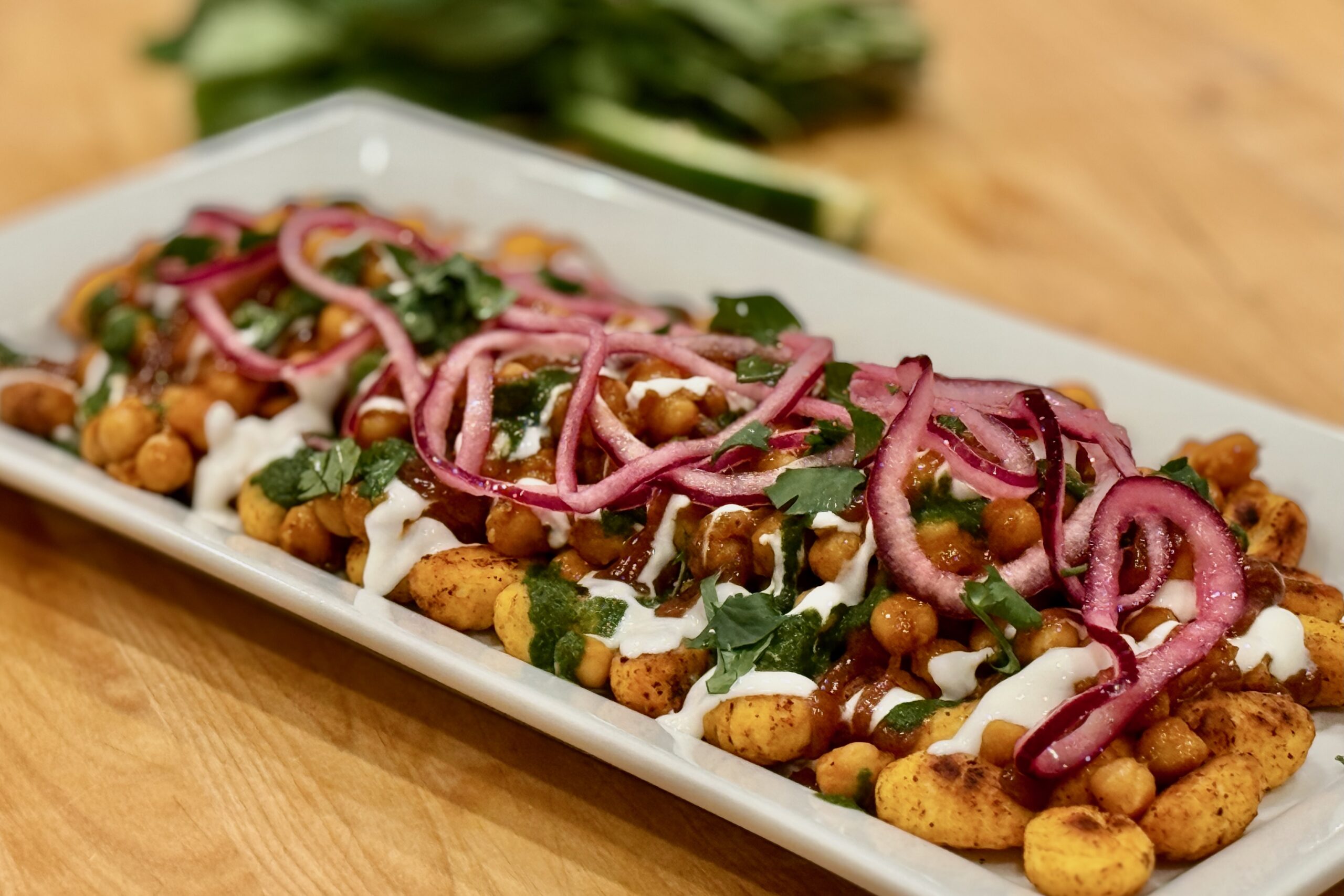
    Light, pillowy gnocchi made from baked potatoes for the best possible texture. Rooted in northern Italian tradition, this simple dish traveled across the Atlantic with generations of Italian immigrants and found a second home in Argentina. Our family’s version emphasizes gentle handling, minimal flour, and a buttery golden finish—echoing the gnocchi Jane enjoyed while living in the mountains of Argentina, where gracious families gathered around humble tables to share food, laughter, and the quiet joy of good company.


    Ingredients

    • 2 lbs (900 g) russet or Yukon Gold potatoes
    • ¾ tsp table salt
    • 1–1½ cups all-purpose flour (start with 1 cup; add only as needed)
    • 1 large egg, lightly beaten (see variation)

    Directions

    Bake the Potatoes

    Bake whole, unpeeled potatoes at 400°F (200°C) until tender, about 1 hour. Split immediately after baking to allow steam to escape—this prevents sogginess.

    Scoop out the flesh and rice or mash while still warm.

    Prepare the Dough

    Spread the riced potatoes out on a board or tray and allow to cool slightly until just warm to the touch. Sprinkle evenly with salt.

    Add about ¾ of the flour over the potatoes, then drizzle the beaten egg over the top. Using your hands or a bench scraper, gently fold and press the mixture together, adding only enough additional flour to form a soft dough.

    Turn out onto a lightly floured surface and gently knead for 15–20 seconds, just until smooth. The dough should feel soft and slightly tacky, but not sticky—avoid overworking.

    Shape the Gnocchi

    Roll dough into ¾-inch ropes. Cut into ¾–1 inch pieces using a bench scraper for cleaner cuts.

    Shape on a fork or gnocchi board if desired. Lightly dust formed gnocchi with semolina or flour to prevent sticking.

    Cook the Gnocchi

    Bring a large pot of salted water (as for pasta) to a boil. Cook gnocchi in 2–3 batches until they float, then cook 30 seconds longer. Remove gently with a strainer and keep warm.


    Notes

    Preparation

    • Russets make the lightest gnocchi; Yukon Golds give a slightly richer, denser texture.
    • Flour should equal roughly 20–30% of potato weight. Less flour yields lighter, more delicate gnocchi.
    • Chill dough for 10–15 minutes before shaping if it feels too soft.
    • Salt cooking water generously—about 1–2 tbsp per gallon.
    • Test one gnocchi before cooking the full batch. If it falls apart, gently knead in 1–2 tbsp more flour.
    • For best texture, avoid kneading more than 15–20 seconds.
    • Remember: once gnocchi float, cook for an additional 30 seconds.

    Serving Suggestions

    • Toss with Browned Butter Sage Sauce and finish with parmesan and a squeeze of lemon.
    • Sauté boiled gnocchi in butter until golden, then toss with a light cream sauce, browned mushrooms, spinach, and spicy Italian sausage.
    • Serve with Pomodoro, Pesto alla Genovese, or Gorgonzola Cream Sauce.

    Variations

    • Use 1 egg for pillowy, restaurant-style gnocchi. Add a second egg for a firmer, rustic dough.
    • Add a pinch of nutmeg and 1–2 tbsp ricotta for a richer dough (add flour as needed).
    • For a classic eggless northern Italian version, omit the egg and increase flour slightly to reach a soft, workable dough.

    Make-Ahead & Storage

    • Shaped gnocchi may be refrigerated on a lightly floured tray for up to 4 hours before cooking.
    • To freeze, arrange uncooked gnocchi in a single layer until solid, then transfer to a freezer bag. Cook directly from frozen—do not thaw.
    • Cooked gnocchi can be refrigerated for 2–3 days and pan-seared in butter just before serving.
  • Nacho Cheese Sauce

    Nacho Cheese Sauce

    This smooth and flavorful nacho cheese sauce blends cheddar, colby jack, green chiles, warm spices, and a touch of cream cheese for richness—perfect for dipping, drizzling, or spooning over anything that needs a bold, melty kick.


    Ingredients

    • 2 tbsp butter
    • ¼ tsp powdered annatto (optional)
    • ¼ tsp garlic powder
    • ¼ tsp onion powder
    • ¼ tsp ground cumin
    • ¼ tsp chipotle chile powder
    • 2 tbsp flour
    • 1½ cups milk
    • 1½ tsp sodium citrate (optional)
    • 4 oz cream cheese, cut into small chunks
    • 4 oz cheddar cheese, grated
    • 4 oz colby jack cheese, grated
    • ½ tsp table salt
    • ¼ tsp fish sauce (optional)
    • 2–4 oz diced green chiles

    Directions

    Make the Sauce

    Heat butter in a skillet over medium heat. When melted and bubbling, add annatto (if using) and bloom for 15 seconds.

    Add garlic powder, onion powder, cumin, and chipotle chile powder; whisk briefly to bloom the spices. Add flour to form a roux and cook until the mixture is bubbling and the raw flour scent dissipates.

    Dissolve sodium citrate in the milk, then whisk the milk mixture into the roux. Continue whisking until the mixture thickens and reaches a gentle boil.

    Whisk in the cream cheese until fully incorporated. Remove the skillet from heat.

    Add the cheddar and colby jack a handful at a time, whisking thoroughly between additions until smooth. Stir in salt, fish sauce (if using), and green chiles.


    Notes

    Preparation

    Powdered annatto gives a warm reddish color and mimics classic cheddar coloring. It is a natural antioxidant with additional health benefits.

    Sodium citrate enhances smooth meltability, adds gentle tanginess, and helps prevent the sauce from separating. Increasing to 1½ tsp improves stability, especially during reheating.

    Fish sauce adds subtle umami depth and rounds out the flavors but remains undetectable as a distinct ingredient.

    Serving Suggestions

    For extra heat, stir in a splash of your favorite hot sauce just before serving.

    Pickled jalapeños or 1–2 tsp jalapeño brine may be added for brightness and acidity.

    Variations

    Optional Add-Ins:

    • Diced pickled jalapeños
    • Jalapeño brine for acidity
    • Extra green chiles for mild heat

    These additions adjust heat and acidity without changing the core sauce flavor.

    Make-Ahead & Storage

    Store cooled sauce in an airtight container for up to 4 days.

    Reheat gently over low heat on the stovetop or in the microwave in 20–30 second bursts, stirring between intervals.

    If the sauce thickens during storage or reheating, whisk in 1–3 tbsp milk as needed to adjust consistency.