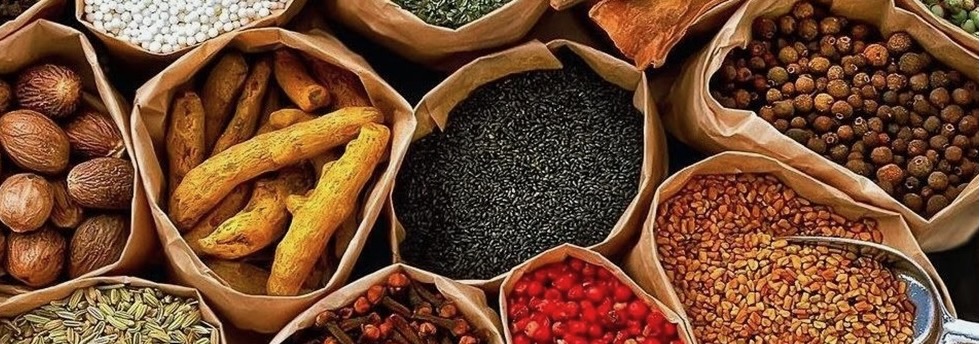
Bags of Spices

Favorite Recipes

Chinese

  • Fried Rice with Shrimp & Char Siu

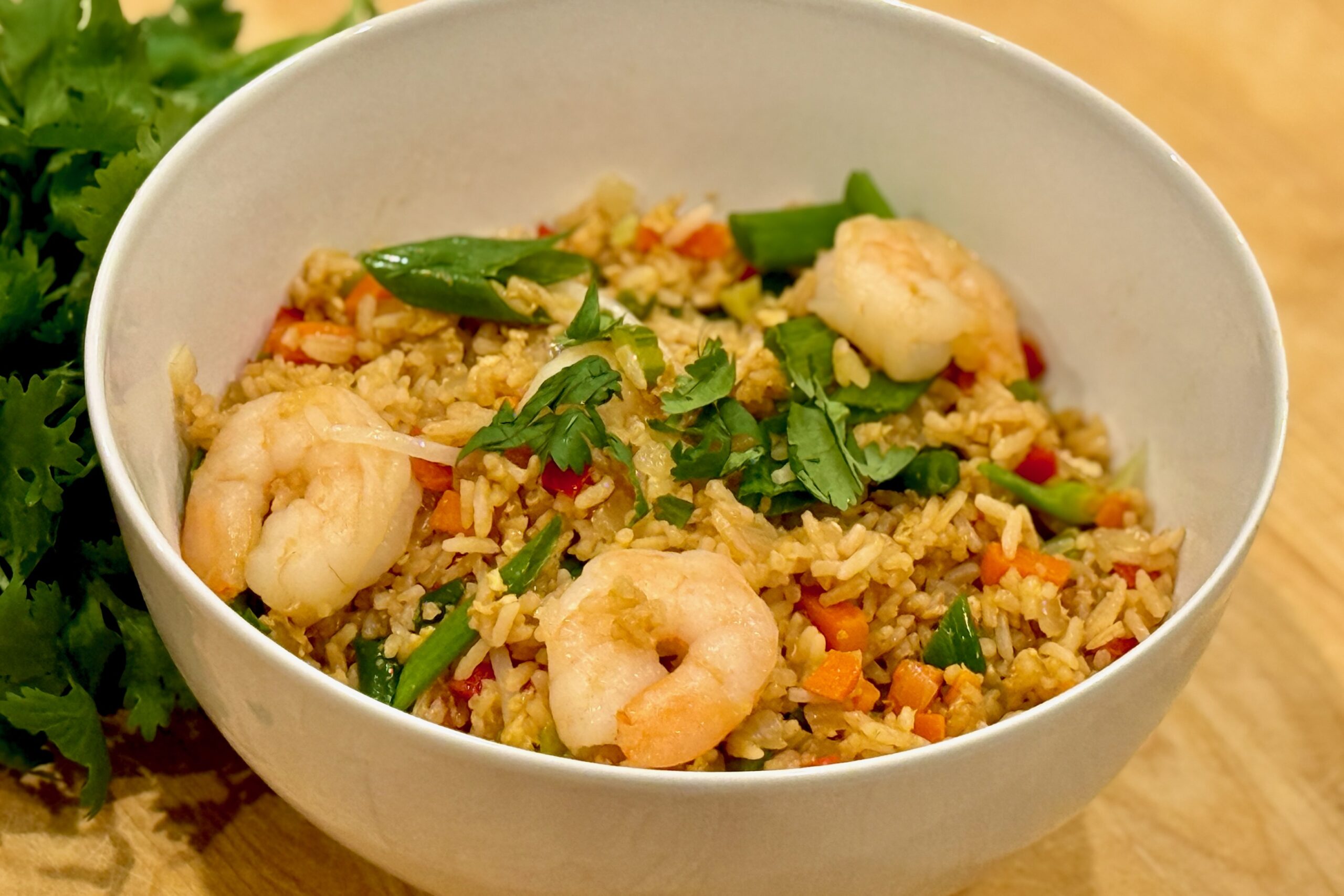
    Fried Rice with Shrimp & Char Siu

    Fried rice has always held a place of honor in our family meals—a dish that somehow feels both humble and celebratory at once. This version, with smoky char siu pork, tender shrimp, and crisp-tender vegetables, brings bold flavor and perfect balance to the table. The rice stays dry and lightly toasted, the shrimp are just sweet enough, and every bite carries the deep, savory notes that only come from a hot wok. It’s the kind of meal that fills the house with warmth and pulls everyone to the table—laughing, reaching for seconds, and sharing stories long after the plates are empty. Simple in spirit, but rich in tradition, it’s one of those dishes that reminds us why we love gathering together for a family meal.


    Ingredients

      Sauce / Seasoning Mix

    • 3 tbsp water
    • 2 tbsp light soy sauce
    • 1 tbsp dark or mushroom soy sauce
    • 1 tbsp oyster sauce
    • 1½ tbsp Shaoxing wine (or michiu)
    • 1 tsp sugar
    • ½ tsp chicken bouillon powder
    • ½ tsp white pepper
    • ½ tsp MSG (optional, for depth)
    • Slurry: 1 tsp cornstarch + 1 tsp water (optional, for thicker coating)
    • ½ tsp toasted sesame oil (add off heat, at the end)
    • Vegetables & Aromatics

    • 2–3 tbsp high-heat neutral oil (vegetable, peanut, or canola)
    • 1 medium onion, diced
    • 2 jalapeños, seeded and finely diced
    • 1 red bell pepper, diced small
    • ½ cup carrots, diced or julienned, blanched & patted dry
    • ½ cup celery, finely diced, blanched & patted dry
    • ½ cup green beans, cut into 1-inch pieces, blanched & patted dry
    • 2 cloves garlic, minced
    • 1 tbsp fresh ginger, grated or minced
    • ⅔ cup green onions (scallions), sliced — white parts for cooking, green parts for garnish
    • Proteins

    • 16 oz shrimp, cleaned, deveined, and thoroughly dried
    • 16 oz char siu, diced small
    • 3 large eggs, beaten
    • Rice

    • ~5 cups day-old jasmine rice (about 40 oz cooked), chilled and separated
    • Fresh Garnishes

    • Chopped cilantro
    • Reserved green onion tops
    • Lime wedges or a light squeeze of fresh lime juice
    • Optional: pinch of chili flakes or splash of fish sauce

    Directions

    Prepare the Sauce

    In a small saucepan, combine water, both soy sauces, oyster sauce, Shaoxing wine, sugar, chicken bouillon, white pepper, and MSG (if using). Bring to a gentle simmer and reduce slightly to concentrate flavor. Add slurry only if a thicker coating is desired. Remove from heat, stir in sesame oil, and set aside.

    Blanch & Dry the Vegetables

    Blanch carrots, celery, and green beans briefly (carrots & celery ~1 min; green beans ~2–3 min). Drain well, spread on paper towels, and pat dry completely before stir-frying.

    Cook Proteins Separately

    Heat wok over high heat. Add 1 tbsp oil and sear shrimp until just pink and cooked through; remove and set aside. Add char siu to the hot wok and fry until lightly caramelized on the edges; remove and set aside.

    Scramble the Eggs

    Add a drizzle of oil, then pour in beaten eggs. Let them set slightly before breaking into bite-sized curds. Remove and set aside.

    Stir-Fry Aromatics & Vegetables

    Wipe the wok clean if needed, then add 1 tbsp oil. Add onion and jalapeños; stir-fry until softened. Add garlic and ginger, cooking just until fragrant. Add bell pepper, carrots, celery, and green beans. Stir-fry until crisp-tender and slightly dry. Add white parts of the scallions and toss briefly.

    Fry the Rice

    Add more oil if needed. Increase heat to high. Add chilled rice, breaking up clumps with a spatula. Spread across the wok and let it rest for 20–30 seconds between stirs to allow slight browning and remove moisture. The rice should fry, not steam.

    Combine & Sauce

    Push rice aside to clear the center. Pour in sauce directly onto the hot metal to reduce briefly before folding into rice until evenly coated. Add shrimp, char siu, and scrambled eggs; toss rapidly to combine. Cook another 1–2 minutes over high heat.

    Finish & Garnish

    Turn off heat. Add a light squeeze of lime juice, toss once more, and taste for seasoning. Garnish with cilantro, scallion greens, and optional chili flakes. Serve hot.

    Notes

    Preparation

    • Well-dried, day-old rice is key. If using freshly cooked rice, spread it on a tray and refrigerate uncovered for at least 2 hours to dry out.
    • Use minimal oil and ensure vegetables are dry before stir-frying to prevent steaming.
    • Only add enough sauce to lightly coat the rice — start with about ¾ of the mix and add more as needed.
    • For better heat control at home, cook in two smaller batches to avoid steaming and maintain wok heat.
  • Beef & Asparagus / Beef & Green Beans

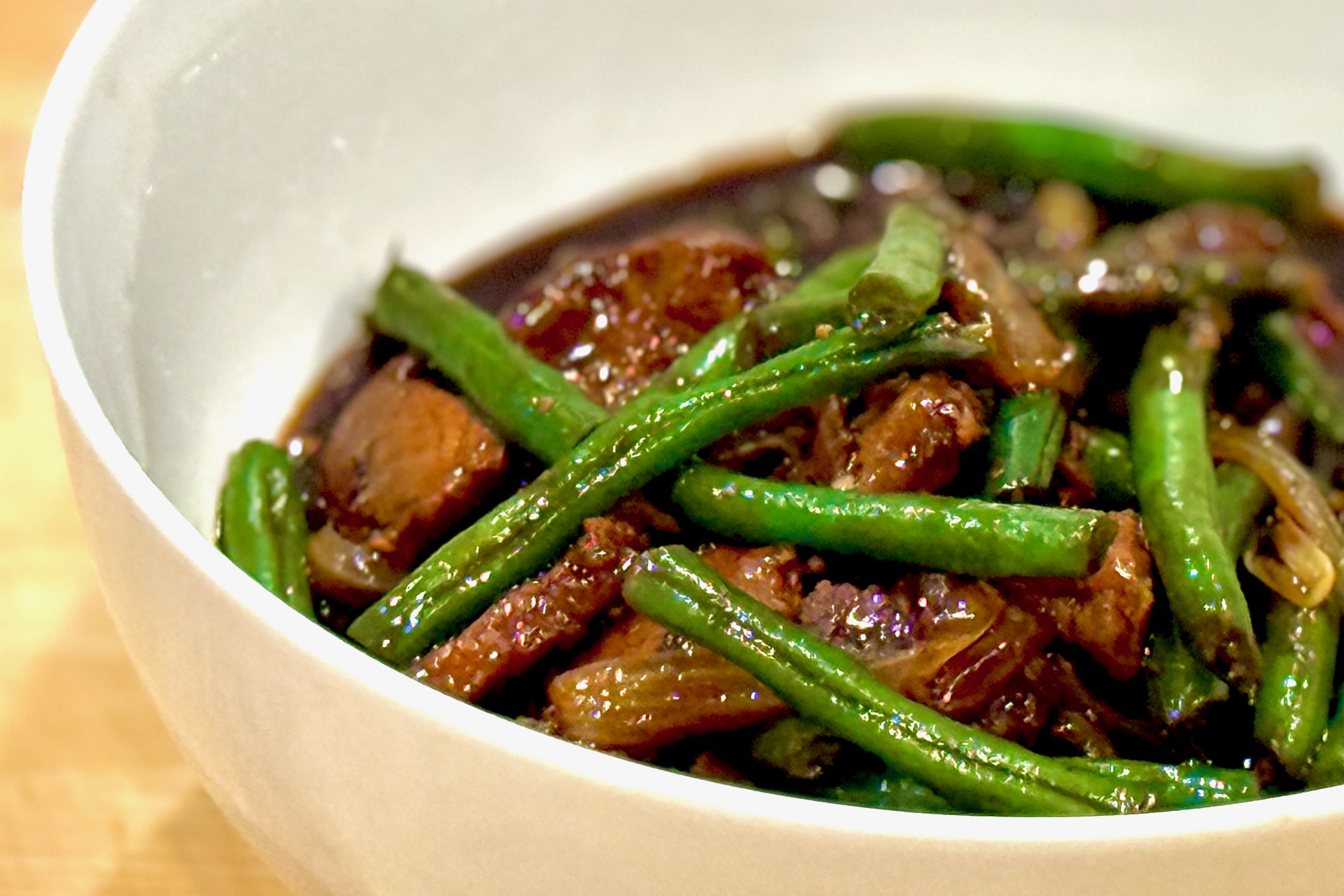
    Beef & Asparagus / Beef & Green Beans

    This family-favorite stir-fry pairs velvet-tender slices of beef with crisp-tender asparagus or green beans in a glossy, savory sauce layered with soy, mushroom soy, oyster sauce, and a hint of Shaoxing. Ginger, garlic, and scallions add restaurant-style aroma, while the velveting technique keeps the beef incredibly juicy—perfect over a bowl of hot white rice.


    Ingredients

      Beef:

    • 3 lbs sirloin, flank, or other tender steak, sliced thin against the grain
    • Velveting Marinade:

    • 2 cups water
    • 1 tsp baking soda
    • ⅔ cup soy sauce
    • 1 egg white
    • ½ tsp white pepper
    • 2 tbsp corn or potato starch
    • 2 tsp neutral oil (such as canola or vegetable oil), to coat the beef
    • Neutral oil, for frying the beef (enough for about 1–2 in / 2.5–5 cm depth in the wok or pan)
    • Sauce:

    • ¼ cup water
    • 3 tbsp sugar
    • ½ tsp chicken powder
    • ⅓ cup soy sauce
    • 1 tbsp mushroom soy sauce
    • 1 tbsp oyster sauce
    • 1 tbsp dark soy sauce
    • 3 tbsp michiu or Shaoxing cooking wine
    • 1–2 tsp cornstarch mixed with an equal amount of water (slurry)
    • ¼–½ tsp MSG (optional)
    • Vegetables & Aromatics:

    • 1–2 tbsp neutral oil, for stir-frying the vegetables
    • 1 medium onion, thinly sliced from root to tip
    • Vegetables (Use Either):

      • 1–1½ lbs asparagus, trimmed and cut into 2 in (5 cm) pieces
      • 1–1½ lbs fresh green beans, trimmed (see Directions for blanching)

      Stir-Fry & Finish:

    • 2–3 tbsp neutral oil, for stir-frying the sauce and aromatics
    • 2 tbsp minced garlic
    • 1–2 tsp minced fresh ginger
    • 2 scallions, white parts thinly sliced, green parts thinly sliced for garnish
    • 1–2 tsp toasted sesame oil, to finish
    • Cooked white rice, for serving

    Directions

    Velvet the Beef:

    In a large bowl, whisk together the water, baking soda, and soy sauce. Add the sliced beef, separating the pieces so they are fully coated in the mixture. Cover and refrigerate for at least 1 hour and up to 24 hours (2 hours is ideal for thinly sliced beef).

    Drain the beef well and pat it dry with paper towels. Return the beef to a clean bowl. Add the egg white, white pepper, and starch, and mix thoroughly with your hands until every piece is evenly coated. Add 2 tsp neutral oil and mix again to distribute. Cover and refrigerate for at least 30 minutes, or up to overnight.

    Heat enough neutral oil in a wok or deep, heavy skillet to a depth of about 1–2 in (2.5–5 cm) to 350ºF (175ºC). Fry the beef in batches for 30–60 seconds, just until the color changes and the pieces are opaque but not browned. Remove with a spider or slotted spoon and drain on a rack or paper towels. Repeat with remaining beef. Set aside.

    Make the Sauce:

    In a small saucepan, combine the ¼ cup water, sugar, and chicken powder. Bring just to a simmer over medium heat, stirring to dissolve the sugar and chicken powder.

    Remove from heat and stir in the soy sauce, mushroom soy sauce, oyster sauce, dark soy sauce, and cooking wine until well combined. If using MSG, stir it in now.

    Just before you are ready to add the sauce to the wok, stir the cornstarch slurry to recombine and whisk 1–2 tsp of it into the sauce. Set the sauce near the stove so it’s ready to use.

    Prepare the Vegetables:

    If using green beans, bring a large pot of salted water to a boil. Add the trimmed beans and blanch for 60–90 seconds, just until bright green and crisp-tender. Immediately transfer to a bowl of ice water to stop the cooking. Drain very well and pat dry before stir-frying.

    If using asparagus, trim and cut into 2 in (5 cm) pieces. Very thick stalks can be blanched for 30 seconds if desired, then shocked in ice water and dried well, but this is optional.

    Heat 1–2 tbsp neutral oil in a wok over high heat. Add the sliced onion and stir-fry until slightly softened and just starting to turn translucent, 1–2 minutes. Transfer the onion to a large bowl. Add the asparagus or blanched green beans to the wok and stir-fry until crisp-tender and lightly charred in spots, 2–3 minutes. Transfer to the bowl with the onion and set aside.

    Stir-Fry and Finish:

    Carefully wipe out the wok if needed. Add 2–3 tbsp neutral oil and heat over medium-high until shimmering. Add the minced garlic and ginger and stir-fry for 10–15 seconds, just until fragrant—do not let them brown. Add the scallion whites and stir-fry for about 10 seconds more.

    Give the sauce a quick stir, then pour it into the wok. Bring to a boil and cook for 30–45 seconds, stirring constantly, until slightly thickened and glossy.

    Add the velveted beef to the wok and toss to coat in the sauce. Stir-fry for about 1 minute, just until the beef is heated through. Return the onion and asparagus or green beans to the wok and toss everything together until hot and evenly coated with sauce, 1–2 minutes more.

    Remove the wok from the heat and drizzle in the toasted sesame oil. Toss once more, then garnish with the scallion greens. Serve immediately over hot white rice.


    Notes

    Preparation:

    • For best texture, slice the beef thinly against the grain; partially freezing the meat for 20–30 minutes makes it easier to slice evenly.
    • The velveting steps (marinating, coating, and frying) can be done several hours ahead; keep the fried beef covered in the refrigerator and bring to room temperature before the final stir-fry.
    • Use a neutral, high-smoke-point oil (such as canola, peanut, or vegetable oil) for both frying the beef and stir-frying.
    • Start with 1 tsp of the cornstarch slurry in the sauce and increase up to 2 tsp if you prefer a thicker, more clingy sauce.
    • Dark soy sauce adds color and a light molasses note; a little goes a long way, so keep to the recommended amount.
    • MSG is optional but gives the dish a distinct “restaurant” savoriness; if you prefer not to use it, simply omit it.

    Serving Suggestions:

    • Serve over steamed white rice, jasmine rice, or medium-grain rice to soak up the sauce.
    • Add a simple cucumber salad or lightly pickled vegetables on the side to balance the richness of the beef.
    • Garnish with additional scallion greens or a sprinkle of toasted sesame seeds for texture and color.
    • For a fuller meal, pair with stir-fried bok choy, Chinese broccoli (gai lan), or a quick egg-drop soup.

    Variations:

    • Spicier Version – Add a pinch of crushed red pepper flakes or 1–2 dried chilies to the oil when stir-frying the garlic and ginger.
    • Mushroom Add-In – Stir-fry sliced shiitake or cremini mushrooms after the onions, then combine them with the vegetables before adding back to the wok.
    • Extra Saucy – Increase the water in the sauce to ⅓–½ cup and adjust the cornstarch slurry to maintain a light, glossy consistency.
    • All-Green Bean or All-Asparagus – Use only one vegetable if preferred; keep the total weight around 1–1½ lbs for the best meat-to-vegetable balance.

    Make-Ahead & Storage:

    • The beef can be velveted and fried up to 1 day in advance; cool, cover, and refrigerate until ready to use.
    • The sauce can be mixed (without the cornstarch slurry) up to 2 days ahead and refrigerated; rewarm gently and whisk in the slurry just before cooking.
    • Leftover stir-fry keeps well in an airtight container in the refrigerator for up to 3 days; reheat gently in a skillet or wok with a splash of water to loosen the sauce.
    • This dish is best fresh, as the vegetables will lose some of their crisp-tender texture upon reheating.
  • Char Siu

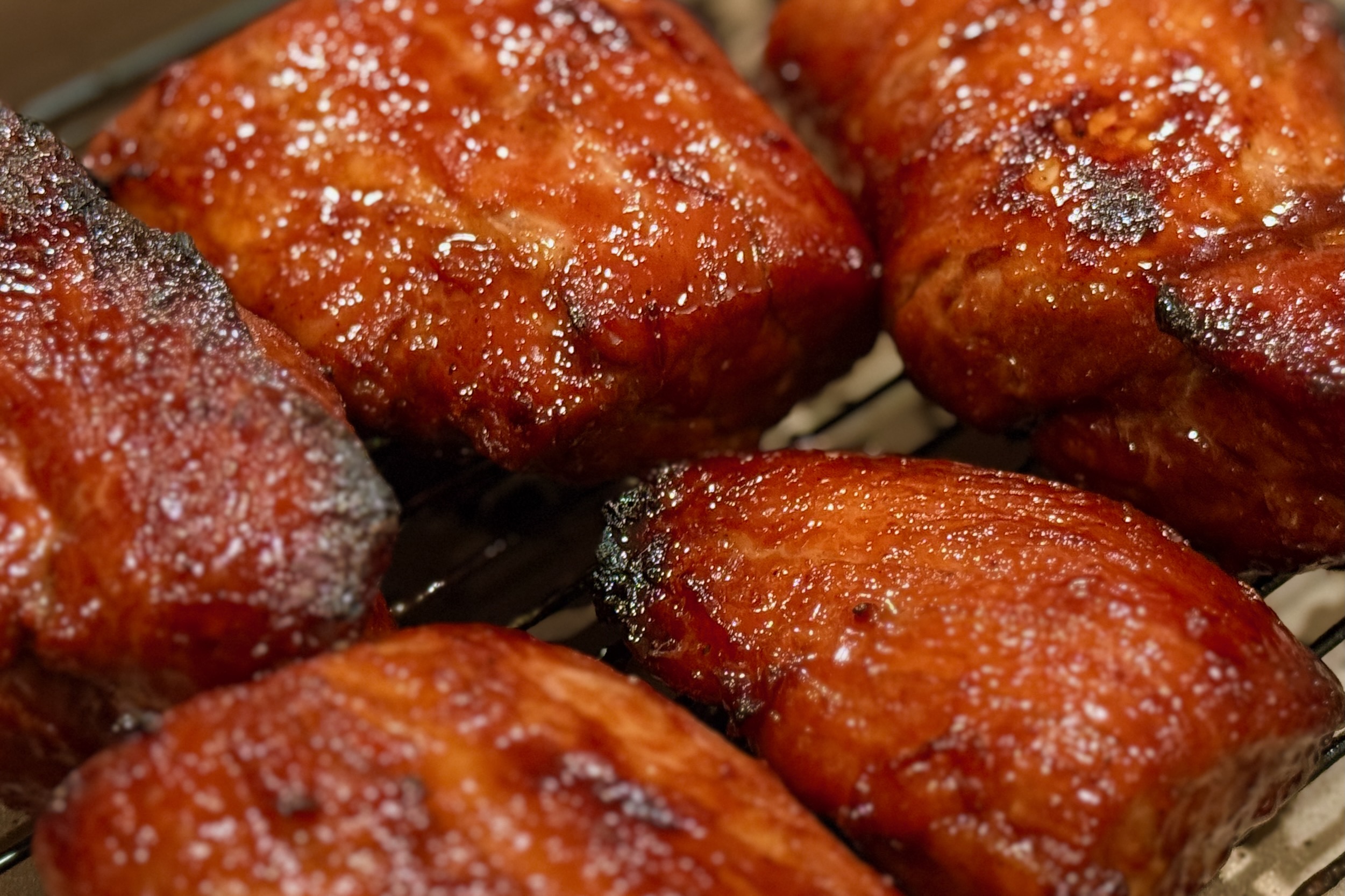
    Char Siu

    With 60 first cousins on just the Huggins side, family parties are rarely small. It isn’t unusual to have 40 to 75 guests for dinner at our get-togethers. Cooking for that many people forces a bit of food-preparation creativity, and this char siu takes advantage of sous-vide precision to simplify the process. For a more traditional method, the pork can also be cooked and basted over a hot charcoal grill for deep, smoky flavor.


    Ingredients

    • 3–4 lbs pork shoulder, cut into 3–4 long strips, about 2 inches thick (see Notes for pork belly option)
    • Marinade:

    • ¾ cup soy sauce
    • ½ cup hoisin sauce
    • ½ cup Shaoxing wine (or dry sherry)
    • ½ cup rock sugar, crushed (or ¼ cup rock sugar + ¼ cup white sugar)
    • 2 tbsp oyster sauce (optional, adds depth)
    • 2 tbsp grated fresh ginger
    • 4 garlic cloves, minced
    • 1 tsp toasted sesame oil
    • 1 tsp Chinese five-spice powder
    • ½ tsp ground white pepper
    • ⅛ tsp pink curing salt #1 (optional, for rosy interior)
    • 3–5 drops red food coloring (optional, classic look)
    • Glaze:

    • 1 cup reserved marinade, strained
    • ¼–⅓ cup honey

    Directions

    Marinate the Pork

    Whisk together all marinade ingredients except the curing salt and honey. Reserve 1 cup of marinade, strain, and refrigerate for the glaze.

    Add curing salt to the remaining marinade. Place pork strips in vacuum-seal bags or heavy zipper bags and add the marinade. Seal and refrigerate at least 8–12 hours, up to 24 hours.

    For best flavor and color penetration, turn the bags occasionally during marinating.

    Sous-Vide Cook

    Preheat the sous-vide water bath to 65°C (149°F). Submerge the sealed pork and cook for 12–16 hours.

    When done, remove the pork and transfer to a rack set over a sheet pan. Pat dry gently.

    Prepare the Glaze

    In a small saucepan, combine the reserved marinade with honey. Simmer over medium heat until reduced by about half and syrupy. Keep warm.

    Dry and Broil

    Let the pork rest uncovered on the rack for 15–20 minutes so the surface becomes slightly tacky. This helps the glaze adhere during broiling.

    Preheat your broiler (or charcoal grill) to very hot. Brush the pork with glaze and broil 6–8 minutes total, turning and re-glazing every 1–2 minutes until lacquered with caramelized edges and light char.

    Keep pork about 6 inches from the broiler to prevent burning. Final internal temperature should be approximately 68–70°C (155–158°F), though the meat is already fully cooked from the sous-vide process.

    Rest and Serve

    Let pork rest 5 minutes, then slice into thick pieces. Drizzle with warm glaze before serving.


    Notes

    Preparation

    • Crushing rock sugar before measuring ensures accurate sweetness and easier dissolving.
    • Optional curing salt deepens the rosy color but does not affect flavor.
    • Turning the pork during marinating promotes even seasoning and color.

    Serving Suggestions

    • Serve over steamed jasmine rice or noodles.
    • Pair with pickled cucumbers or a crisp slaw to balance richness.
    • Excellent in bao buns or sliced thinly for fried rice.

    Variations

    • Pork Belly Version: Remove skin, cut into 1½–2-inch strips, reduce sugar to ⅓ cup total, sous-vide at 70°C (158°F) for 10–12 hours, broil from 8 inches away, glazing every minute.
    • Grill Instead of Broil: Cook over hot charcoal, glazing and turning every 1–2 minutes until lacquered.
    • Extra Caramelization: Increase honey in the glaze up to ½ cup for a deeper lacquer.

    Make-Ahead & Storage

    • Pork can be marinated up to 24 hours in advance.
    • Sous-vide cooked pork can be chilled in the sealed bags up to 48 hours before finishing.
    • Leftovers keep 3–4 days refrigerated; broil briefly to refresh the glaze.