Bags of Spices

Favorite Recipes

Dutch Snack Bar

  • Shoarma Burgers

    Shoarma Burgers

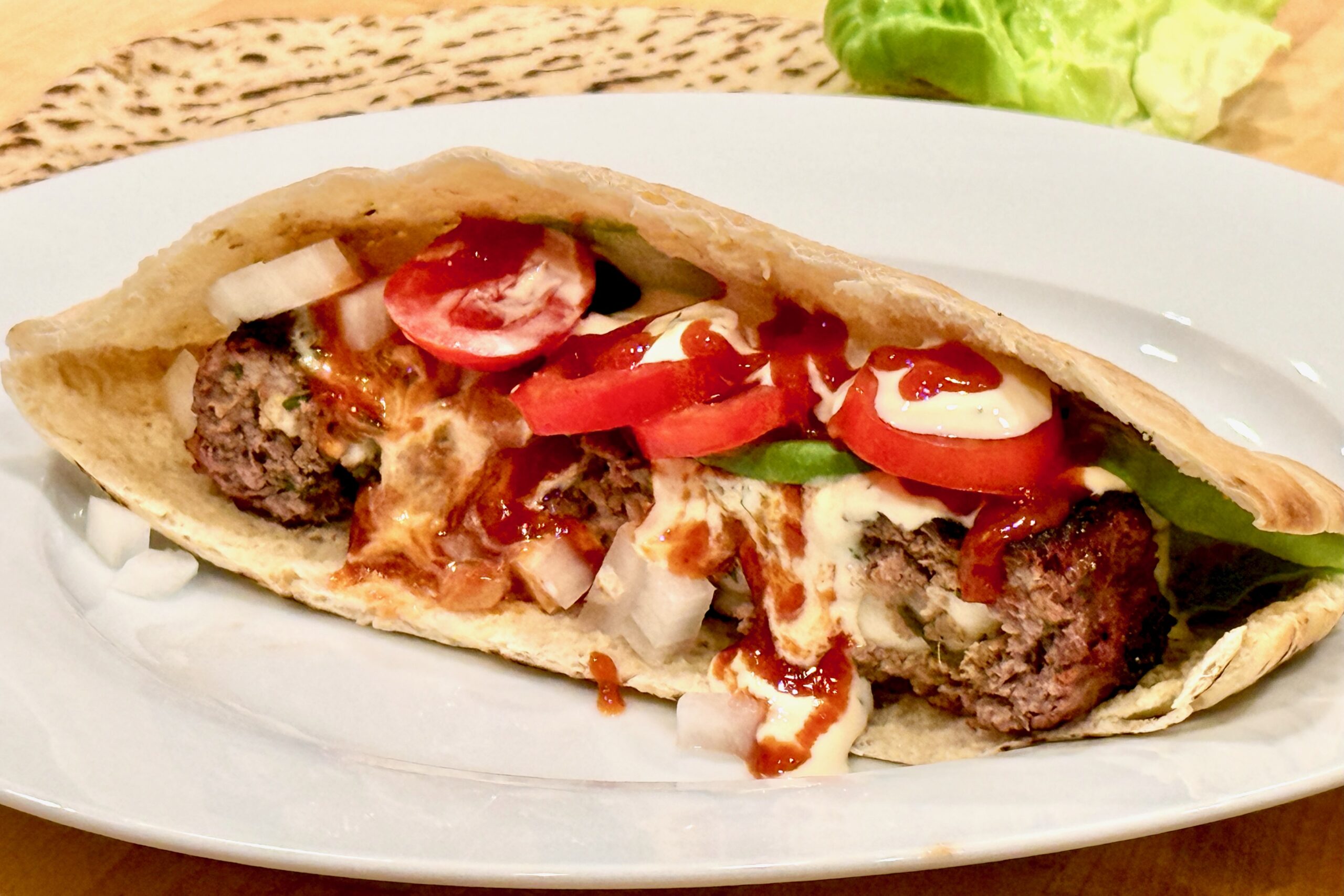
    These cheese-stuffed shoarma burgers have been my son’s favorite dinner for years. The beef-and-pork patties are seasoned with Dutch shoarma kruiden, grilled over charcoal, and served in warm pita with butter lettuce, ripe tomatoes, shoarmasaus, knoflooksaus, and sambal oelek at the table. Fill them with mild fresh mozzarella or tangy goat cheese—or make some of each, as we usually do.


    Ingredients

    Shoarma Burgers

    • 2 lb (907 g) ground beef
    • 1 lb (454 g) ground pork
    • 1 tbsp sambal oelek
    • 1½ tbsp finely chopped or grated fresh garlic
    • 1 tbsp grated fresh ginger
    • 2 tsp table salt
    • 3.5 g MSG
    • 4 tbsp shoarma kruiden
    • ¼ cup (60 g) plain yogurt
    • ¼ cup (60 ml) finely chopped fresh cilantro
    • Fresh sliced mozzarella, 0.9–1.1 oz (25–30 g), or goat cheese, 1.1–1.2 oz (30–35 g), per burger

    For Serving

    • 7 pita breads or hamburger buns
    • butter lettuce leaves
    • ripe sliced tomatoes, preferably garden tomatoes
    • shoarmasaus
    • knoflooksaus
    • lime wedges
    • sambal oelek

    Directions

    Prepare the Sauces

    Prepare the shoarmasaus and knoflooksaus at least 4 hours before serving, preferably the night before, so their flavors have time to develop.

    Mix the Meat

    Place the ground beef, ground pork, sambal oelek, garlic, ginger, salt, MSG, shoarma kruiden, yogurt, and cilantro in a large bowl. Mix thoroughly by hand until the seasonings are evenly distributed and the meat becomes cohesive and slightly tacky. A portion pressed together should hold its shape without cracking or crumbling. Keep the mixture as cold as possible while working.

    Fill and Shape the Patties

    Divide the meat mixture into 7 equal portions. Working with one portion at a time, place approximately half in the bottom of a burger press or shape it by hand to create a solid base. Place 0.9–1.1 oz (25–30 g) fresh sliced mozzarella or 1.1–1.2 oz (30–35 g) goat cheese in the center, leaving a generous border around the cheese. Cover completely with the remaining meat and form into a thick patty, approximately 8.8 oz (250 g) including the filling.

    Smooth and gently compress the exterior. Carefully inspect the top, bottom, and edges, pinching closed every seam or opening through which the cheese could escape. Repeat with the remaining meat and cheese.

    Chill the Patties

    Arrange the formed patties on a covered tray and refrigerate for at least 1 hour before grilling.

    Prepare the Charcoal Grill

    Prepare a charcoal grill for two-zone cooking, with a hot direct-heat area and a cooler indirect-heat area. Clean and lightly oil the grill grate.

    Grill the Burgers

    Place the chilled patties over direct heat and grill until well browned. Turn carefully without pressing down with a spatula. If the exteriors brown before the centers are cooked, move the patties to the cooler side of the grill, close the lid, and finish over indirect heat.

    Cook until the meat surrounding the cheese reaches 160°F (71°C). Insert an instant-read thermometer horizontally through the side of each patty, aiming for the meat rather than the cheese filling. Transfer to a platter and rest for 3–5 minutes.

    Finish and Assemble

    Squeeze a lime wedge lightly over each rested burger. Warm the pita bread briefly on the grill, then fill each pita with a burger, butter lettuce, ripe sliced tomato, shoarmasaus, and knoflooksaus. Hamburger buns may be substituted for the pita. Serve immediately with additional sambal oelek and lime wedges at the table.

    Yield: 7 burgers.


    Notes

    Preparation

    • Fresh mozzarella creates a mild, melty center and is generally preferred by younger children.
    • Goat cheese provides a tangier, more pronounced filling.
    • Keep the cheese cold and compact in the center of each patty to make the burgers easier to seal.
    • A burger press makes the stuffed patties easier to shape, but they can also be formed and sealed by hand.
    • Mixing until the meat becomes slightly tacky helps the large patties hold together on the grill.
    • Do not press the patties with a spatula while grilling, as this can force the cheese through the sealed exterior.

    Make-Ahead & Storage

    • The sauces are best prepared the day before serving.
    • The patties may be formed, covered, and refrigerated earlier the same day.
    • Refrigerate leftover cooked burgers in an airtight container up to 3 days.
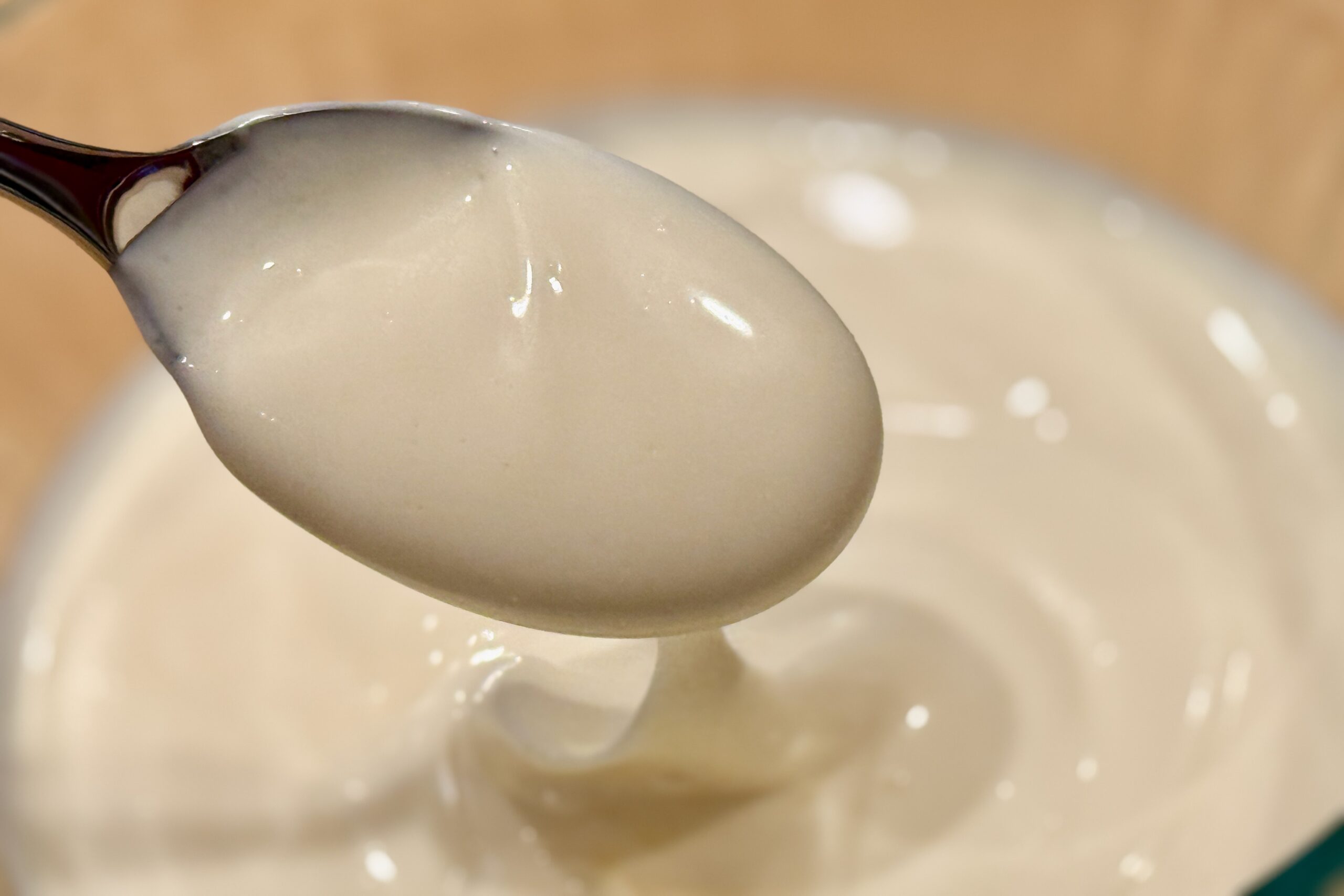
  • Dutch Mayonnaise — Calvé-Style from American Mayo

    Dutch Mayonnaise — Calvé-Style from American Mayo

    Dutch mayonnaise is tangier, slightly sweeter, and noticeably lighter in flavor than most American mayonnaises. Brands like Calvé and Remia are designed to complement fries and snack-bar sauces without overwhelming them—especially when paired with shoarmasaus, kerrieketchup, or poestasaus. This simple adjustment transforms standard American mayonnaise (such as Best Foods or Hellmann’s) into a closer approximation of Dutch-style mayo, making it a better match for patat, broodjes, and classic Dutch snackbar dishes.


    Ingredients

    • 1 cup American mayonnaise (Best Foods / Hellmann’s recommended)
    • 1½–2 tsp white wine vinegar or distilled vinegar
    • 1 tsp sugar
    • 1–2 tbsp neutral oil or water (to lighten texture)
    • pinch table salt (optional, to taste)

    Directions

    Adjust the Mayonnaise

    In a bowl, whisk together the mayonnaise, vinegar, sugar, and 1 tbsp oil or water until smooth. Taste and adjust vinegar or sugar slightly if needed—the mayo should taste brighter and lighter than American-style mayonnaise.

    Set the Flavor

    Cover and refrigerate for at least 30 minutes to allow the flavor to settle. Whisk again before serving.


    Notes

    Preparation

    • Dutch mayonnaise is tangier than American mayo but not sharply acidic.
    • The small amount of sugar is important—it softens the acidity and mimics Dutch formulations.
    • Lightening with oil or water helps reduce the heavy mouthfeel typical of American mayonnaise.
    • Taste the mayo cold, as it will be served.

    Serving Suggestions

    • Serve with fries or patat as a stand-alone sauce.
    • Use as the mayonnaise component in patat speciaal with Kerrieketchup – Dutch Curry Ketchup.
    • Pair with Shoarmasaus – Dutch Shoarma Red Sauce or Poestasaus – Spicy Dutch Kebab Sauce.
    • Use as the base for Knoflooksaus or other Dutch-style sauces.

    Variations

    • Calvé-Leaning: Increase vinegar slightly and keep the texture light.
    • Remia-Leaning: Use the full 2 tbsp oil or water for a looser, more pourable mayo.
    • Frietsaus-Style: Replace half the mayonnaise with plain yogurt or milk for a lighter Dutch fry sauce.

    Make-Ahead & Storage

    • Refrigerate in an airtight container up to 1 week.
    • Whisk briefly before serving if the texture thickens.
  • Shoarmasaus – Dutch Red Shawarma Sauce

    Shoarmasaus – Dutch Red Shawarma Sauce

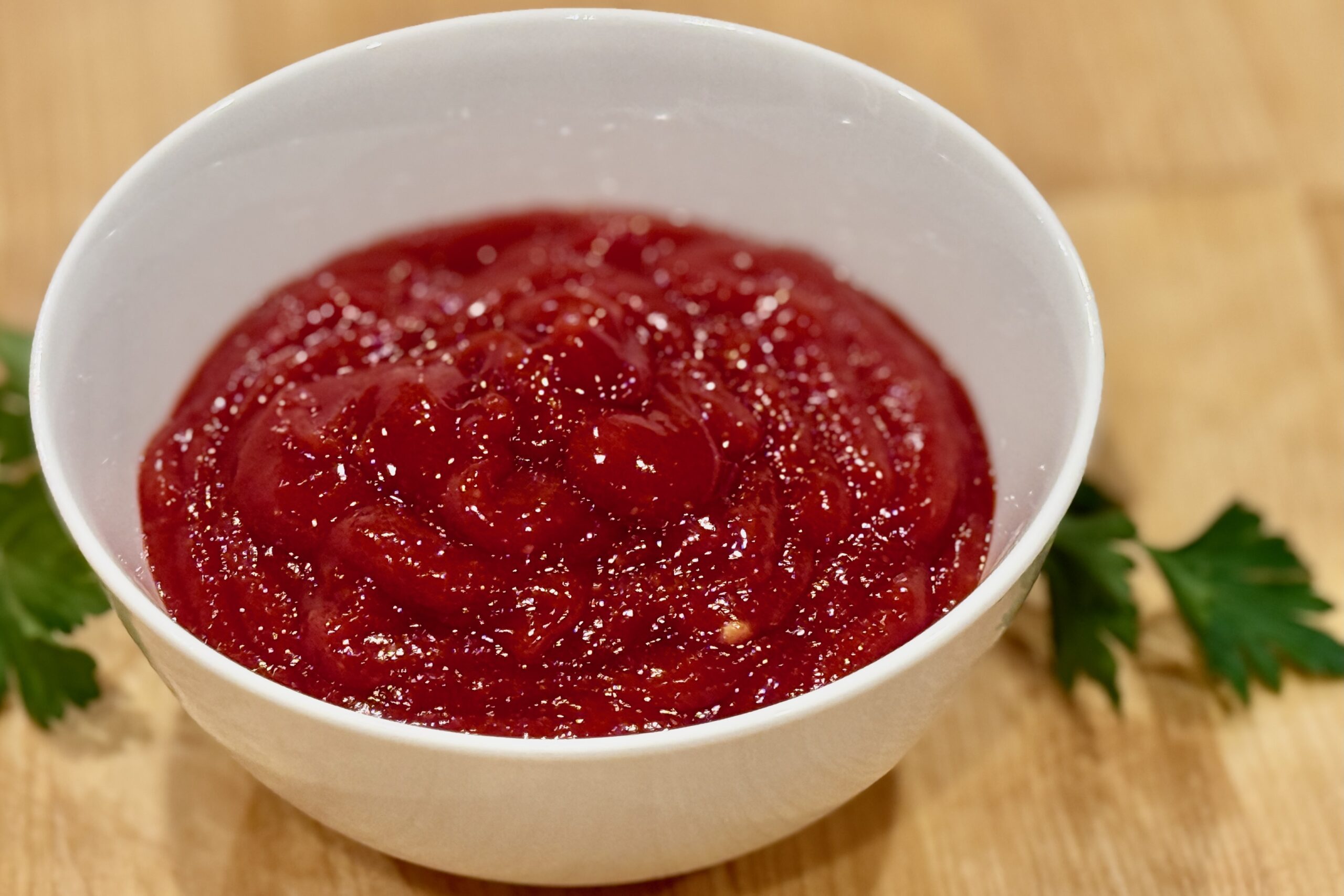
    This Dutch shoarmasaus is the mild red tomato sauce served alongside knoflooksaus at shoarma shops and snack bars across the Netherlands. Lightly sweet, gently tangy, and intentionally restrained, it is designed to balance spiced meat without competing for attention. If you are looking for the other classic Dutch red snackbar sauces, try Kerrieketchup – Dutch Curry Ketchup for patat speciaal, or Poestasaus – Spicy Dutch Kebab Sauce for a chili-forward kick more common in döner and kebab shops.


    Ingredients

    • ¾ cup tomato ketchup
    • 1½ tbsp tomato paste
    • 2 tbsp water, plus more as needed after chilling
    • 1–1½ tsp sugar
    • ½ tsp sweet paprika
    • ¼ tsp onion powder
    • ¼ tsp mild curry powder
    • pinch sambal oelek or cayenne (optional)
    • ¼ tsp table salt, or to taste
    • 1 tbsp white or apple cider vinegar

    Directions

    Combine the Sauce

    Combine the ketchup, tomato paste, water, sugar, paprika, onion powder, curry powder, sambal oelek or cayenne (if using), and salt in a small saucepan. Whisk until smooth.

    Cook the Sauce

    Cook over medium-low heat, stirring frequently, until the sauce just begins to simmer. Reduce the heat to low and cook gently for 5 minutes, stirring often. Do not allow the sauce to boil vigorously or reduce heavily.

    Add the Vinegar

    Remove the saucepan from the heat and stir in the vinegar. Taste and adjust the salt, sugar, or vinegar as needed. The sauce should be lightly sweet and tangy, with mild background warmth rather than pronounced heat.

    Cool and Chill

    Cool completely, then cover and refrigerate for at least 4 hours, preferably overnight. Once thoroughly chilled, stir well and thin with 1–2 tbsp additional water if needed.


    Notes

    Preparation

    • This sauce is intentionally mild; heat should be barely perceptible, if present at all.
    • The brief cooking time mellows the tomato paste and allows the paprika, curry powder, and onion powder to blend into the sauce without developing a heavy, barbecue-style flavor.
    • Adding the vinegar after cooking preserves its brightness.
    • The curry powder provides a warm background note that balances the paprika without turning the sauce into curry ketchup.
    • No garlic is added by design, preserving contrast with knoflooksaus.
    • Always make final seasoning and consistency adjustments after the sauce is completely cold.

    Serving Suggestions

    • Serve alongside Dutch-style shoarma with knoflooksaus.
    • Drizzle over pita sandwiches, fries, or grilled meats.
    • Offer sambal oelek at the table for those who prefer extra heat.

    Variations

    • Classic Snackbar Style: Thin with 1–2 additional tbsp water after chilling and use only 1 tsp sugar.
    • Deeper Tomato Flavor: Add an extra ½ tbsp tomato paste and a few additional drops of vinegar.
    • Late-Night Shoarmazaak: Increase the sambal oelek to ½ tsp for a gently warming finish.
    • Curry-Forward House Sauce: Increase the mild curry powder to ½ tsp for a more noticeable curry note.

    Make-Ahead & Storage

    • Best made at least 4 hours ahead; the flavor improves overnight.
    • Refrigerate in an airtight container up to 1 week.
    • Stir well before serving and thin with a little water if needed.
  • Shoarma Kruiden — Dutch-Inspired Shawarma Spice Mix

    Shoarma Kruiden — Dutch-Inspired Shawarma Spice Mix

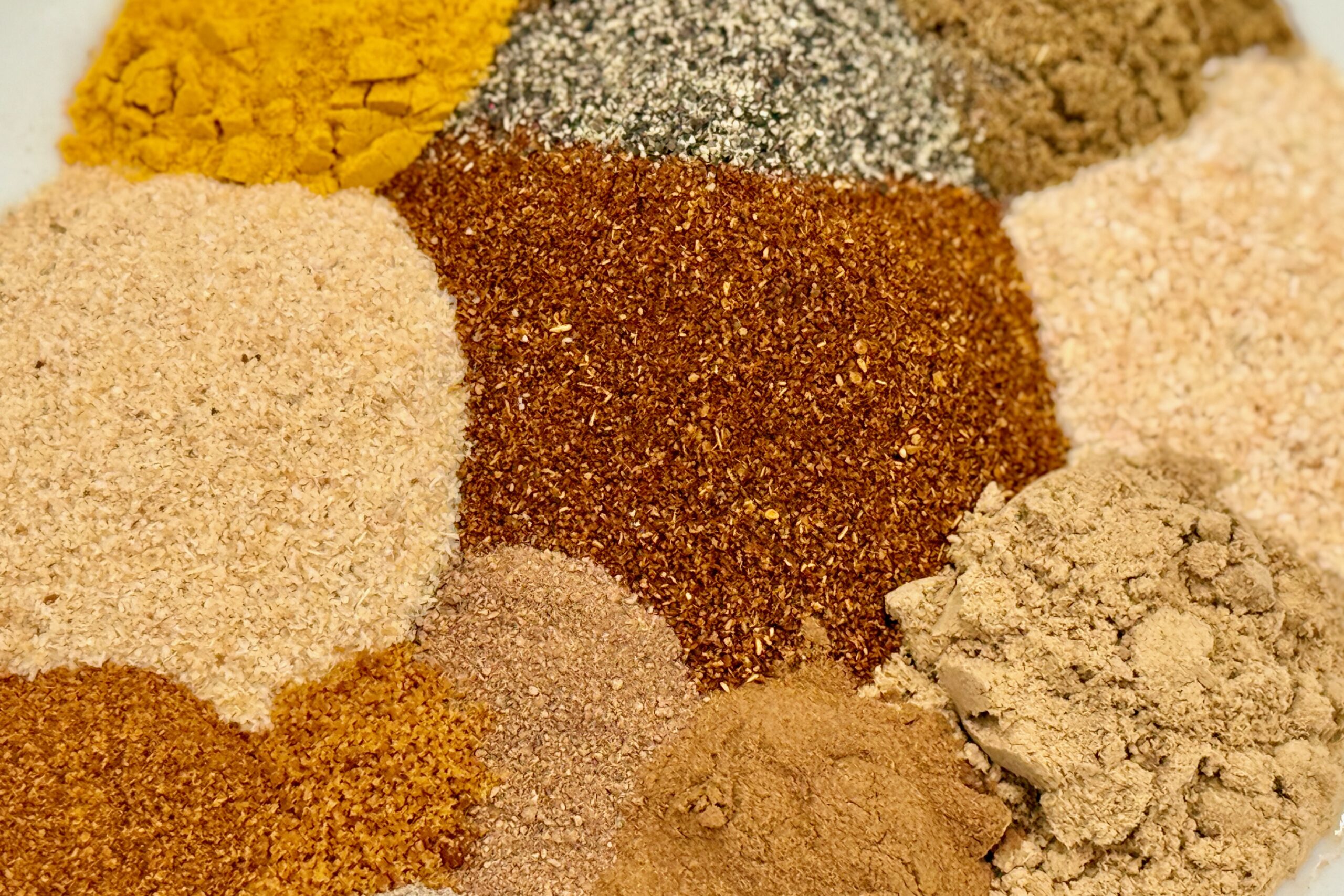
    This shoarma kruiden blend captures the warm, paprika-forward flavor of Dutch shoarma shops—perfect for keeping on hand so you can quickly season meat for broodje shoarma, wraps, and grilled dishes whenever the craving hits.


    Ingredients

    Paprika Base

    • 2 tbsp paprika
    • 2 tsp garlic powder
    • 2 tsp onion powder

    Warm, Savory Spices

    • 2 tsp ground coriander
    • 1½ tsp ground cumin
    • 1 tsp ground ginger
    • ¾ tsp lovage leaf powder
    • ⅛ tsp ground fenugreek seed
    • ⅜ tsp ground allspice
    • ½ tsp ground cinnamon
    • ½ tsp ground black pepper
    • ¼ tsp ground nutmeg
    • ⅛ tsp ground mace
    • ⅛ tsp ground cloves

    Color & Heat

    • ½ tsp turmeric
    • ¼ tsp cayenne pepper (adjust to taste)

    Optional (Authentic for Some Shops)

    • ⅛ tsp ground fennel

    Directions

    Prepare the Spice Mix

    In a small bowl, combine the paprika, garlic powder, onion powder, coriander, cumin, ginger, lovage, fenugreek, allspice, cinnamon, black pepper, nutmeg, mace, cloves, turmeric, cayenne, and fennel (if using). Mix thoroughly until the spices are evenly blended.

    Transfer the shoarma kruiden to an airtight jar or spice container. Label and store in a cool, dark cupboard.

    For general use, plan on about 1 tbsp shoarma kruiden per 1 lb (450 g) meat, adjusting to taste.


    Notes

    Preparation

    • This blend is intentionally prepared without salt, since many Dutch shoarma shops season the meat separately. Salt your meat to taste before or during cooking.
    • For the most vibrant flavor, use fresh spices and replace the mix every 6 months or so; older spices are still safe but lose potency over time.
    • If your spices are coarse or slightly clumpy, you can pulse the finished blend a few times in a spice grinder to create a finer, more uniform texture.
    • Because this mix is quite aromatic, store it in a well-sealed container away from light and heat to preserve its Dutch shoarma character.

    Serving Suggestions

    • Use about 1 tbsp shoarma kruiden per 1 lb (450 g) thinly sliced chicken thigh, pork shoulder, turkey, or lamb for classic Dutch-style shoarma.
    • For a dry-style preparation common in shoarma shops, toss the seasoned meat with 1–2 tbsp neutral oil and cook in a hot skillet or on a griddle until browned and lightly crisp at the edges.
    • For a simple wet marinade, combine 1 tbsp shoarma kruiden with 1 tbsp oil or plain yogurt and 1 tsp lemon juice per 1 lb (450 g) meat. Marinate 1–12 hours before cooking.
    • Serve the cooked meat in warm pita or Turkish bread as a broodje shoarma, with shredded lettuce, tomato, onion, and Dutch-style garlic sauce (knoflooksaus).
    • This blend also works well for sheet-pan dinners, grilled skewers, or roasted vegetables for a Dutch shoarma-inspired twist.

    Variations

    • Sweeter Dutch-Snackbar Style: Add 1 tsp sugar to the full batch of shoarma kruiden. The sugar will lightly caramelize on the griddle and echo the slightly sweeter flavor of some late-night shoarma shops.
    • Spicier (Rotterdam-Lean): Increase the cayenne to ½–¾ tsp for a more assertive heat while still keeping the overall Dutch flavor profile.
    • Warmer Dutch-Indo Aroma: For a slightly richer, Amsterdam-leaning warmth, increase the ginger to 1½ tsp and the mace to ¼ tsp, keeping the other spices the same.
    • Salted Convenience Blend: If you prefer an all-in-one seasoning, you can add 1 tbsp table salt to the full batch. When using this salted version, reduce or omit any additional salt added directly to the meat.

    Make-Ahead & Storage

    • Prepare a double or triple batch and store it in a tightly sealed jar so you always have shoarma kruiden ready for quick meals.
    • For best flavor, use within about 6 months; the blend will remain safe beyond that, but the aromatics will gradually lose intensity.
    • If you live in a hot climate, you can store the jar in the refrigerator or freezer to help preserve the essential oils in the spices.
    • Always use a clean, dry measuring spoon when scooping from the jar to prevent moisture from clumping the spices.