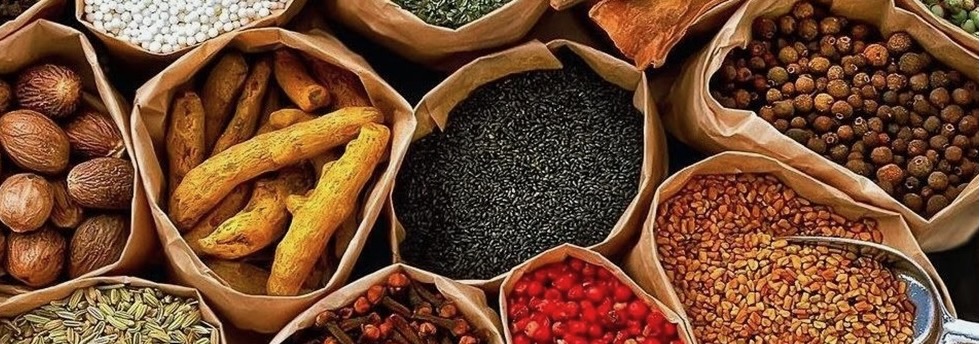
Bags of Spices

Favorite Recipes

Indian

  • Murgh Makhani — Indian Butter Chicken

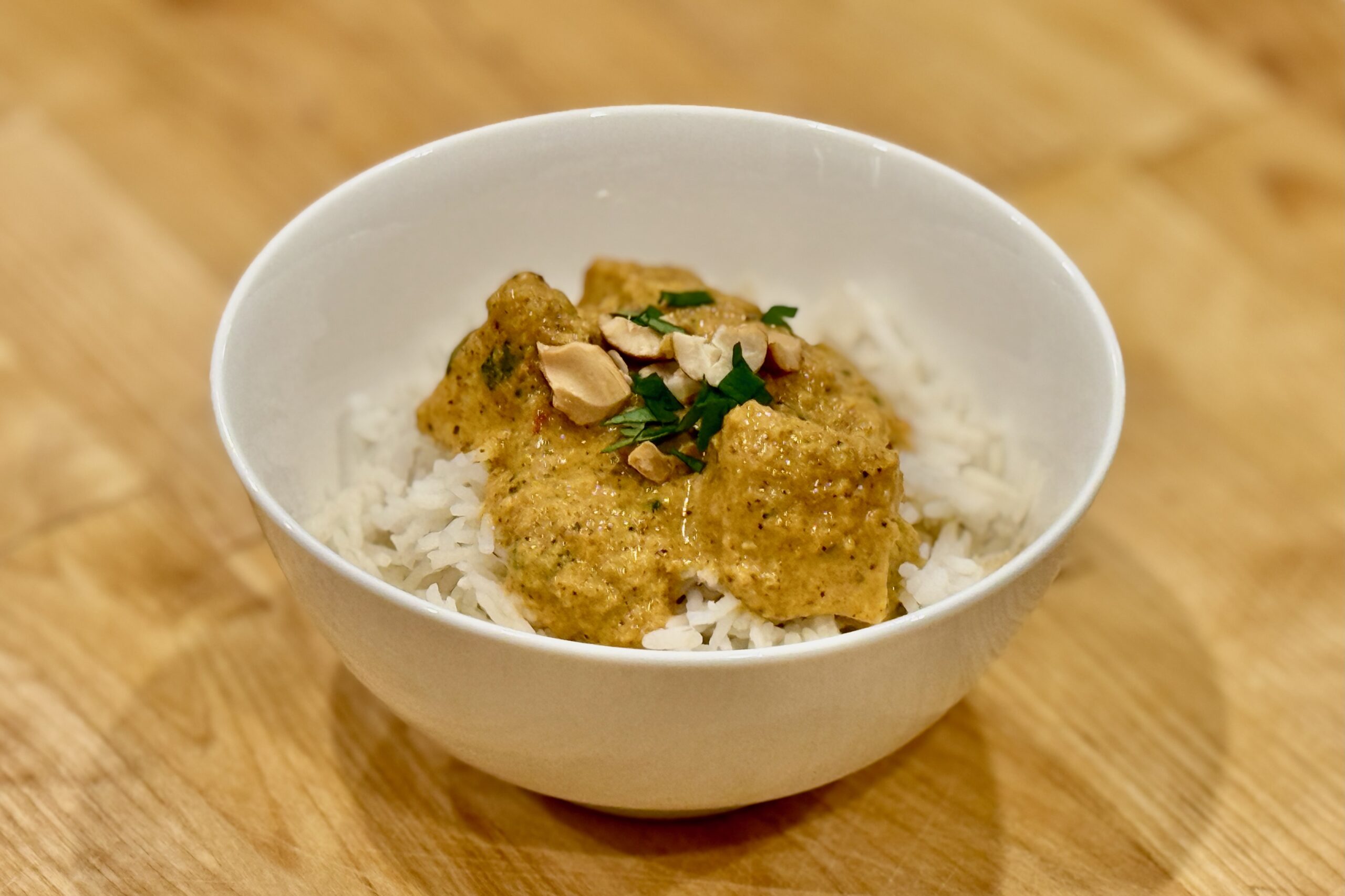
    Murgh Makhani — Indian Butter Chicken

    Butter Chicken (Murgh Makhani) is a rich, comforting classic—tender yogurt-marinated chicken folded into a velvety tomato-cream sauce fragrant with ginger, fenugreek, and warm garam masala. It’s the kind of dish that fills the kitchen with incredible aromas and brings everyone running to the table, perfect for family nights when you want something deeply satisfying without being complicated.


    Ingredients

      Sauce

    • 4 tbsp butter, divided (chilled, cut into 4 pieces)
    • 1 large onion, chopped fine
    • 5 garlic cloves, minced
    • 4 tsp grated fresh ginger
    • 1 serrano chile, stemmed, seeded, and minced (optional, to taste)
    • 1 tbsp garam masala
    • 1 tsp ground coriander
    • ½ tsp ground cumin
    • ½ tsp turmeric
    • ½–1 tsp Kashmiri chili powder (or mild paprika for color)
    • ½ tsp black pepper
    • 1 cup crushed or puréed tomatoes (San Marzano–style preferred)
    • 1 cup water (or as needed)
    • 1 tbsp honey or jaggery (or 1 tbsp sugar)
    • 1 tsp table salt (plus more to taste)
    • 1 cup heavy cream
    • 1 tsp dried fenugreek leaves (kasuri methi), lightly crushed
    • Chicken

    • 2 lbs boneless, skinless chicken thighs, trimmed
    • ½ cup plain Greek yogurt
    • 1 tbsp lemon juice
    • 1 tsp garam masala
    • ½ tsp turmeric
    • 1 tsp table salt
    • 3 tbsp chopped fresh cilantro, divided
    • Garnish

    • Additional chopped fresh cilantro
    • Optional drizzle of cream

    Directions

    Marinate the Chicken

    In a medium bowl, mix yogurt, lemon juice, garam masala, turmeric, and salt. Add chicken thighs and coat well. Cover and refrigerate at least 30 minutes or up to overnight.

    Make the Sauce Base

    In a large saucepan, melt 2 tbsp butter over medium heat. Add onion, garlic, ginger, and serrano (if using). Cook, stirring often, until onions are deep golden brown, about 10–12 minutes.

    Add garam masala, coriander, cumin, turmeric, Kashmiri chili powder, and black pepper. Stir constantly for 1–2 minutes until fragrant.

    Stir in tomatoes and 1 cup water, scraping up browned bits. Add honey and salt. Simmer 10 minutes, then stir in cream.

    Off heat, blend with an immersion blender until smooth. Return to low heat and simmer gently for 5 minutes.

    Add more water as needed if sauce becomes too thick.

    Cook the Chicken

    Adjust oven rack 6 inches from the broiler. Line a baking sheet with foil and place a wire rack on top. Arrange marinated chicken on the rack.

    Broil until lightly charred and chicken registers 175°F, 16–20 minutes, flipping halfway. Let rest 5 minutes, then cut into ¾-inch chunks.

    Alternatively, grill or pan-sear if preferred.

    Finish the Sauce

    Add chicken to the sauce. Stir in kasuri methi and 2 tbsp chopped cilantro. Remove from heat and whisk in remaining 2 tbsp chilled butter until glossy.

    Adjust seasoning with salt or honey as needed.

    Serve

    Transfer to a serving dish. Drizzle with cream if desired and sprinkle with more cilantro. Serve with basmati rice and/or naan.


    Notes

    Preparation

    • For the deepest flavor, marinate chicken overnight, but reduce lemon juice to 1 tsp to prevent the meat from becoming mushy.
    • Broiling creates a slight char that mimics tandoori-style cooking at home.
    • Kashmiri chili powder adds color and mild heat; paprika works as a substitute if you prefer less spice.
    • Fenugreek (kasuri methi) is essential to the classic restaurant-style flavor—don’t skip it if you can find it.

    Serving Suggestions

    • Serve with basmati rice, naan, roti, or even roasted potatoes.
    • A side of cucumber raita helps balance the richness.
    • Goes beautifully with Mango Lassi for contrast.

    Variations

    • For a lighter version, replace half the cream with whole milk.
    • For extra heat, add an additional serrano or a pinch of cayenne.
    • For a smokier finish, add ½ tsp smoked paprika or a tiny dash of liquid smoke.
    • Make it vegetarian by using paneer or roasted cauliflower instead of chicken.

    Make-Ahead & Storage

    • The sauce can be made up to 3 days ahead. Reheat gently and whisk in fresh butter before serving.
    • Leftovers keep 3–4 days refrigerated.
    • Freezes well for up to 2 months; thaw overnight and reheat gently to avoid splitting.
  • Chicken Tikka Masala

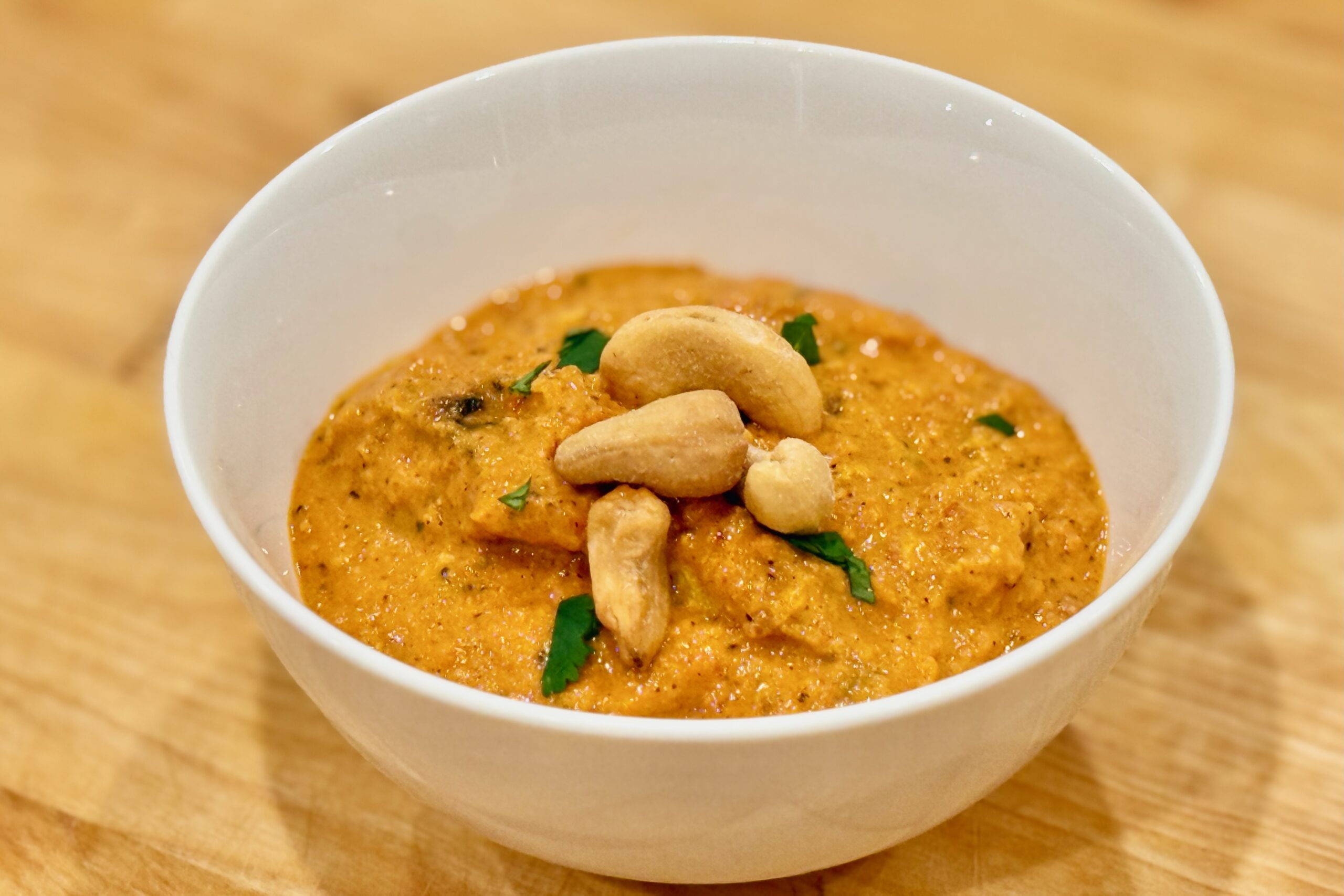
    Chicken Tikka Masala

    Chicken Tikka Masala is one of those comforting, crowd-pleasing dishes where tender marinated chicken meets a rich, warmly spiced tomato-cream sauce. This version balances classic aromatics, gentle heat, and layered spice blooming for a deeply flavorful, restaurant-quality finish perfect for serving with basmati rice or warm naan.


    Ingredients

      Chicken Tikka

    • 2 lb boneless, skinless chicken thighs, trimmed
    • 1 tbsp lemon juice
    • 1 tsp table salt
    • 1 cup plain whole-milk yogurt
    • 2 tbsp vegetable oil
    • 2 cloves garlic, minced
    • 1 tbsp grated fresh ginger
    • 1 tsp ground cumin
    • 1 tsp ground coriander
    • 1 tsp paprika (or Kashmiri chili powder, for color)
    • ½ tsp cayenne pepper (to taste)
    • ½ tsp ground turmeric
    • ½ tsp garam masala
    • Masala Sauce

    • 3 tbsp vegetable oil (or ghee)
    • 1 tsp ground cumin
    • 1 tsp ground coriander
    • 1 tsp paprika (or Kashmiri chili powder, for color)
    • 1 tsp garam masala
    • ½ tsp ground cinnamon
    • 1 medium onion, finely diced
    • 3 cloves garlic, minced
    • 1 tbsp grated fresh ginger
    • 1 serrano chile, minced (optional)
    • 1 tbsp tomato paste
    • 1 can (28 oz) fire-roasted crushed tomatoes
    • ¼ cup raw cashews, blended
    • 2 tsp sugar (to taste)
    • 1 tsp table salt (plus more to taste)
    • ⅔ cup heavy cream
    • 1 tsp dried kasuri methi leaves, crumbled
    • 2 tbsp butter (optional, for richness)
    • ¼ cup fresh cilantro, chopped (plus more for garnish)

    Directions

    Prepare the Chicken Tikka

    Toss chicken with lemon juice and salt; let rest for 20 minutes.

    Whisk yogurt, oil, garlic, ginger, cumin, coriander, paprika, cayenne, turmeric, and garam masala in a large bowl. Add chicken and coat thoroughly. Cover and refrigerate at least 1 hour, up to 8 hours.

    Heat oven broiler. Arrange chicken on a wire rack set over a foil-lined baking sheet. Broil 10–15 minutes, flipping halfway, until lightly charred and chicken reaches 165°F. Rest 5 minutes.

    Cut chicken into 1-inch chunks.

    Make the Masala Sauce

    Heat oil or ghee in a Dutch oven over medium heat until shimmering. Add cumin, coriander, paprika, garam masala, and cinnamon. Bloom spices for 30–45 seconds, stirring constantly.

    Add onion and cook 8–10 minutes until golden brown. Stir in garlic, ginger, serrano chile, and tomato paste; cook 1–2 minutes until fragrant.

    Stir in crushed tomatoes, blended cashews, sugar, and salt. Simmer 15 minutes, stirring occasionally, until slightly thickened.

    Add cream and butter (if using), then crumble in kasuri methi. Simmer 2–3 minutes more to meld flavors.

    Adjust seasoning with additional salt or sugar as needed.

    Finish

    Stir the broiled chicken pieces into the sauce just to coat. Warm through gently.

    Garnish with cilantro and an optional swirl of cream. Serve with basmati rice or naan.


    Notes

    Preparation

    • Blooming the spices in oil at the beginning deepens their aroma and gives the sauce its signature restaurant-style richness.
    • For extra char flavor, grill the chicken instead of broiling; aim for light blistering on the edges.
    • Cashews provide natural thickening and creaminess; you may substitute 2–3 tbsp cashew butter if preferred.
    • Salt levels vary by brand of tomatoes—taste and adjust after simmering.
    • Altitude Adjustment (~4,750 ft): Increase simmer time by 3–5 minutes to concentrate flavors; sauce may reduce slightly slower at elevation.

    Serving Suggestions

    • Serve with steamed basmati rice, jeera rice, naan, or paratha.
    • A side of cucumber raita or kachumber salad adds cooling freshness.
    • For a richer presentation, drizzle extra cream and add a few cilantro sprigs just before serving.

    Variations

    • Spicier: Add an extra serrano or increase cayenne to 1 tsp.
    • Smoky: Add ½ tsp smoked paprika or finish with a pinch of dried fenugreek for deeper aroma.
    • Dairy-Free: Swap cream for full-fat coconut milk and omit the butter.

    Make-Ahead & Storage

    • Marinated chicken keeps 12–18 hours in the refrigerator.
    • Masala sauce improves overnight; flavors deepen as it rests.
    • Store leftovers in an airtight container 3–4 days in the refrigerator.
    • Freezes well for 2–3 months; thaw overnight and rewarm gently to avoid cream separation.
  • Coconut Korma

    Coconut Korma

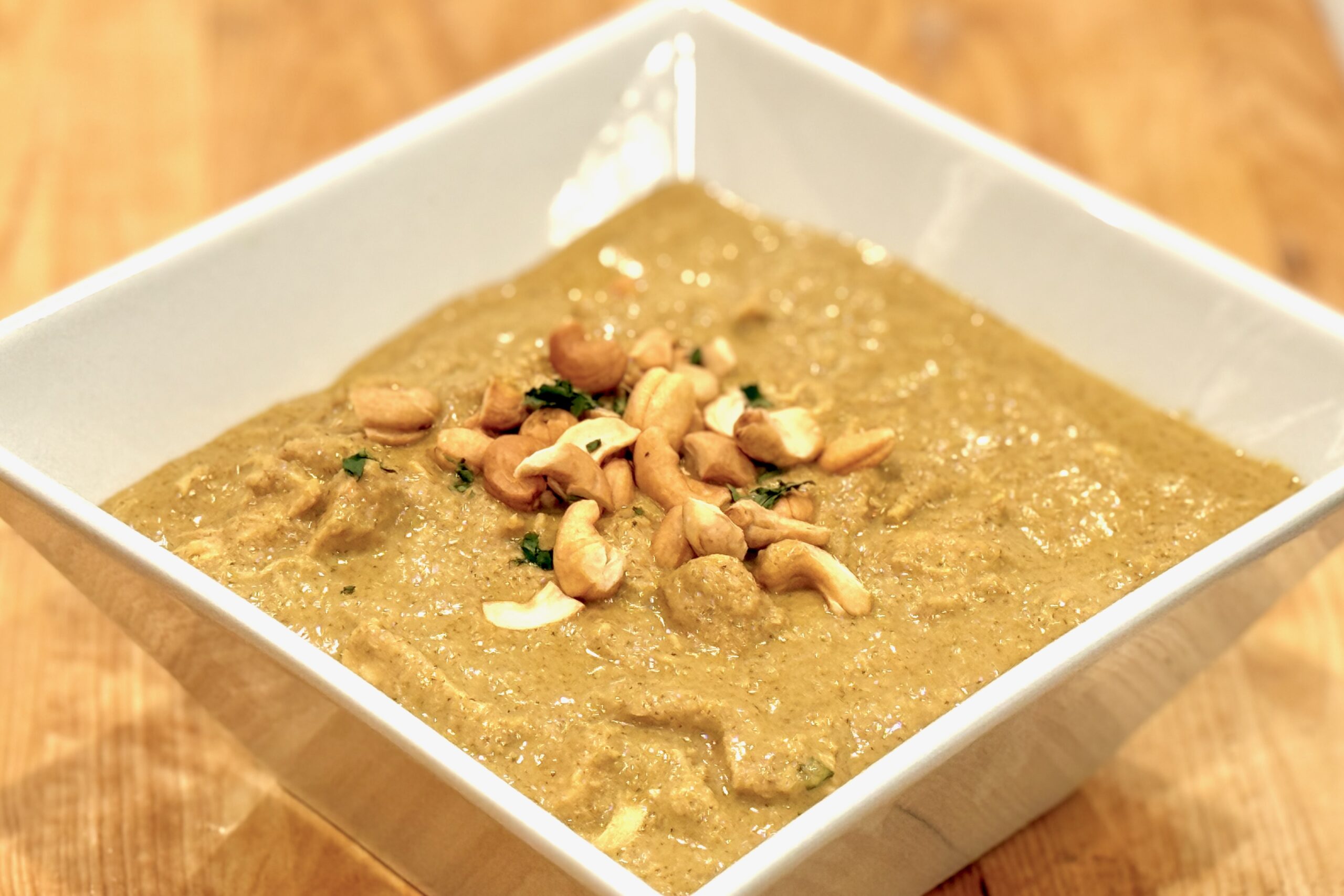
    This Coconut Korma brings together deeply caramelized onions, warm spices, and a silky coconut-cashew base to create a rich, comforting curry. Whether you choose chicken, beef, lamb, or paneer, the sauce adapts beautifully—creamy, aromatic, and gently sweetened with just a touch of sugar.


    Ingredients

      Desired Protein (Choose One):

    • 1½ lb (700g) chicken, beef, or lamb, cut into bite-size chunks, OR
    • 1 recipe (400–500g) paneer
    • Marinade for Meats:

    • ½ cup plain yogurt
    • 1 tbsp lemon juice
    • 1 tsp turmeric
    • 1 tsp paprika (or Kashmiri chili powder for deeper color)
    • 1 tsp garam masala
    • 1 tsp salt
    • Korma Base:

    • 2 tbsp ghee or oil
    • 2 medium onions, thinly sliced
    • 4 cloves garlic, minced
    • 1½ inch piece fresh ginger, minced
    • ¼ cup unsweetened shredded coconut
    • ¼ cup cashews
    • 1 tsp ground coriander
    • ½ tsp ground cumin
    • ½ tsp ground cinnamon
    • ¼ tsp ground cloves
    • ¼ tsp ground cardamom
    • 1½ tsp garam masala
    • ½ tsp turmeric
    • 1 tsp salt (plus more to taste)
    • 1½ cups full-fat coconut milk
    • ½ cup water or stock (match to your chosen protein)
    • 1 tsp sugar
    • Optional Finishings:

    • 2 tbsp heavy coconut cream
    • Chopped cilantro and chopped cashews (for garnish)

    Directions

    Prepare the Protein:

    For chicken, beef, or lamb: Combine marinade ingredients in a bowl. Add meat and marinate according to type:

    • Chicken: 30 minutes to overnight
    • Beef/lamb: 2–12 hours

    For paneer: Cut into cubes. Optional—pan-fry in ghee until golden. Mix the marinade separately and set aside to stir into the sauce later for added richness.

    Make the Korma Base:

    Heat ghee or oil in a large pan. Add sliced onions and sauté until deeply golden and caramelized, 15–20 minutes. Add garlic, ginger, shredded coconut, and cashews. Cook 2–3 minutes until fragrant. Cool slightly, then blend with a splash of water until completely smooth.

    In the same pot, add a bit more ghee/oil if needed and sear marinated meat until browned on all sides. Remove and set aside. (Skip searing if using paneer.)

    Return the blended paste to the pan and stir in all dry spices. Toast 30 seconds. Add coconut milk, water or stock, and sugar. Return meat or paneer to the pot and simmer:

    • Chicken: simmer uncovered 10–15 minutes
    • Beef/lamb: simmer covered 60–90 minutes, adding water as needed
    • Paneer: gently simmer 8–10 minutes

    Adjust salt and sweetness to taste. Stir in coconut cream for extra richness if desired. Garnish with cilantro and chopped cashews.


    Notes

    Preparation

    • For paneer, marinating isn’t required, but adding the marinade mixture to the sauce enhances depth and flavor.
    • Kashmiri chili powder gives a richer red color and mild heat compared to paprika.
    • Rotisserie chicken can be used as a shortcut—mix the marinade and stir both into the sauce along with chopped chicken.
    • Beef or lamb can be pressure-cooked (20–25 minutes high pressure, natural release) to significantly shorten simmer time.

    Serving Suggestions

    • Serve over basmati rice or with warm naan.
    • Add a drizzle of coconut cream for a more luxurious finish.
    • Top with toasted cashews for added texture.

    Variations

    • Use vegetable stock and paneer for a vegetarian version.
    • Add vegetables such as peas, carrots, or potatoes during the simmering stage.
    • Increase chili powder or add a serrano pepper for a spicier korma.

    Make-Ahead & Storage

    • Korma improves on day two as flavors deepen.
    • Refrigerate up to 4 days in an airtight container.
    • Freeze up to 3 months; thaw overnight in the fridge and reheat gently.
  • Naan

    Naan

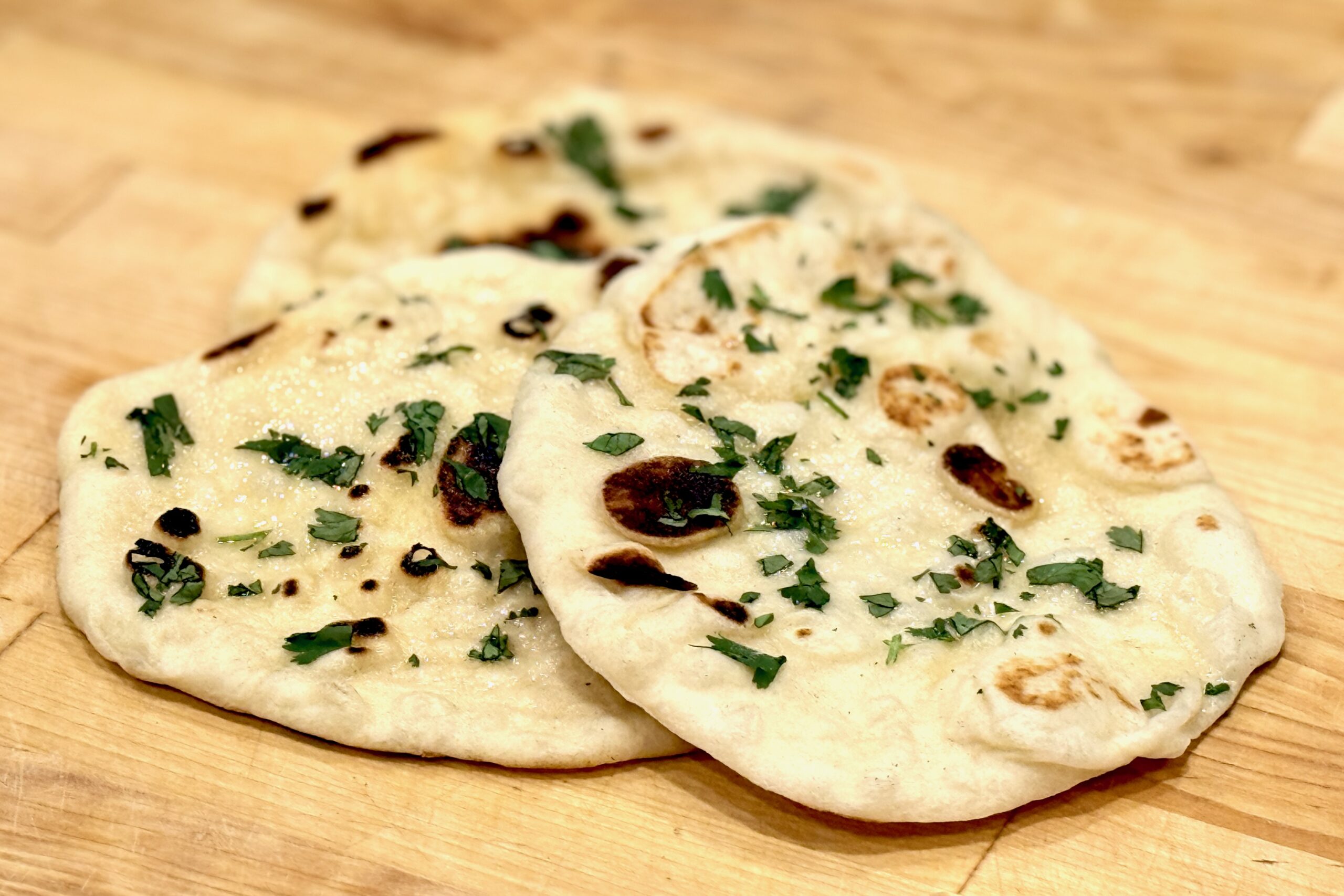
    Soft, fluffy, and beautifully blistered, this homemade naan rivals restaurant versions—without the need for a tandoor. Enriched with yogurt for tenderness and cooked quickly on a hot skillet or pizza steel, it’s perfect for scooping up curries, daal, or creamy saag paneer.


    Ingredients

    • ¾ cup warm water (about 110°F / 43°C)
    • 2¼ tsp (1 packet) active dry yeast
    • 1 tsp sugar
    • ⅓ cup whole milk plain yogurt
    • 2 tbsp neutral oil (avocado, canola, sunflower, or vegetable)
    • 1 tbsp milk or melted butter (optional)
    • ⅛ tsp baking powder (optional)
    • 1 tsp salt
    • 2–2½ cups all-purpose flour, plus more for dusting
    • Optional Toppings

    • Melted ghee or butter, for brushing
    • Chopped cilantro, garlic, or nigella seeds

    Directions

    Prepare the Dough

    In a large bowl, combine warm water, yeast, and sugar; stir and let sit 5–10 minutes, until foamy.

    Add yogurt, oil, milk or melted butter (if using), baking powder (if using), and salt. Mix in about 2 cups flour (starting with 1¾ cups and adding more as needed) until a soft, slightly sticky dough forms. Knead 6–8 minutes by hand or 5 minutes in a stand mixer, until smooth and elastic.

    Place dough in a lightly oiled bowl, cover, and let rise in a warm spot 1–2 hours, or until doubled in size.

    Shape the Naan

    Punch down dough. Divide into 8 equal pieces and shape into balls. Cover and rest 10 minutes.

    Roll each ball into a teardrop or oval about ¼-inch thick, dusting with flour as needed to prevent sticking.

    Cook the Naan

    Heat a cast-iron skillet or heavy nonstick pan over medium-high heat until very hot. Place one rolled naan in the dry skillet.

    Cook for 45–60 seconds, until bubbles form and golden brown spots appear. Flip and cook the other side 30–45 seconds. Optional: Flip once more and press gently with a spatula to encourage blistering.

    Repeat with remaining dough, adjusting heat as needed. Brush hot naan with melted butter or ghee and sprinkle with toppings if desired.

    Oven or Pizza Steel Option

    For a tandoor-style finish, place rolled dough on a preheated pizza steel in a 500°F (260°C) oven and bake ~90 seconds until bubbles form and brown spots appear. Flip and cook on the other side for 30-60 seconds. Brush immediately with ghee or butter after removing from the oven.


    Notes

    Preparation

    • Adding 1 tbsp milk or melted butter to the dough enhances softness and browning.
    • A pinch (⅛–¼ tsp) of baking powder can help naan puff more evenly on the stovetop.
    • Lightly misting the skillet or dough with water before cooking adds steam for tenderness.
    • Keep cooked naan warm in a towel-lined bowl or low oven (175°F) until serving.

    Serving Suggestions

    • Serve warm with curries, daal, Saag Paneer, or kebabs.
    • Brush with garlic butter and cilantro for restaurant-style garlic naan.
    • Use as a wrap for butter chicken or other saucy entrées.

    Variations

    • Garlic–Cilantro Naan: Brush rolled dough with garlic butter, sprinkle with chopped cilantro, then cook as usual.
    • Cheese-Stuffed Naan: Seal 2–3 tbsp grated cheese (paneer, mozzarella, or cheddar mix) inside each ball before rolling out.
    • Whole Wheat Naan: Substitute up to 50% white whole wheat flour and add 1–2 tsp extra water as needed.
    • Chilli–Herb Naan: Add ½ tsp crushed red pepper and 1 tbsp chopped herbs (cilantro, mint, or parsley) to dough.
    • Sweet Coconut Naan: Add 1 tbsp sugar to dough and fill with coconut, nuts, and a touch of cardamom.
    • Sesame or Nigella Seed Naan: Brush surface lightly with water, sprinkle seeds, and press gently before cooking.

    Make-Ahead & Storage

    • Refrigerate dough up to 24 hours; bring to room temperature before rolling.
    • Cooked naan can be frozen up to 1 month. Reheat in a 350°F oven for 5–7 minutes or on a hot skillet until warm and soft.
    • Brush with fresh ghee or butter just before serving for best flavor.
  • Saag Paneer

    Saag Paneer

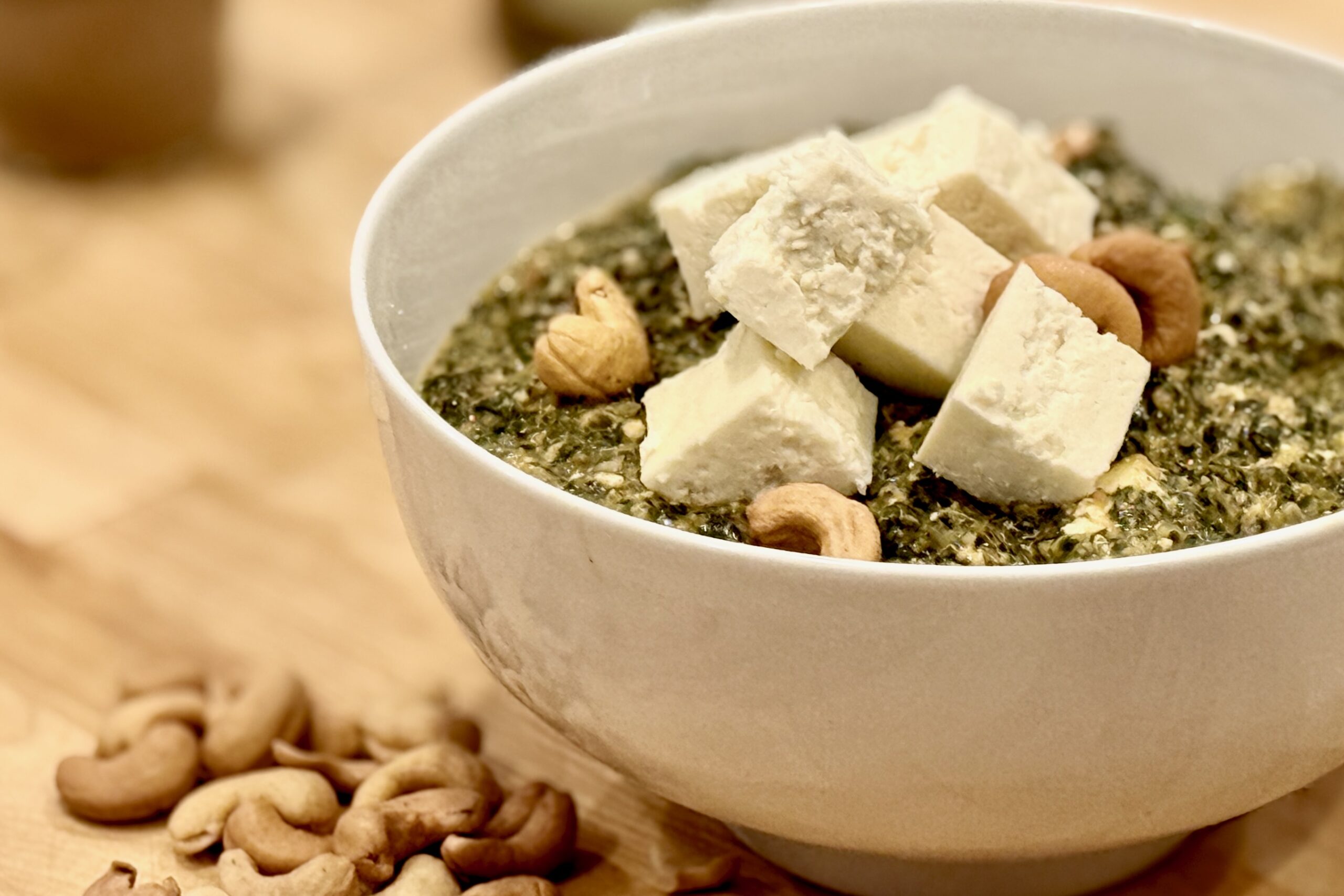
    This Saag Paneer brings together tender spinach, fragrant spices, and creamy homemade paneer for a comforting and authentic Indian dish. The rich, spiced sauce is balanced by yogurt, cream, and cashews, creating a luxurious texture and deep flavor. It’s perfect with warm basmati rice or naan, and can also be made with chicken, lamb, or beef for a hearty variation.


    Ingredients

    • 1 recipe homemade paneer (or 1 pkg 10–16 oz pre-made paneer)
    • 1 pkg (10 oz) fresh baby spinach, rinsed
    • 1 lb frozen spinach, thawed and squeezed dry
    • 3 tbsp butter
    • 1 tsp cumin seeds
    • 1 medium onion, finely chopped
    • 3–4 garlic cloves, minced
    • 1½ tsp grated fresh ginger
    • 1 serrano chile, stemmed, seeded, and minced
    • 1 tsp ground coriander
    • 1 tsp paprika
    • ½ tsp turmeric
    • ½ tsp ground cardamom
    • ¼ tsp ground cinnamon
    • 1 can (14.5 oz) diced tomatoes, drained
    • ½ cup roasted cashews, divided (blend half for creaminess, keep half chopped for texture)
    • ½ cup water
    • ½ cup plain whole-milk yogurt
    • ½ cup whole milk
    • ½ tsp garam masala (added at the end)
    • 1–2 tsp dried fenugreek leaves (kasoori methi), crumbled
    • 2 tbsp heavy cream (to finish)
    • 3 tbsp chopped fresh cilantro
    • 2 tsp salt (to taste)
    • ½ tsp pepper (to taste)
    • Additional Protein (Optional)

    • 1 lb boneless, skinless chicken thighs or breasts; lamb shoulder or leg; or beef chuck (can replace or complement paneer)

    Directions

    Prepare the Spinach

    Bring a large pot of salted water to a boil. Add fresh spinach and cook until just wilted, about 30 seconds. Drain, rinse with cold water, and squeeze out excess moisture. Roughly chop and set aside. Squeeze thawed frozen spinach to remove excess water and combine with the fresh spinach.

    Build the Base

    In a large skillet or saucepan, melt butter over medium heat. Add cumin seeds and toast for about 30 seconds until fragrant. Add onion and cook until softened and golden, 6–8 minutes. Stir in garlic, ginger, chile, coriander, paprika, turmeric, cardamom, and cinnamon; cook 30–60 seconds until aromatic.

    Add tomatoes and cook, stirring occasionally, until most of the moisture evaporates and the mixture thickens slightly, about 5–7 minutes. Stir in spinach, half of the blended cashews, and ½ cup water. Simmer uncovered 5–10 minutes, until spinach is tender and cohesive. Remove from heat.

    Blend and Enrich

    Using an immersion blender, purée the mixture directly in the pan until mostly smooth, leaving some texture. Stir in yogurt and milk. Return to low heat and simmer gently 5–10 minutes until thickened and creamy, without boiling. Adjust consistency with a splash of milk or water if needed.

    Stir in remaining chopped cashews, garam masala, fenugreek leaves, cilantro, and heavy cream. Season to taste with salt and pepper.

    Prepare the Paneer

    Cut chilled paneer into bite-sized cubes. Pan-fry in a little butter or oil until golden, if desired. Reserve a few pieces for garnish. Gently fold remaining paneer into the sauce and warm through, about 2–3 minutes.

    Optional Additional Protein

    For added variety, substitute or combine paneer with cooked chicken, lamb, or beef. Follow these guidelines:

    • Chicken: Sear 1 lb boneless thighs or breasts in oil until golden and cooked through (165°F). Optionally marinate in yogurt, lemon juice, garlic, ginger, and garam masala for 30+ minutes beforehand.
    • Beef: Brown 1 lb stewing beef (chuck) in oil, then simmer in water or broth until tender, 1–1½ hours.
    • Lamb: Sear 1 lb shoulder or leg cubes in oil, then braise 1½–2 hours in broth with garlic and ginger until fork-tender. Stir a little braising liquid into the sauce for extra flavor.

    Serve

    Serve hot with basmati rice or naan. Garnish with reserved paneer, cashews, cilantro, and a drizzle of cream, if desired.


    Notes

    Preparation

    • Use all fresh or all frozen spinach if preferred; total weight should be 1½–2 lbs.
    • Do not boil after adding yogurt or milk to prevent curdling.
    • Paneer can be pan-fried or used directly; frying adds a richer texture and flavor.

    Serving Suggestions

    • Serve with basmati rice, naan, or chapati for a complete meal.
    • Pair with homemade paneer for the freshest flavor and best texture.
    • For a full Indian dinner, accompany with cucumber raita or mango chutney.

    Variations

    • Add ¼ cup heavy cream or coconut cream for a richer sauce.
    • For a vegan version, replace paneer with firm tofu and substitute coconut milk for dairy.

    Make-Ahead & Storage

    • Refrigerate leftovers up to 4 days in an airtight container.
    • Freeze up to 2 months; thaw overnight in the refrigerator before reheating.
    • Reheat gently over low heat, adding a splash of milk or water to restore consistency.
  • Paneer

    Paneer

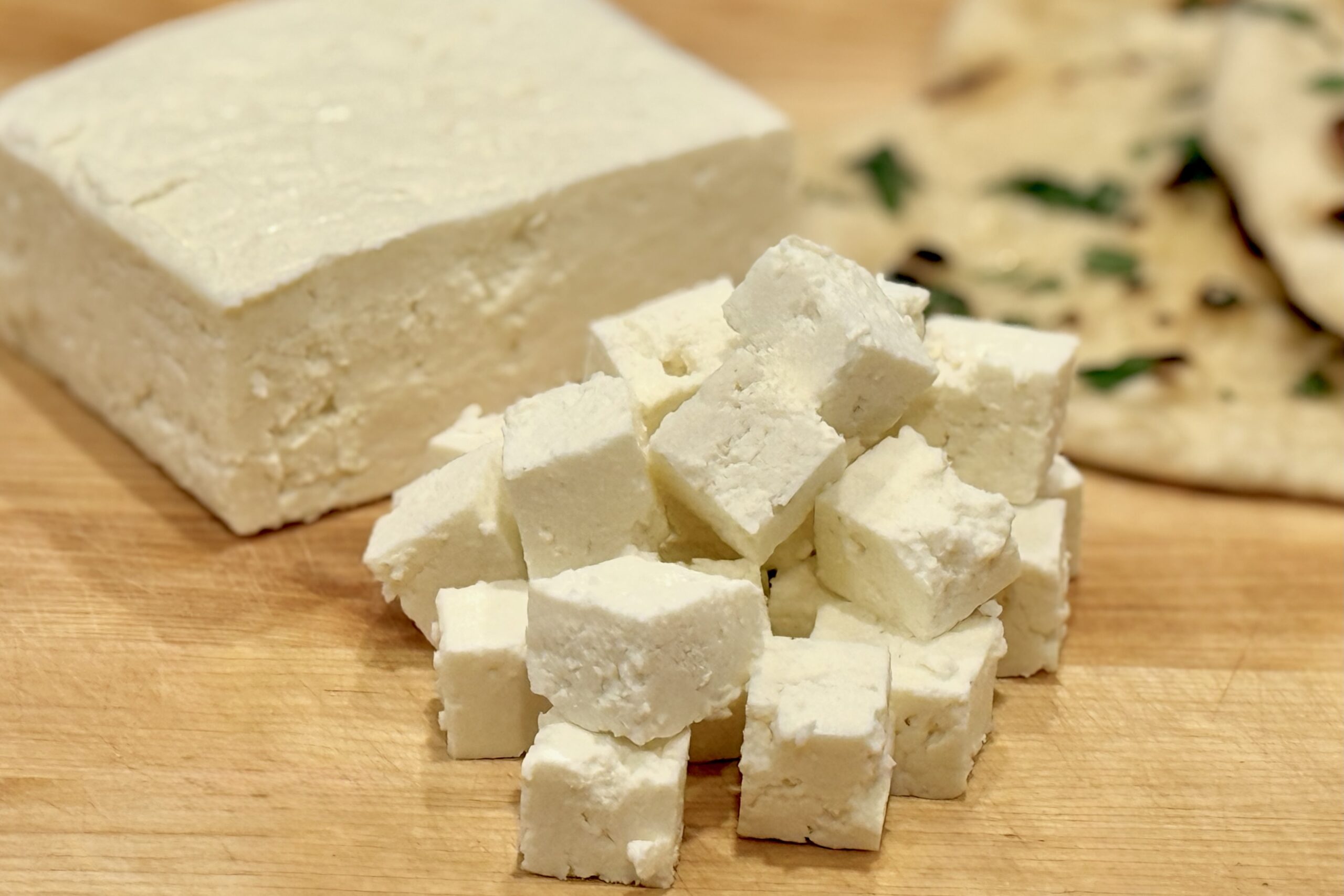
    This traditional homemade paneer is soft, creamy, and fresh with a delicate balance of sweetness and acidity. Made simply from milk, lemon juice, and salt, it forms the foundation of countless Indian dishes—from rich curries like saag paneer to grilled kebabs or golden pan-fried cubes. The process is simple, yielding pure, fresh cheese with a texture you can’t find in store-bought versions.


    Ingredients

    • 1 gallon whole milk (not ultra-pasteurized)
    • ¼ cup lemon juice (plus 1–2 tbsp extra, if needed)
    • 1 tbsp salt

    Directions

    Prepare the Strainer

    Line a fine-mesh strainer or colander with four layers of cheesecloth or a clean cotton kitchen towel. Set the strainer over a large bowl or in the sink to catch the whey.

    Heat and Curdle the Milk

    Pour milk into a large, heavy-bottomed pot over medium-high heat, stirring occasionally to prevent scorching. When warm, add salt and continue heating until the milk comes to a gentle boil. Reduce heat to low.

    Slowly drizzle in lemon juice, 1 tbsp at a time, while gently stirring in a slow figure-eight motion. Within 10–30 seconds, curds should begin separating from the whey. If separation doesn’t occur after 2–3 tbsp, add 1–2 tbsp more until the whey runs mostly clear.

    Drain and Rinse the Curds

    Once curdled, carefully pour the mixture into the prepared strainer. Let drain 5–10 minutes to remove excess whey. Rinse the curds gently under cool running water for a few seconds to remove residual lemon flavor and acidity, taking care not to break up the curds.

    Shape and Press

    Gather the corners of the cheesecloth into a bundle and twist to squeeze out additional liquid. Flatten the cloth-wrapped bundle into a disc about 1 inch thick and place it on a plate or cutting board. Set a heavy weight—such as a pot filled with water or canned goods—on top and press for 30–45 minutes, or until firm and sliceable.

    Chill and Store

    Unwrap the paneer and refrigerate for at least 1 hour before cutting. Store in an airtight container for 3–4 days.


    Notes

    Preparation

    • Paneer can also be formed using a paneer or tofu press; compress 30–45 minutes, or until firm and sliceable.
    • Rinsing the curds lightly improves flavor and keeps the texture tender.
    • Whole milk is essential for rich, creamy paneer; low-fat milk yields drier results.

    Serving Suggestions

    • Cube and fry until golden for dishes like saag paneer or matar paneer.
    • Grill or skewer with vegetables for paneer tikka.
    • Crumble into curries or use as a filling for samosas or wraps.

    Make-Ahead & Storage

    • Refrigerate up to 4 days in an airtight container.
    • Freeze up to 2 months; thaw overnight in the refrigerator before using.
    • Once thawed, pat dry before pan-frying or grilling.
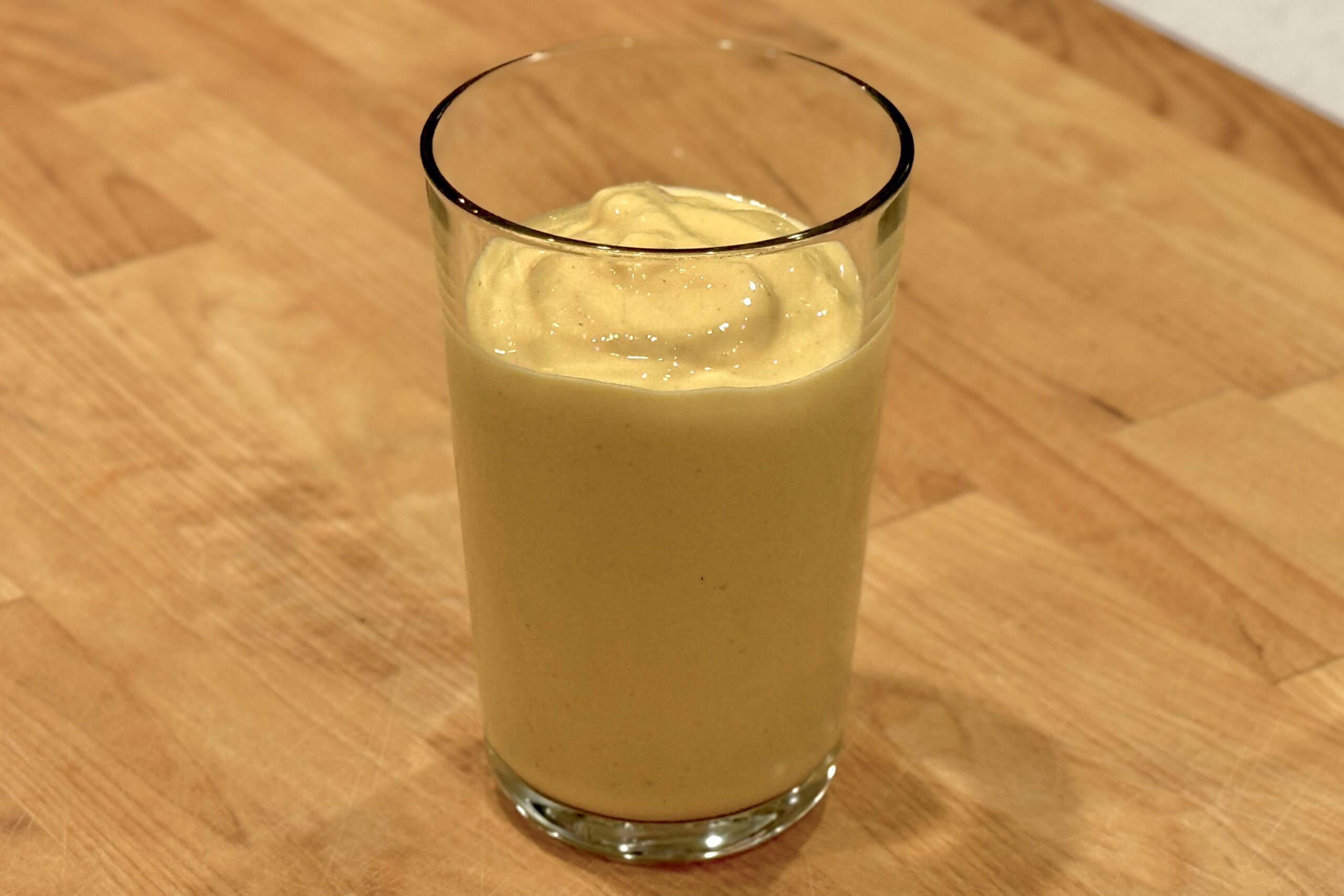
  • Mango Lassi

    Mango Lassi

    Bright, creamy, and refreshing, this mango lassi captures the flavor of café-style versions found across India. Using rich yogurt, fragrant Alphonso mango pulp, and a touch of cardamom, it’s a perfectly balanced blend of sweet, tangy, and tropical—wonderful on its own or as a cooling companion to spicy dishes.


    Ingredients

    • 2 cups Alphonso or Kesar mango pulp (fresh or canned)
    • 2 cups mango chunks (fresh or thawed frozen)
    • 2½ cups full-fat plain yogurt
    • 1 to 1½ cups whole milk (adjust for consistency)
    • 3 to 4 tbsp sugar, honey, or mango syrup (to taste)
    • 2½ tsp fresh lime or lemon juice
    • ¼ tsp freshly ground green cardamom
    • ⅛ tsp salt
    • 1–2 tbsp sweetened condensed milk (optional, for creamier texture)
    • ⅛ tsp saffron threads, soaked in 1 tbsp warm milk (optional)
    • Garnish

    • Crushed pistachios
    • Mint chiffonade

    Directions

    Blend the Lassi

    In a blender, combine mango pulp, mango chunks, yogurt, 1 cup milk, 3 tbsp sugar or honey, lime or lemon juice, cardamom, salt, and any optional saffron or condensed milk.

    Blend until silky smooth and creamy.

    Adjust Consistency and Flavor

    Taste and adjust as desired: add more milk or cold water for a thinner consistency, or more yogurt or pulp for richness. Sweeten further to taste, and add a bit more lime juice if a brighter flavor is preferred.

    Chill and Serve

    Refrigerate for at least 30 minutes before serving, or blend with ice for a smoothie-like texture. Pour into glasses and garnish with crushed pistachios and mint.


    Notes

    Preparation

    • For the most fragrant flavor, use Alphonso or Kesar mango pulp (fresh or canned from an Indian grocery).
    • If using frozen mango, thaw partially or soak briefly in milk before blending for a smoother texture.
    • Sweetened condensed milk enhances creaminess and blends beautifully with the yogurt base.
    • A few saffron threads soaked in warm milk add delicate aroma and golden color.

    Serving Suggestions

    • Serve well chilled alongside spicy curries, tandoori dishes, or biryani.
    • Top with a dusting of ground cardamom or drizzle of mango syrup for extra indulgence.
    • For a vegan version, substitute coconut yogurt and coconut milk for a tropical variation.

    Variations

    • Blend in ½ banana for extra body and mild sweetness.
    • Add 2–3 tbsp shredded coconut for texture and flavor depth.
    • Stir in a spoonful of rosewater for a floral twist reminiscent of Indian dessert shops.