Bags of Spices

Favorite Recipes

Tamarind

  • Crispy Gnocchi Chaat with Spiced Chickpeas

    Crispy Gnocchi Chaat with Spiced Chickpeas

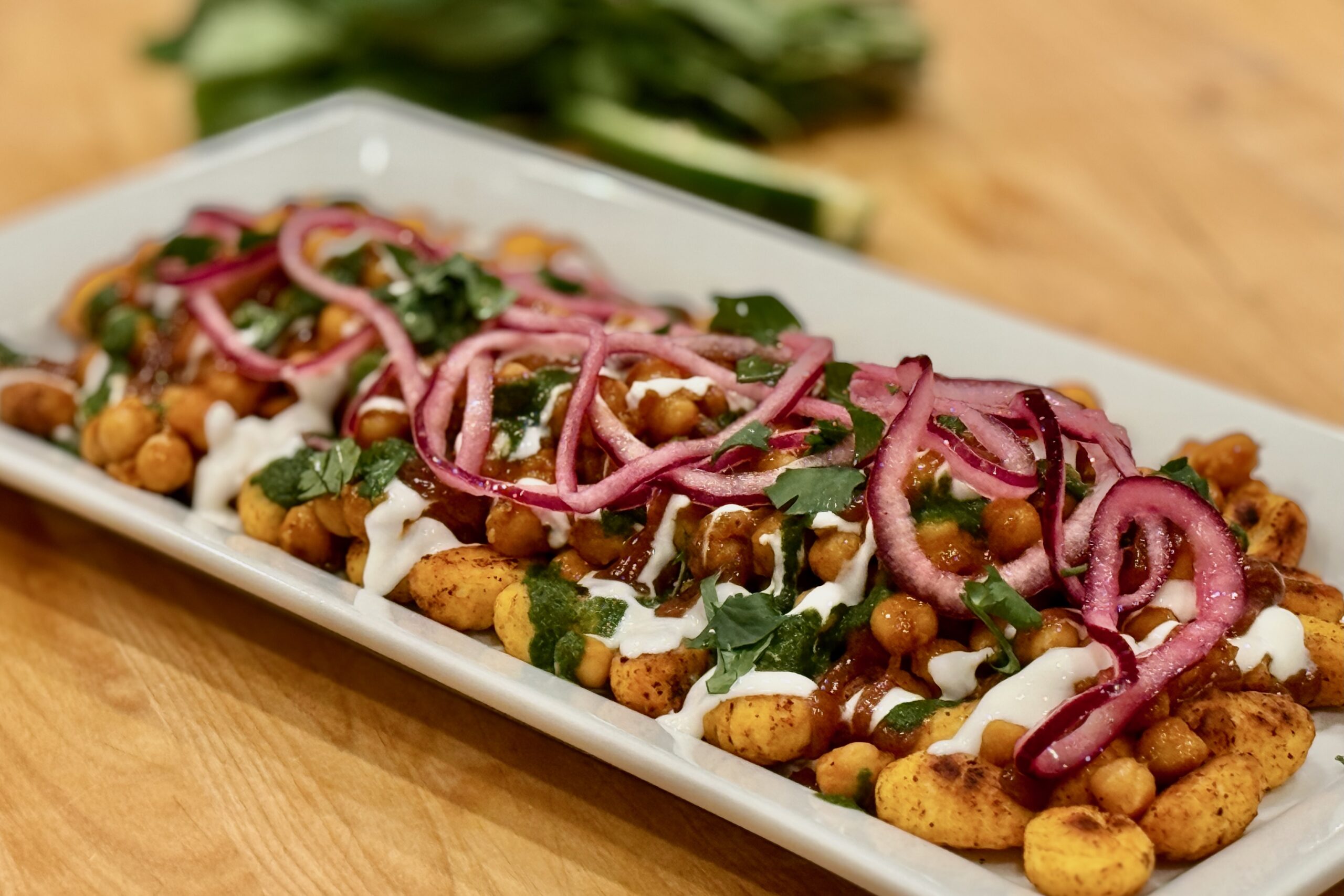
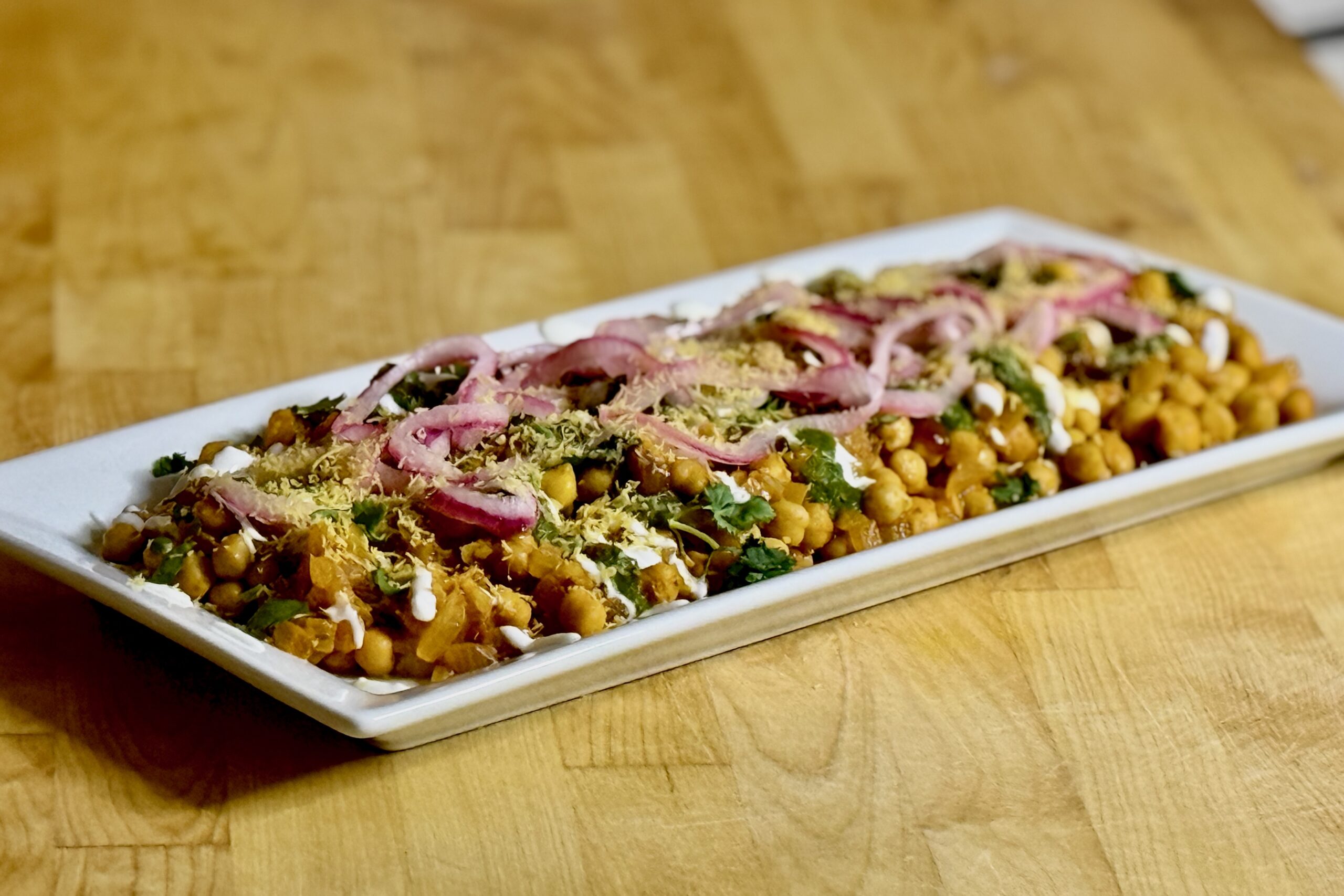
    This crispy gnocchi chaat delivers everything we love about samosa chaat—warm spiced chickpeas, cool salted yogurt, bright green chutney, and that sweet-tangy tamarind hit—without the folding and frying. Roasted gnocchi turns golden and blistered, while quick-pickled red onions and a glossy date–tamarind reduction give the platter a modern, restaurant-worthy edge. Mildly spicy for the family, with simple ways to dial up the heat at the table.


    Ingredients

    Quick-Pickled Red Onions

    • 1 medium red onion, very thinly sliced
    • 3 tbsp (45 ml) rice vinegar (or white vinegar)
    • 2 tbsp (30 ml) warm water
    • 1 tsp sugar
    • ¾ tsp table salt

    Date–Tamarind Reduction

    • ½ cup (about 120 g) tamarind paste (store-bought; or use our homemade Tamarind Paste from Whole Pods)
    • ¾ cup (180 ml) water
    • 3 Medjool dates, pitted and finely chopped
    • ⅓–½ cup (65–100 g) sugar (start with ⅓ cup; adjust to taste)
    • ½ tsp table salt
    • ¼ tsp roasted ground cumin

    Yogurt

    • 1½ cups (about 365 g) plain whole milk yogurt
    • ¼ tsp table salt
    • ½ tsp sugar
    • 1–2 tbsp (15–30 ml) milk, to thin slightly

    Mint-Cilantro Chutney

    • 1½ cups (about 30 g) cilantro leaves and tender stems, packed
    • ¼ cup (about 5 g) mint leaves, lightly packed (leaves only; remove thick stems)
    • ½ small green chili (serrano or jalapeño), seeded (mild)
    • 1 tbsp (15 ml) fresh lime juice
    • ½ tsp sugar
    • ½ tsp table salt, plus more to taste
    • 1–3 tbsp (15–45 ml) water, as needed to blend smooth

    Crispy Gnocchi

    • 2½ lb (1.13 kg) shelf-stable potato gnocchi
    • 3 tbsp (45 ml) neutral oil
    • 1 tsp table salt
    • 1 tsp Kashmiri red chili powder (mild; mostly for color)
    • ¾ tsp chaat masala
    • ⅛ tsp garam masala
    • optional: ⅛ tsp sugar

    Spiced Chickpeas

    • 2 tbsp (30 ml) neutral oil
    • 1 tsp cumin seeds
    • ½ small yellow onion, very finely minced
    • 1 tsp grated ginger
    • 1 tsp grated garlic
    • 1 tbsp (about 15 g) tomato paste
    • 1 tsp ground coriander
    • ½ tsp ground cumin
    • ¼ tsp turmeric
    • ½ tsp Kashmiri red chili powder
    • ¼ tsp garam masala
    • ¼ tsp kasoori methi, crushed finely between palms
    • ½ tsp table salt, plus more to taste
    • 2 cans (15.5 oz / 439 g each) chickpeas, drained
    • 2–3 tbsp (30–45 ml) water
    • 1–2 tsp fresh lime juice

    To Finish

    • ¼ cup (about 15 g) nylon sev (thin sev is best)
    • extra sev, on the side
    • 2–3 tbsp (about 5 g) chopped cilantro
    • chaat masala, for a light dusting
    • optional: pomegranate arils

    Directions

    Quick-Pickle the Onions

    In a bowl, whisk together vinegar, warm water, sugar, and table salt until dissolved.

    Add sliced red onion and toss. Let sit 30–60 minutes, then drain well before plating.

    Make the Date–Tamarind Reduction

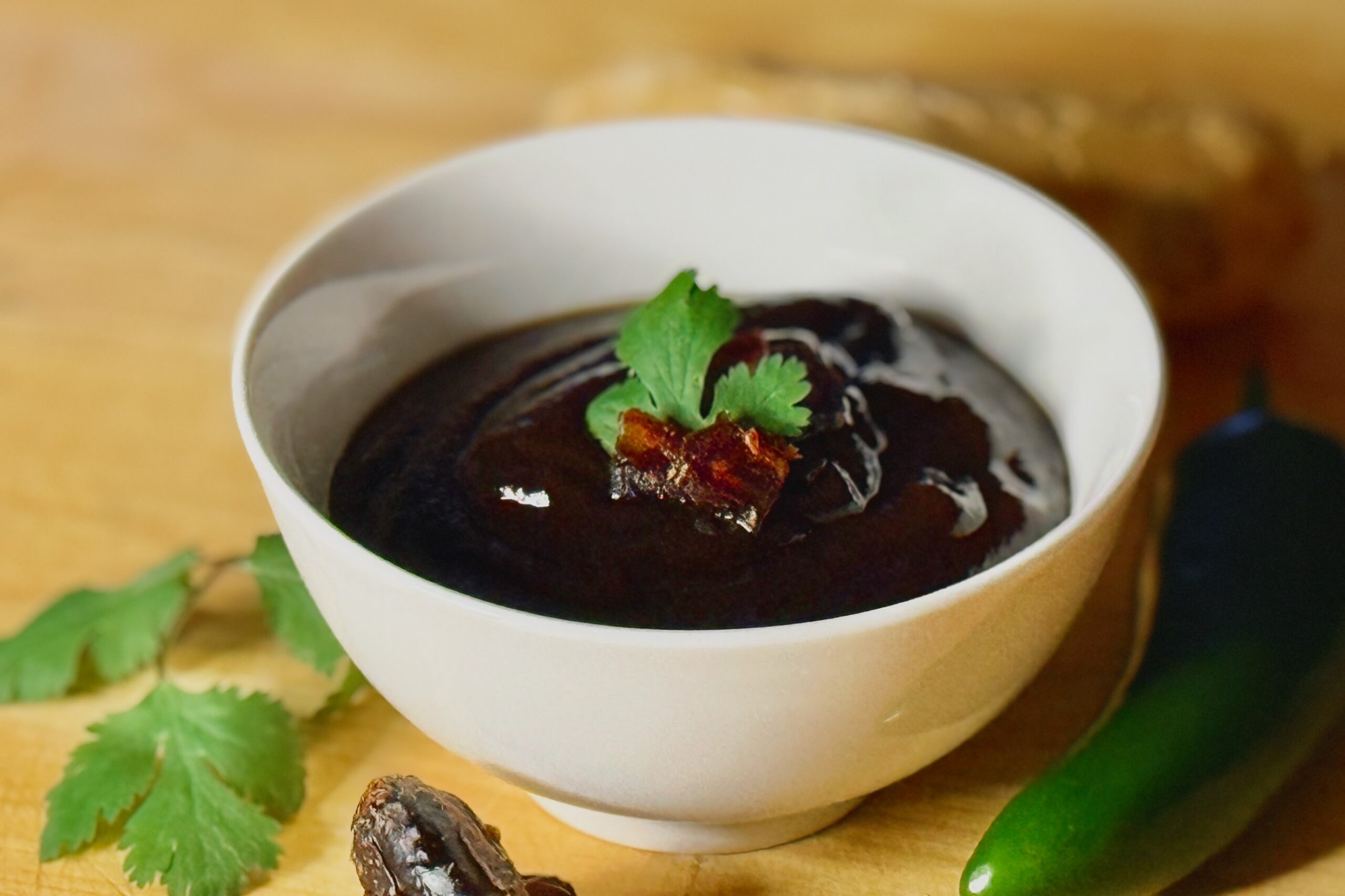
    In a small saucepan, combine tamarind paste, water, chopped dates, ⅓ cup (65 g) sugar, table salt, and roasted ground cumin.

    Bring to a gentle simmer and cook 10–12 minutes, stirring occasionally, until the dates are very soft and the mixture has darkened slightly and reduced to a loose, glossy syrup. Taste and add additional sugar as needed to balance the tartness of the tamarind.

    Blend until completely smooth. For an especially refined sauce, strain through a fine-mesh sieve. Cool completely before using; the reduction will thicken noticeably as it cools.

    Prepare the Yogurt and Chutney

    For the yogurt: whisk yogurt, table salt, sugar, and milk until smooth and lightly drizzleable. Taste and adjust salt if needed.

    For the mint-cilantro chutney: blend cilantro, mint leaves (no thick stems), seeded green chili, lime juice, sugar, table salt, and a splash of water until smooth and bright. Add water only as needed to blend; taste and adjust salt, lime, and sugar for balance.

    Crisp the Gnocchi

    Preheat oven to 450°F (232°C) using conventional bake (no convection). Place the rack on the bottom or lower-middle position.

    Toss gnocchi with neutral oil, table salt, Kashmiri chili powder, chaat masala, garam masala, and optional sugar until evenly coated.

    Spread on a bare aluminum sheet pan in a single layer (do not crowd). Roast 25–35 minutes, flipping once around 15–18 minutes, until deep golden, lightly blistered, and crisp on the edges.

    Keep warm while you finish the chickpeas.

    Cook the Spiced Chickpeas

    Heat neutral oil in a skillet over medium heat. Add cumin seeds and cook until they crackle and smell fragrant (about 20–30 seconds).

    Add minced onion and cook until softened but not browned, 3–5 minutes. Add ginger and garlic and cook 30 seconds.

    Stir in tomato paste and cook 1 minute. Add coriander, ground cumin, turmeric, and Kashmiri chili powder and cook 20–30 seconds to bloom.

    Add chickpeas, table salt, and 2–3 tbsp (30–45 ml) water. Simmer 5–6 minutes, stirring, until the chickpeas are glossy and lightly coated (not wet).

    Turn off heat and stir in garam masala, crushed kasoori methi, and lime juice. Taste and adjust salt and lime for a gently warm, savory, slightly tangy finish.

    Assemble the Platter

    Use a large shallow platter (white looks especially sharp). Scatter hot crispy gnocchi evenly across the platter.

    Spoon chickpeas lightly over the gnocchi (don’t blanket the whole surface—leave golden gnocchi exposed).

    Drizzle yogurt in ribbons, then drizzle date–tamarind reduction sparingly in thin lines. Add small streaks or spoonfuls of mint-cilantro chutney.

    Scatter drained pickled onions. Sprinkle with nylon sev, chopped cilantro, and a light dusting of chaat masala. Add optional pomegranate arils.

    Serve immediately while the gnocchi is still crisp, with extra sev on the side for topping.

    Yield: 8 servings.


    Notes

    Preparation

    • Crispness is the make-or-break detail. Roast the gnocchi on a bare aluminum sheet pan, use conventional bake (no convection), and flip once to encourage browning before the centers dry out.
    • The slight reduction in chaat masala paired with a touch of garam masala rounds the flavor and softens any overly sulfury notes from black salt.
    • For the date–tamarind reduction, start with ⅓ cup (65 g) sugar and adjust only after the mixture has simmered. Tamarind varies considerably in tartness, so the final amount of sugar may vary from batch to batch.
    • To make roasted ground cumin, toast cumin seeds in a dry skillet until fragrant and a shade darker, then cool and grind finely.

    Variations

    Boost heat (without changing the family-friendly base):

    • Drizzle chili oil over one quadrant of the platter, or over individual servings.
    • Sprinkle individual servings with a pinch of cayenne before serving.
    • Make a “hot” green chutney bowl by blending in an extra green chili; serve on the side.
    • Scatter thinly sliced fresh green chili over one edge of the platter.

    For a more traditional chaat feel, add a handful of boiled diced potatoes or a spoonful of chana masala-style gravy to the chickpea layer.

    If mint is especially strong, use only 2 tbsp (about 3 g), lightly packed, and rely on cilantro + lime for the bright green profile.

    For another take on chaat, try our Chickpea Chaat.

    Serving Suggestions

    • Serve as a shareable appetizer platter. Keep extra yogurt, chutney, and sev on the side so guests can customize and you can refresh crunch as needed.

    Make-Ahead & Storage

    Make ahead (best):

    • Quick-pickled onions: 2–3 days refrigerated (drain before serving).
    • Date–tamarind reduction: 5–7 days refrigerated. It will thicken as it chills; loosen with warm water, 1 tsp at a time, until easily drizzleable.
    • Mint-cilantro chutney: 2–3 days refrigerated; press plastic wrap directly onto the surface to slow browning.
    • Chickpeas: 3–4 days refrigerated; reheat gently with a splash of water.
    • Yogurt sauce: 2–3 days refrigerated; whisk before using.
    • Day-of only: roast the gnocchi and assemble right before serving for maximum crispness. If needed, you can re-crisp gnocchi on a sheet pan at 450°F (232°C) for 5–7 minutes.
  • Chickpea Chaat

    Chickpea Chaat

    This Chickpea Chaat layers warm, savory spiced chickpeas with cool salted yogurt, bright mint-cilantro chutney, a sweet-tangy date–tamarind reduction, quick-pickled red onions, and a little crisp sev. It has all the contrasting flavors and textures that make chaat so irresistible—sweet, tart, creamy, savory, fresh, and crunchy—with a family-friendly level of heat that can easily be turned up at the table.


    Ingredients

    Quick-Pickled Red Onions

    • 1 medium red onion, very thinly sliced
    • 3 tbsp (45 ml) rice vinegar (or white vinegar)
    • 2 tbsp (30 ml) warm water
    • 1 tsp sugar
    • ¾ tsp table salt

    Date–Tamarind Reduction

    • ½ cup (120 ml) tamarind paste (store-bought; or use our homemade Tamarind Paste from Whole Pods)
    • ¾ cup (180 ml) water
    • 3 Medjool dates, pitted and finely chopped
    • ⅓–½ cup (65–100 g) sugar (start with ⅓ cup; adjust to taste)
    • ½ tsp table salt
    • ¼ tsp roasted ground cumin

    Yogurt

    • 1½ cups (360 g) plain whole milk yogurt
    • ¼ tsp table salt
    • ½ tsp sugar
    • 1–2 tbsp (15–30 ml) milk, to thin slightly

    Mint-Cilantro Chutney

    • 1½ cups (about 45 g) cilantro leaves and tender stems, packed
    • ¼ cup (about 10 g) mint leaves, lightly packed (leaves only; remove thick stems)
    • ½ small green chili (serrano or jalapeño), seeded (mild)
    • 1 tbsp (15 ml) fresh lime juice
    • ½ tsp sugar
    • ½ tsp table salt, plus more to taste
    • 1–3 tbsp (15–45 ml) water, as needed to blend smooth

    Spiced Chickpeas

    • 2 tbsp (30 ml) neutral oil
    • 1 tsp cumin seeds
    • ½ small yellow onion, very finely minced
    • 1 tsp grated ginger
    • 1 tsp grated garlic
    • 1 tbsp (15 g) tomato paste
    • 1 tsp ground coriander
    • ½ tsp ground cumin
    • ¼ tsp turmeric
    • ½ tsp Kashmiri red chili powder
    • ¼ tsp garam masala
    • ¼ tsp kasoori methi, crushed finely between palms
    • ½ tsp table salt, plus more to taste
    • 2 cans (15.5 oz / 439 g each) chickpeas, drained
    • 2–3 tbsp (30–45 ml) water
    • 1–2 tsp fresh lime juice

    To Finish

    • 2–3 tbsp nylon sev (thin sev is best)
    • 2–3 tbsp chopped cilantro
    • chaat masala, for a light dusting
    • optional: pomegranate arils

    Directions

    Quick-Pickle the Onions

    In a bowl, whisk together vinegar, warm water, sugar, and table salt until dissolved.

    Add sliced red onion and toss. Let sit 30–60 minutes, then drain well before serving.

    Make the Date–Tamarind Reduction

    In a small saucepan, combine tamarind paste, water, chopped dates, ⅓ cup (65 g) sugar, table salt, and roasted ground cumin.

    Bring to a gentle simmer and cook 10–12 minutes, stirring occasionally, until the dates are very soft and the mixture has darkened slightly and reduced to a loose, glossy syrup. Taste and add additional sugar as needed to balance the tartness of the tamarind.

    Blend until completely smooth. For an especially refined sauce, strain through a fine-mesh sieve. Cool completely before using; the reduction will thicken noticeably as it cools.

    Prepare the Yogurt and Chutney

    For the yogurt: whisk yogurt, table salt, sugar, and milk until smooth and lightly drizzleable. Taste and adjust salt if needed.

    For the mint-cilantro chutney: blend cilantro, mint leaves (no thick stems), seeded green chili, lime juice, sugar, table salt, and a splash of water until smooth and bright. Add water only as needed to blend; taste and adjust salt, lime, and sugar for balance.

    Cook the Spiced Chickpeas

    Heat neutral oil in a skillet over medium heat. Add cumin seeds and cook until they crackle and smell fragrant, about 20–30 seconds.

    Add minced onion and cook until softened but not browned, 3–5 minutes. Add ginger and garlic and cook 30 seconds.

    Stir in tomato paste and cook 1 minute. Add coriander, ground cumin, turmeric, and Kashmiri chili powder and cook 20–30 seconds to bloom the spices.

    Add chickpeas, table salt, and 2–3 tbsp water. Simmer 5–6 minutes, stirring, until the chickpeas are hot, glossy, and lightly coated rather than wet.

    Turn off heat and stir in garam masala, crushed kasoori methi, and lime juice. Taste and adjust salt and lime for a gently warm, savory, slightly tangy finish.

    Assemble the Chaat

    Spread the warm spiced chickpeas across a large shallow platter, keeping the layer loose rather than packing them tightly together.

    Drizzle yogurt generously over the chickpeas, followed by thin ribbons of date–tamarind reduction and small streaks or spoonfuls of mint-cilantro chutney.

    Scatter the drained pickled onions over the top. Finish with nylon sev, chopped cilantro, and a light dusting of chaat masala. Add optional pomegranate arils.

    Serve immediately, with extra yogurt, chutneys, and sev on the side for adding at the table.

    Yield: 6–8 servings.


    Notes

    Preparation

    • For the date–tamarind reduction, start with ⅓ cup sugar and adjust only after the mixture has simmered. Tamarind varies considerably in tartness, so the final amount of sugar may vary from batch to batch.
    • To make roasted ground cumin, toast cumin seeds in a dry skillet until fragrant and a shade darker, then cool and grind finely.
    • Keep the chickpeas lightly coated rather than saucy. The yogurt and chutneys provide plenty of moisture when the chaat is assembled.
    • For the best contrast, assemble the chaat while the chickpeas are still warm but the yogurt and chutneys are cold.

    Variations

    • More Heat: Drizzle chili oil over part of the platter or individual servings; sprinkle servings with cayenne; blend an extra green chili into a separate bowl of green chutney; or scatter thinly sliced fresh green chili over one edge of the platter.
    • Gluten-Free: Use certified gluten-free sev and verify that the chaat masala and other packaged ingredients are gluten-free.
    • Potato Chaat: Add a handful of boiled diced potatoes to the chickpeas before assembling for a more traditional chaat feel.
    • Milder Mint: If the mint is especially strong, reduce it to 2 tbsp lightly packed and rely on the cilantro and lime for the bright green profile.

    Serving Suggestions

    • Serve as a shareable appetizer or light meal. Keep extra yogurt, chutney, and sev on the side so everyone can customize their serving and add fresh crunch.
    • For a heartier variation with crispy roasted potato gnocchi, try our Crispy Gnocchi Chaat with Spiced Chickpeas.

    Make-Ahead & Storage

    Make ahead (best):

    • Quick-pickled onions: 2–3 days refrigerated (drain before serving).
    • Date–tamarind reduction: 5–7 days refrigerated. It will thicken as it chills; loosen with warm water, 1 tsp at a time, until easily drizzleable.
    • Mint-cilantro chutney: 2–3 days refrigerated; press plastic wrap directly onto the surface to slow browning.
    • Chickpeas: 3–4 days refrigerated; reheat gently with a splash of water.
    • Yogurt sauce: 2–3 days refrigerated; whisk before using.
    • For the best texture, store all components separately and assemble immediately before serving. Add the sev only at the end so it stays crisp.
  • Classic Tamarind Chutney

    Classic Tamarind Chutney

    This classic tamarind chutney is clean, bright, and beautifully balanced—sweet enough to round the sharp acidity of tamarind, but not heavy or syrupy. Made from tamarind paste, sugar, and a few simple seasonings, it’s the foundation for countless chaat dishes and sauces. Kept simple for maximum versatility and easily customizable with dates and spices for richer variations.


    Ingredients

    • ½ cup (120 g) tamarind paste (store-bought; or use our homemade Tamarind Paste from Whole Pods)
    • ¾ cup (180 ml) water
    • ⅓–½ cup (67–100 g) sugar (start with ⅓ cup; adjust to taste)
    • ½ tsp table salt
    • ¼ tsp ground cumin (preferably roasted)

    Directions

    Simmer the Chutney

    In a small saucepan, whisk together tamarind paste and water until smooth.

    Add sugar, table salt, and ground cumin. Bring to a gentle simmer over medium heat.

    Simmer 5–8 minutes, stirring occasionally, until slightly thickened and glossy. The chutney should lightly coat the back of a spoon but remain pourable.

    Remove from heat and cool completely. The chutney will thicken slightly as it cools.

    Yield: About 1 cup (240 ml).


    Notes

    Preparation

    • Taste and adjust sweetness after simmering. Tamarind acidity varies by brand; add sugar gradually until balanced.
    • If using jaggery, substitute equal weight for sugar and dissolve fully before simmering.
    • For a more traditional chaat flavor, replace up to half the table salt with black salt (kala namak).

    Variations

    • Mild Heat: Add a pinch of Kashmiri red chili powder while simmering.
    • Hot: Add ¼ tsp cayenne or finely minced fresh chili.
    • Date–Tamarind Style: Simmer with 2–3 finely chopped Medjool dates and blend smooth for a richer, deeper sweetness (great for date–tamarind reductions).

    Serving Suggestions

    • Use as a chutney for chaat, drizzle over roasted snacks, or serve as a dipping sauce for pakoras and samosas.

    Make-Ahead & Storage

    • Refrigerate in an airtight container up to 2 weeks.
    • If thickened too much after refrigeration, whisk in 1–2 tsp warm water.
    • This chutney freezes well for up to 3 months.
  • Tamarind Paste from Whole Tamarind Pods

    Tamarind Paste from Whole Tamarind Pods

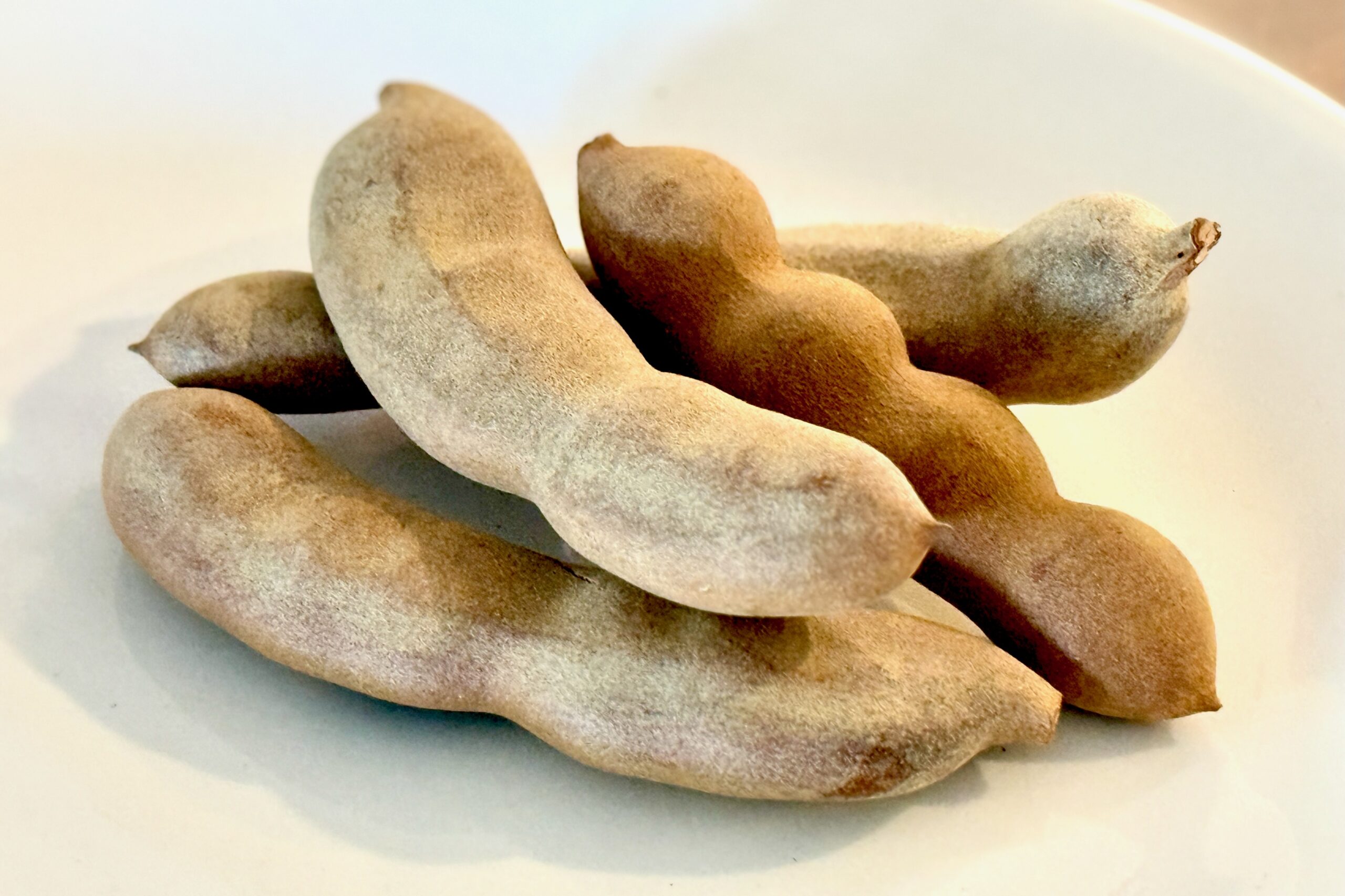
    Homemade tamarind concentrate is deeper, brighter, and more aromatic than anything from a jar. Starting with whole tamarind pods, you strip away the shells, soak and mash the pulp, then slowly reduce it to a thick, spoonable paste that keeps well and adds complex sweet-sour flavor to curries, chutneys, sauces, and marinades.


    Ingredients

    • 200 g (about 7 oz) whole dried tamarind pods
    • 240 ml (1 cup) hot water, plus more as needed to barely cover the pulp

    Directions

    Prepare the Tamarind Pods

    Crack and peel away the brittle outer shells of the tamarind pods. Remove and discard any stringy veins. You should be left with sticky, dark brown pulp with seeds and fibers attached.

    Soak and Soften the Pulp

    Place the cleaned tamarind pulp in a heatproof bowl. Pour hot water over the pulp, using just enough to barely cover it (start with about 1 cup). Let soak for 15–20 minutes, or until the pulp is very soft and pliable.

    Mash and Extract the Pulp

    Using clean hands or a sturdy spoon, squeeze, mash, and knead the softened tamarind in the water. Work the pulp thoroughly to dissolve as much as possible into the liquid. The mixture should become thick, cloudy, and pulpy, with seeds and tough fibers separating out.

    Strain the Tamarind

    Set a fine-mesh strainer over a clean bowl. Working in batches if needed, pour the tamarind mixture into the strainer and press firmly with the back of a spoon or a spatula to force the smooth pulp through.

    Scrape the underside of the strainer to collect any clinging pulp. Discard the seeds and fibrous solids when they are mostly dry and no longer release pulp. You should now have a thick, pourable tamarind purée.

    Reduce to a Concentrate (Optional but Recommended)

    Transfer the strained tamarind purée to a small saucepan. Set over low heat and bring to a gentle simmer, stirring frequently to prevent sticking or scorching.

    Simmer for 5–10 minutes, or until the purée thickens into a glossy, spoonable paste similar to tomato paste. The goal is to evaporate excess water and intensify the flavor, not to boil vigorously. Remove from heat and let cool to room temperature.

    Cool, Portion, and Store

    Once completely cool, transfer the tamarind concentrate to a clean, dry jar, or portion it into 1–2 tbsp amounts in an ice cube tray for easy use in recipes.

    Refrigerate the concentrate for up to 3–4 weeks, or freeze for longer storage (up to 6 months). Thaw frozen portions in the refrigerator or at room temperature before using.


    Notes

    Preparation

    • From 200 g whole tamarind pods, you can expect roughly 40–60 g of thick concentrate once reduced, depending on how much water you use and how far you cook it down.
    • Use only enough hot water to barely cover the pulp; extra water makes the reduction step longer and can dilute the flavor.
    • Stir constantly near the end of the simmering step—tamarind is high in natural sugars and can stick or scorch if left unattended.
    • If you prefer a slightly looser paste (closer to some commercial tamarind pastes), shorten the simmering time and stop as soon as the purée coats the back of a spoon.

    Serving Suggestions

    • Use 1–2 tsp concentrate to add tangy depth to curries, dals, and lentil soups.
    • Whisk into chutneys, dipping sauces, and barbecue glazes for a sweet-sour backbone.
    • Stir a spoonful into pad thai sauce, tamarind-based stir-fries, or noodle dishes.
    • Combine with sugar, salt, and spices for tamarind drinks, aguas frescas, or sherbets.

    Variations

    • From Tamarind Block: Substitute 200 g compressed tamarind block for the pods. Break into chunks, soak in hot water as directed, then mash, strain, and reduce in the same way.
    • Tamarind Purée (No Reduction): Skip the simmering step and use the strained tamarind purée as-is when recipes call for “tamarind pulp” or “tamarind purée” rather than concentrate.
    • Stronger or Milder Concentrate: For a stronger concentrate, simmer a bit longer to a very thick paste; for a milder one, keep the paste slightly looser and use more by volume in recipes.

    Make-Ahead & Storage

    • Refrigerator: Store tamarind concentrate in a clean, airtight jar for up to 3–4 weeks.
    • Freezer: Portion into 1–2 tbsp amounts (for example, in an ice cube tray) and freeze for up to 6 months.
    • Use Clean Utensils: Always use a clean spoon to scoop out concentrate to help maximize shelf life and prevent spoilage.
    • Thawing: Thaw frozen portions in the refrigerator or at cool room temperature before stirring into sauces or liquids.