Bags of Spices

Favorite Recipes

Tomato Sauce

  • Fresh San Marzano Tomato Basil Sauce

    Fresh San Marzano Tomato Basil Sauce

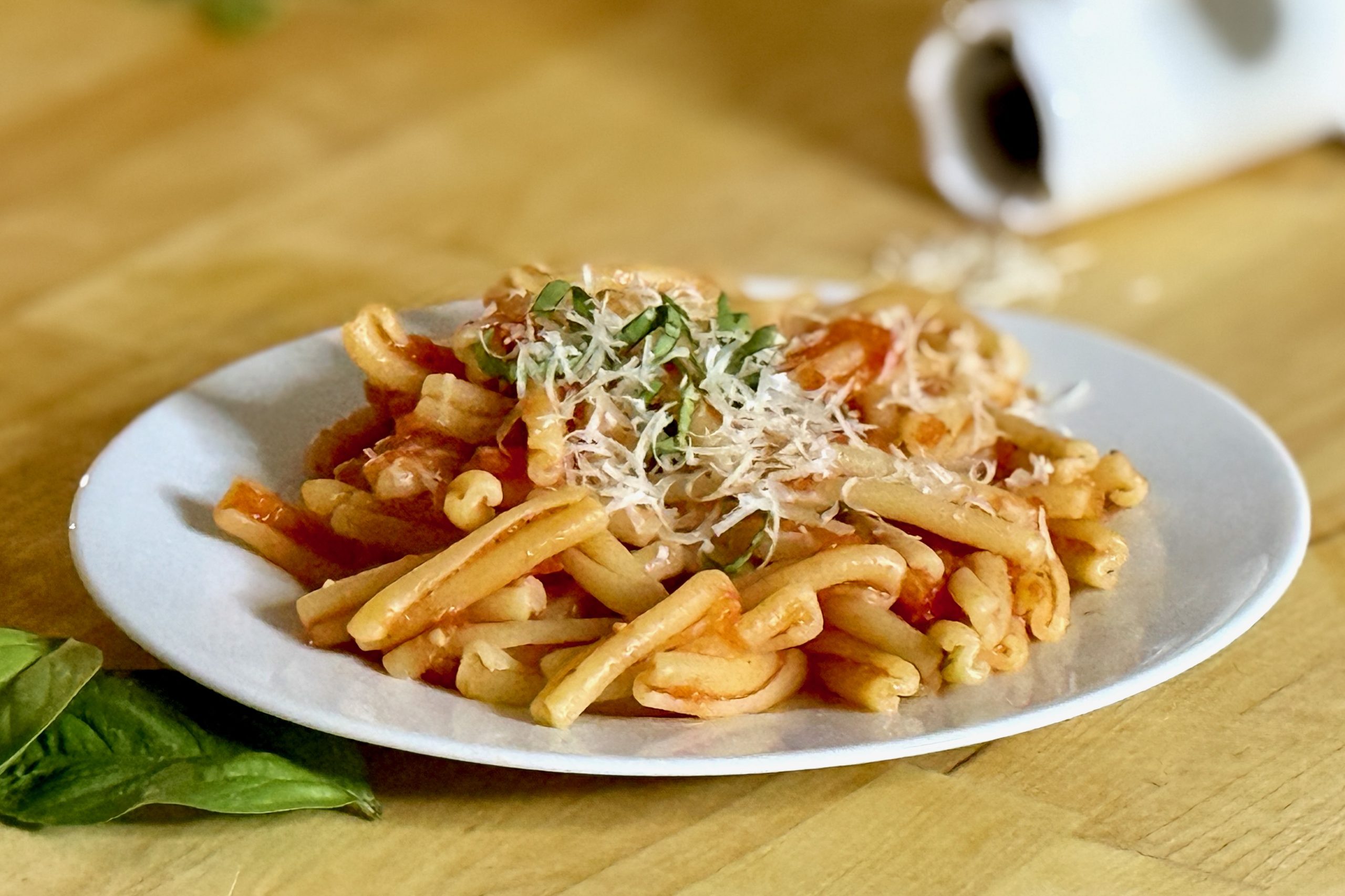
    Each year, our backyard garden gives us a bumper crop of San Marzano tomatoes along with plenty of freshly harvested basil, and this sauce is one of our favorite ways to bring the two together. The tomatoes are grated and briefly simmered with gently cooked garlic, fresh basil, and olive oil, creating a sauce that is bright, fragrant, and full of fresh tomato flavor. Finishing the pasta directly in the sauce allows the tomato juices, olive oil, and pasta starch to come together into a light, silky coating that clings beautifully to every strand.


    Ingredients

    • 2 lb (900 g) fresh San Marzano tomatoes
    • 3 tbsp (45 ml) extra-virgin olive oil, divided
    • 2–3 cloves garlic, thinly sliced
    • ½ tsp table salt, plus more to taste
    • Freshly ground black pepper, to taste, optional
    • 10–15 fresh basil leaves, divided
    • Reserved pasta cooking water, only if needed

    Directions

    Prepare the Tomatoes

    Cut the tomatoes in half. Holding each tomato by the skin, grate the cut side against the large holes of a box grater until only the skin remains. Discard the skins, retaining all of the tomato pulp, juice, seeds, and surrounding gel.

    Make the Sauce

    Heat 2 tbsp (30 ml) olive oil in a wide skillet or sauté pan over medium-low heat. Add the sliced garlic and cook gently for 30–60 seconds, just until fragrant. Do not allow the garlic to brown.

    Add the grated tomatoes and ½ tsp salt. Add 3–4 whole basil leaves or a few tender basil stems.

    Bring to a gentle simmer and cook uncovered for about 15–20 minutes, stirring occasionally, until the raw tomato flavor has softened and the tomatoes have reduced slightly. The sauce should still be relatively loose; do not continue cooking simply to achieve the consistency of a finished pasta sauce.

    Remove and discard the cooked basil leaves or stems. Taste and adjust the salt and black pepper as needed.

    Finish the Pasta in the Sauce

    Cook the pasta in well-salted boiling water until about 2 minutes shy of your preferred doneness.

    Transfer the pasta directly into the simmering tomato sauce. Toss continuously over medium to medium-high heat for about 2 minutes, or until the pasta is properly cooked and the tomato juices, starch, and olive oil have come together into a light sauce that clings to the pasta.

    Add reserved pasta cooking water only if the sauce becomes too tight.

    Remove from the heat. Tear the remaining fresh basil leaves into the pasta and drizzle with the remaining 1 tbsp (15 ml) olive oil. Toss well and serve immediately.

    Yield: 4 servings.


    Notes

    Preparation

    • Use fully ripe tomatoes with good natural sweetness and acidity. Because the sauce contains so few ingredients, the quality and ripeness of the tomatoes make a significant difference.
    • Do not seed the tomatoes. The pulp and gel surrounding the seeds contribute flavor and moisture to the finished sauce.
    • Grating the tomatoes removes the skins while retaining more pulp than processing them through a fruit and vegetable strainer.
    • Keep the garlic pale and aromatic. Browning it produces a deeper flavor that can compete with the fresh tomatoes.
    • Cooking time will vary somewhat with the moisture content of the tomatoes. Judge the sauce primarily by flavor rather than trying to reduce away all of the tomato liquid.
    • The sauce is intentionally loose before the pasta is added. Finishing the pasta directly in the sauce allows the pasta to absorb some of the tomato liquid while released starch helps bind the tomato juices and olive oil.
    • Avoid substantially extending the tomato cooking time simply to thicken the sauce. The short simmer helps preserve its fresh tomato character.
    • Sugar should not normally be necessary with ripe tomatoes. If a particular batch is unusually acidic, make any adjustment only after tasting the cooked sauce.

    Variations

    • Spicy Tomato & Basil: Add a small pinch of crushed red pepper flakes with the garlic.
    • Chunkier Sauce: Peel the tomatoes by blanching rather than grating, then hand-crush or roughly chop them before cooking.
    • Fresh Pomodoro Variation: Add a small amount of finely grated onion and extend the simmer for a slightly richer, sweeter, and more developed sauce.

    Serving Suggestions

    • Especially good with fresh, rustic pastas such as umbricelli, where the irregular surface and substantial texture give the sauce plenty to cling to.
    • Use with other fresh or dried pasta shapes, finishing the pasta directly in the sauce using the same method.
    • Finish individual servings with additional fresh basil or a drizzle of extra-virgin olive oil.
    • Parmigiano-Reggiano or Pecorino Romano can be served at the table, although the sauce is flavorful enough to serve without cheese.
    • For a bruschetta-style serving, chill leftover sauce and spoon it over toasted or grilled bread. Finish with fresh basil and a drizzle of extra-virgin olive oil.

    Make-Ahead & Storage

    • The tomato sauce can be prepared several hours ahead and gently reheated before finishing the pasta in it. Reserve the finishing basil and final tablespoon of olive oil until serving.
    • Refrigerate leftover sauce in an airtight container for up to 4 days.
    • Leftover sauce is excellent served cold or at room temperature as a bruschetta-style topping.
    • The sauce can be frozen, although its fresh basil aroma and especially fresh character are best when served shortly after preparation.
  • Italian-American Meat Sauce

    Italian-American Meat Sauce

    This Meat Sauce is a classic Italian-American style simmered sauce built for depth and balance: well-browned meat, layered tomato flavor, dried herbs, and just enough savory backbone to make it craveable without tipping into heaviness. Blooming the tomato paste adds richness and sweetness, while a short covered simmer softens acidity before finishing uncovered to concentrate flavor. It’s a sauce that’s excellent fresh, but even better the next day—exactly what a great red sauce should be.


    Ingredients

    • 2 tbsp olive oil
    • 1 cup (8 oz) onion, chopped
    • 5 cloves garlic, minced
    • 1 lb ground chuck beef (or ½ lb ground chuck and ½ lb uncased Italian sausage)
    • 1 can (28 oz) crushed tomatoes
    • 1 can (15 oz) tomato sauce
    • 1 can (6 oz) tomato paste
    • 1 cup chicken broth
    • ¼–½ cup dry white or dry red wine (optional)
    • 1 tbsp fish sauce
    • 2 tsp dried basil
    • 2 tsp dried parsley
    • 1 tsp dried oregano
    • ½ tsp dried ground fennel
    • ¼ tsp dried thyme leaves
    • 2 whole cloves, crushed
    • 2 bay leaves
    • ½ tsp freshly ground black pepper (to taste)
    • 1 tsp table salt

    Directions

    Build the Sauce

    In a Dutch oven over medium heat, heat the olive oil until shimmering. Add the onion and sauté until translucent and tender, about 5–7 minutes. Add the garlic and cook for 1–2 minutes more, just until fragrant.

    Add the ground meat and cook, breaking it up with a spoon, until well browned and any excess moisture has cooked off.

    Stir in the tomato paste and cook for 1–2 minutes, allowing it to bloom and darken slightly to deepen sweetness and round acidity.

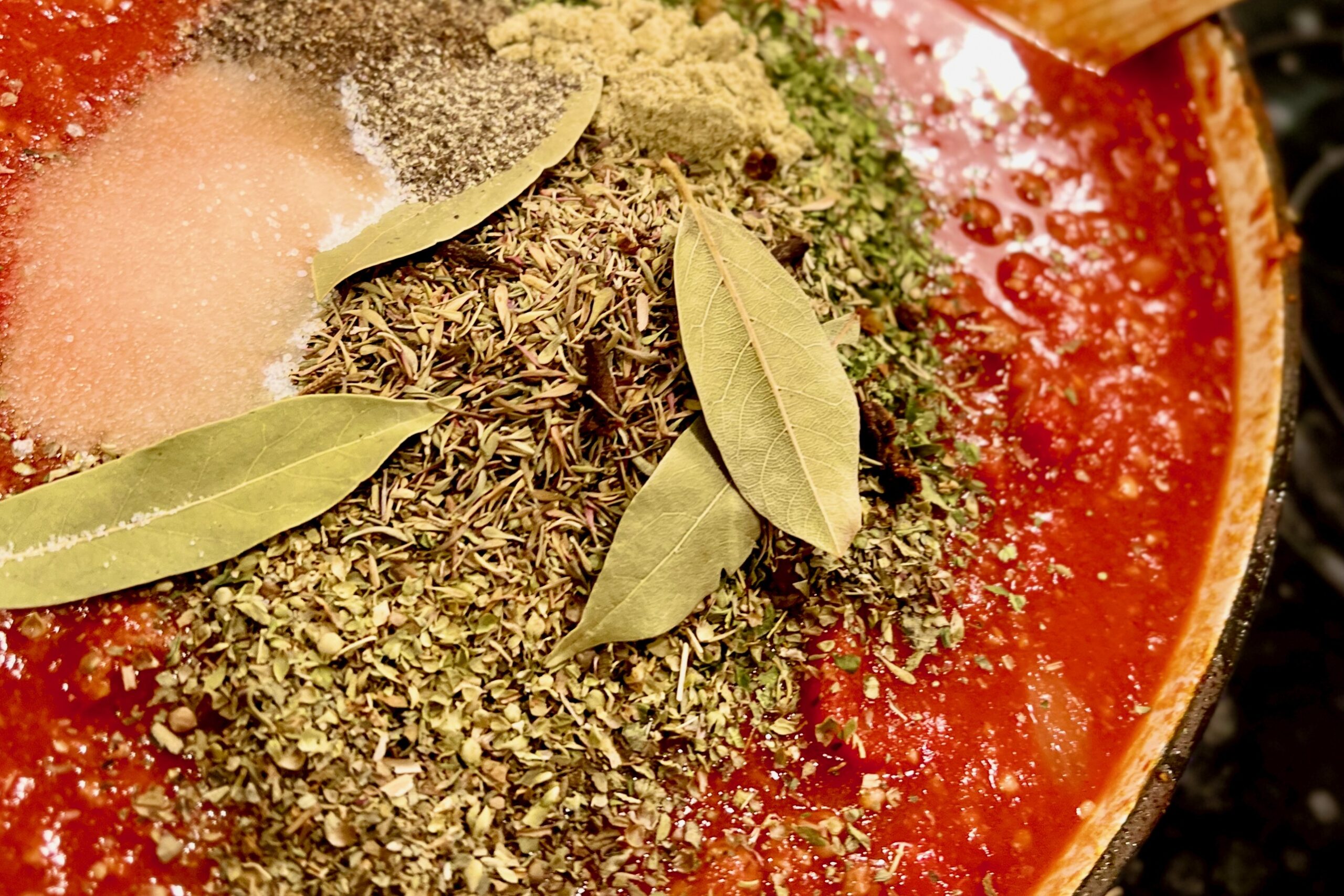
    Stir in the crushed tomatoes, tomato sauce, chicken broth, wine (if using), and fish sauce. Add the dried herbs, fennel, thyme, crushed cloves, bay leaves, pepper, and salt. Bring the sauce to a gentle simmer.

    Simmer

    Reduce heat to low and simmer covered for 30 minutes to soften acidity and allow the flavors to meld.

    Uncover and continue simmering for 15 minutes, allowing excess moisture to evaporate and the sauce to thicken. Remove and discard the bay leaves and crushed cloves before serving.

    Finish the Pasta

    Boil pasta as directed until al dente. Drain, reserving some of the pasta cooking water.

    Place enough warmed meat sauce in a serving bowl to lightly coat the pasta. Stir in a small splash of the reserved pasta water to loosen the sauce, then add the pasta and toss gently to coat. Serve topped with additional meat sauce and freshly grated Romano and/or Parmesan cheese.


    Notes

    Preparation

    • Anchovy Option: The fish sauce may be replaced with 4–6 anchovy fillets, finely minced. Add them with the garlic so they dissolve into the oil and meat as the sauce cooks.

    Make-Ahead & Storage

    This sauce improves with time and is best when made a day ahead and reheated.

    • Refrigerate in airtight containers for up to 3 days.
    • Freeze for up to 3 months.
    • Reheat gently on the stovetop over low heat, adding a splash of water or broth as needed to loosen the sauce.
  • Mexican Tomato Sauce

    Mexican Tomato Sauce

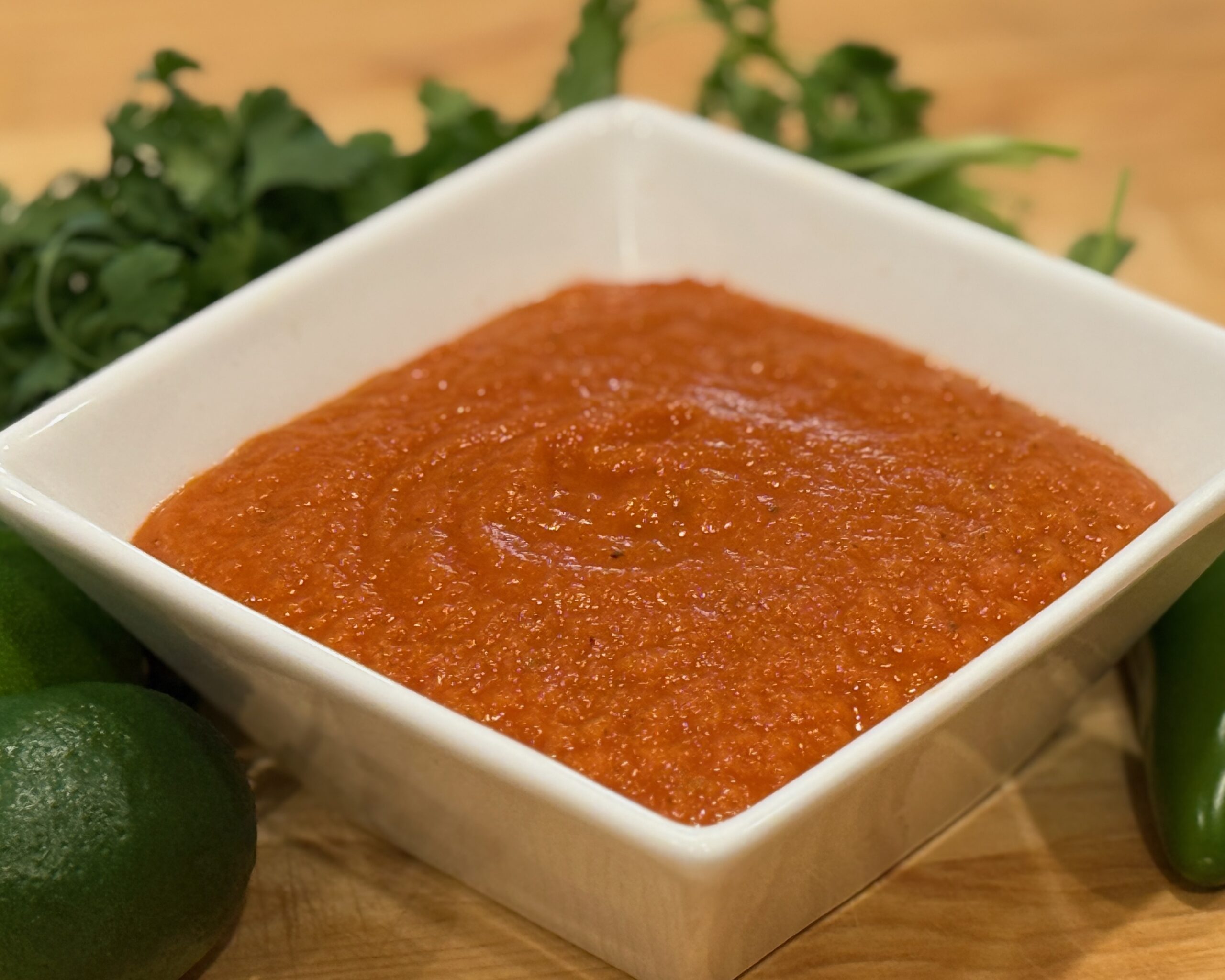
    This classic Mexican-style tomato sauce is richly flavored with roasted tomatoes, onion, garlic, and a touch of Mexican oregano. Tomato bouillon adds umami depth, while a hint of lime or vinegar brightens the flavor. An optional roasted serrano chile blends right in for gentle heat without overpowering the sauce. It’s a perfect complement to enchiladas, Chiles Rellenos, burritos, and rice dishes—smooth, versatile, and beautifully balanced.


    Ingredients

    • 5 ripe Roma tomatoes (or two 14.5 oz cans fire-roasted tomatoes)
    • ½ medium onion, chopped
    • 2–3 cloves garlic
    • 1 serrano chile, stem removed (optional, for heat)
    • ½ tsp Mexican oregano
    • 1 tbsp tomato bouillon with chicken (Knorr or similar)
    • 3 tbsp avocado oil
    • 1–2 tbsp tomato paste
    • ½–1 tsp lime juice or ¼ tsp apple cider vinegar (optional, for brightness)
    • kosher salt & freshly ground black pepper, to taste

    Directions

    Roast the Vegetables

    Place tomatoes (if using fresh), chopped onion, garlic, and serrano chile (if using) on a baking sheet and roast at 450ºF (230ºC) for 15–20 minutes, until blistered and slightly charred.

    Blend the Sauce

    Transfer roasted vegetables to a blender. Add Mexican oregano and tomato bouillon. Blend until smooth and uniform.

    Sauté & Simmer

    Heat avocado oil in a deep skillet over medium heat until shimmering. Carefully pour in the blended sauce—it should sizzle on contact. Stir, bring to a boil, then reduce heat to medium-low and simmer for 10–15 minutes, stirring occasionally, until reduced by about half and thickened.

    Finish the Sauce

    Whisk in tomato paste to enrich the color and texture. Simmer gently for 1–2 minutes to bloom the paste and deepen sweetness. Adjust consistency with a splash of chicken broth or water if needed. Add lime juice or vinegar (if using), and season to taste with salt and pepper. For an extra-smooth texture, strain through a fine-mesh sieve before serving.


    Notes

    Preparation

    • For milder heat, remove the serrano seeds before roasting; for gentle warmth, use half a serrano.
    • Taste the sauce before adding salt—tomato bouillon already contributes salinity.
    • Blooming the tomato paste for 1–2 minutes enhances color, sweetness, and depth.
    • Simmer until the sauce lightly coats the back of a spoon for proper texture.
    • For deeper roasted flavor, char the tomatoes directly over a flame before blending.

    Serving Suggestions

    Variations

    • For heat without fresh chile flavor, add ⅛–¼ tsp cayenne when blending, increasing to taste.

    Make-Ahead & Storage

    • The sauce deepens in flavor after resting overnight.
    • Refrigerate in an airtight container for up to 5 days.
    • Freeze up to 3 months; thaw in the refrigerator.
    • Reheat gently over low heat; add a splash of broth or water if it becomes too thick.