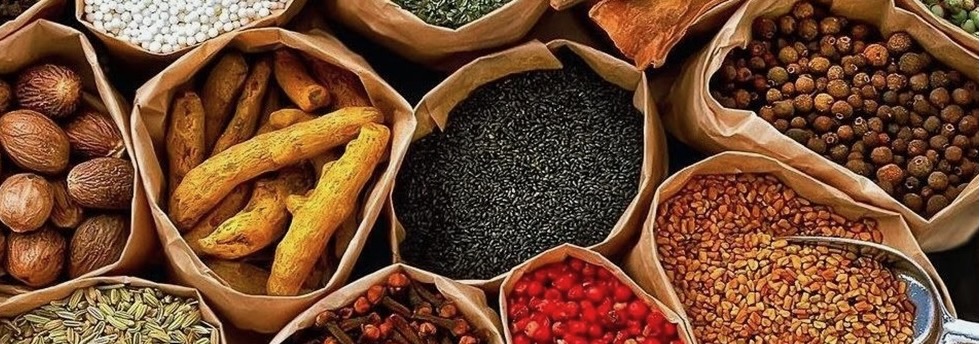
Bags of Spices

Favorite Recipes

European

Continental classics — comforting breads, pastries, stews, sauces, street foods, and regional favorites.

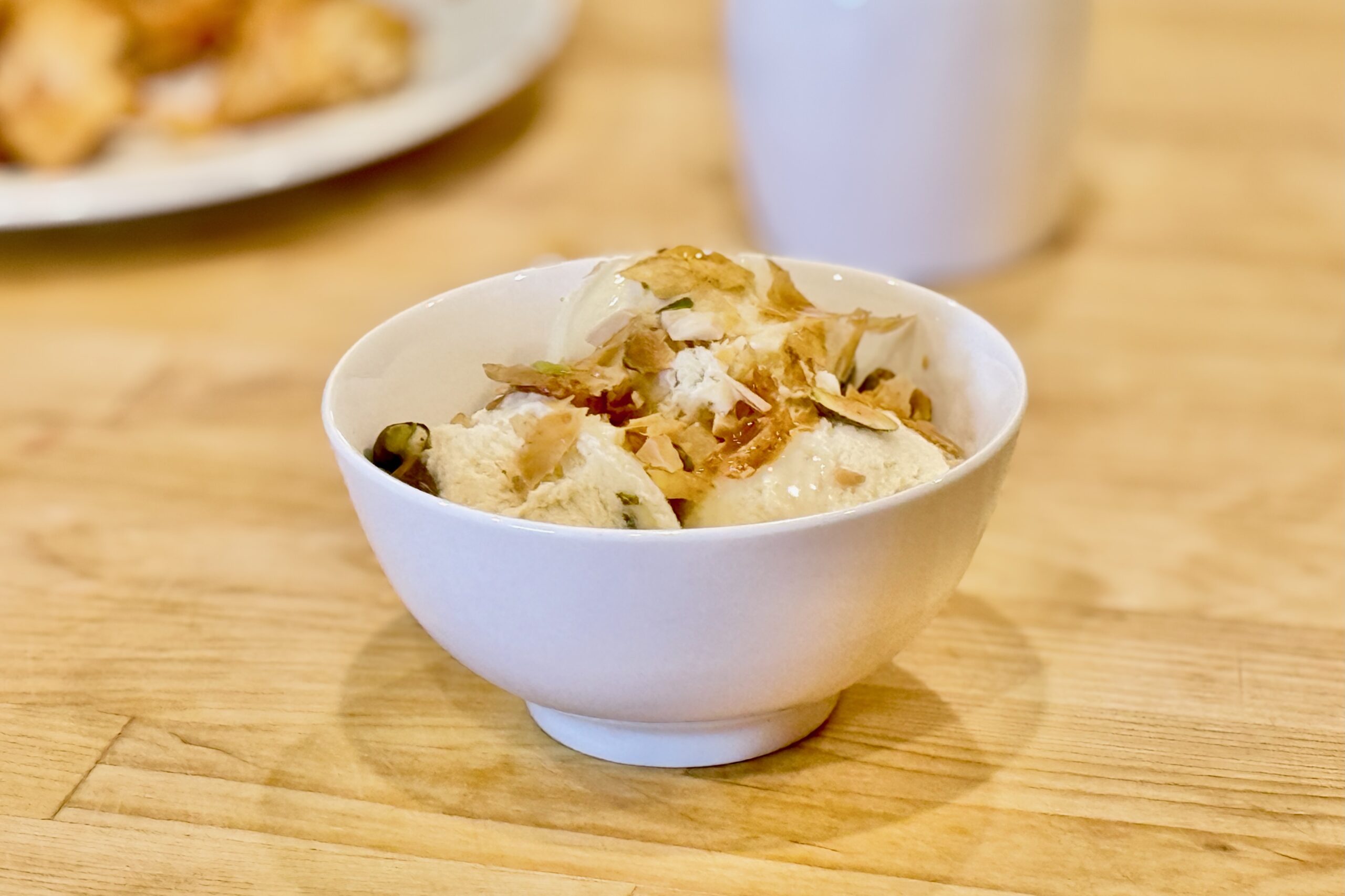
  • Pistachio Gelato

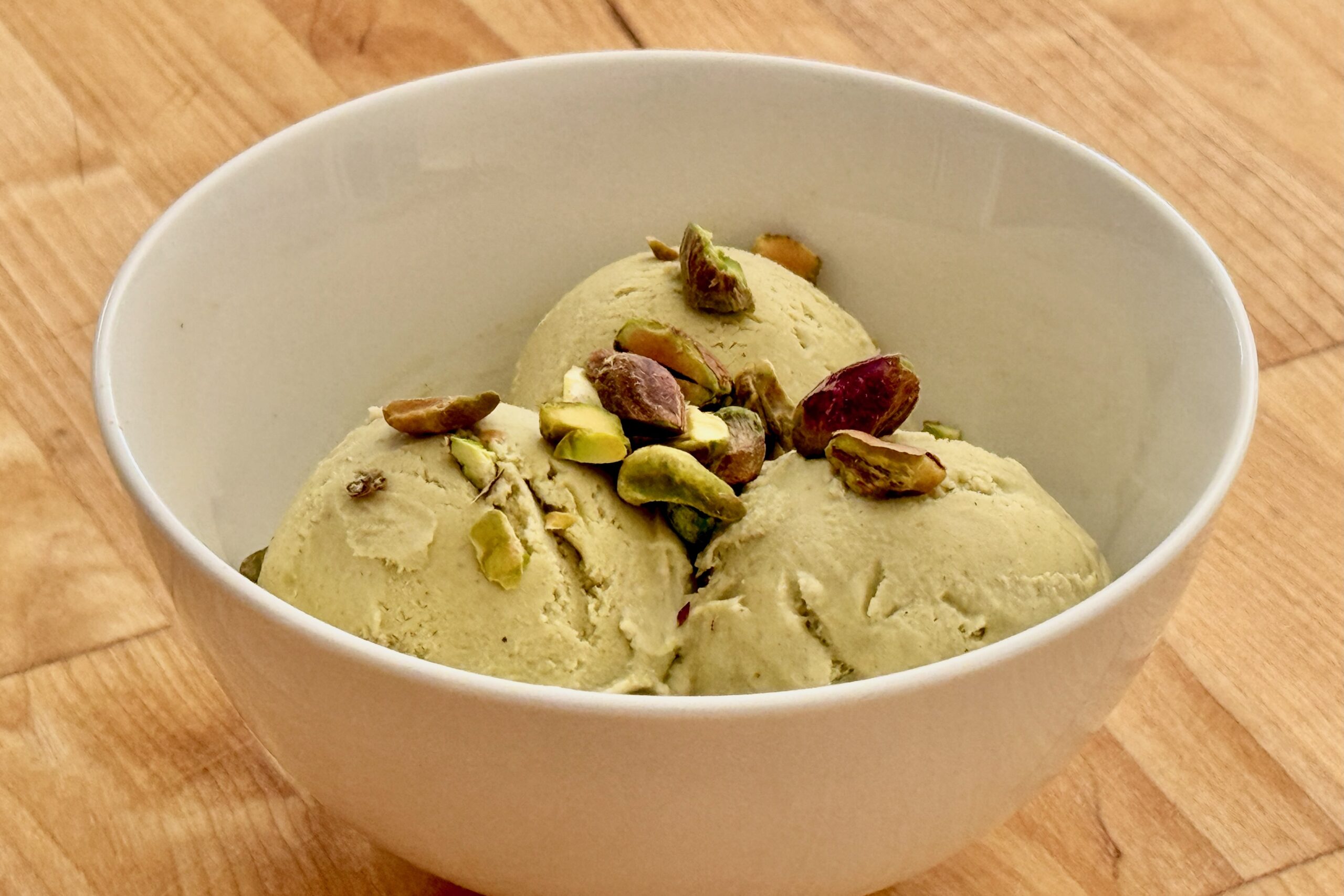
    Pistachio Gelato

    Pistachio gelato has always held a special place in our family—especially for Grandma Honey, who never passes it up when it’s on the menu. It’s one of those flavors that feels both nostalgic and a little refined at the same time, simple on the surface but deeply satisfying when it’s done right. This pistachio gelato is designed to deliver true pistachio flavor first—deeply nutty, smooth, and satisfying, without drifting into a heavy custard or becoming overly sweet. Lightly toasted pistachios are blended directly into the base for full flavor and body, while a restrained amount of cream, a small number of yolks, and added milk solids create a texture that feels dense and luxurious rather than airy or thin. It churns into a gelato that stays clean on the palate and rich enough to keep you coming back for another spoonful.


    Ingredients

    • 1¼ cups (175 g) raw shelled pistachios
    • 2 tbsp sugar (from the measured sugar below, for blending the pistachios)
    • 2¼ cups (540 g) whole milk, divided
    • ¾ cup (180 g) heavy cream
    • ⅔ cup (135 g) sugar
    • 1½ tbsp light corn syrup
    • 2 tbsp dry milk powder (optional, but recommended)
    • 3 large egg yolks
    • ¼ tsp table salt, plus more to taste
    • ¼ tsp vanilla extract (optional)
    • ⅛ tsp almond extract (optional; use sparingly)

    Directions

    Toast the Pistachios

    Heat the oven to 300°F. Spread the pistachios on a small sheet pan or oven-safe dish in an even layer.

    Toast for 8–10 minutes, just until fragrant. They should smell nutty and aromatic but should not brown. Let cool slightly.

    Blend the Pistachio Base

    Place the warm pistachios in a blender with 2 tbsp of the measured sugar and ¾ cup of the milk.

    Blend until very smooth. The mixture should move well in the blender and become thick, creamy, and fluid rather than forming a stiff paste.

    Leave the pistachio mixture in the blender jar.

    Heat the Dairy Base

    In a medium saucepan, combine the remaining 1½ cups milk, cream, remaining sugar, corn syrup, dry milk powder if using, and ¼ tsp table salt.

    Heat over medium, whisking occasionally, until the mixture is steaming hot and the sugar is dissolved, but do not let it boil.

    Temper the Yolks

    In a separate bowl, whisk the egg yolks until smooth.

    Slowly pour in about 1 cup of the hot milk mixture while whisking constantly.

    Gradually whisk the tempered yolks back into the saucepan.

    Cook the Base

    Cook over medium-low heat, stirring constantly with a heatproof spatula or wooden spoon, until the base thickens slightly and reaches 170–175°F.

    It should lightly coat the back of a spoon. Do not let it boil.

    Combine and Blend Again

    Remove the pan from the heat. Carefully pour the hot custard into the blender with the pistachio mixture.

    Blend until fully smooth and uniform. Stir in the vanilla extract and almond extract, if using.

    For the smoothest final texture, keep this blending step even if the pistachios seemed to break down well the first time.

    Strain and Chill

    Strain the base through a fine-mesh sieve into a clean bowl to catch any remaining pistachio fiber and ensure a smooth, non-gritty texture.

    Cool over an ice bath, then cover and refrigerate until very cold, at least 6 hours and preferably overnight.

    Taste once chilled and add a tiny extra pinch of salt if you want the pistachio flavor to pop a bit more.

    Churn

    Pour the cold base into your ice cream maker and churn according to the manufacturer’s instructions until thick, smooth, and softly mounded.

    The finished texture should resemble soft gelato.

    Freeze to Set

    Transfer to a chilled container, press a piece of parchment or plastic wrap against the surface, cover, and freeze until firm enough to scoop, about 2–4 hours.

    Let stand at room temperature for a few minutes before serving if needed.


    Notes

    Preparation

    • Raw pistachios are ideal here because they give you fresher flavor and better natural color than pre-roasted nuts. Toast them lightly to wake up their flavor, but do not let them brown.
    • If using roasted pistachios, unsalted nuts can be used as-is (skip the toasting step or warm briefly to refresh their aroma). If using salted pistachios, rinse under cool water to remove surface salt, dry thoroughly, and warm briefly in a low oven before using. Adjust added salt in the recipe to taste.
    • This recipe uses fewer yolks than a classic custard ice cream so the pistachio flavor stays clear while still giving the gelato enough body to feel satisfying and rich.
    • The sugar level is intentionally restrained to keep the finish clean and nut-forward. Corn syrup helps preserve smooth texture and scoopability without making the gelato taste sweeter.
    • Dry milk powder is optional, but it noticeably improves body and density, especially in home machines. If you want the most gelato-like texture, it is worth using.
    • Almond extract can make the pistachio flavor seem stronger, but it should remain in the background. Use only a very small amount or leave it out entirely for a purer pistachio profile.
    • Straining the blended base is recommended even if only a small amount of fine pistachio fiber remains. That extra step helps keep the finished gelato smooth rather than faintly gritty.
    • Chill the base thoroughly before churning. A fully cold base churns faster and freezes more smoothly.

    Serving Suggestions

    • Serve on its own to let the pistachio flavor shine, or top with a small spoonful of finely chopped pistachios for contrast.
    • This is excellent with fresh berries, a crisp butter cookie, or a light drizzle of dark chocolate for a more dessert-forward presentation.
    • For the most authentic gelato-style experience, serve slightly softened so the texture is dense, creamy, and supple rather than hard-frozen.

    Variations

    • For a more intense pistachio version, increase the pistachios to 1½ cups (210 g).
    • For added texture, fold in ¼ cup finely chopped toasted pistachios after churning, just before transferring to the freezer container.
    • For a purer pistachio profile, omit the vanilla and almond extracts completely.

    Make-Ahead & Storage

    • The base can be made and refrigerated up to 24 hours before churning.
    • Store the finished gelato tightly covered in the freezer for up to 2 weeks for best texture and flavor.
    • Homemade gelato freezes firmer than what is served in most shops, so let it sit at room temperature for 5–10 minutes before scooping if needed.
  • Grandma’s Lasagna

    Grandma’s Lasagna

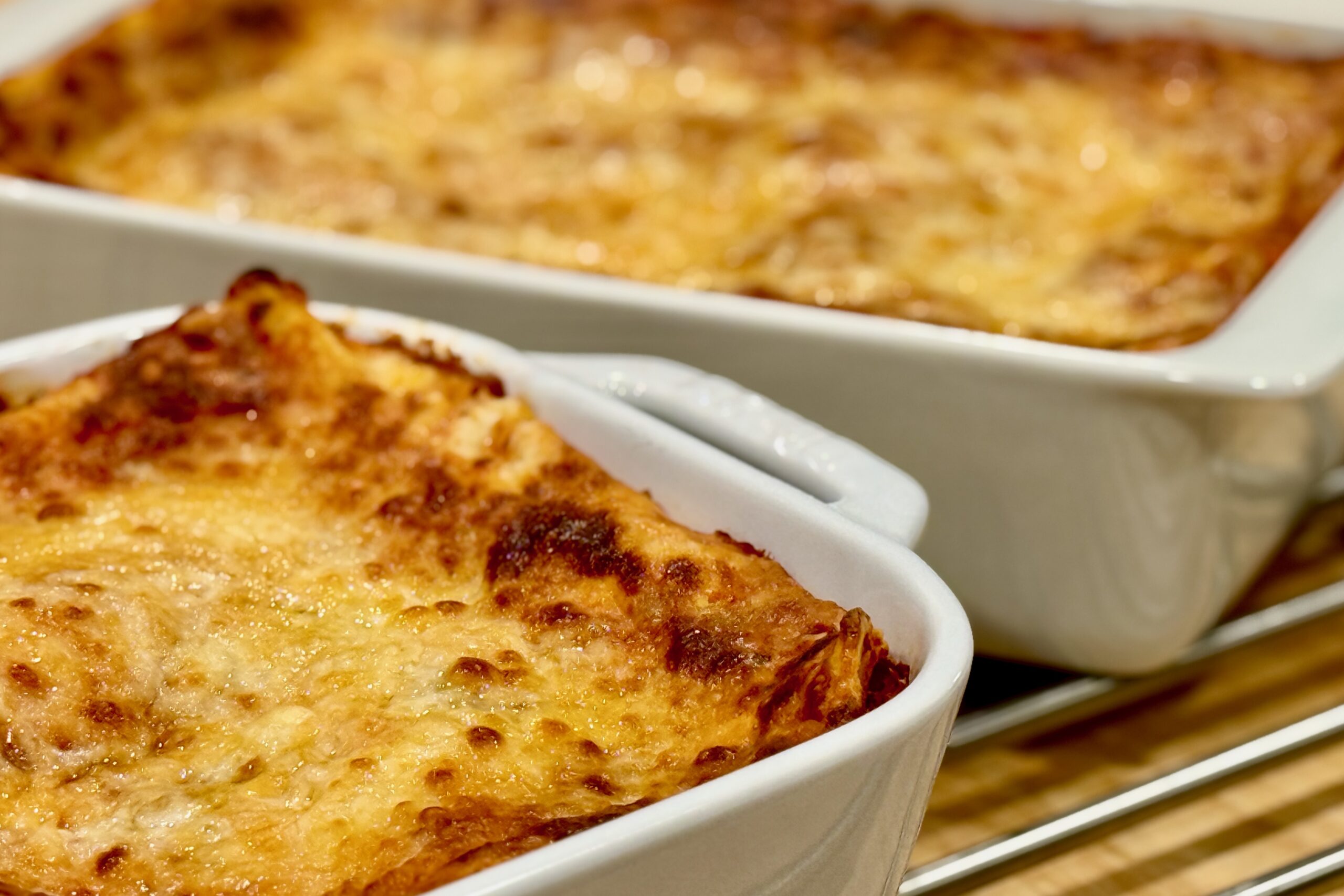
    In the 1960s and 70s, most of our family parties included the Berg family—Tom, Evie, and their daughter Donna were always there, and they’ve long felt like part of our family. Grandma’s Lasagna recipe actually came from Donna Berg sometime in the 1970s after she served it at a birthday party. It was such a hit that our family has used this lasagna recipe ever since. Over the years, I’ve made a few careful updates: I added besciamella after living in Delft, The Netherlands, in the home of Bep Lupker—her lasagna included a silky, delicious besciamella that I never forgot. I’ve also refined the meat sauce for deeper flavor and better balance, while keeping the heart of the original recipe intact.


    Ingredients

    Meat Sauce

    • 2 tbsp (28 g) olive oil
    • 1 cup (140 g) chopped onion
    • 5 cloves (15 g) garlic, minced
    • 1 lb (454 g) ground chuck beef (or ½ lb ground beef and ½ lb Italian sausage / 227 g each)
    • 1 can (28 oz / 794 g) crushed tomatoes
    • 1 can (15 oz / 425 g) tomato sauce
    • 1 can (6 oz / 170 g) tomato paste
    • 1 cup (240 g) chicken broth
    • ½ cup (120 g) dry white wine or dry red wine (optional)
    • 2 tsp (10 g) fish sauce (optional)
    • 2 tsp dried basil
    • 2 tsp dried parsley
    • 1 tsp dried oregano
    • ¾ tsp dried ground fennel
    • ¼ tsp dried thyme leaves
    • 3 whole cloves
    • 2 bay leaves
    • ½ tsp freshly ground black pepper (to taste)
    • 1 tsp table salt

    Cheese & Pasta

    • 2 cups (454 g) ricotta or cottage cheese (or 1 cup of each / 227 g each)
    • ½ cup (50 g) Parmesan cheese, shredded
    • 8 oz (227 g) mozzarella cheese, sliced
    • 8 oz (227 g) lasagna noodles, prepared (or our homemade Fresh Lasagna Pasta Sheets)

    Besciamella

    • ¼ cup (57 g) butter
    • ¼ cup (30 g) flour
    • 2 cups (480 g) milk
    • ¼ tsp onion powder
    • ¼ tsp table salt
    • ¼ tsp freshly ground black pepper
    • small pinch nutmeg

    Directions

    Make the Meat Sauce

    In a Dutch oven over medium heat, heat olive oil until shimmering. Add onion and sauté until translucent and tender. Add garlic and cook for 30–45 seconds, just until fragrant. Add meat and cook until no longer pink, breaking it up as it browns.

    Clear a small space in the pot and add tomato paste directly to the pan. Cook for 1–2 minutes, stirring, until the paste darkens slightly and smells sweeter. Stir the paste into the meat mixture.

    Stir in crushed tomatoes, tomato sauce, chicken broth, wine (optional), and fish sauce (optional). Add dried basil, dried parsley, oregano, fennel, thyme, cloves, bay leaves, pepper, and salt.

    Simmer covered on low heat for 30 minutes and uncovered for 15 minutes. Remove bay leaves and whole cloves before assembling. (Sauce is best when made a day or more in advance and reheated.)

    Prepare the Cheese

    In a bowl, combine ricotta (and/or cottage cheese) with Parmesan. Reserve mozzarella for layering and topping.

    Assemble

    Place enough meat sauce in the bottom of a lasagna pan to thinly coat. Add ⅓ of the cooked lasagna noodles. Spread ⅓ of the ricotta mixture over the noodles, add a layer of mozzarella slices, then cover with ⅓ of the remaining meat sauce.

    Repeat for two additional layers. Top with remaining mozzarella and a light sprinkle of Parmesan.

    Bake

    Bake covered at 325°F for 40 minutes and uncovered for 10 minutes, or until warmed through and cheese is slightly browned. Rest 10–15 minutes before slicing for cleaner layers.

    Make the Besciamella

    Thoroughly heat butter and flour. Whisk in remaining ingredients; cook until thickened.

    Serve

    Slice and serve lasagna topped with besciamella.


    Notes

    Preparation

    • Why cloves? Whole cloves add subtle warmth and sweetness to the sauce and are removed before assembly so their flavor stays in the background.
    • Besciamella tip (optional): For an extra-silky texture, warm the milk separately and whisk it in gradually.
    • Make-ahead sauce: This meat sauce tastes even better after a night in the fridge; rewarm gently before assembling.

    Serving Suggestions

    • Let the lasagna rest 10–15 minutes before cutting for cleaner slices.
    • Serve with a simple green salad and warm bread to round out the meal.

    Variations

    • Wine: Dry white or dry red both work well; omit if preferred.
    • Fish sauce: Optional, but it adds savory depth without tasting “fishy” at this amount. In its place, mash 2 anchovy fillets into the sauce with the tomato paste.
    • Meat: Using half Italian sausage adds a slightly richer, more seasoned profile.

    Make-Ahead & Storage

    • Make-ahead: Assemble the lasagna, cover, and refrigerate up to 24 hours. Bake as directed, adding 10–15 minutes to the covered bake time if it’s going in cold.
    • Refrigerate: Store leftovers covered for up to 4 days.
    • Freeze: Freeze tightly wrapped portions for up to 3 months. Thaw overnight in the fridge before reheating for best texture.

    Original Berg Family Lasagna Recipe (circa 1970s)
    This is the original version of the recipe as it was shared with our family by Donna Berg in the 1970s. It’s simpler than the updated version above, but it’s the foundation everything else grew from.

    Ingredients

    • ⅓ cup (53 g) chopped onion
    • 1 clove (3 g) garlic, minced
    • 2 tbsp (28 g) olive oil
    • 1 lb (454 g) ground chuck beef
    • 1 can (8 oz / 227 g) tomato sauce
    • 1 can (6 oz / 170 g) tomato paste
    • 1 cup (240 g) water
    • ½ tsp oregano
    • freshly ground black pepper (to taste)
    • 1 tsp table salt
    • ½ tsp basil
    • 1 whole clove, crushed
    • 2 cups (454 g) ricotta or cottage cheese (or 1 cup of each / 227 g each)
    • ½ cup (50 g) Parmesan cheese, shredded
    • 8 oz (227 g) mozzarella cheese, sliced
    • 8 oz (227 g) lasagna noodles, prepared

    Directions

    Sauté onion and garlic in oil until tender; add meat and brown. Add tomato sauce, tomato paste, water, and seasonings and simmer covered for 30 minutes.

    Place ½ of the cooked lasagna noodles in the bottom of a buttered 9×13 pan. Spread ½ of the ricotta (and/or cottage cheese), Parmesan, and mozzarella cheese over lasagna. Cover with ½ of the meat sauce. Repeat layers.

    Bake at 350°F for 45 minutes.

  • Fresh Lasagna Pasta Sheets

    Fresh Lasagna Pasta Sheets

    These fresh lasagna sheets are designed for structure, not just tenderness—giving you distinct, satisfying layers that hold their shape through baking. A blend of all-purpose flour and semolina adds just enough bite, while a slightly firmer dough ensures the pasta doesn’t disappear into the sauce. Rolled a bit thicker than traditional recommendations, this version creates a hearty, rustic lasagna with beautifully defined layers in every slice—perfect for dishes like our favorite recipe for Grandma’s Lasagna.


    Ingredients

    • 365 g all-purpose flour
    • 90 g semolina flour
    • ½ tsp table salt
    • 4–5 large eggs (target 240–250 g without shells)
    • 1 tbsp water, if needed

    Directions

    Mix the Dough:

    Add the all-purpose flour, semolina flour, and salt to the bowl of a stand mixer fitted with the paddle attachment. Mix on speed 2 just to combine.

    Add 4 eggs, one at a time, mixing briefly between additions. The mixture should resemble coarse crumbs. If the dough does not begin to come together, add part or all of the remaining egg as needed. Add up to 1 tbsp water only if necessary to bring the dough together into a firm, slightly dry mass.

    Knead:

    Switch to the dough hook and knead on speed 2 for 2–3 minutes, until the dough becomes smooth and cohesive. It should feel firm but pliable, not sticky.

    Rest:

    Wrap the dough tightly in plastic wrap and let rest at room temperature for at least 30 minutes. For best results, refrigerate up to overnight, then allow to come to room temperature before rolling.

    Roll the Sheets:

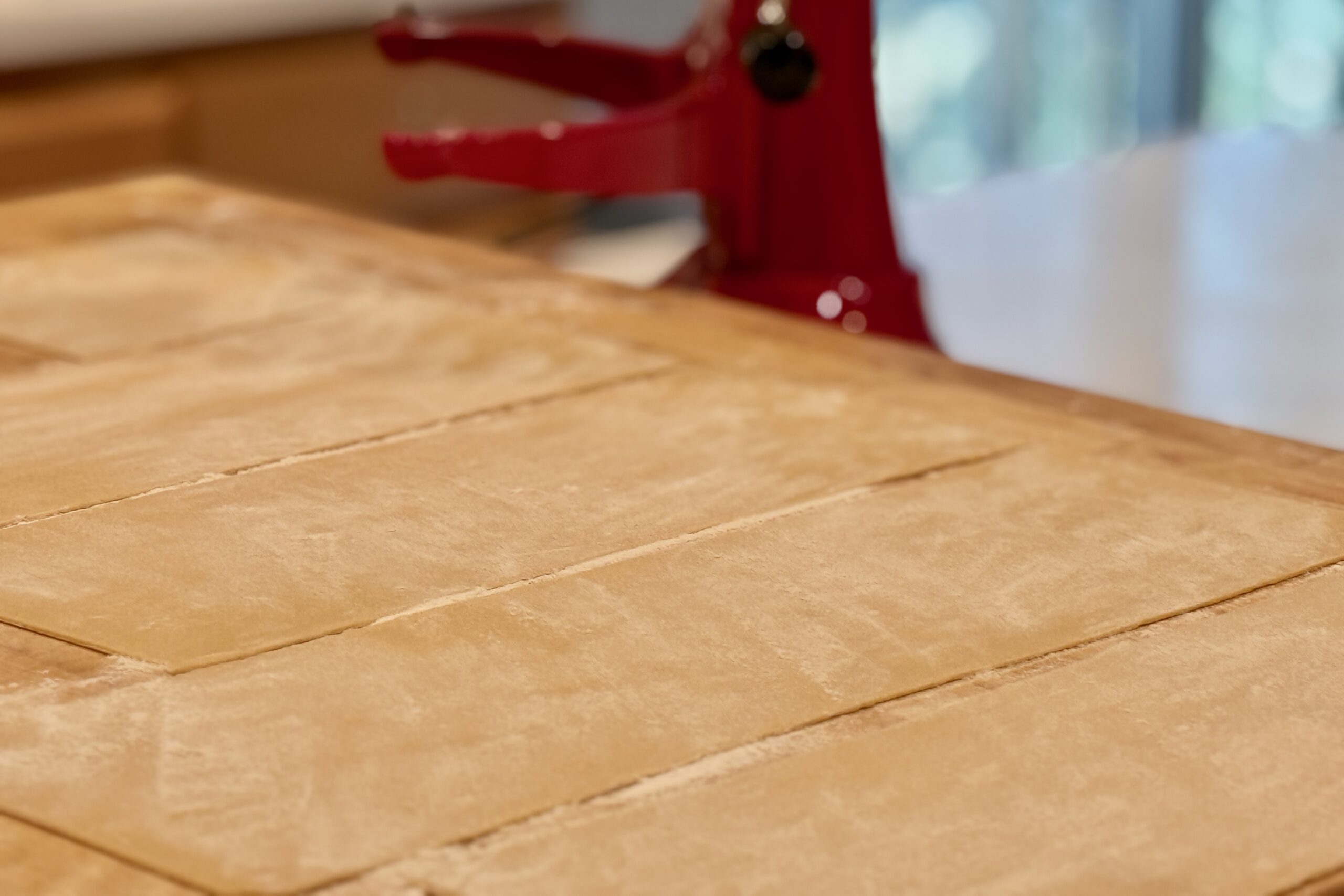
    Divide the dough into 4 portions. Working with one piece at a time, flatten slightly and run through a pasta roller, folding and passing through the widest setting several times until smooth.

    Gradually reduce the thickness setting until reaching setting #3 or #4 . Cut sheets to fit your baking dish as needed.

    Prepare for Use:

    Lay sheets on a lightly floured surface and allow to rest for 10–20 minutes before using. This slight drying improves texture and handling.

    Cook (Optional):

    These sheets can be used directly in lasagna without boiling, especially when using a well-hydrated sauce.

    If parboiling is preferred, cook in well-salted boiling water for 2–3 minutes, then transfer to cold water and drain before layering.


    Notes

    Preparation

    • For best consistency, weigh the eggs. Aim for 240–250 g total egg weight.
    • The dough should feel slightly firmer than typical pasta dough—this helps it hold structure during baking.
    • Lightly flour sheets as needed to prevent sticking, but avoid excess flour which can dry out the layers.

    Serving Suggestions

    • Use with a rich meat sauce and béchamel for classic lasagna.
    • Pairs well with vegetable-forward lasagnas, including spinach and mushroom or roasted vegetable variations.

    Variations

    • For a more traditional, delicate lasagna, roll sheets to setting #4 or #5.
    • For a richer dough, replace 1 whole egg with 2 egg yolks.
    • For a softer texture, reduce semolina slightly and increase all-purpose flour.

    Make-Ahead & Storage

    • Dough can be refrigerated for up to 24 hours before rolling.
    • Rolled sheets can be lightly floured, layered between parchment, and refrigerated for up to 1 day.
    • For longer storage, freeze sheets flat and transfer to a sealed bag once solid. Cook from frozen or thaw before use.
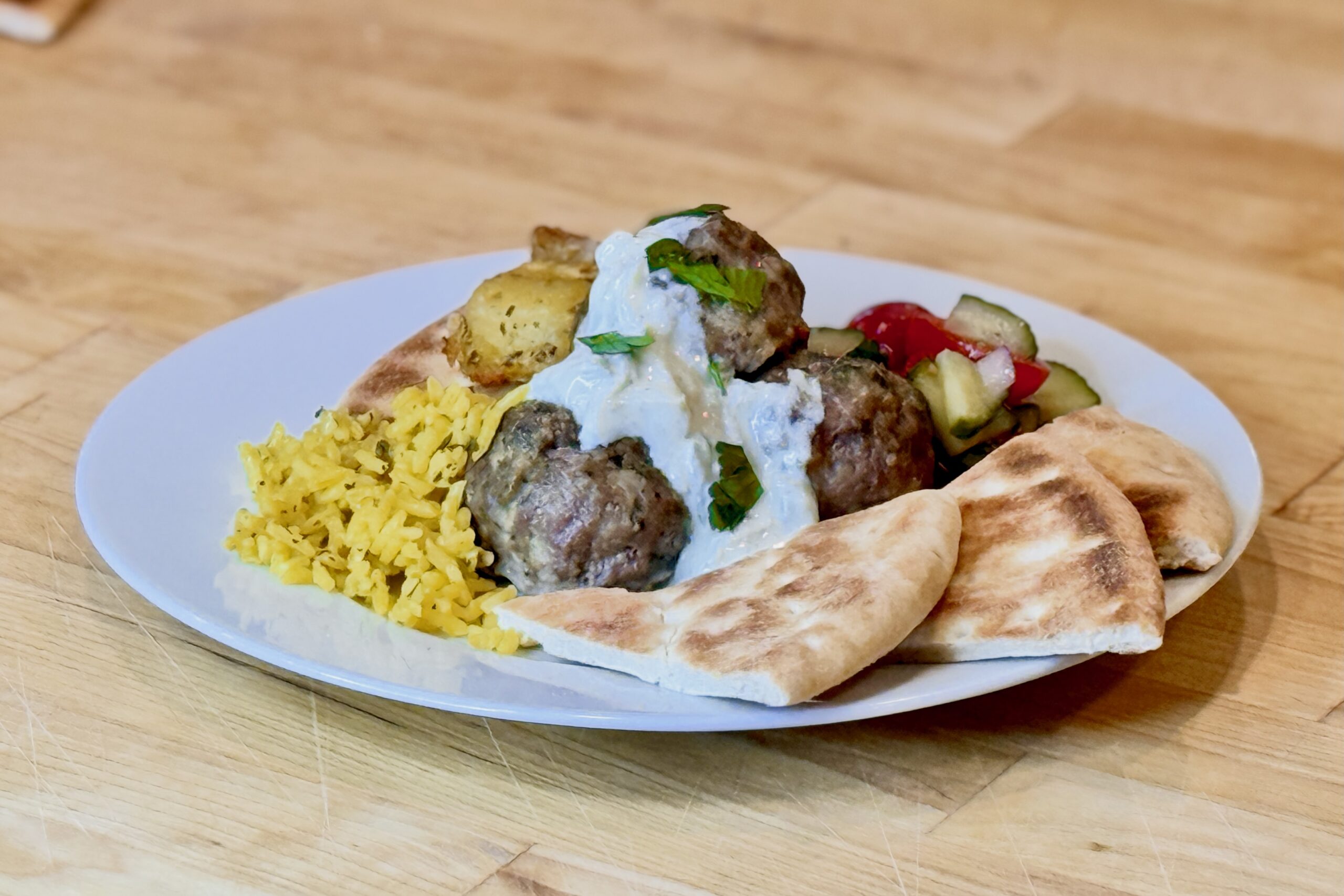
  • Chicken Gyro

    Chicken Gyro

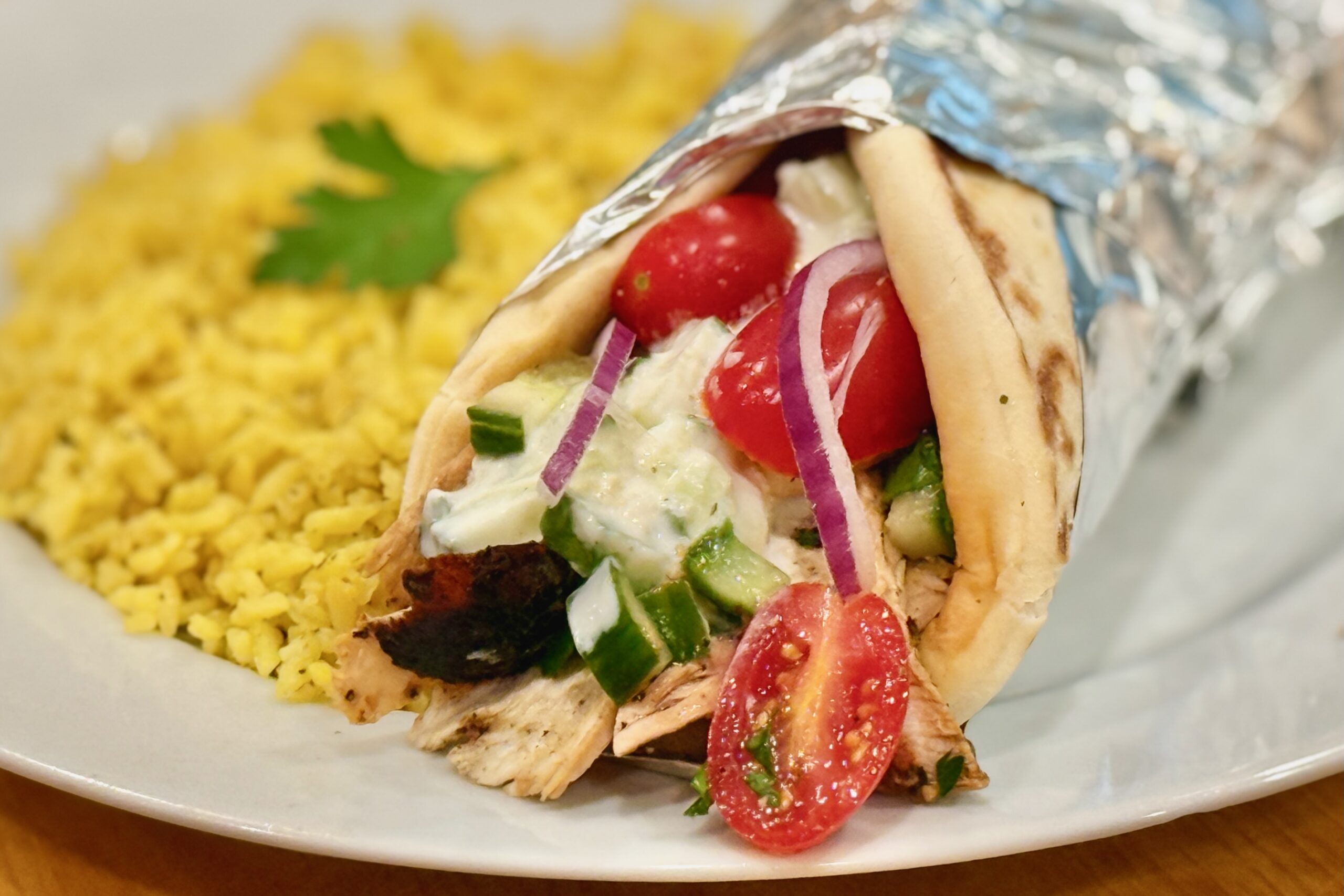
    On a family trip to Corfu, we stopped at a small waterside restaurant and ordered one of the best gyros we had ever tasted. The chicken was deeply seasoned, moist, and tender, with bright lemon, garlic, and oregano and none of the heavy, meatloaf-like texture so common in the United States. This version is our home tribute to that meal—grilled whole for juiciness, sliced and crisped in a hot skillet for authentic gyro-style edges, then wrapped in warm pita with fresh salad and cool tzatziki.


    Ingredients

    Chicken

    • 4 lb boneless, skinless chicken thighs

    Marinade

    • 2 tbsp garlic, minced
    • ⅓ cup lemon juice
    • ⅓ cup plain Greek yogurt
    • 2 tbsp white wine vinegar
    • 2 tbsp extra virgin olive oil
    • 3 tbsp dried oregano, rubbed between your palms before adding
    • 1 tsp paprika
    • ½ tsp ground cumin
    • ½ tsp ground coriander
    • 1 tbsp table salt
    • 1 tsp freshly ground black pepper

    Tzatziki

    • 1 English cucumber, diced or grated
    • 1½ cups plain Greek yogurt
    • 2 tbsp lemon juice
    • 2 tbsp extra virgin olive oil
    • 1 tsp garlic, minced
    • ½ tsp table salt
    • Freshly ground black pepper, to taste

    Salad

    • 2 English cucumbers, diced
    • 4 to 5 tomatoes, seeded and diced
    • ½ large red onion, thinly sliced
    • ¼ cup fresh parsley, chopped
    • 1 to 2 tbsp lemon juice, or to taste
    • 1 to 2 tbsp extra virgin olive oil, or to taste
    • ½ tsp dried oregano, crushed
    • Salt and freshly ground black pepper, to taste

    For Serving

    • Flatbread or pita
    • Olive oil, for warming the pita
    • Lemon wedges, for finishing
    • A small pinch of dried oregano for each gyro, optional but recommended

    Directions

    Marinate the Chicken

    In a large bowl or resealable container, combine the garlic, lemon juice, Greek yogurt, white wine vinegar, olive oil, oregano, paprika, cumin, coriander, salt, and black pepper. Rub the oregano between your palms before adding to help release its aroma.

    Add the chicken thighs and turn well to coat. Cover and refrigerate for 3 to 24 hours. Overnight is ideal.

    Make the Tzatziki

    In a medium bowl, stir together the cucumber, Greek yogurt, lemon juice, olive oil, garlic, salt, and black pepper.

    Refrigerate for at least 30 minutes before serving to let the flavors meld.

    Prepare the Salad

    In a separate bowl, combine the cucumbers, tomatoes, red onion, and parsley.

    Toss with the lemon juice, olive oil, crushed oregano, salt, and black pepper to taste. Refrigerate until ready to serve.

    Grill the Chicken

    Preheat a grill to medium-high heat. Remove the chicken from the marinade and grill the thighs whole until cooked through and nicely marked, about 5 to 7 minutes per side depending on thickness.

    Cook until the thickest part of the chicken reaches an internal temperature of 165°F (74°C).

    Transfer to a cutting board and let rest for 5 to 10 minutes.

    Slice and Crisp

    Slice the rested chicken into thin strips. Heat a large skillet over high heat and add a small amount of oil.

    Add the sliced chicken and cook briefly, tossing for 60 to 90 seconds, until the edges crisp and brown in spots.

    Finish with a small squeeze of lemon juice.

    Warm the Pita and Assemble

    Lightly brush the pita or flatbread with olive oil and warm on a hot skillet, grill, or griddle for 20 to 30 seconds per side, just until soft, hot, and lightly toasted.

    To serve, place chicken on the warm pita, spoon over tzatziki, add the salad, and finish with a small pinch of dried oregano if desired.


    Notes

    Preparation

    • For the best flavor, marinate the chicken overnight.
    • Chicken breast can be substituted for thighs. Grill to an internal temperature of 150°F (65.6°C) and hold at or above that temperature for about 3 minutes to achieve pasteurization. Use an instant-read thermometer to verify the temperature in the thickest part of the meat.
    • If using regular cucumbers for the tzatziki, dice or grate them, salt lightly, let rest 10 to 15 minutes, then squeeze dry in a kitchen towel before mixing into the yogurt.
    • English cucumbers usually contain less moisture, so that draining step is often unnecessary, though a light squeeze is still helpful if they seem especially juicy.
    • You may use diced cucumber, grated cucumber, or a combination in the tzatziki. A 50/50 mix of diced and grated cucumber gives an especially nice texture—creamy, but still fresh and crisp.

    Serving Suggestions

    • Serve with Greek Lemon Rice, fries, roasted potatoes, or a simple Greek-style salad for a full meal.
    • For a traditional Greek gyro-shop feel, wrap the finished gyro loosely in parchment or foil before serving.
    • Extra lemon wedges on the side are excellent for brightening each bite.

    Variations

    • For a traditional herb note in the tzatziki, add 1 to 2 tsp finely chopped fresh dill or mint.
    • Flatbread works well here, but warm pita gives the most classic gyro-style presentation.
    • A few fries tucked into the gyro are a very Greek addition and make it even closer to the style commonly served in Greece.

    Make-Ahead & Storage

    • The chicken can be marinated up to 24 hours ahead.
    • The tzatziki can be made 1 day ahead and kept refrigerated.
    • The salad is best made the day of serving, though the vegetables can be chopped ahead and dressed shortly before assembling.
    • Leftover cooked chicken keeps well in the refrigerator for up to 3 days. Reheat in a hot skillet to restore some of the crisp edges before serving.
  • Greek Lemon Rice

    Greek Lemon Rice

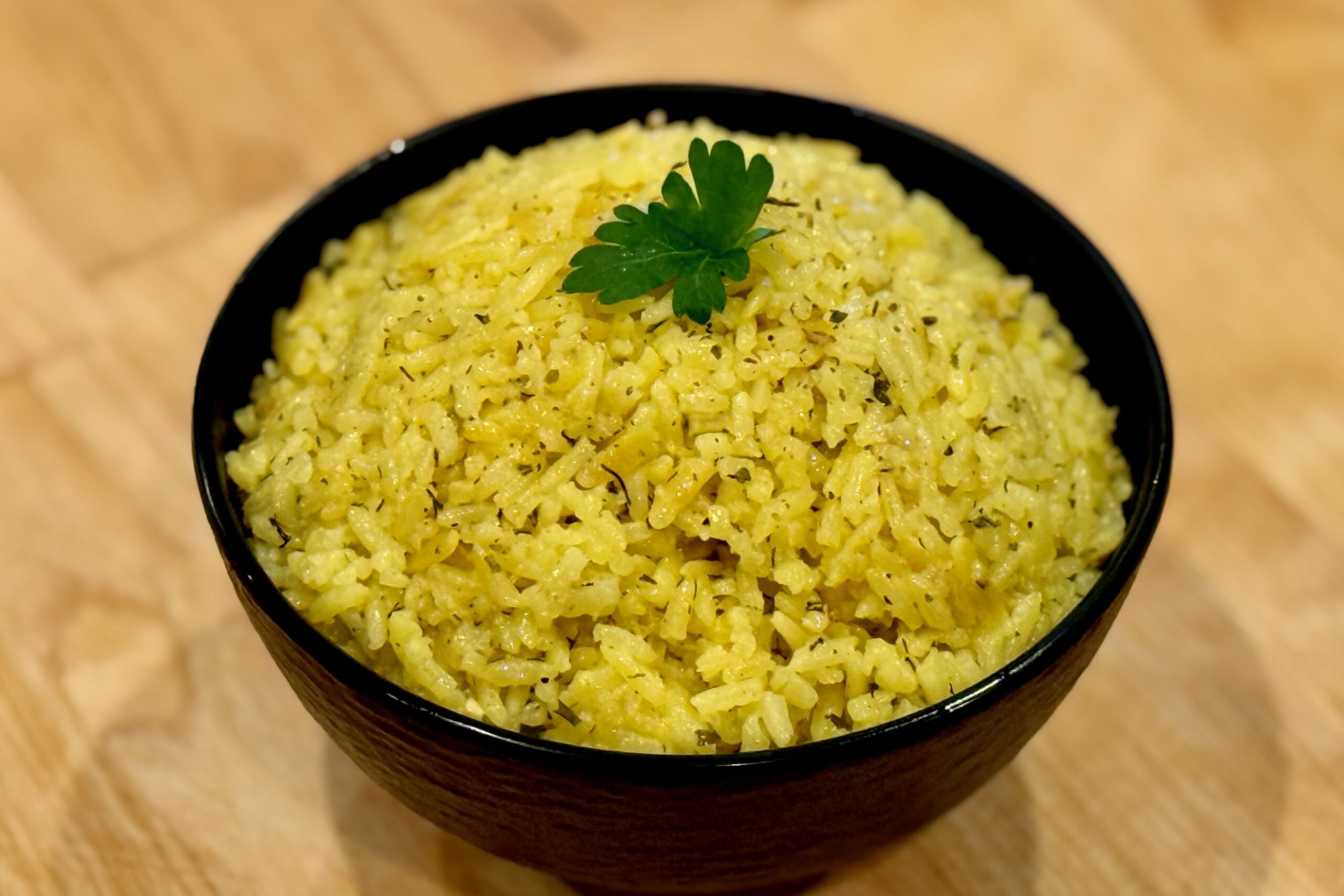
    Bright, savory, and finished with plenty of lemon, this Greek-style rice is an easy way to round out a chicken gyro dinner. Onion, garlic, broth, dill, and parsley build a simple but flavorful base, while a touch of butter adds richness and a tiny pinch of turmeric gives the rice a warm golden color without changing the flavor.


    Ingredients

    • 1 cup long-grain white rice, rinsed
    • 1 tbsp orzo pasta (optional)
    • 1¼ cups chicken broth
    • 2 tbsp olive oil
    • ¼ cup finely diced onion
    • 2 cloves garlic, minced
    • 1½ tsp fresh dill, chopped (or ½ tsp dried)
    • 1½ tsp fresh parsley, finely chopped (or ½ tsp dried)
    • ¼ tsp black pepper
    • ⅛ tsp turmeric
    • ¼ tsp onion powder
    • 1 small bay leaf
    • 1 tsp chicken bouillon (optional but recommended, preferably Better Than Bouillon)
    • 2 tbsp fresh lemon juice
    • 1 tsp lemon zest (optional)
    • 1 tbsp butter
    • table salt, to taste

    Directions

    Sauté the Aromatics

    Heat a medium skillet over medium heat. Add the olive oil and cook the onion for about 5–7 minutes, stirring occasionally, until softened and lightly golden.

    Add the garlic and cook for 30 seconds, just until fragrant.

    Toast the Rice

    Add the rinsed rice and optional orzo to the skillet. Cook for 1 to 2 minutes, stirring frequently, until lightly toasted and coated in the oil.

    Transfer the mixture to the Instant Pot insert.

    Add the Liquid and Seasonings

    Stir in the chicken broth, dill, parsley, black pepper, turmeric, onion powder, bay leaf, and chicken bouillon, if using. Do not add the lemon juice yet.

    Pressure Cook

    Lock the lid and cook on High Pressure for 4 minutes.

    Let the pressure release naturally for 10 minutes, then carefully vent any remaining pressure.

    Finish the Rice

    Remove the bay leaf. Fluff the rice gently with a fork. Stir in the lemon juice, lemon zest if using, and butter.

    Taste and season with table salt as needed. Serve warm, with an extra squeeze of lemon if desired.


    Notes

    Preparation

    • Rinsing the rice helps the finished texture stay fluffy and prevents excess stickiness.
    • The turmeric is used only for color and should remain subtle so the rice keeps its classic Greek flavor profile.
    • Cooking the onion until lightly golden adds depth and sweetness that helps balance the bright lemon flavor.
    • The sauté step can also be done directly in the Instant Pot using the Sauté function if preferred.

    Serving Suggestions

    • Serve alongside chicken gyros, souvlaki, grilled chicken, or lamb.
    • Finish with extra lemon wedges and a spoonful of tzatziki for a full taverna-style plate.

    Variations

    • The optional orzo adds texture and gives the rice a more traditional Greek pilaf character.
    • Fresh herbs provide the brightest flavor, but dried dill and parsley work very well for a convenient pantry version.
    • A small pinch of dried oregano can be added if you want the rice to echo the flavors in gyro-seasoned meat.

    Make-Ahead & Storage

    This rice reheats well and can be made ahead for meal prep or larger dinners.

    • Refrigerate leftovers in an airtight container for up to 4 days.
    • Reheat gently with a small splash of broth or water to loosen the rice.
    • Add a fresh squeeze of lemon after reheating to brighten the flavor.
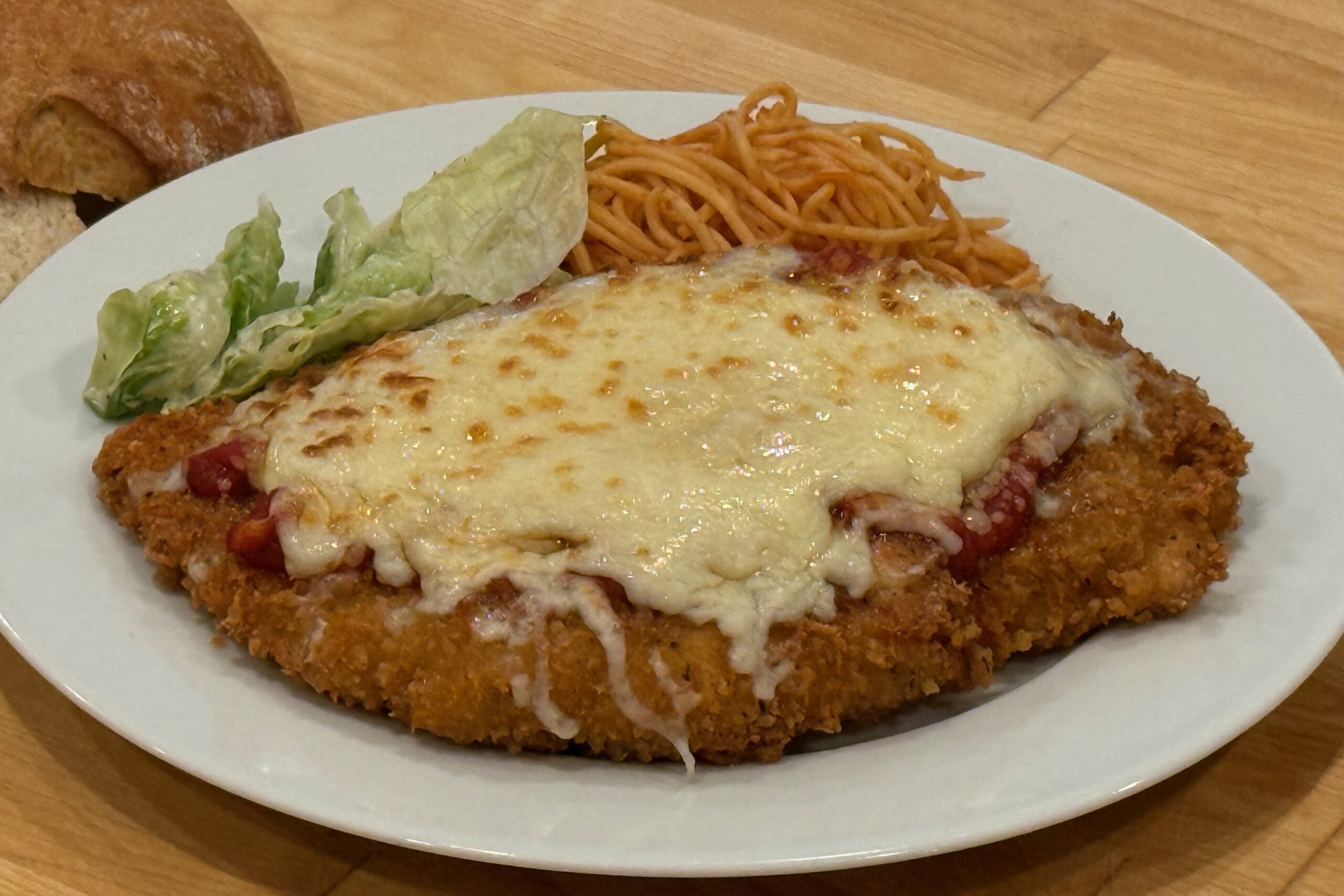
  • Chicken Parmesan

    Chicken Parmesan

    A great Chicken Parmesan starts with the sauce—and this version pushes that balance a little further. It keeps the bright, clean tomato character that belongs in Chicken Parm, but builds in more savory depth with extra bloomed tomato paste, a broader basil profile, a slightly larger shallot base, and a restrained touch of heat. Paired with thin, well-seasoned chicken, a crisp Parmesan-forward crust, and just enough cheese to bring it all together, this version leans into both texture and flavor—clean, balanced, and deeply satisfying.


    Ingredients

      Sauce

    • 2 tbsp (30 ml) extra-virgin olive oil
    • 3 tbsp (45 g) finely grated shallot, or about 1½ small shallots, very finely minced
    • 2 cloves garlic (about 6 g), minced
    • 1 tbsp (15 g) tomato paste
    • ¼ tsp dried oregano
    • ¼ tsp dried basil
    • ¼ tsp red pepper flakes
    • 1 (28 oz / 794 g) can crushed tomatoes
    • ¾ tsp (4–5 g) table salt, plus more to taste
    • ¼ tsp MSG (recommended), or 1–2 tsp finely grated Parmesan rind
    • ¼ tsp sugar (optional), only if needed for balance
    • 2 tbsp (8 g) finely chopped fresh basil
    • 1 tbsp (15 ml) good-quality extra-virgin olive oil, for finishing
    • Chicken

    • 4 large boneless, skinless chicken breasts (about 3 lb / 1.36 kg total), halved horizontally
    • 1½ tsp (8–9 g) table salt
    • ½ tsp black pepper
    • ½ tsp garlic powder
    • Breading

    • 2 large eggs
    • 2 tbsp (16 g) all-purpose flour
    • 1½ cups (150 g) finely grated Parmesan cheese
    • 1 cup (60 g) panko bread crumbs
    • 1 tsp garlic powder
    • ½ tsp dried oregano
    • ½ tsp black pepper
    • For Frying & Assembly

    • ⅔ cup (160 ml) olive oil or olive oil + neutral oil blend
    • 8 oz (225 g) whole-milk mozzarella, shredded
    • 4 oz (115 g) provolone, shredded
    • Fresh basil, torn
    • Extra freshly grated Parmesan, for finishing

    Directions

    Prepare the Sauce

    Heat 2 tbsp (30 ml) olive oil in a medium saucepan over medium heat. Add the shallot with a small pinch of salt and cook, stirring occasionally, until fully softened and lightly sweet, about 4–6 minutes.

    Stir in the tomato paste and cook, stirring constantly, until darkened slightly and concentrated, about 2 minutes.

    Add the garlic, oregano, dried basil, and red pepper flakes and cook for about 30 seconds, just until fragrant.

    Add the crushed tomatoes, ¾ tsp salt, and MSG or Parmesan rind. Bring to a simmer, then reduce heat to medium-low and cook for 25–30 minutes, stirring occasionally, until slightly thickened. As it simmers, lightly crush the tomatoes with a spoon or potato masher for a more natural texture. If needed, simmer a few minutes longer until the sauce lightly coats a spoon.

    Remove from heat and stir in the fresh basil and 1 tbsp good-quality olive oil. Taste and adjust with additional salt as needed. Add the sugar only if needed to balance acidity. Keep warm.

    Prepare the Chicken

    Place the chicken between sheets of plastic wrap and pound to an even ½-inch (1.25 cm) thickness.

    Season both sides with salt, pepper, and garlic powder. Let rest at room temperature for 15–20 minutes.

    Set Up the Breading Station

    In one shallow dish, whisk together the eggs and flour until smooth.

    In a second dish, combine the Parmesan, panko, garlic powder, oregano, and pepper.

    Bread the Chicken

    Pat the chicken dry. Dip each cutlet into the egg mixture, allowing excess to drip off, then coat thoroughly in the Parmesan-panko mixture, pressing gently so the coating adheres.

    Fry the Chicken

    Heat the oil in a large skillet over medium-high heat until shimmering.

    Working in batches, add the chicken and cook without moving until deep golden brown, about 1½–2 minutes per side.

    Transfer to a wire rack set over a sheet pan, or to a paper towel–lined plate if serving immediately.

    Broil and Assemble

    Preheat the broiler and position the rack about 4 inches (10 cm) from the heat.

    Place the chicken on a baking sheet. Spoon a light layer of sauce over each cutlet, then top with the mozzarella and provolone.

    Broil until the cheese is melted and lightly browned, 2–4 minutes.

    Finish and Serve

    Transfer to a serving platter. Spoon a small amount of additional sauce around or lightly over the chicken, then finish with fresh basil, a light dusting of freshly grated Parmesan, and a drizzle of olive oil.


    Notes

    Preparation

    • For a slightly fresher texture, you can substitute whole peeled tomatoes and crush them by hand instead of using crushed tomatoes.
    • Blooming the full tablespoon of tomato paste gives the sauce more depth without pushing it into a heavy, long-cooked style.
    • Adding the red pepper flakes with the garlic keeps the heat clean and bright without risking bitterness.
    • Hold back some of the final salt adjustment until after the sauce has reduced and the MSG or Parmesan rind has been added, since both affect perceived savoriness.
    • Do not oversauce—too much sauce will soften the crust.
    • Letting the chicken rest after seasoning improves flavor and texture.

    Serving Suggestions

    • Serve with spaghetti, garlic bread, or a simple green salad.
    • Also works well sliced over pasta or tucked into a toasted sandwich roll.

    Variations

    • Substitute fontina for provolone for a softer, more melt-focused variation.
    • Use finely grated Parmesan rind instead of MSG for a more traditional source of added savory depth.
    • Use mozzarella only for a simpler, more classic approach.

    Make-Ahead & Storage

    • The sauce can be made up to 3 days ahead and refrigerated.
    • The fried chicken can be held briefly on a wire rack in a 200–225°F (95–110°C) oven before broiling.
    • Leftovers reheat best in a 375°F (190°C) oven to help preserve the crust.
  • Fresh Spaghetti Pasta

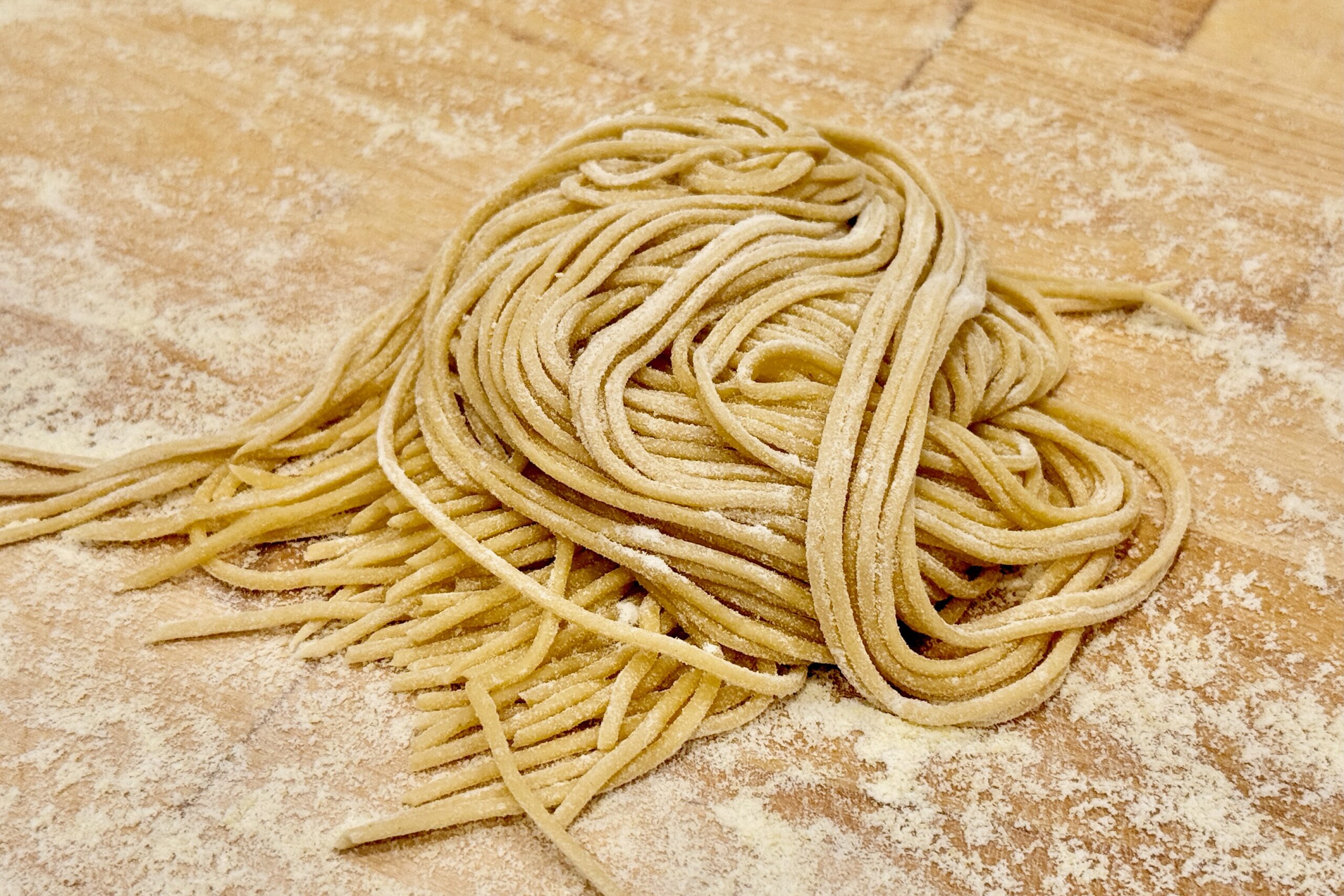
    Fresh Spaghetti Pasta

    This fresh spaghetti dough builds on the country-style noodles we’ve been using, but with a slightly firmer structure and cleaner bite—perfect for pairing with sauces like Chicken Parmesan. By blending all-purpose flour, bread flour, and semolina, the pasta rolls smoothly, cuts cleanly, and cooks up with that ideal balance of tenderness and elasticity. Mixing the dough in a KitchenAid stand mixer keeps the process simple and consistent, while a short finish by hand lets you dial in the texture before rolling.


    Ingredients

    • 1½ cups (180 g) all-purpose flour
    • ½ cup (60 g) bread flour
    • ½ cup (75 g) semolina flour
    • ½ tsp (3 g) table salt
    • 2 large eggs (about 100 g)
    • 2 large egg yolks (about 36 g)
    • 1 tbsp (15 ml) olive oil
    • 1–2 tbsp (15–30 ml) water, as needed

    Directions

    Mix the Dough

    Add the all-purpose flour, bread flour, semolina flour, and salt to the bowl of a KitchenAid stand mixer. Fit the mixer with the paddle attachment and mix briefly on low speed just to combine.

    Add the eggs, egg yolks, and olive oil. Mix on low speed until the mixture becomes evenly crumbly.

    With the mixer still on low, add water 1 tsp to 1 tbsp at a time, just until the dough begins to come together. It should still look fairly firm and somewhat shaggy at this stage.

    Knead

    Switch to the dough hook and knead on speed 2 for 5–7 minutes, until the dough becomes smooth, firm, and elastic.

    Transfer the dough to a clean work surface and knead by hand for 1–2 minutes to finish bringing it together and check the texture.

    The dough should feel firm and slightly resistant, but still pliable. It should not be sticky.

    Rest the Dough

    Wrap the dough tightly in plastic wrap and let it rest at room temperature for at least 30 minutes.

    Roll the Dough

    Divide the dough into 3–4 pieces. Flatten one piece into a rectangle and pass it through a pasta roller, starting on the widest setting.

    Fold and re-roll as needed, then gradually reduce the thickness setting until you reach a medium-thin sheet, typically setting #4 or #5.

    Cut the Spaghetti

    Pass the sheet through a spaghetti cutter attachment. Lightly dust the strands with flour and lay them on a floured surface or hang them to dry for 15–30 minutes.

    Cook

    Bring a large pot of salted water to a boil. Cook the pasta for 2–3 minutes, until tender but still firm (al dente). Drain and serve immediately.


    Notes

    Preparation

    • This dough is intentionally firmer than country-style noodles to create a cleaner bite and better structure for spaghetti.
    • The addition of bread flour increases elasticity and chew, while semolina adds texture and helps the pasta hold sauce.
    • You may need the full 2 tbsp (30 ml) water due to the higher protein content. Add it gradually, stopping as soon as the dough just comes together.
    • If the mixer strains or struggles, stop and finish kneading by hand.

    Serving Suggestions

    • Perfect with Chicken Parmesan, marinara, or light olive oil-based sauces.
    • Also works well with garlic butter, pesto, or simple tomato sauces.

    Variations

    • For a more traditional, tender pasta, replace the bread flour with additional all-purpose flour.
    • Increase semolina slightly for a firmer, more rustic texture.
    • Skip the olive oil for a more traditional Italian-style dough.

    Make-Ahead & Storage

    • Fresh pasta can be refrigerated for up to 24 hours before cooking.
    • To freeze, portion into loose nests, dust lightly with flour, and freeze on a sheet pan until solid before transferring to a container or freezer bag. Cook directly from frozen.
    • Freshly cut pasta can also be dried thoroughly and stored at room temperature for several days if fully dried.
  • Italian Salad Dressing

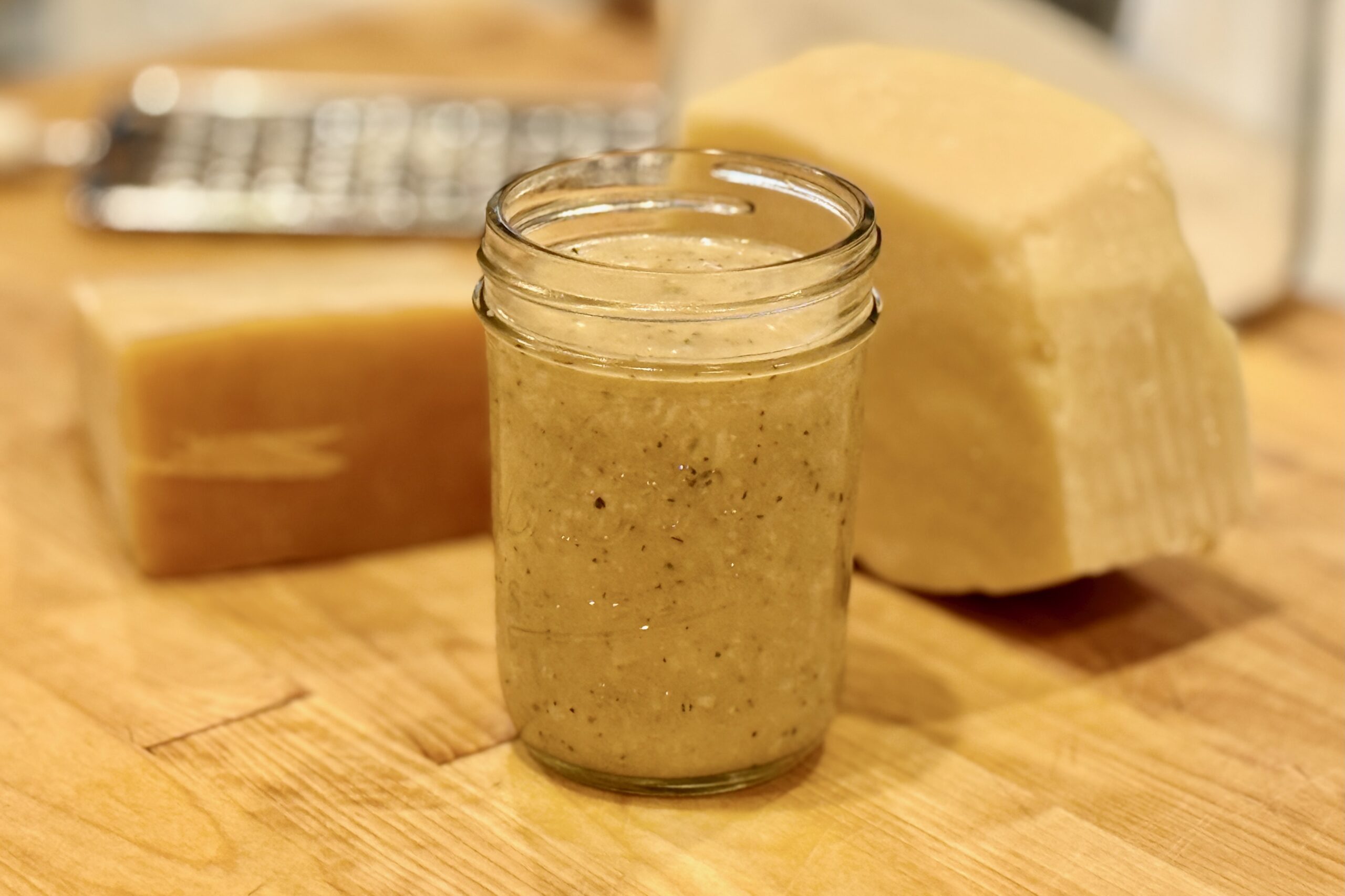
    Italian Salad Dressing

    This Italian-American salad dressing has been a Huggins family favorite for years—the kind you want to keep in the fridge for weeknight salads, Sunday dinners, and drizzling over a big antipasto platter. It balances tangy red wine vinegar, a touch of sweetness, and nutty Romano cheese, with just enough warmth from cayenne to keep things interesting. A bit of xanthan gum helps it stay emulsified and pourable, so it feels as smooth and reliable as your favorite pizzeria house dressing.


    Ingredients

    • ½ cup red wine vinegar
    • ⅓ cup water
    • ¼ cup vegetable oil
    • 2 tbsp light olive oil
    • ¼ cup sugar
    • ½ tbsp table salt
    • ½ tbsp lemon juice
    • ½ tsp garlic powder
    • ¼ tsp xanthan gum
    • ¼ tsp dried parsley flakes
    • ⅛ tsp dried oregano
    • ⅛ tsp cayenne pepper
    • ⅛ tsp MSG (optional)
    • 1½ oz Romano cheese, finely grated

    Directions

    Blend the Base:

    Add the red wine vinegar, water, vegetable oil, light olive oil, sugar, table salt, lemon juice, garlic powder, xanthan gum, dried parsley, dried oregano, cayenne pepper, and MSG (if using) to a blender.

    Blend on low speed for about 10–15 seconds, just until the sugar is dissolved and the mixture looks slightly thickened and evenly emulsified. Avoid over-blending so the dressing does not become too thick.

    Add the Cheese & Chill:

    Transfer the dressing to a bottle or jar. Add the finely grated Romano cheese, secure the lid, and shake until the cheese is evenly dispersed.

    Refrigerate at least 1 hour, preferably overnight, to allow the flavors to meld and the herbs to hydrate. Shake well before serving.


    Notes

    Preparation

    • Blend only until the dressing looks slightly thickened and emulsified; over-blending can make the xanthan gum thicken the dressing more than desired.
    • Adding the Romano cheese after blending keeps the texture pleasantly speckled and helps prevent the dressing from becoming gritty.
    • For best flavor, let the dressing rest in the refrigerator overnight so the herbs fully hydrate and the acidity rounds out.
    • If the dressing thickens in the refrigerator, let it sit at room temperature for a few minutes and shake well before serving.
    • MSG is optional but enhances the savory notes from the Romano cheese and makes the dressing taste a bit more “restaurant-style.”

    Serving Suggestions

    • Use on classic green salads with romaine or iceberg, tomatoes, cucumbers, olives, and red onion.
    • Drizzle over chopped salads, Italian-style subs, or an antipasto platter with cured meats, cheeses, and marinated vegetables.
    • For a simple marinade for chicken or vegetables, reduce the sugar to 2–3 tbsp per batch of dressing, then marinate for 30–60 minutes before cooking. The reduced sugar helps minimize burning on the grill or in a hot pan.

    Variations

    • Herb-Forward Italian Dressing: Increase dried parsley to ½ tsp and dried oregano to ½ tsp. Add ½ tsp dried basil for a more pronounced Italian herb profile. Allow to sit overnight so the herbs fully hydrate.
    • Optional Add-Ins: Stir in 1–2 tsp very finely minced red bell pepper for a classic Italian-American pizzeria vibe, ½–1 tsp Dijon mustard for a touch of tang and extra emulsification, or a small pinch of celery seed for an old-school “house dressing” flavor.
    • Fresh Garlic Option (Same-Day Use): If you plan to use the dressing the same day, you may substitute the garlic powder with ½ tsp very finely minced fresh garlic. For food safety and flavor, use within 24 hours and keep refrigerated.
    • Roasted Garlic Variation: For a sweeter, mellow garlic note, replace the garlic powder with 1 tsp mashed roasted garlic. This variation keeps well for several days in the refrigerator and adds a deeper, rounder garlic flavor.

    Make-Ahead & Storage

    • Store the dressing in an airtight bottle or jar in the refrigerator for up to 1 week when made with garlic powder.
    • If using fresh garlic, use within 24 hours for best flavor and food safety.
    • The cheese and xanthan gum will cause the dressing to thicken slightly over time; let it warm at room temperature for a few minutes and shake well before serving.
    • Always use a clean spoon or pour directly from the bottle to help maximize shelf life.
  • Italian-American Meatball Subs

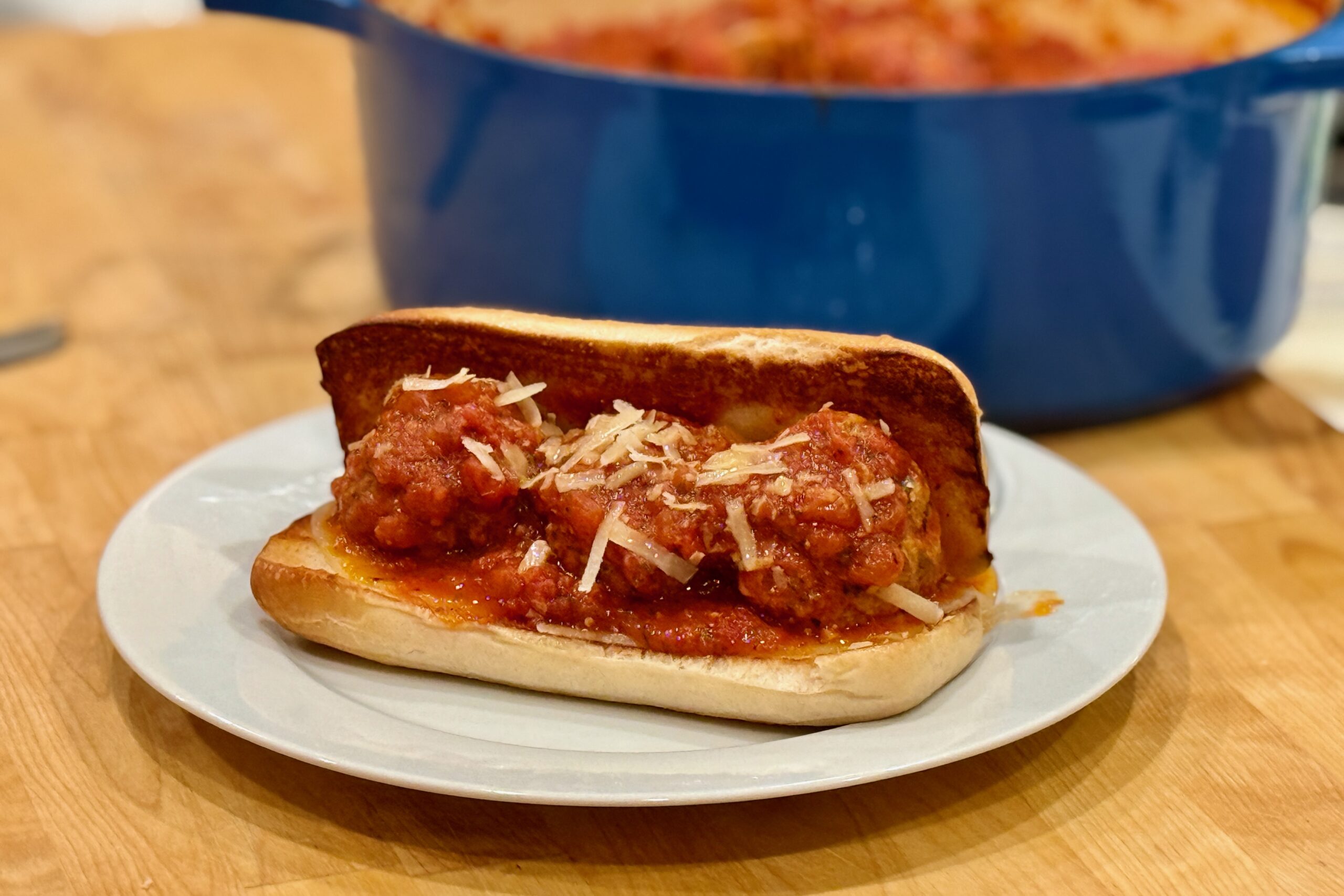
    Italian-American Meatball Subs

    Italian-American meatball subs built the classic way: tender, juicy roasted meatballs finished in a deeply savory red sauce, tucked into toasted rolls, and blanketed with melted provolone — comfort-food perfection with just enough structure to hold together.


    Ingredients

    Meatballs

    • 6 oz bread crumbs
    • 1½ cups buttermilk
    • 1 pkg powdered gelatin (about ½ tbsp), bloomed in ¼ cup cold water
    • 3 eggs, slightly beaten
    • 1+ tbsp garlic, minced
    • ⅓ cup (packed) fresh parsley leaves, finely chopped
    • ½ tbsp table salt
    • ½ tsp black pepper
    • 3 oz Parmesan cheese, grated
    • 6 oz prosciutto, finely chopped
    • 2 lbs ground beef
    • 1 lb ground pork

    Sauce

    • 2 tbsp olive oil
    • 1 cup (8 oz) onion, chopped
    • 5 cloves garlic, minced
    • 1 can (28 oz) crushed tomatoes
    • 1 can (15 oz) tomato sauce
    • 1 can (6 oz) tomato paste
    • 1½ cups chicken broth
    • ½ cup dry white wine (optional)
    • 1 tbsp fish sauce
    • 2 tsp dried basil
    • 2 tsp dried parsley
    • 1 tsp dried oregano
    • ½ tsp ground fennel
    • ¼ tsp dried thyme leaves
    • 2 whole cloves, crushed
    • 2 bay leaves
    • ½ tsp freshly ground black pepper
    • 1 tsp table salt

    For Serving

    • 10–12 Italian sub rolls or hoagie rolls
    • 10–12 oz provolone, sliced (about 1 oz per sub)
    • Optional: garlic oil or olive oil, for brushing rolls
    • Optional: dried oregano, for finishing the rolls
    • Optional: grated Parmesan, for finishing
    • Optional: chopped parsley and/or a light basil chiffonade, for finishing

    Directions

    Prepare the Oven and Pans

    Preheat oven to 450ºF with racks positioned mid-top and mid-bottom.

    Line 2 half sheet pans with foil. Set wire racks in the pans and spray racks with cooking spray.

    Make the Meatballs

    Combine bread crumbs and buttermilk. Soak 10 minutes, then mash into a paste.

    Bloom gelatin in ¼ cup cold water for 8–10 minutes.

    In a mixing bowl, combine the bread crumb mixture and bloomed gelatin. Mix in eggs, garlic, parsley, salt, pepper, Parmesan, and prosciutto until well combined.

    Place ground beef and pork in a large bowl. Pour the egg/bread crumb mixture over the meat and mix gently by hand until thoroughly combined.

    Portion and form into 3-oz meatballs (about 29–30 meatballs). If needed, refrigerate briefly to firm.

    Arrange meatballs on prepared racks and bake about 30 minutes, rotating trays and rack positions after 20 minutes.

    Make the Sauce

    In a Dutch oven over medium heat, heat olive oil until shimmering. Add onion and garlic and sauté until onion is translucent and tender.

    Stir in crushed tomatoes, tomato sauce, tomato paste, chicken broth, wine (optional), and fish sauce. Add remaining herbs, spices, and seasonings.

    Bring to a simmer, then reduce heat to low and simmer covered for 15 minutes.

    Braise the Meatballs in the Sauce

    After removing the cooked meatballs from the oven, lower oven temperature to 300ºF.

    Add meatballs to the sauce. Cover and place in the oven for 1 hour.

    Remove and discard bay leaves before serving.

    Assemble and Bake the Subs

    Heat oven to 425ºF. Split rolls lengthwise, leaving a hinge.

    Optional: brush cut sides lightly with garlic oil or olive oil. Toast rolls cut-side up on a sheet pan for 3–5 minutes, just until lightly crisp. If desired, finish with a very light dusting of dried oregano.

    Place a slice of provolone in each roll and return to the oven for 1–2 minutes to melt.

    Add 2–3 meatballs per sub. For easier bites and cleaner eating, slice meatballs in half before loading.

    Spoon sauce over the meatballs (go light under the meatballs to avoid soggy bread). Top with another small piece of provolone if desired.

    Bake 5–8 minutes, until the cheese is fully melted and bubbling at the edges.


    Notes

    Preparation

    • Fish sauce can be replaced with 4–6 anchovy filets, finely minced.
    • For meatball subs, sauce texture matters. If the sauce is still runny after braising, remove the meatballs and simmer the sauce uncovered until it reaches your desired thickness, then return the meatballs to the pot to rewarm.
    • Before serving, taste the sauce and adjust if needed. A splash (1–2 tsp) of red wine vinegar or a small squeeze of lemon can help brighten and balance the richness.
    • For extra color on the cheese, finish the assembled subs under the broiler for 30–90 seconds, watching closely.

    Serving Suggestions

    • Serve with extra warm sauce on the side for dipping rather than over-saucing the roll.
    • Classic sub-shop add-ons include hot cherry pepper relish, pickled pepperoncini, or sautéed onions and green peppers.
    • Optional finish: garnish with a light basil chiffonade and/or a sprinkle of chopped parsley for extra brightness.

    Variations

    • Parmesan can be swapped for a mixture of Parmesan and Romano cheeses.
    • Swap provolone for mozzarella if you want a milder, stretchier melt.

    Make-Ahead & Storage

    • Meatballs and sauce taste even better the next day and reheat beautifully.
    • To reheat a chilled batch, add ¾ cup water to the pot and reheat covered at 325ºF until hot.
    • For best texture, store rolls separately and assemble subs just before baking.
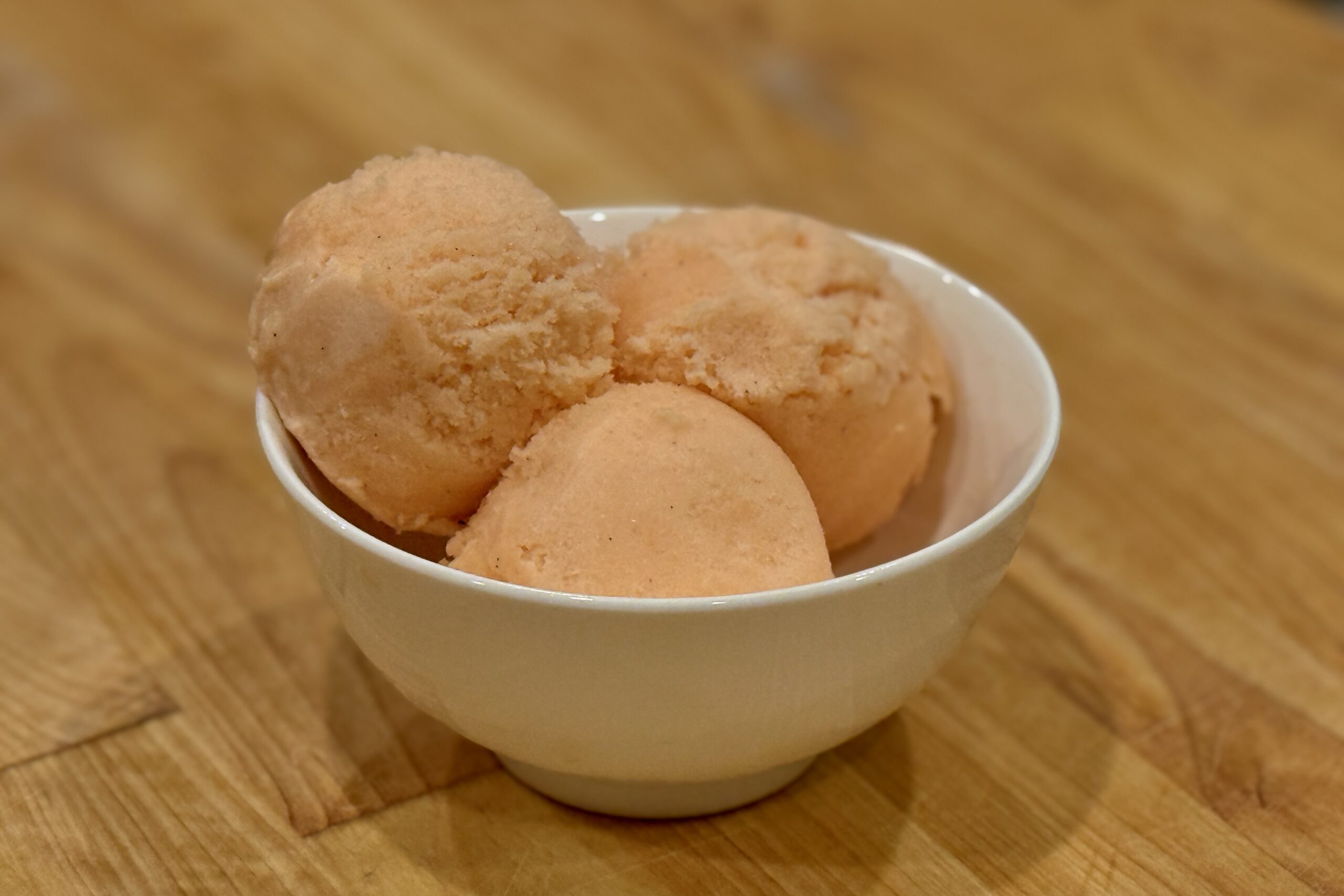
  • Melon Gelato

    Melon Gelato

    This melon gelato highlights the clean, refreshing flavor of cantaloupe with a light hand. Fresh melon purée is balanced with milk rather than heavy cream, a modest sweetness, and a touch of citrus to keep the profile bright and restrained. The base is blended smooth and gently stabilized for a soft, scoopable texture that lets the natural aroma of cantaloupe come through without becoming overpowering.


    Ingredients

      Melon Base:

    • 2½ cups cantaloupe purée (from ~550–600 g cantaloupe; ripe but not heavily perfumed)
    • 1 tbsp fresh lemon juice
    • pinch table salt
    • Dairy Base:

    • 1 cup whole milk
    • 2 tbsp heavy cream
    • 7 tbsp granulated sugar
    • 2 tbsp glucose syrup or light corn syrup
    • Stabilizer & Finish:

    • ⅛ tsp xanthan gum
    • ½ tsp vanilla extract (optional; omit for the cleanest melon profile)

    Directions

    Prepare the Melon

    Dice the cantaloupe and purée until completely smooth. Taste carefully—the flavor should be gently sweet and aromatic, not aggressively perfumed.

    Stir in the lemon juice and salt. Cover and refrigerate until well chilled.

    Make the Dairy Base

    In a small saucepan, combine the milk, cream, granulated sugar, corn syrup, and salt. Heat gently over medium heat until steaming and fully dissolved.

    Remove from heat and let cool 10–15 minutes.

    Combine & Stabilize

    In a blender, combine the cooled dairy base, chilled cantaloupe purée, and vanilla (if using).

    Sprinkle the xanthan gum evenly over the surface and immediately blend on high for 30–45 seconds until fully emulsified and slightly thickened.

    Chill the Base

    Transfer the mixture to a covered container and refrigerate until very cold, at least 4 hours or overnight.

    Churn & Freeze

    Churn the chilled base in an ice cream maker according to the manufacturer’s instructions until thick, smooth, and softly set.

    Transfer to a freezer-safe container, press plastic wrap directly onto the surface, cover, and freeze 1–2 hours to firm before serving.


    Notes

    Preparation

    • Choose cantaloupe that is sweet but not intensely fragrant; overly ripe melon can dominate the finished gelato.
    • Keeping the dairy light helps preserve a clean melon finish while improving texture.

    Serving Suggestions

    • Allow the gelato to soften 5 minutes before scooping for best texture.
    • Serve on its own or with fresh berries for contrast.

    Variations

    • Omit the vanilla for an ultra-clean melon profile.
    • Increase lemon juice to 1½ tbsp for a brighter, more sorbet-like finish.

    Make-Ahead & Storage

    • Best within 3–4 days; melon aroma fades with longer storage.
    • If fully firm, temper briefly at room temperature before serving.
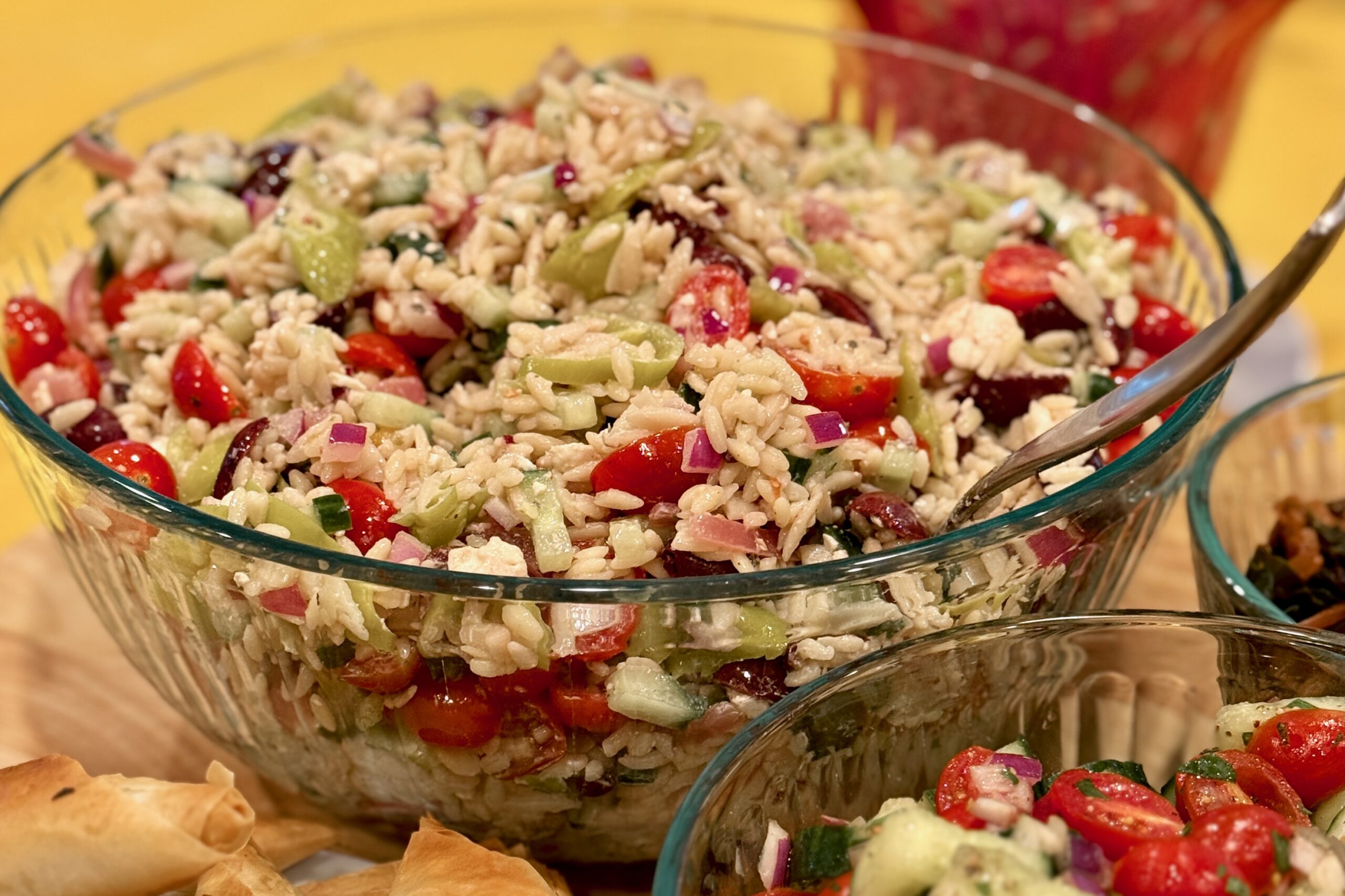
  • Greek Pasta Salad

    Greek Pasta Salad

    This Greek Pasta Salad has become a family staple for warm-weather meals and gatherings—bright, briny, and generously loaded with fresh vegetables, feta, and bold Mediterranean flavors. Built around tender orzo and tossed with our homemade Greek Salad Dressing, it’s the kind of dish that tastes even better after a little time to mingle and is easy to adapt to whatever you have on hand.


    Ingredients

    • 1 lb orzo, cooked in well-salted water and cooled
    • 1 bottle (16 oz) sliced peperoncini, drained
    • 1 bottle (16 oz) sliced Kalamata olives, drained
    • 1–2 lbs cherry tomatoes, halved
    • 1–2 English cucumbers, diced
    • 1 red onion, finely diced
    • 1 recipe Greek Salad Dressing with Feta & Olives
    • 12 oz feta cheese, crumbled

    Directions

    Prepare the Salad Base

    In a large bowl, combine the cooked and cooled orzo, peperoncini, olives, tomatoes, cucumbers, and red onion.

    Add about three-quarters of the feta and gently toss to combine.

    Dress and Rest

    Add Greek Salad Dressing gradually, tossing until lightly coated. Avoid fully dressing the salad all at once.

    Let the salad rest for 10–15 minutes, then toss again and adjust with additional dressing as needed.

    Finish and Serve

    Fold in or sprinkle the remaining feta just before serving. Taste and adjust balance if needed, keeping in mind that the olives, peperoncini, feta, and dressing all contribute salt.


    Notes

    Preparation

    • Cook the orzo in generously salted water and cool it fully before assembling the salad to prevent excess absorption of dressing.
    • For a milder onion flavor, briefly soak the diced red onion in cold water, then drain well before adding.

    Serving Suggestions

    • Serve chilled or at cool room temperature as a side dish for grilled meats, seafood, or pita-based meals.
    • Garnish with a small handful of fresh parsley or oregano if desired.

    Variations

    • Add grilled chicken, shrimp, or chickpeas to turn this into a complete meal.
    • Adjust the ratio of vegetables, olives, and peperoncini freely—this recipe is intentionally flexible.

    Make-Ahead & Storage

    • This salad can be made several hours ahead and improves as the flavors meld.
    • Before serving, toss again and refresh with a small amount of additional dressing if needed.
    • Store leftovers covered in the refrigerator for up to 3 days.

    Shortcut Option: Ken’s Steak House Greek Dressing with Feta Cheese and Black Olives may be used in place of the homemade dressing; start with a smaller amount and adjust to taste.

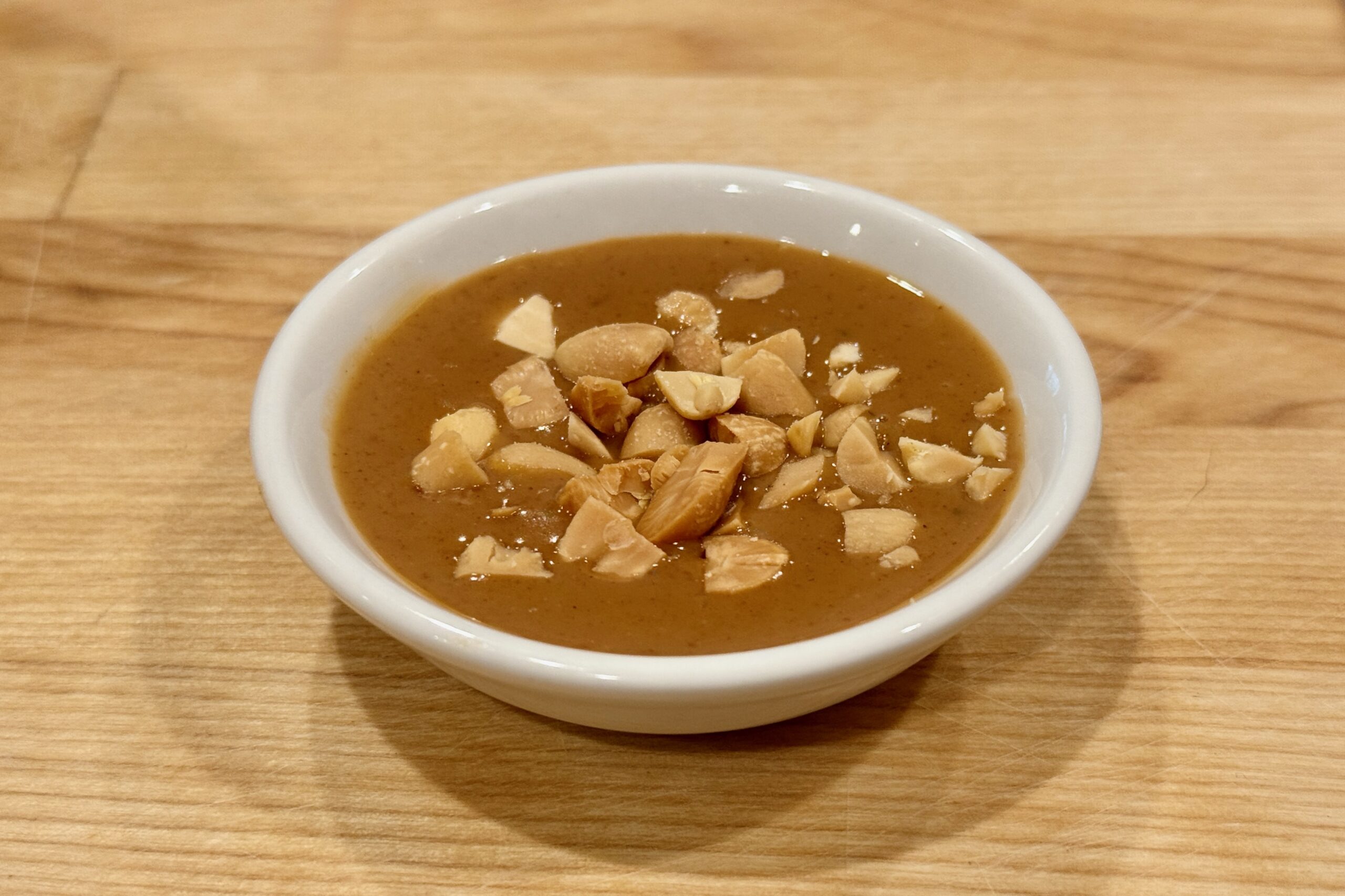
  • Spring Roll Peanut Dipping Sauce

    Spring Roll Peanut Dipping Sauce

    This spring roll peanut dipping sauce is unapologetically peanut-forward — creamy, savory, and deeply satisfying, with the Dutch-Indonesian flavor logic I fell in love with in The Netherlands. Ketjap manis and hoisin bring a mellow sweetness and depth, coconut milk keeps it silky, and a small spoonful of tamarind adds the subtle tang that makes the peanuts pop instead of tasting heavy. It’s the kind of sauce you’ll want to keep in the fridge so fresh spring rolls (and plenty of other things) always have a rich, nutty sidekick.


    Ingredients

    • ½ cup creamy peanut butter
    • ½ tsp (about 1 clove) garlic, minced
    • 1 tbsp lime juice
    • 2 tbsp ketjap manis
    • 2 tbsp hoisin sauce
    • 1 tsp tamarind paste
    • 1 can (14 oz) coconut milk
    • 1 tsp ginger, minced
    • ½ tsp red curry powder
    • ½ tsp sambal oelek
    • 1½ tsp fish sauce
    • 2 tbsp peanuts, crushed (for topping)

    Directions

    Make the Sauce:

    In a saucepan over medium heat, combine peanut butter and minced garlic. Stir continuously for 1–2 minutes, until the mixture is smooth and fragrant.

    Add lime juice, ketjap manis, hoisin sauce, and tamarind paste, stirring to combine.

    Gradually whisk in coconut milk, followed by ginger, red curry powder, sambal oelek, and fish sauce.

    Continue to cook, stirring occasionally, until the sauce is heated through and just begins to simmer. Remove from heat and transfer to a serving bowl. Sprinkle with crushed peanuts just before serving.


    Notes

    Preparation

    • Consistency: This sauce thickens as it cools. If it gets too thick, whisk in warm water 1 tbsp at a time until dip-able.
    • Balance check: Tamarind and lime should read as a gentle tang in the background — not sour. If it tastes too sharp, add 1–2 tbsp coconut milk to soften it.
    • Heat level: As written it’s moderately spicy. For a milder family-friendly version, cut sambal oelek to ¼ tsp (or to taste).

    Serving Suggestions

    • Fresh spring rolls (gỏi cuốn) and summer rolls.
    • As a satay-style dip for grilled chicken, shrimp, or tofu.
    • Drizzled over rice bowls, noodle bowls, or steamed vegetables.

    Variations

    • Extra spicy: Increase sambal oelek to 1 tsp, or add ¼ tsp cayenne.
    • More peanut texture: Stir in an additional 1–2 tbsp crushed peanuts off heat, then top as usual.
    • More savory: Add an extra ½ tsp fish sauce and a squeeze of lime to keep it balanced.

    Make-Ahead & Storage

    • Make ahead: Best made in advance — the flavors settle and improve after a few hours (or overnight) in the fridge.
    • Refrigerate: Cool completely, then store in a sealed container for up to 5 days.
    • Reheat: Warm gently over low heat (or microwave in short bursts), whisking often. Add a splash of water as needed; avoid boiling.
  • Greek Lemon Potatoes

    Greek Lemon Potatoes

    These Greek Lemon Potatoes are built around the classic taverna method: potatoes gently braised in lemony broth until creamy inside, then roasted uncovered so the liquid reduces and the edges turn deeply golden and crisp. Yukon Golds hold their shape while soaking up bright lemon, oregano, and garlic, and a small finish of butter rounds the acidity without dulling it. The result is a side dish that’s bold, savory, and unmistakably Greek—equally at home next to roast chicken, lamb, or a simple grilled protein.


    Ingredients

    • 2½ lbs Yukon Gold potatoes
    • ⅓ cup olive oil
    • ¼ cup fresh lemon juice
    • Zest of 1 lemon
    • 2 tsp dried oregano
    • Pinch dried thyme
    • 1 tbsp garlic, minced (see note for whole garlic option)
    • ½ tbsp table salt, divided
    • ½ tsp black pepper
    • 1¼ cups chicken broth
    • 1–2 tbsp unsalted butter
    • 1–2 tsp fresh parsley, finely chopped

    Directions

    Prepare the Potatoes

    Wash the potatoes and slice into thick wedges (skin on or peeled). Place in a large bowl of cold water and soak for at least 30 minutes to remove excess surface starch. Drain well and pat thoroughly dry.

    Prepare the Seasoned Oil

    In a small saucepan, gently warm the olive oil over low heat. Add the oregano, thyme, and garlic and cook just until fragrant, 30–60 seconds, taking care not to brown the garlic. Remove from heat.

    Stir in the lemon juice, ¾ of the salt, and the black pepper.

    Roast – Phase One (Braise & Steam)

    Preheat the oven to 400°F (200°C).

    Arrange the potatoes in a single layer in a 9×13-inch baking dish. Pour the seasoned oil mixture evenly over the potatoes and toss gently to coat.

    Carefully pour the chicken broth into the sides of the baking dish, avoiding pouring directly over the potatoes. The potatoes should be partially submerged, with their tops exposed.

    Cover loosely with foil and roast for 30 minutes.

    Roast – Phase Two (Reduce & Crisp)

    Remove the foil. Dot the butter between the potatoes, allowing it to melt into the broth as it reduces.

    Continue roasting uncovered until most of the liquid has reduced and the bottoms of the potatoes are deeply golden, about 30–35 minutes. Toss once only after the potatoes release cleanly from the pan.

    Return to the oven and roast an additional 20–30 minutes, until the potatoes are golden, crisp-edged, and fork-tender. Broil briefly if desired for extra color.

    Finish

    Transfer the potatoes to a serving dish and spoon over any remaining pan juices. Sprinkle with lemon zest and parsley. Taste and adjust with the remaining salt if needed. Serve immediately.


    Notes

    Preparation

    • Soaking the potatoes removes excess surface starch, helping the wedges roast with crisper edges instead of turning gummy.
    • Blooming the oregano and garlic in warm oil softens oregano’s bitterness and prevents raw garlic harshness, resulting in a rounder, more integrated flavor.
    • Avoid pouring broth directly over the potatoes. Keeping the tops dry allows them to roast while the bottoms gently braise.
    • Salt is added in stages: most goes in early to season the interior, with a final adjustment once the liquid has reduced and flavors have concentrated.

    Serving Suggestions

    • Serve alongside roast chicken, lamb, or grilled meats.
    • Pairs well with a simple cucumber–tomato salad or tzatziki to balance the richness and lemony depth.
    • Best served hot from the oven, when the edges are crisp and the centers are creamy.

    Variations

    • Whole Garlic Option: Whole garlic cloves (lightly smashed) may be used in place of minced garlic. As they roast, the cloves soften and sweeten, lending a gentler, more rounded garlic flavor without the sharper bite of minced garlic.

    Make-Ahead & Storage

    • These potatoes are best served fresh, but leftovers keep well.
    • Refrigerate in an airtight container for up to 3 days.
    • Reheat uncovered in a hot oven (400°F / 200°C) to restore crisp edges. Avoid microwaving, which softens the exterior.
  • Italian-American Meat Sauce

    Italian-American Meat Sauce

    This Meat Sauce is a classic Italian-American style simmered sauce built for depth and balance: well-browned meat, layered tomato flavor, dried herbs, and just enough savory backbone to make it craveable without tipping into heaviness. Blooming the tomato paste adds richness and sweetness, while a short covered simmer softens acidity before finishing uncovered to concentrate flavor. It’s a sauce that’s excellent fresh, but even better the next day—exactly what a great red sauce should be.


    Ingredients

    • 2 tbsp olive oil
    • 1 cup (8 oz) onion, chopped
    • 5 cloves garlic, minced
    • 1 lb ground chuck beef (or ½ lb ground chuck and ½ lb uncased Italian sausage)
    • 1 can (28 oz) crushed tomatoes
    • 1 can (15 oz) tomato sauce
    • 1 can (6 oz) tomato paste
    • 1 cup chicken broth
    • ¼–½ cup dry white or dry red wine (optional)
    • 1 tbsp fish sauce
    • 2 tsp dried basil
    • 2 tsp dried parsley
    • 1 tsp dried oregano
    • ½ tsp dried ground fennel
    • ¼ tsp dried thyme leaves
    • 2 whole cloves, crushed
    • 2 bay leaves
    • ½ tsp freshly ground black pepper (to taste)
    • 1 tsp table salt

    Directions

    Build the Sauce

    In a Dutch oven over medium heat, heat the olive oil until shimmering. Add the onion and sauté until translucent and tender, about 5–7 minutes. Add the garlic and cook for 1–2 minutes more, just until fragrant.

    Add the ground meat and cook, breaking it up with a spoon, until well browned and any excess moisture has cooked off.

    Stir in the tomato paste and cook for 1–2 minutes, allowing it to bloom and darken slightly to deepen sweetness and round acidity.

    Stir in the crushed tomatoes, tomato sauce, chicken broth, wine (if using), and fish sauce. Add the dried herbs, fennel, thyme, crushed cloves, bay leaves, pepper, and salt. Bring the sauce to a gentle simmer.

    Simmer

    Reduce heat to low and simmer covered for 30 minutes to soften acidity and allow the flavors to meld.

    Uncover and continue simmering for 15 minutes, allowing excess moisture to evaporate and the sauce to thicken. Remove and discard the bay leaves and crushed cloves before serving.

    Finish the Pasta

    Boil pasta as directed until al dente. Drain, reserving some of the pasta cooking water.

    Place enough warmed meat sauce in a serving bowl to lightly coat the pasta. Stir in a small splash of the reserved pasta water to loosen the sauce, then add the pasta and toss gently to coat. Serve topped with additional meat sauce and freshly grated Romano and/or Parmesan cheese.


    Notes

    Preparation

    • Anchovy Option: The fish sauce may be replaced with 4–6 anchovy fillets, finely minced. Add them with the garlic so they dissolve into the oil and meat as the sauce cooks.

    Make-Ahead & Storage

    This sauce improves with time and is best when made a day ahead and reheated.

    • Refrigerate in airtight containers for up to 3 days.
    • Freeze for up to 3 months.
    • Reheat gently on the stovetop over low heat, adding a splash of water or broth as needed to loosen the sauce.
  • Spanakopita Triangles

    Spanakopita Triangles

    These spanakopita triangles are crisp, buttery, and filled with a savory blend of spinach, feta, and fresh herbs. Dill leads the flavor, supported by parsley and a subtle hint of mint, creating a filling that’s bright, aromatic, and unmistakably Mediterranean. Baked until golden and shatteringly crisp, they’re perfect as an appetizer, mezze platter addition, or make-ahead snack.


    Ingredients

    • 1 tbsp olive oil (or butter)
    • ½ onion, finely diced
    • 1 tsp garlic, finely chopped
    • 2 tbsp fresh dill, finely chopped (or 2 tsp dried dill)
    • 1 tbsp fresh parsley, finely chopped (or 1 tsp dried parsley)
    • ¼ tsp dried mint
    • ¾–1 tsp shoarma spice mix (optional)
    • 1 package (12–16 oz) frozen spinach, thawed and very well squeezed dry, or equivalent fresh spinach, cooked down and drained
    • 1 egg, lightly beaten
    • ½ cup crumbled feta
    • salt & freshly ground black pepper, to taste
    • frozen phyllo dough, thawed
    • butter, melted

    Directions

    Prepare the Filling

    Preheat oven to 375ºF. Line two half-sheet pans with parchment. Heat a skillet over medium heat and add olive oil (or butter). Add onion and cook until softened but not browned.

    Stir in garlic, dill, parsley, mint, and shoarma spice mix (if using) and cook just until fragrant.

    Use a clean tea towel to squeeze as much liquid as possible from the spinach; coarsely chop if needed. Add spinach to the skillet and heat through. Remove from heat and let cool slightly, then stir in egg and feta. Season with salt and pepper to taste.

    Assemble the Triangles

    While the phyllo is still wrapped, use a sharp knife to cut it into 3 equal sections (about 3″ wide strips). Work with one section at a time, keeping the remaining dough covered with plastic or a lightly damp towel to prevent drying.

    Place one strip of phyllo on the work surface and brush lightly with melted butter. Top with a second strip and brush again. Place about ½ tbsp of filling near the bottom corner. Fold the corner over the filling to form a triangle, then continue folding in a flag pattern up the strip, maintaining the triangle shape. Transfer to the prepared baking sheet.

    Bake

    Repeat with remaining phyllo and filling, spacing triangles slightly apart. Bake for 18–22 minutes, until crisp and golden brown.


    Notes

    Preparation

    • Spinach must be squeezed very dry to prevent soggy filling and torn phyllo.

    Variations

    • Shoarma Spice Mix: This is a non-traditional addition. Classic Greek spanakopita relies on fresh herbs rather than warm spice blends. Used sparingly here, it adds subtle warmth and depth; omit it for a fully traditional Greek flavor.

    Make-Ahead & Storage

    • Unbaked triangles may be frozen solid and baked from frozen, adding 3–5 minutes to the bake time.
  • Spaghetti & Meatballs

    Spaghetti & Meatballs

    This Spaghetti & Meatballs is built the way a great red-sauce Sunday dinner should be: deeply savory, richly tomatoey, and unapologetically comforting. The meatballs are intentionally tender and juicy—thanks to a buttermilk panade and a little gelatin—then roasted for browning before finishing in the sauce so everything tastes like it belongs together. It’s a big-batch, make-ahead-friendly classic that feels special on a weeknight and even better the next day.


    Ingredients

    Meatballs

    • 6 oz bread crumbs
    • 1½ cups buttermilk
    • 1 pkg (+/- ½ tbsp) powdered gelatin, bloomed in ¼ cup water
    • 3 eggs, slightly beaten
    • 1+ tbsp garlic, minced
    • ⅓ cup (packed) fresh parsley leaves, finely chopped
    • ½ tbsp table salt
    • ½ tsp pepper
    • 3 oz Parmesan cheese, grated
    • 6 oz prosciutto, finely chopped
    • 2 lbs ground beef
    • 1 lb ground pork

    Sauce

    • 2 tbsp olive oil
    • 1 cup (8-oz) onion, chopped
    • 5 cloves garlic, minced
    • 1 can (28-oz) crushed tomatoes
    • 1 can (15-oz) tomato sauce
    • 1 can (6-oz) tomato paste
    • 1½ cups chicken broth
    • ½ cup dry white wine (optional)
    • 1 tbsp fish sauce
    • 2 tsp dried basil
    • 2 tsp dried parsley
    • 1 tsp dried oregano
    • ½ tsp dried ground fennel
    • ¼ tsp dried thyme leaves
    • 2 whole cloves, crushed
    • 2 bay leaves
    • ½ tsp fresh ground pepper
    • 1 tsp table salt
    • 1–2 lbs dry spaghetti

    Directions

    Prepare the Oven and Pans

    Preheat oven to 450ºF with cooking racks mid-top and mid-bottom of oven.

    Place foil and wire racks in 2 half sheet pans; spray racks with cooking spray.

    Make the Meatballs

    Combine bread crumbs and buttermilk and stir to completely combine. Soak bread crumbs to fully hydrate, about 10 minutes, then mash into a paste.

    Bloom gelatin in ¼ cup cold water for 8–10 minutes.

    Place bread crumb mixture into a mixing bowl. Mix in bloomed gelatin, followed by all remaining ingredients except beef and pork; mix well to combine.

    Place meats in a large mixing bowl; pour egg/bread crumb mixture over meat and mix gently by hand until thoroughly combined.

    Portion and form into individual balls, about 3-oz each (29–30 meatballs). If necessary, refrigerate to firm.

    Place meatballs on the greased racks and bake for about 30 minutes, rotating trays and tray locations after 20 minutes.

    Make the Sauce

    In a Dutch oven over medium heat, heat olive oil until shimmering; add onion and garlic and sauté until onion is translucent and tender.

    Stir in crushed tomatoes, tomato sauce, tomato paste, chicken broth, wine (optional), and fish sauce; add remaining herbs, spices, and seasonings.

    Bring to a simmer, then reduce heat to low and simmer covered for 15 minutes.

    Braise the Meatballs in the Sauce

    After removing cooked meatballs from oven, lower oven temperature to 300ºF.

    Add meatballs to sauce; cover with lid and place in oven for 1 hour.

    Remove and discard bay leaves before serving.

    Cook the Pasta and Serve

    Prepare spaghetti as directed; drain, retaining some of the pasta water in a separate bowl.

    Add pasta back to the cooking pot along with a small amount of pasta water and about ¼ cup sauce; toss until pasta is coated.

    Serve pasta topped with meatballs, additional sauce, and grated Parmesan.


    Notes

    Preparation

    • Fish sauce can be replaced by 4–6 anchovy filets, finely minced.

    Serving Suggestions

    • Optional finish: garnish bowls with a light chiffonade of fresh basil and/or a sprinkle of fresh parsley for extra brightness.

    Variations

    • Parmesan can be swapped for a mixture of Parmesan and Romano cheeses.

    Make-Ahead & Storage

    • Can be made a day in advance and reheated.
    • Add ¾ cup water over mixture and reheat covered at 325ºF.
  • Dutch Mayonnaise — Calvé-Style from American Mayo

    Dutch Mayonnaise — Calvé-Style from American Mayo

    Dutch mayonnaise is tangier, slightly sweeter, and noticeably lighter in flavor than most American mayonnaises. Brands like Calvé and Remia are designed to complement fries and snack-bar sauces without overwhelming them—especially when paired with shoarmasaus, kerrieketchup, or poestasaus. This simple adjustment transforms standard American mayonnaise (such as Best Foods or Hellmann’s) into a closer approximation of Dutch-style mayo, making it a better match for patat, broodjes, and classic Dutch snackbar dishes.


    Ingredients

    • 1 cup American mayonnaise (Best Foods / Hellmann’s recommended)
    • 1½–2 tsp white wine vinegar or distilled vinegar
    • 1 tsp sugar
    • 1–2 tbsp neutral oil or water (to lighten texture)
    • pinch table salt (optional, to taste)

    Directions

    Adjust the Mayonnaise

    In a bowl, whisk together the mayonnaise, vinegar, sugar, and 1 tbsp oil or water until smooth. Taste and adjust vinegar or sugar slightly if needed—the mayo should taste brighter and lighter than American-style mayonnaise.

    Set the Flavor

    Cover and refrigerate for at least 30 minutes to allow the flavor to settle. Whisk again before serving.


    Notes

    Preparation

    • Dutch mayonnaise is tangier than American mayo but not sharply acidic.
    • The small amount of sugar is important—it softens the acidity and mimics Dutch formulations.
    • Lightening with oil or water helps reduce the heavy mouthfeel typical of American mayonnaise.
    • Taste the mayo cold, as it will be served.

    Serving Suggestions

    Variations

    • Calvé-Leaning: Increase vinegar slightly and keep the texture light.
    • Remia-Leaning: Use the full 2 tbsp oil or water for a looser, more pourable mayo.
    • Frietsaus-Style: Replace half the mayonnaise with plain yogurt or milk for a lighter Dutch fry sauce.

    Make-Ahead & Storage

    • Refrigerate in an airtight container up to 1 week.
    • Whisk briefly before serving if the texture thickens.
  • Knoflooksaus — Dutch Garlic Sauce

    Knoflooksaus — Dutch Garlic Sauce

    This creamy, garlicky sauce is a staple of Dutch shoarma restaurants and late-night snack bars. Smooth, tangy, and richly flavored with garlic and parsley, it’s perfect for serving with shoarma, fries, grilled meats, or pita bread—bringing a taste of The Netherlands to your kitchen.


    Ingredients

    • 2 cups Dutch mayonnaise (e.g., Remia, Calvé, or Zaanse)
    • ¾ cup Greek yogurt
    • 3 tbsp finely grated fresh garlic (or 4–5 tbsp mild garlic paste)
    • 3 tbsp parsley, very finely minced
    • 2 tsp ketjap manis, plus more to taste
    • ¼ tsp table salt
    • ½ tsp white wine vinegar or lemon juice (optional, for a brighter tang)
    • ⅛ tsp white pepper (optional)

    Directions

    Mellow the Garlic

    In a bowl, combine the Greek yogurt and grated garlic. Let stand 10–15 minutes to lightly mellow the garlic before adding the mayonnaise.

    Mix the Sauce

    Add the Dutch mayonnaise, parsley, ketjap manis, salt, and (if using) the vinegar or lemon juice and white pepper. Stir until smooth and evenly blended.

    Chill and Develop Flavor

    Cover and refrigerate for at least 4 hours, or overnight, to allow the flavors to mellow and the sauce to thicken.


    Notes

    Preparation

    • For a milder garlic flavor, reduce the garlic to 2 tbsp and let the sauce rest overnight.
    • For the most authentic Dutch flavor, use Dutch mayonnaise (such as Calvé or Remia). If using American mayonnaise (e.g., Best Foods or Hellmann’s), adjust it first using our Dutch Mayonnaise — Calvé-Style from American Mayo recipe before making the sauce.
    • Use mild garlic paste if you prefer a smoother, less pungent profile.
    • Parsley should be minced very finely to avoid a chewy texture; adjust to taste.
    • Ketjap manis is meant to round the flavor, not sweeten the sauce—start with 2 tsp and add more only if needed.

    Serving Suggestions

    • Serve with Dutch-style shoarma.
    • Drizzle over fries, grilled meats, or kebabs.
    • Use as a dip for pita bread or fresh vegetables.

    Variations

    • Brighter tang: Add the optional vinegar or lemon juice (or increase slightly) for a lighter, snack-bar-style lift.
    • Smoother profile: Use mild garlic paste and reduce parsley slightly.

    Make-Ahead & Storage

    • Best made at least 4 hours in advance for full flavor development.
    • Refrigerate in an airtight container up to 5 days.
    • Stir before serving; sauce naturally thickens as it chills.
  • Shoarma Kruiden — Dutch-Inspired Shawarma Spice Mix

    Shoarma Kruiden — Dutch-Inspired Shawarma Spice Mix

    This shoarma kruiden blend captures the warm, paprika-forward flavor of Dutch shoarma shops—perfect for keeping on hand so you can quickly season meat for broodje shoarma, wraps, and grilled dishes whenever the craving hits.


    Ingredients

    Paprika Base

    • 2 tbsp paprika
    • 2 tsp garlic powder
    • 2 tsp onion powder

    Warm, Savory Spices

    • 2 tsp ground coriander
    • 1½ tsp ground cumin
    • 1 tsp ground ginger
    • ½ tsp ground cinnamon
    • ½ tsp ground black pepper
    • ¼ tsp ground nutmeg
    • ⅛ tsp ground mace
    • ⅛ tsp ground cloves

    Color & Heat

    • ½ tsp turmeric
    • ¼ tsp cayenne pepper (adjust to taste)

    Optional (Authentic for Some Shops)

    • ⅛ tsp ground fennel

    Directions

    Prepare the Spice Mix

    In a small bowl, combine the paprika, garlic powder, onion powder, coriander, cumin, ginger, cinnamon, black pepper, nutmeg, mace, cloves, turmeric, cayenne, and fennel (if using). Mix thoroughly until the spices are evenly blended.

    Transfer the shoarma kruiden to an airtight jar or spice container. Label and store in a cool, dark cupboard.

    For general use, plan on about 1 tbsp shoarma kruiden per 1 lb (450 g) meat, adjusting to taste.


    Notes

    Preparation

    • This blend is intentionally prepared without salt, since many Dutch shoarma shops season the meat separately. Salt your meat to taste before or during cooking.
    • For the most vibrant flavor, use fresh spices and replace the mix every 6 months or so; older spices are still safe but lose potency over time.
    • If your spices are coarse or slightly clumpy, you can pulse the finished blend a few times in a spice grinder to create a finer, more uniform texture.
    • Because this mix is quite aromatic, store it in a well-sealed container away from light and heat to preserve its Dutch shoarma character.

    Serving Suggestions

    • Use about 1 tbsp shoarma kruiden per 1 lb (450 g) thinly sliced chicken thigh, pork shoulder, turkey, or lamb for classic Dutch-style shoarma.
    • For a dry-style preparation common in shoarma shops, toss the seasoned meat with 1–2 tbsp neutral oil and cook in a hot skillet or on a griddle until browned and lightly crisp at the edges.
    • For a simple wet marinade, combine 1 tbsp shoarma kruiden with 1 tbsp oil or plain yogurt and 1 tsp lemon juice per 1 lb (450 g) meat. Marinate 1–12 hours before cooking.
    • Serve the cooked meat in warm pita or Turkish bread as a broodje shoarma, with shredded lettuce, tomato, onion, and Dutch-style garlic sauce (knoflooksaus).
    • This blend also works well for sheet-pan dinners, grilled skewers, or roasted vegetables for a Dutch shoarma-inspired twist.

    Variations

    • Sweeter Dutch-Snackbar Style: Add 1 tsp sugar to the full batch of shoarma kruiden. The sugar will lightly caramelize on the griddle and echo the slightly sweeter flavor of some late-night shoarma shops.
    • Spicier (Rotterdam-Lean): Increase the cayenne to ½–¾ tsp for a more assertive heat while still keeping the overall Dutch flavor profile.
    • Warmer Dutch-Indo Aroma: For a slightly richer, Amsterdam-leaning warmth, increase the ginger to 1½ tsp and the mace to ¼ tsp, keeping the other spices the same.
    • Salted Convenience Blend: If you prefer an all-in-one seasoning, you can add 1 tbsp table salt to the full batch. When using this salted version, reduce or omit any additional salt added directly to the meat.

    Make-Ahead & Storage

    • Prepare a double or triple batch and store it in a tightly sealed jar so you always have shoarma kruiden ready for quick meals.
    • For best flavor, use within about 6 months; the blend will remain safe beyond that, but the aromatics will gradually lose intensity.
    • If you live in a hot climate, you can store the jar in the refrigerator or freezer to help preserve the essential oils in the spices.
    • Always use a clean, dry measuring spoon when scooping from the jar to prevent moisture from clumping the spices.
  • Gnocchi

    Gnocchi

    Light, pillowy gnocchi made from baked potatoes for the best possible texture. Rooted in northern Italian tradition, this simple dish traveled across the Atlantic with generations of Italian immigrants and found a second home in Argentina. Our family’s version emphasizes gentle handling, minimal flour, and a buttery golden finish—echoing the gnocchi Jane enjoyed while living in the mountains of Argentina, where gracious families gathered around humble tables to share food, laughter, and the quiet joy of good company.


    Ingredients

    • 2 lbs (900 g) russet or Yukon Gold potatoes
    • ¾ tsp table salt
    • 1–1½ cups all-purpose flour (start with 1 cup; add only as needed)
    • 1 large egg, lightly beaten (see variation)

    Directions

    Bake the Potatoes

    Bake whole, unpeeled potatoes at 400°F (200°C) until tender, about 1 hour. Split immediately after baking to allow steam to escape—this prevents sogginess.

    Scoop out the flesh and rice or mash while still warm.

    Prepare the Dough

    Spread the riced potatoes out on a board or tray and allow to cool slightly until just warm to the touch. Sprinkle evenly with salt.

    Add about ¾ of the flour over the potatoes, then drizzle the beaten egg over the top. Using your hands or a bench scraper, gently fold and press the mixture together, adding only enough additional flour to form a soft dough.

    Turn out onto a lightly floured surface and gently knead for 15–20 seconds, just until smooth. The dough should feel soft and slightly tacky, but not sticky—avoid overworking.

    Shape the Gnocchi

    Roll dough into ¾-inch ropes. Cut into ¾–1 inch pieces using a bench scraper for cleaner cuts.

    Shape on a fork or gnocchi board if desired. Lightly dust formed gnocchi with semolina or flour to prevent sticking.

    Cook the Gnocchi

    Bring a large pot of salted water (as for pasta) to a boil. Cook gnocchi in 2–3 batches until they float, then cook 30 seconds longer. Remove gently with a strainer and keep warm.


    Notes

    Preparation

    • Russets make the lightest gnocchi; Yukon Golds give a slightly richer, denser texture.
    • Flour should equal roughly 20–30% of potato weight. Less flour yields lighter, more delicate gnocchi.
    • Chill dough for 10–15 minutes before shaping if it feels too soft.
    • Salt cooking water generously—about 1–2 tbsp per gallon.
    • Test one gnocchi before cooking the full batch. If it falls apart, gently knead in 1–2 tbsp more flour.
    • For best texture, avoid kneading more than 15–20 seconds.
    • Remember: once gnocchi float, cook for an additional 30 seconds.

    Serving Suggestions

    • Toss with Browned Butter Sage Sauce and finish with parmesan and a squeeze of lemon.
    • Sauté boiled gnocchi in butter until golden, then toss with a light cream sauce, browned mushrooms, spinach, and spicy Italian sausage.
    • Serve with Pomodoro, Pesto alla Genovese, or Gorgonzola Cream Sauce.

    Variations

    • Use 1 egg for pillowy, restaurant-style gnocchi. Add a second egg for a firmer, rustic dough.
    • Add a pinch of nutmeg and 1–2 tbsp ricotta for a richer dough (add flour as needed).
    • For a classic eggless northern Italian version, omit the egg and increase flour slightly to reach a soft, workable dough.

    Make-Ahead & Storage

    • Shaped gnocchi may be refrigerated on a lightly floured tray for up to 4 hours before cooking.
    • To freeze, arrange uncooked gnocchi in a single layer until solid, then transfer to a freezer bag. Cook directly from frozen—do not thaw.
    • Cooked gnocchi can be refrigerated for 2–3 days and pan-seared in butter just before serving.