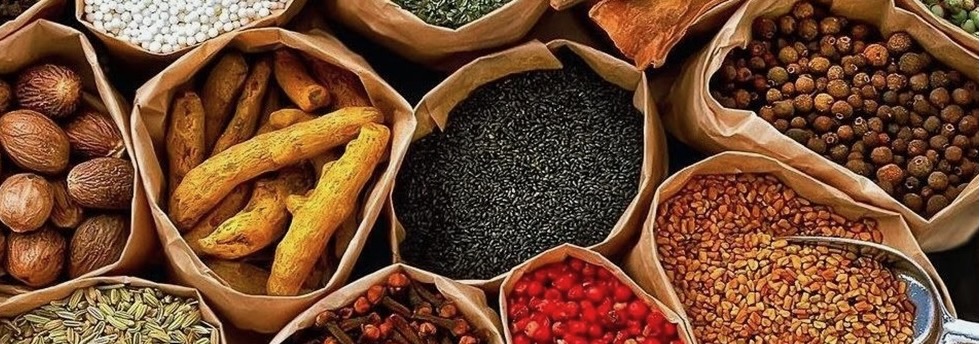
Bags of Spices

Favorite Recipes

  • Fresh Lasagna Pasta Sheets

    Fresh Lasagna Pasta Sheets

    These fresh lasagna sheets are designed for structure, not just tenderness—giving you distinct, satisfying layers that hold their shape through baking. A blend of all-purpose flour and semolina adds just enough bite, while a slightly firmer dough ensures the pasta doesn’t disappear into the sauce. Rolled a bit thicker than traditional recommendations, this version creates a hearty, rustic lasagna with beautifully defined layers in every slice—perfect for dishes like our favorite recipe for Grandma’s Lasagna.


    Ingredients

    • 365 g all-purpose flour
    • 90 g semolina flour
    • ½ tsp table salt
    • 4–5 large eggs (target 240–250 g without shells)
    • 1 tbsp water, if needed

    Directions

    Mix the Dough:

    Add the all-purpose flour, semolina flour, and salt to the bowl of a stand mixer fitted with the paddle attachment. Mix on speed 2 just to combine.

    Add 4 eggs, one at a time, mixing briefly between additions. The mixture should resemble coarse crumbs. If the dough does not begin to come together, add part or all of the remaining egg as needed. Add up to 1 tbsp water only if necessary to bring the dough together into a firm, slightly dry mass.

    Knead:

    Switch to the dough hook and knead on speed 2 for 2–3 minutes, until the dough becomes smooth and cohesive. It should feel firm but pliable, not sticky.

    Rest:

    Wrap the dough tightly in plastic wrap and let rest at room temperature for at least 30 minutes. For best results, refrigerate up to overnight, then allow to come to room temperature before rolling.

    Roll the Sheets:

    Divide the dough into 4 portions. Working with one piece at a time, flatten slightly and run through a pasta roller, folding and passing through the widest setting several times until smooth.

    Gradually reduce the thickness setting until reaching setting #3 or #4 . Cut sheets to fit your baking dish as needed.

    Prepare for Use:

    Lay sheets on a lightly floured surface and allow to rest for 10–20 minutes before using. This slight drying improves texture and handling.

    Cook (Optional):

    These sheets can be used directly in lasagna without boiling, especially when using a well-hydrated sauce.

    If parboiling is preferred, cook in well-salted boiling water for 2–3 minutes, then transfer to cold water and drain before layering.


    Notes

    Preparation

    • For best consistency, weigh the eggs. Aim for 240–250 g total egg weight.
    • The dough should feel slightly firmer than typical pasta dough—this helps it hold structure during baking.
    • Lightly flour sheets as needed to prevent sticking, but avoid excess flour which can dry out the layers.

    Serving Suggestions

    • Use with a rich meat sauce and béchamel for classic lasagna.
    • Pairs well with vegetable-forward lasagnas, including spinach and mushroom or roasted vegetable variations.

    Variations

    • For a more traditional, delicate lasagna, roll sheets to setting #4 or #5.
    • For a richer dough, replace 1 whole egg with 2 egg yolks.
    • For a softer texture, reduce semolina slightly and increase all-purpose flour.

    Make-Ahead & Storage

    • Dough can be refrigerated for up to 24 hours before rolling.
    • Rolled sheets can be lightly floured, layered between parchment, and refrigerated for up to 1 day.
    • For longer storage, freeze sheets flat and transfer to a sealed bag once solid. Cook from frozen or thaw before use.
  • Chicken Gyro

    Chicken Gyro

    On a family trip to Corfu, we stopped at a small waterside restaurant and ordered one of the best gyros we had ever tasted. The chicken was deeply seasoned, moist, and tender, with bright lemon, garlic, and oregano and none of the heavy, meatloaf-like texture so common in the United States. This version is our home tribute to that meal—grilled whole for juiciness, sliced and crisped in a hot skillet for authentic gyro-style edges, then wrapped in warm pita with fresh salad and cool tzatziki.


    Ingredients

    Chicken

    • 4 lb boneless, skinless chicken thighs

    Marinade

    • 2 tbsp garlic, minced
    • ⅓ cup lemon juice
    • ⅓ cup plain Greek yogurt
    • 2 tbsp white wine vinegar
    • 2 tbsp extra virgin olive oil
    • 3 tbsp dried oregano, rubbed between your palms before adding
    • 1 tsp paprika
    • ½ tsp ground cumin
    • ½ tsp ground coriander
    • 1 tbsp table salt
    • 1 tsp freshly ground black pepper

    Tzatziki

    • 1 English cucumber, diced or grated
    • 1½ cups plain Greek yogurt
    • 2 tbsp lemon juice
    • 2 tbsp extra virgin olive oil
    • 1 tsp garlic, minced
    • ½ tsp table salt
    • Freshly ground black pepper, to taste

    Salad

    • 2 English cucumbers, diced
    • 4 to 5 tomatoes, seeded and diced
    • ½ large red onion, thinly sliced
    • ¼ cup fresh parsley, chopped
    • 1 to 2 tbsp lemon juice, or to taste
    • 1 to 2 tbsp extra virgin olive oil, or to taste
    • ½ tsp dried oregano, crushed
    • Salt and freshly ground black pepper, to taste

    For Serving

    • Flatbread or pita
    • Olive oil, for warming the pita
    • Lemon wedges, for finishing
    • A small pinch of dried oregano for each gyro, optional but recommended

    Directions

    Marinate the Chicken

    In a large bowl or resealable container, combine the garlic, lemon juice, Greek yogurt, white wine vinegar, olive oil, oregano, paprika, cumin, coriander, salt, and black pepper. Rub the oregano between your palms before adding to help release its aroma.

    Add the chicken thighs and turn well to coat. Cover and refrigerate for 3 to 24 hours. Overnight is ideal.

    Make the Tzatziki

    In a medium bowl, stir together the cucumber, Greek yogurt, lemon juice, olive oil, garlic, salt, and black pepper.

    Refrigerate for at least 30 minutes before serving to let the flavors meld.

    Prepare the Salad

    In a separate bowl, combine the cucumbers, tomatoes, red onion, and parsley.

    Toss with the lemon juice, olive oil, crushed oregano, salt, and black pepper to taste. Refrigerate until ready to serve.

    Grill the Chicken

    Preheat a grill to medium-high heat. Remove the chicken from the marinade and grill the thighs whole until cooked through and nicely marked, about 5 to 7 minutes per side depending on thickness.

    Cook until the thickest part of the chicken reaches an internal temperature of 165°F (74°C).

    Transfer to a cutting board and let rest for 5 to 10 minutes.

    Slice and Crisp

    Slice the rested chicken into thin strips. Heat a large skillet over high heat and add a small amount of oil.

    Add the sliced chicken and cook briefly, tossing for 60 to 90 seconds, until the edges crisp and brown in spots.

    Finish with a small squeeze of lemon juice.

    Warm the Pita and Assemble

    Lightly brush the pita or flatbread with olive oil and warm on a hot skillet, grill, or griddle for 20 to 30 seconds per side, just until soft, hot, and lightly toasted.

    To serve, place chicken on the warm pita, spoon over tzatziki, add the salad, and finish with a small pinch of dried oregano if desired.


    Notes

    Preparation

    • For the best flavor, marinate the chicken overnight.
    • Chicken breast can be substituted for thighs. Grill to an internal temperature of 150°F (65.6°C) and hold at or above that temperature for about 3 minutes to achieve pasteurization. Use an instant-read thermometer to verify the temperature in the thickest part of the meat.
    • If using regular cucumbers for the tzatziki, dice or grate them, salt lightly, let rest 10 to 15 minutes, then squeeze dry in a kitchen towel before mixing into the yogurt.
    • English cucumbers usually contain less moisture, so that draining step is often unnecessary, though a light squeeze is still helpful if they seem especially juicy.
    • You may use diced cucumber, grated cucumber, or a combination in the tzatziki. A 50/50 mix of diced and grated cucumber gives an especially nice texture—creamy, but still fresh and crisp.

    Serving Suggestions

    • Serve with Greek Lemon Rice, fries, roasted potatoes, or a simple Greek-style salad for a full meal.
    • For a traditional Greek gyro-shop feel, wrap the finished gyro loosely in parchment or foil before serving.
    • Extra lemon wedges on the side are excellent for brightening each bite.

    Variations

    • For a traditional herb note in the tzatziki, add 1 to 2 tsp finely chopped fresh dill or mint.
    • Flatbread works well here, but warm pita gives the most classic gyro-style presentation.
    • A few fries tucked into the gyro are a very Greek addition and make it even closer to the style commonly served in Greece.

    Make-Ahead & Storage

    • The chicken can be marinated up to 24 hours ahead.
    • The tzatziki can be made 1 day ahead and kept refrigerated.
    • The salad is best made the day of serving, though the vegetables can be chopped ahead and dressed shortly before assembling.
    • Leftover cooked chicken keeps well in the refrigerator for up to 3 days. Reheat in a hot skillet to restore some of the crisp edges before serving.
  • Greek Lemon Rice

    Greek Lemon Rice

    Bright, savory, and finished with plenty of lemon, this Greek-style rice is an easy way to round out a chicken gyro dinner. Onion, garlic, broth, dill, and parsley build a simple but flavorful base, while a touch of butter adds richness and a tiny pinch of turmeric gives the rice a warm golden color without changing the flavor.


    Ingredients

    • 1 cup long-grain white rice, rinsed
    • 1 tbsp orzo pasta (optional)
    • 1¼ cups chicken broth
    • 2 tbsp olive oil
    • ¼ cup finely diced onion
    • 2 cloves garlic, minced
    • 1½ tsp fresh dill, chopped (or ½ tsp dried)
    • 1½ tsp fresh parsley, finely chopped (or ½ tsp dried)
    • ¼ tsp black pepper
    • ⅛ tsp turmeric
    • ¼ tsp onion powder
    • 1 small bay leaf
    • 1 tsp chicken bouillon (optional but recommended, preferably Better Than Bouillon)
    • 2 tbsp fresh lemon juice
    • 1 tsp lemon zest (optional)
    • 1 tbsp butter
    • table salt, to taste

    Directions

    Sauté the Aromatics

    Heat a medium skillet over medium heat. Add the olive oil and cook the onion for about 5–7 minutes, stirring occasionally, until softened and lightly golden.

    Add the garlic and cook for 30 seconds, just until fragrant.

    Toast the Rice

    Add the rinsed rice and optional orzo to the skillet. Cook for 1 to 2 minutes, stirring frequently, until lightly toasted and coated in the oil.

    Transfer the mixture to the Instant Pot insert.

    Add the Liquid and Seasonings

    Stir in the chicken broth, dill, parsley, black pepper, turmeric, onion powder, bay leaf, and chicken bouillon, if using. Do not add the lemon juice yet.

    Pressure Cook

    Lock the lid and cook on High Pressure for 4 minutes.

    Let the pressure release naturally for 10 minutes, then carefully vent any remaining pressure.

    Finish the Rice

    Remove the bay leaf. Fluff the rice gently with a fork. Stir in the lemon juice, lemon zest if using, and butter.

    Taste and season with table salt as needed. Serve warm, with an extra squeeze of lemon if desired.


    Notes

    Preparation

    • Rinsing the rice helps the finished texture stay fluffy and prevents excess stickiness.
    • The turmeric is used only for color and should remain subtle so the rice keeps its classic Greek flavor profile.
    • Cooking the onion until lightly golden adds depth and sweetness that helps balance the bright lemon flavor.
    • The sauté step can also be done directly in the Instant Pot using the Sauté function if preferred.

    Serving Suggestions

    • Serve alongside chicken gyros, souvlaki, grilled chicken, or lamb.
    • Finish with extra lemon wedges and a spoonful of tzatziki for a full taverna-style plate.

    Variations

    • The optional orzo adds texture and gives the rice a more traditional Greek pilaf character.
    • Fresh herbs provide the brightest flavor, but dried dill and parsley work very well for a convenient pantry version.
    • A small pinch of dried oregano can be added if you want the rice to echo the flavors in gyro-seasoned meat.

    Make-Ahead & Storage

    This rice reheats well and can be made ahead for meal prep or larger dinners.

    • Refrigerate leftovers in an airtight container for up to 4 days.
    • Reheat gently with a small splash of broth or water to loosen the rice.
    • Add a fresh squeeze of lemon after reheating to brighten the flavor.
  • Jane’s Top Secret Carrot Cake

    Jane’s Top Secret Carrot Cake

    This carrot cake has been a longtime family favorite—simple, reliable, and always a hit. Built on a classic combination of carrots, pineapple, and warm spice, it bakes up incredibly moist with a tender crumb and just the right amount of richness. Finished with a smooth, sweet cream cheese frosting, it’s the kind of cake that shows up at gatherings and quietly becomes everyone’s favorite slice.


    Ingredients

      Cake

    • 4 eggs, beaten
    • 1 cup vegetable oil
    • 1 (8 oz) can crushed pineapple, undrained
    • 2 cups sugar
    • 3 cups carrots, shredded
    • 2 cups flour
    • 1 tsp table salt
    • 2 tsp baking soda
    • 2 tsp cinnamon
    • ¼ tsp nutmeg (optional)
    • ¼ tsp ground ginger (optional)
    • 1 cup pecans, chopped and toasted
    • Icing

    • 1 cube (½ cup) butter, softened
    • 1 pkg cream cheese, softened
    • 4 cups confectioners’ sugar
    • 1 tsp vanilla
    • ¼ tsp table salt

    Directions

    Prepare the Pan

    Grease and flour a bundt pan.

    Mix the Batter

    In a large bowl, whisk together the eggs, sugar, and vegetable oil until smooth and well combined.

    Stir in the crushed pineapple (with juice) and shredded carrots.

    In a separate bowl, combine the flour, salt, baking soda, cinnamon, and optional nutmeg and ground ginger (if using).

    Fold the dry ingredients into the wet mixture until just combined.

    Fold in the toasted pecans.

    Bake

    Pour the batter into the prepared bundt pan and bake at 350°F for about 1 hour, or until a toothpick inserted into the center comes out clean.

    Let the cake cool in the pan for 15–20 minutes, then turn out onto a rack to cool completely.

    Alternative Pan Option

    Pour the batter into a greased stoneware bar pan, then bake at 350°F for 25–30 minutes, or until a toothpick comes out clean.

    Make the Icing

    In a mixing bowl, beat the butter and cream cheese together until smooth and creamy.

    Gradually add the confectioners’ sugar, mixing until fully incorporated and smooth.

    Add the vanilla and salt, and mix until well combined.

    Finish

    Spread the icing over the completely cooled cake.


    Notes

    Preparation

    • To toast nuts, spread on a baking sheet and bake at 350°F for 6–8 minutes, until fragrant.
    • Shred carrots finely for the best texture and even distribution.
    • Walnuts can be used in place of pecans if preferred.
    • High Altitude (~4,750 ft / 1400 m) – Increase the flour to 2 tbsp plus 2 tsp extra, reduce the baking soda to 1¾ tsp, and increase the baking time slightly as needed. Sea Level – Use 2 cups flour and the full 2 tsp baking soda as written.

    Serving Suggestions

    • Serve at room temperature for the best flavor and texture.
    • Great for gatherings, holidays, and family-style desserts.

    Variations

    • Add optional nutmeg and ginger for a slightly deeper, warmer spice profile.

    Make-Ahead & Storage

    • Store covered in the refrigerator for up to 4 days.
    • Bring to room temperature before serving for best texture.
    • Unfrosted cake can be wrapped and frozen for up to 2 months.
  • Crispy Gnocchi Chaat with Spiced Chickpeas

    Crispy Gnocchi Chaat with Spiced Chickpeas

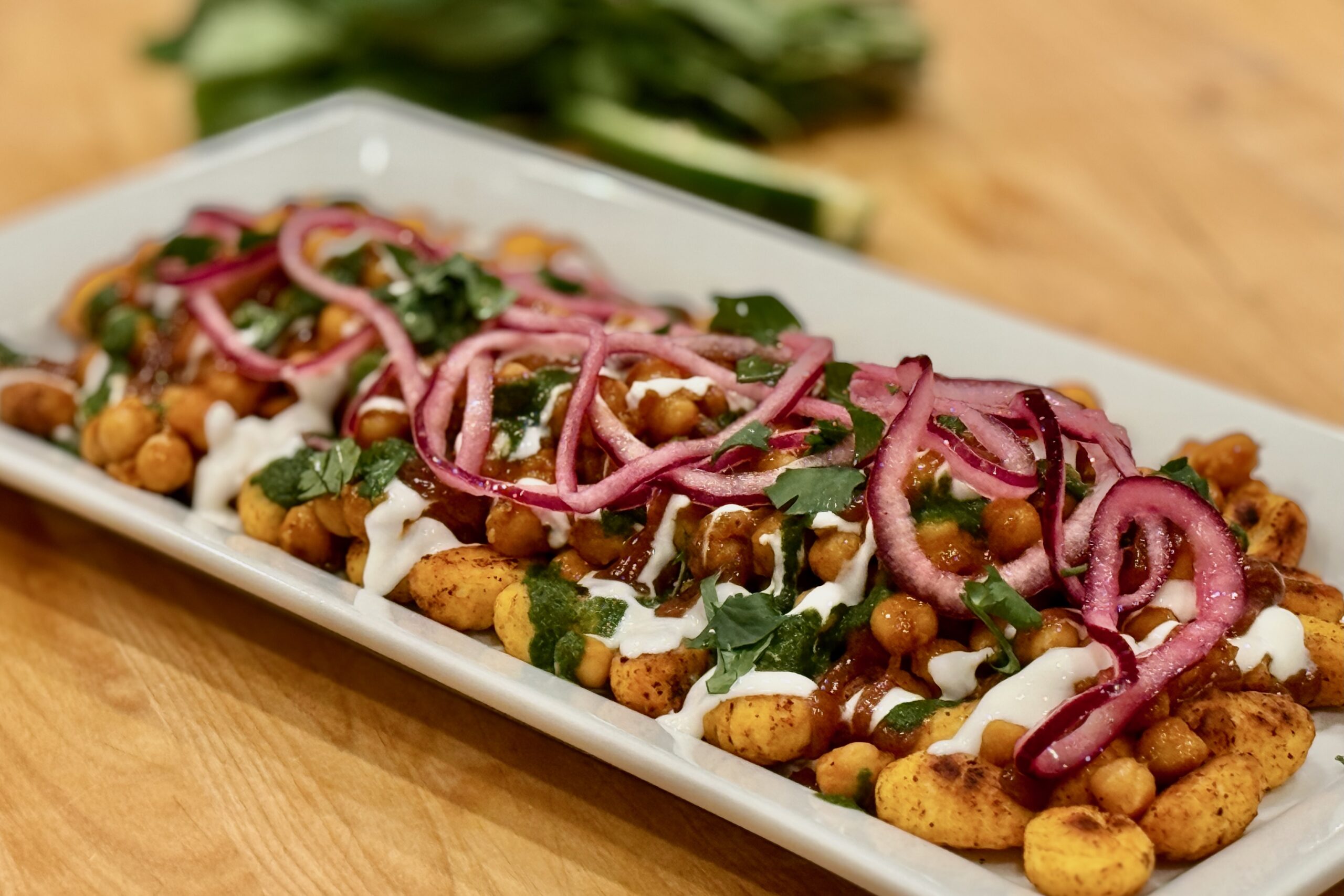
    This crispy gnocchi chaat delivers everything we love about samosa chaat—warm spiced chickpeas, cool salted yogurt, bright green chutney, and that sweet-tangy tamarind hit—without the folding and frying. Roasted gnocchi turns golden and blistered, while quick-pickled red onions and a glossy date–tamarind reduction give the platter a modern, restaurant-worthy edge. Mildly spicy for the family, with simple ways to dial up the heat at the table.


    Ingredients

    Quick-Pickled Red Onions

    • 1 medium red onion, very thinly sliced
    • 3 tbsp rice vinegar (or white vinegar)
    • 2 tbsp warm water
    • 1 tsp sugar
    • ¾ tsp table salt

    Date–Tamarind Reduction

    • ¾ cup tamarind chutney (store-bought, or our family’s homemade Classic Tamarind Chutney)
    • 2–3 Medjool dates, pitted and finely chopped
    • 2 tbsp water
    • pinch roasted cumin powder (optional; see Notes)
    • tiny pinch table salt

    Yogurt

    • 1½ cups plain whole milk yogurt
    • ¼ tsp table salt
    • ½ tsp sugar
    • 1–2 tbsp milk, to thin slightly

    Mint-Cilantro Chutney

    • 1½ cups cilantro leaves and tender stems, packed
    • ¼ cup mint leaves, lightly packed (leaves only; remove thick stems)
    • ½ small green chili (serrano or jalapeño), seeded (mild)
    • 1 tbsp fresh lime juice
    • ½ tsp sugar
    • ½ tsp table salt, plus more to taste
    • 1–3 tbsp water, as needed to blend smooth

    Crispy Gnocchi

    • 2½ lb shelf-stable potato gnocchi
    • 3 tbsp neutral oil
    • 1 tsp table salt
    • 1 tsp Kashmiri red chili powder (mild; mostly for color)
    • ¾ tsp chaat masala
    • ⅛ tsp garam masala
    • optional: ⅛ tsp sugar

    Spiced Chickpeas

    • 2 tbsp neutral oil
    • 1 tsp cumin seeds
    • ½ small yellow onion, very finely minced
    • 1 tsp grated ginger
    • 1 tsp grated garlic
    • 1 tbsp tomato paste
    • 1 tsp ground coriander
    • ½ tsp ground cumin
    • ¼ tsp turmeric
    • ½ tsp Kashmiri red chili powder
    • ¼ tsp garam masala
    • ¼ tsp kasoori methi, crushed finely between palms
    • ½ tsp table salt, plus more to taste
    • 2 cans (15.5 oz/439 g each) chickpeas, drained
    • 2–3 tbsp water
    • 1–2 tsp fresh lime juice

    To Finish

    • ½–1 cup nylon sev (thin sev is best)
    • extra sev, on the side
    • 2–3 tbsp chopped cilantro
    • chaat masala, for a light dusting
    • optional: pomegranate arils

    Directions

    Quick-Pickle the Onions

    In a bowl, whisk together vinegar, warm water, sugar, and table salt until dissolved.

    Add sliced red onion and toss. Let sit 30–60 minutes, then drain well before plating.

    Make the Date–Tamarind Reduction

    In a small saucepan, combine tamarind chutney, chopped dates, water, optional roasted cumin powder, and a tiny pinch of table salt.

    Simmer gently 5–8 minutes, stirring often, until glossy and slightly thickened.

    Blend smooth (strain for an ultra-refined sauce if desired). Cool completely; it will thicken slightly as it rests.

    Prepare the Yogurt and Chutney

    For the yogurt: whisk yogurt, table salt, sugar, and milk until smooth and lightly drizzleable. Taste and adjust salt if needed.

    For the mint-cilantro chutney: blend cilantro, mint leaves (no thick stems), seeded green chili, lime juice, sugar, table salt, and a splash of water until smooth and bright. Add water only as needed to blend; taste and adjust salt/lime/sugar for balance.

    Crisp the Gnocchi

    Preheat oven to 450°F (conventional bake, no convection). Place the rack on the bottom or lower-middle position.

    Toss gnocchi with neutral oil, table salt, Kashmiri chili powder, chaat masala, garam masala, and optional sugar until evenly coated.

    Spread on a bare aluminum sheet pan in a single layer (do not crowd). Roast 25–35 minutes, flipping once around 15–18 minutes, until deep golden, lightly blistered, and crisp on the edges.

    Keep warm while you finish the chickpeas.

    Cook the Spiced Chickpeas

    Heat neutral oil in a skillet over medium heat. Add cumin seeds and cook until they crackle and smell fragrant (about 20–30 seconds).

    Add minced onion and cook until softened but not browned, 3–5 minutes. Add ginger and garlic and cook 30 seconds.

    Stir in tomato paste and cook 1 minute. Add coriander, ground cumin, turmeric, and Kashmiri chili powder and cook 20–30 seconds to bloom.

    Add chickpeas, table salt, and 2–3 tbsp water. Simmer 5–6 minutes, stirring, until the chickpeas are glossy and lightly coated (not wet).

    Turn off heat and stir in garam masala, crushed kasoori methi, and lime juice. Taste and adjust salt and lime for a gently warm, savory, slightly tangy finish.

    Assemble the Platter

    Use a large shallow platter (white looks especially sharp). Scatter hot crispy gnocchi evenly across the platter.

    Spoon chickpeas lightly over the gnocchi (don’t blanket the whole surface—leave golden gnocchi exposed).

    Drizzle yogurt in ribbons, then drizzle date–tamarind reduction sparingly in thin lines. Add small streaks or spoonfuls of mint-cilantro chutney.

    Scatter drained pickled onions. Sprinkle with nylon sev, chopped cilantro, and a light dusting of chaat masala. Add optional pomegranate arils.

    Serve immediately while the gnocchi is still crisp, with extra sev on the side for topping.


    Notes

    Preparation

    • Crispness is the make-or-break detail. Roast the gnocchi on a bare aluminum sheet pan, use conventional bake (no convection), and flip once to encourage browning before the centers dry out.
    • The slight reduction in chaat masala paired with a touch of garam masala rounds the flavor and softens any overly sulfury notes from black salt.
    • No roasted cumin powder? Not a problem. If you want it, toast 1 tsp cumin seeds in a dry skillet until fragrant and a shade darker, then grind and use a pinch in the date–tamarind reduction.

    Serving Suggestions

    • Serve as a shareable appetizer platter. Keep extra yogurt, chutney, and sev on the side so guests can customize and you can refresh crunch as needed.

    Variations

    Boost heat (without changing the family-friendly base):

    • Drizzle chili oil over one quadrant of the platter, or over individual servings.
    • Sprinkle individual serving with a pinch of cayenne before serving.
    • Make a “hot” green chutney bowl by blending in an extra green chili; serve on the side.
    • Scatter thinly sliced fresh green chili over one edge of the platter.

    For a more traditional chaat feel, add a handful of boiled diced potatoes or a spoonful of chana masala-style gravy to the chickpea layer.

    If mint is especially strong, reduce it further (to 2 tbsp lightly packed) and rely on cilantro + lime for the bright green profile.

    Make-Ahead & Storage

    Make ahead (best):

    • Quick-pickled onions: 2–3 days refrigerated (drain before serving).
    • Date–tamarind reduction: 5–7 days refrigerated; loosen with 1–2 tsp warm water if it thickens too much.
    • Mint-cilantro chutney: 2–3 days refrigerated; press plastic wrap directly onto the surface to slow browning.
    • Chickpeas: 3–4 days refrigerated; reheat gently with a splash of water.
    • Yogurt sauce: 2–3 days refrigerated; whisk before using.
    • Day-of only: roast the gnocchi and assemble right before serving for maximum crispness. If needed, you can re-crisp gnocchi on a sheet pan at 450°F for 5–7 minutes.
  • Honey Mustard Barbecue Sauce

    Honey Mustard Barbecue Sauce

    A good barbecue spread needs a sauce that brings everything together—and this honey mustard barbecue sauce fills that role perfectly. Creamy, tangy, lightly sweet, and just smoky enough to complement pulled pork, it’s the kind of sauce that works for everyone at the table. Built on a balanced blend of mustard, honey, and barbecue sauce, it’s just as good on sandwiches as it is for dipping fries or chicken. It’s especially popular with kids, but don’t be surprised if the adults keep coming back for it too.


    Ingredients

    • ¾ cup mayonnaise
    • ⅓ cup barbecue sauce
    • ⅓ cup yellow mustard
    • 1½ tbsp Dijon mustard
    • 2 tsp seasoned rice vinegar
    • 1 tbsp lemon juice
    • ⅓ cup honey
    • ¼ tsp turmeric
    • pinch black pepper
    • ¼ tsp garlic powder
    • ¼ tsp paprika
    • ⅛ tsp smoked paprika
    • ½ tsp table salt
    • ¼ tsp MSG (optional)
    • ⅛ tsp xanthan gum

    Directions

    Mix the Sauce

    In a medium bowl, whisk together the mayonnaise, barbecue sauce, yellow mustard, Dijon mustard, rice vinegar, lemon juice, honey, turmeric, black pepper, garlic powder, paprika, smoked paprika, salt, and MSG, if using, until smooth and fully combined.

    Sprinkle the xanthan gum evenly over the surface, then immediately blend with an immersion blender or whisk very vigorously until fully incorporated and slightly thickened.

    Cover and refrigerate for at least 1–2 hours before serving so the flavors can meld and the sauce can thicken slightly.


    Notes

    Preparation

    • For the best flavor, use a slightly smoky, not overly sweet barbecue sauce. A homemade version, such as our Dr Pepper Barbecue Sauce, works especially well.
    • Fresh Dijon mustard makes a noticeable difference. Older Dijon can taste flat and reduce the overall mustard presence in the finished sauce.
    • Garlic powder is ideal for make-ahead preparation, as it blends smoothly and develops a mellow, balanced flavor over time.
    • Xanthan gum gives the sauce a thicker, bottle-style consistency and helps it cling better to meat, sandwiches, and fries.
    • The sauce becomes more cohesive after resting. The mustard sharpness softens slightly as it chills, creating a smoother overall flavor.

    Serving Suggestions

    • Excellent with smoked pulled pork, especially on sandwiches with slaw.
    • Also works well as a mild dipping sauce for chicken, fries, or roasted potatoes.
    • This is a great kid-friendly sauce for a barbecue spread because it is creamy, mild, and slightly sweet without any heat.

    Variations

    • Tangy Version: Increase the seasoned rice vinegar to 1 tbsp for a brighter, sharper sauce.
    • Smoky Version: Replace the paprika with ¼–½ tsp smoked paprika and, if desired, add 2–3 drops hickory liquid smoke to taste.
    • Sharper / More Mustard-Forward Version: Increase the Dijon slightly, up to about 2 tbsp total, for a more pronounced mustard flavor.
    • Dipping Sauce Version: Increase the mayonnaise to 1 cup for a thicker, creamier, milder sauce.

    Make-Ahead & Storage

    • Best after at least a few hours of rest; even better the next day.
    • Store refrigerated in an airtight container for up to 5–7 days.
    • Stir before serving if any slight separation develops.
  • Blue Cheese Steak Sauce

    Blue Cheese Steak Sauce

    This steakhouse-style blue cheese sauce is built for ribeyes: deeply savory mushrooms, sweet sautéed onions, and a creamy gorgonzola finish that clings to the meat without overpowering it. A small splash of Shaoxing wine or dry sherry lifts the whole pan, and a touch of sambal adds mild background warmth (not heat). Spoon it over grilled steaks and finish with freshly ground black pepper for that final, restaurant-quality edge.


    Ingredients

    • ¼ cup butter
    • 1½ lb mushrooms, sliced
    • 1 large yellow onion, sliced pole-to-pole
    • 2 tbsp Shaoxing cooking wine or dry sherry
    • ½ tsp sambal oelek
    • 2 cups Alfredo sauce (homemade or store-bought)
    • 6 oz gorgonzola cheese, crumbled
    • Freshly ground black pepper, for finishing

    Directions

    Brown the Mushrooms

    Melt the butter in a large sauté pan over medium-high heat. Add the mushrooms and cook, stirring occasionally, until they release their liquid, the liquid evaporates, and the mushrooms begin to brown.

    Add the onion and continue cooking until softened and lightly caramelized.

    Deglaze and Build the Sauce

    Add the Shaoxing wine or sherry, stirring to loosen any browned bits. Cook until the liquid is mostly evaporated, then stir in the sambal oelek.

    Reduce heat to medium. Add the Alfredo sauce and warm gently.

    Stir in the gorgonzola and heat until mostly melted and integrated, leaving some small pieces intact for texture. Taste and add salt only if needed.

    Serve

    Spoon the sauce over grilled or barbecued ribeye steaks and finish with freshly ground black pepper just before serving.


    Notes

    Preparation

    • Different Alfredo sauces and blue cheeses vary in saltiness—taste at the end and add salt only if needed.
    • For the best steakhouse flavor, let the mushrooms cook until their liquid evaporates and they actually brown before adding the onions.

    Serving Suggestions

    • Yield: Enough for 6–8 steaks (as a generous topping).
    • Finish with freshly ground black pepper on the plated, sauced steak for the brightest aroma and cleanest bite.

    Variations

    • The ½ tsp sambal oelek is meant as mild background warmth. For very mild, reduce to ¼ tsp.
    • A small pinch of cayenne pepper may be substituted for the sambal oelek.

    Make-Ahead & Storage

    • Refrigerate in an airtight container for up to 4 days.
    • Reheat gently over low heat, stirring often. If the sauce thickens too much, loosen with a splash of milk or cream.
    • Avoid boiling after the cheese is added to help prevent separation.
  • Chicken Parmesan

    Chicken Parmesan

    A great Chicken Parmesan starts with the sauce—and this version pushes that balance a little further. It keeps the bright, clean tomato character that belongs in Chicken Parm, but builds in more savory depth with extra bloomed tomato paste, a broader basil profile, a slightly larger shallot base, and a restrained touch of heat. Paired with thin, well-seasoned chicken, a crisp Parmesan-forward crust, and just enough cheese to bring it all together, this version leans into both texture and flavor—clean, balanced, and deeply satisfying.


    Ingredients

      Sauce

    • 2 tbsp (30 ml) extra-virgin olive oil
    • 3 tbsp (45 g) finely grated shallot, or about 1½ small shallots, very finely minced
    • 2 cloves garlic (about 6 g), minced
    • 1 tbsp (15 g) tomato paste
    • ¼ tsp dried oregano
    • ¼ tsp dried basil
    • ¼ tsp red pepper flakes
    • 1 (28 oz / 794 g) can crushed tomatoes
    • ¾ tsp (4–5 g) table salt, plus more to taste
    • ¼ tsp MSG (recommended), or 1–2 tsp finely grated Parmesan rind
    • ¼ tsp sugar (optional), only if needed for balance
    • 2 tbsp (8 g) finely chopped fresh basil
    • 1 tbsp (15 ml) good-quality extra-virgin olive oil, for finishing
    • Chicken

    • 4 large boneless, skinless chicken breasts (about 3 lb / 1.36 kg total), halved horizontally
    • 1½ tsp (8–9 g) table salt
    • ½ tsp black pepper
    • ½ tsp garlic powder
    • Breading

    • 2 large eggs
    • 2 tbsp (16 g) all-purpose flour
    • 1½ cups (150 g) finely grated Parmesan cheese
    • 1 cup (60 g) panko bread crumbs
    • 1 tsp garlic powder
    • ½ tsp dried oregano
    • ½ tsp black pepper
    • For Frying & Assembly

    • ⅔ cup (160 ml) olive oil or olive oil + neutral oil blend
    • 8 oz (225 g) whole-milk mozzarella, shredded
    • 4 oz (115 g) provolone, shredded
    • Fresh basil, torn
    • Extra freshly grated Parmesan, for finishing

    Directions

    Prepare the Sauce

    Heat 2 tbsp (30 ml) olive oil in a medium saucepan over medium heat. Add the shallot with a small pinch of salt and cook, stirring occasionally, until fully softened and lightly sweet, about 4–6 minutes.

    Stir in the tomato paste and cook, stirring constantly, until darkened slightly and concentrated, about 2 minutes.

    Add the garlic, oregano, dried basil, and red pepper flakes and cook for about 30 seconds, just until fragrant.

    Add the crushed tomatoes, ¾ tsp salt, and MSG or Parmesan rind. Bring to a simmer, then reduce heat to medium-low and cook for 25–30 minutes, stirring occasionally, until slightly thickened. As it simmers, lightly crush the tomatoes with a spoon or potato masher for a more natural texture. If needed, simmer a few minutes longer until the sauce lightly coats a spoon.

    Remove from heat and stir in the fresh basil and 1 tbsp good-quality olive oil. Taste and adjust with additional salt as needed. Add the sugar only if needed to balance acidity. Keep warm.

    Prepare the Chicken

    Place the chicken between sheets of plastic wrap and pound to an even ½-inch (1.25 cm) thickness.

    Season both sides with salt, pepper, and garlic powder. Let rest at room temperature for 15–20 minutes.

    Set Up the Breading Station

    In one shallow dish, whisk together the eggs and flour until smooth.

    In a second dish, combine the Parmesan, panko, garlic powder, oregano, and pepper.

    Bread the Chicken

    Pat the chicken dry. Dip each cutlet into the egg mixture, allowing excess to drip off, then coat thoroughly in the Parmesan-panko mixture, pressing gently so the coating adheres.

    Fry the Chicken

    Heat the oil in a large skillet over medium-high heat until shimmering.

    Working in batches, add the chicken and cook without moving until deep golden brown, about 1½–2 minutes per side.

    Transfer to a wire rack set over a sheet pan, or to a paper towel–lined plate if serving immediately.

    Broil and Assemble

    Preheat the broiler and position the rack about 4 inches (10 cm) from the heat.

    Place the chicken on a baking sheet. Spoon a light layer of sauce over each cutlet, then top with the mozzarella and provolone.

    Broil until the cheese is melted and lightly browned, 2–4 minutes.

    Finish and Serve

    Transfer to a serving platter. Spoon a small amount of additional sauce around or lightly over the chicken, then finish with fresh basil, a light dusting of freshly grated Parmesan, and a drizzle of olive oil.


    Notes

    Preparation

    • For a slightly fresher texture, you can substitute whole peeled tomatoes and crush them by hand instead of using crushed tomatoes.
    • Blooming the full tablespoon of tomato paste gives the sauce more depth without pushing it into a heavy, long-cooked style.
    • Adding the red pepper flakes with the garlic keeps the heat clean and bright without risking bitterness.
    • Hold back some of the final salt adjustment until after the sauce has reduced and the MSG or Parmesan rind has been added, since both affect perceived savoriness.
    • Do not oversauce—too much sauce will soften the crust.
    • Letting the chicken rest after seasoning improves flavor and texture.

    Serving Suggestions

    • Serve with spaghetti, garlic bread, or a simple green salad.
    • Also works well sliced over pasta or tucked into a toasted sandwich roll.

    Variations

    • Substitute fontina for provolone for a softer, more melt-focused variation.
    • Use finely grated Parmesan rind instead of MSG for a more traditional source of added savory depth.
    • Use mozzarella only for a simpler, more classic approach.

    Make-Ahead & Storage

    • The sauce can be made up to 3 days ahead and refrigerated.
    • The fried chicken can be held briefly on a wire rack in a 200–225°F (95–110°C) oven before broiling.
    • Leftovers reheat best in a 375°F (190°C) oven to help preserve the crust.
  • Fresh Spaghetti Pasta

    Fresh Spaghetti Pasta

    This fresh spaghetti dough builds on the country-style noodles we’ve been using, but with a slightly firmer structure and cleaner bite—perfect for pairing with sauces like Chicken Parmesan. By blending all-purpose flour, bread flour, and semolina, the pasta rolls smoothly, cuts cleanly, and cooks up with that ideal balance of tenderness and elasticity. Mixing the dough in a KitchenAid stand mixer keeps the process simple and consistent, while a short finish by hand lets you dial in the texture before rolling.


    Ingredients

    • 1½ cups (180 g) all-purpose flour
    • ½ cup (60 g) bread flour
    • ½ cup (75 g) semolina flour
    • ½ tsp (3 g) table salt
    • 2 large eggs (about 100 g)
    • 2 large egg yolks (about 36 g)
    • 1 tbsp (15 ml) olive oil
    • 1–2 tbsp (15–30 ml) water, as needed

    Directions

    Mix the Dough

    Add the all-purpose flour, bread flour, semolina flour, and salt to the bowl of a KitchenAid stand mixer. Fit the mixer with the paddle attachment and mix briefly on low speed just to combine.

    Add the eggs, egg yolks, and olive oil. Mix on low speed until the mixture becomes evenly crumbly.

    With the mixer still on low, add water 1 tsp to 1 tbsp at a time, just until the dough begins to come together. It should still look fairly firm and somewhat shaggy at this stage.

    Knead

    Switch to the dough hook and knead on speed 2 for 5–7 minutes, until the dough becomes smooth, firm, and elastic.

    Transfer the dough to a clean work surface and knead by hand for 1–2 minutes to finish bringing it together and check the texture.

    The dough should feel firm and slightly resistant, but still pliable. It should not be sticky.

    Rest the Dough

    Wrap the dough tightly in plastic wrap and let it rest at room temperature for at least 30 minutes.

    Roll the Dough

    Divide the dough into 3–4 pieces. Flatten one piece into a rectangle and pass it through a pasta roller, starting on the widest setting.

    Fold and re-roll as needed, then gradually reduce the thickness setting until you reach a medium-thin sheet, typically setting #4 or #5.

    Cut the Spaghetti

    Pass the sheet through a spaghetti cutter attachment. Lightly dust the strands with flour and lay them on a floured surface or hang them to dry for 15–30 minutes.

    Cook

    Bring a large pot of salted water to a boil. Cook the pasta for 2–3 minutes, until tender but still firm (al dente). Drain and serve immediately.


    Notes

    Preparation

    • This dough is intentionally firmer than country-style noodles to create a cleaner bite and better structure for spaghetti.
    • The addition of bread flour increases elasticity and chew, while semolina adds texture and helps the pasta hold sauce.
    • You may need the full 2 tbsp (30 ml) water due to the higher protein content. Add it gradually, stopping as soon as the dough just comes together.
    • If the mixer strains or struggles, stop and finish kneading by hand.

    Serving Suggestions

    • Perfect with Chicken Parmesan, marinara, or light olive oil-based sauces.
    • Also works well with garlic butter, pesto, or simple tomato sauces.

    Variations

    • For a more traditional, tender pasta, replace the bread flour with additional all-purpose flour.
    • Increase semolina slightly for a firmer, more rustic texture.
    • Skip the olive oil for a more traditional Italian-style dough.

    Make-Ahead & Storage

    • Fresh pasta can be refrigerated for up to 24 hours before cooking.
    • To freeze, portion into loose nests, dust lightly with flour, and freeze on a sheet pan until solid before transferring to a container or freezer bag. Cook directly from frozen.
    • Freshly cut pasta can also be dried thoroughly and stored at room temperature for several days if fully dried.
  • Italian Salad Dressing

    Italian Salad Dressing

    This Italian-American salad dressing has been a Huggins family favorite for years—the kind you want to keep in the fridge for weeknight salads, Sunday dinners, and drizzling over a big antipasto platter. It balances tangy red wine vinegar, a touch of sweetness, and nutty Romano cheese, with just enough warmth from cayenne to keep things interesting. A bit of xanthan gum helps it stay emulsified and pourable, so it feels as smooth and reliable as your favorite pizzeria house dressing.


    Ingredients

    • ½ cup red wine vinegar
    • ⅓ cup water
    • ¼ cup vegetable oil
    • 2 tbsp light olive oil
    • ¼ cup sugar
    • ½ tbsp table salt
    • ½ tbsp lemon juice
    • ½ tsp garlic powder
    • ¼ tsp xanthan gum
    • ¼ tsp dried parsley flakes
    • ⅛ tsp dried oregano
    • ⅛ tsp cayenne pepper
    • ⅛ tsp MSG (optional)
    • 1½ oz Romano cheese, finely grated

    Directions

    Blend the Base:

    Add the red wine vinegar, water, vegetable oil, light olive oil, sugar, table salt, lemon juice, garlic powder, xanthan gum, dried parsley, dried oregano, cayenne pepper, and MSG (if using) to a blender.

    Blend on low speed for about 10–15 seconds, just until the sugar is dissolved and the mixture looks slightly thickened and evenly emulsified. Avoid over-blending so the dressing does not become too thick.

    Add the Cheese & Chill:

    Transfer the dressing to a bottle or jar. Add the finely grated Romano cheese, secure the lid, and shake until the cheese is evenly dispersed.

    Refrigerate at least 1 hour, preferably overnight, to allow the flavors to meld and the herbs to hydrate. Shake well before serving.


    Notes

    Preparation

    • Blend only until the dressing looks slightly thickened and emulsified; over-blending can make the xanthan gum thicken the dressing more than desired.
    • Adding the Romano cheese after blending keeps the texture pleasantly speckled and helps prevent the dressing from becoming gritty.
    • For best flavor, let the dressing rest in the refrigerator overnight so the herbs fully hydrate and the acidity rounds out.
    • If the dressing thickens in the refrigerator, let it sit at room temperature for a few minutes and shake well before serving.
    • MSG is optional but enhances the savory notes from the Romano cheese and makes the dressing taste a bit more “restaurant-style.”

    Serving Suggestions

    • Use on classic green salads with romaine or iceberg, tomatoes, cucumbers, olives, and red onion.
    • Drizzle over chopped salads, Italian-style subs, or an antipasto platter with cured meats, cheeses, and marinated vegetables.
    • For a simple marinade for chicken or vegetables, reduce the sugar to 2–3 tbsp per batch of dressing, then marinate for 30–60 minutes before cooking. The reduced sugar helps minimize burning on the grill or in a hot pan.

    Variations

    • Herb-Forward Italian Dressing: Increase dried parsley to ½ tsp and dried oregano to ½ tsp. Add ½ tsp dried basil for a more pronounced Italian herb profile. Allow to sit overnight so the herbs fully hydrate.
    • Optional Add-Ins: Stir in 1–2 tsp very finely minced red bell pepper for a classic Italian-American pizzeria vibe, ½–1 tsp Dijon mustard for a touch of tang and extra emulsification, or a small pinch of celery seed for an old-school “house dressing” flavor.
    • Fresh Garlic Option (Same-Day Use): If you plan to use the dressing the same day, you may substitute the garlic powder with ½ tsp very finely minced fresh garlic. For food safety and flavor, use within 24 hours and keep refrigerated.
    • Roasted Garlic Variation: For a sweeter, mellow garlic note, replace the garlic powder with 1 tsp mashed roasted garlic. This variation keeps well for several days in the refrigerator and adds a deeper, rounder garlic flavor.

    Make-Ahead & Storage

    • Store the dressing in an airtight bottle or jar in the refrigerator for up to 1 week when made with garlic powder.
    • If using fresh garlic, use within 24 hours for best flavor and food safety.
    • The cheese and xanthan gum will cause the dressing to thicken slightly over time; let it warm at room temperature for a few minutes and shake well before serving.
    • Always use a clean spoon or pour directly from the bottle to help maximize shelf life.