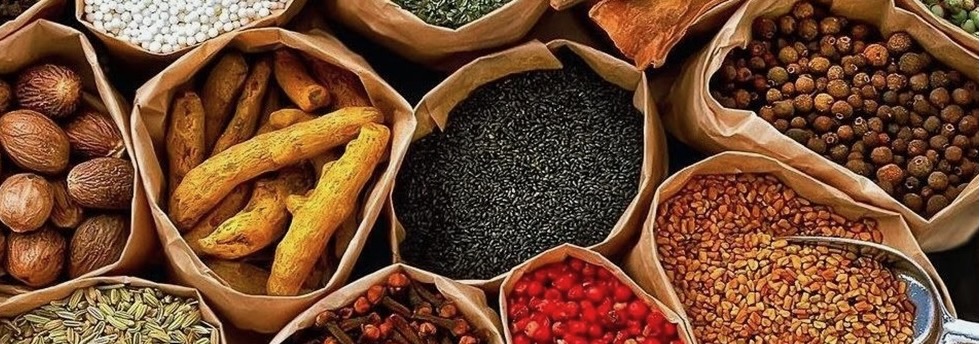
Bags of Spices

Favorite Recipes

  • Bahmi Noodles

    Bahmi Noodles

    These bahmi-style noodles are built for a firmer, springier bite than standard fresh pasta—substantial enough to stand up to stir-frying, sauce, and high heat without turning soft. A blend of bread flour and semolina gives the noodles strength and chew, while a small amount of baking soda shifts the texture toward the distinctive resilience found in many Asian noodle styles. Rolled to a moderate thickness and cut with a fettuccine cutter, this version is designed as a test batch for bahmi goreng and other noodle dishes where you want the noodles to stay pleasantly firm after cooking.


    Ingredients

    • 275 g bread flour
    • 175 g semolina flour
    • ½ tsp table salt
    • ¾ tsp baking soda
    • 1 large egg
    • 155–175 g water

    Directions

    Mix the Dry Ingredients

    Add the bread flour, semolina flour, and salt to the bowl of a stand mixer fitted with the paddle attachment. Mix on speed 2 just to combine.

    Combine the Liquid Ingredients

    In a measuring cup, whisk the baking soda into the water until dissolved, then whisk in the egg.

    Make the Dough

    With the mixer running on speed 2, slowly add the liquid mixture to the flour. Mix until the dough forms coarse crumbs and just begins to come together.

    Add only as much liquid as needed to form a firm, slightly dry dough. It should hold together when pressed, but should not feel soft or sticky.

    Knead

    Switch to the dough hook and knead on speed 2 for 3–4 minutes, until the dough becomes smooth and cohesive. Wrap tightly in plastic wrap.

    Rest

    Let the dough rest at room temperature for 45 minutes to allow the flour to fully hydrate and the gluten to relax.

    Roll the Dough

    Divide the dough into 4 portions. Working with one piece at a time, flatten slightly and pass it through the pasta roller on the widest setting. Fold and repeat several times until the sheet is smooth and even.

    Gradually reduce the thickness until reaching setting #4.

    Cut the Noodles

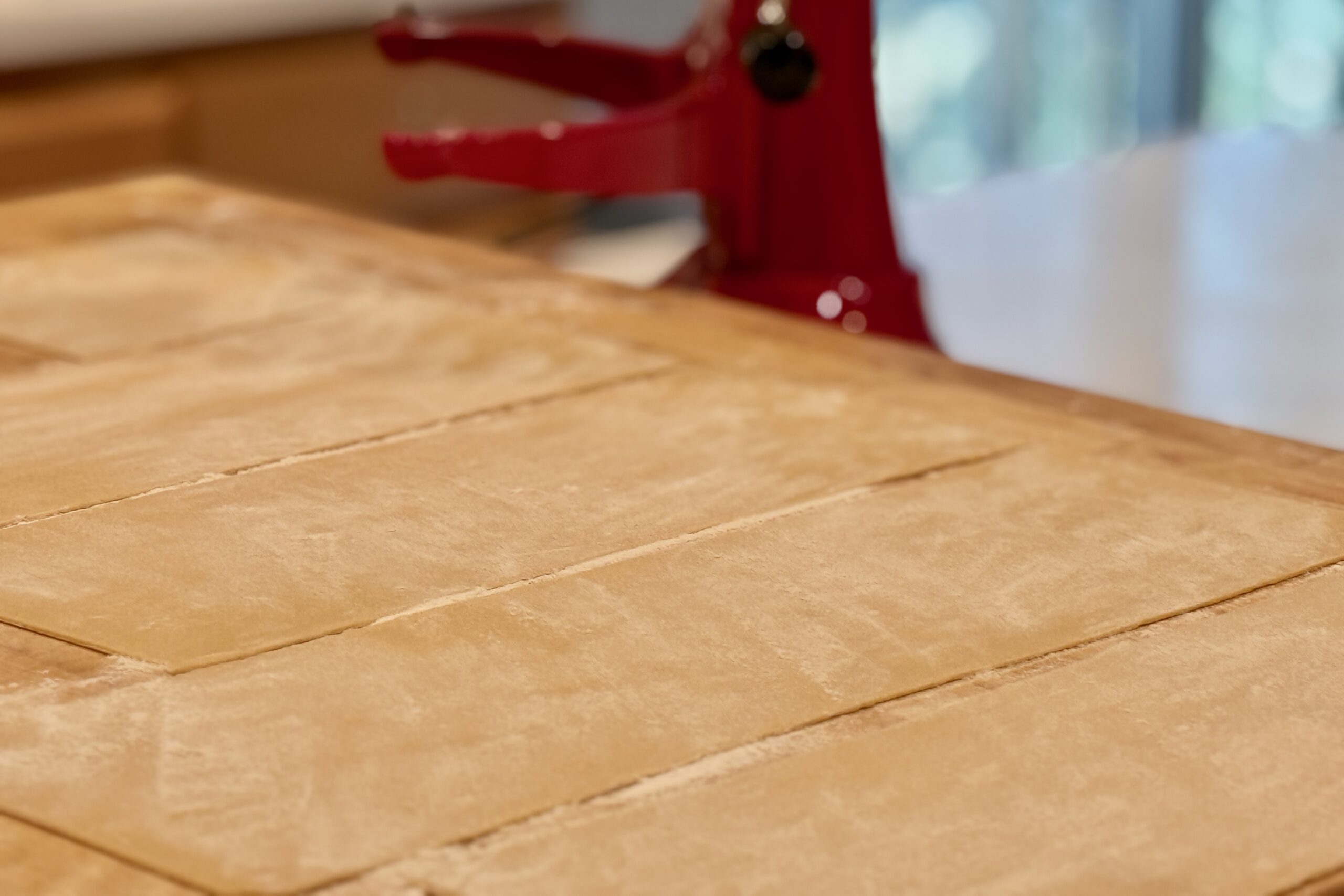
    Run the sheets through a fettuccine cutter. Lightly dust the noodles with flour and arrange in loose nests or straight lengths to prevent sticking.

    Dry

    Let the noodles air dry for 30–60 minutes before cooking. This helps the noodles develop a firmer exterior and improves their texture in stir-fried dishes.

    Cook

    Bring a large pot of well-salted water to a boil. Cook the noodles for 2–4 minutes, depending on how long they were dried and how firm you want them.

    Drain well and use immediately in bahmi goreng or another stir-fried noodle dish.


    Notes

    Preparation

    • This dough should feel firmer than standard fresh pasta dough. Resist the urge to add too much water.
    • Dissolving the baking soda in the water first helps distribute it evenly throughout the dough.
    • If the dough seems too dry to come together, add water 1 tsp at a time until it just holds.
    • Because this dough contains baking soda, it will have a slightly different aroma and feel than traditional Italian-style pasta dough.

    Serving Suggestions

    • Use for bahmi goreng, mie goreng, or other stir-fried noodle dishes where a firmer noodle is desirable.
    • These noodles are especially good with savory sauces that include ketjap manis, soy sauce, garlic, and aromatics.
    • For a ramen-style application, roll the dough one setting thinner and cut using a spaghetti cutter for narrower strands. Let the cut noodles rest 30–60 minutes before cooking, then boil for about 1½–2 minutes until just firm. These noodles work especially well in broth-based dishes where a springy texture is desired.

    Variations

    • For a slightly firmer, more wheat-forward noodle, reduce the baking soda to ½ tsp.
    • For a stronger alkaline character and more spring, increase the drying time slightly and keep the noodles on the shorter end of the cooking range.
    • For a somewhat softer noodle, reduce the semolina slightly and increase the bread flour.

    Make-Ahead & Storage

    • The dough can be wrapped and refrigerated for up to 24 hours before rolling. Let it come closer to room temperature before using.
    • Cut noodles can be refrigerated for up to 1 day if lightly floured and loosely covered.
    • For longer storage, freeze the noodles in loose nests and cook directly from frozen, adding a little extra time as needed.
  • Fresh Country-Style Pasta

    Fresh Country-Style Pasta

    This country-style pasta is designed for a firm, satisfying bite—closer to traditional semolina pasta than soft egg noodles. Built on a semolina-forward dough and lightly dried before cooking, it holds its shape beautifully and maintains its texture in sauces and stir-fries. Cut slightly narrower than classic country noodles, this version is perfect when you want that same hearty chew in a longer, more versatile format.


    Ingredients

    • 350 g semolina flour
    • 100 g bread flour
    • ½ tsp table salt
    • 200–220 g water

    Directions

    Mix the Dough:

    Add the semolina flour, bread flour, and salt to the bowl of a stand mixer fitted with the paddle attachment. Mix on speed 2 just to combine.

    With the mixer running, slowly add the water until the mixture forms a coarse, crumbly dough that just begins to come together. The dough should feel firm and slightly dry—avoid adding excess water.

    Knead:

    Switch to the dough hook and knead on speed 2 for 3–4 minutes, until the dough becomes smooth and cohesive. It should be firm but pliable, not sticky.

    Rest:

    Wrap the dough tightly in plastic wrap and let rest at room temperature for 30–45 minutes to allow the flour to fully hydrate.

    Roll the Dough:

    Divide the dough into 4 portions. Working with one piece at a time, flatten slightly and pass through a pasta roller on the widest setting. Fold and repeat several times until smooth.

    Gradually reduce the thickness setting until reaching setting #4.

    Cut the Pasta:

    Run the sheets through a fettuccine cutter. Lightly dust with flour and arrange in loose nests or straight lengths to prevent sticking.

    Dry:

    Let the pasta air dry for 60–120 minutes. In a dry environment, this step helps develop a firmer texture and improves how it holds up during cooking.

    Cook:

    Cook in well-salted boiling water for 3–5 minutes, or until tender but still firm to the bite. Drain and use immediately.


    Notes

    Preparation

    • This dough is intentionally firmer than egg-based pasta dough—resist the urge to add extra water.
    • If the dough feels too dry to come together, add water 1 tsp at a time until it just holds.
    • Resting the dough is essential for proper hydration and smooth rolling.

    Serving Suggestions

    • Works well for stir-fried noodle dishes.
    • Works well with hearty sauces where a firmer pasta is preferred.

    Variations

    • For slightly richer pasta, replace 25–40 g of water with 1 large egg.
    • For a softer texture, increase bread flour slightly and reduce semolina.
    • For a more traditional pasta texture, shorten the drying time to 30–45 minutes.

    Make-Ahead & Storage

    • Pasta can be dried longer (up to overnight) for a firmer, more shelf-stable texture.
    • For short-term storage, refrigerate for up to 1 day.
    • For longer storage, freeze in loose nests and cook directly from frozen.
  • Dr Pepper Baked Beans

    Dr Pepper Baked Beans

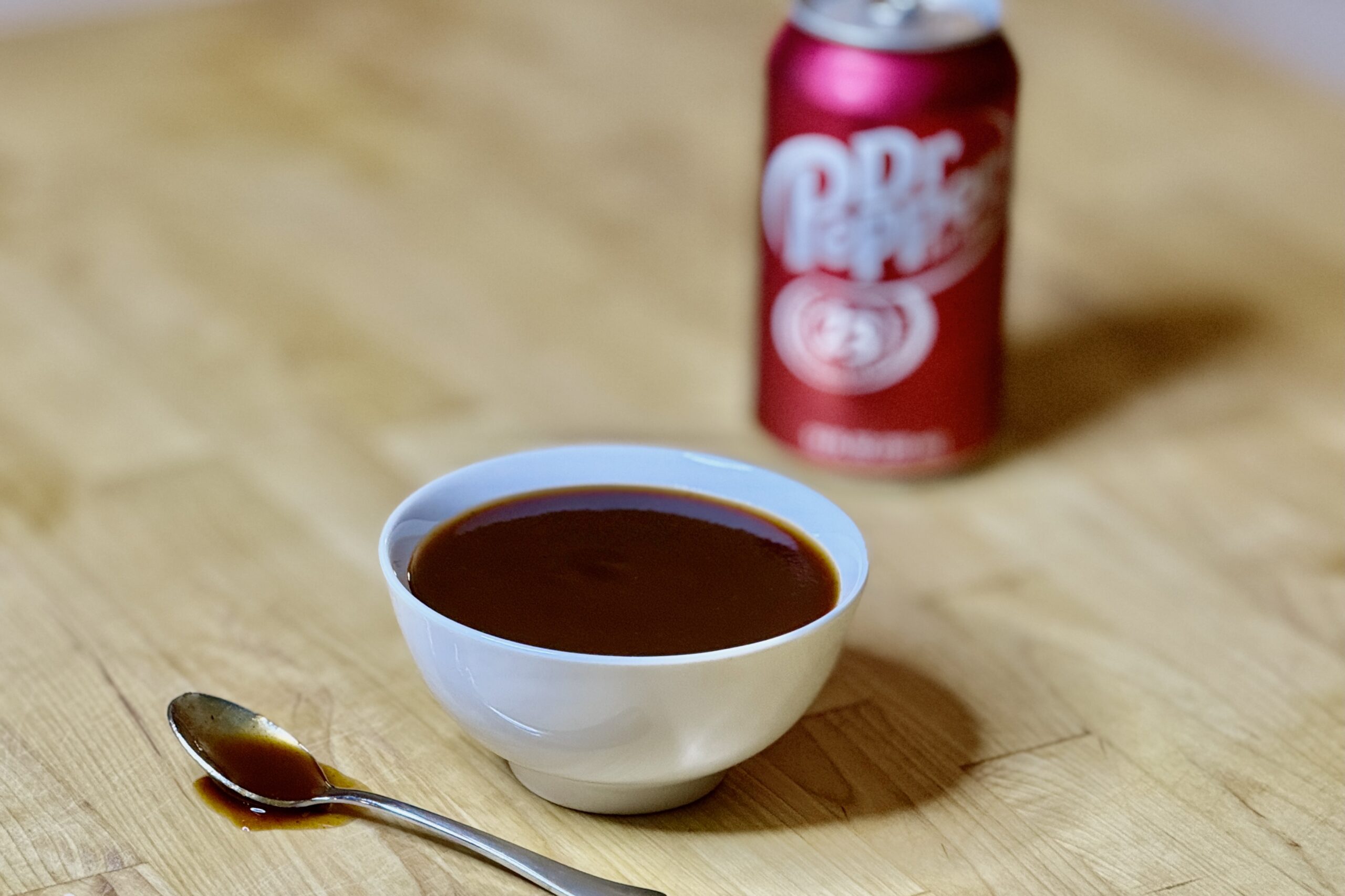
    Inspired by the sweet, smoky profile of our Dr Pepper Barbecue Sauce, these baked beans are built for deep flavor and balanced texture from the start. Navy beans are cooked until just tender, then simmered in a rich sauce of reduced Dr Pepper, bacon, onion, molasses, tomato paste, and chipotle. Finished with layered acidity, the result is bold, glossy, and barbecue-ready—perfect alongside pulled pork, smoked meats, and a full backyard spread.


    Ingredients

    Beans

    • 2 cups (1 lb / 454 g) navy beans
    • Water, for cooking

    Dr Pepper Base

    • 1 bottle (20 oz / 591 ml) Dr Pepper, divided

    Sauce And Seasoning

    • ½ cup (120 g) ketchup
    • ¼ cup (80 g) molasses
    • 1 tbsp (21 g) honey
    • 2 tbsp (33 g) tomato paste
    • 1 tbsp hickory liquid smoke
    • 1 tbsp liquid aminos
    • 1½ tsp fish sauce
    • 1 tsp dry mustard
    • 1 tsp prepared yellow mustard
    • 1¼ tsp chipotle chili powder
    • ½ tsp garlic powder
    • ½ tsp ginger powder
    • ½ tsp galangal powder, or substitute an additional ½ tsp ginger powder
    • ½ tsp table salt, plus more to taste if needed
    • ½ tsp black pepper

    Aromatics And Bacon

    • 1 lb (454 g) thick-cut bacon, diced
    • 1 medium yellow onion, finely diced
    • 1 bell pepper, diced

    Acid And Finishing

    • 2–3 tbsp apple cider vinegar, divided
    • 1 tsp tamarind paste (optional but recommended)

    Directions

    Cook The Beans

    Rinse the beans and place them in the Instant Pot. Cover with water by 1–2 inches.

    Cook on High Pressure for 25–28 minutes, then allow a 10-minute natural release before manually releasing the remaining pressure. Drain and set aside. Beans should be tender but still hold their shape.

    Reduce The Dr Pepper

    Pour 1 cup of the Dr Pepper into a small saucepan and simmer over medium heat until reduced to a thick syrup, about 10–15 minutes. Set aside. Reserve the remaining Dr Pepper for the sauce.

    Build The Flavor Base

    Using the Instant Pot on Sauté mode or a large heavy pot on the stove, cook the bacon until rendered and lightly crisp. Transfer the bacon to a plate and reserve, leaving about 2–3 tbsp bacon fat in the pot.

    Add the onion with a small pinch of salt and cook for 8–12 minutes, stirring occasionally, until softened and lightly golden.

    Add the bell pepper and cook for 2–3 minutes, until slightly softened.

    Add the tomato paste and cook for 1–2 minutes, stirring constantly, until slightly darkened and fragrant.

    Build The Sauce

    Add the reduced Dr Pepper syrup, the remaining Dr Pepper, ketchup, molasses, honey, liquid smoke, liquid aminos, fish sauce, dry mustard, prepared mustard, chipotle chili powder, garlic powder, ginger powder, galangal powder, table salt, and black pepper.

    Stir well and bring to a simmer.

    Simmer The Beans

    Add the cooked beans and half of the bacon to the sauce.

    Simmer uncovered for 20–30 minutes, stirring occasionally, until the beans are well coated and the sauce is rich and glossy.

    Add 1 tbsp of the apple cider vinegar during this simmering stage, along with the tamarind paste if using.

    Finish And Balance

    Stir in the remaining bacon.

    Add the remaining 1–2 tbsp vinegar to taste, depending on how bright and tangy you want the finished beans.

    Taste and adjust with additional salt if needed. Simmer briefly to integrate, then serve.


    Notes

    Preparation

    • Cooking the beans just to tender (not soft) prevents them from breaking down during the final simmer.
    • Reducing part of the Dr Pepper separately concentrates its flavor and gives the finished sauce a deeper, more distinctive character.
    • Blooming the tomato paste in bacon fat adds richness and helps avoid a flat ketchup-heavy flavor.
    • If you prefer a slightly less sweet result, reduce the honey to 2 tsp.
    • Using canned beans: Substitute 3½–4 cans (15–15.5 oz each) navy or Great Northern beans, drained and rinsed. Skip the pressure cooking step. After building the sauce, simmer it for 10–15 minutes to thicken, then add the beans and simmer gently for just 10–15 minutes to heat through and coat without overcooking.

    Serving Suggestions

    • Serve with smoked pulled pork, ribs, smoked chicken, or burgers.
    • This is especially good as part of a barbecue plate with cole slaw and Jalapeño-Bacon Smoked Mac & Cheese.
    • Top with extra crisp bacon, sliced green onions, chopped cilantro, pickled jalapeños, or fried shallots if desired.

    Variations

    • For a slightly more classic profile, omit the tamarind paste and rely entirely on apple cider vinegar for the acidity.
    • For a more pronounced barbecue character, stir in 2–3 tbsp of Dr Pepper Barbecue Sauce near the end of cooking.
    • Root beer or cola may be substituted for Dr Pepper, though the flavor profile will shift slightly.

    Make-Ahead & Storage

    • The flavor improves after resting overnight.
    • Refrigerate up to 4 days.
    • Reheat gently over low heat with a splash of water or Dr Pepper if needed to loosen the sauce.
    • Freeze up to 2 months. Thaw overnight in the refrigerator before reheating.
  • Bahmi Goreng — Indonesian Fried Noodles

    Bahmi Goreng — Indonesian Fried Noodles

    When Jane and I returned home from our honeymoon, we talked about what to have for dinner that first Sunday back. I said Indonesian sounded great—she had no idea what I meant. That conversation started what has since become one of our favorite family food traditions. The first time I made bahmi goreng for her, the kitchen filled with the aroma of garlic, chilies, and ketjap caramelizing in a hot wok, and she was instantly hooked. Ever since, this dish has represented warmth, comfort, and the sense of adventure we shared from the very beginning. Stir-fried noodles tossed with tender chicken, pork, and shrimp, fragrant with galangal and brightened with lime, bring a taste of Indonesia to our table time and again.


    Ingredients

      Noodles

    • 12 oz (340 g) Chinese egg noodles or lo mein noodles
    • Proteins

    • 4 oz (115 g) small shrimp, peeled and halved lengthwise (optional)
    • 4 oz (115 g) chicken breast, thinly sliced
    • 4 oz (115 g) lean pork or thinly sliced beef
    • Optional Quick Marinades

    • For Shrimp: ½ tsp light soy sauce, ¼ tsp fish sauce, ¼ tsp cornstarch, pinch white pepper
    • For Pork: 1 tsp ketjap manis, ½ tsp light soy sauce, ¼ tsp cornstarch, ¼ tsp minced garlic
    • For Chicken: 1 tsp ketjap manis, ½ tsp light soy sauce, ¼ tsp cornstarch, ¼ tsp minced garlic, pinch white pepper
    • Vegetables

    • 2 cups shredded white cabbage or Chinese cabbage
    • 4 green onions, cut into 1-inch pieces
    • Bumbu (Spice Paste)

    • 3½ oz (100 g) shallots, roughly chopped
    • 4–5 cloves garlic
    • ½ oz (15 g) fresh galangal, sliced (or ½ tsp galangal powder)
    • 1–2 fresh red chilies, seeded if desired
    • 1 tbsp chopped cilantro stems
    • Seasoning Sauce

    • 2 tbsp ketjap manis (Indonesian sweet soy sauce)
    • 1 tbsp light soy sauce
    • ⅓ tsp MSG (optional but recommended)
    • ¼ tsp ground white pepper
    • ⅛ tsp turmeric
    • 1 tsp fish sauce (optional, for added umami)
    • Cooking Oil

    • 3 tbsp peanut oil, divided
    • Optional Flavor Boost

    • 1 tsp tomato paste
    • Finishing & Garnishes

    • Fresh lime juice, to taste
    • Fresh cilantro leaves
    • Fried shallots
    • Reserved chili slivers
    • Omelet shreds (optional)
    • Fried onion flakes (optional)
    • For Serving

    • Lime wedges
    • Sambal oelek or sambal badjak
    • Extra ketjap manis

    Directions

    Prepare the Noodles

    Cook the noodles according to package directions until just tender. Drain well and toss lightly with about 1 tsp of the peanut oil to prevent sticking.

    Spread the noodles out on a tray or colander and let them cool slightly while preparing the remaining ingredients.

    Optional: Marinate the Proteins

    If using the marinades, toss each protein with its respective marinade ingredients and let stand for 10–15 minutes while preparing the vegetables and bumbu.

    Prepare the Bumbu

    In a food processor or mortar and pestle, grind the shallots, garlic, galangal, chilies, and cilantro stems into a coarse aromatic paste.

    Prepare the Vegetables

    Shred the cabbage and cut the green onions into 1-inch lengths.

    Cook the Proteins

    Heat 1 tbsp peanut oil in a wok over high heat until shimmering.

    Add the chicken and pork (or beef) and spread them across the surface of the wok. Let them sear undisturbed for about 30 seconds before stir-frying.

    Continue stir-frying until just cooked through, about 2–3 minutes.

    Add the shrimp and cook briefly until pink. Transfer all proteins to a plate and set aside.

    Cook the Bumbu

    Add the remaining peanut oil to the wok.

    Add the bumbu paste and stir-fry for about 2 minutes until fragrant.

    If using the tomato paste, add it now and cook about 30 seconds until lightly caramelized.

    Build the Stir-Fry

    Add the cabbage and green onions and stir-fry for 1–2 minutes.

    Add the noodles and toss well with the aromatics.

    Return the proteins to the wok.

    Season and Finish

    Add the ketjap manis, soy sauce, MSG, white pepper, turmeric, and fish sauce if using.

    Toss everything over high heat until evenly coated and glossy. If the noodles absorb the sauce too quickly, add 1–2 tbsp hot water to loosen the sauce and help it coat the noodles.

    Finish with a squeeze of fresh lime juice.

    Serve

    Garnish with cilantro leaves, fried shallots, chili slivers, and optional omelet shreds or fried onion flakes. Serve with lime wedges, sambal, and extra ketjap manis.


    Notes

    Preparation

    • Chinese egg noodles or lo mein noodles work best for this dish.
    • If ketjap manis is unavailable, substitute 1 tbsp soy sauce mixed with 2 tsp brown sugar.
    • If using a less sweet ketjap manis, add ½ tsp brown sugar to balance the sauce.
    • A small amount of fish sauce adds savory depth similar to Indonesian shrimp paste.
    • The tomato paste adds deeper color and umami reminiscent of Dutch-Indo restaurant versions.

    Serving Suggestions

    • Serve with krupuk (Indonesian shrimp crackers).
    • A fried egg on top is a popular Indonesian presentation.
    • A side of acar timun adds refreshing contrast.

    Variations

    • Bahmi goreng is highly adaptable—add vegetables like bean sprouts, julienned carrots, green beans, snap peas, or bell peppers depending on what you have on hand.
    • Keep the total amount of added vegetables moderate so the noodles remain the focus.
    • Cook additional vegetables quickly over high heat to avoid excess moisture and steaming.
    • Increase the chilies or add sambal badjak for a spicier Javanese-style version.
    • A light drizzle (about ½ tsp) sesame oil over the finished noodles adds subtle aroma.

    Make-Ahead & Storage

    • Best served fresh from the wok.
    • Leftovers keep up to 2 days refrigerated.
    • Reheat in a skillet with a splash of water or oil.
  • Acar Ketimun — Indonesian Pickled Cucumber

    Acar Ketimun — Indonesian Pickled Cucumber

    Bright, crisp, and refreshingly tangy, acar ketimun is a classic Indonesian quick pickle made with cucumbers, carrots, shallots, and chilies in a lightly sweet-sour vinegar brine. A pinch of turmeric gives the vegetables their traditional golden hue, while the quick pickle balances rich dishes like satay, nasi goreng, and bahmi goreng with fresh acidity and crunch.


    Ingredients

    • 2 medium cucumbers, halved lengthwise, seeded, and sliced into thin half-moons
    • 1 small carrot, julienned (optional but traditional)
    • 1 small shallot, thinly sliced
    • 1–2 small red chilies, thinly sliced (optional)
    • ½ cup rice vinegar (or white vinegar)
    • 3 tbsp sugar
    • ½ tsp table salt
    • ¼ cup water
    • ¼ tsp ground turmeric

    Directions

    Prepare the Pickling Brine

    In a small saucepan, combine the vinegar, sugar, salt, water, and turmeric.

    Warm gently over low heat just until the sugar dissolves. Do not boil. Remove from heat and allow the mixture to cool to room temperature.

    Prepare the Vegetables

    Place the sliced cucumber, carrot, shallot, and chilies in a bowl.

    Pickle

    Pour the cooled pickling liquid over the vegetables and toss to combine.

    Cover and refrigerate for at least 30 minutes before serving. The flavor improves after 2–3 hours.


    Notes

    Preparation

    • Seeding the cucumbers helps keep the pickle crisp and prevents excess water from diluting the brine.
    • Thin slicing allows the vegetables to absorb the brine quickly, giving good flavor even with short chilling times.
    • Turmeric adds the traditional golden color seen in many Indonesian acar served with rijsttafel.

    Serving Suggestions

    • Serve alongside Bahmi Goreng, nasi goreng, or Indonesian satay.
    • The bright acidity cuts through rich, savory dishes flavored with ketjap manis.
    • Also excellent with grilled chicken, pork skewers, or fried rice dishes.

    Variations

    • Bahmi Goreng Version: For a sharper pickle that pairs especially well with fried noodles, reduce the sugar to 2 tbsp and increase the vinegar to ⅔ cup.
    • No-Chili Version: Omit the chilies for a completely mild pickle.
    • Extra Crunch: Add thinly sliced cabbage or lightly blanched green beans.

    Make-Ahead & Storage

    • Best flavor develops after 2–3 hours of chilling.
    • Keeps well refrigerated for up to 3 days.
    • The vegetables will soften slightly over time but remain flavorful.
  • Pindasaus — Dutch-Indonesian Peanut Sauce

    Pindasaus — Dutch-Indonesian Peanut Sauce

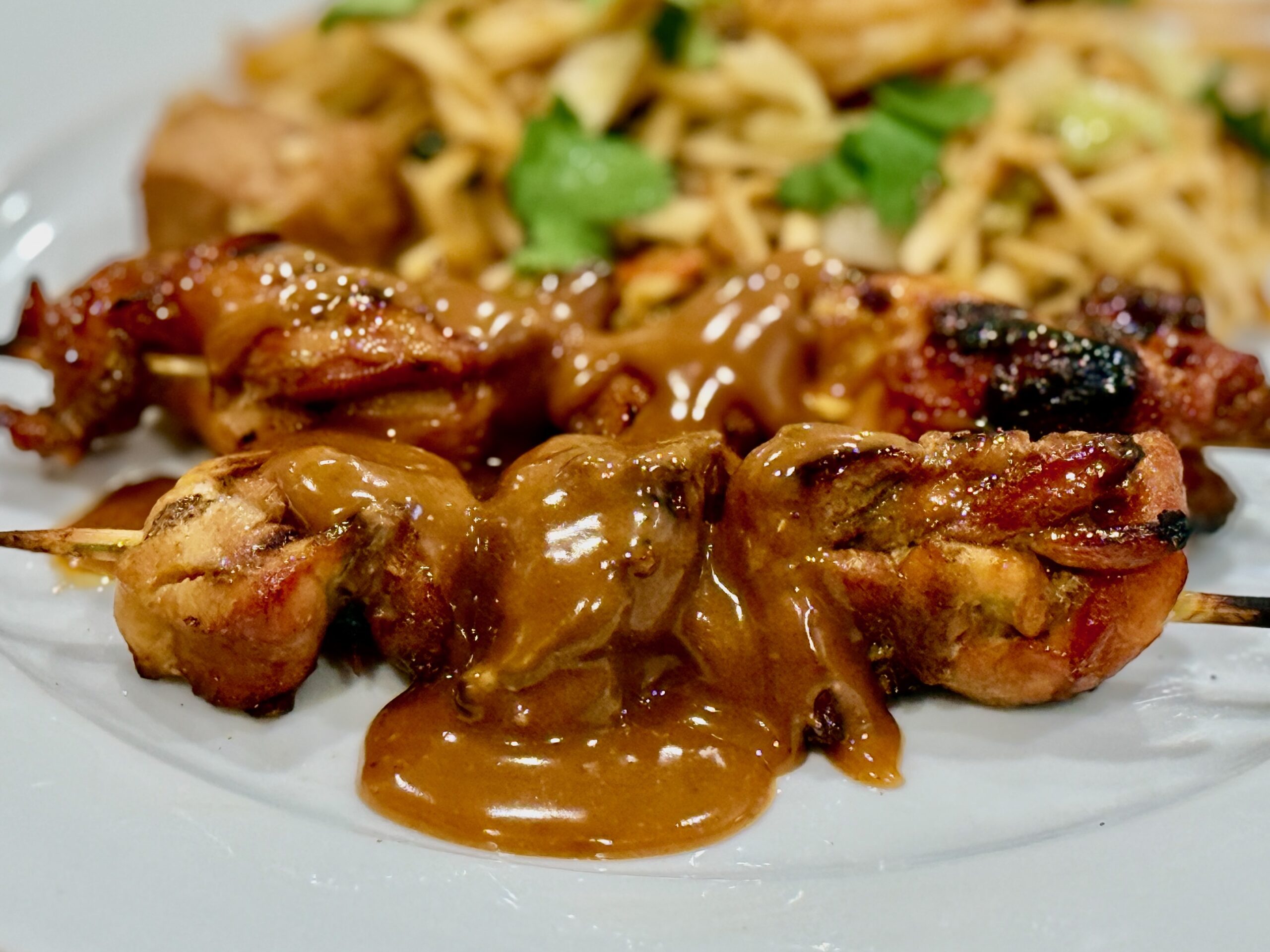
    I learned to love peanut sauce (pindasaus) while living in the Netherlands. An Indonesian meal just isn’t right without it. This delicious sauce is a favorite of every member of our family. We use it most often to smother skewers of chicken (Saté Ajam) or beef (Saté Sapi), over vegetables for gado gado, or with mayonnaise and diced onions to top Frites for patatje oorlog. There are two kinds of people in the world: those who love peanut sauce, and those who haven’t eaten it often enough to crave it… yet.


    Ingredients

    Sauce

    • 2 tbsp peanut or vegetable oil
    • 2 cloves garlic, minced
    • ½ tsp hot red curry powder
    • ½ tsp ground coriander
    • 1 cup smooth peanut butter
    • ¼ cup ketjap manis
    • 2 tbsp lime juice
    • 2 tbsp brown sugar
    • 1–2 tsp sambal oelek, to taste
    • 2 tsp tamarind paste (store-bought; or use our homemade Tamarind Paste from Whole Pods)
    • 1 can (14.5 oz/400 ml) coconut milk
    • ¼ tsp aji-no-moto, or to taste
    • Warm water, as needed to thin

    Optional

    • 1 tsp dark soy sauce, for a deeper Dutch-Indonesian satay-house flavor

    Directions

    Bloom the Aromatics

    Heat the oil in a saucepan over medium-low heat. Add the garlic and cook just until fragrant, stirring constantly so it does not brown.

    Add the curry powder and ground coriander and cook for about 30 seconds, stirring, until aromatic.

    Build the Sauce

    Stir in the peanut butter, ketjap manis, lime juice, brown sugar, sambal oelek, and tamarind paste. Mix until smooth and evenly combined.

    Add the Coconut Milk

    Gradually whisk in the coconut milk until the sauce is creamy and smooth. If using the optional dark soy sauce, stir it in now.

    Reduce the heat to low and warm gently for 2–3 minutes, stirring often. Do not let the sauce boil hard.

    Finish and Adjust

    Stir in the aji-no-moto. Thin with warm water as needed until the sauce reaches your preferred consistency.

    Taste and adjust with additional tamarind for tang, sambal for heat, brown sugar for sweetness, or a little more MSG for deeper savory flavor. Keep warm for serving, or cool and refrigerate for later use.

    Serve

    Serve warm over satay, spoon over blanched vegetables for gado gado, or drizzle over Frites with mayonnaise and diced onions for patatje oorlog.


    Notes

    Preparation

    • Blooming the curry powder and coriander briefly in the oil deepens their flavor and helps them blend more fully into the sauce.
    • Tamarind gives the sauce a brighter, more balanced finish and keeps it from tasting too sweet or heavy.
    • MSG is optional, but even a small amount gives the sauce a fuller, more savory satay-stall character.
    • Use warm water for thinning so the sauce stays smooth and emulsified.

    Serving Suggestions

    • This sauce is especially good with Saté Ajam.
    • It also pairs beautifully with saté babi, grilled Saté Sapi, gado gado, or spooned over Frites with mayonnaise and diced onions for patatje oorlog.
    • For a satay platter, serve with lime wedges, Acar Ketimun, fried shallots, and steamed rice or lontong.

    Variations

    • Add the optional dark soy sauce for a slightly deeper, more savory Dutch-Indonesian satay-house flavor.
    • For a milder sauce, start with 1 tsp sambal oelek and increase to taste.
    • For a tangier sauce, add an extra 1–2 tsp tamarind paste or a little more lime juice.
    • For a looser sauce for gado gado or fries, thin with a bit more warm water until spoonable and pourable.

    Make-Ahead & Storage

    • The sauce can be made up to 3 days ahead and refrigerated in an airtight container.
    • It will thicken considerably when chilled. Rewarm gently over low heat and thin with warm water as needed before serving.
    • Leftovers are excellent repurposed as a dip for grilled chicken, a sauce for noodles, or a dressing for blanched vegetables.
  • Sweet & Sour Chicken

    Sweet & Sour Chicken

    Sweet & Sour Chicken is a long-standing family favorite at our table—the dinner Oma requests every time she visits. Crisp, double-fried chicken breast meets a glossy sauce built from pineapple, balanced vinegars, a touch of ketchup, and just enough sweetness to round everything out. Bright peppers, fresh tomatoes, and optional mango give it depth without losing its classic comfort.


    Ingredients

    Sauce

    • 2 cups chicken broth (optional: replace up to 1 cup with mango juice)
    • ½ cup seasoned rice vinegar
    • 2 tbsp unseasoned rice vinegar
    • ¾ cup sugar
    • 1 tbsp vegetable oil
    • 1 tbsp ketchup
    • 1 tsp light soy sauce
    • ¼ tsp msg
    • 1 tsp table salt, plus more to taste
    • 1 large yellow onion, sliced (for infusion)
    • 3 cloves garlic, finely chopped
    • 1 can (20 oz/567 g) pineapple chunks, drained (reserve ½ cup juice)
    • 3–4 tbsp modified cornstarch (or 3½–4 tbsp regular cornstarch)
    • ¼ cup cold water (for slurry)

    Vegetables

    • 1 large yellow onion, sliced into ½-inch strips (for stir-frying)
    • 2 bell peppers, cut into 1-inch pieces
    • 2 fresh tomatoes, cut into wedges
    • 1–2 tbsp vegetable oil (for stir-frying)
    • ½ tsp sugar (for stir-frying)

    Chicken

    • 1½ lb chicken breast, cut into 1¼-inch cubes

    Marinade

    • 1 egg, lightly beaten
    • 2 tbsp cornstarch
    • 2 tbsp vegetable oil
    • 1 tsp soy sauce
    • 1 tsp table salt
    • ¼ tsp white pepper

    Batter & Frying

    • ⅔ cup flour
    • ⅓ cup cornstarch
    • 1 tsp table salt
    • 1 tsp baking soda
    • ⅔–¾ cup very cold water
    • 1–2 tbsp cornstarch (for dusting chicken)
    • Vegetable oil, for frying

    Directions

    Marinate the Chicken

    In a medium bowl, combine egg, cornstarch, oil, soy sauce, salt, and white pepper. Add chicken and toss to coat evenly.

    Cover and refrigerate 20 minutes.

    Build and Thicken the Sauce

    In a saucepan over medium heat, warm 1 tbsp oil. Add ketchup and cook 30 seconds to lightly deepen flavor.

    Add chicken broth (replacing up to 1 cup with mango juice if using), seasoned rice vinegar, unseasoned rice vinegar, sugar, soy sauce, msg, salt, the sliced onion (for infusion), garlic, and ½ cup reserved pineapple juice.

    Bring to a boil, then reduce to a steady simmer. Simmer 5–7 minutes until onions soften and flavors infuse.

    Strain into a clean saucepan and discard solids. Return to a full simmer.

    Whisk cornstarch with cold water, stir into the simmering sauce, and boil 60–90 seconds until glossy and spoon-coating. Taste and adjust with vinegar or salt if needed. Hold warm.

    First Fry

    Heat oil to 360°F (it should drop to about 330–340°F when chicken is added).

    Remove chicken from marinade and allow excess to drip off. Lay chicken on a rack 3–5 minutes, then lightly toss with 1–2 tbsp cornstarch.

    Whisk batter ingredients together just until thick but pourable. Dip chicken, allowing excess batter to drip off.

    Fry in batches 3½–4 minutes until pale golden. Drain on a rack in a single layer and rest 4–5 minutes.

    Stir-Fry the Vegetables

    In a wok or large skillet over high heat, add 1–2 tbsp oil.

    Add the onion strips and bell peppers. Sprinkle with ½ tsp sugar and stir-fry 60–90 seconds until slightly tender but still crisp.

    Turn off heat and set aside.

    Second Fry

    Increase oil to 385–390°F.

    Fry chicken 45–60 seconds until deep golden and crisp.

    Drain on a rack in a single layer (do not stack while hot). Lightly sprinkle with a small pinch of salt while hot (optional).

    Finish and Serve

    While chicken finishes, add the thickened sauce to the vegetables. Stir in pineapple chunks and fold in tomato wedges last. Warm gently just until heated through.

    Serve chicken on a tray, sauce in a bowl, and rice separately so everyone can spoon as much sauce as they like.


    Notes

    Preparation

    • Measure ½ cup pineapple juice for consistent balance. If using more, add 1–2 tbsp extra unseasoned rice vinegar to maintain brightness.
    • Rest chicken between fries and avoid stacking while hot to preserve crispness.
    • Use very cold water for the batter and avoid overmixing.

    Serving Suggestions

    • Serve with steamed jasmine rice.
    • Keep chicken and sauce separate until serving for best texture.

    Variations

    • Replace up to 1 cup of broth with mango juice for subtle fruit depth.
    • Substitute club soda for the batter water for a lighter crust.

    Make-Ahead & Storage

    • Sauce can be made up to 2 days ahead and reheated gently.
    • Store chicken and sauce separately; re-crisp chicken in a 400°F oven or air fryer.
  • Classic Tamarind Chutney

    Classic Tamarind Chutney

    This classic tamarind chutney is clean, bright, and beautifully balanced—sweet enough to round the sharp acidity of tamarind, but not heavy or syrupy. Made from tamarind paste, sugar, and a few simple seasonings, it’s the foundation for countless chaat dishes and sauces. Kept simple for maximum versatility and easily customizable with dates and spices for richer variations.


    Ingredients

    • ½ cup tamarind paste (store-bought; or use our homemade Tamarind Paste from Whole Pods)
    • ¾ cup water
    • ⅓–½ cup sugar (start with ⅓ cup; adjust to taste)
    • ½ tsp table salt
    • ¼ tsp ground cumin (preferably roasted)

    Directions

    Simmer the Chutney

    In a small saucepan, whisk together tamarind paste and water until smooth.

    Add sugar, table salt, and ground cumin. Bring to a gentle simmer over medium heat.

    Simmer 5–8 minutes, stirring occasionally, until slightly thickened and glossy. The chutney should lightly coat the back of a spoon but remain pourable.

    Remove from heat and cool completely. The chutney will thicken slightly as it cools.


    Notes

    Preparation

    • Taste and adjust sweetness after simmering. Tamarind acidity varies by brand; add sugar gradually until balanced.
    • If using jaggery, substitute equal weight for sugar and dissolve fully before simmering.
    • For a more traditional chaat flavor, replace up to half the table salt with black salt (kala namak).

    Serving Suggestions

    • Use as a chutney for chaat, drizzle over roasted snacks, or serve as a dipping sauce for pakoras and samosas.

    Variations

    • Mild Heat: Add a pinch of Kashmiri red chili powder while simmering.
    • Hot: Add ¼ tsp cayenne or finely minced fresh chili.
    • Date–Tamarind Style: Simmer with 2–3 finely chopped Medjool dates and blend smooth for a richer, deeper sweetness (great for date–tamarind reductions).

    Make-Ahead & Storage

    • Refrigerate in an airtight container up to 2 weeks.
    • If thickened too much after refrigeration, whisk in 1–2 tsp warm water.
    • This chutney freezes well for up to 3 months.
  • Double Chocolate Bundt Cake

    Double Chocolate Bundt Cake

    This elevated box cake recipe transforms a simple chocolate mix into a deeply rich, ultra-moist Double Chocolate Bundt Cake with the help of sour cream, pudding, vanilla, and a touch of salt for balance. Chocolate chips melt into the tender crumb, while optional espresso powder intensifies the cocoa for bold, bakery-style flavor and a luxuriously soft texture.


    Ingredients

    • 1 pkg chocolate cake mix
    • 1 pkg (3.9 oz) instant chocolate pudding mix
    • ½ tsp table salt
    • 4 eggs
    • 1 cup sour cream
    • ½ cup water
    • ½ cup oil
    • 1 tsp vanilla extract
    • 1 tsp espresso powder (optional)
    • 1½ cups chocolate chips
    • 1 tbsp flour (for tossing chips)

    White Cream Cheese Frosting

    • 1 pkg (8 oz) cream cheese, softened
    • ¼ cup butter, softened
    • 1½ cups powdered sugar
    • 1–2 tsp vanilla extract
    • Pinch table salt

    Chocolate Frosting Option

    • 2–3 tbsp unsweetened cocoa powder

    Directions

    Prepare the Batter

    Preheat oven to 350°F. Grease the Bundt pan using your usual method.

    In a large bowl, whisk together the cake mix, pudding mix, table salt, and espresso powder (if using).

    In a separate bowl, whisk the eggs, sour cream, water, oil, and vanilla until smooth.

    Add the wet ingredients to the dry ingredients and mix just until smooth and fully combined. Do not overmix.

    Toss the chocolate chips with 1 tbsp flour, then fold them into the batter.

    Bake and Cool

    Pour batter into the prepared Bundt pan and smooth the top.

    Bake for 45–50 minutes, or until a toothpick inserted in the center comes out with moist crumbs (not wet batter).

    If the top browns too quickly, tent loosely with foil for the last 10–15 minutes.

    Cool in the pan for 20 minutes, then invert onto a rack and cool completely before frosting.

    Make the Frosting

    Beat the cream cheese and butter until smooth and creamy.

    Add the powdered sugar, vanilla, and pinch of salt, then beat until smooth. For the chocolate option, beat in 2–3 tbsp cocoa powder until fully incorporated.

    Finish

    Drizzle frosting over the cooled cake. Slice and serve.


    Notes

    Preparation

    Use room temperature eggs, sour cream, butter, and cream cheese for the smoothest batter and frosting.

    Small details make a big difference in a Bundt cake:

    • Mix just until combined to keep the crumb tender.
    • Tossing chips with flour helps them stay more evenly distributed in the Bundt.
    • Cool 20 minutes before inverting; too early can tear, too late can encourage sticking.

    Serving Suggestions

    For clean slices, chill the cake briefly after frosting, then let slices come back toward room temperature before serving.

    • Serve with fresh raspberries or strawberries for bright contrast.
    • A light dusting of powdered sugar over the frosting adds a classic Bundt finish.

    Variations

    Keep the frosting white for dramatic contrast, or turn it into a chocolate version with cocoa powder.

    • Chocolate frosting option: Beat in 2–3 tbsp unsweetened cocoa powder (add 1 tbsp powdered sugar if needed for sweetness).
    • Use mini chocolate chips for more even distribution throughout the cake.
    • Add ½ cup chopped toasted pecans or walnuts for crunch.
    • Add ¼ tsp cinnamon for subtle warmth.

    Make-Ahead & Storage

    This cake keeps well and slices nicely after a short chill.

    • Room temperature: Store covered up to 2 days.
    • Refrigerator: Store covered up to 5 days (let slices sit 15–30 minutes before serving for the best texture).
    • Freezer (unfrosted): Wrap tightly and freeze up to 2 months; thaw overnight in the fridge, then frost.
    • Frosting: Make up to 1 day ahead, refrigerate, then rewhip before using.
  • Italian-American Meatball Subs

    Italian-American Meatball Subs

    Italian-American meatball subs built the classic way: tender, juicy roasted meatballs finished in a deeply savory red sauce, tucked into toasted rolls, and blanketed with melted provolone — comfort-food perfection with just enough structure to hold together.


    Ingredients

    Meatballs

    • 6 oz bread crumbs
    • 1½ cups buttermilk
    • 1 pkg powdered gelatin (about ½ tbsp), bloomed in ¼ cup cold water
    • 3 eggs, slightly beaten
    • 1+ tbsp garlic, minced
    • ⅓ cup (packed) fresh parsley leaves, finely chopped
    • ½ tbsp table salt
    • ½ tsp black pepper
    • 3 oz Parmesan cheese, grated
    • 6 oz prosciutto, finely chopped
    • 2 lbs ground beef
    • 1 lb ground pork

    Sauce

    • 2 tbsp olive oil
    • 1 cup (8 oz) onion, chopped
    • 5 cloves garlic, minced
    • 1 can (28 oz) crushed tomatoes
    • 1 can (15 oz) tomato sauce
    • 1 can (6 oz) tomato paste
    • 1½ cups chicken broth
    • ½ cup dry white wine (optional)
    • 1 tbsp fish sauce
    • 2 tsp dried basil
    • 2 tsp dried parsley
    • 1 tsp dried oregano
    • ½ tsp ground fennel
    • ¼ tsp dried thyme leaves
    • 2 whole cloves, crushed
    • 2 bay leaves
    • ½ tsp freshly ground black pepper
    • 1 tsp table salt

    For Serving

    • 10–12 Italian sub rolls or hoagie rolls
    • 10–12 oz provolone, sliced (about 1 oz per sub)
    • Optional: garlic oil or olive oil, for brushing rolls
    • Optional: dried oregano, for finishing the rolls
    • Optional: grated Parmesan, for finishing
    • Optional: chopped parsley and/or a light basil chiffonade, for finishing

    Directions

    Prepare the Oven and Pans

    Preheat oven to 450ºF with racks positioned mid-top and mid-bottom.

    Line 2 half sheet pans with foil. Set wire racks in the pans and spray racks with cooking spray.

    Make the Meatballs

    Combine bread crumbs and buttermilk. Soak 10 minutes, then mash into a paste.

    Bloom gelatin in ¼ cup cold water for 8–10 minutes.

    In a mixing bowl, combine the bread crumb mixture and bloomed gelatin. Mix in eggs, garlic, parsley, salt, pepper, Parmesan, and prosciutto until well combined.

    Place ground beef and pork in a large bowl. Pour the egg/bread crumb mixture over the meat and mix gently by hand until thoroughly combined.

    Portion and form into 3-oz meatballs (about 29–30 meatballs). If needed, refrigerate briefly to firm.

    Arrange meatballs on prepared racks and bake about 30 minutes, rotating trays and rack positions after 20 minutes.

    Make the Sauce

    In a Dutch oven over medium heat, heat olive oil until shimmering. Add onion and garlic and sauté until onion is translucent and tender.

    Stir in crushed tomatoes, tomato sauce, tomato paste, chicken broth, wine (optional), and fish sauce. Add remaining herbs, spices, and seasonings.

    Bring to a simmer, then reduce heat to low and simmer covered for 15 minutes.

    Braise the Meatballs in the Sauce

    After removing the cooked meatballs from the oven, lower oven temperature to 300ºF.

    Add meatballs to the sauce. Cover and place in the oven for 1 hour.

    Remove and discard bay leaves before serving.

    Assemble and Bake the Subs

    Heat oven to 425ºF. Split rolls lengthwise, leaving a hinge.

    Optional: brush cut sides lightly with garlic oil or olive oil. Toast rolls cut-side up on a sheet pan for 3–5 minutes, just until lightly crisp. If desired, finish with a very light dusting of dried oregano.

    Place a slice of provolone in each roll and return to the oven for 1–2 minutes to melt.

    Add 2–3 meatballs per sub. For easier bites and cleaner eating, slice meatballs in half before loading.

    Spoon sauce over the meatballs (go light under the meatballs to avoid soggy bread). Top with another small piece of provolone if desired.

    Bake 5–8 minutes, until the cheese is fully melted and bubbling at the edges.


    Notes

    Preparation

    • Fish sauce can be replaced with 4–6 anchovy filets, finely minced.
    • For meatball subs, sauce texture matters. If the sauce is still runny after braising, remove the meatballs and simmer the sauce uncovered until it reaches your desired thickness, then return the meatballs to the pot to rewarm.
    • Before serving, taste the sauce and adjust if needed. A splash (1–2 tsp) of red wine vinegar or a small squeeze of lemon can help brighten and balance the richness.
    • For extra color on the cheese, finish the assembled subs under the broiler for 30–90 seconds, watching closely.

    Serving Suggestions

    • Serve with extra warm sauce on the side for dipping rather than over-saucing the roll.
    • Classic sub-shop add-ons include hot cherry pepper relish, pickled pepperoncini, or sautéed onions and green peppers.
    • Optional finish: garnish with a light basil chiffonade and/or a sprinkle of chopped parsley for extra brightness.

    Variations

    • Parmesan can be swapped for a mixture of Parmesan and Romano cheeses.
    • Swap provolone for mozzarella if you want a milder, stretchier melt.

    Make-Ahead & Storage

    • Meatballs and sauce taste even better the next day and reheat beautifully.
    • To reheat a chilled batch, add ¾ cup water to the pot and reheat covered at 325ºF until hot.
    • For best texture, store rolls separately and assemble subs just before baking.