Bags of Spices

Favorite Recipes

Rick

Signature dishes, experiments, global inspirations, and family staples from Rick’s kitchen.

  • Stuffing

    Stuffing

    This hearty holiday dressing—my riff on Opa’s classic stuffing—has become a Huggins family favorite. Rich and savory from the sausage, brightened with dried cranberries, and full of satisfying texture from toasted bread, mushrooms, nuts, and water chestnuts, it’s a flavorful and festive side dish that perfectly complements any roast or holiday meal.


    Ingredients

      Sausage Mixture

    • 1 lb hot sausage, uncased
    • 1 lb sage (or regular) sausage, uncased
    • Vegetables

    • 2 cans (4 oz each) water chestnuts, drained and chopped
    • 2 onions, diced (divided)
    • 2–3 cups celery, thinly sliced (with leaves)
    • 1 lb mushrooms, sliced
    • Broth & Seasoning Base

    • 4-5 cups chicken stock (start with 4 cups and add more as needed)
    • ¾ cup (1½ sticks / 170 g) butter
    • 1 tbsp Italian seasoning (or Herbes de Provence)
    • 1 tbsp parsley flakes
    • 2 tsp marjoram flakes
    • 1 tsp ground sage (add ½ tsp more if not using sage sausage)
    • ¾ tsp white pepper
    • ¼ tsp oregano leaves
    • ¼–½ tsp MSG (optional, for umami)
    • Bread

    • 16 cups bread cubes from 2 large baguettes, cut ½–¾″ and dried overnight or lightly toasted
    • Add-Ins

    • 1 cup dried sweetened cranberries
    • ½ cup roasted pistachios or pine nuts
    • ¼ cup pepitas (optional)
    • 1 cup diced apple or pear (optional, for sweetness)
    • Fresh chopped parsley or sage (optional, for garnish)

    Directions

    Cook the Sausage

    Place both sausages in a large sauté pan and cook over medium heat, breaking into small pieces, just until no longer pink. Do not brown. Transfer to a bowl and drain excess fat, reserving 1–2 tbsp only if desired for added flavor.

    Wipe the pan clean before continuing.

    Sauté the Aromatics

    Add a pat of butter to the clean pan along with 1½ onions, the celery, and the chopped water chestnuts. Cook over medium heat until onions turn translucent with no browning. Transfer to a holding bowl.

    Add remaining onion, mushrooms, another small pat of butter, and a pinch of salt to the pan. Sauté until mushrooms soften and release their moisture, then add a splash of rice wine to help them stay light. Cook only until tender, not browned. Transfer to the vegetable bowl.

    Build the Flavor Base

    In a large stockpot, bring chicken stock and butter to a boil. Add Italian seasoning (or Herbes de Provence), parsley flakes, marjoram, sage, white pepper, oregano, and MSG (if using). Simmer 2–3 minutes to bloom the herbs.

    Stir in the onion–celery–mushroom mixture and return just to a simmer.

    Hydrate the Bread

    Remove pot from heat, add all dried bread cubes, and gently fold until moistened. Cover and let sit 5–10 minutes to absorb the liquid.

    Combine and Adjust

    Once the bread has absorbed the broth, gently fold in the sausage, cranberries, pistachios (or pine nuts), pepitas, and diced apple or pear if using. Reserve a handful of cranberries and nuts for topping.

    If too moist, spread stuffing on a baking sheet and dry briefly in a 350°F (175°C) oven.

    Bake

    Transfer stuffing to two greased 9×13-inch pans. Bake uncovered at 375°F (190°C) for 20–25 minutes, or until lightly crisped. Broil briefly if desired. Top with reserved cranberries and nuts; garnish with parsley or sage if using.


    Notes

    Preparation

    • Dry bread cubes in a 350°F (175°C) oven for 10–15 minutes, stirring once; aim to dry without browning.
    • Rehydrate cranberries in warm stock for plumper texture.
    • MSG adds clean umami depth without darkening the stuffing.
    • Keeping vegetables unbrowned and adding sausage/mushrooms after broth absorption helps maintain a lighter color.

    Serving Suggestions

    • Serve alongside roasted turkey, chicken, pork, or a holiday roast.
    • Pairs beautifully with Southern-style brown gravy or a mushroom gravy.
    • Finish with fresh parsley or sage for brightness.

    Variations

    • For vegetarian stuffing, replace sausage with extra mushrooms and add a bit more MSG for umami.
    • Use roasted hazelnuts or pecans in place of pistachios or pine nuts for a different flavor profile.
    • Add 1 cup diced apple or pear for gentle sweetness.

    Make-Ahead & Storage

    • Assemble unbaked stuffing up to 2 days in advance; cover and refrigerate. Let stand 30 minutes before baking.
    • Freeze unbaked stuffing up to 1 month; thaw overnight before baking.
    • Reheat leftovers covered with foil at 325°F (165°C) for 20–25 minutes.
  • Melon Sorbet

    Melon Sorbet

    There’s something unmistakable about the smell of a ripe cantaloupe on a hot day—it fills the kitchen and tells you it’s time for something cold and refreshing. This sorbet brings that moment to life: sweet melon, a clean simple syrup, and just enough citrus to sharpen the flavor. It’s bold, bright, and every bit as satisfying as cutting into a perfect summer melon.

    Ingredients

      Fruit Base

    • about 600 g (≈ 4½ cups) diced ripe cantaloupe
    • Simple Syrup

    • 250 ml (≈ 1 cup) water
    • 200 g (≈ 1 cup) granulated sugar
    • Brightening & Finishing

    • 2 tbsp fresh lemon juice (or lime juice)
    • Optional: 1 tsp vanilla extract (for a subtle warm note)
    • Pinch of fine salt

    Directions

    Prepare the Simple Syrup

    In a saucepan, combine the water and sugar. Warm gently, stirring, just until the sugar fully dissolves (no need to boil vigorously). Remove from heat and let it cool to room temperature. You can speed the process by using an ice bath or refrigerating the syrup.

    Ensure the syrup is completely cool before combining with the fruit.

    Prepare the Melon

    Dice the cantaloupe and place it in a blender or food processor. Purée until completely smooth. Taste—if your melon is extremely ripe, you may not need much additional sweetening beyond the syrup already included.

    Combine the Mix

    Stir the cooled simple syrup into the melon purée. Add the lemon (or lime) juice, vanilla (if using), and a pinch of salt.

    Taste and adjust—if the melon is particularly mild, a little extra citrus can help brighten the flavor.

    Chill the Mixture

    Cover and refrigerate the mixture for at least 1 hour, or until completely cold, to improve freezing and texture.

    Freeze / Churn

    Follow your ice-cream maker or freezing method instructions. Pour in the chilled melon mixture and churn until smooth and thick, usually about 20 minutes depending on your machine.

    Transfer the sorbet to a freezer-safe container, press plastic wrap directly onto the surface, cover, and freeze for 2–3 hours to firm up.

    Serve

    Let the sorbet sit at room temperature for 5–10 minutes before scooping. Serve in chilled bowls, optionally topped with fresh melon or mint.


    Notes

    Preparation

    • Melons vary in sweetness; always taste the purée before combining with the syrup. Adjust citrus as needed for balance.
    • Ensure the fruit mixture is fully chilled before churning—this noticeably improves texture.
    • A small pinch of salt enhances the natural melon flavor and keeps the sorbet from tasting flat.

    Serving Suggestions

    • Serve with fresh cantaloupe or honeydew for a layered melon experience.
    • A drizzle of honey or a squeeze of lime adds brightness and contrast.
    • Pair with shortbread, vanilla cookies, or a small square of white chocolate for a richer dessert.

    Variations

    • Honeydew Sorbet: Substitute honeydew or a blend of honeydew and cantaloupe.
    • Mint-Melon: Add 4–6 fresh mint leaves before blending for a cool herbal twist.
    • Low-Sugar Version: Reduce sugar to 170 g; final texture will be firmer and slightly icier.

    Make-Ahead & Storage

    • Store sorbet in a sealed container for up to 3 days for best texture.
    • Press plastic wrap directly onto the surface before sealing to minimize ice-crystal formation.
    • For easiest scooping, let the sorbet sit 5–10 minutes at room temperature before serving.
  • Nutty Coconut Ice Cream

    Nutty Coconut Ice Cream

    Jane’s favorite ice cream, and Opa’s, has always been Nutty Coconut—a flavor that balances creamy coconut sweetness with the satisfying crunch of toasted nuts. This homemade version captures that nostalgic combination in a silky coconut custard base, layered with toasted coconut, almonds, and pecans. Smooth, nutty, and tropical, it’s a rich yet refreshing treat that brings a little taste of the islands to every scoop.


    Ingredients

    Coconut Custard Base:

    • 1 can (14 oz) full-fat coconut milk
    • 1 cup heavy cream
    • ¾ cup sugar
    • 4 large egg yolks
    • pinch table salt
    • ½ tsp coconut extract
    • ½ tsp vanilla extract

    Add-Ins:

    • ¾ cup sweetened shredded coconut, toasted
    • ½ cup chopped toasted pecans
    • ½ cup chopped toasted almonds

    Directions

    Prepare the Toasted Nuts & Coconut

    Spread the shredded coconut, pecans, and almonds on a parchment-lined baking sheet. Toast at 325°F until fragrant and golden—about 5–8 minutes for coconut and 8–10 minutes for nuts. Cool completely and set aside.

    Make the Coconut Custard Base

    In a medium saucepan, whisk together coconut milk, heavy cream, half the sugar, and salt. Heat until steaming but not boiling.

    In a separate bowl, whisk egg yolks with the remaining sugar until pale and thick. Slowly temper with ½ cup hot coconut mixture, then return everything to the saucepan.

    Cook over low heat, stirring constantly, until the custard coats the back of a spoon (170–175°F / 77–80°C). Do not boil.

    Finish & Chill

    Strain through a fine mesh sieve into a clean bowl. Stir in coconut and vanilla extracts. Cover and chill thoroughly—preferably overnight.

    Churn & Add Mix-Ins

    Churn the chilled custard in an ice cream maker according to manufacturer’s instructions. Add toasted coconut and nuts during the last minute of churning. Freeze until firm, about 4 hours.


    Notes

    Preparation

    • Use full-fat coconut milk for best texture; light coconut milk makes the base thinner.
    • Replace half the heavy cream with coconut cream for deeper coconut flavor.
    • Lightly salt the toasted nuts before cooling to balance sweetness.
    • Strain the custard to ensure a perfectly smooth base.

    Serving Suggestions

    • Top with extra toasted coconut for crunch.
    • Pair with warm caramel sauce or pineapple compote.
    • Serve alongside grilled fruit for a tropical dessert.

    Make-Ahead & Storage

    • Refrigerate the custard base up to 2 days before churning.
    • Store churned ice cream in an airtight container for up to 1 week.
    • Let soften 5–10 minutes before scooping.
  • Fresh Cranberry Relish

    Fresh Cranberry Relish

    Bright, tart, and wonderfully simple, this fresh cranberry relish has been a family favorite for generations. With just three ingredients and no cooking required, it brings a vibrant burst of color and flavor to the holiday table—refreshing, tangy, and perfectly balanced alongside rich main dishes.


    Ingredients

    • 1 pkg (12 oz) fresh cranberries
    • 1 orange, peeled
    • 1 cup sugar
    • Pinch of salt
    • ½ tsp orange zest (optional)

    Directions

    Prepare the Cranberries

    Wash cranberries thoroughly and drain well. Place in a food processor and pulse until the berries are in small, roughly even pieces. Transfer to a mixing bowl and sprinkle with sugar. Stir to coat and set aside.

    Process the Orange

    Place the peeled orange in the food processor and blend until liquefied. Stir in a pinch of salt and orange zest (if using). Pour the orange mixture over the sugared cranberries and mix thoroughly to combine.

    Chill and Serve

    Refrigerate for 1–3 hours before serving to allow the flavors to meld while keeping the relish bright and fresh. Serve chilled.


    Notes

    Preparation

    • Use firm, fresh cranberries for the best texture and flavor balance.
    • A pinch of salt helps enhance the fruit’s natural sweetness and depth.
    • Optional orange zest adds brightness and a hint of bitterness for complexity.

    Serving Suggestions

    • Serve alongside roasted turkey, ham, or pork for a refreshing contrast.
    • Use as a topping for yogurt, oatmeal, or cheesecake for a festive touch.
    • Garnish with pomegranate arils or toasted chopped pecans for added color and texture.

    Make-Ahead & Storage

    • Can be prepared 1–3 hours in advance for the best fresh flavor.
    • Store leftovers covered in the refrigerator for up to 3 days.
    • Stir before serving to redistribute juices and refresh the texture.
  • Southern-Style Sweet Potatoes

    Southern-Style Sweet Potatoes

    Great Grandma Lena was a proper Southern lady. Born on August 11, 1901, in Missouri, her family moved by covered wagon to Dover, Arkansas when she was three years old—a journey that took more than a week. At seventeen, she married Wilmer (Sr.), and Grandpa (Jr.) was the youngest of their four children. In 1936, the family made the trek to Southern California in a car with a rumble seat. Made in honor of Great Grandma Lena, these sweet potatoes have become a Thanksgiving tradition. Updated to highlight the natural sweetness of roasted sweet potatoes and topped with a buttery brown sugar–pecan crumble, this timeless side dish remains a cherished part of our holiday table.


    Ingredients

      Sweet Potato Mixture

    • ¼ cup sugar
    • ½ tsp table salt
    • 1 tsp vanilla extract
    • 4 cups roasted sweet potatoes, mashed
    • 3–4 large eggs, well beaten
    • ½ cup butter, melted
    • 2 tbsp heavy cream (optional, if mixture is too thick)
    • Topping

    • 1½ cups brown sugar
    • ½ cup flour
    • ⅓ cup butter, melted
    • 1½ cups pecans, chopped and lightly toasted

    Directions

    Prepare the Oven and Topping

    Preheat oven to 350ºF (175ºC). In a small bowl, combine the brown sugar, flour, melted butter, and toasted pecans. Mix until evenly combined and crumbly. Set aside.

    Make the Sweet Potato Mixture

    In a large mixing bowl, combine the sugar, salt, vanilla, mashed roasted sweet potatoes, beaten eggs, and melted butter. Stir until smooth and evenly combined. If the mixture feels overly thick, stir in 2 tbsp heavy cream to loosen slightly.

    Assemble and Bake

    Butter a medium baking dish and pour in the sweet potato mixture, spreading evenly. Sprinkle the prepared topping over the surface.

    Bake uncovered for 30 minutes, or until the center is set and the topping is golden brown. Let rest for at least 30 minutes before serving.

    Serve

    Serve warm as-is or drizzle lightly with maple syrup for extra richness. This casserole is a holiday favorite, especially alongside roast turkey or ham.


    Notes

    Preparation

    • Roasting the sweet potatoes deepens their natural sweetness and enhances flavor compared to boiling.
    • Using 3 eggs results in a slightly denser, more velvety texture, while 4 eggs yield a lighter, more custard-like consistency.
    • If the mixture feels too thick, add 2 tbsp cream or milk for a smoother texture.
    • Toasted pecans add a richer, nuttier flavor to the topping—toast at 350ºF (175ºC) for 5–7 minutes, until fragrant.
    • Find our family’s original recipe on our legacy website.

    Serving Suggestions

    • Perfect for Thanksgiving or Christmas dinners alongside turkey, ham, or roast chicken.
    • Pairs beautifully with Southern-Style Brown Gravy for a savory-sweet balance.
    • Serve leftovers warmed for breakfast with a drizzle of cream or maple syrup.

    Make-Ahead & Storage

    • Prepare through assembly (unbaked), cover, and refrigerate for up to 2 days. Bake just before serving.
    • Freeze (unbaked or baked) for up to 1 month. Thaw overnight in the refrigerator before baking or reheating.
    • Reheat covered at 325ºF (165ºC) for 20–25 minutes, or until heated through.
    • Store leftovers refrigerated up to 4 days or frozen up to 1 month.
  • Southern-Style Brown Gravy

    Southern-Style Brown Gravy

    Rich, savory, and silky smooth, this Southern-style brown gravy combines beef and chicken base for perfectly balanced depth. A touch of butter adds luxurious body, while optional MSG and soy sauce enhance umami. Choose your preferred thickener—each yields a slightly different texture, from velvety to glossy restaurant-style richness.


    Ingredients

    • 2½ cups boiling water
    • 1½ tbsp beef base
    • 1½ tbsp chicken base
    • ½ tsp onion powder
    • ½ tsp black pepper
    • ¼ tsp dried sage
    • ⅛ tsp dried thyme
    • ⅛ tsp dried marjoram (or rosemary)
    • ½ tsp MSG (Aji-no-moto, Accent, etc.), optional but highly recommended
    • 2–3 tbsp butter
    • Meat drippings, fat skimmed (optional)
    • ½ tsp soy sauce, Worcestershire sauce, or coconut aminos (optional, to taste)
    • Choose One Thickening Method

      • Potato Starch (silky consistency): Mix 2 tbsp potato starch with 2 tbsp cold water to form a slurry; whisk into simmering gravy until thickened.
      • Cornstarch + Xanthan Gum (stable): Mix 2 tbsp cornstarch + ⅛ tsp xanthan gum with 2 tbsp cold water; whisk thoroughly, then whisk into simmering gravy. The xanthan gum can be omitted, but the gravy will be more stable and glossy if included.
      • Clear Jel (silky & stable): For regular Clear Jel (not instant), mix 2 tbsp Clear Jel with 2 tbsp cold water and whisk into simmering gravy until smooth. This is my go-to method.

    Directions

    Prepare the Broth

    In a medium saucepan, combine boiling water, beef base, chicken base, onion powder, black pepper, sage, thyme, marjoram, and MSG (if using). Stir in meat drippings, if available, and bring to a boil over medium-high heat.

    Thicken the Gravy

    Stir your chosen slurry to recombine, then slowly whisk it into the simmering broth in a thin, steady stream. Cook 1–2 minutes, whisking constantly, until the gravy thickens and becomes smooth.

    Finish and Adjust

    Remove from heat and whisk in butter until fully incorporated. Taste and adjust seasoning as needed. If too salty, add a splash of water or chicken broth. Stir in soy sauce, Worcestershire sauce, or coconut aminos for extra depth, if desired. If too thick, whisk in a little hot water or broth; if too thin, add a small amount of slurry and simmer until thickened.


    Notes

    Preparation

    • Potato starch creates a soft, silky finish; Clear Jel gives the most stable, restaurant-quality texture.
    • Adding both beef and chicken bases produces the most balanced flavor—rich but not overpowering.
    • For a more chicken-forward flavor, use 2 tbsp chicken base and 1 tbsp beef base; for beef-forward flavor, use 2 tbsp beef base and 1 tbsp chicken base.
    • Better Than Bouillon bases work especially well for this recipe.

    Serving Suggestions

    • Perfect alongside mashed potatoes, chicken-fried steak, meatloaf, or Semmelknödel (Bavarian bread dumplings).
    • Use as a finishing gravy for roast beef or pork, or as a dipping sauce for biscuits.

    Make-Ahead & Storage

    • This gravy reheats beautifully and can be prepared in advance for convenience.
    • Refrigerate in an airtight container for up to 4 days.
    • Reheat gently on the stove over low heat, whisking to restore texture.
    • For longer storage, freeze for up to 2 months; thaw overnight in the refrigerator and reheat slowly.
  • Garlic Oil

    Garlic Oil

    Garlic oil is a simple yet flavorful staple for cooking, dipping, or drizzling. Slow-infused with fresh garlic, it adds aromatic richness to pasta, grilled vegetables, and stir-fries. The chili version adds a spicy kick perfect for noodles, dumplings, and stir-fried dishes.


    Ingredients

    • 1 cup neutral oil (canola, vegetable, or light olive oil)
    • 6–8 cloves garlic, thinly sliced
    • Optional Aromatics

    • ½ tsp crushed red pepper flakes (for heat)
    • ½ tsp dried herbs (oregano, basil, or thyme)
    • 1 small sprig fresh rosemary (for infusion)
    • Chili Garlic Oil Variation

    • 2 tbsp crushed red pepper flakes
    • 1 tbsp minced shallots or dried minced onion
    • 1 tsp sesame seeds (optional, for texture)

    Directions

    Prepare the Ingredients

    Peel and thinly slice the garlic. Gather optional herbs and spices if using.

    Infuse the Oil

    Place oil and garlic in a small saucepan or skillet.

    • For mild flavor – heat gently over low heat until small bubbles form and garlic turns pale golden (about 8–10 minutes)
    • For deeper flavor – continue cooking until garlic reaches a rich golden brown (about 12–15 minutes), but do not let it burn

    For Chili Garlic Oil

    Remove the saucepan from heat and let the oil cool for 1–2 minutes. Add the following directly to the hot oil:

    • Crushed red pepper flakes
    • Minced shallots or onion
    • Sesame seeds (if using)

    Allow the mixture to sizzle lightly for 30–60 seconds as it infuses, then cool completely before transferring to a jar.

    Cool and Strain (for Plain Garlic Oil Only)

    Remove from heat. Let the oil cool completely, then strain out the solids if a clear oil is desired.


    Notes

    Preparation

    • For food safety, always refrigerate garlic oil to prevent botulism.
    • Let refrigerated oil come to room temperature before using to restore full aroma and pourable texture.
    • To enhance flavor, include a few slices of toasted garlic or chili flakes when serving.

    Serving Suggestions

    • Use as a drizzle over pasta, grilled vegetables, or meats.
    • Brush on pizza dough for a garlic oil base before baking.
    • Use chili garlic oil for noodles, dumplings, or fried rice.

    Variations

    • Add herbs like rosemary or thyme during infusion for a Mediterranean twist.
    • Use a mix of neutral oil and sesame oil for a nutty, Asian-inspired flavor.
    • Infuse with a strip of lemon peel for a fresh, aromatic note.

    Make-Ahead & Storage

    • Transfer to a clean, dry jar after cooling.
    • Plain garlic oil – refrigerate for up to 2 weeks.
    • Chili garlic oil – refrigerate for up to 1 month.
    • Always keep stored oil chilled and discard if any cloudiness or off odors develop.
  • Neapolitan-Style Tomato Sauce

    Neapolitan-Style Tomato Sauce

    This uncooked Neapolitan-style pizza sauce preserves the bright, fresh flavor of San Marzano tomatoes—sweet, rich, and perfectly balanced for high-heat baking. Using true DOP-certified tomatoes gives an authentic taste of Naples, with a smooth texture and naturally sweet finish that perfectly complements a light, airy crust.


    Ingredients

    • (For about 6–8 pizzas)
    • 1 can (28 oz / 800 g) whole peeled San Marzano tomatoes (DOP if possible)
    • ½ tbsp table salt (adjust to taste)
    • 2 tbsp extra-virgin olive oil
    • 2–4 fresh basil leaves, torn (optional but recommended)

    Directions

    Prepare the Sauce

    Drain excess juice from tomatoes into a bowl, reserving it in case the sauce needs thinning. Crush tomatoes by hand until mostly smooth but still slightly textured—avoid over-crushing for best flavor and body.

    Stir in salt, olive oil, and basil until evenly mixed.

    Use the Sauce

    Spread thinly over stretched dough just before baking (Neapolitan Pizza Dough works beautifully). Use approximately 2–2½ oz (60–70 g) of sauce per 10–12″ pizza.

    Do not pre-cook the sauce—the natural sugars in the tomatoes caramelize under high oven heat, producing rich, authentic flavor.


    Notes

    Preparation

    • Use only high-quality San Marzano tomatoes with the DOP seal for the sweetest, least acidic results.
    • Do not blend the sauce completely smooth; a slightly rustic texture gives better flavor and adhesion.

    Serving Suggestions

    • Use as the base for Pizza Margherita—add mozzarella, parmesan, and fresh basil.
    • Try on Pizza Marinara with garlic, oregano, and a drizzle of olive oil.
    • Use in Shoarma Pizza or Carnitas Pizza for a Dutch or Mexican-inspired twist.

    Variations

    • For a smoother sauce, pulse briefly with an immersion blender (1–2 seconds only).
    • For a hint of depth, add a tiny pinch of sugar if your tomatoes are unusually acidic.
    • For a garlic-forward version, rub a cut clove of garlic over the dough before adding sauce.

    Make-Ahead & Storage

    • Store sauce in an airtight container in the refrigerator for up to 5 days.
    • Freeze for up to 3 months; thaw in the refrigerator overnight before using.
  • Neapolitan Pizza Dough

    Neapolitan Pizza Dough

    Pizza has always been a go-to meal for our family. Who can resist the combination of chewy dough, flavorful sauce, tasty toppings, and gooey cheese? Our first taste of true Neapolitan-style pizza was on our family trip to Italy—staying across the square from the Pantheon, exploring the Colosseum and Vatican museums, and often ending the day with perfectly blistered pizza from a tiny Roman restaurant. This recipe recreates that chewy, flavorful crust at home, whether you choose the cold-ferment version for deep flavor, the quick version for same-day pizza, or the freezer version for easy make-ahead dough.


    Ingredients

    • 1360 g (~3 lb) 00 flour (100%)
    • 952 g cold water (70%)
    • 27 g table salt (2%)
    • Active Dry Yeast

    • Cold Ferment: 0.41 g for 72 hours (0.03%) or 0.82 g for 48 hours (0.06%)
    • Quick Version: 2.72 g for same-day use (0.2%)
    • Freezer Version: 3.54 g for use the same day as thawed (0.26%)

    Note: Use a digital scale accurate to 0.01 g for yeast precision, or approximate to the nearest small pinch if unavailable.

    Directions

    Select Fermentation Version

    Cold Ferment (48–72 hours)

    In a large bowl, combine flour, yeast, and cold water. Mix until no dry bits remain (shaggy dough). Cover and rest 20–30 minutes.

    After resting, sprinkle salt over dough and gently pinch and squeeze to incorporate. Every 30 minutes for 2 hours, perform a set of stretch and folds (see Notes).

    After the final folds, place dough in a clean bowl, cover, and rest at room temperature (75–80°F / 23–27°C) for 1–2 hours. Divide into 8 oz (225 g) balls, lightly oil, and place in individual containers or on a floured tray covered tightly. Refrigerate 48–72 hours. Remove from refrigerator 2–3 hours before baking to come to room temperature.

    Quick Version (Same-Day)

    In a large bowl, combine flour and cold water. Mix until no dry bits remain; cover and rest 20–30 minutes.

    In a small cup, dissolve yeast in 2 tbsp warm water (105°F / 40°C) and let stand 5–10 minutes until foamy.

    Sprinkle salt over dough, then add yeast mixture. Gently pinch and squeeze to incorporate. Every 30 minutes for 2 hours, perform a set of stretch and folds (see Notes).

    After the final folds, cover and rest at warm room temperature (75–80°F / 23–27°C) for 2–3 hours, until nearly doubled. Divide into 8 oz (225 g) balls, lightly oil, and place in proofing containers or on a floured tray. Cover and proof 1–2 hours, until puffy and relaxed.

    Freezer Version (Make-Ahead)

    In a large bowl, combine flour and cold water. Mix until no dry bits remain; cover and rest 20–30 minutes.

    In a small cup, dissolve yeast in 2 tbsp warm water (105°F / 40°C) and let stand 5–10 minutes until foamy.

    Sprinkle salt over dough, then add yeast mixture. Gently pinch and squeeze to incorporate. Every 30 minutes for 2 hours, perform a set of stretch and folds (see Notes).

    After the final folds, cover and rest at warm room temperature (75–80°F / 23–27°C) for 2–3 hours, until nearly doubled. Divide into 8 oz (225 g) balls. Lightly oil, wrap tightly in plastic wrap, and place in freezer-safe bags or airtight containers. Freeze up to 3 months.

    To thaw, transfer to refrigerator for 24 hours. Then allow 1–3 hours at room temperature before stretching and baking.

    Bake the Pizzas

    Place a pizza steel on the top rack of the oven and preheat to 500–550°F (260–290°C) for at least 45 minutes. Just before baking, switch to broil for 5–10 minutes to superheat the surface.

    Stretch a dough ball gently by hand (don’t roll), top lightly with sauce, cheese, and desired toppings, and slide onto the steel. Bake 4–5 minutes, rotating halfway through. For extra char, broil the final 30–60 seconds.

    For an even closer match to wood-fired results, bake in an outdoor pizza oven at 750–850°F (400–455°C) for 60–90 seconds.


    Notes

    Preparation

    • Hydration note: The 70% hydration gives the dough an open crumb and extensible texture typical of Neapolitan-style pizza. Adjust slightly based on flour absorbency.
    • Stretch & Folds: With wet hands, grab one edge, stretch it up, and fold it over. Rotate 90°, repeat until all four sides are folded. After 3–4 rounds, the dough will feel smoother and more elastic.
    • Use minimal toppings and well-drained mozzarella to prevent sogginess during high-heat baking.
    • This dough also works for homemade pita: reduce hydration to 65%, roll ⅛–¼ inch thick, and bake 1½–2 minutes at 475–500°F (245–260°C).

    Serving Suggestions

    • Top with traditional Neapolitan tomato sauce, fresh mozzarella, and basil for a Pizza Margherita.
    • Drizzle with extra virgin olive oil after baking to enhance flavor and aroma.
    • Pair with a simple arugula salad or Italian antipasti for a complete meal.

    Variations

    • Pizza MargheritaNeapolitan tomato sauce, mozzarella, parmesan, basil; after baking add a drizzle of extra virgin olive oil.
    • Pizza MarinaraNeapolitan tomato sauce, garlic, oregano, salt; after baking add a drizzle of extra virgin olive oil.
    • Pizza CapricciosaNeapolitan tomato sauce, mozzarella, ham, artichokes, mushrooms, olives; after baking add a drizzle of extra virgin olive oil.
    • Pizza BoscaiolaNeapolitan tomato sauce, mozzarella, mushrooms, Italian sausage, and parmesan; after baking add a drizzle of extra virgin olive oil.
    • Pizza Quattro FormaggiNeapolitan tomato sauce (optional), mozzarella, ricotta, gorgonzola, parmesan, garlic, oregano (or, more traditionally, mozzarella, gorgonzola, parmigiano-reggiano, fontina; and after baking add a drizzle of extra virgin olive oil).
    • Pizza alla NapoletanaNeapolitan tomato sauce (optional), mozzarella, anchovies, capers, oregano; and after baking add a drizzle of extra virgin olive oil.
    • Pizza Prosciutto e FunghiNeapolitan tomato sauce, mozzarella, prosciutto, mushrooms; and after baking add a drizzle of extra virgin olive oil.
    • Spicy SausageNeapolitan tomato sauce, mozzarella, spicy Italian sausage, pickled jalapeños.
    • Sweet & SpicyNeapolitan tomato sauce, mozzarella, spicy Italian sausage, pickled jalapeños; after baking add a drizzle of honey.
    • Spinach & Sun-dried TomatoNeapolitan tomato sauce, mozzarella, provolone, ricotta, Parmesan, spinach, sun-dried tomatoes; after baking add fresh basil and a drizzle of extra virgin olive oil.
    • Loaded HawiianNeapolitan tomato sauce, mozzarella, ham, rotisseri chicken, bacon, pineapple, red onion, pickled jalapeños.
    • Shoarma PizzaNeapolitan tomato sauce, mozzarella, chicken shoarma; after baking add a drizzle of knoflooksaus (Dutch Garlic Sauce) and poestasaus.
    • Barbecue ChickenDr Pepper barbecue sauce, mozzarella, rotisseri chicken, bacon, pickled jalapeños.
    • Fig & PigNeapolitan tomato sauce, mozzarella, fresh sliced figs, fig jam, prosciutto, honey.
    • Fig, Pig, & GoatNeapolitan tomato sauce, goat cheese, fresh sliced figs, caramelized onions, prosciutto; after baking add arugula and a drizzle of honey.
    • Chicken Pestopesto sauce, mozzarella, rotisseri chicken, ricotta, thinly sliced tomatoes.
    • Mushroom & OliveNeapolitan tomato sauce, mozzarella, ham, mushroom, olives, pickled jalapeños.
    • Pear & Gorgonzolagarlic oil pizza base, thinly sliced pear, gorgonzola, mozzarella, walnuts or pecans; after baking add arugula and balsamic glaze.
    • Prosciutto & BurrataNeapolitan tomato sauce, mozzarella; after baking add torn burrata, prosciutto, arugula, and olive oil.
    • The MeatsNeapolitan tomato sauce, mozzarella, pepperoni, Italian sausage, ham, bacon.
    • Chicken, Spinach, & Fetagarlic oil pizza base , rotisserie chicken, spinach, feta, Parmesan, mozzarella.
    • Indo Satépeanut sauce thinned with coconut milk, saté ayam, mozzarella, blanched vegetables (thinly sliced carrots, small pieces of green beans, thin shavings of cabbage); after baking add bean sprouts tossed in lime juice and roasted sesame oil, thin cucumber slices, sambal, fresh cilantro, and a drizzle of ketjap manis.
    • Chicken FajitaNeapolitan tomato sauce with a sprinkle of cumin & paprika, mozzarella, Jack cheese, fajita chicken, red onion, roasted bell pepper strips, and pickled jalapeños; after baking add a drizzle of salsa verde and crema, with a squeeze of lime juice.
    • Saag Paneer—Pureed spinach “saag” base (spinach, blanched & puréed, sautéed onion, garlic, ginger, garam masala, cumin, coriander, a little chili, finished with cream or yogurt for silkiness) spread in a thin, even layer topped with paneer cubes, red onion, serrano chile slices; after baking add fresh cilantro, a light dusting of crumbled kasoori methi, and a drizzle of yogurt.
    • Carnitasgarlic oil pizza base, carnitas, mozzarella, red onion, roasted poblano chile strips, pickled jalapeños; after baking add fresh cilantro, diced white onion, crumbled cotija cheese or queso fresco, and a drizzle of salsa verde and crema.
  • Vanilla Poached Pears

    Vanilla Poached Pears

    Delicate Bosc pears are gently poached in a fragrant blend of Pinot Gris, vanilla, and cinnamon, then filled with a silky vanilla bean pastry cream. Served upright with a drizzle of reduced poaching syrup, these elegant pears make a stunning and lightly indulgent finale to any meal.


    Ingredients

      Pears

    • 1 bottle (750 ml) Pinot Gris
    • 1 cup water
    • ¾ cup sugar
    • 1–2 vanilla beans, split and seeded
    • ¼ tsp ground cinnamon
    • 6 Bosc pears, peeled with stems intact
    • Crème Pâtissière Filling

    • 1 cup whole milk
    • 1 vanilla bean, split and seeded (or 1 tsp pure vanilla extract)
    • 3 egg yolks
    • ¼ cup sugar
    • 2 tbsp cornstarch
    • 1 tbsp butter
    • Pinch of salt
    • Optional: ¼ cup lightly whipped cream, folded in after chilling for a softer texture

    Directions

    Poach the Pears

    In a large saucepan, combine Pinot Gris, water, sugar, vanilla seeds and pods, and cinnamon. Bring to a gentle boil over medium-high heat.

    Core pears from the bottom, keeping stems intact. Lower heat to maintain a steady simmer and add pears to the liquid. Cover and poach 30 minutes, or until tender when pierced with a skewer.

    Using a slotted spoon, transfer pears to a shallow dish, standing them upright. Refrigerate until cool.

    Return the poaching liquid to high heat and reduce to about 1 cup (20–25 minutes). Strain and chill for serving.

    Prepare the Crème Pâtissière

    In a saucepan, heat milk, vanilla bean seeds and pod (if using), and salt just to a simmer. Remove from heat; steep 10 minutes. Remove pod.

    In a bowl, whisk egg yolks, sugar, and cornstarch until pale and smooth.

    Gradually whisk in some of the warm milk to temper, then return mixture to the saucepan.

    Cook over medium heat, whisking constantly, until thickened and just beginning to bubble (1–2 minutes).

    Remove from heat and whisk in butter until smooth. Transfer to a bowl; cover surface with plastic wrap. Chill completely (about 1 hour).

    For a lighter texture, fold in whipped cream before using.

    Fill and Serve

    Cut a thin slice from the base of each chilled pear so it stands upright.

    Spoon or pipe the chilled crème pâtissière into the cored centers of the pears.

    Drizzle each pear with a few spoonfuls of the cooled poaching syrup. Serve upright on dessert plates, optionally garnished with a few vanilla bean flecks or edible flowers.


    Notes

    Preparation

    • The poaching syrup can be made ahead and refrigerated for up to 1 week.
    • The pastry cream can be prepared 1 day in advance; stir gently before using.
    • To help pears stand upright, cut a small flat section from the base before filling and plating.

    Serving Suggestions

    • Serve as a light finish to an elegant dinner, paired with crisp white wine or sparkling water.
    • Garnish with whipped cream, toasted almonds, or a sprig of mint for added presentation.

    Variations

    • Substitute crème fraîche or lightly sweetened whipped cream for a lighter filling.
    • Use Bartlett or Anjou pears instead of Bosc for a softer texture and milder flavor.

    Make-Ahead & Storage

    • Assemble pears up to 4 hours before serving; keep refrigerated until ready to plate.
    • Leftovers may be refrigerated up to 2 days; drizzle with syrup just before serving.
  • Naan

    Naan

    Soft, fluffy, and beautifully blistered, this homemade naan rivals restaurant versions—without the need for a tandoor. Enriched with yogurt for tenderness and cooked quickly on a hot skillet or pizza steel, it’s perfect for scooping up curries, daal, or creamy saag paneer.


    Ingredients

    • ¾ cup warm water (about 110°F / 43°C)
    • 2¼ tsp (1 packet) active dry yeast
    • 1 tsp sugar
    • ⅓ cup whole milk plain yogurt
    • 2 tbsp neutral oil (avocado, canola, sunflower, or vegetable)
    • 1 tbsp milk or melted butter (optional)
    • ⅛ tsp baking powder (optional)
    • 1 tsp salt
    • 2–2½ cups all-purpose flour, plus more for dusting
    • Optional Toppings

    • Melted ghee or butter, for brushing
    • Chopped cilantro, garlic, or nigella seeds

    Directions

    Prepare the Dough

    In a large bowl, combine warm water, yeast, and sugar; stir and let sit 5–10 minutes, until foamy.

    Add yogurt, oil, milk or melted butter (if using), baking powder (if using), and salt. Mix in about 2 cups flour (starting with 1¾ cups and adding more as needed) until a soft, slightly sticky dough forms. Knead 6–8 minutes by hand or 5 minutes in a stand mixer, until smooth and elastic.

    Place dough in a lightly oiled bowl, cover, and let rise in a warm spot 1–2 hours, or until doubled in size.

    Shape the Naan

    Punch down dough. Divide into 8 equal pieces and shape into balls. Cover and rest 10 minutes.

    Roll each ball into a teardrop or oval about ¼-inch thick, dusting with flour as needed to prevent sticking.

    Cook the Naan

    Heat a cast-iron skillet or heavy nonstick pan over medium-high heat until very hot. Place one rolled naan in the dry skillet.

    Cook for 45–60 seconds, until bubbles form and golden brown spots appear. Flip and cook the other side 30–45 seconds. Optional: Flip once more and press gently with a spatula to encourage blistering.

    Repeat with remaining dough, adjusting heat as needed. Brush hot naan with melted butter or ghee and sprinkle with toppings if desired.

    Oven or Pizza Steel Option

    For a tandoor-style finish, place rolled dough on a preheated pizza steel in a 500°F (260°C) oven and bake ~90 seconds until bubbles form and brown spots appear. Flip and cook on the other side for 30-60 seconds. Brush immediately with ghee or butter after removing from the oven.


    Notes

    Preparation

    • Adding 1 tbsp milk or melted butter to the dough enhances softness and browning.
    • A pinch (⅛–¼ tsp) of baking powder can help naan puff more evenly on the stovetop.
    • Lightly misting the skillet or dough with water before cooking adds steam for tenderness.
    • Keep cooked naan warm in a towel-lined bowl or low oven (175°F) until serving.

    Serving Suggestions

    • Serve warm with curries, daal, Saag Paneer, or kebabs.
    • Brush with garlic butter and cilantro for restaurant-style garlic naan.
    • Use as a wrap for butter chicken or other saucy entrées.

    Variations

    • Garlic–Cilantro Naan: Brush rolled dough with garlic butter, sprinkle with chopped cilantro, then cook as usual.
    • Cheese-Stuffed Naan: Seal 2–3 tbsp grated cheese (paneer, mozzarella, or cheddar mix) inside each ball before rolling out.
    • Whole Wheat Naan: Substitute up to 50% white whole wheat flour and add 1–2 tsp extra water as needed.
    • Chilli–Herb Naan: Add ½ tsp crushed red pepper and 1 tbsp chopped herbs (cilantro, mint, or parsley) to dough.
    • Sweet Coconut Naan: Add 1 tbsp sugar to dough and fill with coconut, nuts, and a touch of cardamom.
    • Sesame or Nigella Seed Naan: Brush surface lightly with water, sprinkle seeds, and press gently before cooking.

    Make-Ahead & Storage

    • Refrigerate dough up to 24 hours; bring to room temperature before rolling.
    • Cooked naan can be frozen up to 1 month. Reheat in a 350°F oven for 5–7 minutes or on a hot skillet until warm and soft.
    • Brush with fresh ghee or butter just before serving for best flavor.
  • Saag Paneer

    Saag Paneer

    This Saag Paneer brings together tender spinach, fragrant spices, and creamy homemade paneer for a comforting and authentic Indian dish. The rich, spiced sauce is balanced by yogurt, cream, and cashews, creating a luxurious texture and deep flavor. It’s perfect with warm basmati rice or naan, and can also be made with chicken, lamb, or beef for a hearty variation.


    Ingredients

    • 1 recipe homemade paneer (or 1 pkg 10–16 oz pre-made paneer)
    • 1 pkg (10 oz) fresh baby spinach, rinsed
    • 1 lb frozen spinach, thawed and squeezed dry
    • 3 tbsp butter
    • 1 tsp cumin seeds
    • 1 medium onion, finely chopped
    • 3–4 garlic cloves, minced
    • 1½ tsp grated fresh ginger
    • 1 serrano chile, stemmed, seeded, and minced
    • 1 tsp ground coriander
    • 1 tsp paprika
    • ½ tsp turmeric
    • ½ tsp ground cardamom
    • ¼ tsp ground cinnamon
    • 1 can (14.5 oz) diced tomatoes, drained
    • ½ cup roasted cashews, divided (blend half for creaminess, keep half chopped for texture)
    • ½ cup water
    • ½ cup plain whole-milk yogurt
    • ½ cup whole milk
    • ½ tsp garam masala (added at the end)
    • 1–2 tsp dried fenugreek leaves (kasoori methi), crumbled
    • 2 tbsp heavy cream (to finish)
    • 3 tbsp chopped fresh cilantro
    • 2 tsp salt (to taste)
    • ½ tsp pepper (to taste)
    • Additional Protein (Optional)

    • 1 lb boneless, skinless chicken thighs or breasts; lamb shoulder or leg; or beef chuck (can replace or complement paneer)

    Directions

    Prepare the Spinach

    Bring a large pot of salted water to a boil. Add fresh spinach and cook until just wilted, about 30 seconds. Drain, rinse with cold water, and squeeze out excess moisture. Roughly chop and set aside. Squeeze thawed frozen spinach to remove excess water and combine with the fresh spinach.

    Build the Base

    In a large skillet or saucepan, melt butter over medium heat. Add cumin seeds and toast for about 30 seconds until fragrant. Add onion and cook until softened and golden, 6–8 minutes. Stir in garlic, ginger, chile, coriander, paprika, turmeric, cardamom, and cinnamon; cook 30–60 seconds until aromatic.

    Add tomatoes and cook, stirring occasionally, until most of the moisture evaporates and the mixture thickens slightly, about 5–7 minutes. Stir in spinach, half of the blended cashews, and ½ cup water. Simmer uncovered 5–10 minutes, until spinach is tender and cohesive. Remove from heat.

    Blend and Enrich

    Using an immersion blender, purée the mixture directly in the pan until mostly smooth, leaving some texture. Stir in yogurt and milk. Return to low heat and simmer gently 5–10 minutes until thickened and creamy, without boiling. Adjust consistency with a splash of milk or water if needed.

    Stir in remaining chopped cashews, garam masala, fenugreek leaves, cilantro, and heavy cream. Season to taste with salt and pepper.

    Prepare the Paneer

    Cut chilled paneer into bite-sized cubes. Pan-fry in a little butter or oil until golden, if desired. Reserve a few pieces for garnish. Gently fold remaining paneer into the sauce and warm through, about 2–3 minutes.

    Optional Additional Protein

    For added variety, substitute or combine paneer with cooked chicken, lamb, or beef. Follow these guidelines:

    • Chicken: Sear 1 lb boneless thighs or breasts in oil until golden and cooked through (165°F). Optionally marinate in yogurt, lemon juice, garlic, ginger, and garam masala for 30+ minutes beforehand.
    • Beef: Brown 1 lb stewing beef (chuck) in oil, then simmer in water or broth until tender, 1–1½ hours.
    • Lamb: Sear 1 lb shoulder or leg cubes in oil, then braise 1½–2 hours in broth with garlic and ginger until fork-tender. Stir a little braising liquid into the sauce for extra flavor.

    Serve

    Serve hot with basmati rice or naan. Garnish with reserved paneer, cashews, cilantro, and a drizzle of cream, if desired.


    Notes

    Preparation

    • Use all fresh or all frozen spinach if preferred; total weight should be 1½–2 lbs.
    • Do not boil after adding yogurt or milk to prevent curdling.
    • Paneer can be pan-fried or used directly; frying adds a richer texture and flavor.

    Serving Suggestions

    • Serve with basmati rice, naan, or chapati for a complete meal.
    • Pair with homemade paneer for the freshest flavor and best texture.
    • For a full Indian dinner, accompany with cucumber raita or mango chutney.

    Variations

    • Add ¼ cup heavy cream or coconut cream for a richer sauce.
    • For a vegan version, replace paneer with firm tofu and substitute coconut milk for dairy.

    Make-Ahead & Storage

    • Refrigerate leftovers up to 4 days in an airtight container.
    • Freeze up to 2 months; thaw overnight in the refrigerator before reheating.
    • Reheat gently over low heat, adding a splash of milk or water to restore consistency.
  • Paneer

    Paneer

    This traditional homemade paneer is soft, creamy, and fresh with a delicate balance of sweetness and acidity. Made simply from milk, lemon juice, and salt, it forms the foundation of countless Indian dishes—from rich curries like saag paneer to grilled kebabs or golden pan-fried cubes. The process is simple, yielding pure, fresh cheese with a texture you can’t find in store-bought versions.


    Ingredients

    • 1 gallon whole milk (not ultra-pasteurized)
    • ¼ cup lemon juice (plus 1–2 tbsp extra, if needed)
    • 1 tbsp salt

    Directions

    Prepare the Strainer

    Line a fine-mesh strainer or colander with four layers of cheesecloth or a clean cotton kitchen towel. Set the strainer over a large bowl or in the sink to catch the whey.

    Heat and Curdle the Milk

    Pour milk into a large, heavy-bottomed pot over medium-high heat, stirring occasionally to prevent scorching. When warm, add salt and continue heating until the milk comes to a gentle boil. Reduce heat to low.

    Slowly drizzle in lemon juice, 1 tbsp at a time, while gently stirring in a slow figure-eight motion. Within 10–30 seconds, curds should begin separating from the whey. If separation doesn’t occur after 2–3 tbsp, add 1–2 tbsp more until the whey runs mostly clear.

    Drain and Rinse the Curds

    Once curdled, carefully pour the mixture into the prepared strainer. Let drain 5–10 minutes to remove excess whey. Rinse the curds gently under cool running water for a few seconds to remove residual lemon flavor and acidity, taking care not to break up the curds.

    Shape and Press

    Gather the corners of the cheesecloth into a bundle and twist to squeeze out additional liquid. Flatten the cloth-wrapped bundle into a disc about 1 inch thick and place it on a plate or cutting board. Set a heavy weight—such as a pot filled with water or canned goods—on top and press for 30–45 minutes, or until firm and sliceable.

    Chill and Store

    Unwrap the paneer and refrigerate for at least 1 hour before cutting. Store in an airtight container for 3–4 days.


    Notes

    Preparation

    • Paneer can also be formed using a paneer or tofu press; compress 30–45 minutes, or until firm and sliceable.
    • Rinsing the curds lightly improves flavor and keeps the texture tender.
    • Whole milk is essential for rich, creamy paneer; low-fat milk yields drier results.

    Serving Suggestions

    • Cube and fry until golden for dishes like saag paneer or matar paneer.
    • Grill or skewer with vegetables for paneer tikka.
    • Crumble into curries or use as a filling for samosas or wraps.

    Make-Ahead & Storage

    • Refrigerate up to 4 days in an airtight container.
    • Freeze up to 2 months; thaw overnight in the refrigerator before using.
    • Once thawed, pat dry before pan-frying or grilling.
  • Jalapeño-Bacon Smoked Mac & Cheese

    Jalapeño-Bacon Smoked Mac & Cheese

    Smoky, creamy, and loaded with layers of bold flavor, our family’s Jalapeño Bacon Smoked Mac & Cheese takes this comfort classic to the next level. A silky, stabilized cheese sauce coats tender pasta, balanced by the heat of jalapeños, the savoriness of crisp bacon, and often covered in a golden layer of broiled cheese. It’s indulgent yet refined—the kind of mac and cheese that steals the show at any family gathering.


    Ingredients

      Pasta Base

    • 1 lb elbow macaroni
    • salt, for boiling
    • Bacon & Jalapeños

    • 1 lb thick-cut bacon, chopped
    • 1½ cups jalapeños, finely diced with seeds & veins removed
    • 1 tbsp reserved bacon fat
    • Cheese Sauce

    • ¼ cup butter
    • ⅓ cup all-purpose flour
    • ½ tsp smoked paprika
    • ½ tsp dry mustard
    • ½ tsp onion powder
    • ¼ tsp garlic powder
    • 4 cups whole milk
    • 1½ cups heavy cream
    • 1½ tsp sodium citrate
    • 8 oz cream cheese, cubed
    • 8 oz sharp cheddar, grated
    • 8 oz colby jack, grated
    • 4 oz gouda, grated
    • 4 oz emmentaler, grated
    • salt and pepper, to taste
    • Garnish

    • reserved crispy bacon
    • thin jalapeño slices or fresh chives (optional)

    Directions

    Cook the Pasta

    Bring a large pot of salted water to a boil. Add macaroni and cook 2–3 minutes less than al dente, leaving it slightly firm. Drain and rinse under cold water to halt cooking; set aside.

    Prepare the Bacon & Jalapeños

    In a large skillet, cook bacon over medium heat until crisp. Remove with a slotted spoon and drain on paper towels, reserving about 1 tbsp rendered fat.

    Add diced jalapeños to the reserved bacon fat and sauté 2–3 minutes until fragrant and slightly softened. Set aside, reserving some bacon for garnish.

    Make the Roux & Base

    In a large saucepan or cast-iron skillet, melt butter over medium heat. Whisk in flour, smoked paprika, dry mustard, onion powder, and garlic powder; cook 1–2 minutes, whisking constantly until fragrant and lightly golden.

    Gradually whisk in milk and cream until smooth and combined.

    Incorporate Sodium Citrate

    Whisk in sodium citrate until fully dissolved. Bring the mixture just below a simmer—do not boil—to create the base for a smooth, stable sauce.

    Add the Cheeses

    Remove the pan from heat. Add cream cheese, stirring until melted and smooth. Gradually whisk in the grated cheeses in small handfuls, allowing each addition to melt before adding the next. Season to taste with salt and pepper; the sauce should be glossy and pourable.

    Combine

    Fold in cooked bacon (reserve a handful for garnish) and sautéed jalapeños. Add pasta and stir to coat evenly.

    If the sauce thickens too much, stir in a splash of reserved pasta water or milk to loosen.

    Smoke the Mac & Cheese

    Preheat pellet grill to 165°F / 74°C. Transfer mac and cheese to a greased 12-inch cast-iron pan or baking dish. Smoke uncovered for 1–2 hours, stirring after 15 and 30 minutes for even flavor absorption.

    Increase temperature to 225°F / 107°C for the final 15 minutes to slightly tighten and toast the surface.

    Cheese Finish

    Removing from the smoker and sprinkle a thin, even layer of shredded cheddar or gouda over the top. Place under a broiler for 2–4 minutes, watching closely, until golden and bubbling with crisp edges.

    Let rest 5–10 minutes before serving.

    Garnish & Serve

    Top with reserved crispy bacon and garnish with thin jalapeño slices or fresh chives. Serve warm, directly from the skillet for best presentation.


    Notes

    Preparation

    • sodium citrate ensures a stable, silky sauce that resists separation, even during smoking or reheating.
    • cold-smoking the cheese before grating adds a deeper, more developed smoke flavor.
    • a pinch of chipotle powder or smoked salt can be used to enhance depth without adding much heat.
    • let the mac and cheese rest briefly before serving to help the sauce set slightly.

    Serving Suggestions

    • serve alongside barbecue favorites like smoked ribs, pulled pork, or brisket.
    • use leftovers as a rich filling for grilled cheese sandwiches or baked stuffed peppers.
    • top with additional crisp bacon or caramelized onions for added texture and flavor.

    Make-Ahead & Storage

    • refrigerate up to 4 days in an airtight container.
    • reheat gently in the oven or smoker at low temperature; avoid direct stovetop reheating after cheese is added.
    • freeze up to 2 months; thaw overnight in the refrigerator before reheating.
  • Chocolate Mocha Ice Cream

    Chocolate Mocha Ice Cream

    Deeply rich and smooth chocolate ice cream infused with bold espresso and a subtle tang of buttermilk for balance. The result is café-level mocha flavor—decadent yet refined—with a clean, refreshing finish that highlights both the chocolate and espresso notes.


    Ingredients

    • Chocolate–Mocha Custard:

    • 2 cups heavy cream
    • ½ cup whole milk
    • ½ cup buttermilk (added after cooking)
    • ½ cup sugar, divided
    • 5 egg yolks
    • 4 oz bittersweet or semisweet chocolate (60–70%), finely chopped
    • 2 tbsp unsweetened cocoa powder
    • 2 tsp instant espresso powder, divided (see directions)
    • ½ tsp vanilla extract
    • pinch table salt

    Directions

    Make the Chocolate Base

    In a medium saucepan, whisk together whole milk, cream, ¼ cup sugar, cocoa powder, 1½ tsp espresso powder, and salt. Warm gently over medium heat until steaming and the sugar dissolves. Remove from heat and whisk in the chopped chocolate until smooth.

    Temper the Yolks

    In a separate bowl, whisk egg yolks with the remaining ¼ cup sugar until pale and thick. Slowly temper with ½ cup of the warm chocolate mixture, whisking constantly, then return everything to the saucepan.

    Cook the Custard

    Cook gently over low heat, stirring constantly, until the custard coats the back of a spoon (170–175°F / 77–80°C). Do not boil.

    Finish the Flavoring

    Strain through a fine mesh sieve into a clean bowl. Stir in vanilla. Dissolve the remaining ½ tsp espresso powder in 1 tbsp hot water or cream, then whisk it into the warm custard for a final espresso boost.

    Add the Buttermilk & Chill

    Allow the custard to cool slightly, then stir in the buttermilk. Cover and chill thoroughly—at least 4 hours or overnight.

    Churn

    Churn the chilled base in an ice cream maker according to the manufacturer’s instructions. Transfer to a container and freeze until firm.


    Notes

    Preparation

    • Buttermilk adds brightness and keeps the mocha flavor balanced.
    • For a sweeter, richer result, replace the buttermilk with whole milk.
    • For a darker mocha profile, add 1 tsp more espresso powder or swap 1 oz chocolate for unsweetened baking chocolate.
    • For an ultra-smooth texture, whisk in ⅛ tsp xanthan gum while the base is warm (before chilling).

    Serving Suggestions

    • Serve affogato-style with a shot of hot espresso.
    • Pair with biscotti, chocolate cake, or almond cookies.
    • Top with shaved dark chocolate for extra intensity.

    Variations

    • Add ½ cup chocolate-covered espresso beans during the last minute of churning.
    • For a mocha-ripple version, swirl in ½ cup chocolate-fudge sauce before freezing.
    • For a tiramisu-inspired twist, add 1 tbsp mascarpone to the warm custard before chilling.

    Make-Ahead & Storage

    • Refrigerate the unchurned base up to 2 days before freezing.
    • Store churned ice cream in an airtight container up to 1 week.
    • For ideal scooping, let rest at room temperature 5–10 minutes before serving.
  • Saté Sapi — Beef Satay

    Saté Sapi — Beef Satay

    Saté Sapi Dengan Saus Kacang – Dutch-Indonesian Beef Satay with Peanut Sauce: The most memorable part of my first Christmas in the Netherlands was the evening we spent with a generous Indonesian family in Dordrecht. They invited us to share a rijsttafel—my very first taste of a true Indonesian feast. When we arrived, the table was covered with what seemed like dozens of colorful dishes, their fragrant aromas filling the home. Among them, one dish stood out: saté sapi (beef satay). Served with acar ketimun (sweet-and-sour cucumbers) and richly spiced peanut sauce, the skewers of marinated beef were grilled over charcoal and lightly glazed with ketjap manis. Just thinking about it brings back vivid memories of the smoky aroma and layered flavors. This recipe is my way of returning to that Christmas dinner, and to the warmth of friends who welcomed me—a newcomer in what then felt like a strange land—as one of their own.


    Ingredients

    • 2–4 lbs beef (sirloin, tri-tip, flank, or ribeye), sliced into strips about ¼-inch thick and 2–3 inches long
    • Velveting:

    • 2 cups water
    • 1 tsp baking soda
    • ¼ cup soy sauce
    • Marinade:

    • ¼ cup ketjap manis
    • 1 tbsp vegetable oil
    • 1 tbsp shallot, finely grated (or onion)
    • 1 tsp fresh ginger, grated
    • 1 tbsp brown sugar
    • ¼ tsp ground coriander
    • 1 clove garlic, minced (or ¼ tsp garlic powder)
    • 2 tsp lime juice
    • 2 tbsp coconut milk
    • ⅛ tsp white pepper
    • Peanut Sauce:

    • 1 cup smooth peanut butter
    • 2 cloves garlic, minced
    • 2 tbsp oil (peanut or vegetable)
    • ¼ cup ketjap manis
    • 2 tbsp lime juice
    • 2 tbsp brown sugar
    • ½ tsp hot red curry powder
    • 1–2 tsp sambal oelek (to taste)
    • 1 can (14 oz) coconut milk
    • ½ tsp ground coriander (optional, ties to marinade)
    • ¼ tsp aji-no-moto (optional)
    • 2 tsp tamarind paste (optional, for tang)
    • warm water, as needed to thin
    • For Serving:

    • wooden skewers, soaked at least 1 hour
    • acar ketimun (quick cucumber pickle) or fresh cucumber salad
    • steamed rice (or lontong / rice cakes)

    Directions

    Velvet the Beef

    Slice beef into thin strips. Combine water, baking soda, and soy sauce, then add beef and soak 1–2 hours in the refrigerator. Drain, rinse briefly under cold water, and pat dry.

    Marinate the Beef

    Whisk together all marinade ingredients. Add velveted beef, toss to coat thoroughly, cover, and marinate 3–12 hours in the refrigerator.

    Prepare the Peanut Sauce

    Heat oil in a saucepan over medium-low heat. Add garlic and sauté until fragrant but not browned.

    Stir in peanut butter, ketjap manis, lime juice, brown sugar, curry powder, sambal, and coriander. Mix until smooth.

    Gradually whisk in coconut milk until creamy. Reduce heat to low and warm gently for 2–3 minutes.

    Thin with warm water if needed. Adjust to taste with tamarind, sambal, or sugar. Keep warm or rewarm gently before serving.

    Grill the Satay

    Thread marinated beef strips onto soaked skewers. Grill over hot charcoal 2–3 minutes per side, or until lightly charred at the edges.

    In the final minute, baste lightly with a mixture of ketjap manis and oil for caramelization.

    Serve

    Arrange skewers on a platter. Serve with warm peanut sauce, cucumber pickle, and steamed rice or lontong.


    Notes

    Preparation

    • Velveting ensures tenderness while avoiding any baking-soda aftertaste when rinsed properly.
    • Use thin, even beef strips for consistent grilling and ideal caramelization.
    • A touch of tamarind in the sauce adds depth and a gentle sour note that complements ketjap manis.

    Serving Suggestions

    • Serve with acar ketimun for freshness and contrast.
    • Pair with steamed jasmine rice, lontong, or coconut rice.
    • Excellent with grilled vegetables or nasi goreng.

    Variations

    • Spicy Version: increase sambal in both marinade and sauce.
    • Sweeter Dutch Style: add an extra tablespoon ketjap manis during grilling.
    • Smokier Grill: add a small piece of lump charcoal beside the coals to intensify aroma.

    Make-Ahead & Storage

    • Marinated beef keeps up to 24 hours refrigerated.
    • Peanut sauce can be made 2–3 days ahead; rewarm gently to loosen.
    • Leftover skewers keep 2–3 days refrigerated and reheat well over medium heat.
  • Cilantro-Lime Crema

    Cilantro-Lime Crema

    Smooth, tangy, and fresh—this cilantro-lime crema adds a bright, herby finish to tacos, enchiladas, grilled meats, and especially Chilaquiles Verdes. The balance of sour cream and mayonnaise gives it a silky texture that clings beautifully while staying light and refreshing.


    Ingredients

    • ¾ cup sour cream
    • ¼ cup mayonnaise
    • ½ cup fresh cilantro (leaves plus tender stems)
    • 1½ tbsp lime juice (plus ½ tsp reserved for finishing)
    • 1 tsp lime zest
    • 1 small clove garlic, grated or minced
    • ¼ tsp table salt
    • 1–2 tbsp water, as needed to thin

    Optional Add-Ins

    • ½ small jalapeño (seeded) for mild heat and vibrant color
    • 1 tsp pickled jalapeño brine for extra tang and brightness
    • A few drops chipotle adobo liquid for a smoky, savory variation

    Directions

    Blend the Crema

    Combine sour cream, mayonnaise, cilantro, lime juice, lime zest, garlic, salt, and 1 tbsp water in a blender or small food processor.

    Pulse several times, then blend until smooth and light green. If too thick, add more water a teaspoon at a time until the crema reaches a drizzleable consistency.

    Finish and Adjust

    Stir in the reserved ½ tsp lime juice for a burst of fresh citrus at the end. Taste and adjust seasoning—add more salt or lime juice to balance tang and creaminess.

    For a thinner drizzle, whisk in an extra splash of water.

    Serve or Chill

    Transfer to an airtight container and refrigerate for at least 30 minutes to let flavors meld. Stir before using. Serve cold or at cool room temperature.


    Notes

    Preparation

    • Combining sour cream and mayonnaise gives the crema a silky body that clings beautifully to food.
    • Include cilantro stems for extra aroma and a brighter green hue.
    • Blend briefly (10–15 seconds) to preserve color; over-blending can dull the green.
    • Add reserved lime juice at the end to refresh flavor after blending.

    Serving Suggestions

    • Drizzle over tacos, enchiladas, burrito bowls, or grilled meats.
    • Perfect accompaniment for Chilaquiles Verdes.
    • Use as a dipping sauce for vegetables or empanadas.

    Variations

    • Add ½ small jalapeño for mild heat and brighter color.
    • Blend in ¼ avocado for a creamier, thicker crema; reduce water slightly.
    • For smoky flavor, replace garlic with ½ tsp chipotle adobo sauce.

    Make-Ahead & Storage

    • Refrigerate in an airtight container up to 5 days; stir before serving.
    • Flavor deepens after a few hours as the lime and garlic infuse.
    • Not suitable for freezing—fresh herbs and dairy will separate.
  • Korean Pulled-Pork Tacos

    Korean Pulled-Pork Tacos

    Inspired by the flavors of Korean bulgogi and Mexican street tacos, this fusion dish brings together tender sous-vide pork shoulder marinated in a sweet-savory Korean-style sauce, then shredded, crisped, and served in warm tortillas with fresh toppings. The result is rich umami, bright acidity, and a touch of heat—echoing the street-food creativity that made Korean tacos famous. It’s also fast becoming one of our family’s most requested Sunday dinners, especially when served with cilantro lime rice made with a hint of coconut milk. Around our table, there’s still a friendly debate over which is better—corn tortillas for their texture, or soft flour tortillas that soak up every drop of sauce.


    Ingredients

    • 3 lb boneless pork shoulder, trimmed of excess fat and silver skin

    Marinade:

    • ⅓ cup sugar
    • 2 tsp ajinomoto (optional)
    • 4 tsp onion powder
    • 1 tsp black pepper
    • 2 tbsp garlic, finely chopped
    • 4 tsp sambal oelek
    • 3 tbsp sesame oil
    • ⅔ cup mirin
    • ½ cup soy sauce
    • 1–1½ tsp liquid smoke

    Finishing Brush:

    • ½ cup reserved marinade + ½ cup honey

    Creamy Drizzle:

    • ¼ cup reserved marinade base
    • 1 cup Greek yogurt
    • 2–3 tbsp fresh lime juice (adjust to taste)
    • 1 tsp gochujang or extra sambal (optional)
    • or substitute Cilantro Lime Crema

    Pickled Cucumber (and Optional Daikon):

    • 1 medium cucumber (or cucumber + daikon/radish), thinly sliced
    • 2 tbsp rice vinegar
    • 1 tsp sugar
    • ¼ tsp table salt
    • ½ tsp sesame oil

    Sriracha Slaw:

    • 2 cups shredded cabbage (green or mixed)
    • 1 cup shredded carrot
    • 2 tbsp lime juice
    • 1 tbsp sesame oil
    • 2–3 tbsp sriracha (to taste)
    • 2 tsp sugar (to taste)
    • ½ tsp ajinomoto (optional)
    • salt, to taste

    To Serve:

    • Corn or Flour tortillas (8–10, warmed)
    • Chopped fresh cilantro
    • Toasted sesame seeds
    • Diced raw onion
    • Lime wedges

    Directions

    Marinate the Pork

    Mix all marinade ingredients. Reserve ¾ cup of the mixture: ½ cup for the finishing brush, ¼ cup for the creamy drizzle. Add the remaining marinade to the pork in a sealed bag. Refrigerate 8–12 hours.

    Sous-Vide the Pork

    Heat sous-vide bath to 165°F (74°C). Cook sealed pork 18–24 hours. This produces a tender, shreddable texture.

    Make the Pickled Cucumber

    Combine cucumber with vinegar, sugar, salt, and sesame oil. Rest 10–15 minutes; drain lightly.

    Make the Sriracha Slaw

    Toss cabbage and carrot with lime juice, sesame oil, sriracha, and salt.

    Make the Creamy Drizzle

    Whisk ¼ cup reserved marinade with yogurt, lime juice, and optional gochujang or sambal.

    Shred and Crisp the Pork

    Remove pork and reserve cooking juices. Shred pork. Spread on sheet pan and brush with the finishing mixture. Broil until edges crisp. Drizzle ⅓–½ cup of the reserved cooking juices over pork to keep it moist.

    Assemble the Tacos

    Warm tortillas. Layer pork, pickled cucumber, and slaw. Top with the creamy drizzle (or Cilantro Lime Crema). Garnish with cilantro, sesame seeds, onion, and lime.


    Notes

    Preparation

    • Use evenly sized pork pieces for consistent sous-vide cooking.
    • Reserved cooking juices add essential moisture and depth.
    • Monitor broiling closely—honey burns fast.

    Serving Suggestions

    • Serve with cilantro-lime rice, sliced avocado, cabbage slaw, pickled onions, and sprinkled with sesame seeds.
    • Substitute Cilantro Lime Crema for the creamy drizzle, or as another flavorful addition—the combination of both sauces is delicious.
    • A squeeze of fresh lime brightens the flavors.

    Variations

    • Swap pork shoulder for boneless beef short ribs.
    • Use corn tortillas for a lighter street-taco style.
    • Increase sambal or gochujang for extra heat.

    Make-Ahead & Storage

    • Sous-vide pork can be made 1 day ahead; chill in ice bath before refrigerating.
    • Store shredded pork with 2–3 tbsp cooking juices; refrigerate 3–4 days or freeze 2–3 months.
    • Briefly re-broil to restore crisp edges before serving.
  • Babi Panggang — Indonesian Roasted Pork

    Babi Panggang — Indonesian Roasted Pork

    Working in the office in the city of Bussum in The Netherlands, we’d often order take-out from our favorite Chinese-Indonesian restaurant, Tong Fong, in the neighboring city of Hilversum. One stand-out item was their delicious Babi Panggang, which was always a part of our order. I later learned that Babi Panggang is the most ordered main dish at Indonesian restaurants throughout the Netherlands. This is my attempt to recreate the vibrant flavors and textures of this delicious dish.


    Ingredients

    • 2 lb pork shoulder or belly
    • Marinade

    • ¼ cup ketjap manis
    • 2 tbsp hoisin sauce
    • 2 tbsp rice cooking wine
    • 1 tbsp brown sugar
    • 1 tbsp fresh ginger, grated
    • 1 tbsp fish sauce
    • ½ tbsp sambal oelek
    • ½ tbsp sambal badjak
    • ½ tsp toasted sesame oil (optional)
    • ¼ tsp Chinese five spice (optional)
    • 2 cloves garlic, minced
    • Juice and zest of 1 lime
    • Sweet & Sour Red Sauce

    • 1 tbsp vegetable oil
    • 1 small onion, finely chopped
    • 2–3 cloves garlic, minced
    • 2 tsp grated ginger
    • ½ tsp sambal oelek
    • 3 tbsp tomato paste
    • ¼ tsp chicken powder
    • ¼ cup sweet chili sauce
    • 3 tbsp ketchup
    • 2 tbsp lime juice
    • 2 tbsp seasoned rice vinegar
    • 1 tbsp Tamarind Paste
    • 1 tbsp ketjap manis
    • 1 tsp fish sauce
    • ¾ cup chicken stock or water
    • ¼ cup brown sugar (adjust to taste)
    • 1 tbsp cornstarch mixed with 1 tbsp water

    Directions

    Marinate the Pork

    Combine all marinade ingredients, stirring until the sugar has completely dissolved. Pour into a resealable container or vacuum-seal bag. Add the pork, coating thoroughly. Seal and marinate in the refrigerator for 4–12 hours.

    Sweet & Sour Red Sauce

    Heat oil in a saucepan over medium heat. Sauté onion until lightly browned; add garlic, ginger, and sambal, and cook until fragrant. Add tomato paste and chicken powder; cook 1 minute to develop sweetness.

    Stir in sweet chili sauce, ketchup, lime juice, vinegar, tamarind, ketjap manis, fish sauce, stock or water, and brown sugar. Simmer 10 minutes to allow flavors to meld. Add the cornstarch slurry and simmer until glossy and thickened. Blend with an immersion blender and adjust thickness with additional stock, if needed.

    Preparation #1: Sous Vide

    Preheat sous vide bath to 170°F / 77°C for pork shoulder (130°F / 55°C for pork loin or tenderloin; 150°F / 65°C for pork belly). Submerge vacuum-sealed pork and marinade in the water bath and heat for 12–24 hours (2–8 hours for pork loin or tenderloin).

    Remove from the bag and pat dry. Brush with oil and finish under a broiler set to high for 4–5 minutes to crisp the top. Brush with red sauce during broiling and allow it to develop a few bits of char.

    Slice and serve over rice with a generous amount of sauce. Serve with acar ketimun (pickled vegetables), cucumber salad, fried cabbage, and/or blanched green beans tossed with garlic and sesame oil.

    Preparation #2: Oven

    Preheat oven to 350°F / 177°C. Place pork on a rack in a baking tray. Reserve marinade and boil in a saucepan for 5 minutes. Roast pork for 30–40 minutes per pound, or until internal temperature reaches 190°F / 88°C, basting with the boiled marinade halfway through.

    Rest pork for 20 minutes. Pat dry, brush with oil, and finish under a broiler set to high for 4–5 minutes to crisp the top. Optionally, baste with the red sauce while broiling and allow it to develop slight char.

    Slice and serve over rice with a generous amount of sauce. Serve with acar ketimun, cucumber salad, fried cabbage, and/or blanched green beans tossed with garlic and sesame oil.

    Preparation #3: Pellet Grill

    Preheat pellet grill to 250°F / 120°C. Smoke until internal temperature reaches 187°F / 86°C, basting halfway through. Rest pork for 30 minutes.

    Pat dry, brush with oil, and finish under a broiler set to high for 4–5 minutes to crisp the top. Optionally, baste with the red sauce while broiling and allow it to develop light char.

    Slice and serve over rice with a generous amount of sauce. Serve with acar ketimun, cucumber salad, fried cabbage, and/or blanched green beans tossed with garlic and sesame oil.


    Notes

    Preparation

    • Fattier cuts such as pork shoulder or belly are preferred, but pork loin or tenderloin (especially when using the sous vide method, with times and temperatures adjusted accordingly) can also be used. Take care not to overcook leaner cuts.
    • Preparation #1, Sous Vide, is the preferred method for the most tender and flavorful result.

    Serving Suggestions

    • Serve sliced Babi Panggang over rice with plenty of red sauce spooned on top.
    • Pair with acar ketimun, fried cabbage, cucumber salad, or blanched green beans with garlic and sesame oil.
  • Char Siu

    Char Siu

    With 60 first cousins on just the Huggins side, family parties are rarely small. It isn’t unusual to have 40 to 75 guests for dinner at our get-togethers. Cooking for that many people forces a bit of food-preparation creativity, and this char siu takes advantage of sous-vide precision to simplify the process. For a more traditional method, the pork can also be cooked and basted over a hot charcoal grill for deep, smoky flavor.


    Ingredients

    • 3–4 lbs pork shoulder, cut into 3–4 long strips, about 2 inches thick (see Notes for pork belly option)
    • Marinade:

    • ¾ cup soy sauce
    • ½ cup hoisin sauce
    • ½ cup Shaoxing wine (or dry sherry)
    • ½ cup rock sugar, crushed (or ¼ cup rock sugar + ¼ cup white sugar)
    • 2 tbsp oyster sauce (optional, adds depth)
    • 2 tbsp grated fresh ginger
    • 4 garlic cloves, minced
    • 1 tsp toasted sesame oil
    • 1 tsp Chinese five-spice powder
    • ½ tsp ground white pepper
    • ⅛ tsp pink curing salt #1 (optional, for rosy interior)
    • 3–5 drops red food coloring (optional, classic look)
    • Glaze:

    • 1 cup reserved marinade, strained
    • ¼–⅓ cup honey

    Directions

    Marinate the Pork

    Whisk together all marinade ingredients except the curing salt and honey. Reserve 1 cup of marinade, strain, and refrigerate for the glaze.

    Add curing salt to the remaining marinade. Place pork strips in vacuum-seal bags or heavy zipper bags and add the marinade. Seal and refrigerate at least 8–12 hours, up to 24 hours.

    For best flavor and color penetration, turn the bags occasionally during marinating.

    Sous-Vide Cook

    Preheat the sous-vide water bath to 65°C (149°F). Submerge the sealed pork and cook for 12–16 hours.

    When done, remove the pork and transfer to a rack set over a sheet pan. Pat dry gently.

    Prepare the Glaze

    In a small saucepan, combine the reserved marinade with honey. Simmer over medium heat until reduced by about half and syrupy. Keep warm.

    Dry and Broil

    Let the pork rest uncovered on the rack for 15–20 minutes so the surface becomes slightly tacky. This helps the glaze adhere during broiling.

    Preheat your broiler (or charcoal grill) to very hot. Brush the pork with glaze and broil 6–8 minutes total, turning and re-glazing every 1–2 minutes until lacquered with caramelized edges and light char.

    Keep pork about 6 inches from the broiler to prevent burning. Final internal temperature should be approximately 68–70°C (155–158°F), though the meat is already fully cooked from the sous-vide process.

    Rest and Serve

    Let pork rest 5 minutes, then slice into thick pieces. Drizzle with warm glaze before serving.


    Notes

    Preparation

    • Crushing rock sugar before measuring ensures accurate sweetness and easier dissolving.
    • Optional curing salt deepens the rosy color but does not affect flavor.
    • Turning the pork during marinating promotes even seasoning and color.

    Serving Suggestions

    • Serve over steamed jasmine rice or noodles.
    • Pair with pickled cucumbers or a crisp slaw to balance richness.
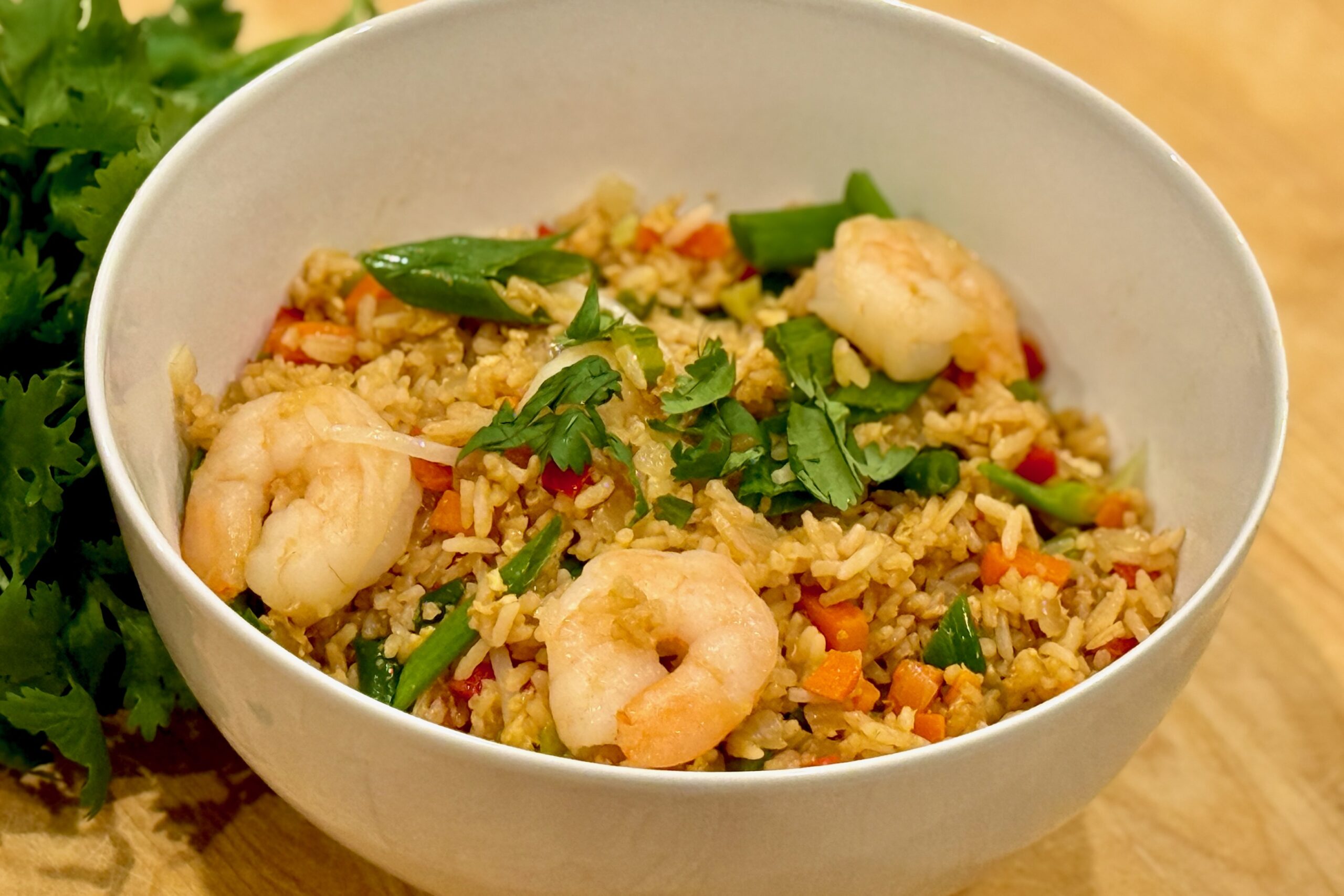
    • Excellent in bao buns or sliced thinly for Fried Rice with Shrimp & Char Siu.

    Variations

    • Pork Belly Version: Remove skin, cut into 1½–2-inch strips, reduce sugar to ⅓ cup total, sous-vide at 70°C (158°F) for 10–12 hours, broil from 8 inches away, glazing every minute.
    • Grill Instead of Broil: Cook over hot charcoal, glazing and turning every 1–2 minutes until lacquered.
    • Extra Caramelization: Increase honey in the glaze up to ½ cup for a deeper lacquer.

    Make-Ahead & Storage

    • Pork can be marinated up to 24 hours in advance.
    • Sous-vide cooked pork can be chilled in the sealed bags up to 48 hours before finishing.
    • Leftovers keep 3–4 days refrigerated; broil briefly to refresh the glaze.